
Kia Kx Cross for Export: Essential Buyer Guide
Buy a Kia Kx Cross from China with practical guidance on trims, export pricing, MOQ, shipping, compliance and variant choice for overseas dealers.
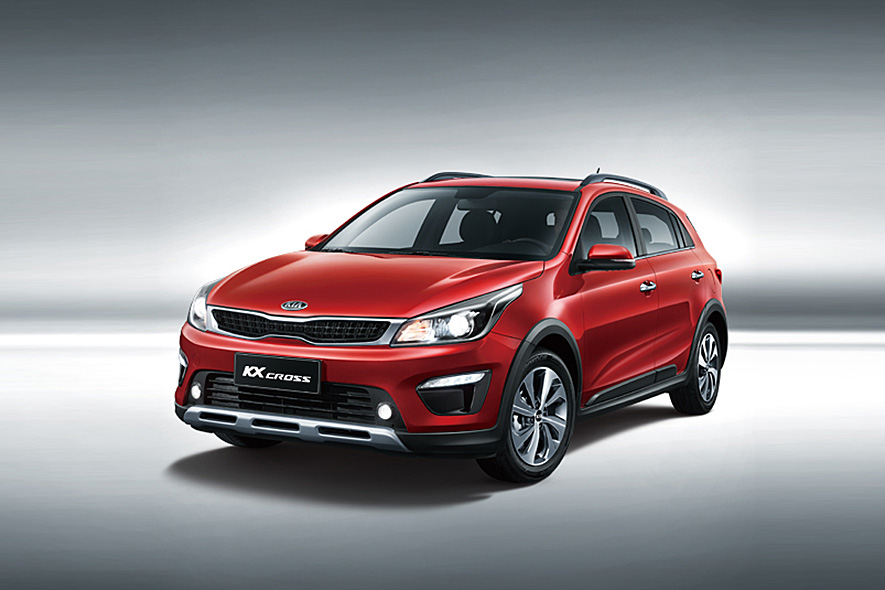
At a glance
- The China-market Kia Kx Cross is a compact petrol crossover suited to urban and regional use.
- The range spans 1.4L GLS configurations with manual or automatic transmission and 1.6L automatic sunroof versions.
- New vehicles prioritise specification and provenance, while used vehicles require condition, service-history and inspection checks.
- Export pricing moves with trim, production year, condition, currency, freight, taxes and the selected Incoterm.
- Local homologation, steering side, compliance rules and parts support determine whether a unit is commercially usable.
Why the Kia Kx Cross matters for export markets
The Kia Kx Cross is a China-market compact crossover SUV built for buyers who want a raised, practical body without moving into the cost and operating burden of a larger vehicle. In export markets, its appeal is straightforward: a modern shape, a useful mix of 1.4-litre and 1.6-litre petrol versions, and configurations that range from straightforward GLS cars to higher-feature sunroof editions. That combination places it between a city car and a family SUV, making it relevant to independent importers, regional dealers and fleet operators seeking compact, accessible transport for everyday duty.
The model’s export relevance comes from its size and equipment balance rather than headline performance. A 1.4L GLS is the volume-oriented choice in the range and should appeal where lower purchase outlay, routine servicing and straightforward equipment matter. The 1.6L automatic sunroof versions add a more polished specification for buyers who expect better everyday refinement, additional convenience and a stronger customer-facing image. Because equipment varies by source market and production batch, treat the trim name as a starting point and verify the individual vehicle rather than assuming similarly named units are identical.
For distributors, the Kx Cross can fill a practical entry point between basic hatchbacks and larger crossovers. It is especially easy to consider where buyers need five-door access, a higher driving position and a petrol powertrain that does not depend on charging infrastructure. Global demand should be tested market by market: compact-SUV acceptance, used-import age limits and compliance all affect demand. The strongest case therefore comes from markets where compact SUVs are established, petrol is practical and importer compliance is clear, rather than from a generic global-sales assumption at the outset.
- Petrol compact crossover for export.
- 1.4L GLS and 1.6L sunroof variants.
- Approval follows destination-market rules.
Model range, trims and powertrain variants: how the lineup is structured and how to choose
The lineup is organized around two petrol engine sizes and a few equipment grades. The 1.4L appears in GLS form with either manual or automatic transmission, while the 1.6L is offered with an automatic in Smart Sunroof Edition and Dynamic Sunroof Version specifications. Some listings carry China VI or China V designations, identifying the domestic compliance version but not proving destination-country legality. Start with the listing name, then confirm engine, gearbox, equipment and emissions label from the vehicle documents, clarifying which features are factory-standard rather than dealer-added for that car.
Choosing between the 1.4L and 1.6L should be driven by operating priorities, not badge appeal alone. The smaller unit is the logical starting point for cost-conscious urban use, especially with the manual GLS when a buyer is comfortable with a clutch and expects straightforward operation. The 1.6L automatic is the more conventional export choice for stop-and-go traffic, shared fleet duty and customers who place more weight on convenience. Because published output, payload and towing figures vary by market and are not confirmed here, request the specification sheet before making performance or load claims.
Transmission choice is equally practical. A manual can suit drivers who value direct control and routine service familiarity, but an automatic usually reduces fatigue and simplifies fleet training. The 1.6L automatic versions add sunroof equipment and higher trim positioning; Dynamic and Smart names should not be treated as proof of a specific equipment bundle because export cars can be reconfigured, stripped or repaired. Before purchase, request photographs of the dashboard, seat, infotainment unit, sunroof, wheels and service sticker, and reconcile the VIN, build plate and option list against the seller’s description.
- 1.4L GLS: manual or automatic.
- 1.6L: automatic in listed configurations.
- Sunroof trim names require verification.
- China V/VI labels are not destination approvals.
New vs used Kia Kx Cross: how export inventory is structured and how buyers choose
ChinaCarDirect’s export inventory can include both new vehicles and used examples of the Kx Cross, so the buying strategy should begin with condition rather than with a single “best” version. New cars suit buyers who want consistent specification, known history and a simpler handover process. Used cars suit value-focused importers who accept inspection and ageing risk in exchange for a lower acquisition commitment. Because condition, age and equipment are unit-specific, the live inventory is the only reliable place to establish what is available; a model-year label alone does not reveal condition or suitability.
For a used Kx Cross, value should be tested against condition rather than inferred from the lowest asking price. Ask for odometer evidence, service records, ownership history, accident and repair history, recent inspection results, tyre condition and evidence of the original emissions specification. Inspect bodywork, panel gaps, glass, lamps, interior wear, suspension and test every electronic feature during pre-shipment inspection. A properly maintained, well-documented unit can suit a budget buyer better than a superficially attractive vehicle with incomplete records; inspection should be part of the purchase decision, not an optional extra.
For a new vehicle, the decision shifts toward configuration control, delivery condition and warranty handling. Confirm whether the car is current production, a parallel-import specification or an aged domestic vehicle, because each can carry different equipment, documentation and residual-value implications. Also confirm how local warranty is honoured after export and whether the seller will provide a certificate of conformity, registration or other documents required in the destination. The most attractive new-unit option is therefore not automatically the highest trim: it is the cleanest, best-documented vehicle that matches the importer’s intended market and budget.
- New: prioritise provenance and specification.
- Used: prioritise inspection and records.
- Compare total entry cost, not asking price alone.
How export pricing works: the factors behind a live listing price, and how to read one
A live export price is the result of several commercial variables, not a permanent model-level price. The engine and transmission, trim and equipment, production year, mileage and condition for a used vehicle, and the seller’s commercial position all influence the figure shown. Currency movements can alter the displayed amount, while local taxes, port charges, insurance, inland transport and financing costs usually sit outside it unless the quote expressly includes them. Treat the listing as the vehicle’s commercial starting point, then establish the Incoterm and the full landed-cost calculation separately, in writing.
The largest comparison error is comparing one seller’s complete delivered quote with another seller’s basic listing. Before comparing, place both vehicles on the same basis: condition, engine, transmission, equipment, year, document set and destination port. Ask whether the price includes export preparation, loading, marine insurance, inland haulage, customs clearance and duties, or whether those are quoted separately. For a fleet, include registration, local compliance, servicing and residual-value assumptions. For a dealer, include demurrage risk and the cost of moving a non-selling unit because those items can erase the apparent saving between two otherwise similar vehicles.
How to read a live Kx Cross listing is straightforward. Start with the vehicle title, then check the thumbnail and photographs for the actual car, the trim and options, VIN, production details, condition and any price qualifier. Open the supplier or contact channel for written confirmation of the current vehicle-level quotation and availability; prices and availability can change, so a saved page is not a binding offer. Use the live listings to establish current per-unit numbers, ask for a formal quotation for your exact destination, and include freight, taxes and compliance work in the final comparison before issuing a purchase order.
- Compare identical condition, trim and destination terms.
- Separate vehicle price from landed cost.
- Request a written, unit-specific quotation.
MOQ, ordering and payment: single units vs consolidating a container
Minimum order quantity is a seller and transaction condition, not something that should be assumed from the model name. ChinaCarDirect listings can be reviewed unit by unit, but the applicable MOQ must be confirmed for the selected vehicle and configuration in a written quotation. Single-unit purchasing may suit a test-car importer, small dealer or first shipment, while a container order can improve freight planning and unit consistency. For wholesale buying, current MOQ and availability should be read on the live listing and repeated in the quotation, where they become part of the order terms.
For container consolidation, agree the mix before payment: one trim across several units simplifies parts, training and resale, while a mixed load can serve different customer segments. Confirm that every vehicle has the same destination-appropriate documentation and that the supplier will photograph loading, seal the container and provide packing and unit lists. Consolidation does not remove the risk of a damaged vehicle; it can concentrate it in a shipment, so inspection timing, insurance and replacement rights should be settled in advance. Do not fill spare capacity with a higher-risk unit merely to improve the load economics.
Payment should follow a documented sequence agreed in the proforma invoice: specify each vehicle, price basis, deposit, balance trigger, beneficiary details, Incoterm, inspection point, documents and cancellation terms. A bank transfer or other protected method may be appropriate once the counterparty and vehicle are verified, but never rely on informal account-change messages. Tie the balance to satisfactory inspection and receipt of agreed documents rather than shipment alone where possible. The importer should also confirm title ownership, export eligibility, cancellation responsibility and what happens if a unit fails inspection or cannot be registered in the destination market.
- Confirm MOQ per listing and quotation.
- Use a unit list in the proforma invoice.
- Link final payment to inspection and documents.
Shipping, homologation and market compliance caveats: LHD/RHD and import rules by country
Shipping cost and lead time depend on the number of vehicles, sailing frequency, origin and destination ports, inland distance, container type, fuel and handling charges, and the chosen Incoterm. A single-unit shipment may be consolidated with other compatible cargo, while a container can simplify handling but requires loading supervision and sufficient compliant vehicles. Build the delivery plan around the port pair and unloading capability, not just the vehicle line. Allow time for export declaration, customs clearance, terminal handling, inland delivery and registration; these stages can be less predictable than the sea voyage itself.
Steering configuration is a gating issue. Kx Cross examples originating in China should be assumed to be left-hand-drive unless the seller proves otherwise; do not advertise an RHD version based only on a listing title. A left-hand-drive car can still be imported into some markets for private or specialist use, but local registration, safety and taxation rules vary and may make commercial resale impractical. If your business model depends on right-hand drive, ask the supplier to search for an RHD example and obtain the steering-side photograph, VIN and registration document before paying. Engine, emissions and equipment conversions are separate from the steering conversion and should not be confused.
China V and China VI designations describe the vehicle’s domestic emissions version; they are not automatic approvals for another country. The importer must confirm VIN and identity documents, customs classification, tariff and tax treatment, emissions or safety conformity, local inspection, insurance and any used-vehicle age or condition restrictions. For commercial registration, some destinations require type approval or a certificate of conformity that the vehicle can support, while others apply market-specific rules after import. Obtain a written regulatory view from a local customs broker or authority before contracting, and do not assume a model’s presence in another market makes this China-specification example eligible.
- Confirm LHD or RHD from photographs and documents.
- China V/VI does not equal foreign homologation.
- Validate customs, tax, age and conformity rules locally.
- Build lead time around port and clearance stages.
Who should buy the Kx Cross — and who should pick a different vehicle
The Kx Cross is a strong candidate for independent importers, small dealers and fleet buyers that need a five-door petrol crossover rather than a premium SUV. It makes sense where purchase budgets are constrained, charging infrastructure is limited and the vehicle will cover mixed urban and regional duties. The 1.4L GLS configurations can serve cost- and service-sensitive operators, while the 1.6L automatic sunroof editions fit buyers who prioritise ease of use and presentation. Fleets should still model fuel economy, spare-wheel or tyre availability, maintenance intervals and resale demand locally, because those commercial factors outweigh a single trim label.
It is less suitable for operators needing a much larger cargo volume, seven-seat flexibility, serious off-road ability or heavy towing, none of which should be assumed from the Kx Cross name. Buyers in markets with strict right-hand-drive supply, punitive used-import age rules or high local compliance barriers may find the sourcing proposition too uncertain. An electric-only buyer should choose a battery-electric alternative rather than expecting a petrol model to satisfy charging mandates or corporate emissions policy. A premium buyer seeking advanced driver assistance, richer materials and a stronger residual image will probably obtain more from a newer or higher-segment vehicle.
Before finalising the fit, translate the vehicle’s role into measurable requirements: passengers, luggage, annual kilometres, urban congestion, road quality, fuel availability, service network and expected ownership period. Compare the 1.4L manual for buyers who control both budget and driver training, the 1.4L automatic for a lower-complexity small fleet, and the 1.6L automatic for a more customer-facing role. Then test one candidate against local alternatives on total cost, compliance and parts support. The right choice is not the newest or most featured listing, but the vehicle whose strengths survive the destination market’s real operating conditions.
- Best for compact urban and regional fleets.
- Choose 1.4L for cost focus; 1.6L automatic for convenience.
- Skip if large cargo, seven seats or heavy towing is essential.
- Evaluate service and parts support before fleet purchase.
Main rivals and how the Kx Cross compares
The Hyundai Kona is one of the closest conceptual rivals because it occupies a similar compact crossover position and is offered with petrol engines and automatics in many markets. The Kx Cross may appeal to an importer seeking a China-origin alternative, while the Kona can benefit from a more visible local dealer network and market-specific development. Choice should turn on the exact destination specification, safety and emissions equipment, warranty parts support, and whether the buyer values a known global model over a potentially simpler China-source supply. Neither should be selected from segment labels alone.
The Ford EcoSport competes for compact SUV buyers who value a higher seating position, practical packaging and a global-name badge. Depending on the destination, its local engine and transmission mix, dimensions and after-sales support may align more closely with customer expectations than a China-specification Kx Cross. Conversely, the Kx Cross can offer a different trim ladder and sourcing route that is useful for importers able to handle local homologation. Compare tax bands, boot usability, parts availability and the real cost of certifying each vehicle rather than assuming a more familiar badge determines the better choice.
The Nissan Juke is another close alternative for buyers who prioritise distinctive styling, compact exterior dimensions and urban manoeuvrability. Its market-specific equipment, safety systems and engine choices can make it easier for some importers to support, while the Kx Cross may deliver a more conventional crossover presentation and a useful selection of manual and automatic configurations. Across all three rivals, compare the destination-approved engine, warranty coverage, parts lead time, residual demand and certification burden. The Kx Cross is most competitive where its China sourcing advantage offsets the extra work required for local compliance.
- Hyundai Kona: closest global-name segment comparison.
- Ford EcoSport: practical compact-SUV alternative.
- Nissan Juke: design-led urban crossover option.
- Compare certified specification and after-sales support.
Live Kia Kx Cross export inventory
View all listings →Real units currently on ChinaCarDirect with per-unit asking prices and MOQ. Availability updates live from the catalogue.
How to buy a Kia Kx Cross from China
-
1
Define the destination-market requirements
Confirm the import rules, steering-side needs, tax treatment, age restrictions, registration route and required safety or emissions documents before selecting vehicles.
-
2
Shortlist vehicles from the live inventory
Review current Kia Kx Cross listings by engine, transmission, trim, condition and production details. Check each individual unit rather than relying on a model-level price or availability statement.
-
3
Verify identity and specification
Request the VIN, build plate, registration or import documents, option list and photographs. Confirm that the engine, gearbox, equipment and China V or VI designation match the seller’s description.
-
4
Request a destination-specific quotation
Ask for the unit price, Incoterm, freight basis and any export charges in writing. Request a separate landed-cost estimate covering insurance, customs, taxes, inland transport and compliance work.
-
5
Confirm MOQ and agree the proforma invoice
State the required quantity, vehicle mix, payment sequence, beneficiary details, delivery point, document package and cancellation terms. Ensure every vehicle and condition is identified in the invoice.
-
6
Inspect before releasing the balance
Use a qualified inspector to check condition, mileage, service evidence, bodywork, interior, mechanical operation and installed equipment. Tie final payment to satisfactory inspection and receipt of agreed documents where possible.
-
7
Arrange freight, clearance and registration
Confirm loading, insurance, shipping, port handling, customs clearance and inland delivery. Keep the original documentation with the importer until the vehicle is cleared, insured and registered for its intended use.
Kx Cross vs rivals
| Hyundai Kona | The Kona occupies a similar compact crossover position and may have stronger local brand recognition and after-sales support. The Kx Cross can suit importers seeking a different China-origin supply route, provided destination compliance and parts support are secured. |
|---|---|
| Ford EcoSport | The EcoSport is a practical compact-SUV alternative for buyers attracted to a higher seating position and familiar global marque. The Kx Cross offers a distinct trim and transmission mix, but certification, equipment and local service availability should determine the better business case. |
| Nissan Juke | The Juke competes through distinctive styling and urban-friendly dimensions, while the Kx Cross provides a more conventional crossover shape and a broader mix of manual and automatic configurations. Compare locally approved specifications, safety equipment, parts lead times and residual demand. |
Frequently asked questions
How is the Kia Kx Cross export price determined?
A live price reflects unit-specific factors such as trim, engine, transmission, production year, condition and mileage, together with seller and currency effects. Freight, insurance, taxes, duties and local charges may sit outside the listing unless expressly included. Check the current Kx Cross listings for the live vehicle price, then request a written destination-specific quotation with an Incoterm and landed-cost breakdown.
What engine and transmission options does the Kx Cross have?
The lineup includes a 1.4L GLS with manual or automatic transmission and 1.6L automatic Smart Sunroof Edition or Dynamic Sunroof Version variants. Some trim names carry China V or China VI designations. Confirm the engine, gearbox, emissions version and VIN on the individual unit before ordering.
Should I buy a new or used Kia Kx Cross?
A new vehicle is generally easier to assess for specification, history and handover consistency, although warranty coverage after export must be confirmed. A used vehicle may offer better acquisition value but requires document checks, condition assessment and evidence of maintenance history. The live unit listing and an independent pre-shipment inspection should determine suitability.
What is the minimum order quantity for a Kia Kx Cross?
MOQ is set by the seller, vehicle and transaction rather than by the model alone, so no fixed catalogue minimum should be assumed. Single-unit purchasing may be available for suitable listings, while container orders require an agreed vehicle mix. Read the current MOQ on the live unit listing and repeat it in the written proforma invoice.
How long does shipping take and what affects the cost?
Shipping time and cost depend on the origin and destination ports, sailing schedule, container availability, fuel, handling charges, inland distance, insurance and Incoterm. Export preparation, customs clearance, port handling and registration can take longer than the sea voyage. Ask the supplier for a destination-specific schedule with the freight, port and inland charges itemised.
Are spare parts available for the China-specification Kx Cross?
Parts availability depends on the destination, model year, engine and trim, so confirm the local Kia network and expected part-number coverage before importing. Request a parts quotation using the VIN and verify common service items such as filters, belts, lamps and body panels. For a distributor, also assess ordering lead times, minimum order requirements and whether alternative parts are needed for RHD conversion.
Is a right-hand-drive Kia Kx Cross available for export?
China-origin Kx Cross examples should be treated as left-hand-drive unless the supplier provides documentary proof otherwise. Availability of an RHD unit depends on the source and must be confirmed with photographs, VIN and registration documents. Steering-side availability does not remove local safety, tax, customs or used-import restrictions.
How do I order a Kia Kx Cross from China?
Select a candidate from the live listings, request an RFQ with the destination, trim and quantity, and ask for a written quotation and proforma invoice. Verify the vehicle, MOQ, payment terms, Incoterm and document package before paying. Release the balance against inspection and agreed documentation, then arrange freight, customs clearance and destination registration.
Ready to source the Kia Kx Cross?
Send your destination, required trim and quantity to ChinaCarDirect for a current unit-level Kia Kx Cross export quotation.
Request a quote