
Kia Kx1 Export Buying Guide for Dealers and Fleet Buyers
Compare Kia Kx1 specs, trims, new and used options, export pricing, MOQ, shipping and homologation before requesting a live quote from China.
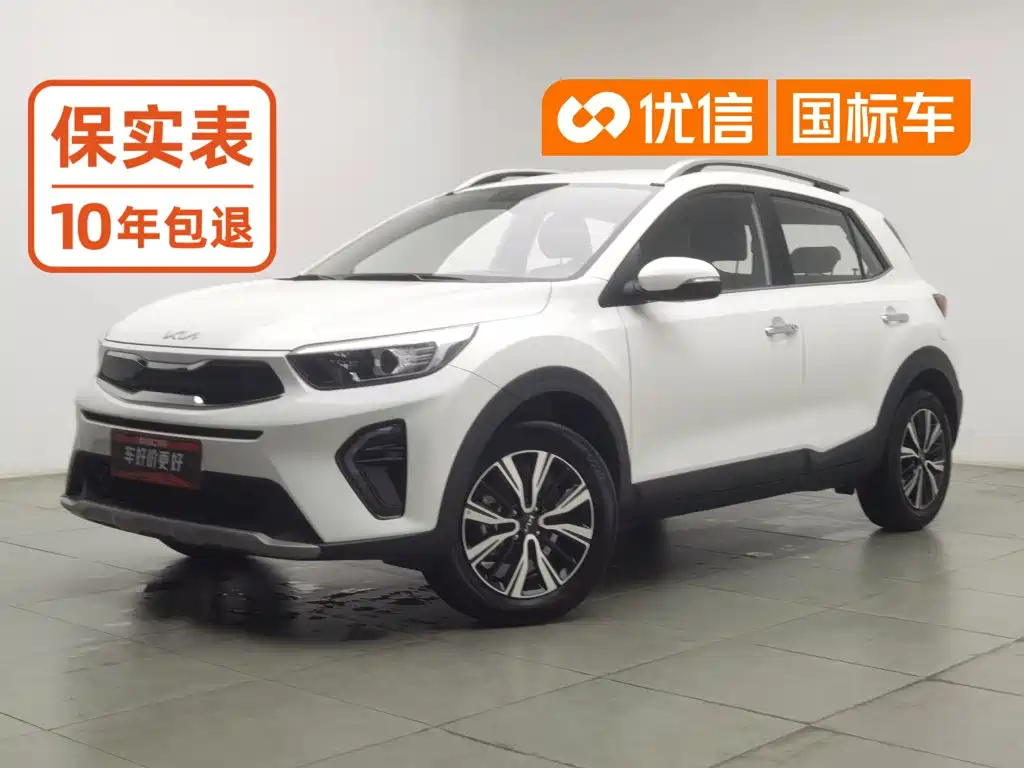
At a glance
- The Kx1 is Kia’s China-market subcompact crossover, closely related to the Stonic sold in other markets.
- The export-facing range centers on 1.4-litre petrol versions with manual, automatic or CVT choices and equipment-led trims.
- Battery capacity and charging range are not decision points because the export lineup represented here is petrol-powered.
- New units support easier fleet standardisation, while used units demand closer inspection of condition and service history.
- Export pricing is unit-specific and must be separated from freight, insurance, duty, taxes and Incoterm terms.
- RHD availability, homologation, parts support and local servicing must be confirmed before importing.
Why the Kia Kx1 matters for export markets
The Kia Kx1 sits in the subcompact-crossover segment, pairing the raised stance and five-door practicality of a small SUV with dimensions suited to urban use. It is the China-market name for a model closely related to the Kia Stonic offered in other countries. That positioning matters overseas because compact crossovers can appeal to private buyers, ride-hailing operators and small fleets that need more usable space than a hatchback without carrying the fuel and logistics burden of a larger SUV, while remaining easier to finance, park and service in many markets.
Global demand for the Kx1 is best treated as segment demand, not as evidence that every overseas market already recognizes the name. In lower-tier cities and fast-growing transport fleets, buyers often prioritize air-conditioning, automatic transmission availability, ground clearance and a practical cabin over outright power. The Kx1’s China-derived feature set can meet that brief, while familiar 1.4-litre petrol hardware reduces training and parts-planning complexity compared with less familiar powertrains. Demand still depends on local fuel availability, import rules, workshop capability and dependable after-sales support before vehicles are committed in that market.
For an importer, the model’s attraction lies in its combination of compact exterior packaging, useful equipment and multiple gearbox and trim descriptions across production periods. That creates an opportunity to match the vehicle to different budgets rather than treating the Kx1 as one interchangeable SKU. It does not, however, guarantee easy resale in markets where the Stonic badge is better known, or where Chinese safety, emissions and software standards differ from local approval rules. The sound export case is therefore channel-specific: strong after-sales access, realistic compliance and a clear target customer.
Model range, trims and powertrain variants: how the lineup is structured and how to choose
The visible lineup is organised around a 1.4-litre petrol engine and changing equipment tiers rather than multiple energy types. Listing names include Fun, Sport, Sunroof and combined Fun & Sunroof descriptions, with China V and China VI designations appearing on some versions. “Automatic,” “CVT” and manual versions are also distinguished. These names are useful for initial filtering, but they are not equivalent to a standardized international trim chart. A buyer comparing Kia Kx1 specs should read the full unit name, photographs, option list and production details because equipment can change within the same naming family.
Unlike a battery-electric vehicle in the same broad showroom, the Kx1 does not create a battery, charging or range decision. The stable technical starting point is a 1.4-litre petrol powertrain, normally paired with front-wheel drive; transmission choice includes manual, automatic or CVT arrangements depending on trim and production market. Buyers who require a torque converter, manual control or a particular emissions standard can therefore narrow the search by gearbox and compliance label. Exact output figures, curb weight and dimensions should be taken from the specific listing rather than inferred from the trim name.
The practical hierarchy is straightforward: compare the baseline equipment of a standard Fun or Sport version with the added convenience associated with Fun, Sunroof or Fun & Sunroof descriptions, then check whether those features are present. Automatic Sport listings may suit drivers prioritising convenience and presentation, while a manual can appeal where familiarity and lower purchase complexity matter. China VI examples should not automatically be preferred in every destination because the destination’s emissions regime—not the Chinese label—controls legality. For fleet buyers, standardisation across a batch matters more than the most feature-rich individual trim.
- 1.4-litre petrol powertrain
- Manual, automatic or CVT
- Check China V/VI
New vs used Kia Kx1: how export inventory is structured and how buyers choose
ChinaCarDirect’s export catalogue gives buyers looking to buy a Kia Kx1 from China access to both newer Chinese-market vehicles and used examples listed under Kx1, Stonic, or combined names. That structure reflects a practical reality: buyers may source recent factory-built cars for a new programme or earlier vehicles for a lower initial outlay. A new unit is generally the cleaner route for warranty, known configuration and fleet standardisation; a used unit can make sense where depreciation has already been absorbed. The correct comparison is total operating cost over the intended holding period, not simply whether one label says new or used.
For used Kx1 vehicles, condition evidence is more important than the nominal year. Ask for odometer readings, service records, accident and repair history, tyre condition, fluid levels, cold-start behaviour, air-conditioning performance and evidence of regular maintenance. Inspect the automatic or CVT for warning symptoms and confirm that the engine starts cleanly, but do not treat a short demonstration drive as a substitute for an independent inspection. Also verify that the listing’s China V or China VI description, and any stated equipment, match the physical vehicle and its paperwork before shipment.
New vehicles require a different diligence path: confirm production timing, factory warranty terms, delivery condition and whether the intended trim, gearbox and emissions version will still be available when the order is ready. Used vehicles can offer more immediate model-year flexibility, yet repairs, part availability and residual-value uncertainty can offset the initial saving. Buyers operating a mixed fleet should model downtime and maintenance reserves alongside fuel and insurance. Exact per-unit pricing and availability change continuously, so review the live inventory for the year, condition, gearbox and trim that fit the operation.
- Used condition and service history
- New production and warranty
- Full holding-period cost comparison
How export pricing works: the factors behind a live listing price, and how to read one
An export listing price is not a universal Kx1 price. It is the seller’s asking price for one described unit, and it changes with model year, trim, gearbox, production standard, mileage and condition for used cars, visible equipment, documentation, and the seller’s commercial terms. Currency conversion also affects how an overseas buyer perceives the amount. A sunroof-equipped automatic and a plainer manual example cannot be compared as equivalent products. Start with the current live listing, then request a written quotation that identifies the exact vehicle rather than relying on a model-level headline.
The final landed cost may include charges outside the listing page: inland transport, export handling, ocean or vehicle-carrier freight, insurance, destination charges, customs duty, taxes and registration. The Incoterm determines where responsibility and risk pass between seller and buyer, but it does not remove every downstream cost. A lower vehicle figure can be offset by freight booked separately or by insurance and destination charges. Compare quotations using the same Incoterm, currency, destination port and tax treatment; otherwise the apparent saving may reflect a different scope of service, and document the assumptions in writing.
Read each live listing critically. Confirm that the year, trim name, transmission, condition and included options match the photos, and look for disclosures about prior use, repairs or missing documents. Ask whether the displayed amount is the seller’s ex-warehouse vehicle price or a delivered quote, and whether freight is included. Request validity dates, payment terms, inspection rights and the consequences of cancellation or non-conformity. None of these negotiable fields should be inferred from the photograph or vehicle name; the current quote and sales contract are the binding commercial terms for the order.
- Quote the exact vehicle
- Show freight, duty and tax
- Written quote validity terms
MOQ, ordering and payment: single units vs consolidating a container
MOQ means the minimum order quantity a seller requires for a particular quotation, vehicle group or shipment. The ability to purchase an individual unit depends on the seller’s terms, while container buyers may prefer to combine several units; the applicable minimum and any seller-specific conditions must be confirmed on the current listing and in the pro forma invoice. One-unit purchasing gives an importer flexibility to test demand and manage cash flow. Consolidation can reduce the cost per vehicle and simplify freight, but it commits more capital, storage and selling effort at once before cargo is committed.
A sound ordering workflow starts with account verification and a clear specification, followed by a written pro forma invoice showing the unit or units, price, currency, Incoterm, deposit, balance, production or stock status, and estimated dispatch window. Payment methods and buyer identity checks can affect release of documents or vehicles. For used stock, inspection and payment should be linked so that the inspection right survives the deposit. Dealers should also confirm the seller’s cancellation, refund and discrepancy policies, rather than assuming marketplace photographs are a binding condition report for that unit.
For Kia Kx1 wholesale programmes, container consolidation requires a separate commercial plan. Vehicles must share compatible destination documentation and customs treatment, and their dimensions, weight and handling requirements must suit the selected shipping method. Each unit still needs traceable identity and condition records; a consolidated container should not obscure which vehicle belongs to which invoice. For a mixed fleet, ask the supplier to provide packing lists, loading photographs and securement arrangements, then maintain cargo insurance appropriate to the route. This route often works better for established importers than for a first-time buyer testing one market.
- Confirm applicable MOQ
- Preserve inspection rights
- Consolidate compatible units
Shipping, homologation and market compliance caveats: LHD/RHD and import rules by country
China-built Kx1 vehicles are commonly associated with left-hand-drive production, but a buyer must confirm the steering side of the exact unit instead of assuming it from the model name. Right-hand-drive demand may be met only by a suitable production variant or by a separate regional programme, and aftermarket conversion is not an equivalent solution. It can affect homologation, safety inspection, insurance and parts availability. A dealer intending to sell RHD vehicles should secure a documented RHD example, verify its steering components and controls, and have the local authority approve the configuration before registration.
Homologation is market-specific. A China VI plate, factory equipment or Chinese VIN does not automatically satisfy a destination country’s emissions, safety, cybersecurity, type-approval, tax or registration rules. Used vehicles may face additional age restrictions, inspection requirements or emissions tests. The importer should obtain a written local compliance assessment covering VIN, engine, emissions, lighting, equipment and any software or electric-system requirements. This is especially important where the Kx1/Stonic name is not an officially launched model, because local parts references, recalls and insurance assumptions may be less straightforward than for a familiar global nameplate.
Shipping method, route and cargo size determine freight cost and transit time, while congestion, seasonal capacity, insurance and customs clearance can change the schedule. Kx1 units may travel in a vehicle carrier or containerised cargo depending on available capacity and commercial terms; request the planned method rather than assuming one. Obtain required commercial and customs documents, confirm the importer of record, and use a broker to check classification, duties and taxes for the destination. Do not release the balance merely because the vehicle has loaded—tie payment milestones to the agreed inspection and documents where practical.
Who should buy the Kx1 — and who should pick a different vehicle
The Kx1 fits buyers who want a compact, five-door crossover for urban use and value predictable petrol operation over battery charging or heavy-duty capability. It is especially relevant to independent importers, small dealer groups and fleet buyers in markets where compact vehicles are practical but a larger SUV is unnecessary. Multiple Fun, Sport and sunroof configurations allow a channel to serve different customer budgets. The strongest case appears when local workshop capability, fuel quality, spare-part planning and insurance are already in place and when the import margin survives all landed costs.
It is a weaker choice for buyers who require a model with an established local sales and residual-value network, or who need proven towing, off-road ability, high payload or a larger safety-tested family package. It may also be unsuitable where zero-emission mandates, urban access restrictions or emissions policy make petrol ownership unattractive. The China-specific Kx1 badge and trim terminology can complicate comparison with the Stonic sold elsewhere, so overseas buyers should not assume that global Stonic service procedures or warranty terms apply automatically. A local dealer should test demand before committing to volume at retail or fleet scale.
Before placing a fleet order, run a pilot that measures real-world fuel consumption, downtime, tyre and brake replacement intervals, parts lead times and technician familiarity. Check whether the proposed model’s engine and gearbox are supported by regional distributors, because the availability of a generic 1.4-litre part does not guarantee immediate access to model-specific components. For used purchases, reserve funds for wear items and an independent inspection. If the business case depends on rapid resale at a predictable residual value, a better-established local rival may be safer than a newer import channel for the first year.
- Urban and light-fleet fit
- Local servicing and parts
- EV-policy mismatch
Main rivals and how the Kx1 compares
The Hyundai Venue is a close B-segment crossover benchmark because it competes for compact urban buyers with a similarly small footprint. Venue benefits from Hyundai’s wider market-specific dealer and ownership recognition in many countries, while the China-built Kx1 may offer a different equipment mix and Chinese trim structure. The right comparison depends on the homologated Venue variant available locally: buyers should compare warranty, parts access, safety evidence, outright purchase cost and real ownership costs rather than assume either model wins on appearance, price or resale without evidence across every destination.
The Nissan Magnite is another relevant subcompact-SUV alternative, with market-specific engine, trim and feature choices aimed at value-conscious private buyers. It may be easier for a buyer to compare against locally familiar Nissan support, yet local variants can differ materially from vehicles sold elsewhere. The Kx1’s strongest counter-argument is its China-market configuration and availability of different Fun, Sport, sunroof, manual and automatic descriptions. That proposition works only if those specifications are compatible with destination rules and if the importer can properly support the resulting parts and demand profile after import.
The Ford EcoSport remains a familiar fleet-shopping benchmark in some established markets, although model age and local programme availability vary by country. It offers a recognisable alternative for operators already serving Ford customers, but it may not match the Kx1’s Chinese-market equipment or export configuration. A fair three-way test should use locally approved vehicles with equivalent warranty, engine, safety equipment, payload, boot space and service support. Only then should landed price enter the comparison, and exact Kx1 pricing should be taken from the live unit listing and refreshed quote for the destination market.
- Venue: local support benchmark
- Magnite: market-specific variants
- EcoSport: fleet benchmark
Live Kia Kx1 export inventory
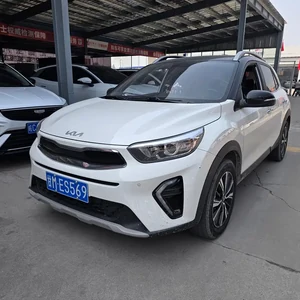
View all listings →Real units currently on ChinaCarDirect with per-unit asking prices and MOQ. Availability updates live from the catalogue.
How to buy a Kia Kx1 from China
-
1
Define the destination-market specification
Set the body style, gearbox, fuel, steering side, emissions requirement and budget before searching. If RHD is mandatory, shortlist documented factory RHD examples rather than relying on conversion.
-
2
Shortlist the live Kx1 inventory
Use the live Kx1 listings to compare year, Fun, Sport or sunroof naming, transmission, condition and visible equipment. Ask for the full unit name and photographs because trim labels are not fully standardised across production periods.
-
3
Verify condition and ownership documents
For used vehicles, request odometer, service and accident records and arrange an independent inspection. For new vehicles, confirm production timing, factory warranty, VIN, ownership status and the documents required by the destination broker.
-
4
Request a unit-specific landed quotation
Ask for vehicle price, currency, Incoterm, freight method, insurance, destination charges, duty and tax assumptions, and quote validity. Compare like-for-like quotations and identify which physical vehicle each quote covers.
-
5
Confirm MOQ, deposit and inspection rights
Review the applicable seller MOQ on the live listing and in the pro forma invoice before paying. Tie deposit and balance milestones to identity checks, inspection, conformity and the shipping schedule, and record cancellation and refund terms.
-
6
Arrange shipping, customs and registration
Confirm the carrier or container method, loading plan, insurance, importer of record and document set. Use a local broker to check classification, duties, taxes, steering-side approval and used-vehicle inspection rules before dispatch.
Kx1 vs rivals
| Hyundai Venue | A close size-and-use alternative for buyers who prioritise Hyundai dealer familiarity and locally supported residual values. The Kx1 instead offers a distinct China-market equipment mix, but it is the better fit only when its configuration is homologated and supportable locally. |
|---|---|
| Nissan Magnite | A close value-oriented subcompact-SUV alternative where Nissan has a mature local network. Market-specific Magnite engines and trims may be more familiar to buyers, while the Kx1 is attractive when its exact Chinese specification offers a better sourcing or equipment fit. |
| Ford EcoSport | A familiar fleet benchmark in countries with established EcoSport support, although local programme age and availability vary. The Kx1 may provide a different Chinese-market vehicle and trim set, while EcoSport may be easier to support and resell in an established Ford channel. |
Frequently asked questions
How is the Kia Kx1 export price determined?
A live price reflects the exact unit’s year, trim, gearbox, production standard, equipment, condition and mileage, where applicable. Freight, insurance, Incoterm, exchange rate, destination charges, duty and taxes can change the landed total. Check the live Kx1 listings for the current per-unit amount, then request a written quote tied to a specific vehicle; only the accepted quotation and contract are binding.
What engine, transmission and range options does the Kia Kx1 have?
The export lineup represented here is petrol-powered, centered on a 1.4-litre engine with front-wheel drive. Manual, automatic or CVT versions are identified depending on trim and production version; because the Kx1 is not a battery-electric model, battery capacity and charging range are not applicable. Confirm the exact gearbox, output and emissions version in the live listing.
Should overseas buyers choose a new or used Kia Kx1?
New vehicles generally make budgeting and fleet standardisation easier and may carry a factory warranty; used vehicles can reduce initial capital and offer earlier model-year options. Used purchases demand more scrutiny of mileage, service history, condition and repair risk. Compare the full expected holding cost, including maintenance reserves and downtime, rather than the listing amount alone.
How does MOQ work for Kia Kx1 orders?
MOQ is the seller’s minimum order for the quoted vehicle or shipment, so it can vary by seller and purchasing setup. Some listings are open to individual orders, while container buyers may consolidate compatible units; confirm the applicable MOQ on the live listing and in the pro forma invoice before paying a deposit.
What affects Kia Kx1 shipping time and cost?
Transit time and cost depend on the vehicle count, chosen carrier or container method, origin and destination ports, route capacity, seasonality, insurance and customs clearance. Freight may be quoted separately from the vehicle price under the selected Incoterm. Obtain a route-specific logistics quote and have a broker confirm documents, duties and taxes before shipment.
Are Kia Kx1 spare parts easy to source?
Parts availability depends on the destination’s Kia and Stonic support structure, the exact vehicle specification and the supplier’s access to Chinese parts. A generic 1.4-litre component may not cover model-specific parts, so provide the VIN or exact trim when requesting quotations. Stock common service items and confirm cross-reference numbers before committing to a fleet.
Can I buy a right-hand-drive Kia Kx1 for export?
Right-hand-drive availability is not guaranteed for a China-built Kx1, and China-market examples are commonly left-hand drive. Check each live listing for the actual steering configuration and seek documented RHD examples where required. Local authorities must approve the vehicle, and an aftermarket conversion should not be treated as equivalent to an RHD factory variant.
How do I order a Kia Kx1 from China?
Start with the live listings, shortlist the configuration, request a unit-specific RFQ, and ask for a pro forma invoice showing MOQ, Incoterm, payment milestones, inspection rights and dispatch timing. After verification and deposit, complete payment, inspection, shipping documents and customs arrangements. The RFQ channel is the right place to obtain current binding numbers before ordering.
Ready to source the Kia Kx1?
Request an RFQ for your preferred Kia Kx1 configuration and secure a current, unit-specific quote before placing an order.
Request a quote