
Kia Kx3 Export Buying Guide for Overseas Buyers
Compare Kia Kx3 trims, engines, new and used options, export pricing, MOQ, shipping and compliance before buying from China safely with confidence.

At a glance
- The Kia Kx3 is a compact, gasoline-powered crossover suited to urban fleets, importers and value-focused dealers.
- Its represented powertrain choices include 1.5L, 1.6L, 1.6T and 2.0L engines with CVT, automatic and some manual configurations.
- Two-wheel drive appears across the named configurations, so buyers should confirm the drivetrain of each selected vehicle.
- New and used buying routes offer different trade-offs in documentation, condition, availability and total ownership risk.
- Current vehicle prices, MOQ and availability must be confirmed on each live ChinaCarDirect listing.
Why the Kia Kx3 matters for export markets
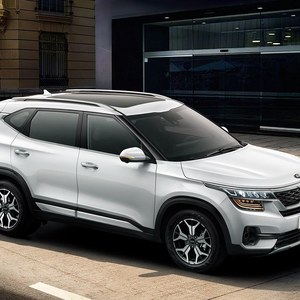
The Kia Kx3 is a compact crossover built for buyers who want a raised, more versatile body without moving into a large SUV. Its appeal in export markets comes from the combination of a manageable footprint, a conventional fuel powertrain and locally relevant equipment. For importers, it sits in the value-oriented segment where buyers often compare cargo space, ground clearance, fuel use and aftersales support more than premium performance. It is especially relevant to city fleets, regional distributors and dealer programs that need a practical vehicle without the purchase and operating burden of a premium badge.
Demand should be understood by use case rather than assumed from the Kia badge. The Kx3 suits buyers seeking an easier entry and loading height than a conventional hatchback, while keeping vehicle size manageable for urban roads, parking and fuel budgets. Fleet operators can evaluate it for staff transport or light commercial duties, provided they confirm luggage capacity, payload, towing limits and local taxation for each destination market. It is less persuasive for heavy-duty operations, where gross vehicle weight, durability and confirmed load limits matter more than style or a broad option list.
Global buyers should also separate the appeal of the model from the support available around it. Kia has an established international brand presence, but parts, service procedures and model familiarity differ across regions. A Kx3 sourced from China may offer attractive equipment for its segment, yet the importer must verify whether local technicians can service the exact generation, identify components efficiently and support the vehicle through its intended life. That serviceability check is often more important to a sustainable import program than a small equipment advantage visible during the initial inspection.
- Compact crossover for urban and fleet use.
- Gasoline powertrains, not electrified.
- Local service support needs early verification.
Model range, trims and powertrain variants: how the lineup is structured and how to choose
The market naming is the first point to decode. The Kx3 is also written as KX3, and a listing may combine a model year, a Chinese-market edition, an engine label, a gearbox and an equipment grade. The range represented by export listings includes 1.5-litre, 1.6-litre, 1.6T and 2.0-litre gasoline engines. CVTs appear with the 1.5-litre, while automatic transmissions are paired with several larger engines; manual 1.6-litre cars also appear. Those names describe the mechanical family and equipment tier, not a single global specification sheet for every destination market or model year.
Commonly encountered edition names include Trend, Fashion, Smart, Comfort, Aoya, DLX and GLS, with special versions such as Fashion Sunroof or Proud Elegance appearing in some periods. These labels are useful for identifying a vehicle, but they should not be treated as a universal global trim hierarchy. Ask for the original build sheet or equipment photographs, because the same grade name can reflect different market-year content and the visible options may not match the name alone. A careful buyer compares equipment against the importer's target market rather than assuming that a higher-sounding grade is superior.
For a buyer prioritizing straightforward urban use, the 1.5-litre with CVT is the simplest starting point to investigate; the 1.6-litre automatic provides a separate choice for buyers who prefer that engine family. The 1.6T option is relevant when stronger performance under load is more important than minimum purchase outlay, while the 2.0-litre automatic serves buyers focused on the largest engine in the represented range. Final selection should account for fuel policy, road conditions, maintenance capability and resale expectations. Do not choose from engine size alone; the transmission, condition and equipment can materially alter the vehicle's suitability.
- 1.5L CVT suits straightforward urban use.
- 1.6L and 1.6T automatic options.
- 2.0L serves larger-engine buyers.
- Verify every trim against its build sheet.
New vs used Kia Kx3: how export inventory is structured and how buyers choose
The export market for this model includes both new and used vehicles, and each serves a different commercial purpose. A new Kx3 is generally easier to describe consistently because its paint, mileage, equipment and service history should be documented from delivery. A used Kx3 can be more practical where the buyer wants a known model at a lower initial outlay, but purchase value depends on condition rather than the model name alone. That makes document review and physical inspection more important for a used unit before any balance is paid or ownership documents are released.
For new inventory, the priority is production chronology and specification consistency. The model year can differ from the manufacturing date, and a batch may include regional equipment intended for Chinese use. Confirm VIN, production date, factory configuration, mileage on delivery and warranty start with the seller. For fleet buyers, the ability to reproduce a consistent specification across several units can be more valuable than finding the lowest headline quote for an isolated vehicle. It also clearly simplifies planning for homologation, parts, training and the eventual resale of each unit.
For a used Kx3, build a condition case around the VIN and exact trim. Review service records, registration documents, accident or repair disclosures, tyre and brake condition, fluid leaks, suspension noise, electrical faults and evidence of correct maintenance. Compare several similar examples rather than judging one car in isolation. The right used purchase is not simply the lowest-cost vehicle; it is the one whose verified condition, remaining serviceability and local resale prospects match the importer's business plan. This approach also reduces the risk of hidden repair costs arriving after export.
- New: verify production date and configuration.
- Used: inspect records, condition and repairs.
- Fleet orders need standardized specifications.
How export pricing works: the factors behind a live listing price, and how to read one
A useful Kia Kx3 export price guide starts by rejecting the idea of one fixed market rate. The live vehicle price is shaped by model year, edition, engine, transmission, drivetrain, optional equipment, mileage, condition and whether the unit is new or used. A used vehicle with lower mileage and complete records may command a different result from a comparable car with more wear, even when both carry the same trim name. Year and production batch can also affect parts and market positioning. Currency movements influence the displayed value whenever a seller or platform converts local cost for that vehicle.
Freight and transaction structure belong in the buyer's calculation, but they should not be confused with the vehicle quote. Depending on the Incoterm, one party may arrange inland transport, export clearance, ocean or air freight, insurance and destination handling up to a named point. Request the price basis, shipping method, route, port or airport, insurance scope and validity period. Comparing an ex-works vehicle price with a delivered or duty-paid figure without normalizing those elements can create a false saving. A written landed-cost worksheet makes the commercial comparison much easier for all offers.
To read a live Kx3 listing correctly, separate the asking price from the total acquisition commitment. Check whether it is a vehicle-only figure, whether tax or documentation is included, and whether the stated Incoterm names the responsible party. Then add or compare the confirmed costs of inland haulage, export clearance, freight, insurance, destination charges, taxes and compliance work. Current exchange rates can alter a converted quote, so obtain a written quote tied to a defined currency and validity period before paying a deposit. The same vehicle can be quoted differently under different terms.
- Match year, trim, powertrain and condition.
- Confirm the Incoterm and quote inclusions.
- Check live listings for current unit prices.
- Calculate landed cost separately.
MOQ, ordering and payment: single units vs consolidating a container
Minimum order quantity should be treated as a commercial term attached to a particular offer, not a permanent property of the model. ChinaCarDirect's live inventory is designed around individual vehicle enquiries, so a buyer can generally investigate a one-unit purchase rather than commit to a full container. Nevertheless, the displayed MOQ and seller terms for the selected listing control the transaction, and a quotation may change when several units, special trims, painting, transport or payment conditions are combined. Always confirm the minimum in the current quotation before arranging payment terms for the selected car.
Buying one unit offers several advantages: lower inventory exposure, quicker cash conversion and the chance to test a market before scaling. The trade-off is that the buyer bears more of the fixed transaction effort, including inspection coordination, customs preparation and freight consolidation. For a Kia Kx3 wholesale enquiry covering several vehicles, buyers can request a consolidated quotation for equivalent units, but should keep model year, trim, transmission and condition aligned if the fleet must have a uniform specification. Mixing mechanically different cars may complicate training and resale. It can also split spare-parts demand across more configurations.
Payment mechanics should be documented before the vehicle is committed. Request a formal invoice showing the vehicle identity, price basis, Incoterm, delivery scope, expected payment milestones and what happens if the vehicle fails inspection or cannot be exported. Confirm the legal seller, export entity and required ownership documents, including VIN and registration records. Buyers should understand whether a deposit is refundable, when the balance is due, which party releases the vehicle, and how title or possession transfers at handover. Never rely on an informal chat summary when material terms are unresolved.
- Single-unit orders reduce initial exposure.
- Consolidate aligned fleet specifications.
- Document inspection, payment and title terms.
Shipping, homologation and market compliance caveats: LHD/RHD and import rules by country
Shipping begins with the vehicle's legal and physical configuration, not simply booking a container. Chinese-built Kx3 vehicles are commonly encountered in left-hand-drive form, but a listing should not be assumed to provide right-hand drive. Ask for a clear cabin photograph and steering-wheel position. A conversion is not an automatic substitute for a factory right-hand-drive vehicle: it adds cost and complexity and may still fail local type approval. For markets that mandate right-hand drive, source the correct configuration before committing funds or paying substantial freight. This protects compliance and avoids avoidable rework.
Import rules are destination-specific and may cover VIN identification, emissions, safety, roadworthiness, age limits, customs valuation, duties, taxes, registration and local inspection. ChinaCarDirect is a sourcing marketplace rather than a substitute for the importing country's regulator or customs broker. Before ordering, provide the destination, port, intended use and vehicle details to a qualified customs broker, then confirm which documents are required for that exact year, engine and configuration. Used imports may attract additional age or emissions restrictions. Local incentives can also depend on the powertrain, age and compliance route, so verify current rules directly.
The logistics choice affects both cost and timing. Ocean freight usually supports lower per-vehicle cost for larger consignments, while air freight can be faster for a small number of units but carries a much higher freight burden. Secure loading, protective handling, moisture control and container space are important for used vehicles. The importer should also plan port charges, inland delivery, temporary storage, insurance and possible inspection before the vehicle can be registered or put into service. Shipping time should be planned with buffers because port congestion, customs review and vehicle availability can alter the schedule.
- Confirm steering side before ordering.
- Check destination-specific compliance.
- Compare ocean and air by landed cost.
- Budget destination charges and inspection.
Who should buy the Kx3 — and who should pick a different vehicle
The Kia Kx3 fits overseas buyers who need a practical compact crossover, value-conscious equipment and a gasoline vehicle that can be refuelled through familiar infrastructure. It is a credible option for independent importers establishing a model line, regional distributors, ride-hailing or staff fleets, and dealers serving urban customers who prefer a raised body and easier loading. The strongest case is a market where parts support and local regulations can be secured for the exact production specification. Its appeal is functional rather than prestige-led, so total ownership evidence matters more than badge appeal.
It is a weaker choice for buyers who need a battery-electric vehicle, very low operating costs, heavy towing, serious off-road capability or a premium-level cabin. It may also be unsuitable where used vehicles face strict age limits or where the model has no realistic parts channel. High-mileage units, incomplete service histories and vehicles with unresolved electrical or structural concerns should be excluded. A hybrid or electrified crossover is preferable for fleets with duty-cycle and fuel-cost priorities. A larger, modern SUV may serve buyers who prioritize passenger room, cargo capacity or newer safety technology.
Before deciding, map the vehicle to a total-cost scenario. Estimate utilization, fuel consumption, expected service intervals, downtime, insurance, registration and resale time for the specific trim. For a fleet, test several vehicles over a pilot period if possible, track defects and parts lead times, and confirm that technicians can work safely on the model. For a dealer, compare the Kx3's landed cost and expected holding period against alternatives that are easier to support locally. This turns a generic model decision into an operating one. It also exposes risks before they become costly inventory commitments.
- Strong for urban fleets and value dealers.
- Weak for EV mandates or heavy towing.
- Choose after total-cost analysis.
Main rivals and how the Kx3 compares
The Hyundai Creta is the closest global-brand alternative for many buyers, combining a similar compact-crossover proposition with a broader international service footprint. The Kx3 may be easier to source through Chinese export channels and offers distinct engine and edition choices in the listings represented here. Creta can be the safer commercial choice where dealer familiarity, standardized parts and established residual-value expectations outweigh the attraction of a more localized Chinese specification. Neither model should be approved without checking destination-market homologation, warranty coverage and real parts support for the actual units quoted.
The Nissan Kicks occupies a similar size and price-oriented space and may appeal where Nissan's wider regional presence simplifies support. The Kx3's attraction is its distinct 1.5-litre, 1.6-litre, 1.6T and 2.0-litre options plus the mix of CVT, automatic and manual choices seen in Chinese-market listings. Kicks can be the stronger choice for a buyer prioritizing a common global platform; the Kx3 can suit an importer seeking broader trim choice or a differentiated vehicle for a local fleet. As always, compare the exact destination specification rather than assuming nameplate similarity guarantees equivalent equipment.
The Changan CS35 Plus is a particularly relevant China-sourced value rival because it competes for compact-crossover buyers who compare equipment and landed cost directly. Changan may provide an alternative when a buyer wants another domestic Chinese marque or has an existing dealer and parts relationship. The Kx3 counters with Kia branding and a broader engine spread in the represented listings, including the 1.6T and 2.0-litre options. The final comparison should be based on identical inspection, Incoterm and compliance assumptions. That removes marketing differences and exposes the true operating and ownership implications.
- Creta: stronger global support identity.
- Kicks: familiar global platform alternative.
- CS35 Plus: direct China-sourced value rival.
Live Kia Kx3 export inventory
View all listings →Real units currently on ChinaCarDirect with per-unit asking prices and MOQ. Availability updates live from the catalogue.

How to buy a Kia Kx3 from China
-
1
Define the market and operating need
Record the destination country, entry port, intended use, passenger and cargo needs, preferred engine and transmission, and steering-side requirement before selecting vehicles.
-
2
Compare live Kia Kx3 listings
Use the current inventory to match year, trim, engine, gearbox, drivetrain, condition and options. Treat each displayed price and MOQ as unit-specific rather than a market-wide fixed rate.
-
3
Request and verify vehicle documents
Ask for the VIN, production date, build sheet, ownership and registration records, mileage, service history and clear interior and exterior images. Used vehicles should include defect and repair disclosures.
-
4
Build a written landed-cost quote
Request the vehicle price basis, Incoterm, freight method, insurance, export clearance, destination charges, taxes and quote validity. Normalize every offer before comparing.
-
5
Complete destination compliance checks
Give the exact vehicle details to a qualified broker and relevant authority. Confirm steering side, emissions, safety, inspection, age restrictions, customs, taxes, registration and insurance requirements.
-
6
Secure payment and shipping
Use a formal invoice covering the deposit, balance, inspection, title, cancellation and vehicle-release terms. Complete pre-shipment inspection, approve movement and track the shipping and customs documents.
Kx3 vs rivals
| Hyundai Creta | The Creta offers stronger global-brand familiarity and a broader established service identity, while the Kx3 may provide more localized Chinese specification choice. Creta is often the safer choice where standardized parts and residual-value expectations dominate. |
|---|---|
| Nissan Kicks | The Kicks occupies a similar compact-SUV position and is attractive for buyers seeking a common global platform. The Kx3 differentiates through its broader represented engine and transmission choices for importers sourcing from China. |
| Changan CS35 Plus | The CS35 Plus is a direct China-sourced value alternative that may suit buyers with an existing Changan dealer network. The Kx3 offers established Kia branding and additional 1.6T and 2.0-litre engine choices within the represented market. |
Frequently asked questions
How is Kia Kx3 export pricing determined?
The live price is influenced by model year, trim, engine, transmission, drivetrain, equipment, mileage, condition, new or used status, currency movements and commercial terms. Freight, insurance, export clearance, destination charges, taxes and compliance work determine the wider landed cost. Check the live ChinaCarDirect listings for the current per-unit figure and request a written quote tied to a defined currency and Incoterm.
What engine and range options does the Kia Kx3 have?
The represented Kx3 range includes 1.5L, 1.6L, 1.6T and 2.0L gasoline engines, with CVT, automatic and some manual transmissions. It is an internal-combustion vehicle, so buyers do not compare battery capacity, charging time or battery-electric range. Request the certified fuel-consumption information for the exact engine and test cycle relevant to their destination.
Is a used Kia Kx3 a better value than a new example?
A used Kia Kx3 can reduce the initial purchase commitment and may suit buyers with established knowledge of the model. Its value depends heavily on mileage, service evidence, accident history, repairs, equipment and remaining serviceability. A new vehicle offers more consistent documentation, so compare both options using total operating cost rather than headline price alone.
What is the minimum order quantity for a Kia Kx3?
MOQ is an offer-specific commercial term, so confirm the requirement shown on the selected live listing and in the formal quotation. Individual-unit enquiries are possible for many buyers, while fleet or container orders can be consolidated when the vehicles have compatible specifications. Mixed years, trims or mechanical configurations may require separate handling.
What determines Kia Kx3 shipping time and cost?
The vehicle's location, transport method, route, port or airport, freight market, insurance coverage and container availability all affect cost. Transit time is also influenced by sailing or flight schedules, weather, port congestion, customs review, inspections and inland delivery. Ocean shipping generally lowers the freight burden per vehicle, while air freight is typically faster and more expensive for small consignments.
How can overseas buyers source Kia Kx3 spare parts?
Search by VIN, model year and exact trim, then confirm that the proposed part matches the vehicle's engine, transmission and equipment. Parts support can vary by production batch and destination, so ask a Kia specialist or established dealer to verify compatibility and lead time before ordering. Genuine-part identification, warranty implications and return terms should also be confirmed in writing.
Is right-hand-drive Kia Kx3 availability available from China?
Availability is unit-specific, and Chinese-built Kx3 vehicles are commonly encountered with left-hand-drive steering. Do not assume a listing is right-hand drive without clear photographs and written confirmation. A steering conversion adds cost and may not satisfy local type-approval or registration rules, so buyers in right-hand-drive markets should source the correct factory configuration.
How do I order a Kia Kx3 from China?
Start with the live Kia Kx3 listings, identify a vehicle that matches the required year, trim, powertrain, condition and steering configuration, and request an RFQ. Obtain the VIN, build sheet, condition evidence, written landed-cost quote and compliance assessment before paying. Final instructions should cover inspection, payment milestones, export documents, shipping terms and the exact handover process.
Ready to source the Kia Kx3?
Request a current Kia Kx3 export quote with vehicle details, Incoterm, shipping scope and destination-market compliance requirements.
Request a quote