
Kia Kx3 Smart Run Export Buying Guide
Plan a Kia Kx3 Smart Run purchase from China with detailed advice on trims, engine options, export pricing, MOQ, shipping, homologation, parts support and rivals.

At a glance
- The Kx3 Smart Run offers a compact-SUV format suited to urban dealers, company fleets and export market pilots.
- Engine choices span 1.5L, 1.6L, 1.6T and 2.0L, with CVT, automatic and manual pairings.
- Chinese trim labels help identify vehicles but require an item-by-item equipment check.
- Export quotes must separate vehicle price from freight, duty, tax, insurance and port costs.
- MOQ and consolidation depend on the live listing, seller terms and whether an order mixes configurations.
- RHD or LHD build, destination homologation and parts support should be confirmed before payment.
Why the Kia Kx3 Smart Run matters for export markets
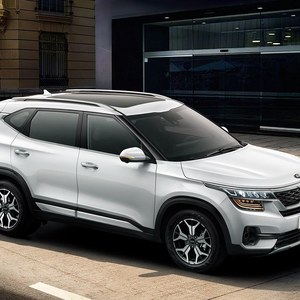
The Kia Kx3 Smart Run sits in the compact SUV segment, between a small hatchback and a larger family crossover. Its China-market identity gives overseas buyers access to a familiar global shape with locally developed editions and equipment. For dealers and fleet operators, the appeal is car-like packaging, elevated seating and a powertrain range that includes small-displacement and turbocharged choices. That makes it relevant to buyers who want SUV image without moving into a larger, costlier class, especially where parking constraints favor smaller vehicles for daily commercial or family use.
The Kx3 Smart Run’s relevance in export markets rests less on headline performance than on efficient package sizing. Dealers can serve urban commuters, first-time SUV buyers and company-car fleets with one model family while avoiding the space and running-cost penalties of a mid-size crossover. The automatic options lower driver friction for fleet use, while a manual 1.6L version gives some buyers a more familiar driving pattern. Equipment and trim naming should be assessed against local rivals rather than assumed from another Kia nameplate sold in Europe or the Middle East. Local evidence beats nomenclature.
The model also gives importers a way to test a compact-SUV product line before committing to a larger fleet. ChinaCarDirect’s KX3 inventory can be reviewed through live vehicle details, allowing a dealer to compare editions instead of relying on a generic model description. The important caveat is that KX3 trim names and equipment packages are market-specific: a Chinese DLX, Fashion or Proud Elegance label does not automatically equal an overseas Kia grade. Buyers should treat listing photographs, the options list and written seller confirmation as controlling evidence before placing a binding order.
- Compare against local compact-SUV rivals.
- Match engine choice to fleet duty cycle.
- Treat Chinese trim names as market-specific.
Model range, trims and powertrain variants: how the lineup is structured and how to choose
The lineup is built around four engine labels: 1.5L, 1.6L, 1.6T and 2.0L. The 1.5L is paired with a CVT, while 1.6L versions appear with an automatic or manual and the 1.6T and 2.0L versions use an automatic. These pairings matter because they influence cost, fuel-use profile and driver character, although a precise comparison should use the output and consumption figures attached to each individual listing. Buyers should not assume every engine is available in every edition or export batch without checking the live unit and the stated destination market in advance.
Within the 1.5L range, Trend, Fashion, Smart, All-Round and Renewal editions provide the visible selection points. The 1.6L family includes automatic DLX, GLS, Proud Elegance, Fashion Sunroof and Special names, plus a manual 2WD GLS. For 1.6T and 2.0L applications, the list includes automatic DLX and Proud Elegance variants, with an automatic 2WD DLX also shown for 2.0L. These labels organize the catalogue but do not explain which safety, comfort or infotainment items are fitted. A prudent buyer should request the equipment sheet, photograph the cabin and confirm every material item before payment.
For a buyer, the sensible choice starts with duty cycle rather than the largest engine label. A 1.5L CVT may suit high-mileage urban work where economy and predictable maintenance matter; a 1.6L automatic is the more conventional all-round choice for mixed roads. The 1.6T automatic is worth considering when stronger performance is important, while the 2.0L automatic sits at the top of the displayed engine range. Actual towing limits, payload, output and consumption remain vehicle-specific and should be verified in the live listing and seller documents for the selected vehicle.
- 1.5L versions use a CVT.
- 1.6L versions offer automatic or manual.
- 1.6T and 2.0L versions are automatic.
- Verify equipment on the exact listing.
New vs used Kia Kx3 Smart Run: how export inventory is structured and how buyers choose
New vehicles are the main organizational pattern for KX3 Smart Run export purchases: they are offered as identifiable model-year and edition combinations, often with clearer condition and specification records. That structure reduces uncertainty when comparing units, although it does not guarantee identical equipment between listings. New purchases can also make fleet standardization, spare-parts planning and downstream resale easier because the buyer can define a consistent specification. The trade-off is a higher acquisition outlay and potentially faster depreciation once the vehicle enters service under the importer’s operating plan for the market.
Used Kx3 Smart Run units should be treated as a separate sourcing channel rather than assumed to sit beside every new listing. Their attraction is a lower vehicle acquisition cost and the possible availability of older, well-used examples, but the buyer must price in wear, maintenance history and residual uncertainty. Mileage alone does not reveal accident repair, paintwork, interior condition or mechanical refurbishment. A used vehicle also needs a stricter document trail because registration, emissions and age restrictions can be more demanding in the destination market. A physical inspection should precede commitment.
The practical choice depends on cash exposure, vehicle life and fleet policy. A dealer testing demand may start with a single new unit in a preferred trim, while a fleet seeking lower acquisition cost may consider a used example only after inspection. For either route, compare the same equation: purchase price plus freight, duty, taxes, insurance, port charges, repair allowance and expected operating cost. Review live ChinaCarDirect listings for available units rather than inferring new-versus-used depth from market summaries. A written condition report and destination-specific compliance review should precede commitment to payment.
- New units support easier fleet standardization.
- Used units require condition and history checks.
- Compare full delivered cost, not acquisition only.
How export pricing works: the factors behind a live listing price, and how to read one
A Kx3 Smart Run export quote is not determined by model name alone. The base vehicle position depends on model year, engine, transmission, named edition, drivetrain and, for a used vehicle, mileage and condition. Over that vehicle price sit exchange-rate movement, Chinese export handling, international freight, marine insurance, destination port charges and any customization or inspection costs. Import duty, VAT or equivalent taxes are usually determined by the destination authority and therefore belong in a landed-cost comparison. Incoterms decide which party bears costs at each stage, so two descriptions of the same vehicle are not directly comparable.
When reading a live listing, first establish whether the displayed amount is the vehicle price, an export price or a delivered estimate. Check what the seller says is included: export documents, domestic transport, loading, freight, insurance, destination charges and taxes should not be assumed. Confirm the currency, quote validity, unit condition and whether the price is attached to one identified vehicle or a quantity requirement. Also distinguish a firm unit quotation from an indicative fleet estimate, because trim availability and allocation can change. A written quotation tied to the SKU is the safest basis for budget approval.
For meaningful comparison, build like-for-like totals: the same year, engine, transmission, edition and equipment level for every candidate. Then compare the same Incoterm and destination, with freight method, insurance, duty and tax treatment stated separately. A lower vehicle figure may not produce a lower landed cost if the quote excludes expensive extras or uses different assumptions. ChinaCarDirect displays current vehicle-level prices and availability in the live KX3 Smart Run inventory, so use those listings for the binding figures and request an RFQ for the landed total for the selected vehicle only.
- Match year, engine, trim and condition.
- Separate vehicle price from landed charges.
- Use one Incoterm for every comparison.
- Treat the live listing figure as current.
MOQ, ordering and payment: single units vs consolidating a container
MOQ is a commercial term set by the seller, listing and transaction, not a permanent attribute of the KX3 Smart Run. Some offers may permit one vehicle, while others may require a batch or a mixed-model consolidation. The live ChinaCarDirect listing is therefore the place to verify the stated MOQ for the exact unit or package under consideration. A buyer should also ask whether the MOQ applies per model, per trim, per color or across the whole order, because these rules can materially change the effective commitment and cash requirement.
Single-unit ordering is useful for dealers validating a market, fleet pilots needing one vehicle and importers who prefer to reduce inventory risk. It usually gives the buyer more control over specification and may simplify initial cash exposure, but it can offer less freight efficiency than a consolidated shipment. A multi-vehicle order can improve loading economics and seller negotiation, yet it ties up more capital and requires accurate allocation. Before paying, require a pro forma invoice identifying each vehicle or approved configuration, the delivery term, payment schedule, inspection point and documents to be supplied.
Consolidating a container works best when the vehicles share a commercial purpose and can be documented as one coherent shipment. Buyers can group similar editions and model years, but should avoid mixing steering configurations, substantially different specifications or compliance assumptions without explaining each case. Risks include vehicle damage during loading, mismatched allocation, port charges for non-uniform cargo and the need to market several residual models. For a mixed order, ask for a vehicle manifest and loading plan, then use the RFQ service to compare the actual cost against a one-unit purchase.
- MOQ is set per seller and listing.
- Confirm whether rules apply per trim.
- Request a vehicle manifest for mixed orders.
Shipping, homologation and market compliance caveats: LHD/RHD and import rules by country
Hand of drive is the first destination-specific check. A left-hand-drive KX3 may be ordered for a market that accepts it, while right-hand-drive availability depends on the source vehicle and production configuration; do not assume either can be converted mechanically without regulatory approval. Before ordering, state the required steering position and confirm the VIN-level build in writing. Import rules, local type approval, emissions requirements, safety standards and vehicle-age limits can all affect registration, so the destination authority—not the exporter’s description—must determine admissibility. Local registration advice should precede the final payment.
Once destination homologation requirements are clear, the physical movement must be planned. Ro-ro is commonly considered for drive-in vehicles, container shipping can provide greater protection, and consolidated or break-bulk methods may suit commercial cargo that does not justify a full container. Freight cost depends on route distance, vessel or carrier capacity, port charges, fuel surcharges, seasonality and the vehicle’s shipping dimensions. Securement, lashing and cargo-protection rules matter because a low-value unit can still suffer damage that is expensive to repair. Obtain an all-in freight quotation that names the origin, destination, Incoterm and all exclusions in writing.
Customs clearance can create costs beyond the ocean freight quote. The broker may need a commercial invoice, packing list, bill of lading or transport document, certificate of origin where applicable, and the vehicle’s registration and compliance records. Duties, taxes, customs bonds, inspection, storage and demurrage depend on the importing country and how quickly documents are completed. Buyers should nominate a broker early, confirm who is the importer of record, and keep all originals available. Used vehicles require extra attention to age, emissions and title-document rules before the shipment begins.
- Confirm LHD or RHD before payment.
- Check destination type-approval and age rules.
- Price insurance, ports, duty and storage.
- Name the importer of record.
Who should buy the Kx3 Smart Run — and who should pick a different vehicle
The Kx3 Smart Run fits buyers who want a compact, gasoline-powered SUV for urban sales, a mixed urban-highway fleet, or an entry range that gives company-car drivers a more upright vehicle than a hatchback. It is also sensible for a dealer testing a Kia subcompact-SUV segment without moving immediately into larger crossovers. The broad engine and transmission range allows the buyer to match running priorities rather than accepting one fleet specification. Its strongest argument is practical value: useful space and SUV presentation at a generally compact operating footprint for daily use.
It is a weaker choice for buyers who require seven seats, a plug-in hybrid or battery-electric range, heavy towing, premium refinement, or a fully proven local service network for every trim. The model’s long-term economics also depend on parts support in the destination country, where China-specific trim names may not map neatly to global Kia service systems. A buyer with no import experience should not treat a low acquisition quote as value until freight, duty, compliance and repair support are included. Those constraints may favor an officially supported rival sold locally.
Before committing, test the decision against the intended operating environment and resale plan. Check road conditions, parking limits, towing needs, fuel availability and the service skills needed for each engine and transmission. Ask for the exact equipment list, inspect a vehicle or representative unit where possible, and obtain a parts-support statement for the VIN or edition. The Kx3 Smart Run makes the most sense when its compact format, selected powertrain and delivered cost align with the buyer’s cash flow and local market, rather than when headline specifications alone look attractive.
- Best for urban fleets and market pilots.
- Poor fit for seven-seat or EV needs.
- Verify local parts support before import.
Main rivals and how the Kx3 Smart Run compares
The Hyundai Creta, sold as the ix25 in some markets, is a close benchmark because it occupies the same compact-SUV space and competes for urban, fleet and family buyers. The comparison should focus on the actual destination specification: powertrain, safety and comfort equipment, dimensions, boot use, warranty, dealer coverage and parts pricing. Kia’s China-market trim variety can offer choice, but a locally sold Creta may be easier for buyers to evaluate and service. Select the vehicle that delivers the lower total ownership cost in the destination, not merely the richer option list.
The Nissan Kicks is another relevant rival for buyers prioritizing an efficient, easy-to-maneuver small crossover. Engine choices, transmission behavior, ride, safety equipment and aftersales support vary by country, so the Kx3 Smart Run should be compared with the locally available Kicks derivative rather than a global brochure version. Kicks may be a stronger fit where its local dealer network and parts inventory are deeper; the KX3 may be more attractive where the buyer can source a preferred engine and edition from China at a competitive delivered cost under local rules.
The Renault Captur offers a more distinct design and driving proposition within the same broad price and size class, so it can appeal to buyers who prioritize style, visibility or a different cabin layout. It may also have different service arrangements and equipment from the KX3, making a side-by-side total-cost check essential. Across all three rivals, compare like-for-like vehicles under one Incoterm and destination. Include delivery, duty, fuel use, insurance, servicing, expected residual value and parts lead time, then use live KX3 listings as the baseline for what is actually obtainable from China.
- Compare local derivatives, not brochures.
- Include warranty and residual value.
- Use one delivered-cost basis.
Live Kia Kx3 Smart Run export inventory
View all listings →Real units currently on ChinaCarDirect with per-unit asking prices and MOQ. Availability updates live from the catalogue.

How to buy a Kia Kx3 Smart Run from China
-
1
Define the destination and configuration
Record the destination, required LHD or RHD layout, preferred engine, transmission, edition, budget basis and expected annual mileage. Identify any towing, loading or local-service constraints before selecting vehicles.
-
2
Shortlist live KX3 inventory
Compare current ChinaCarDirect listings by year, engine, transmission, edition and condition. Use each live unit page for its current vehicle-level price, MOQ and availability rather than relying on a general market summary.
-
3
Request a complete unit dossier
Ask for exterior and interior photographs, the full equipment list, VIN, production details, service history where relevant and all available registration or export documents. Resolve differences between the listing title and the written description in writing.
-
4
Obtain a landed-cost quotation
Specify the destination port and preferred Incoterm. Require the quote to separate vehicle price, domestic handling, freight, insurance, duty, taxes, customs fees and any charges excluded from the listing.
-
5
Verify compliance and parts support
Confirm steering configuration, local type-approval requirements, emissions rules, age restrictions and importer-of-record responsibilities with the destination broker or authority. Obtain a parts-support statement for the selected engine and edition.
-
6
Agree allocation and payment terms
Confirm whether MOQ applies per trim, color or model, and obtain a pro forma invoice for every allocated vehicle. Agree the deposit, balance milestones, inspection point, cancellation terms, delivery term and document schedule before payment.
-
7
Inspect, ship and clear customs
Arrange a pre-shipment inspection or representative-unit check, then select the appropriate protected or drive-in transport method. Keep the agreed inspection record, transport documents and compliance file with the customs broker through delivery.
Kx3 Smart Run vs rivals
| Hyundai Creta / ix25 | The closest conceptual rival competes in the same compact-SUV space for urban, fleet and family buyers. A locally supported Creta may offer easier service and clearer warranty alignment, while the KX3 can appeal where its China-market engine and edition selection is more suitable. |
|---|---|
| Nissan Kicks | The Kicks is a relevant alternative for buyers seeking an efficient, maneuverable small crossover. It may be the stronger choice where local Kicks inventory and dealer support are deeper, while the KX3 offers more sourcing flexibility from China. |
| Renault Captur | The Captur provides a more distinctive design and cabin proposition within a similar broad class. Compare delivered cost, service arrangements, parts, equipment and expected resale rather than assuming the same ownership economics. |
Frequently asked questions
How is the Kia Kx3 Smart Run export price determined?
The vehicle figure reflects model year, engine, transmission, edition, drivetrain and, for a used example, mileage and condition. Exchange rates, freight, insurance, Incoterm, duty, taxes and port charges determine the landed total. Check the live listings for the current unit price and request a written quote for the destination.
Which engines and transmissions are available?
The listed range includes 1.5L versions with a CVT, 1.6L versions with an automatic or manual, and automatic 1.6T and 2.0L versions. Trim names vary across these pairings. Confirm power output, consumption, drivetrain and exact configuration in the live listing.
Should an overseas buyer choose a new or used Kx3 Smart Run?
A new vehicle is generally easier to standardize and document but carries a higher initial outlay. A used vehicle may reduce acquisition cost but requires greater scrutiny of condition, service history, repairs and destination-market age or emissions rules. Compare the full delivered and operating-cost implications rather than vehicle price alone.
What is the MOQ for the Kx3 Smart Run?
There is no permanent model-wide MOQ; it is set by the seller, listing and proposed transaction. Check the current live inventory for the stated requirement and ask whether it applies per trim, color or model. A consolidated mixed order may have different terms from a single-unit purchase.
How long does shipping take and what does it cost?
There is no fixed transit time or universal freight charge because routing, transport mode, port congestion, seasonality and cargo requirements all matter. Ro-ro, container and consolidated options carry different cost and protection profiles. Obtain a written freight quote naming the origin, destination, Incoterm, surcharges and exclusions.
Can spare parts be ordered for an exported Kx3 Smart Run?
Parts support depends on the destination, model year, engine and edition, and China-specific trim names may not map neatly to global Kia systems. Supply the VIN, engine and transmission details when requesting parts. Pre-ordering critical items before shipment can reduce disruption if local stock is limited.
Is right-hand-drive Kx3 Smart Run availability guaranteed?
RHD availability can change with the source vehicle and production batch, so it must be confirmed for each live unit. State the required steering position before ordering and have the VIN-level build confirmed in writing. Do not assume a conversion is lawful or practical in the destination market.
How do I order a Kia Kx3 Smart Run from China?
Start with the live KX3 Smart Run listings, shortlist comparable units and submit an RFQ with the destination, specification, quantity and Incoterm. Verify documents, compliance, inspection, payment milestones and allocation in writing. Then arrange transport and customs clearance through the nominated importer and broker.
Ready to source the Kia Kx3 Smart Run?
Send your destination, preferred trim, RHD or LHD requirement and target quantity to ChinaCarDirect for a current unit-level quote and export plan.
Request a quote