
Kia Kx5 Export Buying Guide for Overseas Dealers
A practical wholesale Kia Kx5 export buying guide covering trims, engines, used-versus-new choices, pricing factors, MOQ, shipping and market compliance.
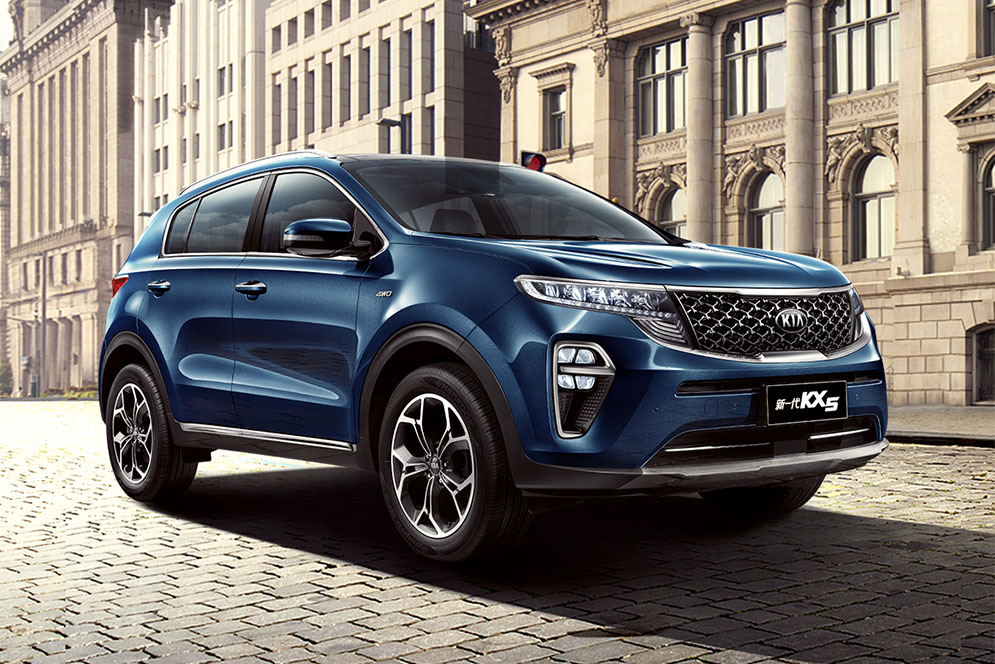
At a glance
- The KX5 is Kia’s China-market compact SUV, offering a mainstream five-door format rather than a niche import-only body style.
- The lineup pairs automatic transmissions with 1.6-litre turbocharged and 2.0-litre petrol engines, with two-wheel drive common and all-wheel drive on selected configurations.
- Trim labels include GL, Premium, Luxury Edition, DLX and GLS, but VIN-level verification is essential because equipment varies.
- New vehicles simplify condition history; used units can widen sourcing choice but require inspection, history checks and a maintenance reserve.
- Live export quotes should be compared on the same Incoterm and should separate vehicle cost from freight, tax, insurance and destination charges.
Why the Kia Kx5 matters for export markets
The Kia Kx5 is China’s-market compact SUV from Kia, positioned between everyday family transport and more upmarket vehicles in the segment. For overseas dealers, its appeal is not novelty: it combines a recognisable marque with a conventional five-door SUV layout, automatic transmission and a choice of compact petrol engines. The model is closely associated with Kia’s Sportage family in global discussions, but KX5 specifications, equipment and compliance should be treated as market-specific rather than assumed to match a Sportage sold under another name. That distinction matters when sourcing spares, arranging registration or comparing a KX5 with a locally built rival.
Demand for this format comes from several practical buying priorities. A compact SUV is easier to manage on urban roads and in tighter parking areas than a large crossover, while the raised body and practical rear compartment suit family, distributor and light-fleet use. The KX5’s automatic gearbox reduces driver friction in markets where traffic conditions or customer expectations favour automation. Two-wheel drive can suit paved-road duty, while selected all-wheel-drive versions add a useful option for buyers who need extra traction without moving to a larger vehicle for the same general product class.
Export interest also benefits from the breadth of the model’s drivetrain and trim choices, which lets an importer assemble a mixed fleet around road use, equipment level and budget rather than accepting one fixed specification. It is also more practical to compare real, inspectable vehicles than to rely on an abstract catalogue description. Buyers should use the live KX5 inventory as the shortlist, then verify the VIN, trim, drivetrain, condition and documents for the specific unit. That discipline is essential for overseas sales, where small differences can affect registration, spare-part ordering and after-sales planning.
- China-market compact SUV positioning.
- Automatic petrol powertrain choices.
- 2WD and selected AWD.
Model range, trims and powertrain variants: how the lineup is structured and how to choose
The KX5 range is built around a 1.6-litre turbocharged petrol engine or a 2.0-litre petrol engine, both paired with an automatic transmission in the configurations represented by this model. Two-wheel drive is the broadest drivetrain option, while all-wheel drive appears on selected trims rather than across the entire range. That compact matrix gives importers several sensible choices, but it also means the letters in a trim name do not reliably describe every mechanical item. Engine specification, drive configuration, transmission and market equipment should therefore be confirmed from the VIN and the individual vehicle record before a deposit is paid.
At trim level, the export-facing range includes a stepped ladder such as GL, Premium, Luxury Edition, DLX and GLS, with some configurations also appearing under Elite, Comfort, Fashion or special-edition labels such as 15th Anniversary Special DLX. These names help establish hierarchy, but they are not a substitute for an equipment list: infotainment, climate control, upholstery, driver-assistance equipment, wheel sizes and cosmetic details can vary by year and source. Compare the actual option sheet, production date and VIN photographs rather than assuming every similarly named vehicle has identical kit. That prevents a buyer from paying for equipment the market does not value.
Engine choice should follow duty, tax policy and customer expectations rather than a blanket performance assumption. The 1.6T automatic is the logical default for many urban and mixed-road fleets because it combines a smaller displacement with turbocharging; the 2.0L automatic is available for buyers who prefer the larger naturally aspirated engine or a different equipment and drivetrain combination. AWD may appeal where wet roads, snow or unpaved access are routine, but it should be selected for a documented need. Confirm fuel type, cold-start equipment, emissions specification and maintenance support before finalising the specification.
- Verify engine and drivetrain.
- Check VIN-linked equipment.
- Match trim to operating duty.
New vs used Kia Kx5: how export inventory is structured and how buyers choose
ChinaCarDirect’s live export catalogue can include both new and used KX5 vehicles, so the first decision is the risk profile a buyer can manage. A new vehicle generally offers a clearer condition history and straightforward handover, although “new” may refer to Chinese registration status rather than current production. Ask for the production date, VIN, registration documents and photographs of any unrepaired damage. For a used vehicle, those documents help confirm age, ownership history, mileage and condition. Do not infer either status from a thumbnail or seller category alone. The category label is only a starting point.
Used KX5 sourcing can open access to specific trims and older configurations, but lower acquisition cost is only part of the calculation. Inspect tyres, suspension, brakes, cabin wear, glass and bodywork; verify that the odometer and service records agree; and ask whether the vehicle was modified or repaired after an accident. A pre-purchase inspection is especially valuable before export because overseas delivery delays make hidden defects harder to correct. Check parts availability for the vehicle’s age before commitment, and allow for deferred maintenance that photographs may not reveal at initial handover.
The choice between new and used should be written as a total-cost comparison. For a used vehicle, include inspection, repairs, replacement tyres, immediate servicing and expected parts supply in the acquisition budget. For a new vehicle, check warranty transfer, production age, standard equipment and the commercial terms attached to the unit. Fleet buyers may prefer consistency across vehicles, while a small dealer may accept more variation to meet a narrower price band. In both cases, the safest route is to approve the exact vehicle or a clearly defined inspection standard, rather than accepting a generic grade description.
- Verify registration status.
- Inspect used units independently.
- Budget for immediate maintenance.
How export pricing works: the factors behind a live listing price, and how to read one
An export price is not a fixed “Kia KX5 price”; it is a quotation for a particular vehicle, service package and delivery basis. The model year, trim, 1.6T or 2.0L engine, two- or all-wheel-drive layout, new or used status, mileage, condition and documentation all influence the vehicle’s commercial value. Currency movements, freight, marine insurance, port charges, taxes and the selected Incoterm can also change the final exposure. A buyer should therefore ask whether a displayed figure covers the vehicle only, domestic handling and export paperwork, or an obligation at the named port.
When comparing two KX5 opportunities, normalise the quote. Put both on the same Incoterm, confirm the currency, and separate unavoidable charges from negotiable ones. Destination VAT, import duty, emissions or conformity charges may fall outside the seller’s price and depend on the importing country and vehicle classification. Compare like trims and comparable condition rather than mixing a base used vehicle with a higher-spec new one. Ask for a written quotation identifying the VIN, freight method, insurance, documentation, delivery point and validity period. A low headline can still be expensive if another quote includes handling that this one omits.
Negotiation is most effective when it changes a variable the seller can control: trim, sourcing route, payment timing, loading slot, documentation or delivery terms. It is less productive to negotiate against an incomplete price that omits unavoidable costs. Review every live KX5 listing on ChinaCarDirect for the current per-unit figure and stated terms; the live inventory is where exact price, MOQ and availability should be verified. Request a formal quote before budgeting. Treat that quote, not an old catalogue screenshot or remembered market figure, as the binding reference for the vehicle purchased.
- Normalize every quote by Incoterm.
- Separate cost layers.
- Use the live per-unit quote.
MOQ, ordering and payment: single units vs consolidating a container
Minimum order quantity is a seller and transaction term, not a mechanical restriction built into the KX5. Some marketplace listings are offered to individual professional buyers, while a vehicle exporter or dealer may quote container quantities, model-year batches or mixed allocations. The live listing and the seller’s written response should establish whether a unit can be bought alone; confirmation is essential because terms can vary by vehicle, payment method and destination. For an importer testing a new model, a single-unit purchase can reduce exposure; for a fleet contract, consolidation can improve freight planning and lower per-vehicle logistics cost.
A wholesale or fleet programme can gain from consolidating several KX5s, but the buying brief should state whether vehicles may differ in year, trim, engine and condition grade. This flexibility can build a useful dealer inventory, but it complicates handover: the buyer must know which VIN occupies which slot and whether the loading plan mixes higher- and lower-value units. Grouping similar vehicles simplifies inspection and after-sales planning, while mixing broadens customer choice. For used units, separate condition differences and damage records in the inventory sheet and reserve enough budget for port handling, lashing and last-mile distribution.
The usual ordering sequence begins with a vehicle-specific quotation, followed by a pro forma invoice or contract that states the VIN or agreed specification, price, currency, Incoterm, deposit, balance trigger, documents and cancellation terms. The deposit should be paid only to the verified seller entity and against matching corporate records. Before final balance, the buyer should approve inspection results, vehicle identity and shipping documents. Payment methods, intermediary-bank charges and exchange-rate exposure should be explained in writing, because a nominal vehicle price is only one part of the cash requirement. A written dispute process is preferable to informal assurances.
- Confirm single-unit terms in writing.
- Match VINs to loading plan.
- Document every payment milestone.
Shipping, homologation and market compliance caveats: LHD/RHD and import rules by country
Steering configuration is the first check because a KX5 sourced for one market cannot be assumed to suit another. Left-hand-drive and right-hand-drive versions may differ in more than the steering wheel: safety and driver-assistance calibration, controls, lighting, wiper arrangement and component sourcing can also differ. Overseas buyers should request a VIN photograph, dashboard view and written confirmation of the configuration before shipment. If a conversion is proposed, ask who performs it, what warranty applies, whether it affects registration and whether the modified vehicle still matches the documents presented to customs. The answer should be written into the sales contract and shipping documents.
Local compliance is determined by the destination authority, not by the fact that a vehicle carries a Kia badge or a Chinese export certificate. Importers may need VIN verification, customs valuation, proof of ownership, emissions conformity, safety checks, roadworthiness testing, age or condition limits for used vehicles, and local type approval. Import duty and VAT can depend on displacement, engine type, age and importer status, and a used KX5 may face different rules from a new one. Engage a customs broker familiar with Chinese vehicle imports and the destination market before committing funds.
Shipping choice affects both cost and vehicle risk. Vehicle carriers and roll-on/roll-off services are commonly used for finished vehicles, with container or break-bulk options available depending on origin, carrier and cargo. The quotation should state the origin port, destination port or terminal, route, freight basis, insurance coverage, booking party and delivery terms. Ask for photographs before loading, a signed condition record, secure-parts instructions and the document set required for customs and registration. Plan for a pre-shipment inspection, sufficient time for export clearance and destination processing, and a contingency if a unit is damaged or documentation is disputed.
- Verify steering before shipment.
- Check destination-country import rules.
- Record condition before loading.
Who should buy the Kx5 — and who should pick a different vehicle
The KX5 is most suitable for overseas dealers and importers seeking a mainstream compact SUV with an established nameplate, automatic transmission and manageable dimensions rather than the lowest possible purchase cost. It can suit retail test programmes, regional distributor stocking and light-fleet sales where customers need a five-door body, usable rear space and petrol operation. The range also allows a buyer to match two-wheel drive to conventional road use or select all-wheel drive for a genuine traction requirement. Its strongest case is value for a planned import operation supported by clear compliance, parts and resale planning.
It is a weaker choice when operating cost, emissions policy or duty classification outweigh access to a competitively priced used vehicle. Buyers with high cargo-volume needs may prefer a van or pickup; those seeking the latest local safety and software ecosystem may prefer a model already homologated in their market. An all-electric or plug-in fleet policy may require a different powertrain, especially if charging infrastructure or tax treatment is favourable to electrified vehicles. High-load towing, severe off-road work or unusually harsh fleet duty should also push the buyer toward a vehicle selected for capacity, durability and service support. Do not select a KX5 solely because its purchase price looks attractive.
Before buying, translate the KX5 into a fleet brief: target retail segment, engine and drivetrain, equipment level, expected annual mileage, resale horizon, service capability and destination compliance. Then model the landed cost rather than the vehicle price alone, including freight, tax, local registration, spare parts, technician training and a realistic maintenance reserve. For a used vehicle, inspect more closely and budget for immediate wear; for a new unit, verify that production age and warranty do not conflict with the sales plan. This process turns a broad export opportunity into a purchase that the operation can support.
- Match vehicle to operating duty.
- Budget for full landed cost.
- Confirm local service support.
Main rivals and how the Kx5 compares
The Hyundai Tucson is the closest conceptual rival because it occupies the same mainstream compact-SUV class, offers two- or all-wheel-drive configurations depending on market, and competes for the same family and fleet customers. Its strength for a buyer is access to a widely recognised model with established local service familiarity in some destinations, particularly where Hyundai vehicles are already in the importer’s supply network. The KX5 may offer a different sourcing and trim proposition from China, but parts, software, certification and resale assumptions must be checked for the exact vehicle rather than inferred from the Hyundai name.
The Toyota RAV4 competes for buyers who place more weight on brand-led resale expectations, hybrid options where offered, electrified choices, or a model already established in their destination market. It can be the safer commercial choice where a strong local Toyota network materially reduces service and parts friction. The KX5’s case is strongest for an importer seeking Chinese sourcing options, a broad conventional petrol range and a potentially different cost structure after all charges are calculated. Neither vehicle is automatically cheaper once landed: compare tax class, fuel use, parts availability, warranty coverage and expected holding period for the destination.
The Nissan X-Trail is another practical alternative for family and fleet buyers who prioritise cabin versatility, including seven-seat availability where offered, and Nissan familiarity in relevant markets. Those benefits matter when passengers or cargo change frequently and the importer values a readily supported model over sourcing variety. The KX5 differentiates itself with a China-specific trim ladder, 1.6T and 2.0L automatic options and a mix of two- and all-wheel-drive configurations, but it may require more effort to establish parts channels and residual-value support. Choose by verified equipment, landed cost and service readiness, not badge familiarity alone.
- Tucson: closest conceptual rival.
- RAV4: established global recognition.
- X-Trail: passenger-space flexibility.
Live Kia Kx5 export inventory
View all listings →Real units currently on ChinaCarDirect with per-unit asking prices and MOQ. Availability updates live from the catalogue.
How to buy a Kia Kx5 from China
-
1
Set the destination and use case
Define the destination country, steering side, customer segment, engine, drivetrain and expected annual mileage before choosing a vehicle. Check the destination’s tax, homologation, age and condition rules early.
-
2
Build a VIN-level shortlist
Use the live Kia Kx5 inventory and shortlist units by trim, powertrain, drivetrain, condition and registration status. Review the exact listing because similar names can cover different equipment.
-
3
Verify condition and documents
Request the VIN, production date, registration and ownership documents, odometer reading, service records, equipment list and photographs of any damage. For used vehicles, commission an independent inspection.
-
4
Compare written export quotes
Ask each seller for a vehicle-specific quote in a stated currency and Incoterm. Separate vehicle cost, freight, insurance, handling, documentation and destination charges so the offers are comparable.
-
5
Confirm order and payment terms
Use a pro forma invoice or contract that identifies the vehicle, deposit, balance trigger, documents, inspection rights and cancellation terms. Verify the seller entity and corporate payment account before sending funds.
-
6
Inspect before release from custody
Approve the identity and condition of the actual vehicle before the balance payment and release for loading. Record bodywork, tyres, glass, interior, mileage and any mechanical defects with dated photographs.
-
7
Book freight and clear customs
Use a forwarder or customs broker to confirm ports, insurance, cargo method, export documents and destination clearance. Arrange secure loading, customs entry, registration and last-mile delivery against the agreed Incoterm.
Kx5 vs rivals
| Hyundai Tucson | The Tucson is the closest conceptual rival, occupying the same compact-SUV brief and competing for similar family and fleet buyers. It may be the easier choice where Hyundai after-sales support is already established locally, while the KX5 offers a distinct Chinese sourcing and trim proposition. |
|---|---|
| Toyota RAV4 | The RAV4 competes where buyers prioritise a familiar global model, established local service and hybrid or electrified options. It may reduce resale and parts uncertainty in some destinations, but the KX5 can suit importers seeking Chinese sourcing and a conventional petrol range; the decision should follow landed cost, tax and service readiness. |
| Nissan X-Trail | The X-Trail is relevant for buyers who value passenger-space flexibility, including seven-seat configurations where offered, and Nissan familiarity. The KX5 instead centres on a China-specific 1.6T and 2.0L petrol range with varied drive configurations, so the better choice depends on verified equipment, parts support and fleet economics. |
Frequently asked questions
How is Kia Kx5 export pricing determined?
A KX5 export price is built around the exact vehicle: model year, trim, engine, drivetrain, new or used condition, mileage, service history and available options. Exchange rates, freight, insurance, port charges, documentation and the chosen Incoterm can also affect the total. Check the live KX5 listings on ChinaCarDirect for the current per-unit price and request a vehicle-specific written quote before budgeting.
Which engine, transmission and drivetrain options are available?
The KX5 lineup represented in the export market uses a 1.6-litre turbocharged petrol or 2.0-litre petrol engine, paired with an automatic transmission. Two-wheel drive covers most configurations, while selected trims offer all-wheel drive. Because trim and year combinations vary, confirm the engine and drive configuration against the VIN and live listing rather than relying on the trim label alone.
Is a used Kia Kx5 better value than a new one?
Used KX5 units can offer broader access to particular trims and older configurations, but buyers must account for wear, repairs, servicing and parts availability. New vehicles generally provide a clearer condition history, though “new” may describe registration status rather than recent production. Compare the total ownership cost and request an independent inspection for any used purchase.
What is the minimum order quantity for a Kia Kx5?
MOQ is set by the seller and transaction rather than by the model itself. A marketplace listing or exporter may allow a professional buyer to purchase a single vehicle, or may quote container quantities or mixed batches. Check the live listing’s current terms and obtain written confirmation for the exact vehicle, destination and payment method before treating a single-unit purchase as agreed.
How long does shipping take, and what determines cost?
Lead time depends on vehicle availability, inspection, payment, export documentation, port congestion, carrier schedule and destination clearance. Freight cost depends on origin and destination, route, cargo method, insurance, handling and Incoterms. Ask the supplier for a written transit plan that separates sourcing time from port and destination processing.
Can Kia Kx5 spare parts be ordered for export?
Parts sourcing should start with the VIN and original parts number, but a China-market KX5 should not be treated as automatically interchangeable with every Kia Sportage sold elsewhere. Compare the original parts number, fit and local Kia network support before ordering. For a used vehicle, confirm that common service and wear parts are available in the destination market and include an initial parts reserve.
Is a right-hand-drive Kia Kx5 available for RHD markets?
Right-hand-drive availability depends on the individual source vehicle and the seller’s stock when the inquiry is made; it should never be assumed from the KX5 name. Ask for VIN photographs and written steering-configuration confirmation. If no suitable RHD unit is available, evaluate the cost, warranty and homologation consequences of conversion before ordering.
How do I buy a Kia Kx5 from China?
Start with the live ChinaCarDirect KX5 inventory, shortlist vehicles by engine, drivetrain, trim, condition and destination suitability, and request a quote for the exact VIN. Confirm the Incoterm, documents, payment milestones, inspection rights and shipping plan in writing. Then complete the deposit through the verified seller entity, release the balance only after identity and inspection checks, and arrange customs clearance and delivery through the agreed forwarder.
Ready to source the Kia Kx5?
Request a vehicle-specific Kia Kx5 quotation through ChinaCarDirect for the current price, Incoterm, document set and export lead time.
Request a quote