
Kia Shuma Export Buying Guide for Overseas Dealers and Importers
Guide to buying a Kia Shuma from China, comparing 1.6L and 1.6T petrol trims, used versus new units, export pricing, MOQ, shipping and compliance for importers.
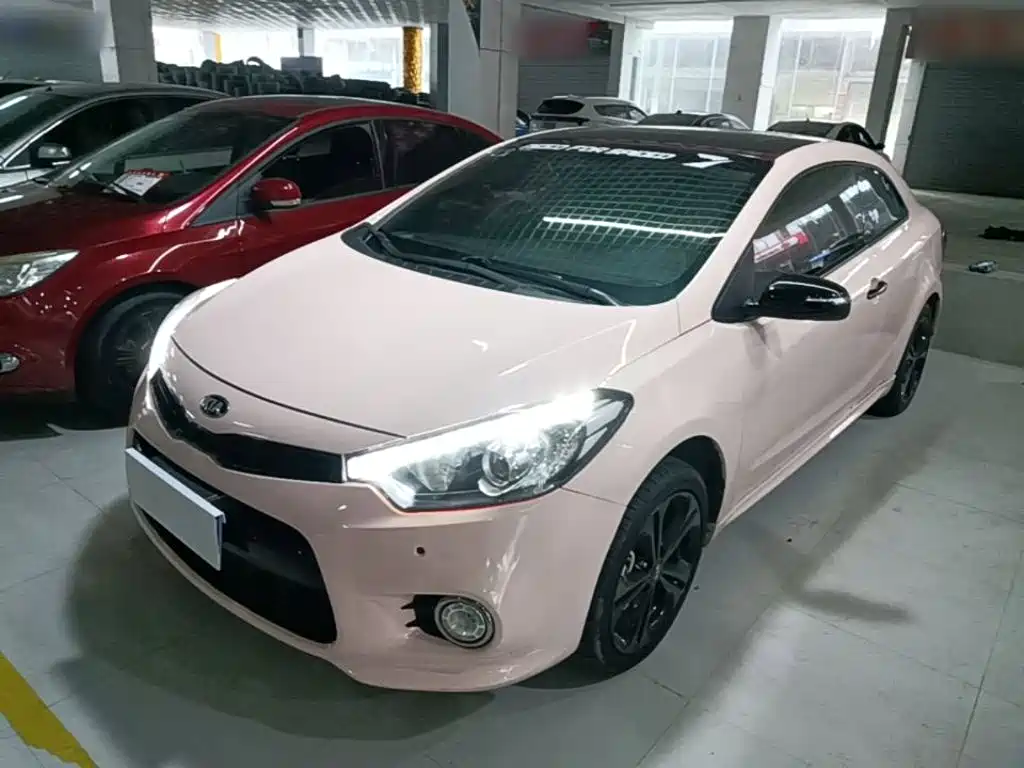
At a glance
- The Kia Shuma is a China-market compact MPV designed around practical passenger packaging and petrol propulsion.
- The lineup spans 1.6L naturally aspirated and 1.6T turbocharged petrol engines, with automatic versions represented.
- China IV and China V labels describe source-market emissions categories, not automatic import approval.
- Used cars can offer better acquisition value, but condition, history and parts support must justify the saving.
- China-market examples are commonly left-hand drive, so right-hand-drive availability requires specific verification.
- Exact price, availability, MOQ and delivery terms should be read from each live listing and confirmed in writing.
Why the Kia Shuma matters for export markets
The Kia Shuma is a China-market compact multi-purpose vehicle built around car-like size, flexible passenger packaging and petrol powertrains. For overseas dealers, its appeal is not global badge recognition but the value created when a buyer can obtain a relatively affordable multi-row vehicle without moving up to a larger MPV. The 1.6-litre petrol options also suit markets where charging infrastructure is limited or fleet operators prefer a simpler energy system. Its strongest use case is usually an importer able to handle registration, servicing and parts support for a niche Chinese model.
Export demand for the Shuma is selective, not universal. It can make sense in markets where compact MPVs suit family travel, hotel or group transport, and where lower acquisition cost matters more than resale prestige. It is less convincing where buyers expect factory-backed distribution, an established RHD version, or standardized parts. Those limitations make due diligence more important for importers because the vehicle may need local adaptation and independent maintenance support. Position it on function and total cost, not on an assumption that Kia's global reputation transfers to every Shuma derivative.
A useful buying strategy is to separate the product proposition from the importing reality. The Shuma can offer space and straightforward petrol propulsion, but its export value depends on parts availability, corrosion checks, electronic repairs and a residual plan. Buyers should identify the destination's tax and emissions position before committing, then compare landed operating costs with aged local MPVs. The Shuma is best treated as a sourcing opportunity for informed buyers, not a shortcut around local due diligence. That discipline matters especially when local repair shops are unfamiliar with the model.
- China-market compact MPV.
- 1.6L and 1.6T petrol options.
- Local parts capability is essential.
Model range, trims and powertrain variants: how the lineup is structured and how to choose
The lineup is organized around a 1.6-litre petrol family rather than hybrid or battery-electric versions. Listings can include the naturally aspirated 1.6L and turbocharged 1.6T, with trim names such as Luxury, Fashion, Flagship and Sport Edition. Automatic transmissions are represented, and some editions carry China IV or China V emissions designations. Those labels identify the source-market specification, but they do not describe the equipment list or guarantee suitability in another country. Start by deciding which engine, emission specification and transmission the destination will accept before comparing equipment, cost and service support.
The naturally aspirated engine is the simpler choice for buyers prioritizing conventional operation, predictable servicing and low complexity. The 1.6T offers a different performance proposition, but its desirability depends on the condition of the turbocharger, cooling system, engine mounts and maintenance history. A lower asking price does not make a neglected turbo unit a better purchase. Ask for cold-start, hot-restart and load-test evidence, and have an independent inspector examine service records and the timing-chain area. Never infer mechanical condition from a trim badge or a listing's “Luxury” or “Flagship” label alone.
Automatic-versus-manual choice should follow the destination fleet and driver profile. An automatic can reduce workload in dense traffic and may be easier to resell to non-specialist buyers, but oldest and newest units may use different gearbox designs; confirm the actual gearbox rather than assuming interchangeability. For trims, compare safety equipment, infotainment, upholstery, climate control and condition. Luxury and Flagship names describe commercial positioning, not a standardized global equipment bundle. Request photographs of every option that affects daily use and reconcile those claims with the physical inspection before any payment is made.
- 1.6L simplicity; 1.6T response.
- Verify transmission and emissions.
- Trim labels vary by market.
New vs used Kia Shuma: how export inventory is structured and how buyers choose
A Shuma export purchase may be a new China-market vehicle from dealer stock or a used example from domestic fleet and dealership channels. The key distinction is not simply age on the registration document. It is whether the vehicle has completed local road use, how its condition was graded, and whether the seller can transfer title and documents without unresolved finance, lien or accident-history issues. New examples reduce wear uncertainty, while used cars can offer an acquisition basis and completed specifications. The comparison must be made on landed cost rather than asking price alone.
For a used Shuma, condition should be documented system by system. Require engine and transmission photographs, cold-start video, underbody inspection, tyre condition, service invoices, emissions or inspection records where available, and an explanation of repainting. A clean cabin alone says little about water exposure or mechanical abuse. Fleet history can be an advantage if maintenance was regular, but high mileage should be evaluated alongside the condition of suspension, brakes, cooling and electrical systems. Inspectors should also look for evidence of previous airbag deployment and verify that all warning systems function correctly.
For a new vehicle, the trade-off shifts toward specification confirmation and the seller's ability to deliver an unmodified, roadworthy example. Confirm production year, trim, engine, transmission, emissions version, optional equipment, factory status and original sale documents. Also ask whether the vehicle has been registered or used as a demonstrator. A buyer choosing used over new should budget for immediate maintenance, tyres, brake components or consumables; a buyer choosing new should still inspect delivery condition and retain the agreed specification in the purchase contract before payment or release from the supplier.
- Used: inspect history and condition.
- New: confirm specification.
- Compare landed cost.
How export pricing works: the factors behind a live listing price, and how to read one
A Kia Shuma wholesale price is not a fixed tariff. It results from several variables: model year, engine and trim, transmission, mileage and condition for used units, production or inventory status, and the cost of export preparation. Currency movements also alter the supplier's effective position. The live price attached to a specific unit or production specification is therefore more informative than a generic historical range, especially when comparing an older used vehicle with a newer one. Any saved quotation should clearly state the exact vehicle and its exact delivery terms.
Read each live listing from the bottom up. First confirm that the quoted amount refers to the vehicle and not merely a starting point; then check whether the seller states included export preparation, documentation, inland transport, port charges and marine insurance. Compare the Incoterm, because EXW, FOB and CIF place different costs and risks on buyer and seller. If these services are not included, build them into the landed-cost worksheet rather than discovering them after payment. Currency, validity period and any deposit terms should be visible before negotiation begins in writing.
This Kia Shuma export-price guide should be used as a purchasing framework rather than a promise. Compare equivalent vehicles on the same basis: same year band, engine, transmission, emission label, condition and delivery term. Ask for a written quotation that identifies the unit or factory configuration and states what happens if the selected specification is unavailable. The binding price, availability and seller MOQ are the figures shown on each live ChinaCarDirect listing, not the figures discussed in this guide. That discipline prevents a low headline value from hiding freight, taxes or rework.
- Compare equivalent vehicles.
- Check Incoterms.
- Live terms control.
MOQ, ordering and payment: single units vs consolidating a container
MOQ means the minimum quantity a seller will accept in one order; it is not a universal Kia export rule. A marketplace listing may permit a single vehicle, while a factory-style or container-oriented seller may require a batch. For an importer testing demand, a unit order limits exposure to model-specific resale risk. For a distributor, consolidation may improve freight efficiency and create a uniform stock plan, but it concentrates capital in one age, trim and specification. Check the applicable MOQ on the live listing and confirm it in the quotation.
Single-unit buying is usually best for an experienced importer with independent inspection, financing and a clear sales channel. Ask the seller to specify the deposit, balance trigger, payment currency, method, refund conditions and exact document set. Never treat a catalogue image or general stock statement as proof that the advertised vehicle is reserved for you. Put the VIN or production identity, agreed specification, condition standard and delivery term into the written order. A signed contract and clear communication channel reduce the risk of interpreting deposit terms differently in another time zone.
Container consolidation requires a different calculation. Confirm whether the seller can combine identical vehicles or whether mixed units are acceptable, then model loading, port, inland haulage, insurance, customs and local registration costs separately. Check that each vehicle's documents are consistent before the container moves. Payment milestones should follow verifiable events, not only calendar dates. For a first-time buyer, one inspected vehicle is usually easier to control; for an established distributor, a larger batch may be sensible after demand and compliance are proven. That sequence protects cash flow and reduces exposure.
- MOQ is seller-specific.
- Unit orders reduce risk.
- Use verifiable payment milestones.
Shipping, homologation and market compliance caveats: LHD/RHD and import rules by country
Start with the steering-hand side and configuration. Most China-market Shuma examples are left-hand drive, and a factory right-hand-drive Shuma may not be readily available. Some buyers commission a conversion, but steering changes, safety-system integration and local type approval can add cost and complexity; a converted vehicle should not be presented as an original RHD product. If RHD is mandatory, confirm the actual vehicle in writing before payment and check whether the destination will register a converted example. Insurers may price it differently or impose inspection requirements on it before shipment.
Chinese emissions labels such as China IV and China V describe the vehicle's source-market emissions category, not permission to operate in the destination country. Import rules may depend on engine size, fuel, age, emissions class, steering side, vehicle category, local inspection and documentary requirements. Tax and duty can change with engine displacement and whether the importer meets preferential rules. Obtain a written assessment from a destination-country customs broker or vehicle homologation specialist before contracting, using the VIN, engine details and intended use. Defer assumptions about eligibility until that review is complete.
Shipping method, containerization and route affect both cost and risk. A used vehicle consumes more cargo capacity than a new vehicle, and roof racks, accessories or non-factory modifications can complicate loading. Inspect for corrosion and secure the vehicle for the route. Insurance, customs clearance, port handling and inland delivery can each be separated or bundled under the agreed Incoterm. On arrival, arrange local inspection, registration and technical servicing before presenting the Shuma to customers or placing it in service. Book compliance work before the vessel arrives and pre-arrange required inspections.
- Commonly left-hand drive.
- China IV/V needs local review.
- Use a local compliance broker.
Who should buy the Shuma — and who should pick a different vehicle
The Shuma suits a buyer who needs multi-row passenger capacity, a petrol drivetrain and a lower acquisition cost than larger premium MPVs. It can suit family-transfer businesses, hotel or group operators, and distributors serving value-conscious customers who value space over brand prestige. It is also an option for importers already familiar with Chinese vehicles and able to source parts, diagnose electronics and complete local inspections without relying on manufacturer support. The vehicle is most credible when its total cost of ownership can be supported locally through reliable workshops and suppliers.
A different vehicle is wiser when the buyer needs official RHD supply, a widely supported global model, a strong residual value, heavy-duty commercial capability, advanced driver-assistance systems with local service, or low-emission compliance for which the Chinese Shuma specification is unsuitable. Electric MPVs may also make more sense where charging networks are mature and duty cycles are predictable. A buyer focused on long-term fleet residual should treat those attributes as commercial requirements, not optional preferences. The Shuma should not be chosen merely because its initial purchase looks less expensive on paper.
Before deciding, build a three-year operating model. Include fuel, tyres, brakes, insurance, registration, periodic inspections, expected downtime and realistic resale proceeds. A lower purchase price can be consumed by parts lead times or financing costs if the vehicle is unsupported. Test the proposition with one inspected unit before scaling, unless the importer has a proven channel and can absorb a fleet-size mistake. The right choice is the vehicle whose purchase, compliance and operating assumptions all remain valid after freight and taxation. A purchase order is not a substitute for market validation.
- Best for value-focused transport.
- Avoid without global support.
- Validate with one unit.
Main rivals and how the Shuma compares
The closest Chinese-market comparison is the Dongfeng Fengxing Lingzhi, also known as the Lingshi, a compact multi-purpose vehicle aimed at families and group transport. It presents a similar value proposition and should be assessed on seating layout, engine condition and local parts support rather than brochure size. The Shuma's differentiators include its 1.6L and 1.6T choices and Kia branding, while Lingzhi may have a familiar service network in some markets. Neither name guarantees strong resale value, so compare landed ownership cost and parts availability over several years in the destination.
The Haima M30 is another Chinese compact MPV alternative with multiple rows and value-oriented positioning. It can be a sensible comparison when the goal is family transport rather than prestige, and examples may offer different engine and equipment choices. An M30 purchase should not be assumed interchangeable with a Shuma: platform, emissions, electronic parts and service procedures can differ. The right test is whether the destination can support that exact vehicle and whether its condition and documentation meet local rules. That distinction matters especially for mixed-fleet operators and workshop planners.
Wuling Hongguang represents the more utilitarian, value-led end of the same MPV market. Its Chinese-market recognition and packaging can make it a practical family or light-group-use choice, but the buyer should compare seating, engine output and safety equipment rather than assume equivalence with the Shuma. The Shuma may offer a more car-like driving proposition and different 1.6L/1.6T choices, yet both models can face similar parts and residual-value constraints abroad. The decision should follow operating needs and condition, not badge recognition. For cross-border buyers, workshop support should carry more weight than showroom presentation.
- Fengxing Lingzhi: direct rival.
- Haima M30: similar format.
- Wuling Hongguang: utilitarian option.
Live Kia Shuma export inventory
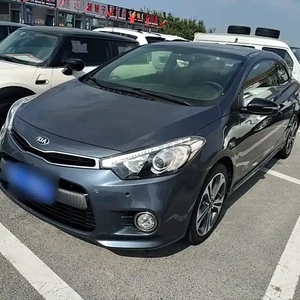
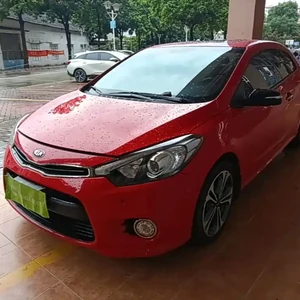
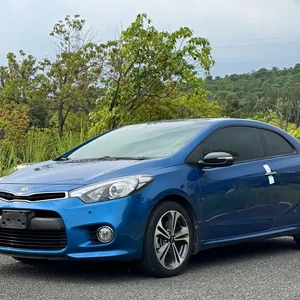
View all listings →Real units currently on ChinaCarDirect with per-unit asking prices and MOQ. Availability updates live from the catalogue.
How to buy a Kia Shuma from China
-
1
Set the destination requirements
Record fuel, emissions, steering side, seating, import category, duty assumptions and local inspection needs. This prevents a visually suitable China-market Shuma from being commercially unusable.
-
2
Shortlist Kia Shuma listings to buy from China
Use the live inventory to compare year, engine, transmission, trim, condition, documents and seller location. Treat the listing details as the starting specification, not proof that the vehicle has passed an independent inspection.
-
3
Verify the seller and MOQ
Ask who owns the vehicle, whether the stated MOQ applies to that unit, which documents can be transferred and how deposits, balances and refunds are handled. Put every answer and the delivery term in a written quotation.
-
4
Order an independent inspection
Require a cold start, underbody, tyre, service-history and defect inspection, with extra checks for turbocharged engines or modified vehicles. Reconcile inspection findings with the agreed condition standard before final payment.
-
5
Build the landed-cost quotation
Itemize vehicle price, export preparation, inland haulage, port charges, freight, insurance, customs and inland delivery, and state the Incoterm. Also budget for destination registration, servicing and any remediation required for import compliance.
-
6
Contract, pay and track the shipment
Record the VIN or production identity, exact specification, inspection standard, document set, payment milestones and refund remedies in the contract. Begin customs and homologation work early, then track loading, arrival, clearance and local registration.
Shuma vs rivals
| Dongfeng Fengxing Lingzhi | Both are Chinese compact MPVs with similar family and value positioning. Lingzhi may be easier to support where Dongfeng has a stronger local network, while the Shuma should be preferred only when its exact engine, condition and documentation create a clear advantage. |
|---|---|
| Haima M30 | The M30 is a close format competitor for buyers prioritizing passenger packaging and operating cost. Neither name guarantees easy parts support abroad, so compare the exact engine, emission version, condition and destination workshop coverage before choosing. |
| Wuling Hongguang | The Hongguang is a more utilitarian, lower-positioning alternative with strong Chinese-market familiarity. It may suit straightforward group transport, while the Shuma offers more engine and trim choice; condition, safety equipment and local serviceability should decide the choice. |
Frequently asked questions
How is Kia Shuma export pricing determined?
A Kia Shuma wholesale or export price reflects the exact vehicle's year, engine, trim, transmission, mileage and condition, plus export preparation and the delivery term. Currency, freight, insurance, customs and local charges can move the final landed cost, so compare the scope of each quote rather than its headline figure. The binding amount and what it includes appear on the live ChinaCarDirect listing and must be reconfirmed in writing before payment.
What powertrain and range does the Kia Shuma have?
The Shuma is an internal-combustion petrol vehicle in the 1.6-litre family, with naturally aspirated 1.6L and turbocharged 1.6T options across the range. Some listed trims are automatic, but the actual gearbox should be confirmed for each vehicle. There is no battery-electric range specification to quote, so assess petrol consumption and refuelling compatibility for the destination instead.
Are used Kia Shuma vehicles a better buy?
Used Shuma units can offer a lower acquisition basis and more completed specification choices, but their value depends on mileage, service history, body condition and mechanical inspection. New vehicles reduce wear uncertainty, yet they can still carry registration, production or delivery uncertainty. Choose the route that gives the stronger landed economics and the most credible resale plan, not simply the newer or older label.
What is the MOQ for Kia Shuma wholesale orders?
There is no universal MOQ for the model. A live seller may accept one unit or set a higher batch minimum, so check the MOQ on the specific listing and obtain written confirmation in the quotation. A first importer should generally start with fewer inspected units, while a distributor should model a larger consolidated order only after checking demand, freight and compliance.
How long does shipping take and what affects cost?
Shipping time and cost depend on origin and destination ports, vessel or roll-on service, customs clearance, inland transport, insurance and the vehicle's condition. A used vehicle can occupy more cargo space, and modifications can complicate loading, so provide accurate dimensions and equipment details. Ask for a door-to-door or port-to-port breakdown and a current schedule with the quote.
Can spare parts for the Kia Shuma be ordered from China?
Parts can often be sourced through the seller, a Chinese Kia specialist or an independent supplier, but availability for the exact engine, transmission, trim and year must be checked. Before importing, identify wear items such as brakes, tyres, filters, lamps and electronic modules and confirm realistic lead times and return procedures. For a fleet, standardize the vehicle configuration where possible so parts planning is simpler.
Is a right-hand-drive Kia Shuma available for export?
Most China-market Shuma examples are left-hand drive, and a factory right-hand-drive example should not be assumed available. Buyers needing RHD should verify the actual vehicle before payment; a conversion can add cost and may affect registration or insurance. If RHD is essential, select a destination with an officially supported alternative rather than relying on an unverified conversion.
How do I buy a Kia Shuma from China?
Start with the live Kia Shuma inventory, compare equivalent vehicles, and send the seller your destination, configuration and required quantity. Verify the VIN or production specification, condition, documents, MOQ, payment milestones and Incoterm, then arrange independent inspection and destination-country compliance review before releasing final payment. ChinaCarDirect can help turn the selected specification into a written export quotation.
Ready to source the Kia Shuma?
Send ChinaCarDirect your destination, required configuration and vehicle count for a tailored Kia Shuma export quotation.
Request a quote