
Kia Sorento Export Buying Guide for Dealers and Fleets
Kia Sorento export buying guide for dealers and fleet buyers: compare 2.2T diesel, 2.4L gasoline, seating, drivetrain, pricing, MOQ and shipping.
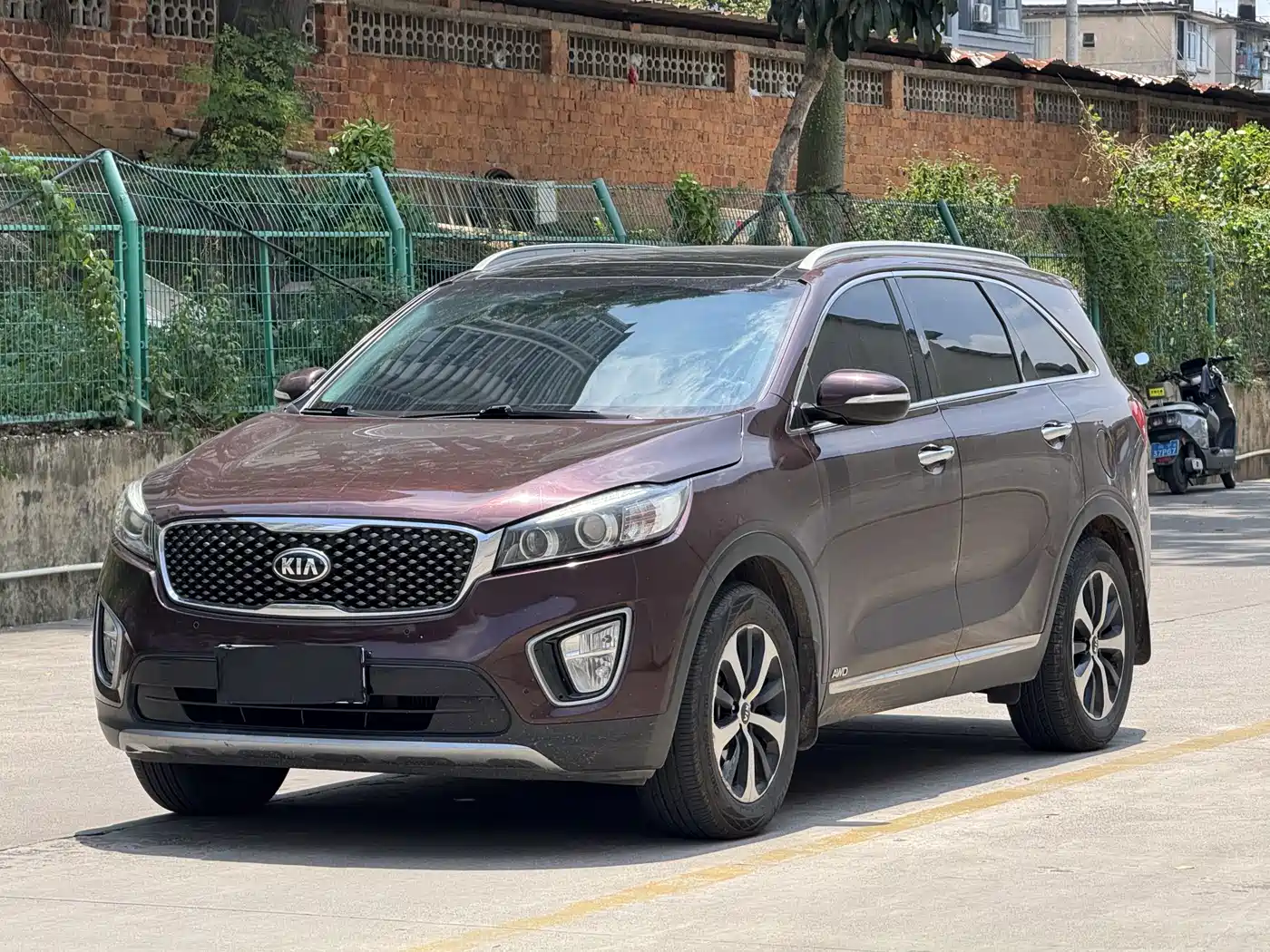
At a glance
- China-export Sorento choices span 2.2T diesel and 2.4L gasoline powertrains, with five- or seven-seat layouts.
- Four-wheel-drive availability varies by trim, so buyers should verify the exact listing rather than assume a standard fleet specification.
- Used Sorento purchases can suit value-led importers, provided mileage, corrosion, service history and mechanical condition are independently checked.
- Newer vehicles may reduce condition uncertainty, but a China-market model is not automatically equivalent to the latest global Sorento.
- Export pricing should be assessed on a landed basis because vehicle specification, exchange rates, freight, insurance and Incoterms all affect the final outlay.
- Written MOQ, inspection, compliance and payment terms should be agreed before any purchase commitment.
Why the Kia Sorento matters for export markets
For overseas buyers looking to buy Kia Sorento from China, the model occupies a useful middle ground in the export SUV market: it is large enough to offer five- or seven-seat layouts, yet remains more manageable for distributors and fleet operators than a full-size off-road vehicle. China-origin examples commonly pair a 2.2-litre turbocharged diesel with family-oriented seven-seat versions, while 2.4-litre gasoline variants serve buyers who prefer a simpler petrol powertrain. That breadth lets an importer match the vehicle to duty cycles rather than force one specification across an entire fleet. The choice of seating, drivetrain and emissions specification is therefore central to commercial value.
Global demand for the Sorento is driven less by a single global specification than by its recognizable format: a passenger SUV with useful space, flexible seat configurations and, in some markets, diesel torque for long-distance work. For overseas buyers, that means potential demand for airport transfers, hotel fleets, regional distribution and family-oriented retail. The Kia name can help resale, but resale strength still depends on local fuel choice, spare-parts support, service capability and whether the imported configuration is accepted without modification after inspection and approval by the relevant destination authorities.
Buyers should also separate the Sorento's market appeal from the assumption that every China-export vehicle is a current-market equivalent. The available examples may represent earlier generations and China-specific trim hierarchies, including China IV and China V emissions labels. That can still be attractive for value-led importers, but it requires a more careful brief: define the destination, steering position, seating and powertrain first, then assess whether parts, software, servicing and regulatory paperwork support the vehicle after arrival. A disciplined specification sheet prevents an attractive catalogue description from becoming an unsellable or non-compliant import.
- Five- or seven-seat petrol and diesel options.
- China IV/V needs destination compliance checks.
- Parts and service affect resale.
Model range, trims and powertrain variants: how the lineup is structured and how to choose
The export-relevant Sorento range is organized around two core engines: the 2.2T diesel and the 2.4L gasoline. Across these powertrains, the visible structure includes five-seat and seven-seat bodies, two- and four-wheel-drive applications where offered, and trim labels such as Comfort, Supreme, Luxury and Elite. These names describe equipment hierarchy rather than a single global Sorento specification. A buyer should therefore build a requirements matrix—fuel, seats, drive system, emissions class and condition—before selecting a listing. This prevents an attractive trim badge from masking a configuration that cannot be registered or operated profitably in the intended market.
For diesel buyers, the 2.2T versions are the logical focus when long distances, high passenger loads or frequent fleet utilization make fuel efficiency and sustained towing-style work more relevant than outright acceleration. Listings include seven-seat Comfort, Supreme and Luxury grades, plus Sorento L four-wheel-drive Elite derivatives in five- and seven-seat forms. Because output figures and gearbox details are not interchangeable across trims, compare the live specification sheet rather than infer capacity from the engine badge. For a diesel fleet, condition and service history can matter as much as the nominal trim, particularly for a vehicle entering service after international freight.
Gasoline shoppers have a parallel set of choices in the 2.4L line, including five-seat and seven-seat vehicles and four-wheel-drive Elite or Custom configurations on relevant Sorento L listings. The petrol option may suit markets where diesel fuel quality, cold-start operation or emissions infrastructure raises operating concern. Conversely, a buyer should not choose fuel solely from purchase economics: local fuel prices, annual mileage, maintenance capability and resale expectations should be modeled together. A seven-seat requirement should also be verified from the listing because the luggage trade-off becomes significant when every rear seat is occupied.
- 2.2T diesel: high-utilization and seven-seat work.
- 2.4L gasoline: practical where petrol suits operations.
- Confirm seats and four-wheel drive.
New vs used Kia Sorento: how export inventory is structured and how buyers choose
China-export Sorento inventory should be read as a mixed new-and-used market rather than one uniform product tier. New listings may represent newer production or a different equipment level, while used listings can cover earlier model years and accumulated mileage. Both routes can include diesel, petrol, five-seat and seven-seat versions, but their risk profiles differ. The correct question is not simply whether the vehicle is new, but whether its age, history, specification and documentation align with the importing plan. A used vehicle with a complete service record can therefore be more predictable than an unfamiliar higher-spec example.
For used Sorento purchases, mileage is only the first screen. Review the exterior for corrosion and panel repair, inspect tyres, suspension and braking condition, and verify that the cabin wear matches the stated mileage. Under the bonnet, check for smoke, fluid leaks, oily residue and evidence that the diesel fuel system or gasoline engine has been properly maintained. Request an independent inspection rather than relying only on listing photographs, especially for a vehicle that will be exported, repaired or placed directly into fleet service without a documented prior mechanical evaluation.
New or newer inventory suits buyers who prioritize lower wear, simpler onboarding or a warranty arrangement over immediate purchase-cost optimization. Even then, new should be defined in the listing: compare odometer reading, production date, delivery status, manufacturer warranty and any prior registration or export use. It is also important to remember that a newer China-market Sorento may not carry the same infotainment, safety or emissions features as a current overseas-market model. Confirm equipment against the actual unit, not only its trim name. That distinction prevents accidental specification substitution during dealer handover and customs clearance.
- Used: value, subject to condition and history.
- Newer: lower wear, but not necessarily latest.
- Request inspection, records and production date.
How export pricing works: the factors behind a live listing price, and how to read one
A live Sorento export price is the output of several variables rather than a fixed model-level rate. The vehicle year and generation, exact trim, 2.2T diesel or 2.4L gasoline choice, seating, four-wheel-drive equipment, mileage, condition and history all affect its commercial position. Market conditions then layer on exchange rate, seller margin, inland transport, port charges, freight, insurance and the selected Incoterm. Comparing one Sorento price with another is only meaningful after confirming that those variables are comparable. A low headline figure can therefore be offset by higher freight, repairs or compliance work after arrival.
To read a live listing correctly, first separate the vehicle's advertised export value from the landed cost. Check whether the quote indicates EXW, FOB, CIF or another delivery basis, and identify what is excluded. Then reconcile the title with the photographs and specification fields: a seven-seat diesel, five-seat petrol and four-wheel-drive Elite are not equivalent products. Ask whether the odometer, taxes, export documents, inspection, loading and destination charges are included. Exact current prices, terms and availability should be taken from the live unit listing, not inferred from another vehicle in the same model.
Use the live inventory as the starting point, then request a written quotation for the exact vehicle you intend to buy. A useful quote should identify the unit, basic specification, currency, exchange-rate validity, payment milestones, inspection scope, freight basis and expected documentation. Ask whether the seller can revise the vehicle if inspection reveals an issue, and compare the total—not just the vehicle line—when testing alternatives. The [live Kia Sorento listings](https://chinacardirect.com/products?q=Sorento&brands%5B%5D=23) on ChinaCarDirect provide the current unit-level reference for price, minimum-order requirement and availability before any binding payment commitment.
- Compare like-for-like specification and delivery basis.
- Request a line-item, time-limited landed quote.
- Check live price, MOQ and availability.
MOQ, ordering and payment: single units vs consolidating a container
Minimum order quantity is a commercial term attached to a listing or seller, not an inherent property of every Sorento. Some export offers are positioned for individual dealers or fleet pilots, while others require several units or a container commitment. The safest approach is to read the stated MOQ on the live product page and include it in the RFQ. If the page is unclear, obtain written confirmation of the minimum quantity, acceptable model mix and any container-fill condition before paying a deposit, instructing freight or booking transport space.
Single-unit purchasing is useful for testing demand, filling a short-term fleet gap or buying one vehicle for local corporate use. The buyer can specify a preferred trim, seating layout, drivetrain and condition, then request photographs, documents and an inspection before release. It also reduces the capital and unsold-stock risk of taking a full shipment. The trade-off is less negotiating leverage and potentially less favorable freight economics, so the final quote should show exactly what is included and how long the quoted terms remain valid in both vehicle and shipping components.
Container consolidation can improve per-unit freight efficiency, but it changes the risk profile. A buyer may combine several Sorento variants or mix the Sorento with other suitable models to meet a seller's minimum. That can widen choice and spread loading cost, although every unit must match the agreed specification, inspection standard and destination compliance plan. Before committing, model demurrage, storage, damage claims, customs delays and the time needed to sell each configuration. The lowest vehicle price is not necessarily the lowest landed cost once insurance, repair and compliance expenses are included.
- Read MOQ on each live listing.
- Single units suit pilots and fleet gaps.
- Consolidation adds freight and stock risk.
Shipping, homologation and market compliance caveats: LHD/RHD and import rules by country
Steering configuration is an early technical and regulatory checkpoint. Most China-market vehicles are built as left-hand-drive, while right-hand-drive availability depends on the source variant and market. The Sorento examples available for export should therefore be treated as LHD unless the seller explicitly confirms otherwise. Importing an LHD vehicle into an RHD market can create registration, safety or usability problems and may require local conversion at substantial cost. State the required hand position in the RFQ and verify it from cockpit photographs and the vehicle identification documents before freight is booked.
Destination-market compliance must be assessed independently of the China IV or China V badge shown in the listing; no single approval rule applies across countries. Those labels describe the source vehicle's emissions classification; they do not guarantee acceptance, tax treatment or registration in the importing country. Buyers should confirm VIN and ownership records, Certificate of Conformity or equivalent documents, customs classification, age restrictions, emissions rules, safety requirements, local taxes and any used-vehicle quota. A homologation specialist or clearing broker should review exceptions before the vehicle is released for shipment. This avoids discovering a documentary barrier after paying for the unit.
Shipping method, routing and cargo condition influence both cost and residual value. Container or roll-on/roll-off transport can suit complete vehicles, but the loading plan should address securement, battery isolation where relevant, moisture exposure and access for inspection. Longer routes or consolidation schedules may increase transit time; port congestion, weather, customs holds and documentation errors can add delay. Arrange pre-shipment inspection, confirm insurance coverage, retain high-resolution exterior and cargo-area images, and verify that the bill of lading, export declaration and vehicle documents correspond to the contracted units and the agreed delivery terms.
- Confirm LHD or RHD before booking.
- China IV/V is not destination approval.
- Budget for freight, duties, insurance and delays.
Who should buy the Sorento — and who should pick a different vehicle
The Sorento is a strong candidate for importers seeking a recognizable, road-oriented SUV with genuine choice between five and seven seats and between diesel and gasoline. It can suit hotel and airport transfer operators, regional sales fleets, NGO or corporate transport, and dealers serving families who need a third row without moving to a truck-based platform. Four-wheel-drive versions may also appeal where wet roads, light-duty regional work or all-weather confidence matter, provided the buyer accepts tire, fuel and maintenance costs and can secure suitable local parts and servicing support before committing.
It is a weaker choice for a buyer who requires the latest global infotainment, driver-assistance suite, hybrid efficiency or a battery-electric drivetrain. The represented China-market range is combustion-powered, and an older used example may lack features expected in newer overseas models. It can also suit poorly if the destination primarily supports right-hand-drive vehicles, imposes strict age or emissions limits, or has no realistic parts channel. In those cases, a locally supported model may be cheaper after registration, insurance, fuel and downtime are considered. The imported SUV should earn its logistical premium through fit.
The decision between a newer and a used Sorento is ultimately about budget allocation. A used example can lower acquisition cost and deliver known seating and powertrain utility, but the buyer absorbs more uncertainty in condition, remaining life and repair exposure. A newer vehicle may reduce that uncertainty and simplify resale, yet it can still carry a China-specific equipment set and should not be confused with the latest model sold elsewhere. The best purchase is the one whose verified configuration, landed cost and lifetime operating assumptions match the fleet plan.
- Strong fit for mixed-seat fleets.
- Weak fit for EV, hybrid or latest-feature needs.
- Match condition, parts support and operating plan.
Main rivals and how the Sorento compares
The Hyundai Santa Fe is the closest conceptual rival: it is a family-oriented crossover with five- or seven-seat configurations in many markets and a comparable focus on passenger comfort and usable cargo space. Against the Sorento, the deciding factors are the exact imported engine, seating solution, condition, local Hyundai/Kia service access and the total cost of parts. A Santa Fe may be easier for some buyers to support locally, but a China-export Sorento with the correct diesel and seven-seat package can offer stronger task fit. Neither brand should be chosen from badge appeal alone.
The Toyota Fortuner competes when seven-seat utility and a truck-derived platform matter more than a road-focused driving character. It is widely considered a more rugged choice for demanding rural use, rough access roads and heavy passenger or cargo duty. The Sorento, particularly in diesel four-wheel-drive form, can be more appropriate for operators focused on paved networks, passenger comfort and lower-platform practicality. Compare load floor, luggage capacity with all seats occupied, fuel provision, service access and actual route conditions; advertised seating alone does not settle the fit or expected resale demand.
The Nissan X-Trail is another credible compact-SUV alternative, particularly for buyers who prefer a smaller footprint and may find five-seat practicality more important than a third row. Its global range includes different seating, powertrain and equipment options, so the comparison must use the exact destination-market version rather than a generic badge. The Sorento offers a clearer diesel-led, seven-seat proposition in the export examples represented here, while an X-Trail may offer a broader local model or hybrid choice. Decide from actual duty cycles and serviceability, not vehicle-class assumptions in the destination market.
- Santa Fe: close family-crossover alternative.
- Fortuner: stronger for rugged, truck-based use.
- X-Trail: consider compact or hybrid needs.
Live Kia Sorento export inventory
View all listings →Real units currently on ChinaCarDirect with per-unit asking prices and MOQ. Availability updates live from the catalogue.
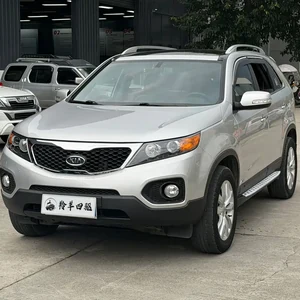
Kia Sorento 2015 Sorento L 2.2T Diesel 4WD Elite 7-Seater China IV
Kia Sorento 2015 Sorento L 2.4L Gasoline 4WD Elite 7-seater China IV
How to buy a Kia Sorento from China
-
1
Define the operating requirement
Set the destination, steering position, passenger capacity, fuel preference, drivetrain and emissions constraints before comparing vehicles. Include expected annual mileage and whether the Sorento will serve passengers, cargo or mixed duties.
-
2
Shortlist exact live units
Use the live Kia Sorento inventory to compare matching years, engines, seating layouts, drivetrains and condition. Treat each listing as a separate vehicle rather than assuming every model shares the same specification.
-
3
Verify identity and history
Confirm the VIN, production date, odometer, trim, steering position, service records and available export documents. Request clear photographs of the exterior, interior, engine bay and underside.
-
4
Request a landed quotation
Ask for a written, time-limited quote identifying the unit, MOQ, delivery basis, freight, insurance, inspection, payment milestones and excluded destination charges. Confirm the exchange-rate basis and any container-fill condition.
-
5
Clear destination compliance
Have a broker or homologation specialist check VIN records, conformity documents, customs classification, age limits, emissions rules, taxes and local safety requirements. Do not rely solely on the China IV or China V badge.
-
6
Approve inspection and payment
Use the agreed inspection scope before authorizing release, and retain dated photographs of the vehicle and cargo area. Pay only through the verified account and against the documented payment milestones in the final contract.
-
7
Ship and clear the vehicle
Confirm the transport method, securement, insurance, export declaration, bill of lading and delivery terms before loading. Track customs clearance and retain copies of every vehicle and shipping document.
Sorento vs rivals
| Hyundai Santa Fe | The Santa Fe is a close family-crossover competitor with similar five- and seven-seat logic in many markets. The better fit depends on the imported engine, condition, local dealer support, parts cost and the Sorento's specific diesel or seven-seat advantages. |
|---|---|
| Toyota Fortuner | The Fortuner is generally the stronger choice for buyers prioritizing a rugged, truck-derived platform and demanding seven-seat use. The Sorento may fit paved-network fleets better, particularly where diesel operation, passenger comfort and lower-platform practicality matter. |
| Nissan X-Trail | The X-Trail is a credible compact alternative for buyers who prioritize a smaller footprint, five-seat flexibility or a locally available hybrid. A China-export Sorento can offer a clearer diesel-led and seven-seat proposition, but the final choice should follow the destination specification. |
Frequently asked questions
How is Kia Sorento export pricing determined?
The live price reflects year and generation, trim, 2.2T diesel or 2.4L gasoline choice, seating, drivetrain, mileage, condition, exchange rates, freight, insurance and the Incoterm. Compare only like-for-like units and request a written quote showing what is included. Current binding prices and availability are shown on the live unit listings.
Which Sorento engines and seating configurations are available?
The China-export range represented here uses a 2.2T diesel or 2.4L gasoline engine, with five- or seven-seat and two- or four-wheel-drive variations by trim. These are combustion vehicles, so electric range and battery-charging figures do not apply. Verify transmission, output figures, seating and drivetrain on the exact live listing.
Is a used Kia Sorento better than a newer example?
A newer Sorento can reduce condition uncertainty and may include a manufacturer warranty, while a used Kia Sorento can lower acquisition cost but carries more condition and service-history risk. Neither label guarantees the latest equipment or destination suitability. Inspect the unit and compare lifetime operating cost.
How does MOQ work for Sorento orders?
MOQ is set by the seller and the specific listing; it may allow one vehicle or require a larger wholesale or container quantity. Read the requirement on the live product page and confirm it in the RFQ, including whether different trims can be mixed. Exact current terms should be agreed in writing before deposit.
What determines shipping time and cost?
Transit time and cost vary with shipping method, origin and destination ports, route distance, consolidation, cargo condition, insurance, customs clearance, weather and documentation. Ask for a written estimate with the freight basis, surcharges and validity period. Delays should be considered when comparing an immediately available vehicle with one awaiting consolidation.
Are spare parts available for imported Sorento vehicles?
Before buying, confirm that Kia parts, service expertise and donor vehicles exist for the exact generation and trim, and check whether components are shared across LHD and RHD applications. China-specific badges do not automatically mean global part interchangeability. Retaining service history and sourcing consumables before shipment can reduce downtime.
Is right-hand-drive Sorento availability guaranteed?
Most China-market Sorento units are LHD, and RHD availability should never be assumed. State the required steering position, then verify it from the exact listing, identification documents and photographs before booking. Availability changes, so use the live inventory and confirm the hand configuration in the RFQ.
How do I order a Kia Sorento from China?
Start with the live Kia Sorento listings, shortlist the required engine, seats, drivetrain and condition, then send one RFQ for current unit details and a landed quotation. Confirm compliance, inspection, payment milestones and shipping documents before paying. ChinaCarDirect can then support the transaction against the selected vehicle.
Ready to source the Kia Sorento?
Send ChinaCarDirect your exact Sorento specification, destination and target quantity for a current vehicle-level quote and RFQ.
Request a quote