
Kia Sportage Export Buying Guide for Overseas Dealers
Kia Sportage export guide for dealers: compare China-market trims, petrol options, used vehicles, landed costs, shipping and compliance before ordering.
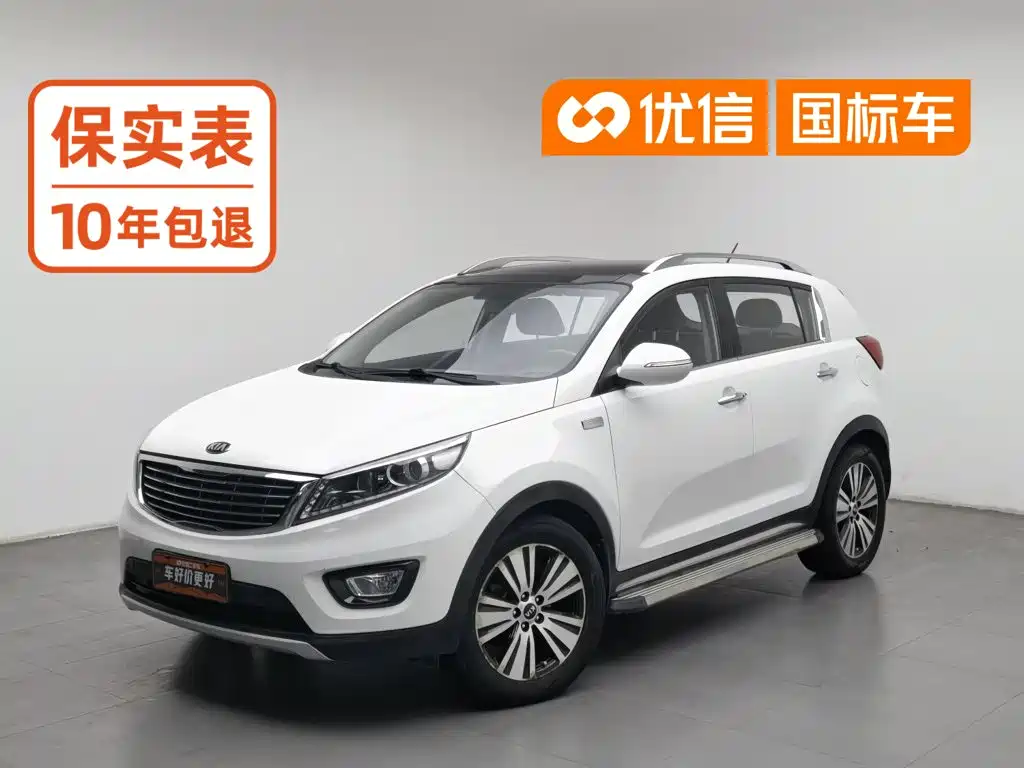
At a glance
- China-market Sportage choices include 2.0L petrol, 1.5T turbo, automatic and manual, with two-wheel-drive configurations.
- GL, GLS, DLX, NAVI, Smart Luxury, China V and Ace are market-specific trim labels, not global equivalents.
- Automatic 2.0L 2WD models provide a practical starting point for dealer and fleet evaluation.
- New units favor standardized condition, while used units require mileage, repair-history and wear checks.
- Exact current price, MOQ and availability must be checked for each unit in ChinaCarDirect’s live inventory.
- RHD supply, homologation, parts support and warranty validity need destination-specific confirmation.
Why the Kia Sportage matters for export markets
Kia’s Sportage offers buyers a familiar compact-SUV format and a broad Chinese-market selection of petrol engines, automatic and manual gearboxes, two-wheel-drive versions and several equipment tiers. That makes it relevant to dealers serving family, trade and fleet customers without moving into the premium SUV segment. Kia’s established identity can also reduce the education needed to explain the vehicle to customers who already know the marque. For importers, the value lies in matching a Chinese-market grade to local demand, budgets and service arrangements rather than assuming one export specification works everywhere.
Demand for the Sportage comes from buyers who want the higher seating position, usable luggage area and car-like comfort of an SUV while retaining manageable dimensions for city use. In many export decisions, it sits between a basic compact SUV and a larger family model: the buyer wants visual presence and practicality, but does not need a full-size vehicle or premium powertrain. A dealer can therefore position it as a value-oriented crossover, provided the specification is transparent and supportable. Importers should balance landed cost with customer acceptance rather than chase the lowest acquisition figure.
Global recognition matters in export because an established model name can reduce the education burden for customers and help a distributor build a coherent parts, financing and resale proposition. At the same time, Sportage specifications differ between generations and markets, so a buyer should not assume that a Chinese GL, GLS, DLX, Smart Luxury or Ace badge matches a trim sold under the same name elsewhere. The strongest opportunity is informed matching: use the model’s broad appeal, then verify the exact vehicle before making a commercial commitment. That discipline protects margin.
Model range, trims and powertrain variants: how the lineup is structured and how to choose
Chinese-market Sportage listings are organized around a hierarchy: 2.0L petrol versions, a smaller 1.5T turbo option, automatic or manual transmissions, and predominantly two-wheel-drive configurations. Trim labels include GL, GLS, DLX, NAVI, Smart Luxury, China V and Ace editions, together with brilliant, splendid, challenge and enhanced descriptions. These names identify a unit but are not a standardized global equipment list. Buyers should compare features directly, using live photographs and the equipment table rather than an imported-market brochure. Confirm that a listed safety or convenience function is fitted and operational before assigning it value.
When reviewing Kia Sportage specs, the automatic 2.0L two-wheel-drive Sportage is a practical starting point for most export buyers because it combines a conventional petrol powertrain with a straightforward driving and fleet-maintenance profile. A manual version can suit markets where manual familiarity and operating economics are priorities, while a 1.5T unit may appeal where buyers want a smaller displacement without accepting a larger engine. The choice should follow load, fuel standard, road conditions and local servicing capability—not merely the engine label. Confirm that the transmission, emissions equipment and cooling requirements suit the destination market.
Equipment choice deserves care as the mechanical specification. Smart Luxury and higher-feature editions may add comfort and convenience equipment, while GL, GLS and DLX units can represent different levels of appointment; however, exact inclusions can change between model years and Chinese sub-variants. For fleet work, prioritize features that reduce downtime and driver fatigue, such as media connectivity, climate controls and upholstery. For retail buyers, build an equipment checklist and photograph every control, wheel, panel and option before payment. This prevents a higher trim from hiding an omission that matters locally.
New vs used Kia Sportage: how export inventory is structured and how buyers choose
A ChinaCarDirect Sportage search is best treated as two overlapping markets rather than one homogeneous inventory. New vehicles offer a more standardized condition and a clearer relationship between model year, trim and factory specification; used vehicles open access to older, more varied examples and can make a compact-SUV programme feasible at a lower acquisition cost. Neither category automatically represents better value. The right comparison is between the life-cycle needs of the importing dealer, the resale expectations of local customers and the risk that condition differences create during export preparation and delivery.
New units are generally easier to standardize for fleet delivery, documentation and customer expectation. They may also carry a clearer factory warranty, although the buyer must confirm whether that warranty is valid outside China and whether parts or service support is available in the destination country. Used Sportages can deliver a more attractive entry point or preserve a known, familiar configuration, but mileage, service history, accident repair, paintwork and cabin wear all affect the final commercial case. Inspect the vehicle rather than relying on its year or trim name alone.
Used-vehicle sourcing should be treated as a condition audit. Ask for chassis identification, odometer evidence, service records, inspection photographs, engine-bay and underbody images, and details of any warning lights or faults. Check whether the infotainment, climate system, power functions and electronic modules work, and establish whether replacement parts are locally obtainable. For a new unit, verify production consistency, warranty terms and the exact delivery configuration. In both cases, factor reconditioning, compliance work and unsold-stock carrying cost into the commercial decision. The report should identify any mismatch between the listing and physical vehicle.
- New: standardized condition.
- Used: inspect mileage and repairs.
- Compare warranty, parts and resale.
How export pricing works: the factors behind a live listing price, and how to read one
A Kia Sportage export price guide should treat pricing as a calculation, not a fixed figure. The amount shown for a live vehicle is shaped by model year, trim, engine and transmission, mileage and condition, ownership history, equipment and whether the unit is new or used. Supplier margin and the seller’s commercial terms also matter. Currency movements can change the apparent cost from one quotation to another. The practical method is to separate the vehicle’s commercial value from costs created after it leaves the supplier: inspection, documentation, inland handling, freight, insurance, destination charges and local taxes.
A buyer should read the live listing as a starting quotation, not a landed cost. Confirm whether the displayed amount is asking price, whether it is negotiable, and whether the quote is tied to a particular chassis or only a model description. Then build a landed-cost worksheet using the Incoterm, freight route, port pair, insurance, customs duty, VAT or sales tax, port fees and inland delivery. Include local registration, inspection and compliance modifications where relevant. This avoids comparing a lower vehicle quote with a higher one that has fewer post-purchase costs.
Availability should be checked with price because a specific year, trim, transmission and condition may not reappear when another buyer purchases a similar unit. Use live Sportage inventory to verify the current asking price, seller information, photos, unit identity and ordering terms, and compare equivalent units rather than averaging unrelated vehicles. Ask for a written quote stating what is included and excluded, especially export documents, inspection, transport and payment timing. On ChinaCarDirect, the exact current price, MOQ and availability are shown for each live unit; confirm those binding figures in the current RFQ.
- Separate vehicle and landed costs.
- Compare equivalent units, not averages.
- Verify live price, MOQ and availability.
MOQ, ordering and payment: single units vs consolidating a container
MOQ is a term that should be checked on the selected vehicle and confirmed with the seller. A listing may permit a single-unit purchase, a mixed batch or a larger quantity depending on the seller’s stock policy, production constraints and the destination’s handling economics. Do not infer a permanent MOQ from a search page or from another Kia Sportage SKU: trim, year and sourcing route can have different terms. The safest practice is to request the order quantity, payment schedule and allocation method in writing before treating an advertised unit as available.
Single-unit buying is sensible for a dealer testing demand, a fleet order or a customer with a tightly defined specification. Consolidation can reduce per-vehicle freight and handling costs when several buyers share a container, but it also concentrates risk: one damaged vehicle, delayed inspection or non-compliant unit can hold up the whole group. Agree how units are selected, who pays for corrections, how titles and keys are reconciled, and whether the seller or consolidator is responsible for loading and export paperwork. Compare the saving from consolidation with the extra administration and inventory exposure.
Payment structure matters as much as quantity. Before sending funds, confirm the currency, deposit and balance schedule, payment method, refund or cancellation terms, and whether the vehicle remains reserved after the first payment. Ask for the chassis or VIN, bill of sale, export declaration, customs documents, service history and warranty information before the balance is due. For a programme, negotiate a framework for allocation, inspection and claims, but still approve each unit. A clear RFQ trail reduces the chance that a live listing’s shorthand is mistaken for a final, binding export contract.
- Confirm MOQ and allocation.
- Weigh consolidation savings against risk.
- Approve documents before final payment.
Shipping, homologation and market compliance caveats: LHD/RHD and import rules by country
Shipping a Sportage from China is a chain of handoffs, not a single freight booking. Depending on the route, the vehicle may move through a vehicle carrier, container or other secure loading method, then discharge, customs clearance, port inspection and inland haulage. Transit time and cost vary with sailing frequency, origin and destination ports, vehicle space, handling, insurance, documentation and congestion. Ask the forwarder for an all-in quotation naming the Incoterm, loading and discharge ports, destination charges and insurance. Use tracking or inspection checkpoints that match the signed transport contract.
Left-hand-drive vehicles dominate Chinese production, so an overseas buyer should establish whether the destination accepts a left-hand-drive vehicle or requires right-hand drive. An RHD market may require sourcing an example from a local Kia network rather than assuming a Chinese unit can simply be sold. If conversion is considered, the cost must cover steering and instrument changes, safety checks, electrical compatibility and regulatory approval; conversion can also affect warranty, parts and resale. Never describe a vehicle as RHD simply because the steering wheel has been moved. The conversion should be documented before sale.
Before shipment, obtain destination-specific advice from a customs broker and the relevant transport or vehicle-approval authority. Check VIN and chassis documentation, emissions and type approval, safety requirements, local inspection, customs classification, duty and tax treatment, and age or emissions restrictions that may apply to used imports. A China V specification is a China-market designation and does not establish approval elsewhere. Compliance is jurisdiction-specific, so the importing party should document the approval path, who bears modification costs, and what evidence must accompany the vehicle at the port and during registration procedures.
- Verify LHD or RHD first.
- Quote ports, insurance and handling.
- Check local homologation and customs.
Who should buy the Sportage — and who should pick a different vehicle
The Sportage is a candidate for an overseas importer that needs a fuel-powered crossover with a recognizable badge and a broad enough trim ladder to serve several customer budgets. It also suits fleets that value a conventional petrol powertrain, straightforward 2WD configurations and easier parts planning than a premium or highly electrified model. Buyers should choose it when the priority is practical packaging, familiar service categories and commercial flexibility—not when they need a premium cabin, exceptional off-road capability or a guaranteed seven-seat layout. The exact unit still needs to fit local operating conditions.
Choose a different vehicle when the mission has a clear mismatch with a compact crossover. A seven-seat MPV or larger SUV may suit families or shuttle operations carrying more passengers; a premium SUV may better serve buyers whose customers expect higher-grade materials and brand prestige. If zero-emission targets, charging access or urban emissions restrictions are decisive, an electric or plug-in hybrid may be operationally better, subject to local incentives and charging coverage. For low running costs and simple mechanical operation, a smaller gasoline hatchback may be enough. Make these decisions before comparing trim prices.
The best use case is a dealer or fleet buyer who can document provenance, maintain a realistic parts plan and price the vehicle for its destination market. A low acquisition quote does not compensate for unsuitable emissions equipment, unavailable electronic modules or an RHD conversion that has not been approved. Conversely, a well-chosen used Sportage can make sense for a regional operator with a clear replacement cycle and the ability to inspect and refurbish vehicles. Test the business case with total ownership cost, expected residual value and after-sales support rather than model name alone.
- Sportage suits mainstream crossover demand.
- Consider larger vehicles for more seats.
- Match charging access to powertrain.
Main rivals and how the Sportage compares
The Hyundai Tucson is the most direct rival because it occupies a similar compact-SUV position within the same broad Hyundai-Kia product family. Both can appeal to buyers seeking mainstream practicality and a substantial equipment list, but trim names, safety content and powertrain options vary by destination. A Chinese Sportage should be compared with the locally sold Tucson version, not a different-year brochure model. Tucson may be stronger where Hyundai service familiarity or a particular hybrid or all-wheel-drive version is important; the Sportage may offer a more attractive specification path in selected Chinese trims.
Toyota RAV4 and Honda CR-V are also credible alternatives for an overseas dealer. The RAV4 often benefits from broad market recognition and a wide range of conventional and electrified powertrains in many destinations, while the CR-V is commonly chosen for family-oriented packaging and established ownership perceptions. The Chinese Sportage can compete through visible equipment and acquisition flexibility, but those advantages should be measured against warranty support, parts lead times, residual value and homologation effort. A rival’s local hybrid or AWD option may be more important than a headline Sportage trim.
Ultimately, the comparison should be made at the level of the destination offer: engine, transmission, emissions, safety equipment, dimensions, warranty, service network and total cost of ownership. A Sportage listing from China is not automatically equivalent to a Sportage sold in the buyer’s home market, and a competitor’s imported version may already be homologated. For dealers, the winner is often the model that can be sourced repeatedly, supported locally and repriced cleanly—not necessarily the one with the broadest global brochure. Check current local options before committing to a mixed-brand programme.
- Tucson is the closest alternative.
- RAV4 and CR-V compete on ownership fit.
- Compare support and ownership costs.
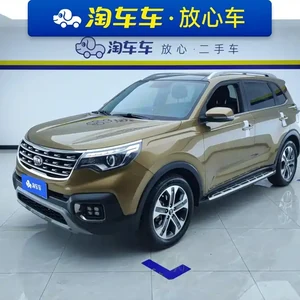
Live Kia Sportage export inventory
View all listings →Real units currently on ChinaCarDirect with per-unit asking prices and MOQ. Availability updates live from the catalogue.
How to buy a Kia Sportage from China
-
1
Set the destination and vehicle brief
Record the destination country, driving side, engine, transmission, drivetrain, fuel standard, passenger needs and expected volume. Include local registration, inspection and emissions constraints before choosing a vehicle.
-
2
Buy Kia Sportage from China: shortlist equivalent units
Use live Kia Sportage listings to compare equivalent units. Check the chassis, model year, trim, engine, transmission, condition, mileage, photographs and seller information before requesting a quote.
-
3
Request a unit-specific RFQ
Submit the destination, preferred configuration, quantity, Incoterm and inspection requirements through the RFQ channel. Ask the seller to state what the quote includes, how the unit is reserved and which documents accompany it.
-
4
Audit condition and compliance
Review the chassis or VIN, service history, warranty and physical condition. Have a customs broker confirm local homologation, emissions, safety, customs, duty, tax and age rules, including any RHD requirement.
-
5
Build the landed-cost worksheet
Cover the vehicle quote, freight, insurance, handling, origin and destination charges, customs costs, inland delivery and compliance work. Use the same assumptions for every candidate so the comparison remains valid.
-
6
Order, pay and track shipment
Reconfirm the selected unit’s live price, MOQ and availability, then secure deposit and balance terms in writing. Verify export documents, payment receipts, inspection records, shipping route and release conditions before dispatch.
Sportage vs rivals
| Hyundai Tucson | The Tucson is the closest direct rival, occupying a similar compact-SUV position and often appealing to the same mainstream buyer. Compare the Chinese-market Sportage with the locally sold Tucson variant because trim content, safety equipment, powertrains and service familiarity differ. |
|---|---|
| Toyota RAV4 | The RAV4 is a strong alternative with broad market recognition and, depending on destination, conventional or electrified powertrain choices. The Sportage may offer more visible equipment or sourcing flexibility, while residual-value expectations and local warranty support can favor the RAV4. |
| Honda CR-V | The CR-V is a credible family-crossover alternative known for practical packaging and established ownership perceptions. The Sportage can compete through Chinese-market equipment choice, but CR-V may better suit buyers who prioritize resale confidence and an established service network. |
Frequently asked questions
How is Kia Sportage export pricing determined?
The live vehicle quote reflects model year, trim, engine and transmission, mileage and condition, ownership history and commercial terms. Freight, insurance, port handling, duties, taxes, compliance work and exchange-rate effects must be added separately to estimate landed cost. Check ChinaCarDirect’s live listings for the exact current unit price.
What engine, powertrain and range do China-export Sportage units have?
The China-market Sportage units discussed here are petrol vehicles, including 2.0L and 1.5T versions, with automatic or manual transmissions. They are not battery-electric, so battery range is not an applicable specification. Confirm the exact engine, gearbox, emissions equipment and fuel standard in the live listing.
Should an overseas buyer choose a new or used Kia Sportage?
New vehicles generally provide more standardized condition, specification and warranty documentation. Used vehicles can reduce acquisition cost but require checks of mileage, accident repair, service history, electronic functions and wear. Choose according to expected resale value, fleet utilization and the importer’s inspection capability.
How does MOQ work for Kia Sportage wholesale orders?
MOQ should be confirmed for the selected seller and SKU rather than treated as a permanent catalogue condition. A live listing may support a single vehicle, mixed batch or larger allocation, but terms can change by trim, year and seller. Include the requested quantity and allocation method in the written RFQ.
What determines shipping time and cost from China?
Shipping time and cost depend on the route, vessel frequency, vehicle-space availability, port congestion, handling, documentation and insurance. The Incoterm determines which party bears costs and risks at each stage. Request an all-in freight quotation naming the loading and discharge ports, destination charges and inland delivery.
Are spare parts available for an exported Kia Sportage?
Parts availability depends on the destination and whether the vehicle uses China-specific trim or electronic modules. Request part numbers, identify the VIN or chassis and confirm local Kia or alternative-part support before importing. Do not assume every dealer-held component is interchangeable with export-market versions.
Can I buy a right-hand-drive Kia Sportage from China?
Most Chinese-market Sportage units are left-hand-drive, while right-hand-drive availability depends on the destination and local Kia network. A conversion may affect steering, instruments, safety, electronics, warranty and parts compatibility. Confirm the driving-side requirement and regulatory approval before purchase or shipment.
How do I order a Kia Sportage from China?
Start with the live Sportage inventory, shortlist equivalent vehicles and submit a unit-specific RFQ. Confirm the selected vehicle’s price, MOQ, availability, condition, documents, payment schedule and Incoterm in writing. Complete the agreed payment and inspection process before arranging export shipment.
Ready to source the Kia Sportage?
Send ChinaCarDirect your destination, preferred Sportage specification, LHD/RHD requirement and quantity for a current unit-level quote.
Request a quote