
Kia Seltos for Export: A Guide for Overseas Buyers
Export Kia Seltos buying guide: compare trims, powertrains, pricing factors, MOQ, shipping, compliance and rivals for overseas dealers and importers.
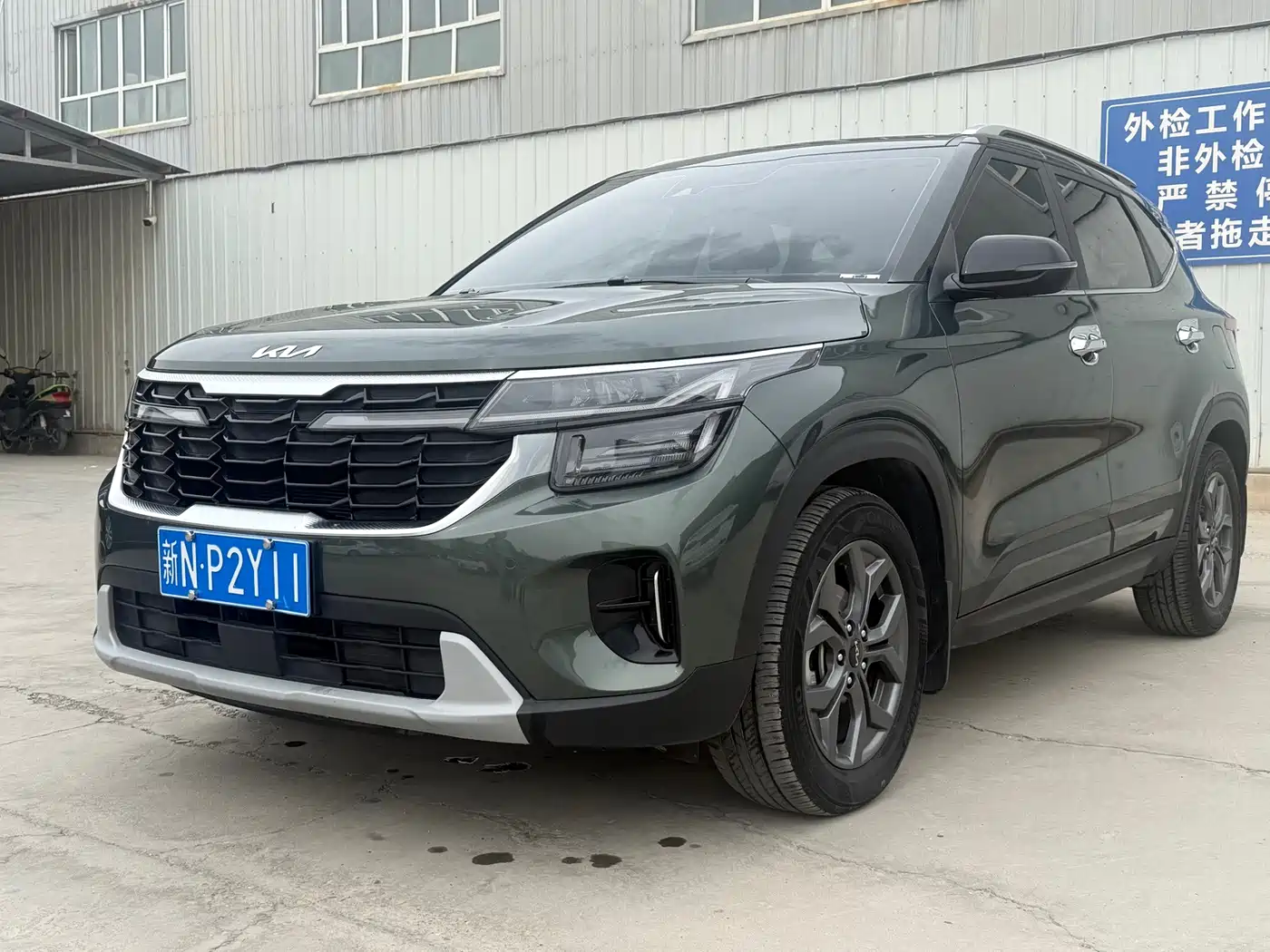
At a glance
- The Kia Seltos occupies the compact SUV segment, combining a manageable footprint with a raised seating position and practical luggage use.
- The China export range centers on 1.5-litre petrol powertrains paired with CVT or IVT, with a 1.4T DCT option also represented.
- Comfort, Luxury and Premium labels provide a visible equipment ladder, although destination-market grading may differ.
- New units prioritize low wear and warranty simplicity, while used units can offer lower acquisition cost with more condition risk.
- Live listings provide the current unit-level price, MOQ and availability; a written quotation establishes the binding terms.
Why the Kia Seltos matters for export markets
The Kia Seltos sits in the compact SUV segment, a category that combines a manageable footprint with a raised driving position and more useful space than a typical hatchback. For overseas buyers, its appeal is not based on one spectacular feature but on balance: a petrol powertrain, automatic transmissions, practical packaging and a recognizable manufacturer. The model can serve private buyers, work fleets and dealer groups seeking a vehicle that feels more versatile than a sedan without moving into the running costs of a larger SUV in crowded export markets.
The Seltos is especially relevant to importers and fleet operators in markets where compact crossovers are common on urban roads but buyers still want a higher seating position and useful luggage area. A dealer can offer an entry point with Comfort-branded cars and a higher-equation mix through Luxury and Premium descriptors, while fleets can standardize a familiar model name. That combination supports a coherent sales proposition: one model family, several equipment levels and a powertrain format many petrol stations can support. It also simplifies demand planning compared with unrelated nameplates and incompatible service procedures.
That does not make the Seltos automatically suitable for every country. Export success depends on road conditions, fuel quality, taxation, emissions rules, spare-parts access and whether Kia has an effective dealer or workshop network. A right-hand-drive market, for example, cannot be served safely by assuming a left-hand-drive car will be accepted or converted without cost. Buyers should also assess residual-value prospects rather than focusing only on acquisition price. The Seltos earns a place in an export program only after market-specific validation of the model, parts support and local operating realities.
- Compact SUV format
- CVT and IVT choices
- Local viability depends on rules
Model range, trims and powertrain variants: how the lineup is structured and how to choose
Chinese-market Seltos trims use a set of powertrain-and-grade combinations. Common designations pair the 1.5-litre engine with a CVT in Comfort, Luxury and Premium editions, while 1.5-litre IVT versions include Comfort, Luxury and Luxury Comfort grades. The range also contains a 1.4-litre turbocharged engine with a DCT in a Premium Luxury specification. These names help buyers find units, but they should not be translated automatically into grades offered in Europe, North America or other destination markets. Equipment, safety technology, infotainment and cosmetic details can differ. Confirm the exact vehicle rather than assuming.
For most buyers, the 1.5-litre naturally aspirated engine is the starting point. It prioritizes familiar gasoline-service requirements, linear power delivery and lower operating complexity rather than performance. The 1.4-litre turbo option can feel more energetic, especially when the vehicle is fully loaded or climbing grades, but it should be selected for the intended use and local fuel availability rather than on the badge alone. Neither engine is a hybrid or electric drivetrain, so buyers seeking battery-only operation, plug-in charging or low tailpipe emissions should treat the Seltos as a different proposition.
The transmission labels describe different behavior. A CVT provides continuously variable ratio selection and is straightforward for drivers to use, but the sensation of acceleration depends on calibration. Kia’s IVT branding identifies a newer automated-transmission family and should not be treated as identical to a belt-driven CVT; compare shift quality, noise and cooling requirements during inspection. A DCT uses two clutches and can deliver quick, direct shifts, although care matters in stop-and-go traffic. Final choice should reflect road conditions, driver familiarity, warranty coverage and the exact transmission fitted—not trim imagery alone.
- 1.5L petrol core
- Distinct IVT and DCT
- Verify destination equipment
New vs used Kia Seltos: how export inventory is structured and how buyers choose
New and used Seltos should be evaluated as different risk profiles, not simply as cheaper and more expensive versions of the same transaction. A new export unit may be unregistered stock, but its status must be confirmed on vehicle documents and in the seller’s offer. Used vehicles can offer lower entry cost and a wider selection of model years or specifications, yet they transfer more uncertainty about wear, maintenance and hidden faults. Compare expected total cost after freight, duties, repairs, downtime and eventual resale, rather than the asking price alone.
For a dealer buying new inventory, the immediate priorities are delivery condition, production or registration dates, warranty start points, factory accessories and whether any display or transport damage has been repaired. Confirm that the unit is not a demonstration, fleet return or parallel-import vehicle presented simply as new. For a used vehicle, request the VIN, registration documents, service history, maintenance invoices and a clear explanation of ownership. These records should be reconciled with the physical inspection; documentation and condition must describe the same car before any balance is released in full.
A pre-purchase inspection becomes important as the vehicle ages. Check cold starts, idle quality, fluid leaks, tire age and wear, brake condition, suspension noise, accident evidence, underbody condition, warning lights and software behavior. Verify that the odometer reading is plausible and consistent with records, and ask whether recall or campaign work has been completed. For fleet use, inspect seat, carpet, pedal and steering-wheel wear because heavy use can make a low-mileage claim misleading. If the seller cannot document these points, price the uncertainty into the decision rather than relying on listing claims.
- New units reduce wear risk
- Used units need inspection
- Match documents to vehicle
How export pricing works: the factors behind a live listing price, and how to read one
A ChinaCarDirect listing should be read as the starting point for a transaction, not automatically as a delivered price to the destination. The vehicle-side value is shaped by model year, trim, engine, transmission, mileage or delivery condition, options, paint, and whether the unit is new or used. Seller location and market conditions also matter, while currency movements can change a quote before contract. Because the same model name can cover different equipment levels, compare like-for-like units rather than relying on the Seltos badge alone or a marketing headline on its own.
The Incoterm decides where responsibility and cost pass between seller and buyer. An ex-works price leaves export packing, inland movement, export clearance, freight, insurance, import duty, taxes and destination charges with the buyer, while a delivered or CIF-style quotation may include more of the journey. Compare the complete scope, not only the displayed amount. Ask whether marine insurance, inspection, terminal handling, customs brokerage, documentation and demurrage are included, and obtain the charges that will apply after arrival. Also establish whether the quote remains valid only until a stated expiry date.
To compare quotations consistently, create a worksheet showing the vehicle specification, condition, Incoterm, currency, payment schedule, and every known destination charge. Convert the figures to one currency only after noting the exchange-rate basis and date; do not hide fees inside an unexplained adjustment. A deposit, refund condition or promotional price may expire or change, so obtain a written pro forma invoice with a defined validity period. The current per-unit price, MOQ and availability should be confirmed in the live ChinaCarDirect listings, with a quote required before committing funds to the seller.
- Compare like-for-like units
- Define Incoterm and exclusions
- Use written live quotations
MOQ, ordering and payment: single units vs consolidating a container
A minimum order quantity is a seller’s commercial term, not a universal feature of the Seltos. Some export sellers can release an individual vehicle to a serious buyer, while others set a lot requirement for a particular trim, color or production batch. The quantity attached to a live listing must therefore be checked with the seller and confirmed in the pro forma invoice. A single-unit purchase gives flexibility and limits capital exposure, but it often leaves the buyer carrying most fixed freight, insurance and handling costs by itself without supplier support.
Consolidating several Seltos can reduce logistics cost per vehicle and create a more attractive dealer offer, particularly when trims and colors are standardized. It also spreads fixed charges, but it ties up more capital, requires a broader sales forecast and exposes the buyer to unsold stock. Mixed configurations may complicate allocation and increase the risk of damaged or mismatched units. For a container program, lock the model year, engine, transmission, trim, steering position and equipment list in the contract; “Seltos” alone is not a sufficiently precise purchasing specification for international trade.
Payment structure should match the risk and the inspection process. A sequence may involve a deposit to reserve the vehicle, a balance due after inspection and before release, and final settlement tied to agreed export documents; the exact terms are negotiable and must be written down. Confirm the contracting seller, beneficiary name, payment currency, refund conditions and invoice ownership, and use a traceable payment method. High-risk orders should include third-party inspection, clear title warranties and an identity check on the seller. Never rely on promises about container space, customs release or delivery timing.
- Confirm each listing’s MOQ
- Consolidate for freight efficiency
- Tie balance to inspection
Shipping, homologation and market compliance caveats: LHD/RHD and import rules by country
Vehicle shipping can be arranged by roll-on/roll-off vessel or by container when cargo handling and unit economics favor it. The mode affects freight rate, loading requirements, damage protection, delivery sequence and handling at both ports. A complete vehicle consumes substantial space, so consolidated loading can alter cost per unit. Obtain actual dimensions and shipping weight before booking, check whether the carrier accepts the model, and specify how the Seltos must be secured. Air freight is generally a niche exception for a complete road vehicle, not a routine substitute for sea freight.
Steering configuration is a first-order sourcing criterion. A left-hand-drive vehicle cannot simply be assumed acceptable in a right-hand-drive country, and converting steering, safety systems and related components can add cost, certification work and reliability risk. Sourcing a market-appropriate right-hand-drive example is cleaner, but availability must be verified for each unit rather than inferred from the model name. Also confirm that the engine, cooling system, emissions equipment and other regional components suit the destination. A left-hand-drive conversion may be technically possible, yet it should proceed only after local specialists and authorities assess it.
Import compliance is destination-specific, so a Chinese-market Seltos should not be assumed to carry approvals from another country. The importer may need to address customs classification, duties and taxes, VIN checks, emissions, safety and type approval, electrical and radio rules, manuals, software settings and warranty arrangements. Some features sold in China may not be homologated for the destination even if they work elsewhere. Obtain the necessary documents early, use a broker familiar with imported vehicles, and request written confirmation on exceptions. Pre-shipment inspection should cover the vehicle, document set and loading process together.
Who should buy the Seltos — and who should pick a different vehicle
The Seltos is a strong fit for importers and dealers serving compact-SUV demand, where customers want a raised seating position, automatic transmission and moderate cargo capacity without moving to a full-size SUV. It also suits mixed fleets that need a model family with equipment grades provided the buyer can maintain parts supply and residual-value demand. Used examples may be particularly relevant to price-sensitive dealers or fleet managers comfortable with inspection and condition risk. The strongest case is a market where the Seltos is familiar, competitively positioned and supported by workable servicing.
It is a weaker choice for buyers requiring plug-in charging, battery-electric range, a hybrid powertrain, heavy towing, serious off-road capability or a very premium cabin. Those needs point toward an electrified crossover, a larger utility vehicle or a model with a factory tow rating. Buyers in markets with high fuel-tax penalties, extreme heat or severe corrosion exposure should evaluate local adaptation and durability rather than assuming a Chinese-market specification is ideal. A higher trim can improve appearance and equipment, but it does not turn the Seltos into a luxury brand.
The decision should be made on total cost and sellability over the vehicle’s planned service life. Compare purchase price, freight, taxes, insurance, fuel, maintenance, warranty handling, downtime and resale together, while testing how each trim fits the customer base. A mixed fleet with Comfort and higher-grade vehicles can widen the market, but too many configurations complicate parts planning. For a used unit, deduct likely rectification costs and allow for edge-case repairs. For a new unit, verify warranty portability. Choose the Seltos when its size, petrol powertrain and trim ladder match the market better than alternatives.
Main rivals and how the Seltos compares
The closest rival is the Hyundai Creta, another compact SUV positioned against the same dealer price bands and customer needs. The two are easy to confuse because of their related positioning, but buyers should compare the destination-market versions, equipment, drivetrain, fuel economy, safety content and aftersales support rather than badges. Kia’s own trim ladder and CVT or IVT choices can be useful for segmentation, while brand recognition and workshop coverage may influence resale. The deciding factor is often local economics and service convenience, not a universal specification advantage in a given market.
The Toyota Corolla Cross is a credible rival for buyers who place greater weight on Toyota’s brand familiarity, hybrid availability in some markets or a different ownership proposition. It may be more relevant where electrified powertrains dominate local demand, while the Seltos offers a petrol-focused range with CVT, IVT and DCT alternatives. Compare real offers for equivalent condition and equipment, not headline trims. Availability of parts, technician familiarity and residual demand can outweigh small equipment differences, so test each model against the importer’s customer base rather than relying on international reputation alone.
The Nissan Qashqai provides another compact-crossover benchmark, often appealing to buyers seeking established market recognition and a more traditional premium-oriented showroom position. The Seltos may offer a more accessible price ladder or a younger-looking product, but the actual result depends on local sourcing and specification. Qashqai availability, Kia aftersales reach and the availability of common service items should all be checked before a fleet decision. For any rival, compare vehicles side by side using landed cost, warranty, fuel use, safety equipment, boot capacity and expected resale rather than comparing showroom labels alone.
- Creta is closest rival
- Corolla Cross offers hybrid context
- Qashqai is an established benchmark
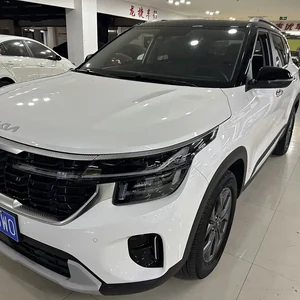
Live Kia Seltos export inventory
View all listings →Real units currently on ChinaCarDirect with per-unit asking prices and MOQ. Availability updates live from the catalogue.
How to buy a Kia Seltos from China
-
1
Define the destination and configuration
Specify the destination country, steering-side requirement, model-year target, trim, engine and transmission preference, and planned quantity. This prevents unsuitable units from entering the shortlist and gives the seller a basis for a meaningful quotation.
-
2
Review the live Kia Seltos inventory
Compare like-for-like units in the live listings, checking model year, grade, powertrain, condition, mileage, equipment and steering position. Do not assume that similarly named trims have identical destination-market specifications.
-
3
Request a landed-cost quotation
Ask for the unit price, applicable MOQ, Incoterm, payment milestones, freight scope, insurance, inspection, documentation and destination charges. Request a written pro forma invoice with a defined validity period.
-
4
Verify identity, status and ownership
Reconcile the VIN, registration, production or delivery dates, ownership status and import eligibility with the seller’s records. Investigate any indication that a new vehicle is a demonstration, fleet return or previously registered unit.
-
5
Inspect the selected vehicle
Use a qualified independent inspector and examine the engine, transmission, fluids, tires, brakes, suspension, bodywork, underbody, warning systems and software. For used vehicles, check wear against the recorded mileage and service history.
-
6
Lock the contract and payment schedule
State the exact vehicle, condition, equipment list, price, MOQ, inspection rights, refund conditions and release milestones in the contract. Confirm the seller and beneficiary identity and use a traceable payment method.
-
7
Book shipping and manage clearance
Select the transport mode using confirmed dimensions and shipping weight, specify secure loading and insurance, and confirm the freight schedule. Use an experienced customs broker to verify classification, duties, taxes, homologation and the complete import document set.
Seltos vs rivals
| Hyundai Creta | Often the closest rival because it occupies the same compact-SUV class and competes for similar dealer customers. Compare the exact local engine, transmission, safety equipment, warranty and aftersales network; Seltos CVT and IVT breadth can be useful, while brand familiarity and parts support may favor whichever marque is stronger in the destination. |
|---|---|
| Toyota Corolla Cross | A relevant alternative where buyers prioritize Toyota identity, established resale or hybrid options in markets where they are offered. The petrol-focused Seltos may fit some fleets better, but Corolla Cross can be stronger for buyers seeking electrified powertrain choice. |
| Nissan Qashqai | Often presents a more established or premium-oriented showroom proposition, depending on the market. Compare it with the Seltos on landed cost, dimensions, safety, powertrain choice, aftersales and expected residual demand rather than assuming the newer-looking model is automatically better. |
Frequently asked questions
How is the Kia Seltos export price determined?
A listing price reflects the exact vehicle’s year, trim, engine and transmission, condition, options and the seller’s commercial terms. Exchange rates, freight, insurance, Incoterms, duty and destination charges determine the landed cost, so the displayed amount may not be the amount payable on arrival. Check the current unit price and request a written quote in the live ChinaCarDirect listings before sending funds.
Which Kia Seltos engine and transmission options are available?
Common Chinese-market combinations include a 1.5L engine with CVT, a 1.5L with IVT, and a 1.4L turbo engine with DCT. The Seltos in this range is petrol rather than battery-only, plug-in hybrid or electric. Fuel use and performance vary by trim, condition, driving and local testing, so confirm the exact powertrain in the vehicle record.
Is a used Kia Seltos better value than a new one?
Used Kia Seltos units can reduce acquisition cost and provide different model-year or trim choices, but they add uncertainty about wear, mileage, maintenance and hidden damage. New units reduce wear risk and may simplify warranty planning, yet they still require document and delivery-condition checks. Choose from total landed cost and inspection findings rather than condition labels alone.
What is the MOQ for Kia Seltos exports?
MOQ is set by the seller, trim, color, batch and commercial terms, and it can differ between live offers. A buyer may be able to purchase one unit where the seller confirms it, while a container program can improve logistics economics but increases inventory exposure. Read the quantity shown on each live listing and obtain it in the pro forma invoice.
How long does shipping take and what does it cost?
Shipping cost and lead time depend on transport mode, route, port handling, carrier space, insurance, documentation, exchange rates and Incoterms. A complete vehicle is normally moved by sea, while consolidation can change unit economics and delivery sequencing. Obtain a freight quotation tied to the confirmed vehicle dimensions and destination, and treat customs, duty and terminal charges separately if excluded.
Are spare parts available for Chinese-market Kia Seltos?
Parts availability depends on mechanical commonality and the seller’s stock, and Chinese-market trims may differ from vehicles sold elsewhere. Match part numbers, engine, transmission, body variant, steering side and production period rather than relying on model name alone. Ask about available parts, local Kia network support and alternatives for non-safety service items.
Can I buy a right-hand-drive Kia Seltos from China?
Right-hand-drive availability must be confirmed for the specific listing and destination; it should never be inferred from the Seltos name. A conversion can affect cost, certification, safety systems and reliability, so a market-appropriate example is generally preferable. Also verify local homologation, parts support and tax treatment before ordering.
How do I order a Kia Seltos from China?
Start with the live Kia Seltos inventory, compare equivalent vehicles, and send the seller your destination, quantity, trim and powertrain requirements. Request a written quote showing the unit, Incoterm, payment milestones, inspection rights, document set, shipping scope and validity period. Complete identity checks, pay through a traceable method, inspect before the final balance, and use an experienced customs broker for clearance.
Ready to source the Kia Seltos?
Send ChinaCarDirect your destination, required trim, quantity and Incoterm to request a current Kia Seltos quote and confirm unit-level availability.
Request a quote