
Land Rover Defender Export Guide for Overseas Buyers
Buy a Land Rover Defender from China with practical guidance on trims, powertrains, export pricing, MOQ, shipping, compliance and key rivals.
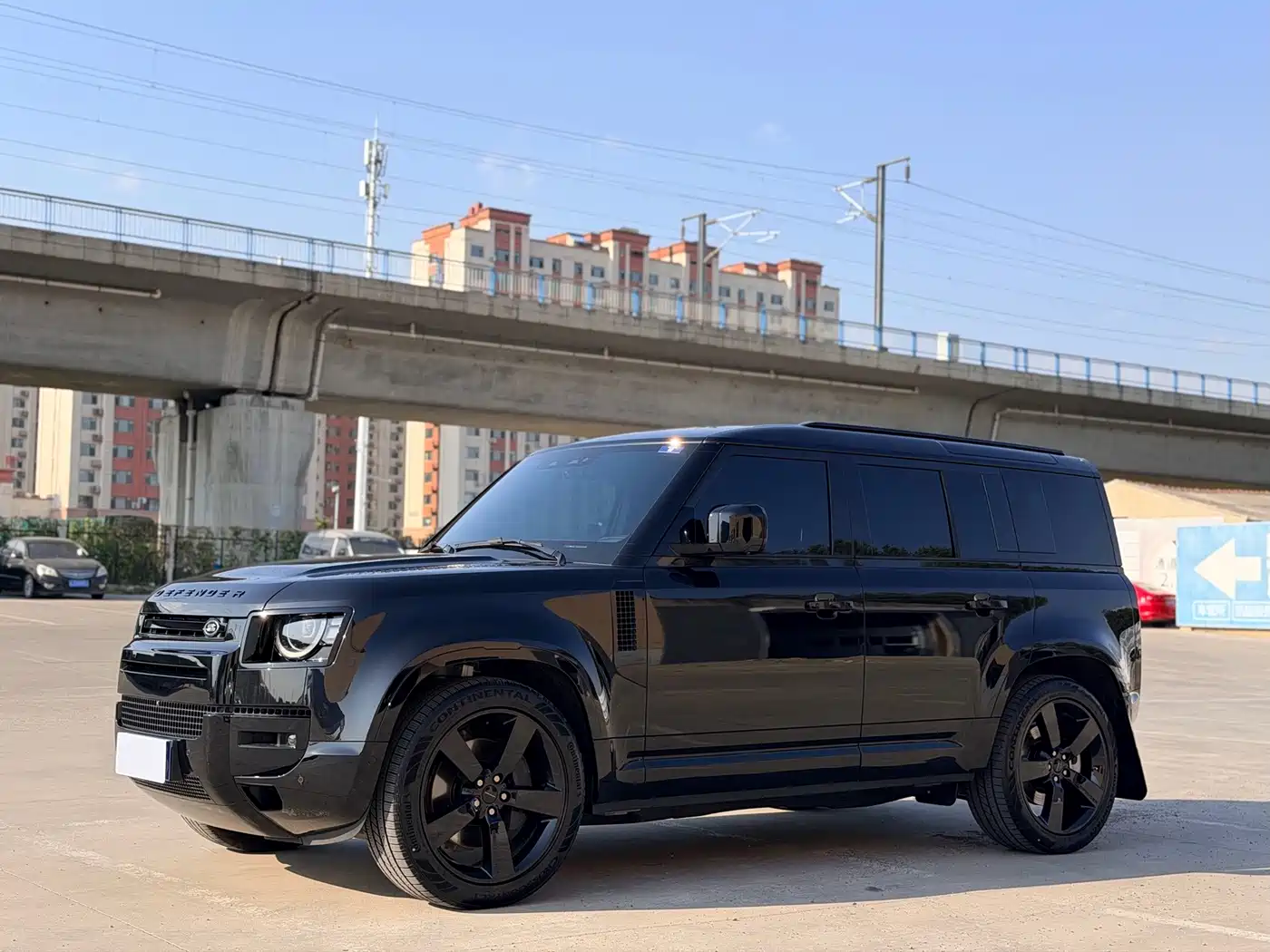
At a glance
- The Defender combines body-on-frame off-road capability with a premium, road-usable cabin.
- The 90, 110 and 130 body formats suit different access, passenger and cargo priorities.
- Available powertrain families include 2.0T P300, 3.0T P400 and 5.0T V8, subject to the selected unit.
- New vehicles favor configuration consistency; used vehicles require stricter history, condition and title checks.
- Confirm live price, MOQ, availability, drive side and destination compliance before contracting.
Why the Land Rover Defender matters for export markets
The Defender occupies a distinctive middle ground between a working off-road vehicle and a premium lifestyle SUV. Its body-on-frame architecture, four-wheel-drive system and high-riding position suit operators who need credible terrain ability without giving up a refined passenger compartment. For overseas dealers, that combination supports specialist fleets, expedition operators, rural utility buyers and customers who value recognisable design as much as capability. It is less directly aimed at low-cost mass transport than a commercial 4x4, and less focused on open-air or trail mechanics than some specialist off-road models.
For export and wholesale buyers, the Defender's appeal combines global recognition with flexibility as a road vehicle. The 90 is easier to maneuver on tight tracks, while longer 110 and 130 versions provide more passenger or cargo room for professional operations. Those body labels do not tell the whole story: check market-specific equipment, seating, infotainment, safety systems and emissions hardware. Chinese export channels can include configurations for different markets, so a listing title is not proof of homologation. The practical question is whether one exact vehicle meets the destination's operational and legal requirements.
A disciplined buyer should begin with the operating scenario rather than badge or appearance. For city use, width, parking access, fuel planning and software support may matter more than maximum off-road geometry. For remote or harsh-road use, confirm tires, underbody protection, recovery equipment, cooling provisions and the exact four-wheel-drive hardware. Premium buyers should inspect material quality, rear-seat usability, luggage capacity and local dealer support. The Defender is strongest when these requirements justify its premium positioning and parts, diagnostics and warranty administration are practical in the destination. Confirm every detail against the live specification before contracting.
- Body-on-frame off-road capability.
- Premium executive refinement.
- Destination compliance first.
Model range, trims and powertrain variants: how the lineup is structured and how to choose
The core lineup is built around three body formats. The 90 uses a shorter wheelbase, offering two side doors plus rear access and strong maneuverability. The 110 is the mainstream five-door version for buyers balancing usable space with trail-friendly proportions. The 130 extends the architecture for buyers who prioritize additional cabin or load space over compact dimensions. Across body styles, differences matter more than the numeric designation: cargo opening, seating layout, visibility, departure angles and parking requirements should be checked on the selected unit. A larger Defender does not automatically serve every fleet use.
Within those bodies, the Defender range spans equipment tiers such as XS, X, SE, HSE, X-Dynamic HSE and Dark Special Edition, with naming conventions differing by model year and market. Powertrain badges are equally important. The Defender lineup includes 2.0T P300, 3.0T P400 and 5.0T V8 versions, with P400 offered across several HSE, XS and X configurations. That variety creates specification risk. A Defender described only as “P400” may differ in gearbox, seating, options or market equipment, so request the VIN and build sheet in writing before any payment.
Choose the powertrain from duty cycle, fuel availability and operating costs. A diesel version may suit high annual mileage where diesel is available and taxation favors it; petrol versions may be more convenient where stations are denser and emissions rules differ. The 90 attracts compact off-road fleets, the 110 suits general or executive use, and the 130 serves operators needing extra room. HSE and X-Dynamic HSE labels suggest a premium feature set, but equipment must be verified for the model year. Use the live specification and seller confirmation, not assumptions from a badge.
- 90 short-wheelbase format.
- 110/130 five-door formats.
- P300, P400 and V8 options.
New vs used Land Rover Defender: how export inventory is structured and how buyers choose
Export inventory for the Defender can include factory-new vehicles and used examples sourced from ownership channels. The practical difference is not simply “new versus used,” but whether a vehicle is self-driven, demonstrator, leased or otherwise represented as new. Buyers should request a history and status declaration rather than infer condition from photographs or mileage. Newer vehicles may offer predictable factory configuration and easier warranty coordination; used units can broaden choices and reduce acquisition pressure. Neither category is automatically better, because a weak history can make a used unit riskier than a properly prepared new vehicle.
For a new unit, compare build date, model year, factory warranty coverage, paint, interior condition, option list and route to port. Establish whether the price excludes accessories, local taxes or dealer preparation. For a used Defender, mileage is only one part of value: inspect wear around the steering wheel, pedals, seat bolsters and exterior panels, then request service records, diagnostic history, title documents, recall completion and evidence of accident or flood repair where records allow. Inspect a representative physical unit because generic condition grades can apply more broadly than the individual vehicle.
The right route depends on whether the purchase supports a new fleet rollout, mixed inventory or a replacement vehicle. New units are easier to standardize for corporate customers, while a selected used vehicle can suit a buyer who accepts known depreciation and has an inspection plan. For either route, include pre-shipment inspection, third-party inspection where value justifies it, and written confirmation of the exact VIN and options in the contract. Check the live listing for current availability, then secure a written condition, documentation and delivery commitment. Availability, not catalogue age, should drive purchasing.
- New configuration consistency.
- Used history verification.
- VIN-to-contract matching.
How export pricing works: the factors behind a live listing price, and how to read one
An export listing price is a commercial reference, not necessarily the landed cost in the buyer's country. Vehicle-side variables include model year, facelift status, body style, trim, engine, factory options, mileage, condition, service history and whether the unit is new or used. Market variables then layer on top: exchange rate, seller margin, export taxes or fees, transport, insurance, customs, registration and dealer preparation. Incoterms also change responsibility boundaries. Compare two Defender offers only after confirming they use the same body, trim, powertrain, condition and delivery basis before treating either as better value.
When reading a live ChinaCarDirect listing, check model year and facelift wording, complete trim string, engine designation, body code, mileage, condition and visible options. Locate the MOQ, currency, quoted Incoterm, validity period and any note that transport, insurance or destination charges are excluded. The live listing gives current per-unit price, MOQ and availability; only its quoted terms and the seller's written confirmation establish a binding offer. A headline price is not a complete landed cost. Ask for a pro forma invoice separating the base vehicle, options, payment conditions and logistics before transferring funds.
A useful comparison starts with identical specification, not a large and small Defender side by side. Compare a 90 with the intended 110 use case, then separately compare trims or powertrains meeting the same duty requirement. For a fleet, include local fuel taxation, servicing, spare-parts lead time and downtime, even when no item is labeled “landed.” A worked quote should show vehicle price, payment schedule, transport mode, Incoterm, insurance, customs responsibility, expected transit and destination charges. That structure makes exchange-rate and freight changes visible instead of hiding them inside one headline figure.
- Specification-driven vehicle value.
- Logistics and FX effects.
- Live per-unit terms.
MOQ, ordering and payment: single units vs consolidating a container
Minimum-order quantity is a transaction term, not a vehicle feature. A live listing may permit a single-unit purchase, while a seller or consolidated order may require several units, a model family or container quantity. Read the MOQ on the listing, confirm whether it applies per model or SKU, and obtain written terms before reserving stock. A fleet purchaser may consolidate trims to improve freight economics, but mixed configurations can complicate loading, documentation and after-sales consistency. Single-unit buying is useful for a test vehicle or dealer order; it offers less purchasing leverage than a container program.
Ordering should be treated as a controlled sequence rather than simple online checkout. First reserve the exact unit or production slot, then review the pro forma invoice and identify the deposit, milestone payments and final-balance trigger. The contract should record the VIN or pre-assigned VIN, trim, options, color, mileage condition, delivery location and Incoterm. Confirm whether the deposit is refundable, how inspection results affect payment, and what happens if customs or homologation issues prevent acceptance. Payment instructions should match the named contracting seller and verifiable bank beneficiary, with bank charges allocated in writing before funds are sent.
Container consolidation can reduce vehicle cost per unit through better freight utilization, but it transfers more responsibility to the buyer. Confirm whether the seller arranges only vehicle supply or also loading, port handling, documentation, freight and insurance. Agree on the loading plan, acceptable cargo combination and who bears damage, shortage or customs delay. For a multi-unit order, serialize VIN checks against the allocation list and inspect a representative sample before release, while checking any unit selected for dispatch. Keep the purchase file linked to inspection photos, homologation records and shipping documents, especially when near-identical trims travel together.
- SKU-specific MOQ.
- Confirmed loading plan.
- Verified payment instructions.
Shipping, homologation and market compliance caveats: LHD/RHD and import rules by country
Complete Defenders are large vehicles, so transport planning begins with a suitable carrier and usable dimensions rather than simply reserving space. Roll-on/roll-off shipping is commonly considered for complete SUVs, while container feasibility depends on vehicle dimensions, securing requirements and available equipment. Total landed cost can move with origin trucking, port handling, ocean freight, insurance, destination charges and congestion. Transit time also varies with port pairing, sailing schedules, customs workload and final delivery. Obtain a written freight quotation showing origin, destination, transport type, insurance scope and excluded charges before the vehicle is committed to a sailing.
Handedness is a sourcing decision, not a last-minute conversion option. Chinese-market and export-market Defender units may be left- or right-hand drive by origin and configuration, so request a steering-wheel photograph, VIN and stated drive side. Match the destination market's configuration before contracting because changing sides locally is expensive and may affect controls, safety equipment and homologation. Import rules can impose age limits, emissions standards, safety requirements, customs valuation, duty, taxes and registration procedures. Rules vary by country and may treat a locally produced Defender differently from an imported unit. Confirm with a customs broker and destination authority.
Compliance work should begin before a deposit and finish before final delivery. Request the factory build plate, VIN, certificate of origin or conformity as applicable, sales invoice, export declaration and customs documents, and confirm that identity on every paper matches the vehicle. Compare lighting, emissions, tyres, safety equipment, software and infotainment features against destination requirements; Chinese-language systems and region-locked maps or services may affect usability. Arrange a pre-shipment inspection recording condition, fluids, warning lights, mileage and identity documents. If local registration or modification is uncertain, seek written advice rather than assuming Chinese-market approval transfers automatically.
- LHD/RHD confirmation.
- Dimension-led transport choice.
- Broker-led rule checks.
Who should buy the Defender — and who should pick a different vehicle
The Defender fits buyers who need a credible mix of off-road range, durable 4x4 architecture and premium refinement. It suits rural service operators, outdoor-equipment businesses, premium dealer programs and fleets whose image requires a credible utility vehicle. The 90 can suit organizations moving equipment over narrow or difficult routes, while the 110 or 130 better match teams needing more passenger or cargo capacity. A buyer should define terrain, payload, recovery distance, road share and local support before choosing body style. Its premium category may be unsuitable where rugged utility and minimum operating cost outrank cabin refinement.
A different vehicle is often better when the brief is entirely urban, when payload dominates, or when acquisition cost and downtime must be minimized. A compact crossover may offer easier parking and urban logistics; a commercial 4x4 can provide load space and modularity. Drivers who prize open-air access, trail hardware or iconic simplicity may prefer the Jeep Wrangler. Executives focused on road refinement may find the Mercedes-Benz G-Class better aligned with expectations, while buyers prioritizing fleet utility and service familiarity may prefer the Toyota Land Cruiser. The choice should follow the task, not brand prestige.
A practical Defender evaluation should combine research with an inspection and a destination-cost model. Verify the exact VIN, body, trim, powertrain, fuel, handedness, mileage and option list, then test acceleration, braking, visibility, ride, parking and infotainment at speeds. For a fleet, include spare-parts planning, service access, downtime assumptions, insurance, fuel and residual-value assumptions. Do not compare a dealer quote with a private-party purchase without adjusting for condition, tax and logistics. A pilot unit can be useful before larger commitments, but only if it represents the intended trim, engine and condition class. Agree acceptance criteria and remedies for mismatch before payment.
- Mixed-road fleet suitability.
- Body-size trade-off.
- Urban cost alternatives.
Main rivals and how the Defender compares
The closest comparison for a Defender depends on whether the buyer values premium road presence, off-road ability or fleet durability. The Mercedes-Benz G-Class is the closest premium ladder-frame alternative, with a similar high profile and image but a different cabin, equipment and dealer proposition. The Jeep Wrangler is closer in trail-focused positioning and enthusiast use, often with open-air choices and a more utilitarian character. The Toyota Land Cruiser family is the stronger comparison for ruggedness, fleet familiarity and long-distance utility. These are not identical substitutes: body size, engine mix, market availability and service support can change the right choice.
Against the G-Class, the Defender generally offers a more utilitarian and modular selection of body lengths and an off-road systems identity, while the G-Class may appeal more strongly to buyers centered on luxury, road presence and traditional body design. Neither label establishes the better commercial fit; compare usable dimensions, options, fuel costs and local servicing. Against the Wrangler, the Defender is generally more enclosed, road-oriented and focused on passenger comfort, while the Wrangler's off-road identity and open-air configurations can attract buyers who value direct trail participation more than polished daily use.
Against the Land Cruiser, the Defender tends to emphasize a premium lifestyle cabin and distinctive body design, whereas Land Cruiser buyers often prioritize durability, fleet-proven utility and service familiarity in markets where the model has a strong presence. Engine availability, fuel choice and local homologation should be compared rather than assumed. The right decision is not the model with the most dramatic feature, but the one whose dimensions, powertrain, legal configuration, aftersales support and total operating profile match the actual use. Review all three against the same written buyer brief and request like-for-like live quotations where possible.
- G-Class premium rival.
- Wrangler trail rival.
- Land Cruiser fleet rival.
Live Land Rover Defender export inventory
View all listings →Real units currently on ChinaCarDirect with per-unit asking prices and MOQ. Availability updates live from the catalogue.
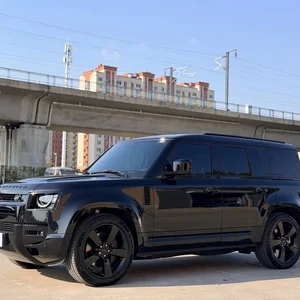
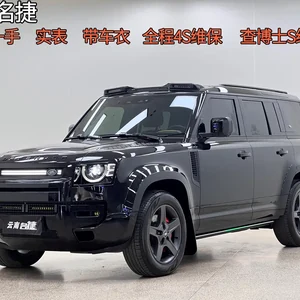
Land Rover Land Rover Defender 2026 Land Rover Defender 110 3.0T P400 X-Dynamic HSE
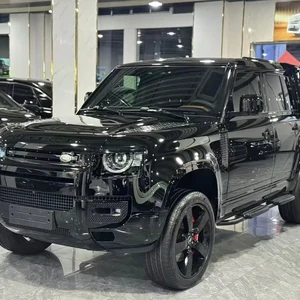
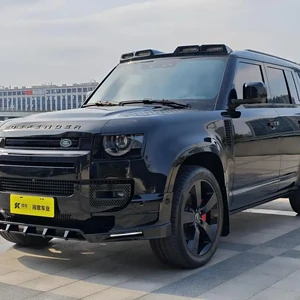
How to buy a Land Rover Defender from China
-
1
Define the operating brief
Specify the destination, road share, terrain, payload, passenger capacity, fuel preference, drive side and after-sales expectations. Use those requirements to narrow the 90, 110 or 130 and acceptable powertrain families.
-
2
Review candidate units
Open the live Defender listings and compare complete trim names, body codes, engines, mileage, condition, options, drive side and available documents. Shortlist specific units rather than relying on a model-level description.
-
3
Request a written quotation
Ask for a pro forma invoice stating the per-unit price, MOQ, currency, payment milestones, Incoterm, validity period and excluded logistics or destination charges. Obtain unit-specific terms for the exact VIN or production allocation.
-
4
Verify compliance
Have a customs broker check destination age, emissions, safety, valuation, duty and registration rules. Confirm LHD or RHD availability and obtain the vehicle's VIN, build sheet, conformity documents and option list.
-
5
Inspect and contract
Review condition, service history, title status, recall evidence and diagnostic information, using third-party inspection when justified. Ensure the contract matches the VIN and configuration and specifies remedies for inspection, payment or delivery failures.
-
6
Ship and release the vehicle
Complete the agreed pre-shipment inspection, secure freight and insurance, and verify shipping documents before releasing the balance. Retain the inspection record, customs file and handover documents for registration and future service.
Defender vs rivals
| Mercedes-Benz G-Class | The G-Class is the closest premium ladder-frame rival, emphasizing traditional body design and road presence. The Defender offers a broader body-length choice and a more utility-led image, so compare usable dimensions, equipment and local service. |
|---|---|
| Jeep Wrangler | The Wrangler is a more trail-focused and open-air alternative for enthusiasts who value direct access and removable-body features. The Defender is generally more road-oriented and enclosed, making it better suited to buyers wanting refinement without losing credible 4x4 capability. |
| Toyota Land Cruiser | The Land Cruiser family is a strong fleet-utility rival, especially where its service network and rugged reputation are well established. The Defender leans more toward premium lifestyle design, so the better choice depends on operating task, homologation, fuel and aftersales support. |
Frequently asked questions
How is Land Rover Defender export pricing determined?
Export pricing is calculated from the vehicle's year, body, trim, powertrain, options, condition and mileage, then adjusted for market and logistics factors such as exchange rates, freight, insurance, customs and Incoterms. Review the live Defender listings for the current per-unit price and MOQ, and request a pro forma quote that states what is included. A headline listing price should not be treated as a landed cost until destination charges and taxes are shown.
Which Defender engines and powertrains are available?
The Defender lineup includes 2.0T P300, 3.0T P400 and 5.0T V8 powertrains in different markets and trims. The right unit depends on fuel availability, annual usage, emissions rules and the buyer's duty cycle. Because outputs and equipment can vary by model year and market, confirm the exact engine, transmission, fuel and options for the selected VIN.
Should an overseas buyer choose a new or used Defender?
New units generally provide more predictable factory configuration, appearance and warranty coordination; used units can offer broader body, trim and powertrain selection but carry more condition and history risk. A used Defender should be tied to a verified VIN, mileage, service records, title, recall status and inspection findings. Neither category is automatically better after condition correction, freight, tax and local service costs are considered.
How does MOQ work when buying a Defender from China?
MOQ is set at the listing or sales level and may differ by seller, model or SKU. Some offers can be purchased as one unit, while others may apply a lot, family or container requirement, so read the live listing and obtain written confirmation before reserving stock. For a consolidated order, agree on the allocation, loading plan, documentation and payment milestones before transferring funds.
What affects Defender shipping time and cost?
Shipping time and cost depend on the origin and destination, transport mode, vehicle dimensions, carrier availability, port handling, insurance, customs clearance and final delivery. RoRo is commonly considered for complete SUVs, while container feasibility depends on the vehicle and available equipment. Ask for a written freight quote showing the route, Incoterm, insurance scope, excluded charges and expected transit.
How should buyers plan Defender spare-parts support?
Before ordering, ask the seller for the VIN, build plate, option list, maintenance history and evidence of recall completion, then confirm parts and diagnostic support in the destination market. A quotation can specify what documentation or pre-shipment inspection is included, but long-term spares should be planned with the importer, authorized service network or another reliable channel. Exact lead times depend on the part, vehicle and market.
Can overseas buyers obtain a right-hand-drive Defender?
RHD availability depends on the origin and configuration of the unit offered, so it should be confirmed before payment rather than assumed from the model name. Request a steering-wheel photograph, stated drive side, VIN and destination-market specification. If the required handedness or equipment is unavailable, do not treat a later conversion as routine because local changes can be costly and may affect homologation.
How do I order a Land Rover Defender through ChinaCarDirect?
Start with the live Defender listings, select a unit or configuration, and request an RFQ confirming the VIN or production allocation, trim, options, MOQ, price basis, Incoterm and delivery plan. Review the pro forma invoice and payment milestones, complete the agreed inspection and homologation checks, then release the balance after the documents match. The ChinaCarDirect contact channel can connect the buyer with the seller for those unit-specific terms.
Ready to source the Land Rover Defender?
Review the live Defender listings, then request a unit-specific quotation confirming VIN, configuration, MOQ, Incoterm, shipping scope and compliance documents.
Request a quote