
Land Rover Range Rover Evoque (import) Export Buying Guide
Buy a Land Rover Range Rover Evoque (import) from China with practical guidance on trims, live pricing, MOQ, shipping, compliance, rivals and sourcing.
At a glance
- A design-led compact luxury SUV offered in five-door, three-door coupe, and convertible configurations.
- Petrol and diesel options make engine choice a central consideration for export buyers.
- New and used units require different inspection, documentation, and budgeting methods.
- Live export pricing depends on specification, condition, freight, exchange rates, and Incoterms.
- Import viability turns on steering configuration, homologation, parts support, and local resale demand.
Why the Land Rover Range Rover Evoque (import) matters for export markets
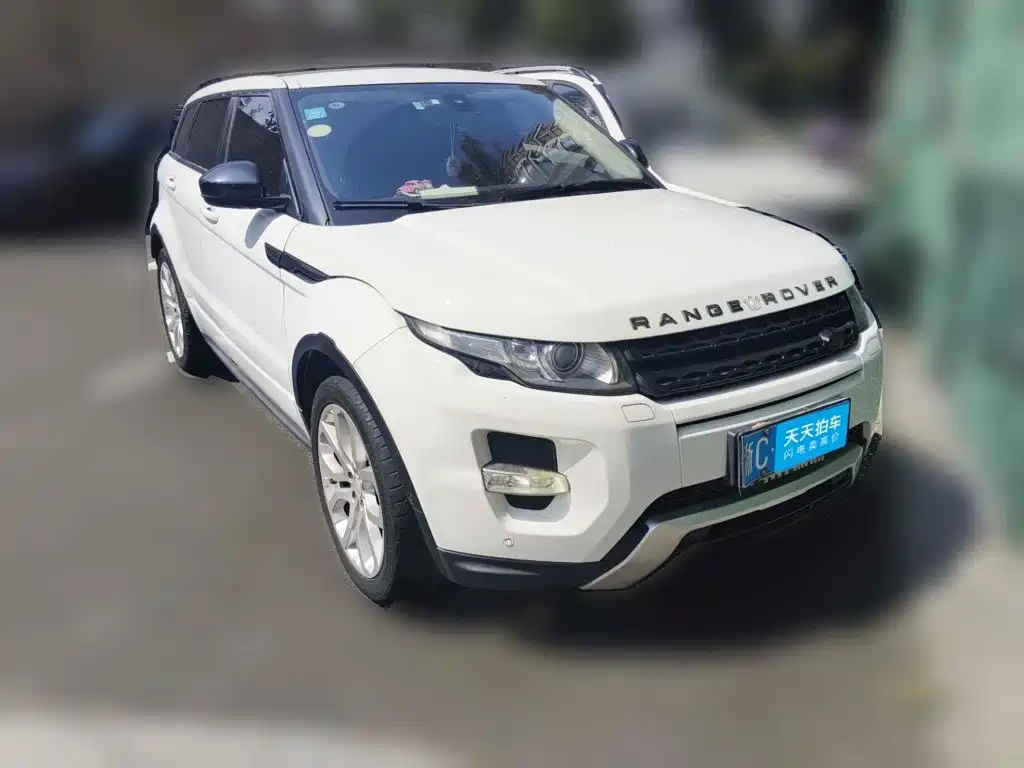
The Range Rover Evoque occupies a distinctive place between compact luxury SUV and fashion-led crossover. Its roof, sloping roofline, wide body, and three-door, five-door, and convertible configurations give overseas buyers more visual choice than a conventional family SUV offers. That design has helped it remain relevant for importers seeking a premium badge without moving into the larger Range Rover Sport class. For China-based export supply, the Evoque is attractive as a lower-complexity, combustion-powered alternative to battery-electric premium crossovers. It also suits dealers building a distinctive second-hand or premium demonstration fleet.
Global demand is strongest where buyers want the image of a Range Rover but need a vehicle closer in size to a compact crossover. The Evoque’s footprint can simplify parking and everyday road use compared with larger prestige SUVs, although suitability depends on road conditions and taxes. Convertible derivatives add seasonal appeal in warmer markets, while the five-door format is the more practical choice for families, luggage, and fleet use. Importers should assess body style separately because demand and residual values can differ between coupe, convertible, and standard SUV versions.
The key export consideration is not whether the model is popular, but whether the version is easy to place, maintain, and homologate. A right-hand-drive requirement, local emissions rules, parts support, or a less-common body style can change the commercial result. Buyers should compare the Evoque with established luxury crossovers on total operating considerations rather than badge appeal alone. A vehicle that is easy to source spare parts, insure, and resell offers a stronger import proposition than one that attracts attention. That is especially important for smaller importers without an established workshop network.
- Distinctive compact-SUV positioning
- Three body configurations
- Practicality varies by body
Model range, trims and powertrain variants: how the lineup is structured and how to choose
The lineup is structured around three axes: body style, trim, and combustion powertrain. The Evoque range includes five-door SUVs, three-door coupes, and convertibles. Trims include Dynamic, Brilliance Sport, Brilliance Premium, Brilliance, Splendor, Premium, Sport, and HSE Dynamic names, but labels can reflect market-specific equipment rather than a global hierarchy. Compare each listing by equipment, condition, and specification instead of assuming that a trim name guarantees a newer vehicle. Equipment may include premium cabin finishes, sport styling, and convenience features, but the exact package must be verified on the actual unit.
On the powertrain, the range includes 2.0-litre turbocharged petrol engines and a 2.2-litre diesel option. The 2.0T appears across several body styles and trim labels, making it a starting point for comparison, while diesel may suit buyers prioritizing fuel consumption or towing. HSE Dynamic descriptions can specify 240PS, but output should not be generalized across every Evoque because tune, market, and specification can differ. Ask for engine badge, gearbox type, drive configuration, service history, and emissions documentation before treating two listings as equivalent. Photos and a cold-start inspection can support that verification.
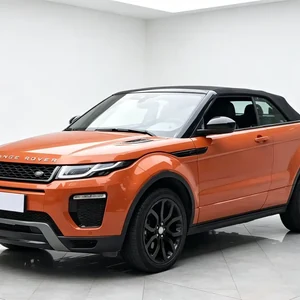
Choosing a five-door Evoque prioritizes usability: easier rear access, luggage space, and a conventional SUV profile. The three-door coupe looks more distinctive but can reduce rear-seat and cargo convenience. A convertible is a lifestyle choice rather than a fleet option, with more exposure to weather, condition scrutiny, and potential specialist maintenance. Before ordering, define whether the objective is dealer resale, private retail, company transport, or a mixed fleet. That decision should determine how much you prioritize visual appeal, practicality, fuel choice, and equipment rather than simply taking the most advertised trim.
- 2.0T petrol and 2.2T diesel
- Five-door, coupe, convertible bodies
- Trim labels vary by market
New vs used Land Rover Range Rover Evoque (import): how export inventory is structured and how buyers choose
Export inventory should be separated into two condition categories: vehicles represented as new and vehicles with prior use or registration history. The word import describes the vehicle’s source or market positioning, not its condition by itself. A dealer may describe a late-life or locally registered example differently from an auction-used car, so the condition field, mileage, service record, and registration documents must be read together. The live Evoque inventory on ChinaCarDirect is the place to see how each available unit is currently classified and which documents the seller is offering.
A new-designated unit can appeal to buyers seeking a clean presentation, complete equipment, or simpler cosmetic refurbishment. It may still be an older production vehicle, and new should not be interpreted as current production or a recent model year without checking the VIN and production date. The used Land Rover Range Rover Evoque (import) segment can provide broader trim and body-style selection at lower acquisition cost, but buyers should budget more for condition correction, wear parts, maintenance, and unforeseen repair. The correct comparison is total expected cost after transport, homologation, and preparation, not the headline purchase figure alone.
For a test, ask for a VIN, exterior and interior photographs, underbody images, tyre condition, dashboard warning-light check, and the service log. Verify that the seller’s stated condition agrees with the vehicle’s registration and import documents, especially where a vehicle has been repainted, repowered, or assembled from market-specific equipment. Independent inspection is valuable before a container commitment because repair access becomes more limited after loading. Dealers with repeat buyers should ask how the unit will be presented for retail and whether warranty claims can be supported in the destination country.
- Import does not define condition
- New may mean older production
- Used units need closer inspection
How export pricing works: the factors behind a live listing price, and how to read one
An Evoque export price is not a fixed tariff. It moves with production year, trim, body style, engine choice, mileage, condition, equipment, ownership history, and whether the seller treats the vehicle as new or used. Auction-sourced or visually prepared cars can be valued differently from a documented example, while scarce combinations of body style and specification may attract a different market response. Because the model spans coupes, convertibles, and five-door SUVs, two units carrying the model name can still be commercially different products. Compare like with like before drawing conclusions.
The quoted figure may represent only the vehicle, while the total transaction amount can be affected by payment terms, documentation, transport bookings, insurance, and export handling. Exchange-rate movements can alter an otherwise unchanged comparison between quotation dates. Freight is shaped by route, sailing schedule, cargo method, dimensions, weight, and security requirements. Incoterms determine where responsibility transfers, so a buyer should compare the vehicle subtotal, inland haulage, port charges, ocean or road freight, insurance, and destination expenses as separate lines rather than treating one number as a delivered total before approval.
To read a listing, first identify year, trim, body doors, convertible status, engine, mileage, condition label, and VIN availability. Then check whether the displayed amount is an asking price, a negotiated sale price, or a deposit, and what is excluded. Ask for a pro forma invoice and a landed-cost worksheet with a validity period. For benchmarking, record three comparable configurations rather than comparing an Evoque convertible with a five-door unit. Per-unit prices and availability should be confirmed through the live listings before a purchase order or freight booking is approved.
- Specification and condition drive value
- Freight and Incoterms change totals
- Benchmark equivalent configurations
MOQ, ordering and payment: single units vs consolidating a container
Minimum order quantity depends on the seller and the listing, not on the Evoque model name. Some export suppliers may release a single vehicle, while others set a batch requirement or prefer consolidated orders. The quantity stated on the selected listing is the starting point, but buyers should request written confirmation of the minimum, available allocation, and whether mixed body styles or trims can share one order. Do not infer a universal wholesale threshold from a marketplace catalogue; the commercial unit must be confirmed for the exact vehicle and seller.
For a dealer testing demand, a one-unit purchase may be sensible because it limits exposure to one vehicle’s condition, local homologation work, and slow-moving body style. Consolidation can improve freight efficiency when similar units travel together, but it reduces flexibility if one vehicle has an issue and may require a deposit. A mixed container can balance demand, yet it should not mix trims, fuel types, steering configurations, or destinations without documentation and loading constraints. Plan allocation before payment, and ensure the sales contract identifies which VINs are included in a shipment.
Ordering should move from specification approval to reservation, inspection, payment, documentation, and release for loading. The pro forma invoice should state the vehicle, price components, payment schedule, Incoterm, inspection standard, refund conditions, and estimated ready date. Use the payment route and seller identity specified in the contract, protect bank-change instructions against email fraud, and avoid full payment before documents and inspection are satisfactory. Buyers consolidating units should reconcile the packing list with the commercial invoice, declaration, export declaration, and transport instruction so that no vehicle is omitted or described inconsistently.
- Confirm MOQ per seller
- Single units limit concentration risk
- Consolidate only with clear allocation
Shipping, homologation and market compliance caveats: LHD/RHD and import rules by country
Steering configuration is the first practical check. Chinese-market vehicles commonly arrive in left-hand-drive form, but availability should be confirmed for every unit rather than assumed from its origin. Right-hand-drive demand exists in several markets, so a buyer may need to source a matching example, commission conversion, or choose another model. A conversion adds cost, certification, and safety work; it is not equivalent to buying an original right-hand-drive car. Record the required configuration before approving the vehicle and use the VIN and homologation documents to confirm it before reserving freight capacity.
Import rules are national rather than universal. Depending on the destination, an importer may need customs clearance, VIN verification, proof of ownership, emissions compliance, safety or component approval, a certificate of conformity, customs duty, VAT or equivalent tax, and a roadworthiness or registration inspection. A Chinese-market certificate may not be accepted unchanged, and used-vehicle age or emissions restrictions can affect older imports. Confirm requirements with the destination’s customs authority and an importer or homologation specialist before shipment. Treat the vehicle as non-compliant until the receiving market has accepted the documents.
Transport method depends on dimensions, weight, value, urgency, and route. Enclosed carrier, roll-on/roll-off, and flat-rack options each offer different protection and cost trade-offs; a specialist vehicle carrier may be appropriate for a high-value convertible. Sea freight is often the standard economic choice for standard vehicles, but sailing schedules, port congestion, insurance, and destination handling can extend lead times. Arrange export preparation, secure loading, lashing, insurance, and tracking against the agreed Incoterm. Budget separately for pre-shipment inspection, repairs, storage, customs clearance, port charges, inland delivery, registration, and any required compliance modification.
- Verify LHD or RHD first
- Import rules vary by country
- Separate freight, tax, and registration
Who should buy the Range Rover Evoque (import) — and who should pick a different vehicle
The Evoque is a fit for an importer or dealer that wants a premium design, a compact footprint, and the ability to serve buyers who prioritize lifestyle over maximum interior volume. It works well as a boutique retail product where the convertible or three-door coupe can generate attention, provided the market values those formats and the importer can support them. For company fleets, the five-door version can be easier to place among business users than a convertible. The commercial case depends on local brand recognition and margins after arrival costs.
It is less suitable for buyers whose priority is maximum cargo volume, seven-seat flexibility, low operating cost, or the broadest service network. Examples may require more maintenance reserve, and a visually distinctive vehicle can age poorly if trim choices are outside local demand. Importers must also avoid buying a high-specification car because the specification looks attractive; a common trim in the right colour and body style may turn faster. Fleet buyers needing predictable uptime should verify parts lead times and workshop support before including the Evoque in a large order.
The ideal buyer accepts homologation work and the realities of importing a premium vehicle. It may make sense to a distributor with Land Rover relationships, a workshop familiar with the model, or a customer seeking a body style unavailable locally. It makes less sense as an opportunistic purchase by an importer who has not checked duty, emissions, insurance, or resale demand. Before committing, model the vehicle’s sale price against acquisition, preparation, transport, tax, certification, and warranty cost. That calculation is more reliable than relying on badge prestige or visual appeal.
- Best for design-led premium retail
- Five-door suits business fleets
- Confirm workshop and parts support
Main rivals and how the Range Rover Evoque (import) compares
The BMW X3 is a relevant benchmark for buyers who want a premium compact SUV but prioritise cabin practicality, engine choice, and a conventional estate-like shape. The Evoque offers a more distinctive exterior and stronger fashion-led identity, while the X3 typically delivers a roomier, more upright cabin and broader model variety. For an importer, local X3 demand may be easier to forecast because it has been a long-established rival. Neither vehicle should be chosen from badge or trim name alone; compare VIN-level condition, fuel, steering, equipment, and total landed cost.
The Audi Q5 competes for buyers seeking a refined, technology-oriented premium SUV with a more practical five-door profile. Its understated design may have broader fleet acceptance, and its model history gives importers several comparable variants to benchmark. The Evoque, especially in coupe or convertible form, is the more visually distinctive choice and may command attention in a showroom. Against the Q5, however, the Evoque can be less accommodating and may offer a narrower practical audience. Check spare-part availability and local servicing before selecting either model for fleet or peer-to-peer resale.
The Mercedes-Benz GLC is another relevant benchmark because it targets the premium compact-SUV buyer with a stronger upright SUV presentation. The Evoque differentiates itself through coupe proportions, convertible appeal, and distinctive detailing, while the Mercedes model generally emphasizes cabin space and a more conventional premium image. A buyer should compare the exact imported generation rather than assume all Mercedes variants are equivalent. The most relevant rival is the one that can be homologated, serviced, insured, and resold locally at a sustainable landed cost. That practical test matters more than badge prestige.
- X3 prioritizes cabin practicality
- Q5 emphasizes understated refinement
- GLC favors upright SUV space
Live Land Rover Range Rover Evoque (import) export inventory
View all listings →Real units currently on ChinaCarDirect with per-unit asking prices and MOQ. Availability updates live from the catalogue.
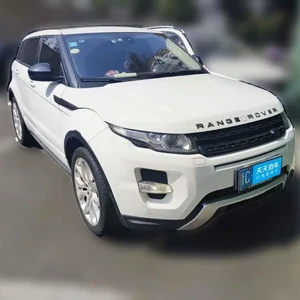
Land Rover Range Rover Evoque (Import) 2014 2.0T 5-door Brilliance Sport
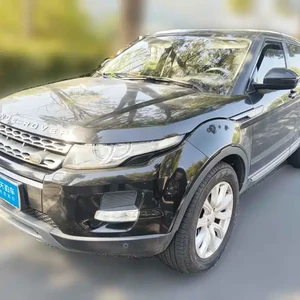
Land Rover Range Rover Evoque (Import) 2014 2.0T 5-door Brilliance
How to buy a Land Rover Range Rover Evoque (import) from China
-
1
Set the destination and vehicle brief
Define the country, steering side, five-door, coupe, or convertible preference, fuel type, and intended sales channel. This prevents a visually attractive but hard-to-homologate or slow-moving unit from entering the order.
-
2
Compare equivalent live units
Use the live Range Rover Evoque (import) inventory to compare year, trim, body style, engine, mileage, condition, and VIN availability. Compare like with like rather than benchmarking a convertible against a five-door SUV.
-
3
Verify condition and documents
Request exterior, interior, underbody, tyre, warning-light, and service evidence plus the VIN and ownership or import papers. An independent pre-shipment inspection should resolve discrepancies before funds or shipping space are committed.
-
4
Build an itemised landed quote
Ask the seller to separate vehicle price, inland transport, export handling, freight, insurance, port charges, duty, tax, and inland delivery. State the intended Incoterm and quote validity so both parties price the same obligation.
-
5
Validate market compliance
Confirm VIN, steering configuration, emissions, conformity documents, customs treatment, and registration with the destination’s authorities or a local importer and homologation adviser. Record any required rectification before approving the vehicle.
-
6
Confirm MOQ, allocation, and payment
Agree the minimum quantity, VIN allocation, inspection standard, payment schedule, refund conditions, and release date in writing. Reconcile bank details through a trusted channel and do not release full funds before documents and inspection are satisfactory.
-
7
Inspect, load, and complete clearance
Complete and document pre-shipment inspection, secure loading, export declaration, insurance, and tracking. After arrival, allow for customs clearance, port handling, registration, and delivery before releasing the vehicle for sale.
Range Rover Evoque (import) vs rivals
| BMW X3 | The X3 is the more conventional, generally roomier family SUV and may offer broader local fleet recognition. The Evoque wins for design-led appeal, especially in coupe or convertible form, so the better import choice depends on local demand, parts support, and landed margin. |
|---|---|
| Audi Q5 | The Q5 is a refined, practical five-door premium SUV that can suit fleet and family buyers more readily. The Evoque is the stronger fashion statement, but buyers should compare local service access and resale demand rather than assume the more distinctive model is easier to sell. |
| Mercedes-Benz GLC | The GLC presents a more upright, conventional premium-SUV format and generally emphasizes passenger and luggage usability. The Evoque differentiates through coupe proportions, convertible appeal, and distinctive detailing. Choose based on the exact imported generation, local homologation, servicing, and sustainable resale margin. |
Frequently asked questions
How is the export price of a Land Rover Range Rover Evoque (import) determined?
An Evoque export quote is unit-specific: production year, trim, body style, engine, mileage, condition, equipment, and market demand all affect it. Freight, insurance, exchange rate, port charges, taxes, and the chosen Incoterm affect the landed total. Current per-unit figures should be taken from the live Range Rover Evoque (import) listings, not a general price guide.
Which engine and powertrain options should export buyers compare?
The import range includes 2.0-litre turbo petrol and 2.2-litre diesel options. A 240PS figure appears in HSE Dynamic descriptions, but it should not be assigned to every Evoque because tune and specification differ. Confirm engine badge, transmission, drive system, emissions, and service history for the selected vehicle.
What are the main new versus used Evoque trade-offs?
New-designated units offer a cleaner presentation but may be older production vehicles. Used vehicles can widen body-style and trim choice, but may need more repair, wear-part, and maintenance allowance. Compare total expected cost after inspection, transport, tax, and homologation rather than the asking figure alone.
How does MOQ work when ordering an Evoque from China?
MOQ is set by the seller and listing, not by the model itself. Some suppliers may release one vehicle; others may require a batch or consolidation. Ask for the minimum, available allocation, deposit, and mixing rules in writing for the exact order.
What determines shipping time and cost for an exported Evoque?
Shipping time and cost depend on origin and destination ports, sailing or road schedule, cargo method, dimensions, weight, insurance, port handling, customs clearance, and inland delivery. A specialist carrier, roll-on/roll-off service, or flat rack can have different protection and economics. Ask for a door-to-door or port-to-port quote with a realistic transit range.
How should buyers check Evoque spare-parts availability?
Parts availability depends on production year, trim, engine, and market-specific equipment, so confirm key items with the VIN and a Land Rover specialist before purchase. Service invoices help identify the engine, gearbox, and maintenance specification. For coupe and convertible units, check roof, blind, and rear-quarter trim availability as well.
Is right-hand-drive availability guaranteed for an imported Evoque?
Right-hand-drive availability must be confirmed for each unit; vehicle origin alone does not guarantee it. If the destination requires RHD, specify that before approval and include the steering configuration in the contract. A later conversion is not equivalent to an original RHD vehicle and adds certification, safety, and cost work.
How do I order a Land Rover Range Rover Evoque (import) from China?
Start with the live Evoque inventory, shortlist equivalent vehicles, request a VIN and pro forma invoice, and obtain an itemised quote with the Incoterm. Confirm MOQ, allocation, payment, inspection, and destination compliance before reserving funds. Complete pre-shipment inspection and document reconciliation before the vehicle is loaded, then track customs and registration to delivery.
Ready to source the Land Rover Range Rover Evoque (import)?
Send an RFQ for your target Evoque body style, engine, steering configuration, destination, and required quantity, and request a current unit-level quote with an itemised landed-cost estimate.
Request a quote