
Land Rover Range Rover Sport Export Buying Guide
Export guide to the Land Rover Range Rover Sport: compare trims, powertrains, new and used options, pricing factors, MOQ, shipping, homologation and key rivals.
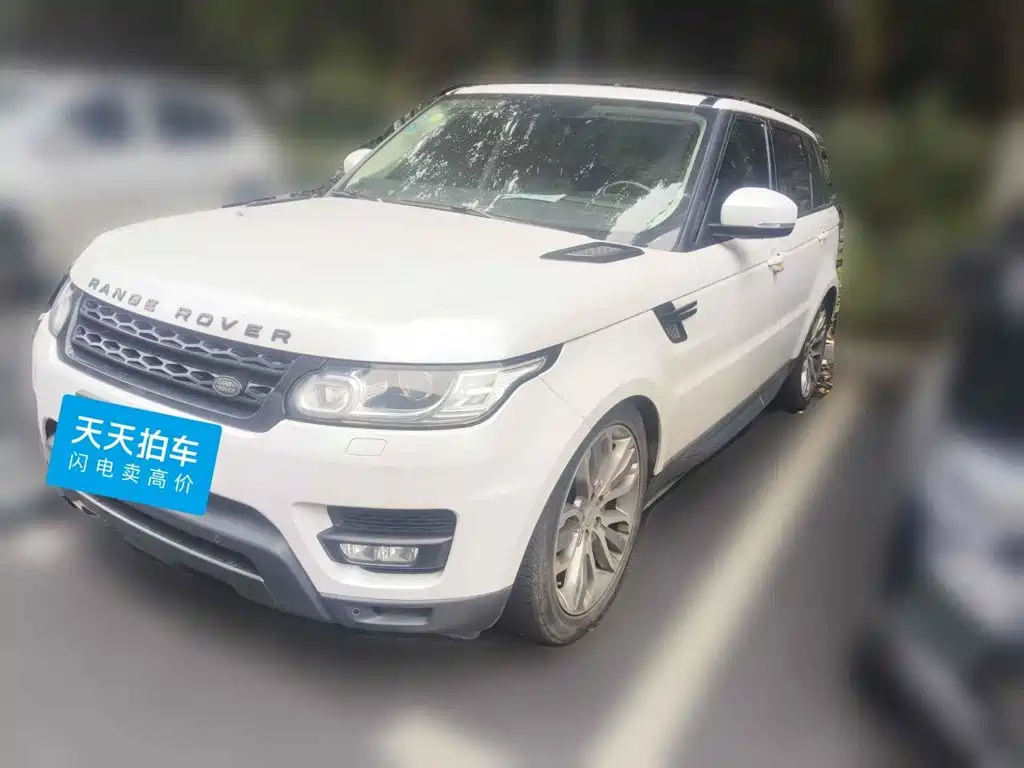
At a glance
- The Range Rover Sport combines executive-road comfort with genuine off-road capability while remaining below the full-size Range Rover in size.
- Available applications include supercharged V6, diesel V6, naturally aspirated V8 and P400e plug-in hybrid configurations, subject to model-year verification.
- New vehicles suit buyers prioritising predictability, while used vehicles can provide a different generation or configuration at a lower acquisition basis.
- Live prices move with model year, trim, powertrain, condition, exchange rates, freight and Incoterms, so landed-cost comparisons are essential.
- Order quantities and vehicle availability are confirmed per listing, with fleet buyers able to request separate consolidation terms.
- Steering side, homologation, taxes, insurance and local service support should be settled before importing.
Why the Land Rover Range Rover Sport matters for export markets
The Range Rover Sport occupies a useful middle ground in Land Rover’s portfolio: it combines the marque’s off-road identity and premium cabin feel in a midsize luxury SUV, rather than the size and cost of the full-size Range Rover. For overseas dealers, that can widen the market among premium SUV buyers seeking presence, long-distance comfort and credible trail capability. It is not a work-only 4x4; its strongest case is road manners combined with genuine off-road hardware. It can suit executive, hospitality and company-car programs where a large full-size SUV would be operationally excessive.
Demand in export markets is best understood by segment rather than by assuming one universal specification. Where premium-SUV channels are established, the Sport can compete for company-car, executive, hospitality and high-end fleet assignments. Its road-biased proportions are easier to justify than a full-size luxury SUV, while its drivetrain and terrain systems serve buyers who also face gravel roads, mountain passes or occasional light off-road use. Steering, fuel and tax rules still determine which variants suit each country. Availability should therefore be built around a target-country specification brief, not visual appeal alone.
From an export-planning perspective, the model’s strongest advantage is its configurable character across generations and markets. Listings can include older V8 or diesel vehicles, supercharged V6 versions, newer internal-combustion designations and the P400e plug-in hybrid family, allowing purchase type to match duty cycle. Verify the VIN, model year, engine, gearbox, drive system, options and condition before calculating residual value or arranging destination service coverage. A similar trim badge does not prove that two units share the same specification. Request the vehicle record and compare it with the physical vehicle before funds are committed.
- Midsize luxury positioning
- Off-road credibility
- Market-specific specifications
Model range, trims and powertrain variants: how the lineup is structured and how to choose
The lineup should be read in two layers: model family and trim. Range Rover Sport naming has changed across generations, and SE, HSE, Dynamic, special-edition and performance-oriented badges do not identify one universal equipment list. The export range represented in available listings includes 3.0 SC V6, 3.0 L6, 3.0 TDV6 or SDV6 diesel, 5.0 NA V8, 400PS, 360PS S and P400e designations. Buyers should treat each badge as a prompt to verify the exact vehicle, not a substitute for VIN-level confirmation. Market labels may also translate differently across English-language and local-language documentation.
Petrol and diesel choices are not interchangeable. The 3.0-litre supercharged V6 seen in HSE, HSE Dynamic and SE listings prioritises outright performance, while the 5.0-litre naturally aspirated V8 gives distinctive sound and linear delivery but usually raises fuel use. The 3.0 TDV6 and 3.0 SDV6 diesel badges suit some high-mileage buyers, yet urban restrictions, tax treatment and service support vary. Newer L6 and 400PS labels also require model-year verification. Never infer emissions class, tax band, fuel consumption or service interval from a trim badge alone for the specific target market.
The P400e is the plug-in hybrid pathway, combining a combustion engine with electric assistance. Battery capacity, electric range, charging and fuel use depend on model year and homologation, so request the exact figures instead of borrowing them from another generation. For trim selection, compare equipment that changes daily utility rather than counting badges: infotainment, climate control, seating, cameras, key systems, service history and regional options. A well-equipped lower trim may be easier to support and resell. Check the physical vehicle and VIN before treating any trim description as final for import.
- Trim badges vary
- Verify powertrain labels
- Check P400e data
New vs used Land Rover Range Rover Sport: how export inventory is structured and how buyers choose
A Land Rover Range Rover Sport export search should be treated as a mixed market, not a single product with one condition grade. Live inventory can contain newer showroom-type vehicles and older registered or previously driven units, sometimes under the same model family and trim label. The stable distinction is therefore the unit’s history: age, mileage, prior use, ownership, service records, condition and whether it has remained in its original market configuration. This structure allows importers to compare acquisition basis, operating risk and expected residual positioning on a unit-by-unit basis.
New examples are generally easier to compare because their delivery history and wear are clearer, and they may offer a newer generation, more contemporary cabin technology and the powertrain options available to that production cycle. However, new does not by itself confirm that a vehicle was homologated for the importing country or that a local warranty will apply. Buyers should still inspect finish, panel alignment, tyre dates, underbody condition and option lists, and should secure written confirmation of service and warranty coverage in the destination before making a binding purchase.
Used examples can offer a lower acquisition basis for a specific generation, a configuration no longer plentiful in new stock, or a vehicle already adapted to familiar operating conditions. The trade-off is uncertainty: wear may be hidden, software and trim presentation can date quickly, and imported parts or service procedures may be less efficient. Reconcile the VIN, registration history, service records, recalls, tyres, fluids and accident indicators with an independent inspection before funds are committed. Choose new for predictability; choose used when inspection risk is controlled and local support exists.
- Compare unit histories
- Inspect used vehicles
- Confirm local warranty
How export pricing works: the factors behind a live listing price, and how to read one
Export pricing is not a fixed market value attached to the Land Rover name. It is the result of several variables interacting: model year, trim, petrol, diesel or hybrid configuration, mileage, condition, options, market origin, exchange rate, freight, insurance, customs treatment and the Incoterm selected. A vehicle can therefore sit at different levels within the same live search without representing a different model. Buyers should compare quotations on the same basis and request a written breakdown before deciding that one unit is better value on a landed-cost basis where relevant.
When reading a live ChinaCarDirect listing, separate the vehicle’s quoted amount from the total cost of importing it. Confirm the model year, exact trim and SKU in the listing, then check whether the displayed amount is the seller’s asking price, a promotional price, or a price that excludes tax, shipping, insurance, documentation or destination charges. The live inventory provides current per-unit pricing and availability; neither is established by a generic model guide. If those commercial terms are unclear, send the listing reference with your request for clarification before committing funds.
The most useful dealer comparison is a landed-cost worksheet covering the vehicle, inland transport, export handling, ocean or roll-on/roll-off freight, marine insurance, port charges, customs, tax and inland delivery. Exchange-rate validity and the Incoterm should be stated because they determine which party bears cost and risk at each stage. Ask whether any repair, refurbishment, inspection or documentation charge is already included. A lower asking amount may not produce a lower total after freight, compliance work or destination charges. Review the exclusions as carefully as the headline figure when comparing wholesale offers.
- Quotes are unit-specific
- Use landed-cost comparisons
- State Incoterms clearly
MOQ, ordering and payment: single units vs consolidating a container
Minimum order quantity is a seller and transaction term, not a permanent property of the Land Rover Range Rover Sport. Some vehicle listings are offered to individual professional buyers, while fleet or container orders may require several units and may benefit from volume handling. MOQ can vary by seller and offer, and a fleet quotation may differ from the displayed listing. Treat the MOQ shown against a particular listing as the starting requirement for that offer, then negotiate it in writing if the business case depends on a smaller or consolidated shipment.
Single-unit purchasing is often appropriate for a dealer testing demand, an executive customer ordering to a specification, or a buyer who wants one carefully inspected vehicle. Consolidation is more relevant when several comparable units are required, allowing freight, export handling and inspection costs to be spread across a larger shipment. The trade-off is risk: mixed condition, steering configuration, trim, colour or model year can complicate inspection, customs classification and resale. Consolidate only when the commercial saving remains after those handling and compliance differences are priced in for each unit involved.
Once the commercial basis is agreed, confirm the vehicle reference, specification, inspection standard, payment schedule, refund or remedy terms and delivery scope in writing. A deposit may reserve a unit while the balance follows inspection and document readiness, but the sequence and protection vary by seller. Buyers should use traceable payment channels, preserve invoices and receipts, and avoid treating a general catalogue page as proof of title or a binding contract. The request for quotation should identify destination, quantity and steering preference from the outset to avoid later rework on either side.
- Confirm listing MOQ
- Document all payments
- Consolidate comparable units
Shipping, homologation and market compliance caveats: LHD/RHD and import rules by country
Steering configuration is a sourcing filter, not a cosmetic preference. A left-hand-drive vehicle is generally easier to place in markets using LHD, while a right-hand-drive unit is required for RHD destinations; changing the steering side is not a simple conversion and can affect safety, trim, wiring and homologation. Ask for the VIN, intended steering configuration, dashboard, controls and drive-side details before ordering. Confirm local familiarity with the engine and fuel format, especially diesel restrictions or plug-in-hybrid charging arrangements. Fleet acceptance can vary materially with these details and local operating practices.
Export availability does not equal legal road use in the destination. The importer may need to address VIN and identity checks, emissions, noise, safety equipment, lighting, software, tax classes, age restrictions, insurance or local registration rules, depending on the country and vehicle. A vehicle configured for one market can require changes or supporting documents before it can be registered elsewhere. Obtain a written local compliance assessment before the final payment, and assign responsibility for rejected imports or modifications to the contract rather than assuming they are covered by the seller.
Shipping method should match the vehicle, quantity and urgency. Finished Range Rover Sports are commonly moved in containers, while suitable vehicles may travel by roll-on/roll-off service; the chosen method affects cost, handling frequency and exposure to delay. Confirm lashing requirements, container capacity, gross weight and vehicle dimensions from the actual unit, and ensure insurance begins at the agreed handover point. Freight quotations need a clear pickup location, destination port or terminal, Incoterm and delivery scope, because each change can materially alter the landed budget and the assumptions behind them clearly.
- Verify steering side
- Review local homologation
- Define freight scope
Who should buy the Range Rover Sport — and who should pick a different vehicle
The Range Rover Sport fits buyers who want a premium SUV that can carry passengers and equipment over mixed surfaces without appearing like a dedicated commercial 4x4. It is especially relevant to destination-market dealers serving executive, company, diplomatic or hospitality customers who value status, refinement and Land Rover’s off-road credibility in equal measure. The vehicle also makes sense when annual mileage is moderate but the buyer still wants all-weather capability and a high-riding position rather than a lower, road-focused crossover. Local parking and tax rules matter for fleet deployment planning.
It is not the best universal choice. Buyers focused mainly on maximum electric range, low running cost and simple urban charging should prioritise a battery-electric SUV; those needing a conventional hybrid may find a dedicated hybrid easier to operate. A full-size Range Rover or other large SUV is more suitable when seven-seat capacity and additional cargo room are essential, while a conventional premium crossover may be more rational for purely tarmac use. Heavy work, towing or frequent rough-terrain duty should be judged against payload and recovery requirements, not SUV branding.
Before ordering, compare total operating cost rather than purchase price alone. Fuel type and consumption, insurance class, tyre size, service intervals, parts availability and the complexity of diesel or hybrid systems can change ownership economics. In markets with a strong Land Rover service network, that support can reinforce the choice; elsewhere, independent repair capability and parts lead times deserve equal weight. For fleet use, check driver acceptance, residual-value assumptions and whether the steering and powertrain configuration suits local policy. A lower acquisition point may not offset operating or compliance burdens.
- Target mixed-road buyers
- Consider EVs for cities
- Assess operating costs
Main rivals and how the Range Rover Sport compares
The closest alternatives depend on region and equipment, but the BMW X5, Mercedes-Benz GLE and Porsche Cayenne are the most relevant global comparisons for a premium midsize SUV buyer. The X5 and GLE emphasize road comfort, technology, practicality and electrified powertrains, with extensive service networks in many markets. The Cayenne places more emphasis on sports-car-derived dynamics and performance. They can be more straightforward for fleets focused on efficiency, standardized equipment or aftersales support. The Range Rover Sport counters with a more rugged identity and off-road-focused equipment for overseas fleet buyers.
The Sport’s comparative strength is the combination of premium SUV packaging, Land Rover’s four-wheel-drive systems and a broad choice of petrol, diesel, V8 and plug-in hybrid roles across the model family. Air suspension, terrain controls and low-range hardware can add capability where fitted, but the buyer should verify the exact chassis equipment. Against the X5, GLE and Cayenne, the trade-offs can include greater visual bulk, more complex servicing and lower mainstream familiarity in some export markets. Local parts and diagnostic capability can therefore decide the commercial case for the importer.
A structured comparison should test the same variables across every candidate: destination-market approval, steering side, powertrain, fuel policy, passenger and cargo needs, towing requirement, service access, warranty and expected resale. If daily driving is mostly paved and charging is reliable, the X5 or GLE may offer a simpler ownership proposition; if performance and driving response lead the brief, the Cayenne is a strong alternative. Choose the Range Rover Sport when off-road credibility, distinctive luxury and flexible powertrain choice materially improve the vehicle’s fit for the buyer rather than image alone.
- BMW X5: premium breadth
- Mercedes-Benz GLE: practicality
- Porsche Cayenne: performance focus
Live Land Rover Range Rover Sport export inventory
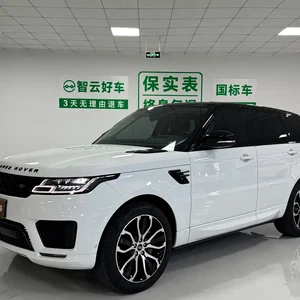
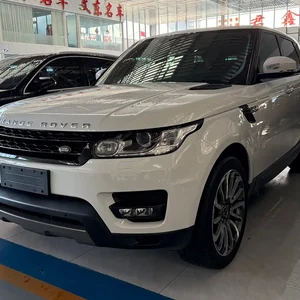
View all listings →Real units currently on ChinaCarDirect with per-unit asking prices and MOQ. Availability updates live from the catalogue.

How to buy a Land Rover Range Rover Sport from China
-
1
Define the destination-market brief
Set the required steering side, fuel type, passenger capacity, towing needs and local tax or emissions position. This prevents a visually suitable vehicle from becoming unsuitable after shipment.
-
2
Shortlist live units
Use the live Range Rover Sport inventory and record the exact listing reference, SKU, model year, trim and condition. Compare units on the same basis rather than grouping every badge into one category.
-
3
Verify configuration and history
Request the VIN, build or model year, engine, gearbox, steering side, equipment, mileage, ownership and service records. For a P400e, obtain the exact battery, electric-range and charging information.
-
4
Request a landed quotation
State the destination, quantity, Incoterm and required delivery scope. Ask for freight, insurance, documentation, customs, tax and other charges to be separated from the vehicle amount.
-
5
Inspect before final payment
Use a qualified independent inspector to check the VIN, panels, tyres, fluids, underbody, electrical functions and service history. Verify title, import documents and the seller’s identity before releasing funds.
-
6
Pay and release the vehicle
Use traceable payment channels and a written agreement covering the deposit, balance, inspection, refund, remedy and delivery terms. Preserve invoices, receipts and every vehicle-specific document.
-
7
Ship and complete import
Confirm secure loading, insurance commencement, handover points and export documentation. Complete customs clearance, destination-country homologation, registration and local service preparation before releasing the vehicle.
Range Rover Sport vs rivals
| BMW X5 | A close road-oriented premium SUV rival with petrol and electrified options across many markets. It can be the more straightforward choice when cabin technology, road comfort and established service support outweigh the Range Rover Sport’s stronger off-road-led identity. |
|---|---|
| Mercedes-Benz GLE | The GLE competes through refined road manners, a broad powertrain range and extensive aftersales support in major markets. If seven-seat availability or a more conventional luxury-SUV package is a priority, it may suit the buyer better. |
| Porsche Cayenne | The Cayenne is the performance-led alternative, emphasizing sports-car-derived dynamics and driver engagement. Choose it when road handling is the priority; the Range Rover Sport is generally the stronger fit where off-road capability and rugged utility matter more. |
Frequently asked questions
How is the export price of a Land Rover Range Rover Sport determined?
The live listing amount is the starting vehicle quotation. The final landed cost can also reflect model year, trim, engine or battery version, mileage and condition, exchange rate, freight, insurance, customs, tax and the selected Incoterm. Compare like-for-like units and request a written landed-cost breakdown for the destination.
Where can I see the current price, MOQ and availability?
Use the live Range Rover Sport inventory to see the amount, availability, stated MOQ and unit reference currently attached to each vehicle. These details are unit-specific and can change, so confirm the selected listing during the RFQ and purchase contract rather than relying on an article or an earlier quotation.
Which engines and electric range options should I consider?
The model family includes petrol V6, diesel V6, naturally aspirated V8 and P400e plug-in-hybrid applications across different years and markets. For a P400e, request battery capacity, electric range, charging specification and local tax treatment for the exact unit rather than transferring figures between generations. For combustion versions, verify displacement, fuel, output label and emissions class in the live listing.
Should I buy a new or used Range Rover Sport for export?
New vehicles generally offer clearer delivery history, lower initial wear risk and more recent equipment, but may still require inspection and destination-market approval. Used vehicles can provide a preferred earlier generation or configuration at a lower acquisition basis, making VIN, service-history and independent-inspection checks especially important.
How does MOQ work when ordering from China?
MOQ is agreed for a particular seller, listing and transaction rather than being a permanent feature of the model. Some vehicles are sold to individual professional buyers, while fleet quotations may require consolidation. Review the MOQ attached to the selected listing and negotiate any fleet quantity in the written quotation.
What determines shipping time and cost?
Transport method, origin and destination, sailing schedule, season, vehicle dimensions and weight, handling, insurance, port charges and delivery scope all affect the result. A freight quotation should identify the route, Incoterm, handover point and included services so that the buyer can compare the true landed cost.
How should I plan for spare parts and service?
Confirm local Land Rover parts and workshop support before purchasing, especially for diesel, V8 or plug-in-hybrid components. Use the VIN and build details to identify service parts, and include expected lead times, electronic-module risk, routine servicing and warranty arrangements in the ownership budget.
Can I order a right-hand-drive unit, and how does ordering work?
RHD availability must be checked in the live inventory and confirmed against the VIN rather than inferred from the model name. Start by submitting the destination, quantity, steering preference and specification brief through the RFQ process, then review the unit-level quotation, inspection terms, payment milestones and delivery scope before placing an order.
Ready to source the Land Rover Range Rover Sport?
Send your destination, quantity, steering preference and specification brief to request a current, unit-level export quotation.
Request a quote