
Ledao L60 Export Guide for Overseas Dealers and Fleet Buyers
Compare Ledao L60 trims, battery options, export pricing, MOQ, shipping and homologation guidance for dealers and fleet buyers sourcing from China.
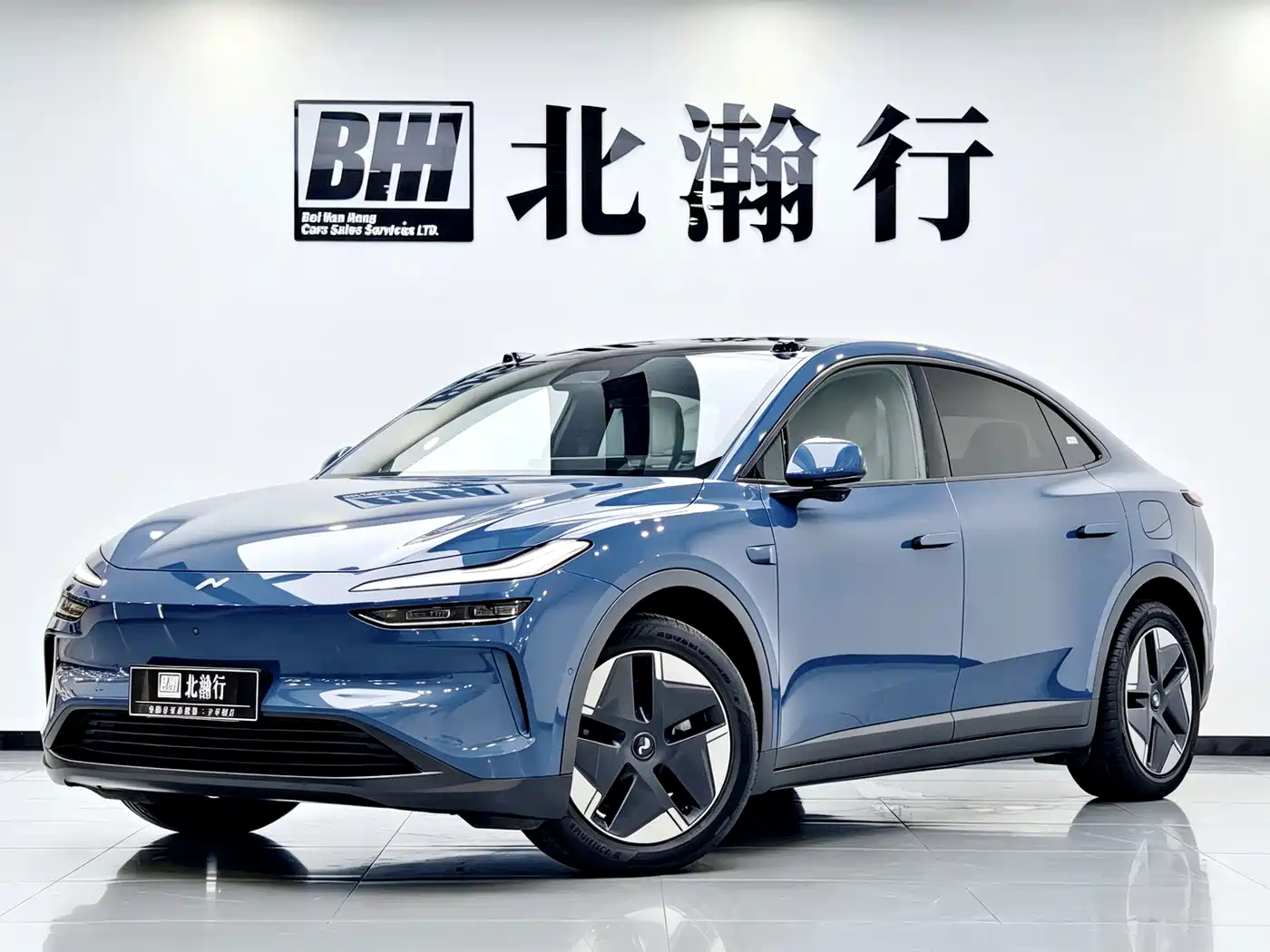
At a glance
- The L60 is a battery-electric SUV with a 2WD Base Model plus 60 kWh rear-wheel-drive and all-wheel-drive versions.
- Battery labels do not guarantee equivalent range; usable capacity, test cycle and charging compatibility require verification.
- The strongest fit is an EV-focused dealer or fleet pilot with local charging, technicians and a parts plan.
- A new unit reduces history risk, while a used Ledao L60 needs independent battery, chassis and document checks.
- Export prices are unit-specific; use the live listing for the binding quote, configuration and availability.
Why the Ledao L60 matters for export markets
The Ledao L60 matters to export buyers because it gives the Chinese electric-SUV market a practical alternative to global premium EVs. For buyers seeking to buy a Ledao L60 from China, the export catalogue combines a 2WD Base Model with 60 kWh rear-wheel-drive and 60 kWh all-wheel-drive versions, letting importers match drivetrain and battery needs rather than treating all L60s alike. This flexibility supports market positions: a lower-entry fleet configuration or a higher-assurance all-wheel-drive derivative. The attraction must still be validated against local charging, tax and aftersales rules before a purchase commitment.
Demand for vehicles of this kind is not driven by model name alone. Overseas dealers and fleet operators are looking for electric SUVs that combine usable everyday performance, credible battery sizing and a more competitive acquisition route than mainstream European, Japanese or Korean alternatives. The L60 is relevant in that comparison because its export-facing trim structure is legible: buyers can identify the basic two-wheel-drive model and the battery-labeled 60 kWh RWD and AWD variants. That makes shortlisting easier, although it does not by itself establish the vehicle’s suitability for a particular country.
The model’s importance should be assessed as a business case, not just a specification sheet. Before importing, compare the L60’s range, charging method, warranty, parts support and residual-value prospects with the vehicles already sold in your market. Local electricity tariffs, route patterns, depot charging and service coverage may matter more than a headline battery figure. A buyer entering a new brand should price in staff training and after-sales preparation, because a vehicle that is easy to source but difficult to support can create a higher lifetime cost than its export quote suggests.
- Compare destination range.
- Validate charging support.
- Verify live configuration.
Model range, trims and powertrain variants: how the lineup is structured and how to choose
The export L60 lineup should be read by drivetrain and battery label. Three descriptions recur: 2WD Base Model, 60 kWh Rear-Wheel Drive and 60 kWh AWD Version. Naming capitalization may vary between sellers, so compare the underlying configuration rather than relying on the title alone. The Base Model is the starting point for a buyer prioritizing simplicity and purchase efficiency, while the 60 kWh RWD version adds a clearly identified battery capacity. The 60 kWh AWD version is the shortlist when traction across poor surfaces, snow or loaded-duty stability has greater operational value.
RWD versus AWD is primarily an operating decision. A two-wheel-drive L60 can suit urban fleets, company cars and buyers with predictable, dry routes, provided they can live with the traction limits of a two-driven-axle EV. AWD adds a second driven axle and is generally the more prudent choice where roads are wet, hilly or snow-prone, or where the vehicle will carry heavy loads or operate as a demonstration unit. The extra system also brings cost, consumption and servicing considerations, so an AWD listing should not automatically be treated as the better commercial match.
For the 60 kWh versions, battery capacity is the first selection point, not the final answer. Ask for gross and usable capacity, the applicable range test cycle, drive-cycle result, connector standard, AC and DC charging limits, and the actual charging time under the proposed duty cycle. Those details determine local charging compatibility. Do not compare a China-labelled CLTC figure with a destination-market WLTP or EPA figure, because the test protocols are different. If the seller cannot reconcile the VIN, battery label and homologation document, keep that unit out of the comparison.
- Match RWD to routes.
- Prioritise AWD traction.
- Reconcile VIN and battery.
New vs used Ledao L60: how export inventory is structured and how buyers choose
Export inventory should be understood as a set of individual vehicle records rather than a uniform batch. New vehicles, dealer-owned stock, demonstrator cars and previously registered units can occupy different positions within the Ledao L60 category, but each record must be checked on its own. Model year, trim name, battery version, mileage, paint, condition and documentation can vary between units. The current ChinaCarDirect inventory page is therefore the controlling source for what is available now; any article that reduces availability to a broad label risks giving a buyer the wrong expectation.
A new L60 normally offers the cleanest ownership proposition: no prior-use history to investigate, current warranty treatment, and the expectation that factory-delivery maintenance has been completed. Even so, a new designation does not prove the vehicle has not been used as a demonstrator or test unit. Ask for the manufacture date, VIN, factory status, odometer reading, battery warranty terms and a photograph of the dashboard at handover. Confirm that the model name, battery capacity and drive layout on the invoice match the physical vehicle before any balance payment is fully released.
A used L60 can make sense when the buyer values depreciation, a known history or a lower acquisition budget over factory-new status. The inspection must go beyond paint and mileage: verify accident repair, chassis condition, battery state of health, software version, recalls, cabin wear, tire age and remaining warranty coverage. Ask for service records and an inspection, and confirm whether the warranty is transferable overseas. Because battery condition and market support affect resale, a used unit should be discounted for risk through the quote rather than assumed to offer new-car economics.
- Review units individually.
- Verify date and mileage.
- Inspect battery and repairs.
How export pricing works: the factors behind a live listing price, and how to read one
An export price is not a fixed factory value. It is generated from the vehicle’s model year, trim, 60 kWh or other battery configuration, mileage and condition, plus the seller’s commercial terms. Currency movements, export procedures, inland transport, marine freight, insurance, port charges, inspection and the Incoterm all affect the landed amount. This is why two L60 listings can carry different numbers without contradicting one another: they may differ in age, risk allocation or delivery obligations. The figure should therefore be treated as a live unit-level quote, not a model price.
When reading a live listing, establish what the displayed price includes. A vehicle-only figure may exclude freight, insurance, export declaration, customs clearance, terminal handling, taxes, registration, pre-delivery inspection, battery documentation and commissioning. Confirm whether the seller quotes FOB, CIF or another term, the destination port, the payment currency and how long the quote remains valid. Also check whether images and options such as paint, wheels, interior, spare equipment or dealer accessories are included. A lower headline number is not necessarily a lower landed cost if key services sit outside the quoted scope.
The most reliable comparison is an apples-to-apples landed quotation. Give the same destination, Incoterm, vehicle condition and documentation requirements to each supplier, then ask for a written breakdown of the vehicle, transport, insurance, taxes or duties, and optional services. Treat promotional deductions and refundable deposits separately from the amount that will fund the purchase. If the quote uses an exchange-rate assumption, ask how long it is protected and what happens if rates move. Always confirm exact prices and per-unit availability on live ChinaCarDirect listings before budgeting or issuing an RFQ.
- Compare equivalent landed quotes.
- Confirm quote inclusions.
- Use live unit prices.
MOQ, ordering and payment: single units vs consolidating a container
MOQ is a seller and transaction rule, not an attribute of the L60. One seller may accept a single vehicle, another may require a fleet quantity, and a container consolidation offer may impose its own break points. An importer should ask whether the MOQ applies to one trim or can be met across mixed RWD, AWD and base configurations, and whether the same production period is required. Confirm quantity, shipping method and payment terms together because a low MOQ may be uneconomic if the seller will not consolidate several units into one shipment.
Ordering starts with a defined specification, followed by a quotation and a pro forma invoice showing the exact vehicle, options, price basis, payment schedule and delivery terms. Before remitting a deposit, verify the seller’s legal identity, the beneficiary name, the VIN or VIN assignment method, and the cancellation or refund conditions. The balance should be tied to document and inspection milestones. For a first-time importer, retaining control of the inspection and payment-release process is more valuable than a discount obtained by paying too early. That control protects funds until inspection and export documentation are complete.
Container consolidation changes the risk profile. It can reduce freight and handling cost per vehicle, but it concentrates buyers’ money, timing and specification decisions in one shipment. Confirm the loading plan, how each unit is matched to its buyer, insurance coverage, export documents, delivery sequence and the procedure if one vehicle is rejected during pre-shipment inspection. Do not assume containerized units arrive as ordered. A written allocation and inspection protocol, plus a contingency if a seller misses a deadline or a vehicle is damaged in transit, is essential for a consolidated order.
- Confirm MOQ flexibility.
- Link deposits to inspection.
- Set container allocation.
Shipping, homologation and market compliance caveats: LHD/RHD and import rules by country
EV shipping begins with the battery and the vehicle’s configuration. Request the battery safety data, UN 38.3 test summary and documents required for the selected transport mode, then confirm whether the carrier and terminal will accept the unit. Ro-Ro and container options may be available, but the choice depends on vessel capacity, handling rules, port equipment, charging state and commercial terms. Agree the permitted state of charge, immobilisation, key handling and inspection points before loading. Freight quotations should include vehicle dimensions, weight, securement, terminal charges and special EV or high-voltage battery requirements.
Steering configuration is a critical ordering check. China-produced vehicles are commonly encountered in left-hand-drive form, but the availability of a right-hand-drive L60 for export must be confirmed for each unit and destination; it should never be assumed from the model name. A conversion can affect safety, warranty, software, parts and registration. Ask for the steering-wheel side, pedal and control layout, VIN evidence and a photograph of the VIN plate. For LHD or RHD markets, then obtain local written confirmation that the configuration is acceptable for registration and homologation before making a non-refundable payment.
Import rules vary by country, so the buyer must build a compliance file for the destination rather than rely on an export invoice alone. This includes VIN and type-approval evidence, customs classification and duty or tax treatment, insurance, emissions or powertrain rules, charger and electrical-equipment standards, cybersecurity or software requirements, and registration or roadworthiness checks. Electric-vehicle incentives may help, reduce duty or change qualification at origin and destination, so confirm them with a customs broker or specialist. Also verify that the brand’s warranty and parts support operate in the importing country.
- Verify steering configuration.
- Obtain battery transport documents.
- Check local import rules.
Who should buy the L60 — and who should pick a different vehicle
The L60 is a strong candidate for an importer seeking a position in the Chinese electric-SUV segment that can support a newer nameplate. The range offers a progression: a 2WD Base Model for fleet use, a 60 kWh RWD unit for buyers balancing battery content and operating requirements, and a 60 kWh AWD version where traction or payload stability matters. The strongest case is a dealer that can pair the vehicle with local charging, transparent reconditioning or delivery processes, and a credible residual-value plan rather than relying on discount-led selling alone.
It is a weaker choice for a buyer whose core requirement is a familiar service network, effortless spare-parts access or a proven resale record. Low acquisition cost can still justify the choice, but only if total cost of ownership, insurance, financing, battery warranty and remarketing are modeled. Fleets with high daily mileage, harsh climates or demanding towing needs should test the configuration rather than infer capability from the AWD badge. The L60 makes more sense when the importer already has EV technicians and model knowledge and can meet its compliance requirements.
A pilot order can reduce exposure while allowing the importer to learn battery-health reporting, parts lead times, software support and customer acceptance. In parallel, the buyer should obtain written answers on residual value, insurance and warranty before scaling. Compare the L60 with rivals on total landed cost per vehicle, not merely on acquisition price or brochure range. If the business case depends on fleet mandates, charging contracts or incentives that have not been confirmed in writing, postpone the decision. A disciplined, controlled first purchase creates better evidence than an ambitious container.
- Best for EV dealers.
- Needs local EV support.
- Avoid if resale dominates.
Main rivals and how the L60 compares
Tesla Model Y is the most recognizable benchmark for an electric SUV buyer, with the advantage of a mature public charging and service proposition in established markets. Its brand familiarity can reduce customer-education and resale risk. The L60 may offer a route to acquisition and equipment value from China, but the importer should compare the landed Model Y specification against the L60 on the same basis: usable range, charging, warranty, insurance, software, service and residual value. Where Tesla distribution is strong, the L60 must offer a clear operational or commercial advantage.
XPeng G6 is a closer China-market peer, combining a premium electric-SUV format with technology-focused positioning that can appeal to buyers who compare specification rather than badge familiarity. The decision between it and the L60 often comes down to homologated range and charging, local software and data support, parts access, warranty administration and the availability of trained technicians. Neither importer should treat a domestic Chinese configuration as automatically export-ready. A direct, destination-market comparison of the G6 and the specific L60 trim is more useful than comparing launch-era claims or unreviewed catalogue information.
BYD Sealion 07 EV, also known as the Song L EV in some naming schemes, is a relevant Chinese electric-SUV competitor for buyers seeking brand recognition and local service. It can be an organizational fit for distributors already carrying BYD products, while the L60 may suit an importer seeking differentiation or a favorable acquisition route. Compare homologated dimensions, range protocol, charging interface, motor output, warranty and parts support for the exact destination versions. Dealer network depth, not the badge alone, should determine which risk is easier to manage in the chosen market.
- Compare one test-cycle range.
- Weigh service and familiarity.
- Model resale value.
Live Ledao L60 export inventory
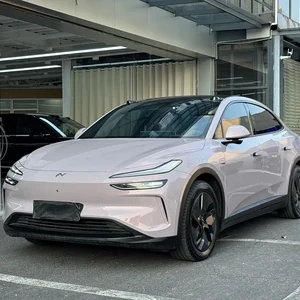
View all listings →Real units currently on ChinaCarDirect with per-unit asking prices and MOQ. Availability updates live from the catalogue.
How to buy a Ledao L60 from China
-
1
Define the configuration
Shortlist the 2WD Base Model, 60 kWh RWD or 60 kWh AWD version according to route, load and traction requirements. Decide which destination-certified range, charging interface and steering configurations are mandatory before contacting sellers.
-
2
Review live inventory
Open the live Ledao L60 listings and compare the photographs, model label, battery version, drive layout, mileage, condition and seller terms. Treat each record as a separate vehicle and note inconsistencies that require clarification.
-
3
Request comparable quotes
Send an RFQ with the required trim, quantity, destination port and preferred Incoterm. Ask each seller to quote the same vehicle specification, documentation, freight, insurance and payment terms so the landed amounts are comparable.
-
4
Verify seller and vehicle
Check the seller’s legal identity, payment beneficiary, invoice details and refund conditions. Reconcile the VIN, battery label, drive layout, production information and physical condition before releasing funds.
-
5
Set inspection and payment milestones
Agree the pre-shipment inspection scope, acceptable condition and remedy for a mismatch in a written document. Link deposits and balances to verified identity, documentation, inspection and shipping milestones rather than paying the full amount early.
-
6
Prepare compliant shipping
Confirm the transport mode, battery documents, permitted charging state, securement, insurance and freight charges. Provide current dimensions and weight information to the carrier and retain copies of every export document.
-
7
Complete import and handover
Use a qualified customs broker or specialist to confirm type approval, taxes, registration and local operating requirements. Inspect the vehicle against the agreed condition on arrival and complete customer handover only after the necessary checks.
L60 vs rivals
| Tesla Model Y | Tesla Model Y is the closest globally familiar benchmark, with a more established charging and service proposition in many markets and potentially stronger resale recognition. The L60 may appeal through its China sourcing route and configuration choice, but it must overcome local brand, warranty and support gaps on landed economics. |
|---|---|
| XPeng G6 | XPeng G6 is a closer China-market peer with similar technology-oriented positioning, so specification, charging, software and value can be compared directly. It may be the safer choice where an importer already supports XPeng; the L60 is more relevant where its sourcing terms and target trim create a better business case. |
| BYD Sealion 07 EV / Song L EV | BYD’s Sealion 07 EV, marketed as the Song L EV in some markets, is a credible direct electric-SUV alternative and may fit distributors already familiar with BYD. The L60 may offer a more differentiated sourcing option, but buyers should compare homologated performance, range, service and parts access rather than assume either badge has an automatic local advantage. |
Frequently asked questions
How is the Ledao L60 export price determined?
The price is calculated for each vehicle from model year, trim, battery version, mileage and condition, then adjusted for currency, freight, insurance, port charges and the chosen Incoterm. Compare the exact unit-level quote and its inclusions on the live ChinaCarDirect listings. Exact prices and availability change, so an article cannot act as the binding offer.
What powertrain and range options does the Ledao L60 have?
The L60 is a battery-electric SUV. Export-facing descriptions identify a 2WD Base Model and 60 kWh rear-wheel-drive and all-wheel-drive versions; capacity for the base model should be confirmed on the live listing. Range depends on the exact battery, drivetrain, test cycle and homologation, so request destination-certified figures rather than comparing headline numbers.
Should an overseas buyer choose a new or used Ledao L60?
A new vehicle generally reduces history risk and simplifies warranty administration, while a used unit may offer lower acquisition cost or a known history. For used vehicles, inspect battery state of health, accident repairs, mileage, software, tires, service records and transferable coverage. Availability of each condition is shown on the live listings.
What is the MOQ for a Ledao L60 wholesale order?
MOQ is set by the seller and may vary by trim, production batch and shipment method. Ask whether units can be mixed, whether a single vehicle is accepted, and how deposits, allocation and inspection work before agreeing. The current listing or written quotation must state the binding requirement; there is no fixed catalogue-wide MOQ.
How long does shipping take and what determines the cost?
Transit time depends on origin and destination ports, sailing schedule, transshipment, customs clearance, terminal handling and vehicle availability when booking. Cost also responds to freight rates, fuel, insurance, security, documentation, port charges and the chosen Incoterm. Obtain a route-specific quote rather than relying on a fixed delivery promise.
Can spare parts for the Ledao L60 be ordered from China?
Parts can generally be sourced through the manufacturer or an authorised channel, but availability, lead time and landed cost vary by part and destination. Provide the VIN, exact component description and photographs, and confirm whether a regional distributor, importer or specialist parts house can support warranty claims. Avoid assuming that every domestic Chinese part is immediately exportable.
Is a right-hand-drive Ledao L60 available for export?
RHD availability must be confirmed for the individual vehicle and destination; it cannot be inferred from the model name or general export range. China-produced examples may be left-hand-drive, so request steering-side and VIN evidence. Any conversion should be disclosed and accepted by the local authority before shipment.
How do I buy a Ledao L60 from China?
Start with the live Ledao L60 listings, shortlist the required trim and submit an RFQ with quantity and destination details. Compare the written quotation, pro forma invoice, Incoterm, payment milestones, inspection terms and document list. Verify the seller and vehicle, release payment against agreed milestones, and complete compliant freight, customs and registration before handover.
Ready to source the Ledao L60?
Send your required trim, quantity and destination details to request a current unit-level Ledao L60 export quotation.
Request a quote