
Ledao L90 Export Buying Guide for Overseas Dealers
Buy Ledao L90 from China with a clear view of trims, drivetrain choices, live export pricing, MOQ, shipping, homologation and key rivals globally.
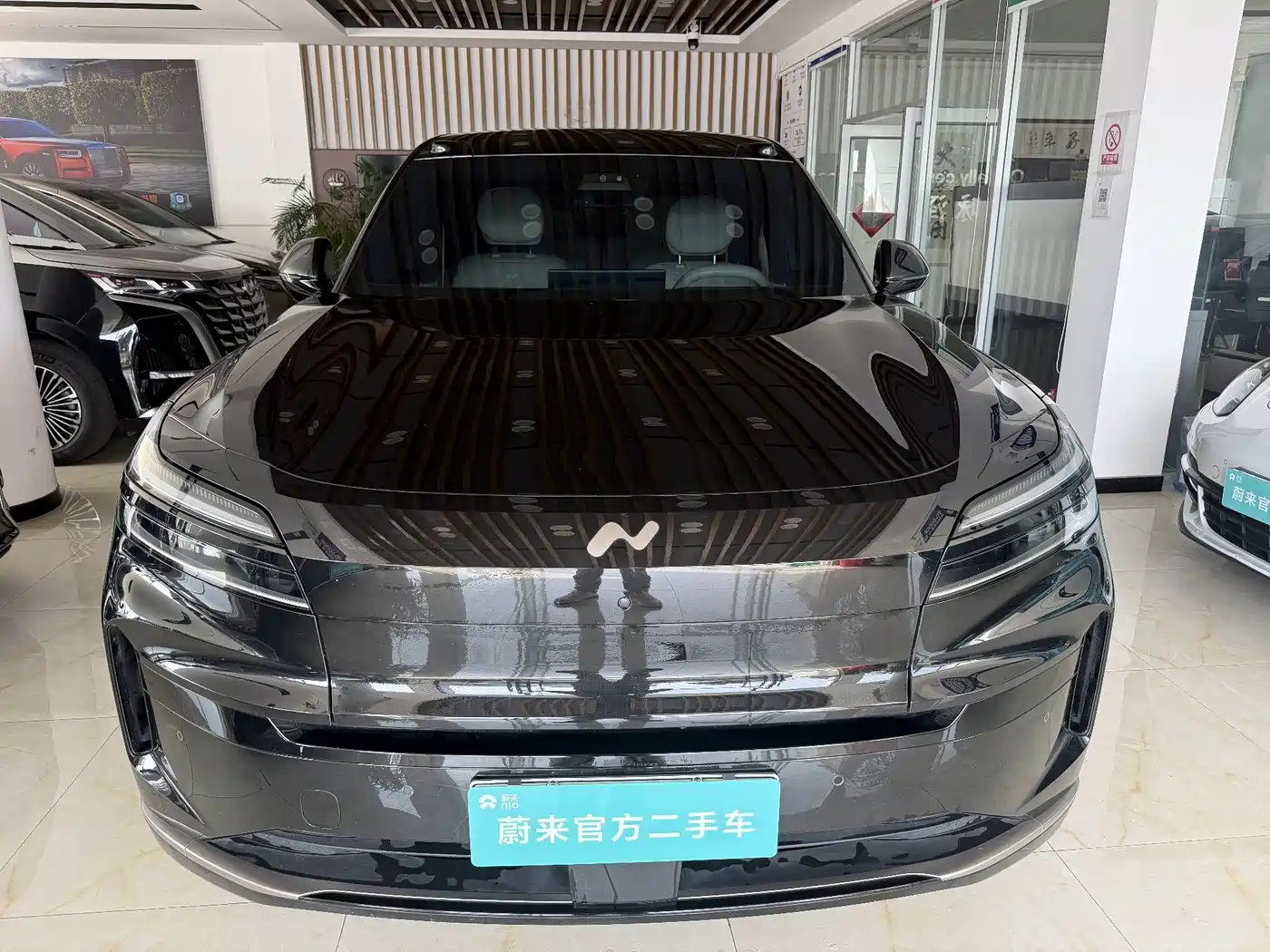
At a glance
- The L90 range includes 2WD Base Model, AWD Base Model and Ultra 7-seater configurations for targeted market selection.
- Its strongest use cases are multi-passenger family transport, chauffeur services and fleet operations that value seating flexibility.
- New units support consistent fleet specification, while a used L90 requires separate title, condition and powertrain checks.
- Export decisions should compare landed cost, not just the vehicle line or a live headline offer.
- RHD availability, homologation and local charging or refuelling support must be confirmed before an order is committed.
Why the Ledao L90 matters for export markets
The Ledao L90 enters the export market as a seven-seat-capable family vehicle for distributors who need one model to address private-hire and multi-row passenger demand. Its naming is commercially useful: 2WD Base Model and AWD Base Model give buyers a clear traction choice, while Ultra 7-seater identifies a cabin-focused derivative. For overseas buyers, its strongest case is not badge recognition but the combination of seating utility, drivetrain choice, market-specific ordering and transparent unit-level quotations. It gives a fleet buyer a defined starting point without pretending that one configuration fits every climate, route or customer.
The relevant global demand is operational rather than purely aspirational. Airport and regional transfer operators may value a seven-seat layout for larger groups; ride-hailing and chauffeur fleets can use it for luggage-heavy runs; and family-focused dealers can position it against premium multi-row vehicles. The drivetrain split helps segment those use cases: two-wheel drive may simplify fleet cost assumptions, while all-wheel drive can be preferable where rain, snow, gradients or poor surfaces make traction more important. Neither choice should be made from the badge alone. Confirm local road conditions, loading limits and duty cycles before deciding.
Export potential still depends on fit rather than size alone. Buyers should compare luggage capacity with seats occupied, turning radius, service access and local rules for commercial passenger vehicles. If the selected L90 is battery-electric, charging access, connector compatibility and cold-weather range become decisive; if it uses another energy type, emissions and fuel-supply rules take their place. Because exact powertrain data should be confirmed on the unit being sold, a live specification check is more reliable than assumptions based on the model name. Complete that check before signing a fleet order or publishing retail claims.
- Select two-wheel drive or all-wheel drive by duty cycle.
- Test seven-seat utility against luggage and route needs.
- Confirm destination rules before forecasting demand.
Model range, trims and powertrain variants: how the lineup is structured and how to choose
The L90 range is easy to navigate at trim level but incomplete at specification level. Buyers can choose between a 2WD Base Model, an AWD Base Model and an Ultra 7-seater. Base identifies the entry structure rather than telling an importer whether the vehicle is a bare fleet car or a higher-equipment derivative, and Ultra should not be translated automatically into a particular equipment list. The correct approach is to compare the build sheet, standard equipment, warranty and market adaptations attached to the exact vehicle rather than relying on trim labels alone. Ask for the version-specific document before comparing quotations.
For operating cost and procurement simplicity, start with the 2WD Base Model when road conditions are routine and all-wheel drive is not a requirement. That option can reduce the need to pay for capabilities a fleet may never use, although the actual price difference must be read from the live listing. The AWD Base Model is more relevant for buyers placing traction ahead of minimum equipment cost. Neither designation confirms output, battery capacity, towing rating or efficiency, so those figures should never be inferred from the drivetrain code. Ask for a signed specification sheet with the quote.
The Ultra 7-seater changes the buying question from maximum seating alone to how the third row is used. A buyer should ask whether the seven-seat arrangement is standard or optional, how luggage remains when all rows are occupied, and whether the body dimensions support the intended parking and loading environment. For fleet tenders, seat configuration, range or fuel consumption, cargo volume, charging or refuelling provisions, service intervals and warranty must be evaluated together. For a passenger-car retailer, comfort equipment and homologated safety features may matter more than fleet cost assumptions.
- Compare build sheets, not trim labels alone.
- Match drivetrain to roads and load.
- Validate third-row space and cargo flexibility.
New vs used Ledao L90: how export inventory is structured and how buyers choose
For the Ledao L90, the export channel is structured primarily around new vehicles and distinct factory configurations. That makes a used Ledao L90 a different sourcing exercise rather than a simple lower-cost version of the same offer. New units allow a buyer to select drivetrain and seating before delivery, align colour and equipment across a batch, and start warranty administration from a consistent baseline. Used examples should not be assumed to be available under the same terms, so availability has to be checked in the live inventory for each proposed vehicle or obtained through a separate used-vehicle request.
A new L90 is generally easier to standardise for fleet, hospitality or rental programmes because specification and condition are known at purchase. It also avoids transferring uncertainty about battery health if the chosen powertrain is electric, or engine, transmission and corrosion condition if it is not. The trade-off is depreciation and a higher acquisition commitment, which is why buyers should model residual value and total operating cost rather than focus only on the vehicle line. The strongest business case is a predictable asset that can enter service predictably on schedule.
A used L90 may suit a buyer who accepts uncertainty in exchange for lower entry cost or immediate availability. Before importing one, request the VIN and title documents, inspect accident and repaint history, verify odometer records, confirm software and recall status, and assess battery state of health or the equivalent mechanical condition. Local service capability and warranty transfer also deserve scrutiny. Because used supply is not a catalogue category to rely on, use the live Ledao L90 listings and a direct RFQ rather than assuming a unit will appear there.
How export pricing works: the factors behind a live listing price, and how to read one
A Ledao L90 export quotation is built from the selected vehicle first and logistics second. The base amount normally follows model year, trim, 2WD or AWD configuration, seating version, equipment, and where applicable, battery or range specification. Mileage and condition matter only for used vehicles. Seller margin, payment terms and warranty support can also affect the offer. The figures shown for each live unit are the appropriate starting point, but a buyer must confirm whether they represent the vehicle alone or include any export service. Do not treat a headline amount as a landed cost.
Landed cost adds inland transport in China, export documentation, inspection, freight, insurance, port or terminal charges and destination taxes or duties. Incoterm choice changes responsibility: under an ex-works quotation, the buyer handles more movement and risk than under a delivered term, although the final result still depends on the named place and the forwarder’s scope. Exchange rates can also alter the equivalent cost in the buyer’s currency. These variables are why two vehicles with similar trim names can have materially different landed economics. Compare the same delivery scope for every candidate.
To read a listing correctly, separate vehicle price from every additional line on the pro forma invoice. Check the model-year and trim wording, ask whether the battery, range or fuel version is confirmed, and determine what the Incoterm includes. A wholesaler should then model the final cost per unit after tax, registration, preparation and dealer margin. Use the ChinaCarDirect live inventory to obtain current binding per-unit prices and availability, and send the chosen SKU to an RFQ for written confirmation before transferring funds or committing space for the planned shipment.
- Separate vehicle price from landed cost.
- Confirm the Incoterm and included services.
- Read current per-unit figures on the live listing.
MOQ, ordering and payment: single units vs consolidating a container
MOQ is a seller and shipment term, not a permanent attribute of the L90. Some export offers may release a single vehicle for a pilot order, while a seller may require several units for a production lot or favourable freight terms. Read the MOQ attached to the live listing and have it repeated in the quotation, together with whether it applies per trim, per colour or across mixed units. The written order should also state the deposit, balance trigger, cancellation terms and the point at which title and risk pass. Do not infer these terms from another unit.
A single-unit order is often sensible for a distributor testing demand, a fleet operator validating route suitability or a buyer establishing a local service relationship. It usually offers more configuration flexibility but exposes the buyer to the full fixed cost of transport, documentation and compliance. Consolidated shipments can reduce some duplicated handling and may improve freight efficiency, yet they also tie up more capital and create a common failure point: if one vehicle or document is disputed, it can affect the release of the group. Ask how claims are isolated.
Before ordering, ask whether the requested volume can be consolidated by container, RoRo, break-bulk or another approved method, and obtain a shipment plan that names the carrier, routing, loading point and cost allocation. Confirm payment currency, escrow or bank-transfer mechanics, inspection rights, export documents, insurance beneficiary and the expected release sequence. Keep the signed quotation, invoice and vehicle list aligned. For a multi-vehicle fleet, request both the unit price and the all-in logistics figure so that savings are measured against working-capital and destination-stock risk before the balance payment is released.
Shipping, homologation and market compliance caveats: LHD/RHD and import rules by country
Shipping begins with the vehicle’s approved configuration, not simply its destination port. The supplier must prepare the L90 for export, complete the agreed inspection and provide the documents required by the buyer’s broker. Freight cost and transit time depend on route, vessel space, cargo size, destination charges, insurance and any special requirements for batteries if the selected powertrain is electric. Marine cargo rules and dangerous-goods declarations may apply to lithium-battery vehicles. The safest quote includes the origin charges, main carriage, destination fees and insurance as separate lines, with the responsible party named.
Chinese-market vehicles should not be assumed to have the steering-hand arrangement, electrical equipment or type approval required in the destination country. A buyer in a right-hand-drive market should request an RHD factory build where available and confirm it on the order; otherwise, ask the local authority whether a conversion or used steering assembly is acceptable. LHD is not automatically prohibited everywhere, but local registration rules still control. The broker should check safety, emissions, electric-vehicle or fuel-system rules, EMC, charging or refuelling standards, VIN requirements and local type-approval documents for the exact L90 configuration.
Compliance is a destination-country process, and no marketplace listing can substitute for that review. Duties, VAT or GST, environmental or road-use charges, registration fees and insurance can materially change the commercial case, so build them into the landed-cost model before ordering. Confirm that the broker can clear the exact configuration and that any modifications meet local rules. After arrival, check condition against the inspection report, retain shipping and customs records, and arrange local registration, software or charging support, technician training and warranty authorisation before committing the vehicle to service in that market.
- Request factory RHD where the market requires it.
- Have the broker check the exact homologation path.
- Model duties, taxes, registration and insurance.
Who should buy the L90 — and who should pick a different vehicle
The L90 is a strong candidate for an overseas buyer who values a seven-seat-capable format, has a clear requirement for either two-wheel drive or all-wheel drive, and can specify a new vehicle for a defined market. It may suit family-car retailers, premium ride-hailing operators, regional transfer businesses, hotels and fleet buyers that regularly carry five to seven passengers plus luggage. The choice is strongest when the buyer can obtain local homologation and service support. The model should also earn its place where seating flexibility and a broad drivetrain choice matter more than established brand recognition.
It is a weaker fit for buyers who need a guaranteed right-hand-drive catalogue, a specific European or North American type approval, or proven resale liquidity at the moment of purchase. A pure fleet operator should also pause if charging infrastructure is uncertain and the L90’s powertrain cannot support the duty cycle. Tender documents often require verified range, payload, towing, service intervals and residual-value assumptions; the L90 should progress only when the seller supplies those facts. A high monthly payment on an unconfirmed configuration is not value, and a large vehicle can be inefficient when routes carry only one passenger.
Before deciding, build a weighted shortlist rather than comparing brochure names. Give the most weight to legal configuration, seven-seat usability, cargo volume, energy or fuel provision, expected uptime, warranty coverage and total operating cost. Then compare service-part logistics, technician familiarity, charging or refuelling access and realistic holding period. If the L90 loses on any non-negotiable requirement, select another model. If it meets the technical and commercial conditions, use a current unit quotation and a written specification to turn the general proposition into an orderable vehicle without relying on assumptions alone.
- Best suited to multi-passenger family and fleet use.
- Unsuitable when confirmed RHD approval is non-negotiable.
- Require verified range, payload and service data.
Main rivals and how the L90 compares
There is no single substitute for the L90 because competing large family vehicles divide the market by body style and energy architecture. Denza D9 is a direct benchmark where buyers want a premium multi-row passenger carrier; XPeng X9 targets electric MPV buyers prioritising cabin technology and charging; and Li Auto L9 competes for large-family SUV demand, particularly where a range-extended option is useful. Exact drivetrain and equipment vary by model year and market. The fair comparison is therefore between confirmed configurations on price, seats, cargo, range or fuel use, service and homologation—not between badge values.
The Denza D9 may be the closest functional rival for operators maximising passenger space in an MPV format, with electrified and range-extended choices depending on market. It can appeal to buyers wanting a more established premium name, although that does not guarantee lower purchase, shipping or running costs. The XPeng X9 is a sharper technology-led comparison for customers who place software, electric charging and configurable cabin space high on the brief. The L90 must demonstrate equivalent usability, support and value in its home and destination markets rather than merely match a headline specification.
The Li Auto L9 is a useful alternative when the requirement is a premium SUV with strong family-car positioning rather than an MPV-like seating layout, and its range-extended version can suit buyers with limited charging access. It generally offers fewer seats in common configurations, so maximum occupancy is the L90’s clearer advantage. Against all three, the Ledao L90’s case rests on targeted configuration, potentially lower acquisition complexity and the ability to order for fleet needs. Obtain like-for-like quotations and verify every promised feature before deciding; a competitor with weaker trim fit may still be the better business choice.
- Denza D9: premium multi-row MPV benchmark.
- XPeng X9: technology-led electric MPV rival.
- Li Auto L9: premium family SUV alternative.
Live Ledao L90 export inventory
View all listings →Real units currently on ChinaCarDirect with per-unit asking prices and MOQ. Availability updates live from the catalogue.
How to buy a Ledao L90 from China
-
1
Define the market and duty cycle
Record the required passenger count, luggage volume, operating routes, climate, charging or refuelling access and local vehicle rules. This prevents selecting a drivetrain or seven-seat configuration by default.
-
2
Compare exact L90 configurations
Review the 2WD, AWD and Ultra 7-seater wording on the live listings, then request a VIN-linked build sheet covering energy type, range or fuel use, charging, dimensions, seating, equipment and warranty.
-
3
Run the destination compliance review
Ask the local broker to verify type approval, safety and emissions rules, VIN requirements, LHD or RHD suitability, charging or refuelling compatibility, duties and taxes before paying a deposit.
-
4
Request a written per-unit quotation
Ask the seller to confirm the unit price, Incoterm, MOQ, deposit, payment stages, quote validity and availability for the selected vehicle or SKU. Treat the live listing as the starting point rather than the final agreement.
-
5
Build a landed-cost worksheet
Add inland transport, export documentation, inspection, freight, insurance, port charges, duties, taxes, registration, preparation and dealer margin. Compare every candidate under the same Incoterm.
-
6
Approve inspection and payment terms
Specify pre-shipment inspection rights, document copies, title conditions, warranty commencement, damage claims and the balance-payment trigger. Use a protected payment route and align the invoice with the signed quotation.
-
7
Book shipment and prepare for handover
Confirm the carrier, freight method, loading arrangement, maritime documentation and any battery-related declarations. Arrange destination clearance, registration, condition checks, technician support and after-sales parts planning.
L90 vs rivals
| Denza D9 | For buyers focused on a premium multi-row MPV, the Denza D9 is a close functional benchmark with electrified and range-extended options depending on the market. The L90 may be more relevant where seven-seat configuration and direct fleet ordering matter, but buyers should compare confirmed build sheets and landed costs. |
|---|---|
| XPeng X9 | The XPeng X9 is a stronger fit for electric-MPV buyers prioritising software, configurable cabin space and charging. The L90 may appeal where simpler trim selection matters, subject to its confirmed powertrain, local homologation and available service support. |
| Li Auto L9 | The Li Auto L9 is a premium SUV alternative, particularly with range-extended power for buyers facing limited charging access. Its common configurations do not match the L90’s seven-seat emphasis, so occupancy, body layout and fleet economics should decide the fit. |
Frequently asked questions
How is Ledao L90 export pricing determined?
Export pricing starts with model year, trim, drivetrain, seating and equipment, then can be affected by battery or range version, condition, exchange rates, freight and Incoterm. The ChinaCarDirect live Ledao L90 listing shows the current per-unit offer, which should be confirmed in writing. For a true comparison, add inland transport, export charges, freight, insurance, duties, taxes, registration and dealer margin.
What powertrain and range does the Ledao L90 use?
The confirmed L90 nomenclature shows 2WD and AWD base variants plus an Ultra 7-seater. It does not, by itself, establish the energy type, range, battery, charging system or motor and engine outputs. Require the VIN-linked build sheet and homologation file for the exact vehicle before making an energy-cost or charging decision.
Should an overseas buyer choose a new or used Ledao L90?
New vehicles provide the cleanest route to consistent fleet specification, warranty planning and known delivery configuration. A used L90 can reduce entry cost but introduces title, mileage, condition, software and possible battery-health uncertainty. Check used availability on the live listings and commission an independent inspection before committing.
What is the MOQ for a Ledao L90 wholesale order?
MOQ is set by the seller, selected configuration and shipment plan rather than being a permanent model rule. A pilot request, mixed fleet and consolidated order may have different requirements, so read the live listing and obtain the applicable terms in the quotation. Confirm the deposit, balance trigger, cancellation conditions and title-transfer point in writing.
How long does shipping take and what does it cost?
Shipping time depends on vehicle preparation, origin handling, carrier capacity, customs clearance and inland delivery at the destination. Cost depends on the route, freight method, vehicle size, insurance, port and terminal charges, and any special requirements for battery-equipped vehicles. Compare port-to-port and delivered quotations with the responsible party named for each charge.
How will Ledao L90 spare parts be supplied?
Parts support depends on the exact vehicle generation and powertrain, so request a version-specific parts list and information about diagnostic or software requirements. Compare authorized channels with independent suppliers, including lead times, shipping cost, warranty and return procedures. Confirm local parts availability before placing a large fleet order.
Is the Ledao L90 available with right-hand drive?
Do not assume that an L90 export unit has right-hand drive. Request an RHD factory build where the manufacturer offers it and have the broker verify the steering arrangement, electrical equipment and local homologation. An aftermarket conversion can affect compliance, warranty and resale, while RHD availability must be checked for each live vehicle and destination market.
How do I order a Ledao L90 from China?
Browse the live Ledao L90 listings, select the relevant trim and vehicle, then send an RFQ stating the destination, quantity, Incoterm and required documents. Compare the written quotation and landed-cost model, and approve the MOQ, inspection and payment terms before paying a deposit. Coordinate export preparation, shipment, customs and local registration only after the order is confirmed.
Ready to source the Ledao L90?
Request a written Ledao L90 quotation and shipping-ready specification for your destination market through the RFQ desk.
Request a quote