
Lexus Gs Export Buying Guide: Specs, Pricing and Ordering
Plan a Lexus Gs export purchase from China with trim and powertrain guidance, pricing methodology, ordering, shipping, homologation and import advice for dealers.
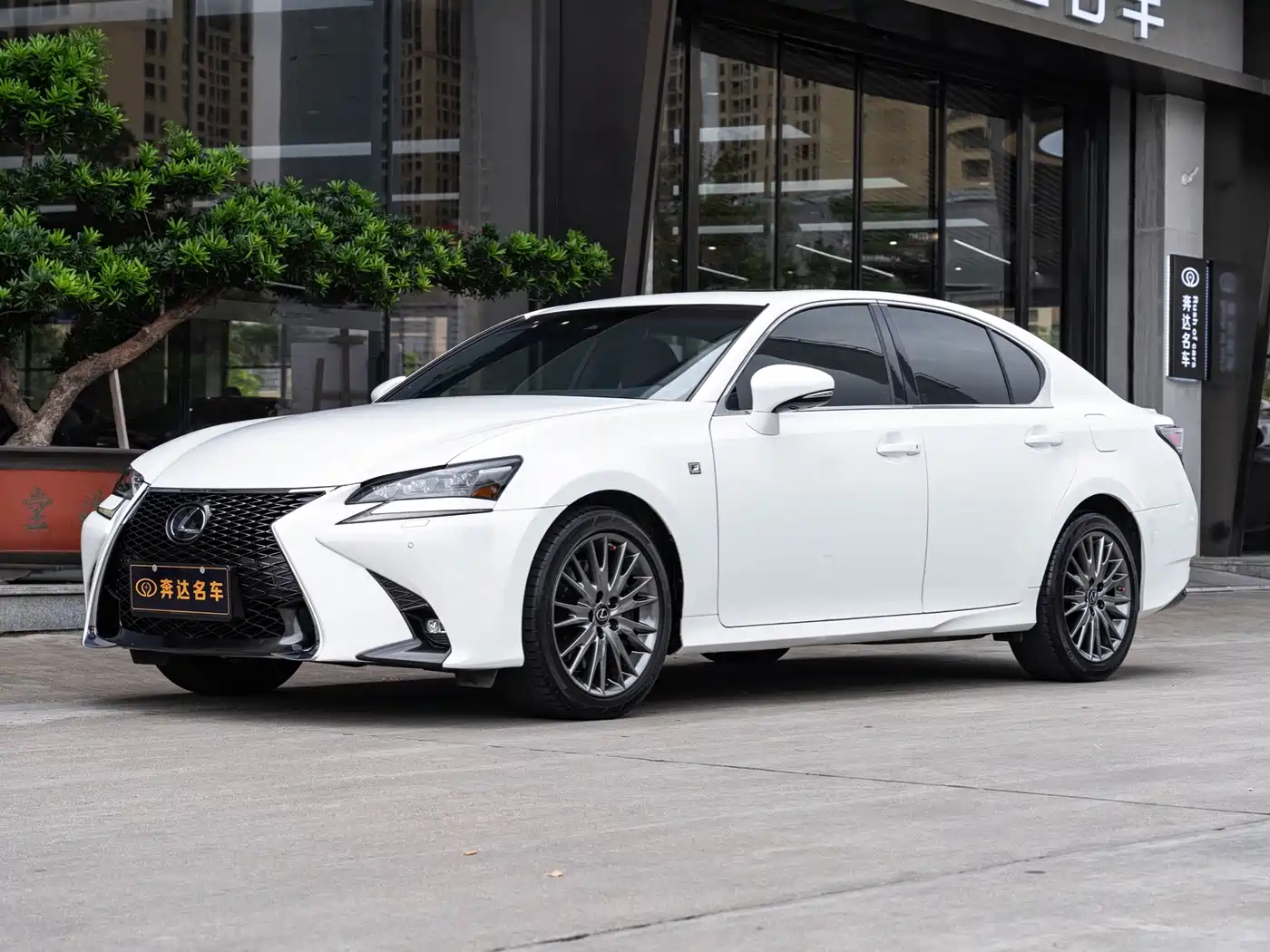
At a glance
- The Gs is a rear-drive-led midsize luxury sedan with selected all-wheel-drive and hybrid variants.
- The China range uses labels such as 200t, 300, 300h, 350 and 450h that require year-specific verification.
- Lexus Gs specifications differ by generation, so VIN, build sheet, equipment and condition should guide every comparison.
- Live listing prices move with age, trim, condition, freight, Incoterm and exchange-rate factors.
- A successful export requires destination-specific homologation, LHD/RHD confirmation, parts planning and a written landed-cost breakdown.
Why the Lexus Gs matters for export markets
The Lexus Gs occupies a middle ground in the midsize executive-sedan class: more focused on rear-wheel-drive balance and driving character than a full-size luxury flagship, yet more refined than many compact premium sedans. For overseas buyers, that positioning matters because it combines a familiar luxury marque with several gasoline and gasoline-electric choices and an export proposition. It can suit a premium fleet, a dealer demonstrator, or an executive buyer, provided the market specification is approved for the destination. That makes trim and homologation checks central to the purchase process rather than afterthoughts.
The export case for the Gs rests on a buyer proposition rather than on one universal specification. Overseas dealers can source a premium sedan with a well-established model name, while drivers gain access to a type of chassis and powertrain mix that may be harder to find locally. Fleet managers may value the mix of rear-wheel-drive models, available all-wheel drive and hybrid drivetrains, but passenger-car homologation, tax treatment and service support still determine whether that proposition works in a particular country. The strongest candidate is therefore a well-specified, fully documented car.
Buyers should also resist treating the Gs badge as a substitute for due diligence. Chinese-market trims may carry equipment, materials, emissions standards and option content that differ from vehicles sold under the same broad model name elsewhere. A sensible export decision starts with the destination country, required steering position, fuel infrastructure, parking constraints and local aftersales network, then narrows to model year and trim. Only after those conditions are matched should a buyer compare the financial proposal with alternatives in the same segment on a landed basis for each candidate.
- Rear-drive-led luxury sedan.
- Gasoline and hybrid range.
- Destination approval matters.
Model range, trims and powertrain variants: how the lineup is structured and how to choose
The Gs lineup is easiest to understand by separating model year, trim label and powertrain. China-market listings can use designations such as 200t, 250, 300, 300h, 350 and 450h, while F SPORT, Leading Edition, Fengshang Edition and Luxury labels describe grade or equipment rather than a single global specification. The same headline trim can therefore conceal differences in engine, transmission, drivetrain, interior and standard equipment. An overseas buyer should treat the listing name as a starting point, not proof, and request the vehicle's build sheet before calculating suitability or cost.
F SPORT is the most visually distinctive route within this family and is commonly associated with sportier chassis and cabin cues, but equipment varies by generation and market. A buyer who values ride comfort, quietness and a formal executive appearance may find a Luxury or Leading Edition more appropriate, while a dealer needs to check whether a China-market edition carries the same option content as an export-market counterpart. Compare standard equipment, condition, service history and the cost of adding missing features locally, not an attractive trim label that masks an uneconomical specification.
Choice of powertrain should follow duty cycle and infrastructure. The 200t label points to a turbocharged 2.0-litre gasoline offering, while 250, 300 and 350 denote different naturally aspirated gasoline applications; 300h and 450h identify hybrid families in the Chinese naming system. These labels do not create a single performance or economy profile because calibrations, weights, drivetrain and model year matter. A buyer should compare output, consumption, battery warranty and real-world operating requirements once the listing has been verified, rather than infer specifications from the trim badge alone or availability.
- Trim-to-duty-cycle matching.
- Build-sheet verification.
- Generation-specific labels.
New vs used Lexus Gs: how export inventory is structured and how buyers choose
Export inventory is structured around individual vehicle records rather than a standardized factory catalogue. For the Gs, a dealer may encounter vehicles presented as new, unused or previously registered, and each record should be judged from its own documentation, condition report and seller status. The practical question is whether the vehicle is correctly declared and suitable for the intended importing market, not whether it falls into a broad inventory label. Always read the current live record because age, status and available configurations can change without altering the underlying model family.
A new or unused Gs is easier to reconcile because age, ownership and wear should align more closely, although new does not eliminate the need for inspection. Check production date, invoice or sales document, VIN, odometer reading, delivery status, warranty start and whether the car has been driven, stored or registered. For a dealer, also establish whether factory accessories remain fitted, transport protection is still active, and any pre-delivery inspection or warranty start has been documented. Those points influence resale value and can prevent a clean car from carrying an ambiguous history for a buyer.
A used Lexus Gs can make sense where the budget is driven by acquisition cost rather than factory-new presentation. The saving should be weighed against age, mileage, service records, condition, remaining warranty and the likelihood of near-term repairs. Inspect paint and bodywork, underbody, tires, brakes, fluids, cabin wear and hybrid-system indicators where applicable, and ask for a diagnostic scan rather than relying on appearance. Restrict imports also may depend on vehicle age, so a lower purchase price does not necessarily create a lower compliant landed cost in the destination market.
- Unit-status verification.
- VIN and odometer checks.
- Compliance and repair costing.
How export pricing works: the factors behind a live listing price, and how to read one
A Lexus Gs export price guide should be read as a methodology rather than a fixed market quotation. The starting vehicle price normally reflects age, trim, engine or hybrid version, drivetrain, mileage, condition, equipment, ownership history and the seller's commercial terms. Because the same trim name can cover different specifications, two records can look similar while carrying materially different acquisition costs. For a fair comparison, normalize every quote to the same year, configuration, condition, currency, destination and delivery basis before deciding which vehicle offers the better value for the buyer.
Price also moves with the transaction structure. Exchange-rate movements, payment timing, shipping method, port charges, insurance, inland haulage, export handling and the selected Incoterm can each change the final exposure. Incoterms are especially important: an ex-China vehicle figure may exclude freight, export clearance and destination costs, while a delivered or landed proposal may include more but still leave import duty, VAT or registration for the buyer. Ask for each charge separately, identify who is importer of record and confirm what the quoted vehicle price actually includes in the written quotation.
To read a live listing correctly, open the unit record rather than relying on a headline range or remembered market figure. Confirm currency, price basis, year, trim, powertrain, steering position, mileage, condition, VIN, availability status, MOQ and quote validity. Then request a pro forma invoice showing vehicle price, domestic charges, freight, insurance and export fees. The binding current amount is the per-unit price shown on the live ChinaCarDirect listing or the confirmed RFQ, not an article-level estimate. Any landed-cost comparison should then add the same destination charges to every candidate.
- Normalized vehicle comparisons.
- Incoterm and charge clarity.
- Live unit pricing.
MOQ, ordering and payment: single units vs consolidating a container
MOQ should be treated as a seller-specific term, not inferred from the model name or from an article. A listing may permit a single vehicle for a trial order, while a seller, consolidator or batch may require a minimum quantity. The applicable minimum can depend on the unit, production run, destination, payment arrangement and whether the supplier is the vehicle owner or an intermediary. Check the MOQ field on the live record and repeat it in the quotation so there is no ambiguity about a test order, mixed fleet order or full-container request.
For a single-unit purchase, mechanics are straightforward: select an available vehicle, verify its specification, agree the vehicle and delivery price, provide the information needed for the contract and payment, and arrange inspection and release. The buyer should still check whether the seller requires a deposit, how long the unit is held, and what happens if the vehicle does not pass an agreed inspection or export preparation check. For an individual importer, that clarity matters as much as a low headline price because each avoidable handling step adds cost and delay.
Consolidating a container changes the calculation. The buyer may need to coordinate compatible vehicles, destination ports, documentation and delivery schedules, then compare the savings from volume freight against storage, repositioning, demurrage, damage risk and the loss of flexibility if one vehicle becomes unavailable. A mixed shipment can reduce freight per unit, but it can also combine different inspection standards and cash cycles. Ask the supplier or consolidator for a unit-by-unit manifest, the MOQ applying to that exact group, and payment milestones tied to inspection and shipment before funds are released.
- Listing-specific MOQ.
- Written payment milestones.
- Unit-level container manifests.
Shipping, homologation and market compliance caveats: LHD/RHD and import rules by country
One of the most consequential checks is whether the source car is left- or right-hand drive and whether the destination accepts that configuration without modification. The Gs is offered in different steering layouts across markets, but a China-origin example may not match the importer's required format. If conversion is necessary, price it as a separate work package covering parts, labour, certification and risk to warranty. For RHD buyers, confirm availability and conversion options before placing a deposit rather than treating steering layout as a minor production detail or a final formality.
Import rules are not standardized globally. Depending on the destination, a vehicle may need customs classification, duty and tax payment, emissions compliance, VIN or type-approval checks, safety-equipment requirements and local registration. China-specification equipment or materials may not satisfy every homologation requirement, and used vehicles can face additional age restrictions or documentation scrutiny. The importer of record should obtain a written compliance assessment from a local agent or broker and identify whether emissions, lighting, connectivity, audio, safety or language changes are needed before shipment and obtain written evidence of approval where required.
Shipping method, port pair and routing influence both cost and delivery risk. Ro-ro, container and specialist vehicle-carrier options each suit different lot sizes, and a unit traveling alone can incur charges that are uneconomic once insurance, handling and destination fees are included. Confirm booking party, loading date, voyage or estimated transit, insurance coverage, destination charges and the point at which risk transfers. Neither an estimated sailing nor an arrival window is guaranteed, so avoid non-refundable commitments to a retail customer until customs and delivery timing are credible and independently verified.
- Steering-layout confirmation.
- Local approval checks.
- Freight and risk terms.
Who should buy the Gs — and who should pick a different vehicle
The Gs is a strong candidate for a dealer that wants a premium Japanese marque, an executive-sedan format and a choice between gasoline and hybrid products without moving into the cost and size of a flagship. It is especially useful for buyers who value a predominantly rear-drive layout, a restrained luxury image or F SPORT styling without requiring the latest body generation. For corporate and executive use, the priority is a documented specification, sensible fuel costs, predictable servicing and local support—not merely the prestige of the badge on paper.
It is less suitable when the mission requires a battery-electric vehicle, ultra-low operating costs, abundant cargo space, high ground clearance or a model with a simpler global parts catalogue. The Gs is a conventional passenger sedan, and its hybrid versions are not substitutes for plug-in or full battery-electric range. Urban operators with severe parking constraints may prefer a smaller premium sedan, while buyers needing SUV versatility should evaluate the segment accordingly. A fleet that cannot support imported servicing or parts should resolve that limitation before focusing on trim and specification.
The most useful buying decision is a three-way match: the vehicle must be compliant, supportable and financially rational in the destination. For compliance, confirm steering, approvals and import eligibility; for support, identify spare-parts access, diagnostic equipment and technician familiarity; for economics, compare the landed vehicle, expected fuel use, service plan, insurance and residual risk. This framework turns used Lexus Gs or Lexus Gs wholesale language into an operating decision rather than a purchase slogan. It also exposes whether a lower acquisition quote survives freight, compliance work, early maintenance and slower inventory turnover.
- Premium rear-drive fit.
- EV and SUV mismatch.
- Landed-cost discipline.
Main rivals and how the Gs compares
The closest rivals to the Gs are the BMW 5 Series, Mercedes-Benz E-Class and Audi A6, although their exact powertrain and equipment ranges vary by country. Each competes for the same buyer: a business customer seeking a premium midsize sedan with a rear-drive option, established prestige and a mix of comfort and performance. The Gs differentiates through its rear-drive-led character, Toyota/Lexus product familiarity and the availability of F SPORT and hybrid choices in selected markets. It may also present a different sourcing equation when exported from China at the right specification.
Against the BMW 5 Series and Mercedes-Benz E-Class, the Gs generally emphasizes a simpler, more rear-drive-focused character and offers a potentially distinctive ownership proposition for buyers familiar with Lexus. The 5 Series may appeal where a broader selection of driver-focused configurations and established local dealer familiarity are priorities; the E-Class may be stronger where the destination has deeper Mercedes service coverage or a specific derivative fits the fleet. The deciding evidence is not badge prestige but the exact variant, landed price, fuel requirements, warranty, parts lead time and the importer's ability to maintain the vehicle.
The Audi A6 is another credible alternative, particularly in markets where its available engines, quattro drivetrain and local service network align closely with the buyer's needs. Against it, the Gs can offer a more distinctly Japanese luxury character, while the A6 may provide a broader homologation-aware parts and service proposition in some destinations. None of these rivals is universally cheaper or better. Compare like-for-like documents, including taxes and delivery, and test whether the selected Gs still meets the fleet's payload, comfort, fuel and aftersales requirements after all import and preparation costs are included.
- BMW 5 Series: driver-focused choice.
- Mercedes-Benz E-Class: service-led alternative.
- Audi A6: drivetrain and support choice.
Live Lexus Gs export inventory
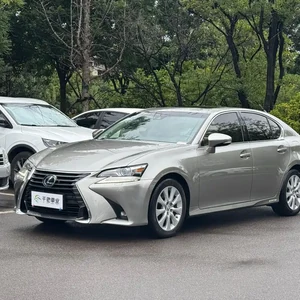
View all listings →Real units currently on ChinaCarDirect with per-unit asking prices and MOQ. Availability updates live from the catalogue.
How to buy a Lexus Gs from China
-
1
Set the destination and operating brief
Specify the destination, required steering position, model-year preference, trim, powertrain, fuel availability and expected annual use. Add local tax, registration, service and resale constraints before selecting a vehicle.
-
2
Search the live Gs inventory
Use the live Lexus Gs listings to identify suitable configurations, then review each unit's year, trim, condition, mileage, VIN, availability and stated MOQ. Do not rely on a model-level description alone.
-
3
Verify the exact vehicle
Request the build sheet, VIN, photographs, odometer reading, production date, equipment list and ownership or sales documents. Confirm that the powertrain and steering layout match the intended market.
-
4
Request a written landed quotation
Ask for the vehicle price, currency, Incoterm, freight method, insurance, export handling, destination charges and quote validity. Identify the importer of record and any duty, VAT or registration costs excluded from the quote.
-
5
Confirm MOQ and payment milestones
State whether the order is for a single vehicle, mixed fleet or consolidated container. Agree the applicable MOQ, deposit, inspection condition, balance timing and refund or correction process in writing.
-
6
Clear compliance before booking
Have a destination-based broker or compliance specialist review type approval, emissions, safety equipment, VIN documentation, age restrictions and any required LHD/RHD modification. Resolve these issues before non-refundable freight commitments.
-
7
Inspect, insure and ship
Use an agreed pre-shipment inspection and verify insurance, loading records, shipping documents and the transfer of risk. Track customs clearance and destination delivery against the agreed milestones.
Gs vs rivals
| BMW 5 Series | The 5 Series is the closest driver-focused alternative for buyers who prioritize a broad selection of configurations and established model familiarity. The Gs offers a more rear-drive-led and Japan-market-oriented proposition, but the better choice depends on local support and the exact imported specification. |
|---|---|
| Mercedes-Benz E-Class | The E-Class is particularly relevant where Mercedes-Benz service coverage, derivative availability and local fleet acceptance are strong. The Gs can provide a more understated executive-car alternative, so compare landed cost, comfort, parts support and residual requirements rather than prestige alone. |
| Audi A6 | The A6 is a credible alternative for buyers seeking available quattro drivetrains or an engine mix closely aligned with local homologation. The Gs offers a different luxury character and F SPORT positioning, while the A6 may have the clearer parts proposition in some markets. |
Frequently asked questions
How is the Lexus Gs export price determined?
Export pricing starts with the individual vehicle's year, trim, powertrain, drivetrain, condition, mileage and equipment, then reflects seller terms, exchange rate, freight, insurance, destination charges and Incoterm. Every candidate should be compared on the same pricing basis. The current per-unit amount is shown on live ChinaCarDirect listings and should be confirmed in the formal quotation.
What powertrain and Lexus Gs specifications should I expect?
The range spans 2.0-litre turbo, 2.5-, 3.0- and 3.5-litre naturally aspirated gasoline applications, plus 300h and 450h hybrid families, depending on model year and market. A Gs hybrid should not be treated as a battery-electric vehicle or assumed to offer plug-in charging. Confirm engine, output, drivetrain, battery warranty and electric range against the exact build sheet.
Should I buy a new or used Lexus Gs from China?
A new or unused example generally offers simpler ownership history, although production date, warranty status, storage and delivery history still require verification. A used Gs can reduce acquisition cost, but mileage, condition, service records, repair exposure and import-age rules must be included in the comparison.
What is the MOQ for a Lexus Gs wholesale order?
MOQ is set by the individual seller, vehicle batch and transaction rather than by the Gs model itself. Read the live unit's MOQ and repeat it in the quotation. A single-unit trial order and a consolidated container order should have separate payment, documentation and delivery terms.
How long does shipping take and what drives the cost?
Transit time depends on the source and destination ports, sailing or carrier schedule, congestion, customs clearance and inland delivery. Cost is influenced by the vehicle's size, shipping method, insurance, handling, documentation, destination charges and the selected Incoterm. Any sailing or arrival estimate should be confirmed for the booked shipment rather than treated as guaranteed.
Can I source spare parts for an exported Gs?
Parts can be sourced, but the buyer should identify the exact VIN, model year and engine before ordering to avoid incorrect-fit issues. Confirm whether the supplier or local Lexus network can supply recurring wear items, electronic modules and body parts at reasonable lead times. Maintain a parts plan before importing vehicles that are not locally supported.
Is a right-hand-drive Lexus Gs available?
RHD availability depends on the model year, source specification and the live inventory at the time of enquiry. It should be confirmed on the unit record rather than inferred from the Gs name. If a conversion is required, confirm local legality, engineering work, certification, warranty implications and cost before paying a deposit.
How do I order a Lexus Gs for export?
Start with the live Gs listings, select a suitable unit and request a written quote confirming price basis, specification, MOQ and availability. After verifying the build sheet and destination compliance, agree inspection, payment milestones, insurance, freight and customs responsibilities. The RFQ desk can help convert the shortlist into a documented export proposal.
Ready to source the Lexus Gs?
Send ChinaCarDirect your destination, model year, trim, powertrain and steering requirement to request a current Lexus Gs quotation.
Request a quote