
Lexus Is Export Buying Guide: Trims, Specs & Pricing
Lexus Is export guide for overseas dealers and fleet buyers, covering trims, gasoline powertrains, pricing factors, ordering, shipping, compliance and rivals.
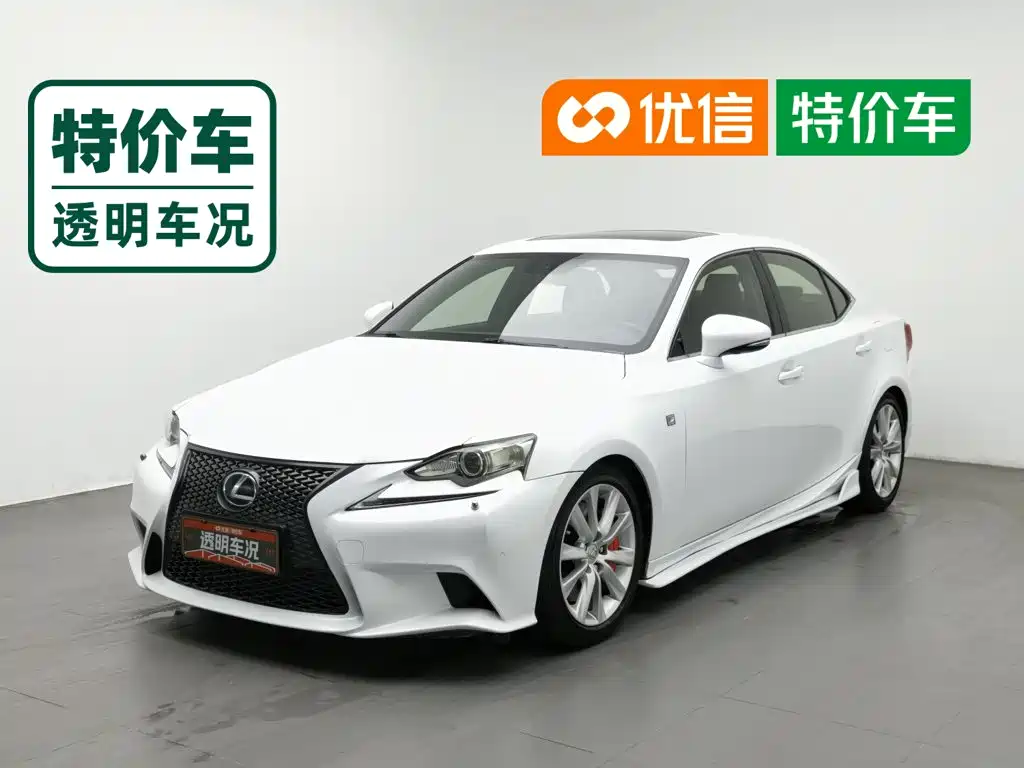
At a glance
- The Is is a compact luxury sports sedan suited to executive, company-car and enthusiast demand.
- The China-market range offers multiple gasoline powertrains and F SPORT, Leading Edition, Luxury and Dynamic trims.
- Vehicle-level pricing, stated MOQ and availability must be checked on the current live listing.
- VIN, drivetrain, factory options, steering side and destination-market compliance need confirmation before ordering.
- Single-unit and consolidated shipments have different freight, cost and coordination trade-offs.
- Local parts access, servicing capability and residual values can outweigh badge preference.
Why the Lexus Is matters for export markets
The Lexus Is sits in the compact luxury sports-sedan segment, combining executive-car refinement with a driver-focused layout. For export buyers, it is relevant because it offers a more focused sedan alternative to the many crossovers that dominate premium fleets. The four-door body preserves practicality for business use, while the sporting chassis, rear-drive character and available performance-oriented F SPORT versions appeal to company-car drivers and enthusiasts who still need a usable second row and luggage compartment. It also suits import markets where a lower, compact executive format is easier to justify than a large luxury saloon, and where badge recognition carries genuine resale value.
Demand for the Is is not uniform across the world. In North America, Europe, Japan and other mature markets, it competes against established premium sedans with dense dealer networks, and buyers often prioritize parts access, software compatibility and local warranty support. In markets where Lexus is less familiar, the Is can still attract buyers who recognize the brand’s reputation for build quality and refinement. Export value is strongest when the importer can support the model with realistic servicing, transparent condition reporting and a clear channel for spare parts and technical support after arrival.
A buyer should also consider what the Is represents commercially. It is a premium product, so the vehicle’s specification, service history and presentation affect resale more than the raw purchase cost alone. Matching the car to local expectations is crucial: F SPORT styling may have broader appeal, while comfort-oriented trims can suit chauffeur or executive use. Export planning should include local parking constraints, road conditions, fuel availability and taxation before the model is promoted as a mainstream fleet option against compact executive sedans sold by local premium manufacturers in the destination market.
- Compact four-door luxury sedan
- F SPORT driver-focused trim
- Local servicing determines viability
Model range, trims and powertrain variants: how the lineup is structured and how to choose
The China-market Is range is organized around the 200t, 250 and 300 designations, with F SPORT, Leading Edition, Luxury and Dynamic packaging creating different levels of equipment and character. The 300 designation uses the 3.0-litre naturally aspirated V6 associated with this market, while 200t denotes a 2.0-litre turbocharged four-cylinder. The 250 badge points to a 2.5-litre version, but its exact engine arrangement and output can change with model year, so the VIN-linked listing should control the purchase decision rather than an assumed trim badge or broad model-year range on a sales sheet alone.
Trim choice should begin with the powertrain rather than appearance alone. The 200t F SPORT combines a smaller turbocharged engine with the sport-styled specification, potentially reducing fuel and purchase-cost pressure where operating costs matter. The 300 F SPORT is the more natural fit for buyers prioritizing effortless V6 performance and a flagship visual identity. Luxury, Leading and Dynamic editions may be preferable when cabin appointments, branding and a more restrained presentation matter more than the most aggressive bodywork or where fleet resale favors a conservative executive image for company use.
Drivetrain and option checks are equally important. Some Is configurations are rear-wheel drive, while four-wheel-drive versions exist, including an F SPORT version with Mark Levinson audio identified in the range. A buyer should not assume that an F SPORT label proves all-wheel drive, nor that a standard body implies the same brakes, suspension, steering or infotainment as a four-wheel-drive car. Confirm the VIN, axle layout, factory options and equipment list before agreeing on a unit, especially when exporting to a destination with different tax bands or local emissions rules.
- 200t turbo four-cylinder
- 300 naturally aspirated V6
- Verify VIN and factory options
New vs used Lexus Is: how export inventory is structured and how buyers choose
China-bound Lexus Is inventory can include factory-new cars, dealer-stock vehicles, demonstrator cars, nearly new ex-fleet units and older used examples. These categories should not be treated as interchangeable. A factory-new car is the simplest to describe but may have been built for the domestic market, while an ex-fleet or demonstration vehicle can look almost new yet have accumulated mileage. A used Is may also belong to an earlier generation, so model year and specification must be read before its condition is compared with that of a newer example in service.
New or nearly new stock generally offers the cleanest ownership proposition: current model-year features, consistent presentation and clearer warranty status, although international transferability must be checked. Its disadvantages are tied-up capital, possible inventory aging and the loss of negotiating room if a dealer has already accepted the vehicle. Used examples can provide better value for a buyer focused on the basic premium-sedan experience, but the apparent saving must be weighed against depreciation, repair risk and the difficulty of sourcing an exact configuration in the required colour and specification at short notice in the destination market.
For any used Is, request the VIN, production date, registration history, service records, odometer reading and photographs of the exterior, cabin and underbody. An independent inspection should check panel alignment, paint, glass, wheels, tyres, suspension wear, brake condition, engine bay, exhaust and diagnostic faults. Older cars may also need closer scrutiny for corrosion, fluid leaks and neglected maintenance. The inspection report should be tied to the specific vehicle, because a good model-year report cannot be transferred to another unit or used as a substitute for a fresh pre-shipment check before loading.
How export pricing works: the factors behind a live listing price, and how to read one
An Is export quote is not a fixed market price for the model. It starts with the specific vehicle’s asking price and is then affected by year, trim, engine, drivetrain, mileage, condition, ownership status, factory options and whether the seller is a dealer or an owner. Because domestic values can move with local supply and demand, the same trim can be quoted differently from one listing to another. For a wholesale or fleet buyer, this means comparing like with like rather than using a generic Lexus Is price as the true budget.
Logistics then change the commercial quote. The exporter may quote on an Incoterm basis, with responsibilities for inland transport, export clearance, origin handling, ocean freight, insurance and destination charges allocated differently. Exchange-rate movements, fuel surcharges, port congestion, container requirements and the chosen destination can all alter the landed cost. A buyer should ask whether port charges, terminal fees, documentation, insurance, taxes, duties and delivery are included. A lower vehicle quote is not necessarily cheaper after freight, taxes and handling are added to the local dealer or workshop before final approval.
To read a live listing effectively, open the vehicle record rather than relying on a thumbnail or headline. Check that the title, trim, model year, engine designation and price language match the photographs and seller description. Review the VIN request, mileage disclosure, condition notes, equipment list and any claimed warranty. Then build a comparison sheet showing the vehicle price, Incoterm, freight basis, insurance, destination fees and taxes. ChinaCarDirect displays the current price, stated MOQ and availability on each live inventory listing, so those entries are the correct source for an actionable quote for direct comparison.
- Compare like-for-like specifications
- Confirm Incoterm and exclusions
- Check current per-unit figures
MOQ, ordering and payment: single units vs consolidating a container
Minimum order quantity depends on the seller and the route, so it should be confirmed on the selected listing rather than assumed from the model. Many vehicle marketplaces allow an individual dealer or importer to buy one unit, while some exporters set a larger lot requirement or offer different terms for repeat orders. A single-unit purchase suits a test-car programme, a small importer or a buyer filling one vehicle bay. It gives the buyer flexibility, but the vehicle may move through a shared shipment and should not be confused with a private, dedicated export slot.
Container consolidation works differently. A buyer may reserve several Is vehicles from different listings for one consolidated shipment, provided the seller, freight forwarder and receiving warehouse agree on the vehicle count, documentation, pickup deadlines and charges. This can improve freight planning and reduce per-unit handling, but it adds coordination risk. The importer remains responsible for correctly matching each VIN to its invoice and customs document, as well as resolving any discrepancy before containers are sealed or cargo is released for onward delivery in the destination country without incurring unnecessary demurrage or storage charges at either end of the journey.
A sound order begins with a written specification and sales contract covering the exact vehicle, permitted inspection, payment milestones, Incoterm, documentation, shipment date and remedies for a material discrepancy. Buyers commonly structure payment as a deposit followed by the balance before release, but the actual sequence must be agreed and should be tied to the exporter’s identity and verified business details. The final handover should include the vehicle handover file, keys, service book where available, tool kit and signed condition record, with the release evidence retained for customs and claims.
Shipping, homologation and market compliance caveats: LHD/RHD and import rules by country
The first compliance question is whether the vehicle’s steering-hand configuration is legal and practical in the destination market. A China-market Is may be left-hand drive, but an importer should never infer the configuration from the listing title or assume that a right-hand-drive version is readily available. If the required configuration is unavailable, changing the steering side is expensive and can affect safety certification, wiring, airbags, controls and warranty. The better route is to source the correct market version or use a conversion only where technically and legally approved by professionals.
Import rules differ by country and can depend on vehicle age, engine type, emissions category, engine capacity, steering side, safety features and the importer’s status. Commercial buyers should obtain a written eligibility assessment from a customs broker or local vehicle-compliance specialist before committing funds. Ask which permits, customs forms, emissions or safety evidence, inspection certificates and modification approvals are required. A vehicle that is roadworthy in China is not automatically registrable elsewhere, and an exception for a private import does not necessarily apply to a dealer or fleet consignment operation.
Beyond import admission, the vehicle must meet local operating requirements. Dealers should verify lighting, instruments, emissions equipment, catalytic systems, noise levels, tyre standards and any local inspection categories; relevant checks can also depend on the model year and engine version rather than the Lexus badge. Environmental zones and low-emission restrictions may affect a gasoline Is even when it has been accepted for registration. Plan these checks before choosing a unit, because retrofits can be substantial and may not be practical for every imported car in the destination market under applicable local rules.
- Confirm steering side
- Check country-specific eligibility
- Allow for local adaptations
Who should buy the Is — and who should pick a different vehicle
The Is is a strong candidate for an overseas buyer who wants a premium sports sedan rather than a luxury crossover, values a calm cabin and engaging road manners, and can support the model after import. It suits company-car programmes for employees who prefer a low-slung executive car, specialist dealers seeking a driver-oriented Lexus, and private buyers who already understand Japanese-brand ownership. The ownership case is strongest where spare-parts access, independent technicians and a credible resale market are available; brand image alone does not resolve long-term operating costs after arrival.
Conversely, a buyer who needs a large boot, high ground clearance, seven seats or the utility of an SUV should consider a different class. The Is’s low roofline and lowered-sport configurations can also be less suitable for rough roads, heavy loads, frequent curb use or regions with poor road surfaces. An owner expecting extensive infotainment connectivity, the newest driver-assistance suite or a broad global service network should compare alternatives carefully. These are not automatic disqualifiers, but they are real ownership compromises that should be tested during a local test drive and inspection.
Commercial operators should also compare the Is with the cost of running a fleet. A sedan can offer a lower, more efficient package than a large premium SUV for executive travel, but fuel use, insurance bands, maintenance contracts and residual values are market-specific. Test whether one Is fits a role that would otherwise be filled by a compact executive model, rather than using it as a status purchase without a clear operating plan. The right question is not simply whether the Is is desirable, but whether its configuration, compliance path and ownership network suit the destination and the buyer’s usage pattern.
- Reliable local servicing support
- Reconsider for SUV utility
- Test destination ownership costs
Main rivals and how the Is compares
The closest alternatives to the Is are generally the BMW 3 Series, Mercedes-Benz C-Class and Audi A4, because they occupy similar compact luxury-sedan territory and compete for business, company-car and private buyers. The right benchmark depends on the destination: one rival may emphasize the sportiest engine and rear-drive handling, another the prestige of its cabin and brand presence, and the third a more technology-led dashboard and quattro option. The Is competes through a combination of understated Japanese luxury, model-specific styling and an F SPORT line that can narrow the visual and dynamic gap.
Against the BMW 3 Series, the Is generally offers a more serene, less overtly performance-oriented identity and a strong F SPORT alternative, while BMW may provide a wider selection of engines and a more developed performance image. Against the Mercedes-Benz C-Class, Lexus can feel more discreet and familiar to buyers of Japanese luxury cars, whereas Mercedes typically emphasizes visual prestige, premium cabin presentation and brand presence. Against the Audi A4, the Is may appeal where understated styling and a driver-focused chassis are priorities, while Audi can offer a more technology-forward cabin and, where offered, quattro all-wheel drive.
Specification parity matters more than badges. Compare the exact engines, transmissions, drivetrain, suspension, brake specification, cabin equipment, safety systems, warranty and homologation of each candidate, because model-year and market differences can be substantial. Then compare total operating cost using local fuel, insurance, servicing, tyre and residual-value assumptions. The Is is not automatically cheaper to own, and a rival with easier parts access may deliver better fleet economics. Conversely, if the Is meets the buyer’s preferred driving character and fits the planned brand mix, its distinctive character can justify the sourcing effort.
- BMW 3 Series: sport rival
- Mercedes-Benz C-Class: prestige
- Audi A4: technology rival
Live Lexus Is export inventory
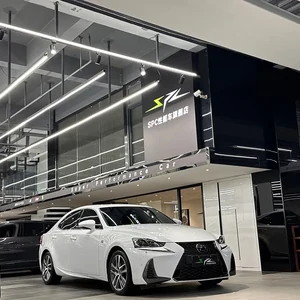
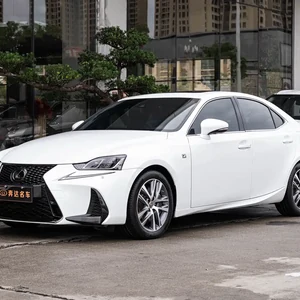
View all listings →Real units currently on ChinaCarDirect with per-unit asking prices and MOQ. Availability updates live from the catalogue.
How to buy a Lexus Is from China
-
1
Set the destination and specification
Define steering side, engine, drivetrain, trim, budget and use case first, because imported configurations are not interchangeable.
-
2
Shortlist the live inventory
Compare current Lexus Is listings by year, trim, condition, mileage, options and stated Incoterm. Treat each unit record as the source for its current price, MOQ and availability.
-
3
Request identity and ownership evidence
Ask for the VIN, production date, photographs, odometer disclosure, ownership or title status, service records and export documents. Verify that the description matches the exact vehicle.
-
4
Build the landed-cost comparison
State the destination and Incoterm, then clarify the treatment of vehicle cost, freight, insurance, port charges, documentation, taxes and duties. Compare compliant vehicles on total landed cost rather than the vehicle line alone.
-
5
Confirm import compliance
Obtain country-specific advice from a customs broker or compliance specialist. Confirm vehicle age, steering side, emissions, safety and inspection requirements before paying a deposit.
-
6
Contract the vehicle and payment
Record the VIN, condition standard, inspection rights, payment milestones, release documents, shipment deadline and discrepancy remedies in the sales contract. Verify the exporter and payment account before transferring funds.
-
7
Inspect, ship and clear
Use an independent pre-shipment inspection and retain the signed condition record and handover file. Track export clearance, freight, customs, destination registration and local delivery.
Is vs rivals
| BMW 3 Series | The 3 Series is a close, sport-oriented benchmark and may offer broader engine choice or a stronger performance image, depending on market and year. Choose it where sporty handling and performance branding outweigh the Is’s more restrained luxury character. |
|---|---|
| Mercedes-Benz C-Class | The C-Class competes directly for executive and company-car buyers, with Mercedes generally emphasizing prestige, visual presence and premium cabin appeal. The Is is an alternative for buyers who prefer a more understated approach and want to compare value and ownership terms. |
| Audi A4 | The A4 is the closest technology-led rival, particularly where quattro availability matters. The Is may suit buyers prioritizing an understated F SPORT identity over Audi’s dashboard technology and quattro branding. |
Frequently asked questions
How is Lexus Is export pricing determined?
An export price is built from the specific vehicle’s year, trim, powertrain, drivetrain, mileage, condition, options and ownership status, then adjusted for the chosen Incoterm, freight, insurance, exchange rates, port fees, taxes and duties. A generic model-level figure is not a landed-cost quote. ChinaCarDirect shows the current price, stated MOQ and availability on each live Lexus Is listing.
Which Lexus Is engines and range should I expect?
The China-market Is range includes 200t, 250 and 300 gasoline versions, with 200t denoting a 2.0-litre turbocharged four-cylinder and 300 a 3.0-litre naturally aspirated V6. The 250’s exact engine configuration depends on model year, so check the VIN-linked listing. The Is is not an EV, so battery capacity, electric range and charging time do not apply.
Is a used Lexus Is better value than a new one?
New or nearly new cars generally provide the most consistent specification, presentation and warranty position, but they tie up more capital and may have inventory-aging risk. A used Is can offer lower acquisition cost, yet buyers must assess depreciation, maintenance history, accident repair, corrosion, mileage and the possibility of an earlier generation. The best choice depends on the vehicle’s purpose, not its age label alone.
What is the MOQ for Lexus Is orders?
There is no universal MOQ for the Is; the seller, route and individual listing determine the order requirement. Some exporters accept one vehicle, while others require a lot or offer different terms for repeat orders. Confirm the stated MOQ on the chosen live listing before requesting a quote or paying a deposit.
How long does shipping take and what does it cost?
Shipping time and cost depend on origin and destination ports, vessel schedules, container availability, customs clearance, documentation, congestion, fuel surcharges and the Incoterm. A vehicle moving in a shared container should not be assumed to have the same loading priority as a dedicated unit. Ask the forwarder for a written route, charge schedule and estimated sailing window rather than relying on a fixed international transit time.
Can I order spare parts with the Lexus Is?
Parts can usually be ordered using the VIN, build date, engine code and steering-hand configuration, but availability depends on the supplier’s stock and the destination’s aftermarket network. Chinese-market cars may not map directly to every overseas Lexus parts catalogue. Send the VIN and chassis details with the request, and confirm serial-number matching before shipping parts with the vehicle.
Is a right-hand-drive Lexus Is available from China?
A Chinese-market Is should not be assumed to be right-hand drive, and a suitable RHD car may not be available from the same supplier. Ask for the VIN, steering-side photographs and homologation details before ordering; if conversion is necessary, obtain local approval and a qualified technical assessment first because it can affect safety systems and resale.
How do I order a Lexus Is from China?
Start with the live Lexus Is listings, choose the closest specification and submit an RFQ for the exact vehicle. Before paying, verify the VIN, condition report, ownership documents, export eligibility, Incoterm and complete landed cost in a written contract. Then arrange inspection, payment milestones, shipment, customs clearance and local registration before taking delivery.
Ready to source the Lexus Is?
Choose the Lexus Is specification that fits your market, then request a vehicle-level RFQ and landed-cost quote through ChinaCarDirect.
Request a quote