
Lexus Ls Export Buying Guide: Specs, Pricing and Shipping
Lexus Ls export guide for overseas dealers and fleet buyers, covering trims, hybrid and petrol options, live pricing, MOQ, shipping and compliance.
At a glance
- The LS is a full-size luxury sedan positioned for executive, chauffeur and premium fleet use.
- The 350, 460L and 500h labels identify materially different petrol and hybrid powertrain propositions.
- Trim, options and compliance must be verified against the exact VIN, not assumed from the badge.
- New export stock spans model years, so age, condition and warranty transfer need separate checks.
- Current per-unit price, availability and MOQ should be confirmed on live ChinaCarDirect listings.
Why the Lexus Ls matters for export markets
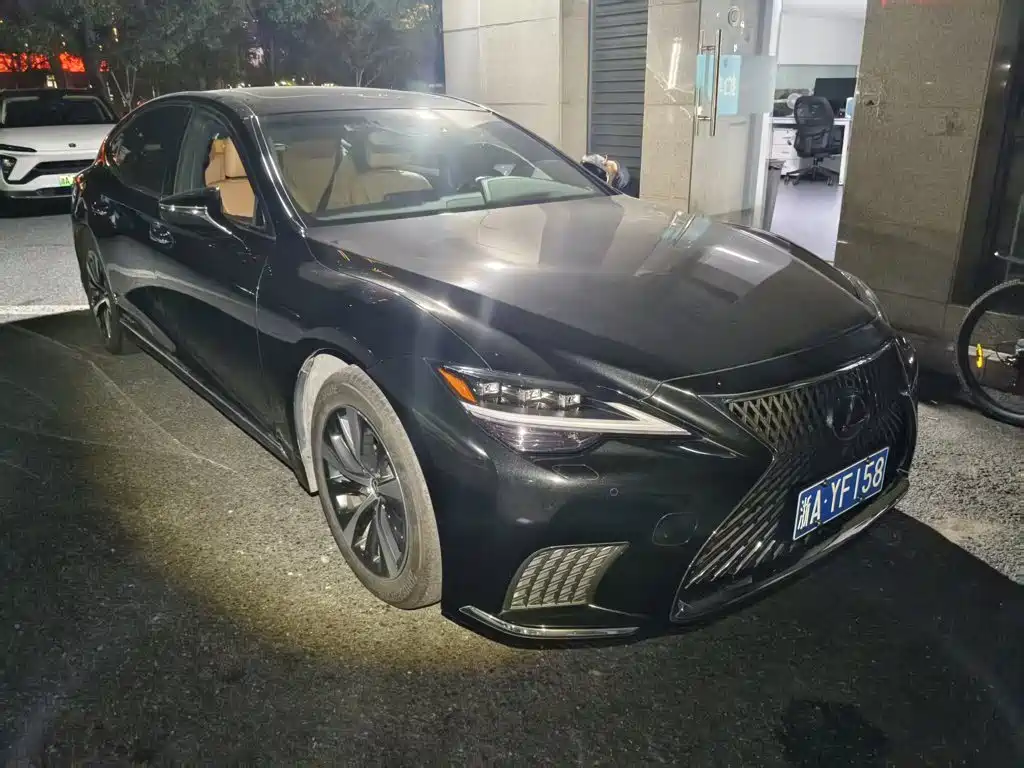
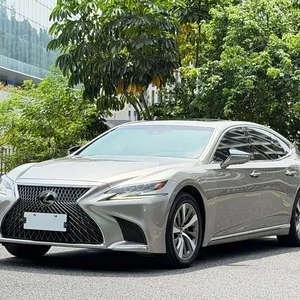
The Lexus LS sits at the top of Lexus’s passenger-car range as a full-size luxury sedan, and that positioning makes it unusually relevant to export buyers serving executive transport, VIP clients and premium fleet work. Unlike a mainstream sedan sold mainly on cost per seat, the LS competes on rear-seat space, cabin refinement, quietness and prestige. A buyer considering a Lexus LS for export is therefore often buying a business tool: the car’s ability to present a brand image and provide a calm working environment matters as much as its purchase price.
China-origin LS supply gives overseas buyers access to a Japan-designed luxury nameplate through an export channel that may include several model years and China-specific trims. The visible breadth includes 350, 460L, 500h and long-wheelbase 500h-based nomenclature, plus designations such as Excellence, Luxury, Executive and F SPORT. This creates a useful sourcing base for buyers who want Japanese luxury without relying only on their home-market supply, but it also means the exact vehicle, equipment list and emissions specification must be checked rather than inferred from the LS badge or assumed from model year.
Demand for the LS in export markets is therefore concentrated around identifiable use cases: chauffeured airport transfers, hotel and VIP services, corporate reception fleets, and high-end rental programs. The strongest proposition is not low operating cost; it is the combination of a prestigious model, a comfortable rear cabin and a hybrid option suited to repeated road use. Before committing, buyers should assess local repair capability, parts lead times and resale prospects. Those factors often matter more than a small equipment difference because a poorly supported imported luxury car can become expensive to maintain.
- Full-size executive positioning.
- Petrol and hybrid choices.
- Service support drives ownership.
Model range, trims and powertrain variants: how the lineup is structured and how to choose
The LS range is easiest to understand through its model designations. The 350 uses a 3.5-litre V6 petrol engine, while the 460L pairs a 4.6-litre V8 with the larger version of the sedan. The 500h is the petrol-electric V8 hybrid and forms the core of the hybrid range, while the 600hL extends the long-wheelbase concept. These are materially different purchasing propositions, not simply equipment tiers. Buyers should match the designation on the live vehicle page with the engine, drivetrain, dimensions and VIN before comparing quotes or assuming broadly equivalent performance across markets or placing an order.
Within those powertrain families, the Chinese-market names indicate a broad hierarchy of comfort and equipment. The visible 350 trims include Excellence and Luxury, while the 500h catalogue includes Premium, Luxury, Executive, Excellence and F SPORT versions. The 460L appears in Luxury and all-wheel-drive Premium forms, and the 600hL is positioned as a long-wheelbase flagship derivative. Trim names can signal intent, but they are not a substitute for an equipment sheet: climate-control specification, infotainment, audio, suspension, wheel sizes and driver-assistance content can change across model years, export versions or production batches and destination markets.
For a fleet buyer, the choice should start with operating scenario rather than hierarchy. The 350 is generally the simpler petrol proposition and may suit buyers prioritizing conventional servicing familiarity, rear-seat utility and the lowest complexity across the range. The 500h adds an electric motor and battery-assisted operation, which may suit buyers seeking petrol-electric performance without plug-in charging. The V8 460L and long-wheelbase 600hL serve more specialized requirements. Because output, all-wheel-drive details and equipment vary by market, the final choice should be confirmed from the VIN-specific listing and a physical or documentary inspection.
- 350: 3.5-litre V6 petrol.
- 500h: 5.0-litre V8 hybrid.
- 460L: 4.6-litre V8 option.
- Verify trim equipment by VIN.
New vs used Lexus Ls: how export inventory is structured and how buyers choose
Export inventory should be read by model year and sales condition, not by the assumption that a new vehicle is necessarily a current-year car. ChinaCarDirect listings can include LS vehicles from several production years, including earlier versions of the China-market model while remaining categorized as new inventory. For dealers, this creates a useful distinction: age can reduce acquisition cost while leaving a familiar configuration available. Buyers should establish the minimum acceptable model year, then use a live unit-by-unit check to confirm the exact trim, engine and options rather than relying on a generalized model-year range.
A new LS offers the advantage of avoiding an unknown prior ownership history, with paint, cabin wear and mechanical condition easier to establish at dispatch. It may also carry the original manufacturer warranty, but buyers should establish what is covered, for how long, and whether protection transfers after export. A used vehicle can make sense when a buyer wants a depreciated configuration or lower capital commitment. Its risk is not simply age: mileage, service history, accident repair, hybrid-component condition and previous care all need clear documentary evidence from independent sources.
Condition should be verified with a structured comparison. For new stock, ask for production date, options, panel and paint inspection, tyre condition, underbody photographs, matching VIN records and evidence of any transport damage. For used stock, request service records, title and import-history documents, an independent inspection, and a battery-health or hybrid-system report where applicable. The cheapest listing is not automatically the strongest purchase if inspection costs or unresolved documentation are high. Confirm whether the unit is new or used on the live listing, then make that status part of the written contract.
- New may mean an older year.
- Confirm warranty transfer.
- Inspect used stock independently.
How export pricing works: the factors behind a live listing price, and how to read one
An export price is a negotiated or calculated combination, not a universal LS price. Vehicle value is usually driven by model year, trim, powertrain, drivetrain, production specification, mileage and condition. Export terms can then change the payable figure: exchange-rate movement, destination taxes, inland transport, documentation, insurance, ocean freight, port handling and the selected Incoterm all matter. The more closely two listings match in year, edition, engine, condition and delivery scope, the more useful their prices become as benchmarks. This prevents a scope difference from being mistaken for a model-value difference.
Read a live listing line by line instead of treating the headline number as a landed cost. Confirm the currency, unit price, stated quantity, MOQ, inclusions, and whether freight, insurance, duties or local charges are excluded. Check whether the vehicle is new or used and whether images correspond to the exact unit. Establish the quotation’s validity period. Currency conversion performed in a different month can create a misleading comparison, while a seller’s definition of “export price” may not match the buyer’s definition of a delivered vehicle. Ask for clarification in writing.
A disciplined quote comparison uses one landed-cost template for every candidate. Separate vehicle price, inland haulage, origin charges, freight, insurance, destination handling, customs duties, taxes and registration, then add dealer preparation. Ask whether the seller can quote on different Incoterms so responsibility transfer is visible rather than embedded in the price. Treat live ChinaCarDirect inventory as the source for current per-unit price, MOQ and availability, but do not rely on it until the commercial scope is confirmed in writing. That distinction prevents a low headline figure from becoming an expensive landed purchase.
- Compare like-for-like specifications.
- Separate headline and landed costs.
- Check live unit-specific figures.
MOQ, ordering and payment: single units vs consolidating a container
MOQ is a commercial condition, so verify it on the specific listing rather than assuming either a one-unit sale or a container-sized commitment. Some export offers are opened for a single vehicle, while others require several units of one specification or allow mixed units to fill a shipment. This makes the LS decision partly a shipment-design decision. A single-unit purchase is useful for testing demand, evaluating a trim before scaling, or serving a modest executive fleet. Consolidation may improve freight efficiency, but it increases capital exposure and reduces flexibility if one vehicle is unavailable or fails inspection.
The ordering sequence should be documented at each stage. Submit the required model year, trim, engine, drivetrain, colour, interior, options, destination and delivery basis; request confirmation that the unit is available and that its VIN matches the proposed specification. Review the inspection evidence and a written sales contract covering price, MOQ, deposit, balance trigger, refund or cancellation terms, documents, delivery milestone and Incoterm. Payment should follow agreed, verifiable milestones rather than an informal balance request. The exact method and sequence must be confirmed directly with the seller or ChinaCarDirect for the current transaction.
Container consolidation deserves a separate risk check. Combining LS units can make freight more economical when several buyers accept the same specification, but a mixed load must still meet destination rules and transport limits. Confirm how vehicles are secured, whether battery-containing hybrid components require special handling, who bears loading and discharge damage, and how partial shipment delays are handled. Agree the number needed for a full container, the treatment of a failed inspection, and the deadline for curing a short shipment. Those details prevent freight savings from creating demurrage or storage exposure.
- Verify listing-specific MOQ.
- Use written payment milestones.
- Control consolidation risk.
Shipping, homologation and market compliance caveats: LHD/RHD and import rules by country
Drive-side configuration is an early screening criterion. LS vehicles sourced from China are predominantly left-hand drive, so a buyer requiring right-hand drive should not assume local availability or treat a later conversion as equivalent to a factory-produced RHD car. Steering position affects safety equipment, marketability and potentially local approval. Ask the seller for the actual configuration and VIN, and seek evidence from a homologation specialist or importer where the destination has a right-hand-drive requirement. If no suitable RHD unit can be verified, consider a model already offered in RHD form rather than accepting uncertainty at the border.
Chinese emissions labels such as China V or China VI describe the source market’s standard; they do not automatically satisfy the destination country’s emissions, safety or type-approval rules. Depending on the market, the importer may need to address VIN documentation, customs classification, duties and taxes, emissions approval, safety equipment, local certification and registration rules, as well as age restrictions on imported vehicles. Request the invoice, vehicle identification documents, export declaration, bill of lading or transport record, and any origin or conformity documents the importer specifies. Validate the document list before paying the balance with the relevant authority.
Transport choice affects both cost and risk. An enclosed container or roll-on/roll-off service can suit full-size luxury sedans, with availability, route and port handling determining the commercial result. Secure the vehicle, photograph all exterior panels and the cabin, document fuel and mileage, and use a pre-shipment inspection to check for damage, fluid leaks, battery warnings and missing equipment. Marine insurance and the point at which risk passes should match the Incoterm. On arrival, allow for customs examination, port charges, inland delivery, repairs and registration delays in any schedule or cash-flow plan.
- Confirm drive side early.
- Check destination approvals.
- Inspect before loading.
Who should buy the Ls — and who should pick a different vehicle
The LS is a strong fit for buyers who need a full-size luxury sedan to signal service quality and keep senior passengers comfortable. Chauffeur and executive-transport operators, airport and hotel services, premium rental companies, and corporate reception fleets can justify its positioning, rear-seat space and refined road manners. The 600hL is particularly relevant when maximum rear accommodation is the priority, while 350 and 500h buyers may prefer a more conventional footprint. Before placing a sizeable order, test the intended trim on local roads and consider how the brand will fit the fleet’s existing service standards.
It is less convincing where utilization is low or operating cost dominates. Luxury fuel, tyres, insurance, scheduled servicing and downtime can make a high-cost sedan inefficient for ordinary staff transport, even when the purchase looks competitive. Compare total cost per vehicle and per completed journey, not just acquisition cost, and include driver familiarization, parts holding and residual-value assumptions. A hybrid LS may suit routes with frequent stop-start operation, but buyers should verify real-world fuel consumption and after-sales support in the destination. A smaller premium sedan, a business model with established local servicing, or a lease may offer better economics.
Certain buyers should choose a different vehicle outright. A company with firm zero-emission targets and strong charging access should assess a plug-in or battery-electric executive alternative rather than accepting the LS hybrid’s operational compromises. Buyers who prize an extensive domestic dealer network may favor a European flagship with simpler parts supply, while value-focused customers may find a smaller Lexus saloon more appropriate. Drivers who place handling response ahead of quiet, formal comfort should also test alternatives. The LS makes the most sense when prestige, rear-seat environment and a manageable service plan align.
- Strong for VIP and chauffeur fleets.
- Weak for low-utilization fleets.
- Assess total operating cost.
Main rivals and how the Ls compares
The BMW 7 Series is the closest major alternative for buyers who want a full-size executive saloon with a strong driver-focused identity. It provides a different balance between formal rear-seat use and driver engagement, and its specification can be easier to source in some export markets. Against the LS, the decisive questions are whether the buyer prefers BMW’s chassis character, familiar German-brand service arrangements, or the Lexus hybrid’s particular smoothness and cabin isolation. Engine choices, options and after-sales support vary by market, so the comparison should use equivalent grades rather than the cheapest version of either nameplate.
The Mercedes-Benz S-Class is the most direct benchmark for comfort, prestige and technology. It can be an especially persuasive choice for chauffeur or VIP work because of its established luxury-car presence and broad recognition. The LS differentiates through its Japanese design and hybrid engineering, but that distinction is strongest when local Lexus servicing is dependable and the buyer values understated operation. For the S-Class, buyers should verify the exact powertrain and long-wheelbase package. Comparing real ownership documents, import rules and workshop support is more useful than relying on a general reputation for luxury.
The Audi A8 completes the core comparison with a more understated, technology-led approach and, depending on the market, a broad selection of petrol and electrified drivetrains. It may appeal to corporate fleets seeking a formal cabin without the LS’s more distinctive flagship character. Conversely, the LS can deliver a more traditional luxury-saloon experience, with 500h hybrid variants offering a different route to efficiency. For all three rivals, run the same route test, passenger scoring sheet and service-cost review. Choose the model that meets the mission and can be supported locally, rather than the badge with the strongest initial appeal.
- 7 Series: driver-focused alternative.
- S-Class: comfort and prestige benchmark.
- A8: understated technology option.
Live Lexus Ls export inventory
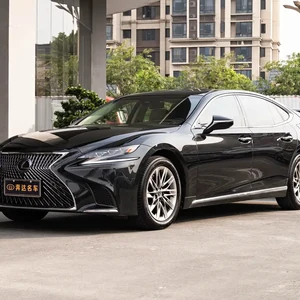
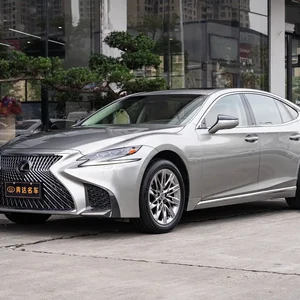
View all listings →Real units currently on ChinaCarDirect with per-unit asking prices and MOQ. Availability updates live from the catalogue.
How to buy a Lexus Ls from China
-
1
Define the destination and operating requirement
Specify the country, drive side, expected model year, powertrain, passenger capacity and intended use before selecting a trim. Include destination emissions, registration and fleet-service requirements in the brief.
-
2
Shortlist exact live vehicles
Review the live LS inventory and compare units by VIN, model year, trim, engine, drivetrain, options, condition and listed MOQ. Confirm current availability and pricing on the unit-specific page.
-
3
Request the documentary pack
Ask for the VIN, production details, factory option list, ownership or sales status, warranty terms, export documents and evidence of condition. For used vehicles, also request service history and an independent inspection report.
-
4
Build a landed-cost quotation
Separate the vehicle price from inland transport, origin charges, freight, insurance, destination handling, duties, taxes, registration and dealer preparation. Ask for the quotation to identify the Incoterm, currency and validity period.
-
5
Lock the order and payment terms
Record the exact vehicle allocation, MOQ, deposit, balance trigger, inspection remedy, cancellation terms, document schedule and delivery milestone in the contract. Use only payment instructions verified through the agreed transaction channel.
-
6
Inspect, ship and complete import clearance
Complete a pre-shipment inspection, photograph the vehicle, confirm secure loading and insurance, and retain the transport and export documents. Coordinate destination customs, homologation, duties, taxes and registration before the vehicle enters service.
Ls vs rivals
| BMW 7 Series | The 7 Series is the most driver-focused major rival, with a different balance between handling and rear-seat formality. It may suit buyers prioritizing dynamic response or established market-specific service support, while the LS may better suit those valuing a quieter, hybrid-led luxury-saloon experience. |
|---|---|
| Mercedes-Benz S-Class | The S-Class is the direct benchmark for prestige, passenger comfort and technology, particularly in chauffeur and VIP work. The LS offers a more traditional Japanese luxury alternative with hybrid variants, but the decision should reflect local servicing, parts support and the exact imported specification. |
| Audi A8 | The A8 is an understated, technology-led alternative for corporate and executive buyers. It may be easier to source in some markets, while the LS has a more distinctive flagship identity and offers petrol-electric versions for buyers seeking conventional hybrid operation. |
Frequently asked questions
How is Lexus Ls export pricing determined?
Export pricing combines the vehicle’s model year, trim, powertrain, condition, mileage and options with exchange rates, freight, insurance, port charges and the agreed Incoterm. A headline listing figure may therefore cover only part of the landed cost. Check the live ChinaCarDirect listings for the current per-unit price, then request a written quotation stating inclusions, exclusions, currency and validity.
What engines and driving range does the Lexus Ls use?
The range spans a 3.5-litre V6 petrol 350, a 4.6-litre V8 460L and a 5.0-litre V8 petrol-electric 500h or 600hL. The conventional hybrid is not plugged in for daily driving, so its usable range depends on petrol fuel and driving rather than EV-only battery range. Confirm the engine and drivetrain on the exact live listing.
Should an overseas buyer choose a new or used Lexus Ls?
A new vehicle avoids much of the uncertainty surrounding previous ownership and wear, while an earlier-year new unit may still fit a dealer’s sourcing and cost requirements. A used vehicle can reduce capital commitment but requires scrutiny of mileage, service history, accident repair and hybrid-component condition. Compare the VIN, inspection evidence, warranty transfer and total landed cost rather than using condition labels alone.
Does ChinaCarDirect require a container-sized MOQ?
No blanket MOQ should be assumed. The current, binding MOQ appears on each live unit, and some offers may be available as single-vehicle purchases, while others specify a larger lot or mixed shipment. Confirm quantity, unit allocation and cancellation consequences before paying a deposit. For a test order, single-unit availability is useful; for fleet consolidation, price freight and shortage risk separately.
What determines Lexus Ls shipping time and cost?
Shipping time and cost depend on vessel schedules, origin and destination ports, route availability, container or roll-on/roll-off handling, cargo size, insurance and customs clearance. Seasonality, port congestion, documentation quality and destination inspections can also affect timing. Request a shipment-specific quotation and keep the booking, insurance, inspection and import-clearance responsibilities defined in writing.
How are spare parts ordered for an exported Lexus Ls?
Parts should be matched by VIN, model year, trim and destination, because China-specific body, lighting, infotainment, seat and hybrid components may not be interchangeable with other market versions. Confirm availability and lead time with the seller, local Lexus network or a specialist importer before placing an order. Also verify authenticity, compatibility and import treatment, especially for body and electronic parts.
Is right-hand-drive Lexus Ls availability guaranteed?
China-origin LS vehicles are predominantly left-hand drive, so right-hand-drive availability must be confirmed on the exact listing rather than assumed. A later steering conversion is not automatically equivalent to a factory-produced RHD vehicle in equipment, safety or marketability. Where the destination requires RHD, seek factory-origin evidence and local import or homologation advice before committing.
How do I order a Lexus Ls from China?
Start with the live listings, shortlist an exact unit and submit an RFQ stating the model year, trim, engine, options, destination and delivery basis. Ask for confirmation of availability, VIN, current price, MOQ, landed-cost scope and export documents. Then complete inspection, contract, payment, shipping and destination-clearance stages in the agreed sequence.
Ready to source the Lexus Ls?
Request a current Lexus Ls quote for your destination, preferred trim and delivery basis through the ChinaCarDirect RFQ page.
Request a quote