
Li Auto L7 Export Buying Guide for Dealers and Fleets
Buy a Li Auto L7 from China with practical guidance on trims, specs, used vehicles, export pricing, MOQ, shipping, homologation and rival models.
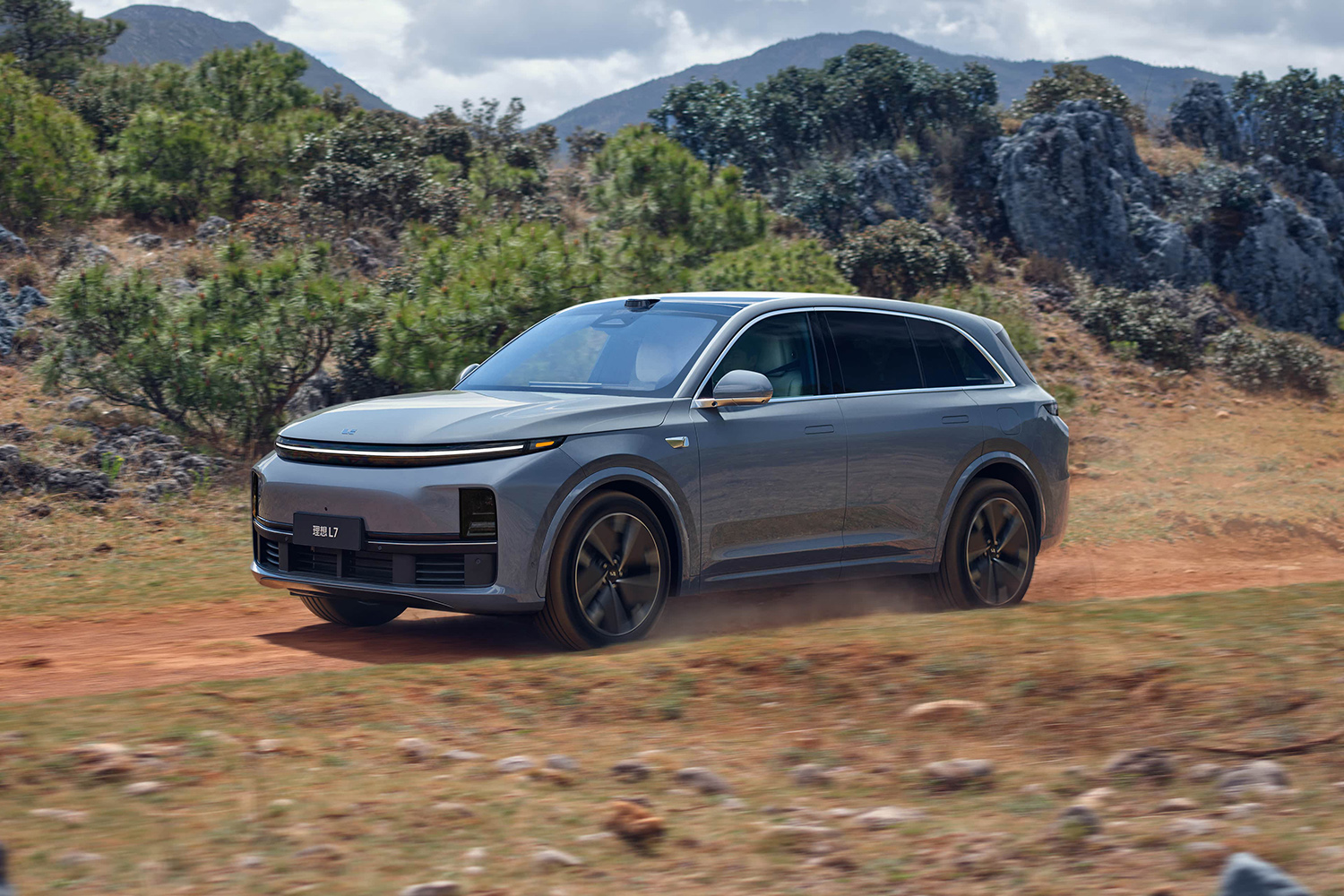
At a glance
- The L7 is a five-seat, mid-size range-extended SUV that combines electric traction with a gasoline generator.
- Its Air, Pro, Max and Ultra hierarchy lets buyers match equipment level to market positioning, subject to model-year verification.
- New vehicles offer the latest specification, while used units require close scrutiny of battery health, mileage, repair history and ownership.
- Export prices move with trim, model year, condition, exchange rates, freight and Incoterms; live listings provide current per-unit terms.
- Left-hand-drive availability is more straightforward, and every destination requires its own type-approval, customs and registration review.
Why the Li Auto L7 matters for export markets
The Li Auto L7 is a five-seat, mid-size range-extended electric SUV built around the needs of Chinese family and premium business users. Its appeal for export buyers comes from combining battery-electric daily driving with a gasoline generator for longer trips. That dual-energy proposition is especially relevant where public charging is thin but drivers still need credible range. It also gives importers a product story that sits between a battery EV and a conventional plug-in hybrid. For fleet use, its five-seat layout and long-distance capability make it easier to justify than smaller crossovers, subject to local operating rules.
Export demand is not simply a function of the L7's specification sheet. Buyers must see charging access, fuel prices, road conditions, service capability and realistic residual demand in their own market. An EREV can reduce range anxiety, yet it cannot remove the need for compliant emissions, safety and type approval. The strongest opportunities are therefore markets where these operational and regulatory conditions support a premium family SUV. That makes the L7 more relevant to a considered importer strategy than to a speculative parallel import. It also requires local aftersales planning.
For fleet and dealer evaluation, separate the product's two roles. The battery supports commuting, airport transfers and predictable low-noise operation, while the range extender adds flexibility on intercity routes. Buyers should test whether local duty cycles justify that hardware against a smaller BEV or lower-cost SUV. They should also compare fuel consumption, charging procedures and resale expectations rather than relying on headline combined range. The generator does not make charging infrastructure irrelevant, because the vehicle still benefits from regular electric-energy use and suitable home or depot charging for fleet duty cycles.
- Range-extended architecture for longer routes
- Premium five-seat SUV positioning
- Charging access shapes export demand
Model range, trims and powertrain variants: how the lineup is structured and how to choose
The L7 hierarchy runs from Air through Pro and Max to Ultra, with model years also using refreshed or renewed edition labels. The exact equipment split changes, so trim names should guide the shortlist rather than substitute for a build sheet. For export, the key is to align the chosen grade with the destination's powertrain rules, charging expectations and luxury-market positioning. Never assume that similarly named trims sold in different model years are electrically identical. Request the VIN-linked configuration before ordering. This matters for insurance valuation and parts planning too.
All mainstream L7 versions use electric motors to drive the wheels, with a turbocharged 1.5-liter gasoline engine acting as the range extender. The generator supplies electricity rather than replacing the electric drive system, while a traction battery stores energy for electric running. This architecture explains why charging access, generator fuel use and engine servicing must be evaluated together. It also means buyers should distinguish range-extender specifications from ordinary BEV or PHEV assumptions. Confirm whether a quoted CLTC figure is electric-only or combined before comparing it with another vehicle. Use the same test cycle across every candidate.
The battery and range figures vary by model year and trim, so the correct comparison method matters more than repeating a headline number. Ask for battery capacity, electric-only CLTC range, combined CLTC range, AC and DC charging capability, and the rated output of both motors. Check whether the seller is quoting the Chinese-market specification or an export configuration. For fleet planning, convert the claimed figures into realistic electric and fuel operating budgets under local conditions. Official documents should resolve any conflict with listing photographs before funds are committed or freight is booked.
- Air, Pro, Max and Ultra hierarchy
- Confirm battery and motor version
- Compare ratings by model year
New vs used Li Auto L7: how export inventory is structured and how buyers choose
Export inventory may contain both factory-new vehicles and previously registered Li Auto L7 examples, and those categories should be evaluated separately. A new vehicle offers the latest model-year specification, clearer ownership history and easier warranty coordination when the importer can document compliance. A used vehicle can offer a more direct entry into a proven trim configuration, but condition, mileage and remaining battery life become central to value. Neither category is automatically cheaper or safer after all costs are calculated. Condition reports must distinguish cosmetic wear from structural, electrical or accident-related defects before valuation.
Used L7s can differ materially even when their model-year and trim labels match. Compare service records, battery state of health, DC fast-charging history, accident repair evidence, interior wear and warning messages, and whether keys or owner documents are complete. For a range extender, ask how the vehicle was charged and whether the gasoline engine and generator have been maintained normally. A high-mileage example with poor charging habits may suit a buyer seeking low acquisition cost, but fleet resale expectations can suffer. The inspection should be mechanical as well as digital.
For an importer, the right used-vehicle target depends on the sales model. A dealership can accept more cosmetic refurbishment if it has workshop capability; a fleet buyer may prefer a cleaner service history over the newest infotainment or driver-assistance features. Smart Refreshed and Smart Renewal labels should be checked against the production date and official configuration, not accepted as a substitute for a VIN report. Likewise, a new listing should not be called factory-new unless the seller provides supporting registration, customs and warranty documents. Verify the VIN before funds are committed or freight is booked.
- New vehicles: newer specification
- Used vehicles: condition-led valuation
- Verify VIN and trim labels
How export pricing works: the factors behind a live listing price, and how to read one
An export listing price is a transaction starting point, not a universal L7 price. The vehicle's model year, grade, battery and motor specification, mileage, condition, ownership status and production features can all change its value. Currency movements also matter because the quote may be set in Chinese yuan, US dollars or another currency. A buyer should therefore compare like with like and obtain a written quote tied to one specific vehicle or VIN. Ask whether that quote includes inland transport, documentation, insurance and export handling or only the vehicle itself.
Freight is another major variable and should be separated from the vehicle quotation. Ocean or air transport, route distance, port charges, insurance, security, storage and delivery inland can all change the landed cost. Incoterms define where responsibility transfers, but they do not remove regulatory costs such as duty, VAT or emissions charges. Ask for a line-item estimate and identify which party bears each charge, delay, damage and customs-clearing risk. The same vehicle can therefore be more suitable under one commercial structure than another, even before local taxes are calculated fully.
To read a live L7 listing, start with identity and specification, then examine condition and commercial terms. Confirm the VIN, model year, exact trim, battery version, steering side, mileage, ownership status, equipment and any repair history. Review fresh photographs, inspection documents, title or registration records and the seller's stated terms for payment and shipment. Then reproduce the arithmetic in a spreadsheet: vehicle amount, domestic charges, freight, insurance, taxes, port fees and expected margin. Live inventory is the place to verify the current per-unit quote, minimum order and availability for the chosen vehicle.
- Match year, trim and condition
- Itemize freight and destination charges
- Build a landed-cost worksheet
MOQ, ordering and payment: single units vs consolidating a container
Wholesale MOQ means the smallest quantity a seller will accept under the stated commercial terms; it should be confirmed for the selected listing rather than assumed from the category. Some importers purchase one vehicle for evaluation, while others consolidate several compatible units to spread freight and handling costs. A single-unit purchase offers flexibility but may lose freight efficiency and expose the buyer more fully to unit-specific risk. Consolidation can improve commercial efficiency, although it requires more careful inspection and destination planning. The buyer should also confirm whether mixed trims can share one shipment.
A containerized order needs a vehicle allocation plan before payment, not afterward. Decide whether every unit must share one specification or whether a mixed fleet is acceptable, then assign each VIN to its expected delivery. Confirm loading height, weight limits, securing method, lashing materials, insurance value and any requirement for battery-related handling. Because a range-extended vehicle still contains a large traction battery and fuel, the carrier and freight forwarder should receive the correct vehicle details rather than a generic SUV description. Shipping instructions should also be shared early with the broker.
Payment structure should protect both sides through objective milestones. A workable process normally separates an initial deposit, inspection or production evidence, the balance, and release against the required transport documents. The parties should define the currency, bank charges, invoice contents, ownership-transfer point and what happens if inspection, shipping or customs reveals a discrepancy. Never rely on a chat promise alone: place the approved trim, VIN condition, delivery terms and remedies in the final order confirmation. This sequence is particularly important when a shipment is consolidated or financed through a third party.
- Confirm listing-specific minimum order
- Plan VIN allocation before loading
- Use milestone-based payment
Shipping, homologation and market compliance caveats: LHD/RHD and import rules by country
Chinese domestic L7 vehicles are primarily associated with left-hand-drive production, so right-hand-drive availability is not something a buyer should presume. Some inventory may be described or configured differently, but each example needs its steering side confirmed by VIN and photographs before quotation. If the destination requires RHD and no compliant vehicle is available, a conversion may be technically possible yet can add cost, warranty and homologation complications. The importer should establish the rule before paying, not after the vehicle reaches the port. Country rules can also change over time, so check current authority guidance.
Import compliance is destination-specific and cannot be reduced to a universal export certificate. The importer may need VIN and type-approval records, customs classification, proof of roadworthiness, emissions and noise compliance, local radio or language requirements, and approval for the range-extender system. Depending on the market, taxes may reflect engine capacity, CO2 rules, battery declarations, luxury-vehicle bands or local incentives. Obtain a written compliance opinion from a customs broker or homologation specialist before treating the vehicle as registrable. The same vehicle may qualify differently in two countries, so each destination needs separate review.
Shipping time and cost depend on origin and destination ports, available sailings or air capacity, consolidation, customs clearance and inland delivery. Sea freight is often the practical choice for complete vehicles, while air can reduce transit time but has strict weight, dimension and battery-handling constraints. Leave a contingency for inspections, roll-on/roll-off space, port disruption and documentation corrections. The importer should agree the Incoterm, named place, shipment deadline, insurance coverage and destination charges in the contract rather than assuming a quoted lead time is guaranteed. Any promised delivery window should also be realistic.
- Confirm LHD or RHD
- Seek destination-specific homologation advice
- Contract Incoterms and insurance
Who should buy the L7 — and who should pick a different vehicle
The L7 best fits buyers who need a comfortable five-seat vehicle, substantial luggage capacity and the flexibility to travel beyond routine charging coverage. It is particularly relevant to premium family, executive chauffeur and mixed-duty fleet programs where quiet electric running is valuable but long routes cannot depend entirely on public charging. A business buyer may also like the separation between electric motive power and a generator. Those advantages only justify the vehicle if local energy costs, charging arrangements and residual demand support the use case. Reliable servicing remains essential for long ownership.
A buyer focused primarily on zero-emission operation should not choose an EREV simply because it has a battery. The L7's operating emissions depend on how much electricity it uses and how often the gasoline generator operates, so the environmental case must be assessed in the intended duty cycle. Fleet operators should compare charging access, route patterns, fuel-tax treatment and local emissions rules. If a full BEV can meet the same mileage with dependable charging, it may offer a simpler compliance and ownership proposition with fewer dual-energy compromises for the fleet.
Other buyers should choose a different vehicle when their needs expose the L7's disadvantages. A very large family may prefer a seven-seat SUV; a price-sensitive importer may find a smaller EREV or BEV easier to stock; and a customer needing a proven global service network may favor an established international brand. Operating in areas with weak generator servicing, restricted fuel use or strict emissions treatment can also reduce the case. The decision should be made on total cost and supportability, not on the prestige of the badge in that market.
- Best for mixed-charge long routes
- Strong for five-seat fleets
- Poor fit for BEV-only policies
Main rivals and how the L7 compares
BYD Tang DM-i is a relevant family-SUV alternative for buyers who want plug-in hybrid flexibility and, in many configurations, more than five seats. It provides a different energy architecture and a broader global familiarity, but the L7 generally emphasizes a more streamlined electric-drive experience and a different premium technology proposition. Neither vehicle should win solely on headline range: charging patterns, fuel rules, cargo needs and aftersales support matter more. Dealers should compare the exact derivative, battery option and destination approval side by side before committing inventory or promotion plans locally.
Tesla Model Y is the clearest battery-EV comparison in the same broad premium SUV class. Its global charging and ownership familiarity can be decisive for fleets, while the L7 offers a generator-assisted range option for routes with incomplete charging coverage. The Model Y cannot provide the L7's fuel-assisted operating flexibility, and the L7 cannot match the simplicity of a battery-only fleet proposition. Choose according to charging reliability, route planning and emissions goals rather than assuming either has universal advantage. The software ecosystem and local service footprint also deserve equal weight.
Leapmotor C10 is a closer value-oriented EREV or BEV alternative in the mid-size SUV segment, depending on the derivative available for export. It can appeal to buyers seeking a lower acquisition threshold or a smaller vehicle, while the L7 carries a stronger premium-SUV positioning and a larger five-seat cabin proposition. Availability, parts support and certification can vary more than headline specifications suggest. An importer should test actual resale prospects and support costs in the destination instead of treating the lowest purchase quote as the strongest business case. Run local channel tests before scaling.
- BYD Tang: PHEV family alternative
- Tesla Model Y: global BEV benchmark
- Leapmotor C10: value-oriented alternative
Live Li Auto L7 export inventory
View all listings →Real units currently on ChinaCarDirect with per-unit asking prices and MOQ. Availability updates live from the catalogue.
How to buy a Li Auto L7 from China
-
1
Define the destination and duty cycle
Choose the market, routes, passenger count, charging plan and RHD requirement before shortlisting. This prevents a technically attractive vehicle from becoming difficult to register or operate.
-
2
Shortlist the live L7 inventory
Review exact model year, trim, battery and motor version, condition, steering side, current per-unit price, minimum order and availability. Treat each listing as an item-specific reference, then request a written quote.
-
3
Verify identity and paperwork
Request the VIN, registration or title, production and import documents, equipment list, service history and warranty terms. Cross-check seller labels such as Smart Refreshed or Smart Renewal against the build information.
-
4
Inspect before payment
Use a qualified independent inspector to check body structure, battery state of health, charging, warning systems, engine and generator service, and accident-repair evidence. Agree the inspection standard and remedies before the balance is due.
-
5
Build the landed-cost and compliance file
Ask a broker to classify the vehicle and estimate duty, VAT, other taxes, port and inland charges, insurance, registration and homologation requirements. Separate the vehicle cost from freight and destination charges to calculate margin.
-
6
Agree freight and payment milestones
Select sea or air only after carrier review, then fix the Incoterm, named place, VIN allocation, lashing, insurance and document conditions. Tie deposits, balance and release to verified documents and a satisfactory inspection.
-
7
Plan arrival and support
Arrange customs clearance, pre-delivery inspection, registration, local charging, technician training and a spare-parts route. Confirm software, driver-assistance and parts compatibility for the exact VIN before shipment.
L7 vs rivals
| BYD Tang DM-i | BYD Tang DM-i is a credible family-SUV alternative with plug-in hybrid flexibility and configurations that can offer more than five seats. It may suit buyers prioritizing PHEV familiarity and seating flexibility, while the L7 targets a more electric-focused premium SUV experience. |
|---|---|
| Tesla Model Y | Tesla Model Y is the stronger choice for fleets with dependable charging and a preference for a battery-only global platform. The L7 offers generator-assisted flexibility for long routes where charging coverage is incomplete. |
| Leapmotor C10 | Leapmotor C10 provides a value-oriented EREV or BEV alternative and may fit importers seeking a smaller vehicle or lower acquisition threshold. The L7 offers a larger five-seat premium-SUV proposition, but that should be weighed against local support and resale prospects. |
Frequently asked questions
How is the Li Auto L7 export price determined?
The listing price is driven by model year, trim, battery and motor version, mileage, condition, ownership status, exchange rates, freight, insurance and the selected Incoterm. The current binding vehicle amount, minimum order and availability for each selected unit appear in the live ChinaCarDirect L7 inventory. Request a written, VIN-linked quote rather than relying on a general market estimate.
What powertrain and range does the Li Auto L7 use?
The L7 is a range-extended electric vehicle: electric motors drive the wheels, while a turbocharged 1.5-liter gasoline engine generates electricity. Electric-only and combined CLTC figures vary by trim and model year, so confirm both values and the battery specification in the exact listing. Use the same test cycle when comparing the L7 with BEV or PHEV rivals.
Is a used Li Auto L7 better value than a new example?
A used vehicle can reduce acquisition cost and provide a proven configuration, but mileage, battery health, charging history and accident repair may offset the saving. A new example generally offers a more recent specification and clearer ownership history, subject to verified documents. For fleet resale, condition and service consistency often matter more than the newest infotainment features.
How does the minimum order quantity work for wholesale purchases?
MOQ is a seller-specific commercial term and must be confirmed for the selected listing; it is not automatically the same for every L7. Single-unit purchases may suit evaluation or mixed-fleet buyers, while consolidated orders can improve freight efficiency. The parties should also agree whether different trims can be combined and how each VIN will be allocated.
What determines Li Auto L7 shipping time and cost?
Origin and destination ports, sailings or air capacity, consolidation, vehicle dimensions, battery handling, insurance and customs clearance all affect the shipment. Sea freight is generally more practical for complete vehicles, while air may shorten transit time but carries tighter weight and handling restrictions. Agree the Incoterm, named place, allocation and destination charges in writing.
Are spare parts available for exported Li Auto L7 vehicles?
Parts must be matched to the exact model year, trim and VIN because battery, charging, electronic, body and range-extender components may differ between versions. Importers should establish a diagnostic, ordering and lead-time process before committing stock. Confirm that local technicians can access software and driver-assistance support as well as physical parts.
Is a right-hand-drive Li Auto L7 readily available for export?
Chinese-origin L7 inventory is primarily associated with left-hand-drive production, so right-hand-drive availability should not be presumed. Check the live listing, VIN and photographs, and have the destination authority or broker confirm whether the configuration is acceptable. An RHD conversion may add cost and create approval or warranty complications.
How do I order a Li Auto L7 from China?
Begin with the live L7 inventory, select an exact vehicle or defined specification and request an item-specific quote. Verify documents and condition, agree inspection, freight, payment and Incoterms, then complete the agreed transaction milestones. Provide the destination, trim, budget, quantity and delivery requirement through the RFQ desk for a coordinated quotation.
Ready to source the Li Auto L7?
To buy a Li Auto L7 from China, review the live inventory and send your destination, trim, budget and shipping requirement through the RFQ desk.
Request a quote