
Li Auto Mega Export Guide for Overseas Buyers
Export buyers’ guide to Li Auto Mega trims, electric range choices, pricing logic, MOQ, shipping, homologation and rivals—plus checks for live unit quotes.
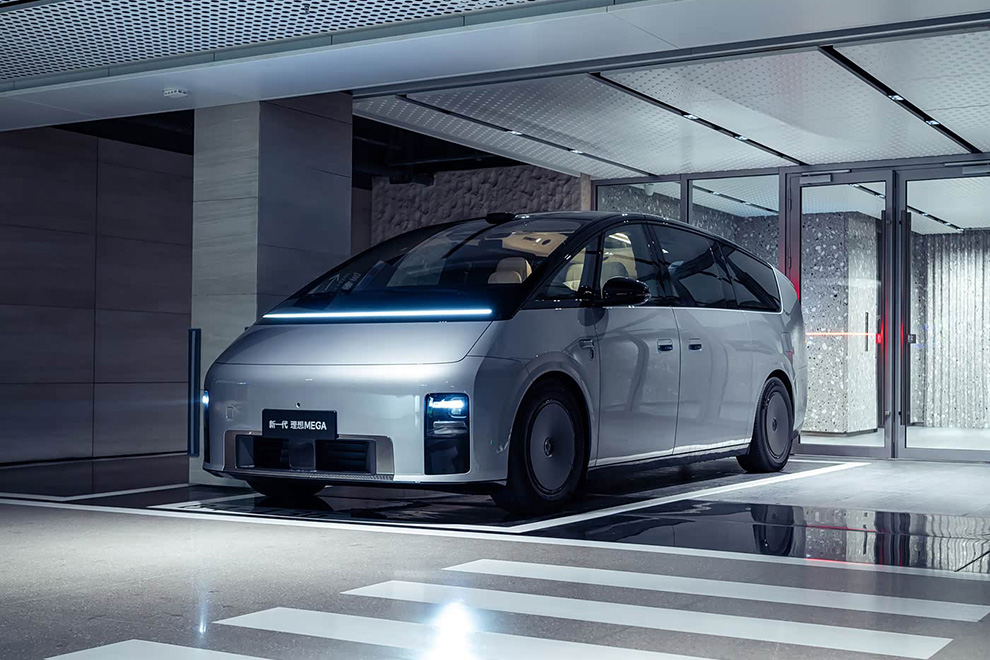
At a glance
- The Mega is a large, premium battery-electric MPV suited to passenger-intensive operators and family use.
- Ultra and family-oriented grades are visible, but exact equipment must be confirmed for each vehicle.
- New and used examples require different evidence, especially for condition, battery health and service history.
- Export prices depend on specification, condition, freight, taxes and Incoterm rather than one fixed benchmark.
- Current per-unit pricing, availability and MOQ terms should be checked in live listings before an RFQ.
Why the Li Auto Mega matters for export markets
The Li Auto Mega occupies an export niche: a premium battery-electric multi-purpose vehicle combining passenger-car comfort with van-like space. For overseas dealers, the appeal is not simply “electric”; it is the ability to offer families, hotels, executive-transport operators and corporate fleets a high-capacity vehicle without choosing between SUV rigidity and conventional MPV packaging. That makes it relevant where operators need one vehicle for several duties: moving business groups, airport or station transfers, hotel guests and family cargo. Buyers should test charging access, road conditions and parking limits, because the category benefits disappear if infrastructure cannot support them.
Demand for this format is strongest where passenger volume, ride comfort and a single-vehicle footprint matter more than purchase price. A dealer can position the Mega against premium electric SUVs and diesel MPVs, but its commercial case rests on utilization: one vehicle replacing two lower-capacity cars can improve dispatch flexibility, while premium comfort helps justify total cost of ownership. The calculation should use local fuel, electricity, insurance, maintenance and toll costs rather than a catalogue figure. For fleet bids, include residual value, utilization days, downtime and charging availability in the model.
The export case also has a communication challenge. Li Auto is better known in its home market than many global premium brands, so overseas buyers need clear evidence of software language, serviceability, parts support and residual-value prospects. A Mega that cannot be supported locally may be unsuitable for fleet use even when its listed equipment appears attractive. Treat brand familiarity, homologation and after-sales coverage as product features, not administrative afterthoughts. Before placing a firm order, ask the seller for evidence, local references and a written support pathway for the destination market.
- Premium electric MPV positioning
- Passenger-intensive commercial use
- Charging and service dependency
Model range, trims and powertrain variants: how the lineup is structured and how to choose
Li Auto Mega listings are organized around named grades, including Ultra Model, Home Family Special Edition, Ultra Smart Refreshed Edition and Ultra. Those labels help identify the version offered, but they are not a substitute for a specification sheet. For export, compare battery version, rated range, motor arrangement, driven wheels, charging capability, seating, luggage capacity and standard equipment on the exact unit rather than assuming similarly named vehicles are identical. Mixed inventory can also carry different refresh levels, so the model-year description and detailed photographs should be reconciled with the seller.
The safest selection method is to build a requirement matrix before comparing trims. A family importer may prioritize rear-seat comfort, luggage flexibility and ease of daily charging; a hotel or executive operator may place greater weight on cabin refinement and all-weather usability; a performance-oriented fleet buyer may ask about output and thermal management. Since the listing names alone do not establish every equipment difference, request the vehicle specification sheet and confirmed options before allocating funds. This also creates a clear paper trail for the eventual purchase and any conversion work.
Powertrain comparison should focus on range variants rather than a single headline figure. Real-world export value depends on how the homologated range relates to local charging intervals, route length, climate and payload. Confirm whether a quoted range is a Chinese test-cycle figure and avoid planning routes around it without an independent buffer. Exact battery capacity, motor output, charging curve and dimensions are not reliably inferred from the trim name, so verify them in the live unit record or with the supplier before signing the purchase or freight booking documents first.
- Multiple grade families
- Refresh versions require verification
- Compare range variants
New vs used Li Auto Mega: how export inventory is structured and how buyers choose
Export inventory may contain both new and used Li Auto Mega vehicles, and the choice should be treated as a risk allocation rather than a simple age calculation. A new example is attractive when synchronized factory delivery, current specification and an undisturbed condition history matter. A used example can be more rational when the buyer values the established vehicle platform, immediate allocation and a lower acquisition requirement, provided the inspection is detailed enough to establish what condition has been transferred instead of a generic model-year label or seller description alone.
For every used vehicle, request a physical or documented inspection covering bodywork, tyres, suspension, cabin wear, electrical functions and service records. Ask for battery state-of-health evidence, warranty status and confirmation of accident, flood or replacement history. The battery report matters because age, mileage, storage and fast charging can affect future usability. A seller’s photographs should support, not replace, an independent inspection and a written description of known defects. Ask whether the odometer reading has been independently verified. Also verify that the diagnostic report corresponds to the VIN, not a similar vehicle.
New vehicles are not automatically cheaper after freight, tax and homologation are added, and used vehicles are not cheaper after repairs, refurbishment and lost resale time are included. Compare total landed cost and expected downtime. Dealers should also consider local warranty administration: a vehicle may be technically sound, but if software, parts or diagnostic support is unavailable, the practical ownership burden can outweigh the acquisition saving. A pre-shipment condition report should identify every flaw, repair, missing item and known operational limitation before shipment. Use an agreed inspection scope for both categories.
- New vehicles favor synchronized fleets
- Used vehicles need battery evidence
- Compare total landed cost
How export pricing works: the factors behind a live listing price, and how to read one
A live Li Auto Mega export price is a calculation combining the vehicle’s commercial attributes with the cost of moving it to the buyer. Model year, trim, range or battery version, mileage, condition, equipment, ownership history and the seller’s commercial terms all influence the base price. Then exchange-rate movement, insurance, transport, port handling, destination charges, taxes and the selected Incoterm can change the final payable total. No single historical figure can represent every vehicle. Ask for a quote with each charge itemised and state which costs remain the buyer’s responsibility.
To read a listing correctly, first separate the vehicle price from the landed cost. Confirm the exact model year, grade, factory options, battery specification, odometer disclosure and condition wording. Then check whether the displayed amount is FOB, CIF or another basis, and whether exchange-rate, freight, insurance, customs and tax estimates are included. If several terms are possible, request the quote under the term your operation actually uses rather than comparing headline amounts. This prevents an apparent saving from disappearing into logistics. It also supports a fair comparison with rival quotations.
The most reliable way to establish current export pricing is to review the live inventory for Li Auto Mega, select the actual unit, and request a written quote for the destination, Incoterm and payment route. Current per-unit prices, availability and the stated minimum order quantity are shown there; they are the binding figures to use. Negotiations should be based on documented condition and specification differences, not on an assumption that every vehicle of the same trim is equal. Ask what changes if that unit sells before discussing a longer-term allocation.
- Specification and condition set base
- Incoterm allocates freight and risk
- Live listings carry current figures
MOQ, ordering and payment: single units vs consolidating a container
Ordering a Li Auto Mega can follow either a single-unit purchase or a consolidated shipment for a dealer, fleet or project. For one vehicle, the buyer still needs a clear specification sheet, condition standard, payment schedule, documentary scope and delivery plan. For several units, consolidation can improve freight planning and administration, but each unit must be matched by model year, grade and condition rather than accepted as an undifferentiated batch. This matters even when the vehicles look similar from a distance. A unit-level allocation sheet prevents substitution errors during loading.
The applicable MOQ is a seller and listing term, not a universal feature of the model. Read it on the live unit record and confirm whether it applies to one SKU, a mixed batch or a customized order. Some sellers will release one unit for immediate dispatch; others may require a larger commercial batch or proof of business purpose. Do not infer flexibility from a low displayed MOQ without confirming payment, transport and after-sales commitments in writing. Changes made during negotiation must be reflected in the final invoice and contract.
A safe payment and ordering sequence is to approve a written specification, reserve the unit, pay through the agreed route, complete pre-shipment inspection, receive export documents and then settle the balance under the stated terms. Clarify who is the exporter of record, what deposit is refundable, when title and risk pass, and what remedy applies if inspection, shipping or customs reveals a mismatch. For container-scale purchases, use a staged schedule tied to documents rather than an unsecured balance. A named contact should own every approval through to loading and departure.
- Read MOQ per listing
- Use unit-level batch allocation
- Tie payment to verified documents
Shipping, homologation and market compliance caveats: LHD/RHD and import rules by country
Shipping a Mega requires planning around a large electric MPV, battery documentation and destination rules rather than treating it as ordinary cargo. Depending on origin, destination and equipment, a specialist vehicle carrier or roll-on/roll-off service may be more practical than forcing the vehicle into an unsuitable container. The forwarder should confirm securing points, loading clearance, route limitations, insurance cover and the treatment of the lithium battery under the transport mode. Do not assume the vehicle can follow a standard used-car route. Get the carrier to review dimensions and battery paperwork.
Steering configuration is a critical sourcing check. Li Auto vehicles sold for China are commonly associated with left-hand-drive production, but an RHD example or a conversion may be available only case by case. Ask the seller for the actual steering position, then verify it in photographs and documents before committing. A conversion can affect parts, cabin controls, insurance, certification and residual value, so it must be declared rather than treated as a minor convenience. Never infer it from the listing title alone. A signed photograph should show the actual cockpit.
Import requirements are not transferable from one country to another. The buyer may need local type approval, VIN and registration checks, safety and electromagnetic-compliance work, proof of charging-system compatibility, customs classification, duties, taxes and local-language materials. Data, cybersecurity or connected-car rules may also affect software use. Confirm the responsible importer, approval pathway and documents before the vehicle ships; neither marketplace approval nor a Chinese homologation label guarantees permission to register or operate locally. Build regulatory lead time into the launch schedule. Local authorities should confirm the applicable route and evidence.
- Confirm steering before purchase
- Coordinate battery transport paperwork
- Local homologation remains buyer-led
Who should buy the Mega — and who should pick a different vehicle
The Mega is a strong candidate for buyers who prioritize a calm, spacious premium environment, abundant luggage capacity and the ability to carry many passengers in one vehicle. It suits hotel groups, airport transfers, executive reception, mobile client services and family buyers who travel long distances with passengers or equipment. It is less convincing for a buyer whose priority is a small footprint, low acquisition outlay, rugged off-road ability or a charging network that cannot support frequent electric operation. Occupancy planning matters as much as headline comfort for commercial buyers.
Commercial operators should model utilization carefully. A premium MPV can consolidate passenger groups and luggage, but the business case depends on local tariffs, insurance classifications, charging time, cleaning, uptime and dispatch rules. Test whether the vehicle’s dimensions fit garage access, loading bays and parking restrictions. For fleets, also consider software support, service intervals, replacement-part lead times and residual value; a model without local technical support can be difficult to operate at scale. Start with a controlled pilot rather than an entire fleet. Measure real utilization and downtime before expanding it.
A different vehicle is usually smarter when the operating country has limited charging, routes are consistently long and charging opportunities uncertain, the buyer needs heavy-duty capability, or the budget prioritizes the lowest cost per seat. Premium electric SUVs may be easier to place in some markets, while MPVs with hybrid or range-extended powertrains can offer operational flexibility. Those alternatives may not match the Mega’s cabin or electric-drive character, so compare the duty cycle instead of selecting on body shape alone. Run the route before choosing the propulsion and charging plan.
- Best for passenger-intensive operations
- Poor fit for weak charging
- Pilot fleets before scaling
Main rivals and how the Mega compares
The Tesla Model X is the closest global alternative for large premium EV buyers, but it is a large SUV rather than an MPV. Buyers who value the Mega’s lower, van-like packaging and flexible passenger-and-luggage arrangement may prefer it; buyers who prioritize a more established international service footprint, charging ecosystem or model familiarity may find the Model X easier. Compare usable cargo space, third-row access and local support rather than treating body labels as interchangeable. Neither choice eliminates charging-network risk in every market. For fleets, add charging time and downtime.
The Mercedes-Benz EQV represents the premium electric MPV route with a conventional van-derived platform and a passenger-van identity. It may appeal to operators focused on maximum interior volume and professional fleet presentation, while the Mega presents a more modern China-designed electric-vehicle proposition with a focus on family and executive comfort. Actual competitiveness depends on the destination’s model availability, charging specification, service network and local operating costs, which can vary substantially by market. Request a like-for-like quotation and specification. Compare both with the same routes, passenger loads and duty cycles.
The BYD Denza D9 is another premium multi-purpose vehicle that competes for hotel, executive and family transport buyers, particularly where plug-in hybrid or range-extended versions offer more charging flexibility. It is not a direct battery-electric substitute for every Mega buyer, so the powertrain decision should follow local infrastructure. The relevant comparison is total operating suitability: passenger layout, luggage, ride, service, charging and regulatory availability—not simply whether both products are called large MPVs. A route-based trial can expose practical differences quickly. Where permitted, include a passenger and luggage trial too.
- Model X: premium electric SUV
- EQV: conventional electric MPV
- Denza D9: flexible premium MPV
Live Li Auto Mega export inventory
View all listings →Real units currently on ChinaCarDirect with per-unit asking prices and MOQ. Availability updates live from the catalogue.
How to buy a Li Auto Mega from China
-
1
Define the operating requirement
Write down passenger load, routes, charging pattern, cargo needs, destination and preferred grade. This prevents a trim being chosen from appearance rather than duty cycle.
-
2
Review the live inventory
Use the Li Auto Mega listings to inspect the current unit-level specification, condition description, price, availability and MOQ. Treat those live figures as the basis for an RFQ.
-
3
Request supporting documents
Ask for model-year, battery, motor, range, charging, dimensions, options, ownership, service and warranty documents. For a used vehicle, require condition and battery-health evidence tied to its VIN.
-
4
Confirm MOQ and payment terms
Clarify whether the listing MOQ applies to one SKU, a mixed batch or a custom order. Put the deposit, balance, title and risk transfer, refund conditions and cancellation terms in writing.
-
5
Validate market compliance
Have the importer confirm homologation, registration, customs, insurance, charging compatibility and software or data requirements. Verify LHD/RHD status before final approval.
-
6
Inspect and book freight
Approve a pre-shipment inspection and written repair or disclosure record. Have the forwarder quote the actual vehicle dimensions, securing, route, insurance and battery-document requirements under the chosen Incoterm.
-
7
Order and track documents
Reserve the selected unit through the agreed route, pay against milestones, and verify export, transport and customs documents before dispatch. Keep the final invoice and condition report with the vehicle file.
Mega vs rivals
| Tesla Model X | The Model X is the strongest like-for-like battery-electric comparator for large premium buyers, but its SUV body sacrifices some of the Mega’s MPV packaging flexibility. Choose the Model X where international service familiarity matters more; choose the Mega where passenger space and lower, van-like packaging lead the brief. |
|---|---|
| Mercedes-Benz EQV | The EQV offers a more conventional van-derived electric MPV, often attractive where maximum volume and fleet utility dominate. The Mega is a strong alternative for buyers prioritizing modern electric-vehicle presentation and family or executive comfort, subject to local model availability and charging support. |
| BYD Denza D9 | The Denza D9 competes in premium passenger transport and may offer hybrid or range-extended flexibility where charging is limited. It is not a direct battery-electric substitute for every Mega buyer, so compare propulsion against actual routes and charging access before selecting it. |
Frequently asked questions
How is Li Auto Mega export pricing determined?
The starting vehicle price reflects year, trim, battery or range version, mileage, condition, options and seller terms. Freight, insurance, exchange rates, taxes, customs and Incoterm can alter landed cost. Review the exact unit in the live inventory and request a written quote for the destination; current per-unit prices and availability are shown there.
What powertrain and range should I expect?
The Mega is a battery-electric MPV, so it has no combustion engine or conventional transmission. Exact battery capacity, motor output, range figures, charging curve and drivetrain depend on the version, so verify them in the unit specification rather than relying on a trim name. Confirm whether a displayed range is a Chinese test-cycle figure and plan a real-world charging margin.
Should I buy a new or used Li Auto Mega?
New examples suit buyers needing current specification and synchronized delivery; used examples can suit buyers seeking an established vehicle or lower acquisition requirement. Used purchases demand inspection, service-history checks and battery state-of-health evidence, while new purchases still need production-date, specification and warranty confirmation. Compare landed cost, expected downtime and local support.
How does MOQ work for a Li Auto Mega?
MOQ is set by the listing or negotiated seller terms, not by the model itself. Read the requirement shown for the chosen unit and ask whether it covers that SKU, a mixed batch or a custom order. A single-vehicle purchase may be possible, while larger buyers may consolidate units, but payment and shipping terms must be confirmed in writing.
What determines shipping time and cost?
Shipping time and cost depend on origin and destination ports, carrier availability, route, vehicle securing, insurance, documentation and the chosen Incoterm. A large MPV and its lithium battery require appropriate carrier planning, so request a freight proposal against the actual unit dimensions. Build customs and homologation lead time into the delivery plan rather than treating the sailing date as the arrival date.
Are spare parts and service support available?
Confirm that replacement parts, diagnostic tools and service procedures are available for the exact version before purchase. Li Auto’s export support may vary by market, so ask the seller for parts references, fault-diagnostic support and a local service pathway. For fleet buyers, include parts lead times and software support in the total cost of ownership.
Is a right-hand-drive Li Auto Mega available?
Do not assume RHD availability from the model name or a marketplace listing. China-origin examples are commonly sold in left-hand-drive form, while a right-hand-drive conversion or market-specific car may need to be confirmed case by case. Check the actual steering position, documents, local homologation and conversion disclosures before paying.
How do I order a Li Auto Mega from China?
Start in the live Li Auto Mega inventory, choose a candidate unit and review its current specification, condition, price, availability and MOQ. Send an RFQ with the destination, Incoterm, quantity, desired model and inspection requirements. After written confirmation, approve the specification, inspection plan, payment schedule and transport terms before dispatch.
Ready to source the Li Auto Mega?
Send an RFQ with your destination, Incoterm and required quantity for a current Li Auto Mega quotation.
Request a quote