
Li Auto One Export Guide for Overseas Buyers
Export a Li Auto One with confidence: compare trims, understand EREV range, pricing, MOQ, shipping, homologation, and rivals for dealers and importers.
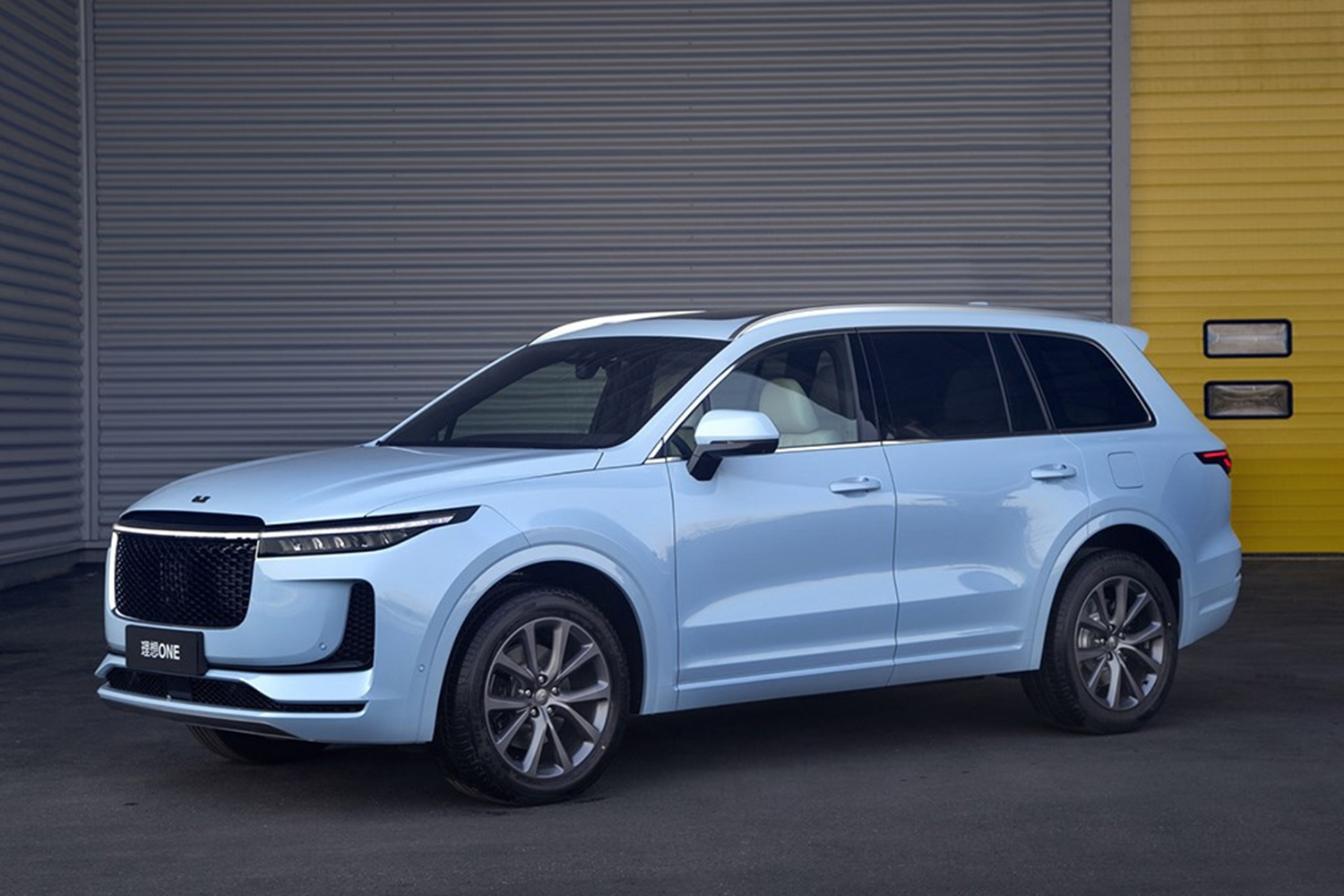
At a glance
- The One combines battery-electric driving with a 1.5-liter turbo gasoline range extender for longer routes.
- Six- and seven-seat configurations address family, executive-transport, and group-travel priorities.
- Battery capacity and published range differ by model generation, making VIN-level verification essential.
- Used sourcing requires careful battery, high-voltage, accident-history, and service-provenance checks.
- LHD or RHD availability, homologation, software support, and landed cost can outweigh headline specifications.
Why the Li Auto One matters for export markets
The Li Auto One is a large, premium-oriented SUV built around an extended-range electric powertrain. That combination gives importers a vehicle that can drive electrically for everyday journeys while retaining a gasoline range extender for longer routes, reducing dependence on public charging. Its spacious cabin and the choice of six- or seven-seat layouts make it especially relevant to family, executive-transport, and hotel-shuttle buyers seeking more utility than a conventional midsize SUV. It is therefore not simply a battery-electric import, but a practical response to markets where charging networks, route lengths, and payload requirements vary widely.
Export appeal comes from a clear proposition: premium cabin space, electric low-speed efficiency, and long-distance flexibility in one vehicle. The One can suit buyers who find a full battery-electric SUV too dependent on charging coverage but do not want to surrender the quiet, responsive character of electric drive. It also gives resellers a more distinctive alternative to familiar Japanese or German hybrids, provided they address software language, service support, and local type approval before committing. Market readiness is therefore as important as specification, especially for smaller dealer networks entering the segment.
The model's strongest export use cases are likely to involve planned routes rather than opportunistic cross-border movement. A company can specify a six-seat executive vehicle, a seven-seat family SUV, or a managed fleet where charging can be installed at the depot. Conversely, an importer with no technical bench, limited parts channels, and no plan for software or battery service should treat the One as a higher-complexity product than its clean electric driving impression may suggest. Buyers should test whether the market rewards these capabilities enough to absorb extra operational work.
- EREV architecture suits mixed charging access.
- Six- and seven-seat layouts serve different fleet priorities.
- Dealer readiness determines real export value.
Model range, trims and powertrain variants: how the lineup is structured and how to choose
The Li Auto One is not a broad multi-powertrain range. Its architecture centers on an extended-range electric vehicle: a 1.5-liter turbocharged gasoline engine generates electricity, while electric motors provide road propulsion and all-wheel drive. Early versions are principally associated with a six-seat cabin; later versions add a seven-seat arrangement. Export buyers should therefore choose first by seating configuration and model generation, then confirm the exact battery, range, and equipment in the vehicle's documents. A marketplace trim label can otherwise conceal substantive differences in battery capacity, range hardware, and cabin flexibility.
Battery and published range figures are version-sensitive, so the year and exact listing matter more than the model name. Early Six-Seater cars commonly use a 32.8 kWh battery and are quoted at 180 km of electric-only range under NEDC; later versions with the 40 kWh battery are commonly quoted at 215 km NEDC. Combined range is also version-dependent. These laboratory figures are not a promise of real-world distance and should not be compared directly with CLTC, WLTP, or local approval labels without conversion and a realistic charging plan for daily use.
Choosing between layouts is straightforward once the operating brief is written down. Six seats preserve a more comfortable second row and suit executive use, family travel, or chauffeured operations. Seven seats add a third row for group travel but reduce second-row space and increase weight. The electric range extender can be useful where daily routes are long and charging is inconsistent, yet the vehicle still benefits from regular charging. Ask each supplier for a battery health report, charging test, and documented service history before selecting a unit for every purchase.
- Six seats prioritize executive and family comfort.
- Seven seats add third-row group capacity.
- Verify battery health and charging performance.
New vs used Li Auto One: how export inventory is structured and how buyers choose
Export inventory for the Li Auto One is weighted toward used examples from the model's original production period, while factory-new examples appear less often. This structure reflects how the vehicle entered the market and makes used sourcing the practical route for many importers. A used purchase can deliver a known specification at a lower acquisition cost, but the buyer must price in age-related depreciation, battery condition, wear, and eventual component replacement. New inventory, when listed, removes much of that condition uncertainty but may not be available in the preferred seat configuration.
A used One is most defensible when the seller can document identity, service history, battery health, and the reason for sale. Ask for an exterior and interior inspection, underbody images, diagnostic report, and evidence of accident repair; the range extender, charging hardware, and high-voltage system should be checked by someone competent. Match the VIN to the production year, seating layout, battery capacity, and options. A visually clean car with incomplete records should be valued and treated more cautiously than one with verifiable evidence before any deposit or balance is paid.
New sourcing is preferable when predictable warranty coverage, factory software, and known component history matter more than upfront cost. The disadvantage is narrower availability and the risk that a replacement vehicle is not the configuration originally specified. For a used unit, the discount only makes sense if residual risk is controlled through inspection and transparent terms; a lower vehicle price can be erased by battery repairs, major wear, or compliance work. Treat new and used vehicles as different procurement products, not merely as two price points in an export program.
How export pricing works: the factors behind a live listing price, and how to read one
A Li Auto One export price should be read as a transaction input, not the buyer's final landed cost. The live amount usually reflects some combination of model year, six- or seven-seat trim, battery version, mileage, condition, options, and the seller's commercial terms. Currency conversion can move that figure even when the underlying vehicle has not changed. On ChinaCarDirect, each live listing shows the current vehicle price and availability; confirm whether it includes export documentation, inland transport, insurance, and sea freight or stops short of them in the seller's written terms.
Vehicle condition and logistics then move the quote independently. Service history, accident repair, paintwork, tires, battery condition, and high-voltage maintenance can justify a large adjustment, while low odometer readings alone do not prove roadworthiness. At destination, container or roll-on/roll-off freight, marine insurance, port charges, inland delivery, customs duties, taxes, and broker fees determine the landed amount. Exchange rates and fuel or carrier surcharges matter, so a quotation should have an expiry date and a clear Incoterm because the same vehicle can be quoted under materially different delivery scopes over time.
To read a live listing effectively, first confirm the exact VIN, model year, trim name, seating layout, battery capacity, odometer, and options. Then check whether the displayed amount is a vehicle-only price, an asking price, or a supplier's bundled export quote; promotional labels should not substitute for a written total. Request a pro forma invoice that itemizes the vehicle, documentation, inland haulage, freight, insurance, and destination charges. That same specification should be compared across sellers, rather than comparing unrelated model-year headlines. A lower asking figure may not mean a lower landed cost.
- Confirm VIN, year, trim, battery, and mileage.
- Separate vehicle price from landed cost.
- Require an itemized pro forma invoice.
MOQ, ordering and payment: single units vs consolidating a container
Every marketplace listing, dealer offer, or export campaign may use a different minimum order; confirm the applicable MOQ on the live listing and pro forma invoice. Some suppliers release one vehicle for direct resale, while Li Auto One wholesale programs may set different payment and dispatch terms. For a test trade, a single-unit order can reduce exposure and allow the importer to validate demand, parts access, and service processes. For a full container, the unit mix must be controlled carefully because battery versions, seat layouts, and condition grades should not be treated as interchangeable units within a shipment.
Ordering mechanics should be defined before a deposit is transferred. The buyer and seller should identify the vehicle by VIN, specify inspection and export-document requirements, name the delivery term, and state when the balance becomes due. A practical sequence is deposit, pre-shipment inspection, balance against document approval, and dispatch, with any warranty or remedy written into the contract. Payment instructions should be independently verified because beneficiary names, intermediary accounts, and last-minute bank-detail changes are common fraud risks in international vehicle transactions. Confirm every change through a known, previously established contact.
Consolidating a container can improve freight efficiency, but it also concentrates risk in one shipment. Agree on the number of units, permitted trim mix, condition standard, inspection standard, and what happens if one vehicle is rejected. Separate the commercial invoice, serial numbers, keys, manuals, and service records by unit so nothing is lost at discharge. Allocate budget for pre-shipment checks, securing, and documentation because small omissions can delay the entire group. A trial shipment may be wiser for a first-time importer than a full container when demand remains unproven locally.
- Confirm the supplier's MOQ for each offer.
- Match every unit to a VIN and inspection standard.
- Put payment milestones and remedies in writing.
Shipping, homologation and market compliance caveats: LHD/RHD and import rules by country
The Li Auto One is an SUV, so transport planning should begin before payment is released. Depending on the vehicle's dimensions and the chosen carrier, a specialist vehicle carrier, roll-on/roll-off service, flat rack, or consolidated container may be appropriate. The battery must be handled under the carrier's and port's rules, with terminals isolated as instructed and vehicle secured to prevent movement. Ocean freight is usually the economic default for regular trade, but it trades lower cost for longer transit; air or priority services cost more and may face battery restrictions.
Most Chinese-market Li Auto One vehicles are left-hand drive, so right-hand-drive availability cannot be assumed. Some destinations require RHD, and a dealer should obtain a genuine RHD example or a documented conversion rather than infer suitability from the steering-wheel position in a photograph. Steering, instrument clusters, lighting, controls, safety systems, and ADAS calibration may require conversion, and the work can affect warranty, residual value, and local type approval. For RHD requests, confirm availability directly for each unit and specify whether any conversion has already been completed and inspected by a specialist.
Import rules differ by country, so the One should not be assumed homologated because it is roadworthy in China. The importer may need a certificate of conformity, local VIN or type plate, customs classification, duty and tax calculation, registration, insurance, and evidence of cybersecurity or software compliance. Because this is an EREV, treatment of the combustion range extender can affect port and registration categories even though the wheels are driven electrically. Use a destination broker to confirm requirements before contracting, and budget for rectification, translation, recall checks, and local roadworthiness testing.
- Confirm LHD or RHD before contracting.
- Obtain destination-country approval before dispatch.
- Use a licensed broker for classification and registration.
Who should buy the One — and who should pick a different vehicle
The One is a candidate for an importer serving families, executive transport, premium ride services, or corporate fleets that combine daily urban travel with occasional long-distance use. Six-seat cars make more sense when passenger comfort in the second row is the priority; seven-seat cars make more sense when occasional group capacity justifies the packaging compromise. Depot charging improves fuel efficiency and operating economics, while the range extender provides flexibility when a route or charging stop is uncertain. Total cost of ownership should include charging access, insurance, servicing, and residual risk.
It is less suitable for buyers whose core requirement is a zero-combustion battery vehicle, especially where incentives or procurement rules exclude range-extender powertrains. The One is also too large and expensive in operation for urban fleet budgets, while its size can complicate parking and loading in older city infrastructure. It is not a rugged off-road tool, and buyers who need established European or Japanese service networks may prefer a mainstream rival. Importers unable to support infotainment, replacement parts, and high-voltage diagnostics should not treat the vehicle as a low-risk import.
A prudent first purchase is a monitored pilot rather than a large speculative commitment. Use live listings to compare a six-seat and seven-seat example where available, then inspect the most competitive vehicle rather than buying on trim labels alone. Test charging speed, cabin software, reversing cameras, local connectivity, ride comfort, and service access with experienced staff. If the pilot performs well, plan the next purchase only after measuring delivery time, customs friction, parts lead times, and buyer interest. This sequence converts uncertainty into evidence and protects the wider rollout plan.
Main rivals and how the One compares
The closest alternatives depend on whether the buyer prioritizes size, powertrain, or brand support. The AITO M5 is a smaller extended-range SUV with a more car-like emphasis; BYD Tang DM-i is a seven-seat plug-in-hybrid family SUV with a different energy architecture; and the Hongqi E-HS9 is a full-size premium extended-range alternative with a higher positioning. Specifications and export readiness change by market and year, so compare the exact imported derivative, not showroom-only versions. The One's distinctive balance is generous cabin space, electric drive, and long-distance flexibility in its original segment.
Against the AITO M5, the One offers a larger, more spacious cabin and a stronger six- or seven-seat focus, while the M5 may appeal to buyers seeking smaller dimensions and a more road-focused format. Against the BYD Tang DM-i, the One offers a more electric-driving experience, while the Tang benefits from BYD's wider international recognition and plug-in-hybrid flexibility. Neither comparison is universal: charging habits, service coverage, software localization, and import rules may matter more than the powertrain label. Test the actual vehicle with local users before making a fleet decision.
Against the Hongqi E-HS9, the One is the less imposing, earlier-generation choice, with a simpler six- or seven-seat family brief. The E-HS9 may better suit buyers prioritizing a luxury flagship image, newer technology, and a larger footprint, but its ownership and import proposition should be assessed independently. The One may also be easier to specify through an established used-vehicle channel, subject to live availability and inspection. Whichever vehicle wins on paper, the decisive test is landed cost, homologation effort, parts availability, and resale demand in the destination. A close comparison should use documents and inspection evidence, not brochure range alone.
- AITO M5: smaller extended-range alternative.
- BYD Tang DM-i: seven-seat plug-in-hybrid option.
- Hongqi E-HS9: larger premium extended-range rival.
Live Li Auto One export inventory
View all listings →Real units currently on ChinaCarDirect with per-unit asking prices and MOQ. Availability updates live from the catalogue.
How to buy a Li Auto One from China
-
1
Set the destination and operating brief
Define the country, LHD or RHD requirement, six- or seven-seat layout, expected routes, charging plan, and intended resale or fleet use.
-
2
Filter the live inventory
Use the current Li Auto One listings rather than historical prices or assumed availability. Shortlist vehicles by year, trim, battery version, mileage, condition, and options.
-
3
Verify the VIN-level specification
Request the VIN, production details, battery capacity, service records, charging test results, and photographs. Confirm that the listing description and documents describe the same vehicle.
-
4
Commission a pre-purchase inspection
Use an independent inspector familiar with high-voltage vehicles. Check battery health, DC charging, range-extender operation, accident repairs, underbody condition, tires, brakes, and diagnostic faults.
-
5
Confirm destination compliance
Ask a licensed destination broker about homologation, customs classification, taxes, registration, insurance, emissions treatment, charging standards, and any RHD conversion requirements.
-
6
Request an itemized landed quote
Require a pro forma invoice covering the vehicle, export documents, inland haulage, freight, insurance, port charges, taxes, and delivery scope. State the Incoterm and quotation validity.
-
7
Secure payment and dispatch
Verify the beneficiary account independently, agree inspection and payment milestones in writing, and release funds only against the contracted documents. Book the carrier after confirming shipment readiness.
One vs rivals
| AITO M5 | Also an extended-range SUV, but generally smaller and more driver-focused. It may suit buyers prioritizing maneuverability and a newer model generation, while the One better serves six- or seven-seat space and executive comfort. |
|---|---|
| BYD Tang DM-i | The Tang uses a plug-in-hybrid system and benefits from BYD's wider international brand recognition. It is compelling for buyers prioritizing wider support and seven-seat utility, while the One provides a more electric-focused driving experience. |
| Hongqi E-HS9 | The E-HS9 is a larger premium EREV with a stronger flagship image and newer technology. It better fits luxury buyers seeking maximum size, while the One offers a more restrained family and executive package. |
Frequently asked questions
How is the Li Auto One export price determined?
The live price reflects model year, trim and seating layout, battery version, mileage, condition, options, seller terms, and currency effects. Freight, insurance, port charges, taxes, and customs can change the landed cost, so request an itemized pro forma invoice. On ChinaCarDirect, the current binding vehicle price and availability are shown on each live listing.
What powertrain and range should I expect from the Li Auto One?
The One uses a 1.5-liter turbo gasoline range extender, dual electric motors, and all-wheel drive. Early 32.8 kWh cars are commonly rated for 180 km NEDC electric-only range, while later 40 kWh cars are commonly rated for 215 km NEDC. Combined range also varies, and real-world performance depends on loading, speed, weather, terrain, and charging habits.
Is a used Li Auto One a better choice than a new example?
A used One can offer a lower acquisition cost and a readily identifiable specification, but the buyer assumes more uncertainty regarding battery condition, wear, repairs, and service history. A new vehicle may provide more predictable history and warranty availability, although configuration and delivery timing can be more restrictive. Choose based on inspection evidence and total operating risk rather than condition alone.
What is the MOQ when buying a Li Auto One from China?
Some suppliers accept single-unit orders, while container campaigns may impose different minimums, payment conditions, and dispatch arrangements. Do not infer a blanket MOQ from another vehicle or listing. Confirm the applicable MOQ on the specific live listing and in the written pro forma invoice.
How long does shipping take and what determines its cost?
Transit time depends on the transport method, origin and destination ports, carrier schedule, congestion, weather, and documentation readiness. Cost is influenced by vehicle dimensions and weight, container or roll-on/roll-off method, fuel, insurance, port charges, inland delivery, duties, and the selected Incoterm. Ocean transport is generally the economical regular-trade option, while faster services carry higher cost and possible battery restrictions.
Are spare parts and technical support available for the Li Auto One?
Parts can be ordered by VIN and production date through Li Auto or specialist suppliers, but availability and lead times vary by component. High-voltage parts, infotainment components, software services, and ADAS calibration may require specialist support. Confirm the seller's parts channel and warranty process before importing, especially for a first-time EREV program.
Is right-hand-drive Li Auto One availability guaranteed?
No. Most China-origin examples are left-hand drive, and a genuine RHD vehicle may not be available for every configuration. RHD conversion can affect steering, instruments, controls, safety systems, warranty, and local approval, so confirm the VIN, conversion status, inspection, and destination-country requirements before contracting.
How do I order a Li Auto One for export?
Start with the live inventory, select a vehicle by VIN-level specification, and request an itemized export quotation. Complete independent inspection and destination-compliance checks before transferring a deposit, then document payment milestones, shipping scope, and remedies in the sale contract. Verify bank details independently and release the balance only against the agreed inspection and export documents.
Ready to source the Li Auto One?
Request a quote to buy a Li Auto One from China, with live vehicle availability and destination-specific compliance guidance.
Request a quote