
Lincoln Continental Export Guide for Overseas Buyers
Export buyers' guide to Lincoln Continental trims, 2.0T and 3.0T options, pricing logic, shipping, compliance and live inventory sourcing.
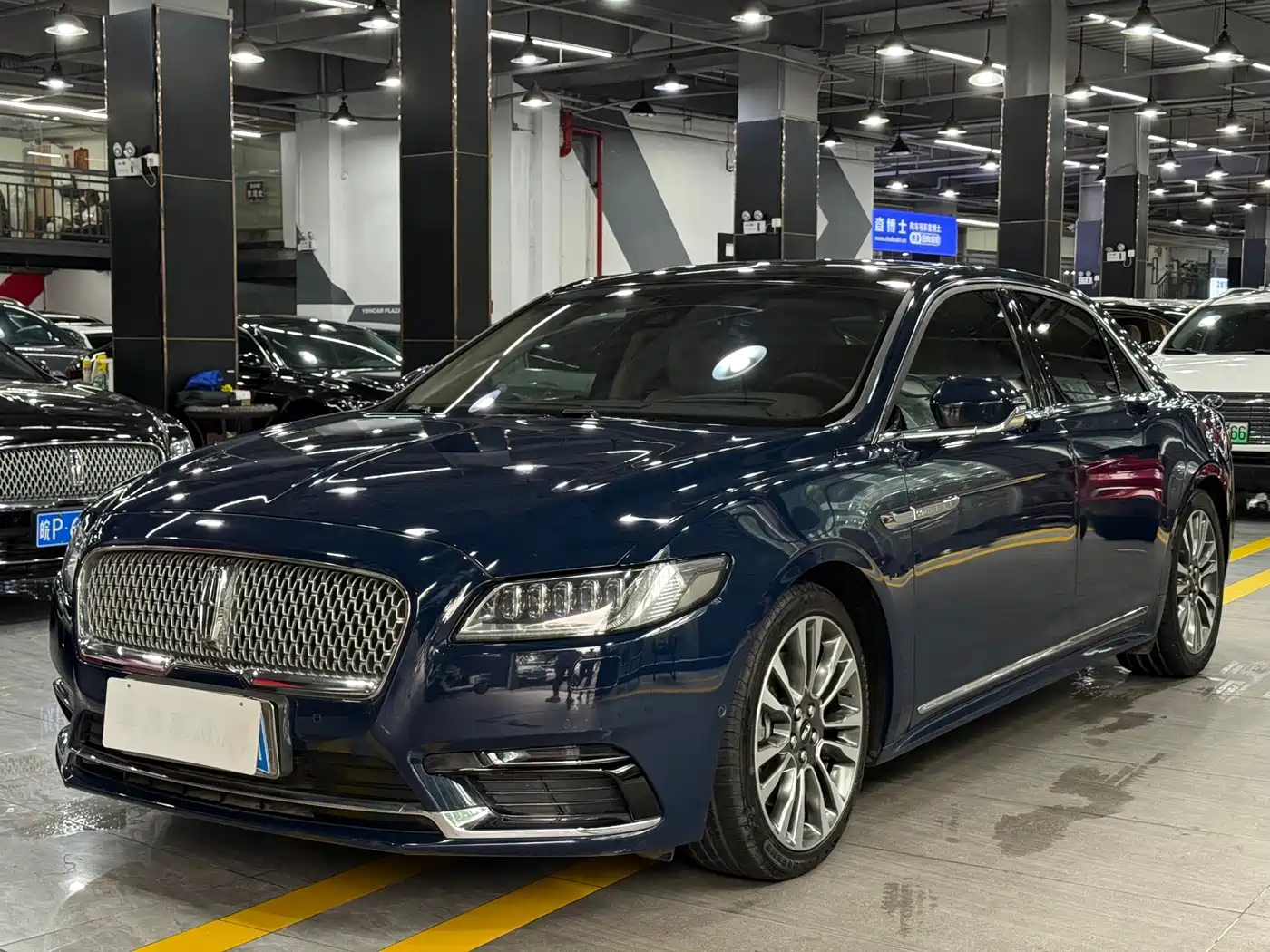
At a glance
- The Lincoln Continental is a midsize luxury sedan suited to executive and chauffeur use.
- Buyers can compare 2.0T 2WD with 3.0T AWD and 4WD derivatives.
- China V and China VI labels describe domestic emissions generations, not export approval.
- New and used units require different evidence for condition, ownership and history.
- Live listings and written quotations define current price, MOQ and availability.
Why the Lincoln Continental matters for export markets
The Lincoln Continental is a midsize luxury sedan with a design-led, chauffeur-friendly proposition and a position between mainstream executive cars and larger flagship sedans. In China, the export-relevant lineup combines 2.0T 2WD models with 3.0T AWD or 4WD configurations, depending on trim. That spread matters because buyers can prioritize lower mechanical complexity or all-weather traction rather than treating every Continental as one interchangeable specification. It is a strong candidate for dealers seeking a visually distinctive premium sedan, but its value depends on comparing the exact derivative rather than the badge alone.
For overseas buyers, the Continental's export appeal comes from Chinese-market equipment and turbocharged choices with a premium badge less conventional than several German or Japanese alternatives. This can help an importer build a differentiated showroom for executive customers, hotel and chauffeur fleets, or corporate reception buyers. It also suits buyers who value a formal profile and comfortable-car brief more than sports-car dynamics or all-electric operation. Demand is not uniform: tax treatment, fuel standards, road conditions and local servicing support will determine whether the model converts well in a particular country.
Most importantly, a Chinese-built Continental should be assessed as a market-specific vehicle rather than a shortcut to the version sold under the Lincoln name elsewhere. Specification, emissions labeling, steering position, equipment and parts organization may vary by production market and model year. A buyer who understands those differences can identify a strong executive-sedan program; one who treats the badge as proof of identical specification may encounter surprises at registration, insurance or service. The export question is therefore whether this derivative is legal, supportable and competitively priced for its intended role.
- Midsize luxury sedan with executive and chauffeur appeal.
- 2.0T 2WD and 3.0T AWD or 4WD choices.
- Market-specific equipment and compliance require verification.
Model range, trims and powertrain variants: how the lineup is structured and how to choose
The lineup is organized around a straightforward choice: 2.0T 2WD or the more powerful 3.0T with AWD or 4WD, paired with comfort-oriented trims such as Zunyao, Zunyue or Zunya, Elegance, Premium, Prestige and Presidential. Listings can also carry China V or China VI emissions designations. Those labels identify the domestic specification, but they do not establish approval in an export market. Buyers should separate three layers: powertrain, equipment grade and regulatory designation, then confirm all three against the VIN and seller's documentation before relying on a listing description as a complete buying guide.
A 2.0T 2WD Continental can suit buyers when roads are paved, workloads are light and priority is placed on fuel economy, lower acquisition complexity and straightforward servicing. The 3.0T AWD or 4WD versions suit buyers who value torque reserve, confident traction and a higher-grade presentation. Neither choice is automatically superior: output, weight, tire cost and insurance class can alter operating economics. Because a trim designation does not reveal every mechanical detail, compare the driven axle, gearbox, tires and equipment against the intended use rather than extrapolating from the edition name.
For overseas comparison shopping, build a trim-by-trim matrix rather than asking which Continental is best. List engine, drive system, emissions label, transmission, wheel-and-tire package, seating, infotainment, climate equipment, driver-assistance features and included options for each candidate. Confirm whether advertised equipment is standard, fitted at the factory or presented as an option. Then review dimensions and load capacity against local garage and fleet requirements. A premium buyer may value rear-seat comfort and cabin technology, while a fleet buyer may prioritize durability, service access and the availability of replacement parts in the destination country.
- 2.0T 2WD favors operating simplicity.
- 3.0T AWD or 4WD favors traction and reserve.
- China V and VI labels are not export approvals.
New vs used Lincoln Continental: how export inventory is structured and how buyers choose
China-origin export inventory can be composed in several ways: factory-new cars held by dealers or manufacturers, parallel-imported vehicles, former demonstration cars, ex-fleet units and used cars entering the export channel through licensed trading routes. Each source has a different evidence trail. New vehicles should be checked for production date, delivery status and whether they are genuinely unused; used vehicles require condition reports, mileage evidence, ownership history and a clear title or release document. The key distinction is not the inventory badge, but the documentation and condition supporting each sale unit.
A new Chinese-specification Continental generally offers the cleanest ownership narrative, standardized equipment and easier comparison with factory documentation. It may also carry a manufacturer warranty, although buyers must verify its territorial coverage, validity and exclusions. New does not mean recent: production age, storage conditions and option content can affect resale perception and negotiation. Dealers may prefer standardized units for simpler preparation, while fleet operators may prioritize a known configuration over cosmetic variety. Ask for the VIN, build sheet, warranty terms and evidence of no prior use before treating a listing as new.
Used Continental opportunities can make sense when acquisition cost matters more than factory presentation, particularly for buyers comfortable with refurbishment or shorter ownership periods. The trade-off is uncertainty: paint condition, tire age, cabin wear, service history, accident repair and electronic faults can be difficult to assess from photographs. A used unit may also attract age-based import restrictions or lower residual value. Treat mileage, condition, trim, drivetrain and documentation as separate value drivers, and have an independent inspection cover structural areas, fluids, warning systems, restraint equipment and a cold start. Never infer condition from model year alone.
- New cars need build-date and prior-use checks.
- Used cars need condition and ownership evidence.
- Age, mileage and condition affect landed value.
How export pricing works: the factors behind a live listing price, and how to read one
A live Continental export price reflects several interacting variables, not a fixed model-level tariff. Model year and production age, edition, engine, drivetrain, emissions designation, mileage, condition, factory options and ownership history influence the starting point. Market conditions then add or remove value: exchange rates, seller margin, domestic transport, export documentation, financing, insurance, freight and the Incoterm can change the amount payable. Two vehicles with the same name may therefore occupy different positions on a buyer's screen. Compare the underlying vehicle first, then calculate the complete landed commitment using current written quotations.
Read a listing as commercial terms rather than a final invoice. The displayed vehicle price may not include destination charges, customs duty, VAT or sales tax, port fees, inland delivery, insurance, inspection, registration or dealer preparation. Check whether the seller offers FOB, CFR, CIF or another term, because responsibility for cost and risk changes at the named point. Clarify whether export documents, original keys, tools, manuals and warranty papers are included. For a gasoline sedan, ask for maintenance history and emissions documentation rather than relying on the trim badge alone.
The most defensible procedure is to open the live inventory, select the desired derivative, record its listed amount, then request a written quote for the same vehicle using a stated destination and Incoterm. Ask the supplier to separate vehicle cost, inland logistics, export charges, freight, insurance and destination-side estimates they can arrange. Exact prices, availability and terms can change, so the live listing and supplier confirmation are binding references. A dealer can then compare competing sedans on the same landed-cost basis rather than comparing an export-ready Continental with a locally taxed competitor.
- Compare matching year, trim and drivetrain.
- Separate vehicle price from landed costs.
- Use the live listing and written quote.
MOQ, ordering and payment: single units vs consolidating a container
Minimum order quantity is a supplier and listing term, never something to assume from the model name or marketplace impression. Some offers may be structured for one vehicle, while others may require several units or container terms. An importer wanting one Continental should ask whether that SKU can be released individually and whether the seller will combine it with compatible orders. For larger programs, define the mix by trim and drive system before consolidation, because freight savings can be outweighed by slow-moving stock if the wrong specification is also shipped.
Single-unit buying and container consolidation use the same basic sequence but differ in priorities. A single-car buyer can test a seller, reduce inventory exposure and choose a derivative, but may have less control over freight terms or unit negotiation. Consolidation can improve freight efficiency and create leverage, yet it requires more capital, an allocation plan and careful matching of buyers, documents and schedules. Do not mix trims solely to fill space; verify that every vehicle has condition, paperwork and clear home-market demand. Splitting a mixed shipment among clients can also complicate damage claims.
A sound order starts with the SKU or allocation, followed by a pro forma invoice stating the vehicle description, Incoterm, milestones, document list, warranty treatment and dispatch process. Payment stages commonly move from deposit to balance against document or shipment milestones, but the exact sequence must be agreed in writing. Buyers should use a traceable payment channel, verify beneficiary details and avoid paying from a message description alone. The release record should tie every payment and document to the correct VIN, preventing substitution between trims or vehicles in a consolidated group.
- Confirm listing-level MOQ before ordering.
- Consolidate only within a clear demand plan.
- Tie every milestone to the correct VIN.
Shipping, homologation and market compliance caveats: LHD/RHD and import rules by country
Steering configuration is the first practical export check. China-market Continental examples are commonly left-hand drive, but an importer must not assume every export listing suits a right-hand-drive country. Confirm the steering position from the VIN, photographs and build documentation; do not treat a later conversion as a substitute for factory approval. Where right-hand drive is essential, proceed only if the seller can provide a model genuinely configured and documented for that market. Local registration rules can override preference, so an importer or homologation specialist should verify eligibility before committing funds or freight.
China V and China VI labels describe domestic emissions generations and do not prove approval for another country. Import rules may cover emissions, safety, VIN and type approval, customs value, duty, taxes, minimum age, quotas and registration. Some destinations permit selected drive systems or engine versions, while others apply penalties that change rapidly. Obtain a written compliance assessment based on the VIN and vehicle class, and confirm whether the seller can issue needed export documents. A showroom-worthy car can still be uneconomic if homologation or duty alters the landed cost.
Shipping should be planned around value, urgency and risk tolerance. Ro-Ro sailing can suit a single sedan, while container transport can suit grouped purchases, provided loading, securing and weight distribution are properly handled. The quotation should separate origin charges, freight, insurance, destination handling, customs brokerage and inland delivery, and state the route and Incoterm. Pre-shipment inspection is valuable for unfamiliar used units. Preserve photographs, the condition report and packing record, review insurance exclusions, and keep the release file with the shipment. Delayed documents or missed sailings can create storage charges before arrival.
- Verify factory steering configuration first.
- Check destination type approval and taxes.
- Inspect, insure and preserve shipping records.
Who should buy the Continental — and who should pick a different vehicle
The Continental fits dealers, executive-fleet operators and buyers who want a design-focused sedan for chauffeur or corporate use rather than minimum-cost urban transport. The 2.0T 2WD choice can serve organizations prioritizing operation on good roads, while the 3.0T AWD or 4WD option may suit regions where traction or performance matters. It also gives an importer a distinctive alternative to the usual German trio. The fit is strongest when the buyer values cabin presence and rear-passenger comfort, has servicing arrangements and can target a segment where the specification and price create an advantage.
It is a weaker fit for buyers whose priorities are lowest purchase cost, minimal operating expense, high cargo capacity, sharp handling or an available electric drivetrain. Luxury insurance, tire replacement, scheduled maintenance and fuel use can outweigh an acquisition price, especially for a high-mileage fleet. An EV-focused buyer may prefer a model with charging and battery support. Drivers requiring right-hand drive should choose a market-approved alternative if China-origin RHD supply is not documented. Here, a Japanese executive sedan, a locally serviced premium model or another body style may reduce operational risk.
A decision compares total cost and supportability, not badge appeal in isolation. Add registration, duty, tax, freight, insurance, maintenance, tires, depreciation and downtime to the cost, then compare that result with rivals on identical terms. Test the dealer case: can the vehicle be sourced consistently, can parts be identified, and can a technician diagnose its electronics after warranty work ends? For fleet use, review duty cycles, passenger space and uptime rather than styling. If the Continental cannot win on landed economics, local support and residual-value confidence, positioning does not compensate for those weaknesses.
- Strong for executive, chauffeur and fleet use.
- Weak for minimal-cost or cargo-led needs.
- Require local parts and service support.
Main rivals and how the Continental compares
The Cadillac CT5 is a close alternative for buyers who want a premium sedan with a more driver-focused character. It offers a different balance from the Continental: buyers may prioritize rear-wheel-drive dynamics, styling and dealer familiarity over the Lincoln's formal, comfort-led presentation. Where available, the CT5's AWD versions can also serve all-weather needs, so comparison should focus on the exact derivative. For a dealer, evaluate floor space and corporate accounts. For a private buyer, compare rear-seat comfort and ride quality directly, because segment labels can hide very different cabin priorities.
The Lexus LS is the closest comfort-and-presence comparator for many executive buyers, with a similarly traditional luxury-sedan brief and a reputation for a calm cabin. The key caveat is model-cycle availability: compare supported examples in the destination rather than assume an equivalent specification is locally available. The Continental may offer a different design language and a choice between 2.0T 2WD and 3.0T all-wheel-drive variants. Evaluate maintenance networks, parts lead times, fuel economy and residual outlook because prestige does not guarantee lower ownership cost. A test drive should include rear-seat travel.
The Audi A6 is a familiar business-sedan benchmark and an operational choice where the brand has a local service network. It gives buyers access to engine and electrified choices, depending on market and year, whereas the China-linked Continental program is concentrated around the 2.0T and 3.0T derivatives. The Audi may be easier to compare with stock and finance terms. The Continental counters with stronger visual distinction and formal, comfort-oriented character. Choose the Audi for ecosystem certainty; choose the Continental when its design, equipment and operating proposition create a commercial advantage.
- CT5 favors a more driver-focused proposition.
- LS emphasizes traditional comfort and presence.
- A6 offers a broader global service ecosystem.
Live Lincoln Continental export inventory
View all listings →Real units currently on ChinaCarDirect with per-unit asking prices and MOQ. Availability updates live from the catalogue.
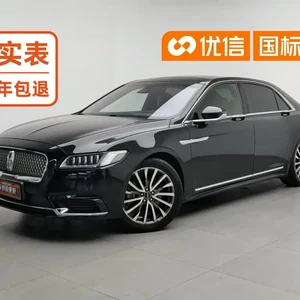
Lincoln Lincoln Continental 2019 2.0T 2WD Zunyao Edition China VI
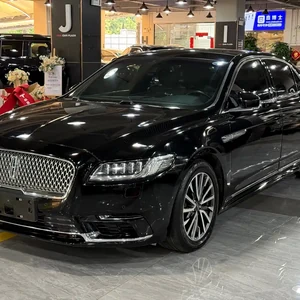
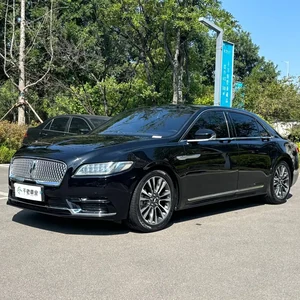
How to buy a Lincoln Continental from China
-
1
Filter the live Continental inventory
Use the Lincoln Continental listings to filter by year, powertrain, drivetrain, condition and preferred edition. Open the exact listing and record its SKU, location and current displayed terms.
-
2
Confirm the exact derivative
Verify the VIN, engine, drive system, steering position, emissions label, transmission and factory options. Request a build sheet or specification sheet for the vehicle being considered.
-
3
Request a landed quotation
State the destination, Incoterm and planned quantity, then ask for vehicle cost, inland transport, export charges, freight, insurance and destination-side fees to be separated.
-
4
Verify MOQ and payment terms
Confirm whether the selected listing can be sold individually or requires consolidation. Put the allocation, payment milestones, beneficiary details, warranty treatment and release conditions in writing.
-
5
Order and complete documents
Use a traceable corporate payment channel and tie the invoice to the correct VIN. Obtain the agreed export documents, keys, manuals, service records and warranty papers before dispatch.
-
6
Inspect before shipment
Arrange a pre-shipment inspection covering exterior condition, tires, fluids, warning systems, interior, chassis and documentation. Record any discrepancy and its resolution before release.
-
7
Ship, clear and register
Confirm the route, insurance coverage, delivery terms and destination charges. Complete customs clearance, local homologation, payment of applicable taxes and registration before releasing the vehicle.
Continental vs rivals
| Cadillac CT5 | The CT5 is a credible alternative for buyers who prefer a more driver-focused premium sedan and conventional dealer familiarity. Compare rear-seat comfort, drive configuration, service support and landed cost rather than assuming it is a direct specification match. |
|---|---|
| Lexus LS | The LS competes strongly in traditional comfort, refinement and executive presence, although supported examples vary by destination and model cycle. The Continental offers a more distinctive design and a defined choice of 2.0T 2WD or 3.0T all-wheel-drive derivatives. |
| Audi A6 | The A6 often has the advantage of a more familiar global service ecosystem and market-dependent engine or electrified choices. The Continental is the more distinctive option for buyers prioritizing its design and formal, comfort-oriented character. |
Frequently asked questions
How is Lincoln Continental export pricing determined?
A live price reflects the vehicle's year, trim, engine, drivetrain, condition, mileage, options, seller terms and current export logistics. The displayed vehicle price may exclude freight, duty, insurance and destination charges, so request a written landed quotation. ChinaCarDirect's live inventory provides the current per-unit price and availability.
Which Lincoln Continental powertrains are available?
The China-linked range includes 2.0T 2WD derivatives and 3.0T versions with AWD or 4WD, depending on trim. These are gasoline vehicles, so electric battery range does not apply. Confirm the exact engine, transmission and drive system from the individual listing.
Should an overseas buyer choose a new or used Continental?
A new unit generally offers a clearer ownership narrative, standardized specification and more straightforward comparison, but production age and warranty coverage still require checking. A used unit can reduce acquisition exposure but needs stronger evidence covering condition, mileage, service history, title and accident repair. The better choice depends on the buyer's refurbishment capacity, budget and resale plan.
What is the MOQ for a Lincoln Continental export order?
MOQ is set by the seller and the individual listing; it should not be assumed from the model name or a general catalogue rule. Some offers may permit an individual vehicle, while others may require several units or container terms. Confirm the requirement and allocation method before paying a deposit.
What affects Lincoln Continental shipping time and cost?
Origin handling, freight method, route, sailing availability, port congestion, customs clearance, insurance, documentation and destination delivery all affect the total. A grouped order may improve freight efficiency, but the vehicle's value and urgency determine whether that approach is sensible. Obtain a quote with a stated Incoterm and delivery destination.
Can overseas buyers obtain Lincoln Continental spare parts?
Parts planning should begin before shipment. Request VIN-based parts references, maintenance records, manuals and the original release file, and ask the seller which components are readily exportable. Also identify a local service network or credible aftermarket source, especially for trim-specific body, interior and electronic components.
Is a right-hand-drive Lincoln Continental available from China?
Right-hand-drive availability must be confirmed for each vehicle and destination. Chinese-market examples are commonly associated with left-hand drive, and a later conversion may not satisfy local registration requirements. Do not commit funds until factory configuration, documentation and local approval have been checked.
How do I order a Lincoln Continental from China?
Start with the live Lincoln Continental listings, select the required derivative and send the vehicle details, destination, quantity and preferred Incoterm for quotation. After confirming MOQ, payment milestones and documents, place the order against the correct VIN. Complete pre-shipment inspection, transport, customs clearance and local registration before final delivery.
Ready to source the Lincoln Continental?
Send ChinaCarDirect your destination, preferred trim and purchase plan for a current Lincoln Continental quotation.
Request a quote