
Lincoln Mkx Export Buying Guide for Overseas Buyers
Buy a Lincoln Mkx from China with practical guidance on trims, export pricing, MOQ, shipping, compliance and choosing the right vehicle for your market.

At a glance
- The Mkx is a gasoline-powered midsize luxury crossover with turbocharged four-cylinder and V6 choices.
- Trim, engine, drivetrain and model year can materially change equipment, operating costs and buyer appeal.
- A live unit price is only the starting point: freight, Incoterm, taxes, duties and compliance work determine landed cost.
- Single-unit ordering may suit importers, but the supplier-specific MOQ and inspection terms must be confirmed.
- LHD/RHD configuration, local homologation and parts support should be resolved before a deposit is paid.
Why the Lincoln Mkx matters for export markets
The Lincoln Mkx occupies a useful middle ground between compact premium SUVs and larger luxury crossovers: it offers a premium cabin, turbocharged engine choices and the practicality of a five-door, midsize body. For overseas dealers, that positioning matters because it creates a distinctive inventory option for customers who want an American luxury badge without moving into a full-size SUV. It is also more road-focused and, in many configurations, easier to manage than a large off-road-oriented model. Its value proposition is strongest in markets where imported premium vehicles have a service and resale audience, but sales still depend on local brand recognition.
Global demand should not be treated as uniform. The Mkx is a specialized model, so export opportunities are likely concentrated among luxury dealers, regional distributors and buyers seeking a used premium crossover with petrol-powered operation. In markets with strong European-brand awareness, it must be positioned on comfort, equipment and value rather than badge alone. This distinction helps importers avoid assuming a niche American name will create volume by itself. Local tax bands, fuel costs, insurance and servicing can materially affect the proposition, especially for a vehicle sold mainly on import appeal.
For fleet and dealer buyers, the Mkx works best as a complementary model rather than the core of a high-volume programme. Its refined road manners and premium cabin suit executive transport, chauffeur use or a small hospitality fleet where the brand has recognition and maintenance can be supported. Before committing, test whether the same budget could support a more fuel-efficient, more widely serviced or electrified alternative. A narrow customer pool is acceptable for a specialist importer, but it should be reflected in conservative sales forecasts and realistic remarketing assumptions at launch and beyond.
- Confirm local brand recognition.
- Lead with comfort and value.
- Target specialist fleet use.
Model range, trims and powertrain variants: how the lineup is structured and how to choose
The Mkx range is organized around two turbocharged petrol engines and a changing set of luxury trims. The 2.0T is a turbocharged four-cylinder intended to balance performance with operating economy, while the 2.7T is a turbocharged V6 for buyers who prioritize stronger acceleration, towing capability and a more relaxed highway character. Names such as Elegance, Premium and Prestige appear in the export market, but equipment and drivetrain combinations can change by model year. Buyers should therefore compare the complete vehicle, not assume a trim badge is consistent across years or destination market.
Drivetrain is the next critical choice. The label alone does not describe ground clearance or off-road hardware. The lineup includes 2WD/front-wheel-drive versions, all-wheel-drive configurations and listings that use the term 4WD for an all-wheel-drive vehicle. For ordinary premium-CUV use, AWD can add wet-weather confidence and help the 2.0T maintain traction, while the 2.7T naturally attracts buyers who want more torque and load-carrying ability. It should not be read as proof of serious off-road engineering: confirm the actual axle layout, tyre specification, ground clearance and towing limits in the live listing and documentation.
A sensible selection method starts with the use case rather than the badge. Choose the 2.0T when fuel use, urban drivability and lower acquisition exposure matter most; consider the 2.7T when performance, passenger comfort at speed or towing is central. Within either engine, compare standard equipment, wheel-and-tyre package, infotainment compatibility, cabin materials and service history. A Prestige-labelled car may suit a high-spec buyer, but an Elegance or Premium unit with the right options can be more commercially rational in a price-sensitive market. The final comparison should reflect the destination's fuel costs, road conditions and customer expectations.
- 2.0T: efficiency-led four-cylinder.
- 2.7T: performance-led V6.
- Verify each drive configuration.
New vs used Lincoln Mkx: how export inventory is structured and how buyers choose
Export inventory can be presented in new and used condition categories, but a buyer should look behind the label. Vehicle age, prior registration, odometer reading, cosmetic condition, service history and export or customs status all determine whether a unit is genuinely comparable to another. A vehicle classified as new may still be an aged registration held in stock, so “new” should not automatically be interpreted as zero mileage or factory-current. Ask for the registration document, VIN, production date and a dated condition inspection before assigning a category in your own procurement system.
A used Lincoln Mkx can be attractive where buyers want a premium vehicle at a lower acquisition commitment, but it requires stricter inspection. The turbocharger, cooling system, timing-related maintenance, automatic transmission, electronic modules and suspension components deserve attention, while an independent road test can reveal noise, hesitation or warning lights. Lower entry cost does not remove repair risk: service history and regional parts access may be more important than the original trim. For a dealer preparing vehicles for resale, condition grading should be based on evidence rather than catalogue wording alone.
New-category vehicles generally reduce uncertainty about prior wear and may arrive with more predictable equipment, yet they can carry depreciation, storage-related issues or model-year carryover depending on how long they have remained unsold. The better choice depends on the customer segment and total cost of ownership. A fleet buyer may prefer simpler preparation and standardized specification; a luxury dealer may prefer a newer or lower-mileage demonstration unit. In either case, obtain the same documents, inspection standard and warranty terms so the comparison remains commercially fair and consistent across every shortlisted vehicle.
How export pricing works: the factors behind a live listing price, and how to read one
A live Mkx export price is not a universal market rate. It reflects the individual vehicle’s model year, trim, engine, drivetrain, mileage, condition, equipment, ownership history and the seller’s commercial terms. The seller may also build in exchange-rate movements, export preparation, inland transport, documentation, financing or margin. Because those inputs change, the only meaningful price is the one attached to the actual unit and confirmed at the time of quotation. Use the current ChinaCarDirect Mkx listings for per-unit price, MOQ and availability, rather than an old article or a general range.
The Incoterm defines where the seller’s responsibility ends and the importer’s begins, so it can move the apparent price considerably without changing the vehicle. An FOB-style comparison normally places more shipping and destination responsibility on the buyer, while a delivered or CIF-style quote may include additional carriage and insurance; the exact scope must always be checked. Request a written breakdown showing the vehicle price, inland handling, port charges, freight, insurance, destination fees, taxes and duties. This makes quotations from different trims or sellers genuinely comparable before any deposit is paid.
Read each listing line by line. Check whether the displayed amount is for one vehicle or a lot, whether it excludes transport and import charges, and whether the stated configuration matches the VIN, photos and trim name. Compare like with like: the same engine, drivetrain, condition and model year should be used for negotiation. Then model the landed cost for your destination and retain a contingency for port handling, compliance work, registration and repairs. The live listing supplies the current vehicle price; your quote and import calculation supply the binding commercial total.
MOQ, ordering and payment: single units vs consolidating a container
The ordering unit should be established before payment. Some export sellers accept one vehicle at a time, which suits a distributor testing demand or an importer buying a single Mkx for a VIP fleet. Others set a minimum order or offer their strongest economics on a consolidated vehicle load. Marketplace-wide MOQ assumptions are unsafe: the relevant rule is the one shown or confirmed for the selected supplier and unit. The current MOQ shown against each live unit is the figure to use, but ask the supplier to confirm it contractually. Also establish what happens if a vehicle fails inspection or becomes unavailable.
Consolidation can improve freight planning when several Mkx units share a destination, port and delivery point, but it increases inventory and cash-flow exposure. Match buyers to body colour, specification and model year before grouping vehicles, because a mixed container can create slower individual sales and more complex parts and marketing. The importer should compare the freight saving with financing, demurrage, insurance and unsold-stock risk. One vehicle is often operationally simpler; a full container is only attractive when demand and payment terms are already firm, and the importer can absorb delays.
A sound transaction sequence is to agree the vehicle specification, inspection standard, Incoterm and MOQ in writing; pay an agreed deposit; approve inspection and export documents; settle the balance against those documents; and release the vehicle only after the required checks. Payment method, title transfer and refund terms should be stated rather than implied. A purchase contract should identify the exact listing, VIN or SKU, agreed repairs, delivery scope and documentation set. For a high-value vehicle, independent inspection and a verifiable payment trail are more valuable than a hurried discount.
- Confirm supplier-specific MOQ.
- Compare single and consolidated freight.
- Contract inspection and release terms.
Shipping, homologation and market compliance caveats: LHD/RHD and import rules by country
Left- or right-hand drive is a sourcing constraint, not a trim preference. The Mkx should be ordered only after the destination market’s required steering side is confirmed in writing, because converting steering and related components is not simply a matter of moving the front seat. Listings may not state this clearly, and a right-hand-drive market should not assume that a suitable unit will appear in the live inventory. Obtain photographs of the dashboard, steering wheel and VIN plate, and include the steering configuration in the purchase specification in writing before contracting.
Before shipment, determine whether the destination permits the model year, engine, emissions equipment and vehicle category to be imported and registered. In the United Kingdom, Australia and Japan, steering side and local type approval are immediate selection points; EU and Gulf markets may place more emphasis on emissions eligibility, VAT or duty, and age rules, but requirements vary by country and sometimes by city. Ask a local customs broker or vehicle-homologation specialist for a written view, especially for fleet use. Do not treat a valid Chinese export document as automatic approval for local road use.
Shipping method should follow the verified dimensions and route. Suitable enclosed carriers, roll-on/roll-off vessels, container or flat-rack options have different cost, security and loading profiles, and specialist handling may be required if a vehicle does not fit standard equipment. Transit time depends on origin and destination ports, sailing or trucking schedules, congestion, customs clearance and inland delivery; cost is affected by distance, fuel surcharges, insurance, port fees and vehicle dimensions. Photograph condition at pickup, loading and discharge, and record fuel level, mileage, tyres and all existing damage before signing the delivery record.
- Confirm steering side early.
- Check local import rules.
- Record condition at each handover.
Who should buy the Mkx — and who should pick a different vehicle
The Mkx is a strong candidate for a premium importer seeking a distinctive, road-focused crossover with genuine comfort and turbocharged performance. It also makes sense for an executive chauffeur fleet, hospitality operator or regional dealer whose customers already recognize Lincoln and can support specialist servicing. The 2.0T may suit organizations prioritizing manageable fuel use, while the 2.7T better fits buyers who value effortless performance and towing. Its midsize format can offer more refinement than a compact SUV without the size burden of a full-size luxury model on most European roads.
It is a weaker choice where the business depends on high-volume resale, minimal downtime and widely available parts. Dealers with no Lincoln service network may face longer diagnosis times, specialist labour and higher insurance or registration costs; fleet operators should price those realities into the vehicle’s operating cost. Buyers constrained by very low fuel-economy requirements, zero-emission mandates or urban charging policy will usually find a hybrid or battery-electric alternative more suitable. The Mkx also offers limited commercial flexibility where seven seats, heavy-duty payload or modular cargo conversion are clear priorities.
A pilot purchase is often the sensible route for an unfamiliar destination. Select the model year and drivetrain that match local demand, commission a pre-shipment inspection, verify documents independently, and budget for registration, servicing and initial spare parts before launching a larger programme. If the intended customer values a familiar German marque, Japanese reliability or electrified efficiency more than American luxury character, a mainstream rival may produce faster turnover. The Mkx earns its place when its badge, comfort and powertrain are genuine differentiators rather than explanations for an otherwise weak business case.
- Premium and executive fleets fit.
- High-volume fleets need alternatives.
- Pilot unfamiliar destinations first.
Main rivals and how the Mkx compares
The Cadillac XT5 is the closest conceptual rival: it occupies a similar midsize American luxury-crossover position and is mechanically related within General Motors. An XT5 buyer who prioritizes the broader Cadillac dealership familiarity may find it easier to support, while an Mkx buyer may prefer its specific styling and equipment proposition. The comparison should focus on local service coverage, confirmed powertrain and trim equipment, and landed cost, because brand perception and availability vary much more by country than a generic class ranking generally suggests across fleet and retail use worldwide.
The Volvo XC60 is a stronger alternative for buyers who prioritize a modern European cabin, advanced driver assistance and access to electrified powertrains. Its stronger global awareness and broad service network can reduce brand and maintenance risk in many markets, although the exact variant, equipment and costs must be compared carefully. The Mkx has a more distinctive American luxury identity and a straightforward turbo-petrol range. For a distributor whose customers already trust Volvo, that familiarity may outweigh the Mkx’s visual and badge differentiation at a similar vehicle level in practice.
The Acura RDX is a more value-oriented rival, aimed at buyers seeking a premium compact crossover with efficient petrol power, lower operating complexity and often a broader high-volume sales base in the countries where the model is already established. It may be easier to stock and replenish in markets with established Acura demand, while the Mkx offers a more traditional, comfort-led American presentation. Neither vehicle should be selected from badge reputation alone. Compare verified dimensions, cargo utility, fuel consumption, safety equipment, service requirements and the importer’s realistic resale audience before committing stock.
- XT5: closest direct rival.
- XC60: European alternative.
- RDX: value alternative.
Live Lincoln Mkx export inventory
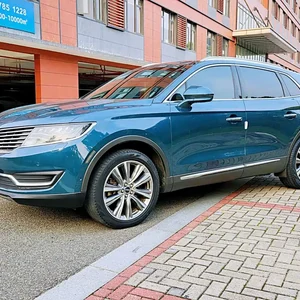
View all listings →Real units currently on ChinaCarDirect with per-unit asking prices and MOQ. Availability updates live from the catalogue.



How to buy a Lincoln Mkx from China
-
1
Define the destination and operating requirement
Record the destination, required steering side, typical passenger or cargo use and available servicing support. Check local import, tax and homologation requirements before selecting a vehicle.
-
2
Shortlist the live Mkx inventory
Compare current units by model year, engine, drivetrain, trim, condition and mileage. Use the live listing for the present per-unit price, MOQ and availability.
-
3
Verify the vehicle and documents
Request the VIN, production date, registration or title documents, trim confirmation, drivetrain details and maintenance records. Verify that the photographs, description and paperwork describe the same vehicle.
-
4
Request a destination-specific landed quotation
Specify the preferred Incoterm and ask for a breakdown of vehicle price, inland handling, freight, insurance, port charges, destination fees, taxes and duties.
-
5
Confirm MOQ and purchase terms
Establish whether one unit is acceptable, how mixed vehicles may be consolidated and whether freight economics improve at volume. Put the deposit, inspection, cancellation and refund conditions in writing.
-
6
Inspect before releasing payment
Use an independent pre-shipment inspection covering condition, mileage, fluids, warning lights, tyres, service items and documented repairs. Settle the balance only after inspection and export documents are approved.
-
7
Ship, clear and complete registration
Use a specialist vehicle carrier and confirm insurance, route, loading and discharge records. Work with a local customs broker through clearance, homologation and final registration.
Mkx vs rivals
| Cadillac XT5 | The XT5 is the closest conceptual rival, with a similar midsize American luxury-crossover position and shared General Motors underpinnings. It may be easier for dealers with stronger Cadillac service coverage, while Mkx buyers may prefer its more distinctive presentation. |
|---|---|
| Volvo XC60 | The XC60 offers stronger European brand familiarity, modern driver assistance and electrified powertrain choices for markets where Volvo is well established. The Mkx provides a more traditional American luxury identity and turbo-petrol character. |
| Acura RDX | The RDX is a value-oriented premium compact crossover suited to buyers emphasizing petrol efficiency, simpler operations and broader market familiarity. The Mkx competes through its comfort-led cabin, larger luxury-crossover positioning and distinctive American badge. |
Frequently asked questions
How is Lincoln Mkx export pricing determined?
The price is unit-specific and reflects model year, trim, engine, drivetrain, mileage, condition, equipment, seller terms and currency movements. Freight, insurance, port charges, taxes, duties and the Incoterm can change the landed total. Check the live Mkx listings for the current vehicle price and request a written destination-specific quotation before paying.
What engine and powertrain choices does the Mkx offer?
The export lineup centers on a 2.0T turbocharged four-cylinder and a 2.7T turbocharged V6, paired with a six-speed automatic. Drivetrain options include front-wheel drive and all-wheel-drive configurations, with some listings using 4WD wording. Exact output, consumption and equipment should be confirmed in the live listing and vehicle documents.
How do new and used Lincoln Mkx vehicles compare?
A new-category listing may represent an age-and-condition classification rather than a factory-fresh vehicle, so registration, production date, mileage and inspection evidence matter. A used vehicle can reduce acquisition exposure but carries more condition and maintenance risk, particularly around the turbocharger, cooling system, transmission and electronics. Compare the same documents, warranty terms and inspection standard across shortlisted vehicles.
How does MOQ work when ordering an Mkx?
MOQ is set by the supplier and transaction, not necessarily by the marketplace as a whole. A seller may accept one Mkx, while another may require a larger order or offer better freight terms for consolidated units. Confirm the quantity rule, price basis, mixed-model freight policy and cancellation terms for the selected listing.
What determines shipping time and cost?
Transit time depends on pickup, origin and destination ports, sailing or trucking schedules, congestion, customs clearance and inland delivery. Cost depends on distance, transport method, vehicle dimensions, fuel surcharges, insurance, port fees and the selected Incoterm. Ask for a route-specific freight quotation and confirm which charges it includes.
Are Lincoln Mkx spare parts easy to obtain?
Parts availability depends on model year and region, and a Mkx specialist may be needed for certain electronic, suspension or automatic-transmission work. Before importing, verify that common service items can be obtained locally or through an export supply route, and ask the supplier for part numbers, maintenance records and known defects. For a fleet, this support can be more important than the original trim.
Is right-hand-drive Mkx availability guaranteed?
Right-hand-drive availability depends on the actual source vehicle and live inventory, and it should never be assumed from the model name. Confirm the steering side through dashboard photographs and the VIN before contracting, and remember that conversion may affect cost, safety, warranty and local approval. Check the live listings for the configurations currently offered.
How do I order a Lincoln Mkx from China?
Start with a live Mkx listing, then send the seller or ChinaCarDirect your destination, model-year and trim preference, steering side, quantity and Incoterm. Request a unit-specific quotation, document list, inspection report and payment milestones, and put the agreed vehicle, price and release conditions in writing. After inspection and document approval, settle the balance and release the vehicle for shipping.
Ready to source the Lincoln Mkx?
Send ChinaCarDirect your destination, preferred model year and trim, steering side, quantity and Incoterm for a unit-specific export quotation.
Request a quote