
Lincoln Nautilus Export Buying Guide for Overseas Dealers
Buy a Lincoln Nautilus from China with clear guidance on 2.0T and 2.7T trims, hybrid options, export pricing, MOQ, shipping and market compliance.
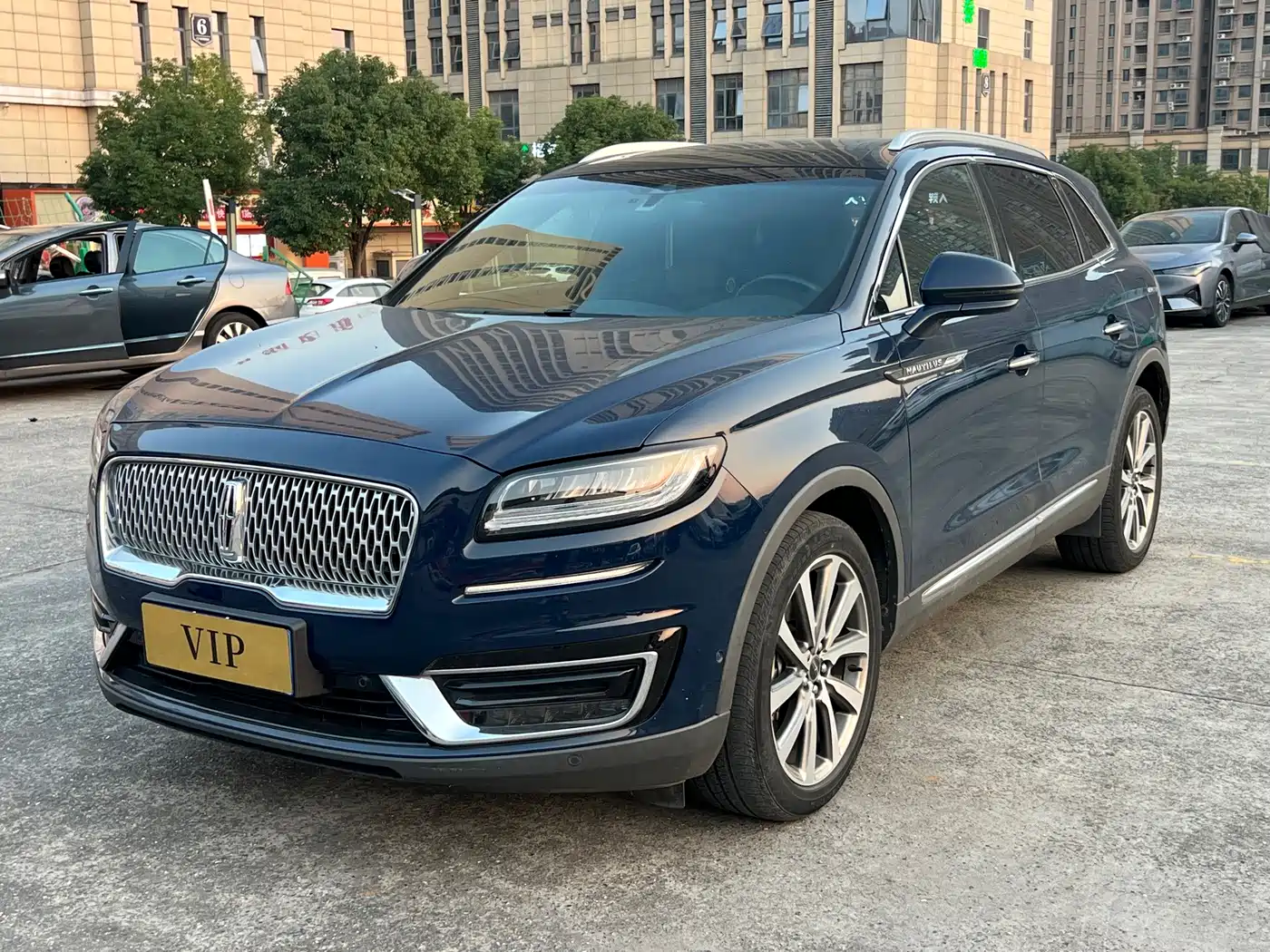
At a glance
- The Nautilus is a premium midsize crossover positioned between compact and full-size luxury SUVs.
- China-market choices include 2.0T and 2.7T gasoline powertrains, with selected 2.0T hybrid editions.
- The line includes AWD and 4WD-labelled configurations, a niche 2.0T 2WD import and numerous market-specific trims.
- Condition, emissions documentation, destination compliance and service support matter as much as the purchase price.
- Current per-unit pricing, MOQ and availability must be confirmed through the live Lincoln Nautilus listings.
Why the Lincoln Nautilus matters for export markets
The Lincoln Nautilus occupies the premium midsize crossover segment: it is larger and more practical than a luxury compact SUV, yet less bulky and generally less costly to ship than a full-size model. For overseas dealers, that middle position is commercially useful. It gives importers a recognizable Lincoln product for customers who want a premium badge without moving into a large, expensive-to-transport vehicle. It can suit executive transport, hotel and chauffeur fleets, and retail buyers who need five-seat practicality. Its appeal also depends on local rules, fuel costs and after-sales support, not badge appeal alone.
China is an important sourcing point because it combines Lincoln-badged vehicles with export-oriented dealer channels and a broad mix of Chinese-market editions. That does not mean every Nautilus sold elsewhere is identical to the version in China. Trim names, standard equipment, emissions labels and available powertrains can differ by model year and origin. Overseas buyers should therefore treat the listing name as a starting point, then request the build sheet and VIN before making assumptions about a North American, European or Middle Eastern specification for the exact unit.
Demand should be evaluated by segment and market rather than by headline volume. The Nautilus appeals where buyers recognize Lincoln styling, value a quiet cabin and premium presentation, and need a vehicle that remains practical for road travel. In markets with thin Lincoln dealer coverage, however, parts access, technician familiarity and residual-value support may outweigh a low purchase price. The strongest export case is therefore a market with credible demand, manageable homologation and a dealer able to maintain the model; otherwise a more established premium marque may be easier to support.
- Premium midsize crossover between compact and full-size SUVs.
- Best where Lincoln awareness and service support exist.
- China-market equipment varies by model year.
Model range, trims and powertrain variants: how the lineup is structured and how to choose
The China-market lineup spans several naming families. The available labels include Exclusive, Elegance, Prestige, Excellence, Premium, Reserve and Luxury Editions, plus regional names such as Zunya, Zunxiang and Atlantis. Some entries are explicitly designated as hybrids, while others use 2.0T or 2.7T without that designation. For an importer, the practical hierarchy is not the prestige of the badge but the powertrain, drivetrain, equipment list and emissions documentation behind the individual vehicle recorded for that build. A similarly named trim across two model years may reflect a different generation, equipment package or regional naming strategy.
Engine choice is the clearest first filter. The 2.0T turbocharged four-cylinder is the volume-oriented choice and pairs with AWD or 4WD-labelled versions, including dedicated hybrid editions. The 2.7T turbocharged V6 appears in Premium, Prestige, Elegance and related configurations and generally serves buyers wanting stronger performance or additional load-carrying capability. A 2WD 2.0T version also appears in the market, but it is not the default assumption for an export purchase. Compare the exact transmission, cooling and towing provisions rather than inferring them from the engine badge or the listing photograph.
Drivetrain labels require careful reading because AWD and 4WD wording can appear across different trim records. For most overseas buyers, the decision is between an all-wheel-drive vehicle suited to wet roads, snow and heavier loads, and a rarer two-wheel-drive unit that may be easier to qualify in a particular price band. Hybrid versions add another axis: they are intended to reduce fuel use in normal driving, especially around urban stop-and-go traffic. Confirm whether the hybrid has a tow rating suitable for the intended use, since hybrids and conventional versions may differ.
- 2.0T turbo four-cylinder for general use.
- 2.7T turbo V6 for performance and load.
- Verify hybrid towing, AWD/4WD and exact equipment.
New vs used Lincoln Nautilus: how export inventory is structured and how buyers choose
Export inventory should be separated into factory-new vehicles, imported new-unused stock and genuinely used units. A recent model year does not by itself prove condition, while an older Import record may still be classified as new-unused depending on its history. The safe procedure is to read the condition field, ask for odometer and delivery status, and request ownership, import and service documents. Only then should the vehicle be valued as new, used or a parallel import for the exact VIN, with any uncertainty priced into the decision before funds are committed.
Factory-new stock is generally the cleaner choice for fleet standardization because buyers can compare production year, trim specification and factory delivery history without inheriting wear or repair history. It also makes warranty eligibility easier to discuss, provided the seller confirms which manufacturer or distributor warranty applies and whether the vehicle will be registered locally. Newness does not remove transport risk, homologation work or the need to inspect the vehicle before shipment. It does, however, reduce the number of unknowns that normally accompany a used premium SUV in the destination market.
Used or imported units can make sense for a dealer seeking a specific older trim, lower entry requirement or a known high-demand configuration. The discount must be weighed against age-related depreciation, suspension and brake wear, tyre replacement, software updates, corrosion risk and the availability of model-specific parts. A hybrid deserves particular scrutiny: ask for battery condition reporting, service history and confirmation of the onboard charger and fuel system. If several documents are missing, treat the apparent saving as contingent rather than confirmed before placing a firm order with the seller.
- Read condition and mileage for each VIN.
- New stock reduces history risk.
- Used hybrids need battery evidence.
How export pricing works: the factors behind a live listing price, and how to read one
An export price is not just the factory value of a Nautilus. It is built from the vehicle’s model year, trim, engine, hybrid system, drivetrain, options, condition and origin, then adjusted for currency movements, freight, marine insurance, port handling, documentation and the agreed Incoterm. Destination taxes, registration charges, compliance work and dealer margin usually sit outside a basic vehicle quote. A buyer comparing two offers should first establish whether each number represents the vehicle alone, an export-ready unit, or a fully landed and homologated cost at the named destination.
To read a live listing correctly, open the vehicle record and confirm whether its displayed price is an asking price, a sale price or a quotation subject to seller confirmation. Check the stated year, trim, engine, drivetrain, mileage, condition, color, VIN and any option list against the dealer’s questions. Then look for the Incoterm, named port, payment terms, validity period and what is included in the offer. Ask for a written pro forma invoice because a listing page alone cannot capture every destination-specific cost before funds are committed by the buyer.
The most reliable comparison is a normalized landed-cost worksheet. Put the vehicle price, inland transport, export terminal charges, freight, insurance, customs duties, taxes, registration, conversion, inspection and expected dealer margin into separate columns for each candidate. Because exchange rates and freight move, an older saved quote may no longer represent today’s terms. Use the live listings for the current asking basis, request a refreshed quote for the exact unit, and make the final decision on total delivered cost rather than on the most conspicuous headline figure for each market involved.
- Compare equivalent trim and condition.
- Confirm freight, tax and fees separately.
- Request a VIN-linked written quote.
MOQ, ordering and payment: single units vs consolidating a container
The minimum order quantity is set by the seller, vehicle and transaction, so it should never be assumed from a model-level page. Some export offers are available as single-unit purchases, while others require a wholesale batch or container commitment. Buyers should treat the MOQ shown for the selected live listing as the starting term and request written confirmation before reserving funds. A low stated MOQ establishes only the seller’s sales unit for that vehicle; it does not guarantee immediate availability, fixed allocation or a container rate before the final sale is confirmed.
Single-unit ordering suits a retailer testing demand, a buyer replacing one vehicle or a fleet customer assembling a small batch. Consolidation becomes attractive when several buyers can combine compatible vehicles into one container or shipment, but it introduces allocation, labeling and settlement complexity. Agree on model year, trim, color, production period and acceptable substitutions in writing. The organizer should define who pays consolidation, inspection, storage and release charges, and how a damaged or non-conforming vehicle is handled before any unit is loaded or released to the buyer after customs clearance.
A sound order process separates the commercial commitment from the shipping release. Confirm the vehicle identity and final invoice, then use a staged payment structure aligned with the contract: an initial deposit, payment against verified production or inspection evidence, and a final balance before release. Specify the documents required for title, export and registration, who is named as exporter of record, and the cancellation terms for a delayed or non-conforming vehicle. Payment to an unrelated beneficiary should be treated as a red flag and independently verified before funds are sent.
- Confirm the listing-specific MOQ.
- Define container allocation and substitutions.
- Verify title, exporter and beneficiary.
Shipping, homologation and market compliance caveats: LHD/RHD and import rules by country
Sea freight is the normal baseline for most overseas destinations, with Ro-Ro, container and specialist vehicle options decided by the forwarder, vessel capacity and the vehicle’s dimensions. A rail or road leg may be economical for land-adjacent markets. Freight cost depends on route, season, port congestion, fuel surcharges, terminal handling, insurance and the final delivery address. Transit time must be quoted as an estimate rather than a promise, because sailing schedules, customs holds and inland transport can each extend the total door-to-door period, including any missed connection at either end.
Steering configuration is an early technical gate. China-market production is commonly associated with left-hand-drive vehicles, but an overseas buyer must not assume that a right-hand-drive Nautilus is available or that a conversion will be accepted without prior approval. Ask for the steering position, pedal layout, lighting, instrument arrangement and VIN market in the live record. If conversion is considered, budget for safe mechanical and electrical work and verify that local type approval covers the altered vehicle; cosmetic steering-wheel swaps are not a compliant conversion under local inspection rules for that market.
China V or China VI references on some editions describe the vehicle’s Chinese emissions designation, not automatic approval in another country. Local rules may cover emissions, safety, cybersecurity, VIN conformity, lighting, taxation, insurance and registration, and a vehicle may need documentary or physical inspection. The importer should confirm requirements with the destination authority and a customs broker before loading. For long-term fleet use, also verify that diagnostic software, owner manuals, recalls and spare-parts support are available locally before the vehicle enters a large fleet or a dealer program at handover.
- Confirm LHD or RHD before contracting.
- Check local acceptance of China emissions labels.
- Verify type approval, registration and service support.
Who should buy the Nautilus — and who should pick a different vehicle
The Nautilus is a good candidate for a dealer or fleet buyer that wants a premium midsize SUV, a distinctive alternative to German marques and a mix of electrified and conventional powertrains. The 2.0T AWD version is the logical starting point for mixed urban and regional duty, while the 2.7T is more appropriate when performance and payload matter. Hybrid editions can suit operations with frequent stop-and-go routes. None of these choices is enough on its own; service capability and resale support must also match with the destination market in mind.
It is a less natural fit for buyers prioritizing the lowest possible operating cost, since the Nautilus is a gasoline-powered luxury vehicle and its hybrid versions still contain combustion engines. It may also frustrate drivers who need a very small footprint, a seven-seat layout or extensive third-row availability. Buyers focused on long-distance EV efficiency should choose a battery-electric crossover instead. Those who require mature nationwide dealer support in their market should compare established local alternatives rather than creating a service burden around an imported niche brand and its parts network.
Before buying, model the use case over the vehicle’s expected service life. Include fuel, insurance, taxation, maintenance, tyres, software support, parts lead times and expected depreciation rather than focusing only on acquisition cost. For a fleet, compare driver comfort, uptime, fuel consumption and parts commonality. For a dealer, examine how quickly the trim can be sold locally and whether a factory warranty will remain valid after customs clearance. A vehicle that looks attractive in a listing can still be unsuitable operationally if running costs in its market are not properly accounted for.
- Strong for premium fleet diversification.
- 2.0T balances general use; 2.7T adds capability.
- Hybrid is efficient, not battery-electric.
Main rivals and how the Nautilus compares
The BMW X3 is the most direct alternative for buyers who prioritize a familiar performance brand, broad international service coverage and a wide choice of conventional and electrified powertrains. The Nautilus stands apart through Lincoln-specific styling, a calm cabin character and the availability of a 2.0T hybrid that can be attractive for fleet fuel use. Against the X3, however, the Lincoln’s dealer familiarity, software ecosystem and resale prospects may be less predictable in some markets. The better choice depends heavily on local aftersales support and the importer’s operating capability there.
The Volvo XC60 occupies similar premium territory with a restrained Scandinavian image and a strong reputation for safety and usability. It is a practical rival for buyers who want established electrified options and a more conventional ownership footprint. The Nautilus may offer more visual distinction and a different luxury character, while the XC60 can benefit from clearer recognition and more predictable parts support. Compare the exact drive systems, homologated emissions, insurance classification and service networks rather than deciding from brand perception alone or from a single showroom sample without inspection.
The Mercedes-Benz GLC is the strongest benchmark for buyers who want a compact-looking premium SUV with strong badge recognition and extensive service coverage. It may be easier to stock and resell where Mercedes is deeply established, especially when buyers expect familiar technology. The Nautilus can compete on comfort, powertrain variety and the appeal of a less conventional premium product, but it takes stronger importer effort to establish parts pricing, technician knowledge and residual-value support. Neither vehicle should be chosen before verifying the destination-market specification and local homologation treatment for that model year.
- BMW X3: performance and broad service reach.
- Volvo XC60: safety and electrified options.
- Mercedes-Benz GLC: strongest recognition and support.
Live Lincoln Nautilus export inventory
View all listings →Real units currently on ChinaCarDirect with per-unit asking prices and MOQ. Availability updates live from the catalogue.

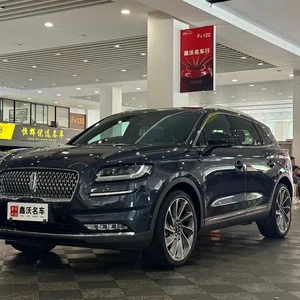
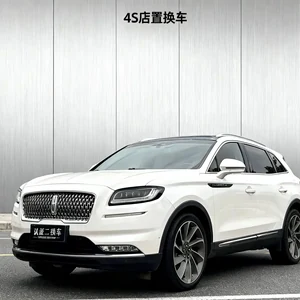
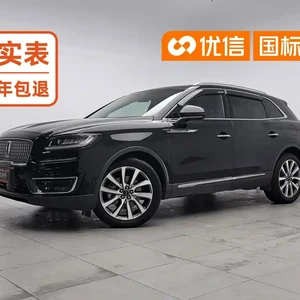
Lincoln Nautilus (Import) 2019 2.0T 4WD Elegance Edition China VI
How to buy a Lincoln Nautilus from China
-
1
Define the destination and use case
Identify the destination country, expected annual mileage, passenger and cargo needs, road conditions and local service capacity. Decide whether fuel economy, all-wheel drive, hybrid operation or stronger V6 performance is the priority.
-
2
Compare relevant live listings
Review the current Lincoln Nautilus listings and shortlist vehicles with the appropriate model year, engine, drivetrain, trim and condition. Treat the listing details as the starting point rather than proof of the final export specification.
-
3
Verify identity and specification
Request the VIN, build sheet, option list, odometer reading, ownership status, service history and applicable emissions documentation. Confirm whether the vehicle is factory-new, imported new-unused or genuinely used.
-
4
Request a landed quotation
Ask for a written, VIN-linked quotation stating the vehicle price, Incoterm, named port, freight assumptions, insurance, tax treatment, payment terms and quotation-validity period. Separate destination taxes, registration and conversion costs where they are not included.
-
5
Confirm MOQ and payment mechanics
Confirm the MOQ and allocation terms for the selected offer, whether the purchase is for a single unit or consolidated shipment, and how model-year or trim substitutions will be handled. Verify the exporter, title documents and payment beneficiary before transferring funds.
-
6
Approve inspection and shipment release
Use an independent pre-shipment inspection to confirm identity, condition, mileage, visible damage, equipment and export documents. Release the final payment only after the agreed inspection evidence and contractual conditions have been satisfied.
-
7
Arrange freight and destination compliance
Book freight with a named forwarder, clarify the Incoterm and port-to-port responsibilities, and prepare the required export documents. Complete customs clearance, registration, insurance and any local type-approval checks before delivery or fleet deployment.
Nautilus vs rivals
| BMW X3 | The X3 is a safer general choice for buyers who prioritize a familiar performance brand, established software and broad international service coverage. The Nautilus offers more distinctive styling and a useful 2.0T hybrid option, but it demands stronger local aftersales and residual-value planning. |
|---|---|
| Volvo XC60 | The XC60 is a compelling alternative for buyers focused on safety, usability and established electrified choices. The Nautilus stands out through a different luxury character and more pronounced brand differentiation, while Volvo may offer easier recognition and more predictable parts support. |
| Mercedes-Benz GLC | The GLC is often easier for overseas dealers to stock and resell because of stronger badge recognition and wider service coverage. The Nautilus competes with comfort, powertrain variety and a less conventional premium identity, but requires more effort to establish technician knowledge and parts economics. |
Frequently asked questions
How is Lincoln Nautilus export pricing determined?
The live price is built around the specific vehicle’s year, trim, engine, hybrid version, drivetrain, condition, options and origin. Currency, freight, insurance, port charges and the Incoterm can change the final landed total, so ask for a written quotation tied to the VIN. Current per-unit prices are shown in the live Lincoln Nautilus listings and should be reconfirmed before payment.
Which engines and hybrid range are available?
China-market records include 2.0T and 2.7T turbo gasoline powertrains, plus selected 2.0T hybrid editions; drivetrain labels include AWD, 4WD and a limited 2WD import option. Exact hybrid battery capacity, electric-only range and equipment vary by trim and year and must be checked on the live listing. The conventional gasoline models do not provide battery-electric, zero-emission range.
How should buyers compare new and used Lincoln Nautilus vehicles?
Factory-new vehicles offer cleaner specification matching and less wear history, while older or used imports may provide a different trim at a lower entry point. Because an older model year can still be listed in a new condition, inspect the condition label, mileage, VIN, service record and import documents rather than inferring status from age. Hybrid units require additional battery and service evidence.
Can I order one Nautilus or must I buy a container?
The applicable MOQ belongs to the selected listing and seller, not automatically to the model. Some vehicles may be sold as single units, while a seller may require a larger batch for a specific allocation or shipment. Confirm the MOQ, unit allocation and payment terms on the live listing or in a written RFQ response before placing funds.
How long does shipping take and what does it cost?
There is no single transit time or freight rate because routing, vessel schedules, port congestion, customs, inland delivery and insurance all vary. Ask the forwarder for an all-in door-to-door estimate and clarify whether the quote covers Ro-Ro, container, port charges, customs clearance and delivery. Treat the estimate as time-sensitive and reconfirm it for the actual sailing and destination.
Are spare parts available for exported Lincolns?
Availability depends on the model year, trim, market specification and the importer’s access to Lincoln or regional distributor channels. Before ordering, request VIN-based parts confirmation, software and diagnostic support, owner manuals and warranty handling. A vehicle may be mechanically sound yet costly to support if local technicians cannot access its systems or if China-specific parts require cross-border ordering.
Is a right-hand-drive Lincoln Nautilus available for export?
Do not assume availability: the steering configuration and source market must be confirmed for each live listing, and a China-market vehicle may be left-hand drive. If a right-hand-drive unit is required, state that requirement in the RFQ and obtain local type-approval advice before accepting a conversion. A local inspection should verify compliance rather than relying on a steering-wheel swap.
How do I order a Lincoln Nautilus from China?
Start with a live listing, record the SKU or VIN and send one RFQ requesting the build sheet, condition, options, MOQ, price, Incoterm, payment milestones and delivery estimate. Verify the seller and beneficiary, complete the agreed payment stages, and approve inspection evidence before shipment release. Then coordinate export documents, freight booking, customs clearance and destination-market registration.
Ready to source the Lincoln Nautilus?
Send ChinaCarDirect your preferred Lincoln Nautilus specifications and destination for a current unit-level quotation and export guidance.
Request a quote