
Lincoln Navigator Export Buying Guide for Overseas Buyers
Plan a Lincoln Navigator export from China with clear guidance on 3.5T trims, live pricing, MOQ, shipping, compliance, rivals and total-cost decisions.
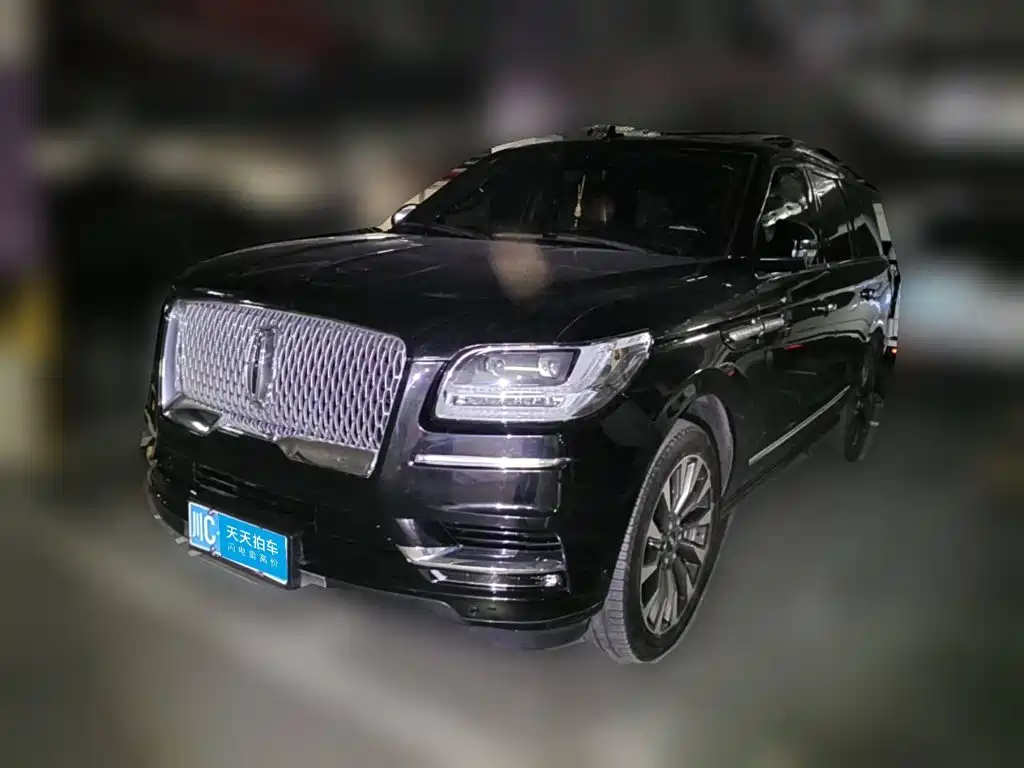
At a glance
- The Navigator is a full-size, gasoline-powered luxury SUV built around three-row passenger use.
- The lineup is 3.5T-centered, spanning AWD, Ultimate, Prestige, Presidential, Zunyao and extended-wheelbase trims.
- New units simplify standardization, while used units require more condition and document scrutiny.
- Export pricing must be read as a unit-specific, landed-cost calculation, not a fixed model price.
- Steering side, destination homologation and local service support are decisive pre-order checks.
Why the Lincoln Navigator matters for export markets
The Lincoln Navigator occupies the premium end of the full-size SUV segment, combining executive-car comfort, a three-row cabin and the road presence expected by VIP transport and hospitality buyers. Its body-on-frame architecture also makes it more substantial than a crossover-derived luxury SUV. For overseas purchasers, the appeal is not simply size: it is the combination of a high-capacity passenger compartment, available extended-wheelbase variants and a predominantly all-wheel-drive format suited to markets where weather and road quality vary. That makes it relevant to fleet operators covering chauffeur duties, airport transfers and premium family use without moving to a van.
Export demand for the Navigator is best understood through use cases rather than a single sales ranking. Chauffeur companies, executive transport services, hotels, embassies and large families value a vehicle that can carry several passengers in separate rows while presenting a formal appearance. Dealer groups can also source China-market vehicles with standardized equipment and a comparatively broad selection of luxury trims. The important caveat is that demand does not remove market-specific friction: steering configuration, import eligibility, service capability and residual-value expectations still determine whether the model is commercially practical in the destination country.
For a buyer comparing the Navigator with established European luxury SUVs, the deciding factors are often operational. A local dealer network can be as important as the specification sheet because warranty work, diagnostics and recurring parts should be supported where the fleet operates. American-style controls and packaging may feel familiar to some markets, while others prioritize right-hand-drive availability. Dealers should therefore treat the model as a premium imported vehicle, not as an automatic domestic equivalent, and budget for registration, adaptation and support before committing to a program or fleet rollout.
- Best for VIP and executive fleets.
- Extended-wheelbase favors rear passengers.
- Confirm local service support.
Model range, trims and powertrain variants: how the lineup is structured and how to choose
The Navigator export range is centered on the 3.5T powertrain, which denotes a 3.5-liter turbocharged V6 gasoline engine. This is important for buyers who arrive with an EV brief: the Navigator in these trims is not a battery-electric model, so battery capacity, charging time and electric range are not applicable specification points. The practical strengths are petrol power, a large vehicle and premium cabin, while the trade-offs include fuel consumption, engine servicing and the need to confirm emissions compliance for the destination market rather than relying on headline electric-range figures.
Trim choice is mainly a hierarchy of equipment, exclusivity and packaging rather than a different energy source. The range includes AWD, Ultimate, Prestige, Presidential Series, Presidential Edition and Zunyao labels, plus Extended and Long Wheelbase versions and a Black Gold long-wheelbase Presidential derivative. Buyers should compare the actual option list, upholstery, infotainment, driver-assistance equipment and exterior treatment rather than assuming that a higher-sounding name guarantees every feature. A China-market trim can also differ from an equivalent trim sold in another region. Accordingly, option-level verification is essential before fleet standardization for buyers.
A disciplined selection process starts with the duty cycle. Extended and Long Wheelbase versions prioritize rear-passenger space and luggage flexibility, while shorter-wheelbase vehicles may be easier to maneuver and less costly to ship. Next, confirm the drivetrain, engine designation, model year and emissions identifier in the listing. Labels such as China V and China VI describe the China-market emissions generation; they do not by themselves satisfy another country’s type approval. Finally, decide whether the fleet needs maximum rear-row comfort, a higher specification or simply the lowest sensible lifecycle cost there.
- 3.5T turbo V6 core powertrain.
- Trims mainly signal equipment.
- China V/VI is not export approval.
New vs used Lincoln Navigator: how export inventory is structured and how buyers choose
New Navigator vehicles are the cleaner starting point for a standardized fleet because condition, wear and factory configuration are easier to define. Ask, however, whether a unit is genuinely new, current-production or dealer-prepared, and whether the warranty applies outside China or only through the supplying dealer. China-spec vehicles may use local infotainment, voltage-dependent equipment or regional option packages that require inspection in the destination market. A new label does not remove the need for a pre-delivery check or import-document review or handover inspection with tire, glass, paint and underbody condition recorded.
A used Navigator can make sense when the acquisition budget is tighter and the buyer accepts more variable condition. The vehicle’s age, mileage, service history, accident repair, paint condition, interior wear and remaining warranty can all affect resale value and downtime. Inspect the VIN, registration documents, import eligibility, loan status and evidence of ownership, because an incomplete history can block registration even when the vehicle itself is mechanically sound. For a commercial fleet, the hidden cost is often downtime rather than the headline purchase difference or unplanned parts and labor.
New versus used should be decided through total landed cost and risk, not by sticker price alone. Read export inventory unit by unit rather than as a model-year programme, because age, trim, options and document readiness differ. Compare the same trim level, service plan, inspection, transport, insurance, duties, registration and likely resale treatment. Used units deserve a reserve for tires, suspension, cabin work or deferred maintenance. New units simplify standardization only if production age, specification and warranty fit the plan. Check whether each live unit is labeled new or previously registered.
- New units aid standardization.
- Used units require deeper inspection.
- Compare landed cost and downtime.
How export pricing works: the factors behind a live listing price, and how to read one
A Lincoln Navigator export price is not one fixed factory number. It is generated from the specific vehicle and its commercial terms: model year, trim, wheelbase, factory options, new or used status, mileage and condition all influence the vehicle line. Exchange-rate movement, the chosen Incoterm, destination, freight route, marine insurance, inspection, port charges and export paperwork can sit outside or alongside that line. The most reliable reading is to separate the vehicle’s agreed sale price from every estimated cost required to place it legally and safely on the road for service.
When reviewing a live listing, check the year, exact trim, wheelbase, engine designation, drivetrain, mileage or condition, and whether the displayed figure is FOB, CIF or another delivery term. A CIF-style figure can bundle freight and insurance to a named port, but it does not replace duties, taxes, registration or inland transport in the destination. Ask the seller which documents, accessories, warranty and inspection services are included, and confirm whether the quote is reserved for a specific unit or subject to reassignment. Binding figures appear on each live ChinaCarDirect listing.
Price control comes from comparing equivalent vehicles and locking the commercial variables before payment. Request a written quotation that names the unit, specification, currency, Incoterm, freight assumptions, validity and payment milestones. Ask how an exchange-rate adjustment or route change will be handled, and retain a contingency for port, compliance and repair work that cannot yet be estimated. A lower vehicle price may be outweighed by a different specification or a less suitable shipping term, so the cheapest headline figure is not automatically the lowest landed cost for the importing business.
- Specific vehicle and terms set price.
- Incoterm defines included logistics.
- Use live unit quotes.
MOQ, ordering and payment: single units vs consolidating a container
MOQ means the minimum order quantity accepted for a particular listing or supply arrangement; it should not be assumed from the model name. ChinaCarDirect displays the applicable MOQ with the live inventory, and buyers should confirm it for the exact vehicle rather than infer it from a catalogue-wide pattern. A single-unit request may suit a test fleet or one-off VIP buyer if the listing permits it. Wholesale consolidation may reduce unit logistics, but it increases the commitment and should only follow a firm allocation of the required trims and configurations requested.
The ordering sequence should move from specification to contractual certainty. Confirm the unit, options, condition, destination, steering side and MOQ; request a pro forma invoice; agree currency, Incoterm, deposit and balance milestones; then complete payment through the agreed channel. Before release, the buyer should approve identity, inspection, export and shipping documents against the invoice. Never treat a verbal assurance or an unverified transfer instruction as confirmation of ownership or availability. The RFQ channel is the appropriate place to request a formal written quotation for units that are not yet allocated.
Container consolidation changes the risk profile as well as the arithmetic. Matching year, trim, paint, options and condition makes loading, resale planning and parts standardization easier, while mixed inventory can complicate inspection claims and customer allocation. Buyers must also account for working capital, demurrage if something is delayed, securing and weather protection, and the administrative work of multiple titles and consignees. For a small order, protecting one vehicle and accepting a higher per-unit logistics cost may be safer than filling a container with the wrong specification for the intended market.
- Confirm MOQ per listing.
- Lock specification and milestones.
- Consolidate only firm allocations.
Shipping, homologation and market compliance caveats: LHD/RHD and import rules by country
Steering configuration is the first export-specific check. Vehicles sourced from China are commonly left-hand-drive, while some destination markets require or strongly favor right-hand-drive. A listing titled simply “Navigator” does not prove which side it has, and converting steering, instruments, lighting or controls can add cost and affect resale. Buyers should request clear photographs, a steering-side confirmation and the relevant approval documents. If right-hand-drive is mandatory, source a dedicated compatible vehicle rather than assuming a conversion will satisfy local type approval and original-market safety, lighting and emissions requirements before contracting.
China V or China VI in a trim name identifies the Chinese emissions generation, not automatic approval for Europe, the Gulf, Africa, Latin America or the buyer’s home market. Import rules may cover emissions, road safety, VIN and emissions compliance, customs valuation, taxes, minimum vehicle age, environmental restrictions and local type approval. Regulations can also treat used and new imports differently. The importer should obtain a written country-specific checklist from a customs broker or homologation specialist before paying, because a model’s success in China does not establish that it can be registered elsewhere.
Sea freight, RoRo handling and containerization affect cost, timing and vehicle condition. Transit time varies with the loading port, destination, carrier network and any transshipment, while fuel surcharges, port congestion, insurance and inland delivery can change the final total. Full-size SUVs also need securement appropriate to their dimensions and weight; confirm container clearance or carrier restrictions before choosing a method. At destination, plan for a pre-delivery inspection, customs release, local registration, software or equipment checks and any required modifications before placing the vehicle into service or handing it to a customer.
- Verify steering before contracting.
- Chinese labels lack destination approval.
- Plan arrival and registration checks.
Who should buy the Navigator — and who should pick a different vehicle
The Navigator is a strong candidate for executive chauffeur fleets, hotel transfers, VIP transport, premium rental programs and families that need three-row space without moving to a van. It works particularly well when the vehicle carries passengers for many hours and rear-seat comfort, cabin quietness and visual presence matter. An all-wheel-drive configuration can also be attractive where road conditions or seasonal weather are less predictable. The case is strongest when these benefits support passenger productivity or service quality rather than merely adding visual impact and the operator can support the vehicle’s size, fuel use and service requirements.
It is a weaker choice for buyers focused on minimum operating cost, urban parking or a small emissions footprint. A large petrol-powered SUV can be costly to fuel, insure and maintain, while the model’s size may limit access in cities. It may be unsuitable where local emissions rules, tax bands or fleet policies penalize combustion vehicles. Buyers in zero-emission-oriented markets should assess whether duty cycle can use an EV, hybrid or smaller premium SUV without compromising passenger capacity, and they should not assume the Navigator’s China-market approval transfers to those jurisdictions.
Serviceability and residual value can outweigh badge preference. Before buying, confirm that local technicians can access warranty-supported procedures and recurring parts, identify where software and electrical work will be handled, and test the importer’s ability to source items such as tires, trim pieces, lighting and body components. For fleet use, maintenance intervals, fuel consumption and downtime should be modelled over the holding period. If the destination has limited Lincoln representation and long parts lead times, choose the Navigator only with a credible service plan and realistic residual assumptions for each market.
- Strong for executive and family use.
- Weak for urban, budget-led fleets.
- Service access drives ownership fit.
Main rivals and how the Navigator compares
The Cadillac Escalade is the Navigator’s closest rival: both are large American luxury SUVs, sit in a comparable price tier and appeal to buyers wanting commanding size and a road presence. Their platform relationship can make them feel familiar, but brand perception, dealer coverage and standard equipment differ by market. The Escalade may be the easier choice where Cadillac representation is stronger; the Navigator may be more attractive when buyers want its grille, cabin and China-origin sourcing proposition. Compare local warranty terms rather than assuming either is more readily supported.
The Mercedes-Benz GLS competes on global brand recognition, a broad dealer network and a strong premium-SUV buyer base. It is a sensible alternative for an importer that values established residual markets and easier access to familiar service processes, while the Navigator stands out through its American full-size architecture and China-market trim variety. The GLS requires a different ownership case: parts planning, software support and local homologation should be tested just as carefully. The better choice depends on destination infrastructure and fleet economics, not only on perceived prestige or badge recognition.
Range Rover is another credible alternative, particularly for buyers drawn to a more distinctive luxury off-road image and an established global model family. It may offer a different design and ownership proposition, but importers should compare real-world service costs, component complexity, availability and local support for both vehicles. None of these rivals automatically makes Chinese sourcing easier: each requires market-specific approval and parts planning. A shortlist should score the Navigator and each alternative on passenger layout, handover condition, compliance, service access, expected holding cost and exit-market demand.
- Escalade: closest American rival.
- GLS: global dealer familiarity.
- Range Rover: distinct ownership proposition.
Live Lincoln Navigator export inventory
View all listings →Real units currently on ChinaCarDirect with per-unit asking prices and MOQ. Availability updates live from the catalogue.

How to buy a Lincoln Navigator from China
-
1
Define the operating requirement
Record passenger count, luggage volume, route, service pattern, steering side and destination. Use those requirements to narrow standard versus extended-wheelbase and equipment priorities before comparing vehicles.
-
2
Review live unit-level listings
Open the Navigator inventory and inspect each candidate's year, exact trim, wheelbase, engine, drivetrain, condition, documents and options. The listing, not a model-level summary, is the source for current availability and unit-specific terms.
-
3
Check destination eligibility
Ask a customs broker or homologation specialist to confirm steering configuration, emissions, safety, VIN, age, tax and registration requirements. Do not rely on a China V or China VI label as proof of destination approval.
-
4
Request a written quote
Require the quotation to identify the vehicle, currency, Incoterm, freight route, insurance, inclusions, exclusions, validity and payment milestones. Ask for the estimated landed-cost components separately.
-
5
Confirm MOQ and ownership documents
Read the MOQ on the exact live listing and decide between a single-unit purchase or consolidation. Match the invoice to the VIN or SKU, seller identity, condition report and export-document plan before transferring funds.
-
6
Approve inspection and release
For a used unit, use an independent inspection and record paint, tires, glass, interior, underbody, mileage and mechanical findings. For any unit, verify the specified options and condition against the invoice before release.
-
7
Ship and complete local clearance
Confirm securement, insurance, port routing, customs documents and delivery terms. After arrival, arrange pre-delivery inspection, registration, software or equipment checks, and any lawful modifications before customer handover.
Navigator vs rivals
| Cadillac Escalade | The Escalade is the closest full-size American luxury-SUV alternative, with comparable passenger presence and a recognizable premium position. Choose it where Cadillac dealer support is stronger; choose the Navigator for its distinct design and China-origin trim availability. |
|---|---|
| Mercedes-Benz GLS | The GLS competes through global recognition and broad dealer familiarity, often appealing to buyers focused on established after-sales support and residual-market confidence. The Navigator offers more American full-size character and varied China-market trims, but its local service and parts case must be proven. |
| Range Rover | Range Rover is a credible rival for buyers wanting a distinctive premium SUV image, but ownership complexity, component availability and service costs should be compared carefully. The Navigator may suit buyers prioritizing a formal three-row package and China sourcing, provided steering, homologation and after-sales support fit the destination. |
Frequently asked questions
How is the Lincoln Navigator export price calculated?
The quote is built around the specific vehicle and transaction: model year, trim, wheelbase, options, condition, mileage, exchange rate, freight, insurance, port charges and Incoterm can all change it. A vehicle line may not include destination duties, taxes, registration or inland delivery. Check the unit-specific figure on the live ChinaCarDirect listing and request a written quote before paying.
What engine and range does the export Navigator use?
The Navigator listings center on 3.5T versions, meaning a 3.5-liter turbocharged V6 gasoline engine. Because this is a combustion vehicle, battery capacity, charging time and electric driving range are not applicable. Final output, transmission details and emissions compliance should be confirmed for the model year and destination.
Should an overseas buyer choose a new or used Navigator?
New vehicles are easier to standardize and generally reduce uncertainty around wear, while used vehicles may suit a tighter acquisition budget but require more inspection and document work. Compare total landed cost, downtime, service history and residual assumptions rather than purchase price alone. Every current unit should be read from its live listing for condition and vehicle status.
What is the MOQ for Navigator orders?
MOQ is set for the listing or supply arrangement and is not fixed by the Navigator model name. The applicable requirement appears with the live inventory and must be confirmed for the exact unit and configuration. A single-unit purchase may be possible if the listing permits it; consolidation should follow a firm allocation.
What affects shipping time and cost?
Shipping time and cost depend on origin and destination ports, carrier routing, transshipment, vessel space, fuel surcharges, insurance, port handling and inland delivery. Vehicle dimensions, securement requirements and the chosen Incoterm also affect the budget. Request a route-specific freight quotation and avoid treating an ocean freight estimate as a guaranteed door-to-door cost.
How can overseas buyers source Navigator spare parts?
Parts can be sourced through the supplying seller, an authorized dealer or a specialist, but availability depends on the VIN, build specification and regional inventory. Items for a home-market Navigator may not match a China-spec vehicle, particularly for electronics, lighting and trim components. Identify recurring parts and lead times before shipment, and retain the vehicle identification details needed for accurate ordering.
Is right-hand-drive Navigator availability available?
Right-hand-drive availability must be checked for the destination because suitable units can vary by source. China-origin vehicles may be left-hand-drive, and converting one does not automatically satisfy local type approval or safety requirements. State the required steering side in the RFQ and use the live listings to identify suitable units.
How do I order a Lincoln Navigator from China?
Start with the live Navigator listings, select the closest specification, and verify condition, documents, steering side and market eligibility. Send an RFQ requesting a unit-specific quote that states MOQ, currency, Incoterm, freight assumptions, inspection scope, payment milestones and validity. After approval, complete payment and inspection before release, then arrange shipping, customs and destination registration.
Ready to source the Lincoln Navigator?
Send your destination, required trim, steering side, quantity and timeline through the RFQ form for a current, unit-specific Navigator export quotation.
Request a quote