
Lynk & Co 01 Export Buying Guide for Overseas Buyers
Plan a Lynk & Co 01 import with clear guidance on trims, powertrains, live export pricing, MOQ, shipping, compliance and rival options for overseas buyers.
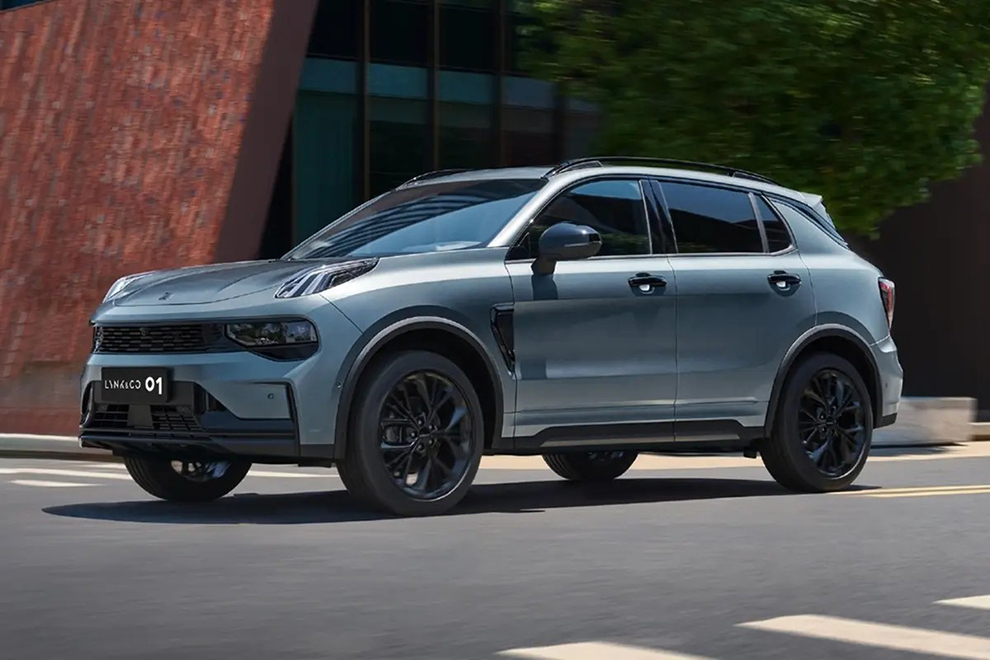
At a glance
- The 01 combines coupé-inspired crossover design with a premium, driver-focused positioning for buyers seeking something more distinctive than a mainstream SUV.
- The export-relevant lineup spans 1.5T and 2.0T petrol, 2.0TD diesel and 1.5T/1.5TD PHEV versions.
- Two-wheel-drive and all-wheel-drive configurations suit different road, load and traction requirements.
- A single-unit test purchase may be possible, but the seller’s live MOQ and payment terms must be confirmed for each quotation.
- Current export price and availability must be checked in live listings; freight and other costs should come from a written landed-cost quote.
Why the Lynk & Co 01 matters for export markets
The Lynk & Co 01 is a premium compact crossover designed for buyers who want a more distinctive alternative to mainstream family SUVs. Its raised body, coupé-style profile and driver-focused cabin give it strong visual appeal, while the marque’s emphasis on safety, materials and semi-premium presentation helps it sit above a basic budget SUV. For export dealers, that combination creates a useful proposition: an unusual-looking vehicle that can broaden a showroom without depending on a high-volume badge. It is especially relevant to importers seeking a design-led model with credible road presence and commercial identity.
Demand among buyers looking to buy a Lynk & Co 01 from China is best explained by the combination of styling, equipment and model breadth rather than by one universal specification. Chinese-market versions include petrol, diesel and plug-in hybrid applications, with two-wheel-drive and all-wheel-drive choices appearing under different trim names. This gives buyers options for urban fuel economy, long-distance flexibility or additional traction, although the exact combination must be verified on the individual vehicle and for the destination market. A dealer should assess local customer preferences, service capability and regulatory fit before choosing a powertrain for import.
For an overseas buyer considering the Lynk & Co 01 for export, the model can suit an importer seeking premium visual appeal without moving into the price and ownership commitment of a luxury European equivalent, but it is not a shortcut around due diligence. Brand awareness, service networks, spare-parts logistics and residual values vary sharply between countries. The practical question is therefore whether the model’s design and equipment justify the additional sourcing work. For fleet and dealer buyers, a clear parts plan and destination approval often matter more than headline trim badges; careful model-year matching should precede any container commitment overseas.
- Premium, design-led crossover positioning.
- Multiple powertrains for different duties.
- Local support determines export viability.
Model range, trims and powertrain variants: how the lineup is structured and how to choose
The lineup should first be read as a set of powertrain and drivetrain families. The 01 has been offered with 1.5T and 2.0T petrol engines, a 2.0TD diesel, and 1.5T or 1.5TD plug-in hybrid designations across different model years and markets. Petrol versions emphasize broad everyday use, diesel can suit operators with established refuelling habits, and PHEV versions add electric driving and charging flexibility. FWD, 2WD, AWD and 4WD labels then indicate the driven axles, but they should not be treated as interchangeable trim names. The transmission and equipment specification must be checked separately for every candidate. Confirm all details from vehicle documents.
Trim names provide a second layer of choice. Terms such as Pro, Pure, Shine, Halo, Sport, Night Edition and Plus appear across the range and commonly signal different equipment, styling or technology packages, but a name alone does not establish the complete specification. Some examples pair a turbocharged petrol engine with two-wheel drive, others add all-wheel drive or a DCT. Export buyers should compare VIN-level documents, factory options and photographs rather than assume that every similarly named car is mechanically identical before agreeing on an export order or payment terms.
A sound selection method for comparing Lynk & Co 01 specs starts with the duty cycle: frequent urban use, highway travel, heavy loads or low-emission fleet policy. Drivers covering long distances may prioritize range and refuelling convenience, while a PHEV can be attractive where charging is reliable and tax treatment favors hybrids. AWD versions typically carry higher purchase and operating costs and do not replace suitable tyres or disciplined driving. Final approval should depend on verified equipment, destination rules and realistic support, not trim imagery alone or untested assumptions about local support.
- Verify by VIN.
- Trim names signal equipment.
- Match power to duty.
New vs used Lynk & Co 01: how export inventory is structured and how buyers choose
New export inventory is generally sourced from Chinese dealer or manufacturer channels and may mix recent production, carry-over stock and different specification levels. The useful distinction is not simply the badge on the listing: confirm model year, production status, mileage, prior use, factory warranty and whether the car is prepared for export. Newer vehicles can reduce wear and uncertainty for fleet buyers, while carry-over cars may offer equipment advantages, but the buyer still needs current VIN documents and a physical inspection before committing funds to a shipment or shipping slot.
Used 01 inventory can be an efficient way to access an established model with lower acquisition cost, but the discount must be assessed against what may be deferred. Petrol, diesel and EM-P examples can carry different maintenance histories, and a used PHEV adds battery-health and charging-system questions. Ask for service records, scan reports, battery diagnostics where available, accident evidence, key count and a clear title history. A lower purchase price can be offset by repairs, uncertainty and a shorter remaining warranty after the vehicle reaches the destination and is registered.
The best new-versus-used decision starts with total operating exposure rather than sticker price alone. A dealer may prefer a low-mileage vehicle for immediate resale, while a fleet operator may accept age if the chassis, powertrain and electronics remain serviceable. For used units, inspect tyres, brakes, suspension, fluids and cold starts; for used PHEVs, inspect charging equipment; for new units, confirm that the delivery specification matches what was ordered. In both cases, reject vague descriptions and compare like-for-like vehicles identified by VIN. Do not assume that a polished photograph proves either originality or mechanical condition across the operating cycle.
- Confirm condition, history and warranty.
- Used PHEVs need battery checks.
- Compare total operating exposure.
How export pricing works: the factors behind a live listing price, and how to read one
Lynk & Co 01 export pricing reflects several interacting variables rather than one universal model price. The model year, trim, engine, transmission, drivetrain, factory options and condition affect the vehicle’s value, while battery configuration matters for PHEV units. The seller’s cost, exchange rate, inland transport, export handling, freight, insurance and the selected Incoterm can move the final figure further. Duty, VAT or sales tax, registration fees and dealer margins should be calculated separately in the destination market. Always clarify whether a displayed quote is vehicle-only, port-side or delivered to the final port.
When comparing live 01 listings, normalize the description before comparing numbers. Match the exact model year, trim wording, engine, gearbox, driven axles, fuel type, equipment, condition and mileage; two similarly named cars may differ materially. Review the seller’s images, VIN, service information, warranty statement and stated preparation. Use the current [ChinaCarDirect Lynk & Co 01 listings](https://chinacardirect.com/products?q=01&brands%5B%5D=941) for the binding per-unit price, MOQ and availability, then request a written quote that states what is included and what remains payable. A Chinese domestic price is not automatically an export quotation, so require the landed-cost inclusions to be defined.
A landed-cost worksheet prevents a low vehicle quote from becoming an expensive purchase. Start with the live asking price, then add domestic transport, export documentation, inspection, freight, insurance, destination charges and applicable taxes, using the agreed Incoterm as the dividing line. Convert currencies at the rate used for the actual invoice and retain a contingency for port handling, storage, repairs or compliance work. Negotiate the vehicle and logistics terms separately so the supplier cannot hide a freight increase inside an apparently improved price. Ask for written validity dates and inclusions.
- Normalize year, trim and condition.
- Separate vehicle, freight and tax.
- Live listings hold current figures.
MOQ, ordering and payment: single units vs consolidating a container
The order quantity is agreed with the seller for each quotation rather than inherited from a generic catalogue rule. Some listings may be available as single units, which is useful for a dealer test, a fleet pilot or a replacement vehicle; larger purchases can be consolidated under volume terms. MOQ can refer to units per model, trim or shipment, and sometimes to the value of an order rather than the number of cars. Confirm the unit-level MOQ, mixed-model permission and any production or allocation requirement in writing before any deposit is paid. Treat the MOQ displayed for the live unit as the starting point, then reconfirm it in the written quotation because seller allocation and shipping plans can change.
For wholesale volume, container consolidation can reduce freight per vehicle, but it should not mix specifications merely to fill space. Group vehicles with the same destination, homologation package, documentation standard and delivery timetable, and preserve access to each VIN’s records. A mixed container may be possible, yet each unit still needs individual inspection and export paperwork. Buyers should also agree how title, payment and release operate if one vehicle in a group is rejected or delayed, rather than discovering those issues only after loading before the final booking is accepted by the supplier.
A disciplined order begins with a written specification, followed by a refundable or otherwise agreed deposit, final payment, inspection, release and shipping instructions. The RFQ should state quantity, destination, preferred trim, drivetrain, fuel type, LHD or RHD requirement and the commercial term requested. Keep the signed vehicle list, VINs, photos, invoice and inspection report together. Do not release the balance solely on a photograph; tie payment milestones to document delivery and an agreed pre-shipment inspection standard. The same checklist should define who pays if an inspected defect is found later.
- MOQ is quotation-specific.
- Group compatible specifications.
- Link payment to inspection.
Shipping, homologation and market compliance caveats: LHD/RHD and import rules by country
Finished vehicles are commonly moved by vehicle carrier or roll-on/roll-off service, while container or breakbulk options may suit smaller quantities or unusual handling requirements. The choice affects loading method, security, damage exposure and cost, but not the compliance obligations. Freight depends on origin and destination ports, route length, carrier space, seasonality, congestion, insurance and the size and weight of the consignment. Ask for door-to-door and port-to-port quotations separately so inland haulage and terminal charges are visible. Confirm whether the quote includes lashing, customs clearance, destination handling and taxes or exclusions.
Steering configuration is a sourcing decision, not a minor trim preference. Most Chinese-market examples are left-hand drive, while right-hand-drive availability must be confirmed for the precise model and production specification. An RHD conversion can involve substantial cost, lead time and work on steering, controls, lighting and related systems, and may complicate parts or software compatibility. Obtain an RHD conformity statement where required and photographs of the conversion before payment. Never assume that a steering-wheel swap creates a compliant RHD export vehicle or that overseas use is automatically authorized in every market.
Import rules are determined by the destination authority and may cover vehicle type approval, emissions, safety, cybersecurity, software updates, lighting, sound, radio, VIN, tax and registration. A China V or China VI marking describes the vehicle’s Chinese emissions origin; it does not prove acceptance in Europe or another target market. The importer should obtain a written homologation assessment before committing, check recall and restricted-parts issues, and confirm insurance. Local modifications should be specified and documented rather than left until the vehicle has already arrived. Tire, payload and equipment rules may also differ.
- China-origin cars are usually LHD.
- Confirm RHD conformity.
- Chinese emissions marks do not ensure approval.
Who should buy the 01 — and who should pick a different vehicle
The 01 is most attractive to dealers and fleet buyers who value design, a premium-crossover presentation and a broad choice of combustion or plug-in hybrid applications. It can give a mainstream showroom a more upscale visual identity, and a company fleet may find the elevated seating and PHEV option useful where charging and tax policies align. The strongest candidate is therefore a buyer with local homologation capability and a willingness to support the model, rather than one buying solely on the lowest vehicle quote and ignoring long-term parts support requirements.
A different vehicle is usually more rational when the priority is an established global service network, simple proven powertrains, high fleet uptime or immediate resale recognition. Buyers needing a large seven-seat family vehicle, a commercial workhorse or a model with mature local parts coverage should widen the shortlist. Used 01 buyers should also consider a newer mainstream crossover if their market lacks diagnostic capability for plug-in systems. The decision should compare delivered cost, downtime and support over several years, not only brochure equipment. Dealer margin should also be tested locally.
Before signing, an importer should build a short comparison sheet for the 01 and two alternatives. Record the chosen engine or PHEV, expected operating profile, equipment, warranty, homologation work, parts lead times, dealer margin and resale channel. For a pilot order, request one representative vehicle, inspect it physically or through an appointed inspector, and test every serviceable control. If the 01 cannot meet the required uptime, documentation or margin under realistic landed costs, a rival with stronger local support is the better commercial decision. The evaluation should be rerun for each destination.
- Fit: design-led dealer programs.
- PHEV needs charging and tax support.
- Choose rivals for uptime or space.
Main rivals and how the 01 compares
The Volvo XC40 is the closest conceptual rival because it occupies the same premium compact-crossover class and comes from the wider Geely engineering ecosystem. The 01 can appeal through distinctive styling, strong equipment presentation and a China-origin acquisition proposition, while the XC40 may benefit from greater international brand recognition in some markets. Dealer choice should reflect local service access and residual demand, not assume that group ownership makes ownership cost, software or aftersales support identical. Test both cars against the same duty cycle, warranty assumptions and landed-cost worksheet before making a fleet decision.
The Audi Q3 represents the premium German benchmark that many buyers will consider. It carries a more established badge and may have a simpler route to local service, parts and financing, but the acquisition and operating burden can be higher. The 01 offers a more individual design and potentially attractive China-origin value for an importer able to manage local support. Buyers should compare the exact engines and equipment because prestige alone does not guarantee lower total cost, and should include certification and software localization in the calculation for each market.
The Mazda CX-5 is a useful mainstream alternative because it competes for the same compact-SUV customer while benefiting from a broader international reputation for practical ownership. The 01 may be more visually distinctive and can offer plug-in hybrid configurations through its Chinese-market range; the CX-5 may be easier for some buyers to support and resell. Neither should be chosen by appearance alone. Compare real-world fuel use, service intervals, parts availability, safety equipment, software and homologation in the country of import. A short test fleet can reveal practical differences before ordering.
- XC40: closest premium rival.
- Q3: established badge, cost risk.
- CX-5: practical ownership benchmark.
Live Lynk & Co 01 export inventory
View all listings →Real units currently on ChinaCarDirect with per-unit asking prices and MOQ. Availability updates live from the catalogue.

Lynk & Co Lynk & Co 03 2019 03+ 2.0TD Automatic Wind Control Edition
How to buy a Lynk & Co 01 from China
-
1
Define the destination and operating profile
List the destination country, RHD requirement, expected annual distance, load, charging access and local tax rules. These choices determine which 01 engine, drivetrain and homologation route can be considered.
-
2
Shortlist the live 01 inventory
Use the live Lynk & Co 01 listings to compare model year, trim, engine, gearbox, drivetrain, condition and equipment. Shortlist by VIN rather than relying on a listing title alone.
-
3
Request a verified specification pack
Ask the seller for VIN, production details, factory option list, service history, ownership status and warranty terms. For a PHEV, request the battery version, range basis and charging information.
-
4
Build the landed-cost comparison
Separate the vehicle price from inland transport, export handling, freight, insurance, duty, VAT or sales tax, registration and dealer costs. Request written quotations under clearly stated Incoterms and currencies.
-
5
Confirm MOQ and payment milestones
Confirm the minimum quantity, permitted model mix, deposit, balance timing, cancellation terms and who owns the vehicle at each stage. Tie payment to the signed VIN list and required documents.
-
6
Inspect before shipment
Agree the inspection standard, access to the vehicles, defect remedy and timing of the final payment. Inspect one representative unit in person or through an appointed independent inspector.
-
7
Book shipping and compliance
Confirm homologation, RHD status, export documents, insurance, loading method and freight booking before dispatch. Keep the signed vehicle list, inspection report, customs paperwork and shipping records together.
01 vs rivals
| Volvo XC40 | The closest conceptual and group-level rival, with a similar premium compact-SUV proposition. The 01 may offer a more expressive design and attractive China-origin value, but XC40 brand recognition and local support can be stronger; compare service access and residuals by market. |
|---|---|
| Audi Q3 | A premium German benchmark with stronger recognition and often easier access to established service, parts and financing. The 01 can provide a more distinctive alternative, but certification, software support and total ownership cost must be tested rather than assumed. |
| Mazda CX-5 | A mainstream compact-SUV alternative with a strong practical-ownership reputation and broad support in many markets. The 01 adds more design character and PHEV options from China, while the CX-5 may be easier to resell; parts and homologation still decide. |
Frequently asked questions
How is the Lynk & Co 01 export price determined?
The live price reflects vehicle attributes and commercial terms, including model year, trim, engine, drivetrain, PHEV battery version, condition, exchange rate, freight, insurance and Incoterm. Check the live Lynk & Co 01 listings for the current per-unit amount, then ask for a written quote that states exclusions. Duty, VAT or sales tax, registration and destination charges belong in the landed-cost calculation unless expressly included.
Which Lynk & Co 01 engines and drivetrains should I consider?
The range has included 1.5T and 2.0T petrol engines, a 2.0TD diesel, and 1.5T or 1.5TD PHEV versions. Depending on trim, examples may be 2WD/FWD or AWD/4WD, with DCT or automatic transmissions. Confirm the exact engine, gearbox, driven axles and fuel type against the VIN because trim wording alone is insufficient.
What battery capacity and electric range should an EM-P have?
Do not infer battery capacity, electric range or charging time from the 01 model name or trim badge. These figures differ by battery version, test cycle and market configuration, so request them in the VIN-level specification and supporting documents. Ask whether the quoted range is electric-only or combined and under which standard, then verify charging compatibility and local tax treatment.
Is a used Lynk & Co 01 better value than a new one?
A used unit can reduce acquisition cost and may suit a test vehicle or fleet with a controlled replacement plan. Newer vehicles generally reduce wear uncertainty, while used PHEVs require battery-health, charging-system and service-history checks. Compare warranty, expected repairs, remaining life and landed cost rather than assuming either condition is automatically cheaper.
What is the MOQ for a Lynk & Co 01 wholesale order?
There is no universal MOQ for every quotation; the seller may apply one by model, trim, production batch or shipment. Some listings may be purchasable singly, while container volume can be negotiated under separate wholesale terms. Confirm the minimum, mixed-model permission, deposit and cancellation conditions for the live listing before paying.
How long does shipping take and what does it cost?
Transit time and freight depend on origin and destination ports, sailing or carrier schedules, route, transshipment, seasonality, congestion, insurance and consignment size. Finished vehicles commonly move by vehicle carrier or roll-on/roll-off, with small quantities potentially using other loading methods. Request separate port-to-port and door-to-door quotations, including inland haulage, handling, customs and insurance.
Can spare parts be ordered for an exported Lynk & Co 01?
Yes, but parts should be ordered by VIN, model year, engine, transmission and trim because similar vehicles may use different components. Confirm whether the seller, an authorized channel or an aftermarket supplier can supply the item before committing. For fast-moving or safety-critical parts, ask about lead time, cross-border restrictions and compatible alternatives.
Is right-hand-drive available, and how do I place the order?
RHD availability must be confirmed for the exact 01 specification because many China-origin vehicles are left-hand drive and an RHD conversion is not automatically compliant everywhere. Start with the live 01 inventory, shortlist a VIN, state the destination and RHD requirement, then request a written RFQ covering price, MOQ, payment, inspection, shipping and documents. Release funds only against the agreed vehicle list and milestones.
Ready to source the Lynk & Co 01?
Send the destination country, trim, quantity and RHD requirement to request a current ChinaCarDirect RFQ for the Lynk & Co 01.
Request a quote