
Lynk & Co 01 Em-p Export Buying Guide
Plan a Lynk & Co 01 Em-p export purchase with clear guidance on PHEV trims, pricing, MOQ, shipping, compliance and rival models for overseas dealers.
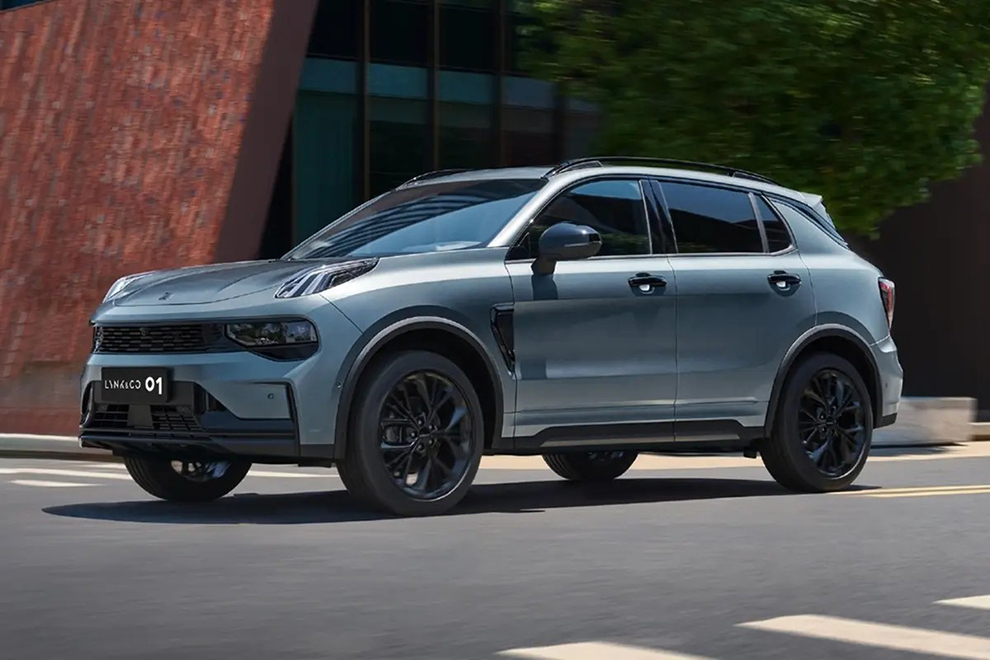
At a glance
- A premium-styled compact SUV with a plug-in hybrid system suited to mixed charging access.
- The 1.5T and 1.5TD lineups reflect petrol-versus-diesel use cases, but each unit needs verification.
- Used buying can improve acquisition value, but battery condition and supporting evidence are essential.
- Export pricing depends on the exact vehicle, its condition, logistics arrangements and Incoterm.
- LHD or RHD configuration, homologation, registration and aftersales support must be settled before import.
Why the Lynk & Co 01 Em-p matters for export markets
The Lynk & Co 01 Em-p sits in the compact SUV segment with a premium-oriented design and plug-in hybrid powertrain. For overseas dealers, its relevance is practical: buyers can cover routine journeys electrically when charging is available while retaining an internal-combustion engine for longer routes. That suits markets where charging networks are developing faster than fully electric infrastructure and where one vehicle must serve commuting, regional travel and occasional heavy loading. It also offers a model that can sit above mass-market hybrids without requiring a battery-electric sales message for overseas buyers.
Global demand for the 01 Em-p is strongest as a use-case proposition rather than a sales-volume claim. Compact SUVs remain attractive to importers because they combine passenger space, ride height and usable luggage capacity in a manageable footprint. The Em-p version adds an efficiency option for company-car programs and private buyers who want less tailpipe emission during electric operation but also expect to travel beyond charging coverage. Its appeal therefore depends on credible charging access, sensible operating routes and a market that recognises plug-in hybrids in its tax and emissions framework.
Export evaluation should separate the model’s China-market identity from its legal status in the destination country. Names such as National Emission Standard V or National VI describe a domestic emissions version, not approval in the destination country. An importer therefore needs more than attractive trim equipment: steering position, safety equipment, language, charging provisions and software support must match the market. The 01 Em-p makes sense when those fundamentals are available; without them, powertrain flexibility cannot overcome the cost of non-compliant conversion, inadequate local technical support and long-term service uncertainty.
- Charging access drives practicality.
- Local approval comes first.
- Premium mixed-use positioning.
Model range, trims and powertrain variants: how the lineup is structured and how to choose
The 01 Em-p range is organised around several PHEV trim families rather than one universal specification. Live offers can identify vehicles as 1.5T PHEV JingPro, Jing Guo, Pro, Halo or Plus, with some listings also carrying National Emission Standard V or National VI wording. These labels help narrow an initial search, but they should not be read as a complete equipment list. A buyer should compare the vehicle-specific VIN, production details, option sheet and photographs, because the same named trim can vary in market equipment and condition before paying a deposit.
In general automotive naming, 1.5T denotes a 1.5-litre turbocharged petrol engine, while 1.5TD denotes the diesel counterpart; the exact engine and emissions configuration must still be confirmed for each vehicle. Petrol may suit markets with lower diesel uptake or tighter diesel-tax exposure, whereas diesel can be relevant for high-distance commercial use. The PHEV layer adds an electric motor and rechargeable battery, but battery versions and electric-range figures differ, so neither catalogue trim wording nor a photograph is enough for a final decision. Review the live unit specification against destination-market rules before deciding.
Choose the trim by matching equipment to its operating role, then verify how the vehicle will be used after arrival. Halo and Plus are useful trim identifiers, while Pro, JingPro and Jing Guo identify branches of the range; however, names alone do not guarantee identical features. For a fleet buyer, prioritize duty-cycle essentials such as climate control, load practicality, driver assistance and towing provision. For a retailer, warranty support, software language and resale appeal may matter more; a lower-specified unit can offer better value if core safety and drivetrain condition are sound.
- 1.5T petrol; 1.5TD diesel.
- Compare battery versions.
- Trim names need verification.
New vs used Lynk & Co 01 Em-p: how export inventory is structured and how buyers choose
A new versus used decision for the 01 Em-p is a decision about risk allocation. A factory-new vehicle offers the clearest ownership history, factory warranty terms and an untouched traction battery, although acquisition cost and initial depreciation are usually higher. A used example can reduce acquisition cost or deliver a newer specification for less than a new equivalent, but transfers risk in battery condition, mechanical wear, prior use and repair history. Compare expected cost per kilometre, downside exposure if an expensive component needs attention and residual risk, not the headline price alone.
Used 01 Em-p vehicles are easy to misread because age, trim and emissions wording appear prominently while condition does not. A lower odometer reading can reflect limited use, but it does not prove battery health, charging performance or accident-free status. A higher reading may be acceptable when a vehicle was maintained consistently and has documented service history. Request the VIN, registration documents, maintenance records, battery diagnostic report, underside and cabin photographs, and an independent inspection. For commercial buyers, service invoices and evidence of fleet or private use are often more valuable than a generic condition grade.
New inventory is easier to standardise for a dealer launch or multi-vehicle fleet, whereas used inventory can match a tighter acquisition budget or obtain a trim and emissions version. Used units can make business sense where the vehicle will have a short, planned service life and the buyer has negotiated an inspection-based remedy. They are less suitable for a buyer who cannot absorb repair uncertainty or lacks access to diagnostics. The contract should state the exact condition, accessories, battery-health basis, documents and remedies if the vehicle differs materially from the agreed description.
- Condition drives used value.
- New units aid standardisation.
- Verify battery health.
How export pricing works: the factors behind a live listing price, and how to read one
An export price for a Lynk & Co 01 Em-p is a live, unit-specific commercial position, not a fixed model-wide rate. Principal value drivers include production year, trim, petrol or diesel version, battery specification, electric-range version, mileage, condition, service history and whether the vehicle is new or used. Commercial variables also matter: seller currency, exchange rate, payment terms, insurance, freight route, port charges, taxes and the Incoterm can change the final payable amount. Only the live inventory and a written quote can establish current numbers for a particular vehicle or combination being quoted.
Start by separating asking price from landed cost. A listing may show an export transaction price, but the buyer may still face inland transport, port handling, freight, insurance, customs duty, VAT or sales tax, registration, compliance work and dealer margin. Read currency, condition wording, unit reference, MOQ and quote-validity terms before comparing offers. Two vehicles with similar trim names can have different economics if one is newer, uses a different powertrain or battery version, or needs more repair. Ask for a written breakdown and confirm whether the price is bound to a particular Incoterm and destination.
A disciplined comparison can be built without relying on headline figures. Compare an older petrol unit with a newer diesel unit, then price annual fuel, diesel-tax and charging implications for your duty cycle. Add expected insurance, servicing, spare-parts availability and residual-value risk to the acquisition difference. Repeat the exercise with two comparable trims of the same age and condition so vehicle differences are not hidden. Test whether container consolidation changes delivered cost enough to outweigh the flexibility of buying one unit. Take the exact live price, availability and MOQ from the individual listing and confirm them in the RFQ.
- Separate vehicle and landed cost.
- Compare equivalent units.
- Confirm Incoterm and validity.
MOQ, ordering and payment: single units vs consolidating a container
MOQ determines how many vehicles the seller will release under one order; it is not a permanent rule for every Lynk & Co 01 Em-p transaction. Some live offers may accept a single unit, while other vehicles or suppliers may be offered only in lots, so check the quantity field attached to each listing. For a wholesale program, compare one-unit flexibility with the economics of a larger consignment. Buying one vehicle gives an importer a low-volume test of specification, quality and aftersales demand, but spreads freight, fixed port and documentation charges across fewer units. Consolidation can improve logistics economics, yet increases capital exposure and makes one vehicle’s condition harder to correct before shipment.
The normal ordering sequence begins with a precise RFQ: state destination, required steering side, preferred trim, acceptable production years, condition, quantity and delivery term. The seller should return a vehicle-level quotation, confirm the VIN or unit reference, disclose MOQ, and identify any deposit, milestone and balance-payment schedule. Before remitting funds, verify the legal seller, ownership documents, export eligibility and beneficiary account through a separate channel. A written pro forma invoice and sales contract should reconcile the exact unit, agreed repairs or accessories, documents, delivery scope and remedies if inspection finds a material discrepancy.
For container buyers, build the loading plan around real dimensions rather than assuming identical trims present identical risks. Separate higher-risk vehicles from the first saleable consignment if possible, record condition at handover, photograph loading and secure each vehicle according to carrier requirements. Confirm how mixed configurations affect destination registration, spare-parts planning and resale. Payment should follow verified milestones and never rely on a changed bank instruction sent only by email or message. Where a single unit is offered, obtain the same documentary and inspection protections, even without consolidation’s economic benefit before dispatch.
- Check each unit’s MOQ.
- Singles suit market testing.
- Consolidation cuts unit logistics cost.
Shipping, homologation and market compliance caveats: LHD/RHD and import rules by country
Compliance is determined by the destination market, not by the Chinese emissions suffix in the trim name. A vehicle carrying National V or National VI wording may still require local type approval, emissions conformity, safety checks, software and cybersecurity assessment, battery documentation, charging-equipment approval and registration formalities. Importer-of-record obligations can include customs classification, duty and tax, port inspections and evidence that the VIN matches the approved configuration. Treat any claim of “export ready” as the starting point for professional review: ask for the homologation file, build plate, VIN, certificate of conformity and evidence that the exact steering and equipment configuration is lawful in the target country.
Left-hand-drive and right-hand-drive availability must be treated as separate sourcing tasks. The Chinese domestic market is commonly associated with left-hand-drive vehicles, but that does not prove the export configuration of every unit; a confirmed LHD or RHD vehicle should appear in the listing or supporting documents. Do not assume that steering conversion is harmless to safety, warranty, software or registration. A market requiring RHD should prioritise an originally configured and approved example. If local conversion is contemplated, obtain written approval first and price the mechanical, electrical, certification and residual-value consequences rather than treating it as a low-cost adaptation.
Shipping time and cost depend on origin and destination ports, carrier schedule, vessel or roll-on/roll-off capacity, congestion, customs clearance, inland haulage, insurance and vehicle documentation. Request a door-to-door quote as well as a port-to-port comparison, and check which party bears customs, duties and damage responsibility. PHEV units should be declared with the carrier and broker so battery-related transport or customs requirements are identified before loading. After arrival, allow time for inspection, configuration checks, registration and delivery preparation. A cheap sea quote can become expensive if the vehicle is held, re-examined or found unsuitable for local use.
- Domestic labels are not approval.
- Confirm LHD or RHD.
- Broker before loading.
Who should buy the 01 Em-p — and who should pick a different vehicle
The 01 Em-p is a strong candidate for an overseas dealer serving buyers who want SUV packaging, premium styling and plug-in hybrid flexibility without committing to full battery-electric range anxiety. It also suits a fleet operator that can install workplace or depot charging and expects a mix of daily urban mileage and longer road mileage. Its appeal increases where the vehicle is sold with transparent PHEV economics, local technical support and a clear charging package. For an importer, the best opportunities are vehicles prepared correctly, explained credibly and supported after delivery, not simply discounted units.
It is a weaker fit for a buyer with no dependable charging access, a duty cycle dominated by very short urban trips, or a market that prioritises zero-emission operation over engine use. A battery-electric crossover may serve such a fleet better where charging and range requirements are met. Buyers needing more than five seats, substantially more cargo volume, heavy-duty durability or off-road capability should look outside the compact SUV segment. High-mileage operators should also compare PHEV ownership costs with a conventional hybrid or efficient diesel, because additional charging and maintenance demands may not pay back under every duty cycle.
Use a decision matrix before placing an order: routes and annual distance, charging access, local tax treatment, cargo and passenger needs, safety and homologation, service coverage, parts lead time and expected residual value. Then compare the 01 Em-p with the closest PHEV alternatives on total cost rather than purchase price alone. For a used unit, weight the condition report, battery evidence and repair options more heavily because warranty assumptions may differ. For a new or nearly new unit, verify production date, factory warranty portability and exact equipment. A test drive and destination-specific total-cost calculation are more reliable than a generic specification sheet.
- Suits mixed routes and charging.
- Weak for zero-emission fleets.
- Compare ownership costs.
Main rivals and how the 01 Em-p compares
The closest alternatives depend on how broadly “premium compact PHEV” is defined. The BYD Song Plus DM-i is a useful direct comparison because it competes for Chinese-built plug-in hybrid SUV buyers seeking mainstream electrification and practical fleet deployment. The Geely Xingyue L sits at a larger and more premium end of the PHEV SUV market, providing another benchmark for space, refinement and brand positioning. For buyers focused on premium compact credentials, the Volvo XC40 plug-in hybrid is relevant, although its import route, tax burden and aftersales economics may differ substantially from a ChinaCarDirect unit.
Against the Song Plus DM-i, the 01 Em-p generally offers a more premium-oriented design identity and a distinctive position within Geely’s global brand structure, while the Song Plus family benefits from broader Chinese plug-in hybrid recognition. Against the larger Xingyue L, the 01 Em-p may be easier to manage in tighter urban markets but offers less body space. Against the Volvo XC40 plug-in hybrid, the Lynk & Co can offer a different China-export value equation, yet assumptions about safety, software, residual value and service cannot be transferred automatically. Local homologation and support are decisive.
Make the comparison with the same route, charging assumptions and ownership horizon rather than comparing brochure figures. Calculate fuel used when charging is unavailable, electricity consumed when it is available, realistic range, cargo utility, tax, insurance, servicing and resale prospects. Check which rival is actually homologated and supported in the destination market, then compare like-for-like vehicle age, condition, mileage and equipment. Do not treat a diesel 01 Em-p as the same offer as a petrol unit, or assume that another PHEV’s charging standard is compatible. Request current unit-level quotations and the necessary compliance documents for each shortlisted vehicle before deciding.
- Song Plus DM-i: mainstream PHEV.
- Xingyue L: larger alternative.
- XC40 PHEV: premium benchmark.
Live Lynk & Co 01 Em-p export inventory
View all listings →Real units currently on ChinaCarDirect with per-unit asking prices and MOQ. Availability updates live from the catalogue.
How to buy a Lynk & Co 01 Em-p from China
-
1
Set the destination specification
Define the destination country, required LHD or RHD configuration, emissions rules, charging provisions and aftersales expectations before selecting a trim.
-
2
Review live 01 Em-p listings
To buy a Lynk & Co 01 Em-p from China, compare the live inventory by trim, production year, condition and individual MOQ rather than relying on model-wide assumptions.
-
3
Verify the 01 Em-p specs
Request the VIN, engine version, battery details, electric-range information, charging equipment, emissions version, service history and photographs for the shortlisted vehicle.
-
4
Request a landed export quote
Ask for the live unit price, MOQ, payment schedule, Incoterm, freight estimate, insurance, taxes and any required compliance work. Use the live listing as the source for current figures.
-
5
Place and document the order
Confirm the exact unit in a written contract, agree inspection and condition remedies, verify the beneficiary account independently and release payment only against agreed milestones.
-
6
Arrange compliant shipping
Instruct a broker and carrier to check customs classification, PHEV documentation, loading requirements, insurance and destination registration before dispatch.
01 Em-p vs rivals
| BYD Song Plus DM-i | A closer mainstream Chinese PHEV SUV benchmark that may be easier for fleet buyers to compare on running costs and broad market recognition. The 01 Em-p differentiates through its more premium-oriented design and less conventional brand identity, while local service and homologation remain decisive. |
|---|---|
| Geely Xingyue L | A larger premium PHEV SUV offering more body space and a different luxury positioning. Choose it when passenger room and refinement dominate; the 01 Em-p may be easier to manage as a compact vehicle in tighter urban markets. |
| Volvo XC40 plug-in hybrid | A premium compact PHEV with stronger recognition among some European buyers, but potentially different landed economics and support requirements. The Lynk & Co offers a China-export alternative whose value depends on local homologation, parts access and resale prospects. |
Frequently asked questions
How is the Lynk & Co 01 Em-p export price determined?
A live quote reflects the vehicle’s year, trim, petrol or diesel version, battery specification, mileage, condition, service history, exchange rate, freight, insurance, taxes and Incoterm. There is no fixed model-wide export price that can be relied upon. Check the individual ChinaCarDirect live listing and request a written quote for the exact unit.
What engine and electric range should I expect from the 01 Em-p?
The 01 Em-p is a plug-in hybrid with a combustion engine, electric motor and rechargeable traction battery. Depending on the trim, the combustion side is a 1.5T petrol or 1.5TD diesel configuration, but exact battery capacity, electric-only range, fuel consumption and charging specifications must be confirmed for each live vehicle.
Should I buy a used Lynk & Co 01 Em-p?
A used unit can offer stronger acquisition value and may suit a buyer with a planned service life, provided battery condition and mechanical evidence are satisfactory. A new vehicle generally simplifies ownership history and fleet standardisation but usually carries higher acquisition and depreciation exposure. Compare inspection evidence, warranty assumptions and total ownership cost rather than age alone.
What is the MOQ for a wholesale order?
MOQ is shown on each live listing and can differ between vehicles or suppliers. One unit may be available from some offers, while others may be offered only in lots, so there is no permanent model-wide MOQ. Confirm the quantity attached to the selected unit before requesting payment instructions.
How long does shipping take and what does it cost?
Transit time and cost depend on the origin and destination ports, carrier schedule, congestion, customs clearance, inland transport, insurance and the vehicle’s documentation. Obtain both port-to-port and door-to-door quotations. A low freight charge can be offset by port charges, customs holds, inland haulage or compliance work.
Are spare parts available for the 01 Em-p?
Parts availability for body panels, electronic modules and hybrid high-voltage components varies by model year and destination, so no importer should assume local supply without checking. Ask the seller for a parts list, identify a local service partner and confirm import access for specialist items. Include wear items and hybrid-service requirements in the fleet’s spares budget.
Is a right-hand-drive Lynk & Co 01 Em-p available?
RHD availability depends on the individual production configuration and the live export inventory. Do not assume that a left-hand-drive Chinese vehicle can be converted economically or legally; steering, safety, software and registration consequences may apply. Select an originally configured RHD vehicle where possible and obtain approval before any local conversion.
How do I order a Lynk & Co 01 Em-p from China?
Choose a live unit, verify its VIN and specifications, and send an RFQ stating the destination, trim, condition, quantity and delivery term. Confirm the live price, MOQ, payment milestones, export documents and inspection remedies in writing before remitting funds. Use the ChinaCarDirect contact page to request the binding quotation for that vehicle.
Ready to source the Lynk & Co 01 Em-p?
Request a current Lynk & Co 01 Em-p export quotation with unit, landed-cost, MOQ and shipping details.
Request a quote