
Lynk & Co 05 Export Buying Guide for Overseas Dealers
Compare Lynk & Co 05 trims, powertrains, export pricing, shipping and compliance, then source live units from China for your overseas market.
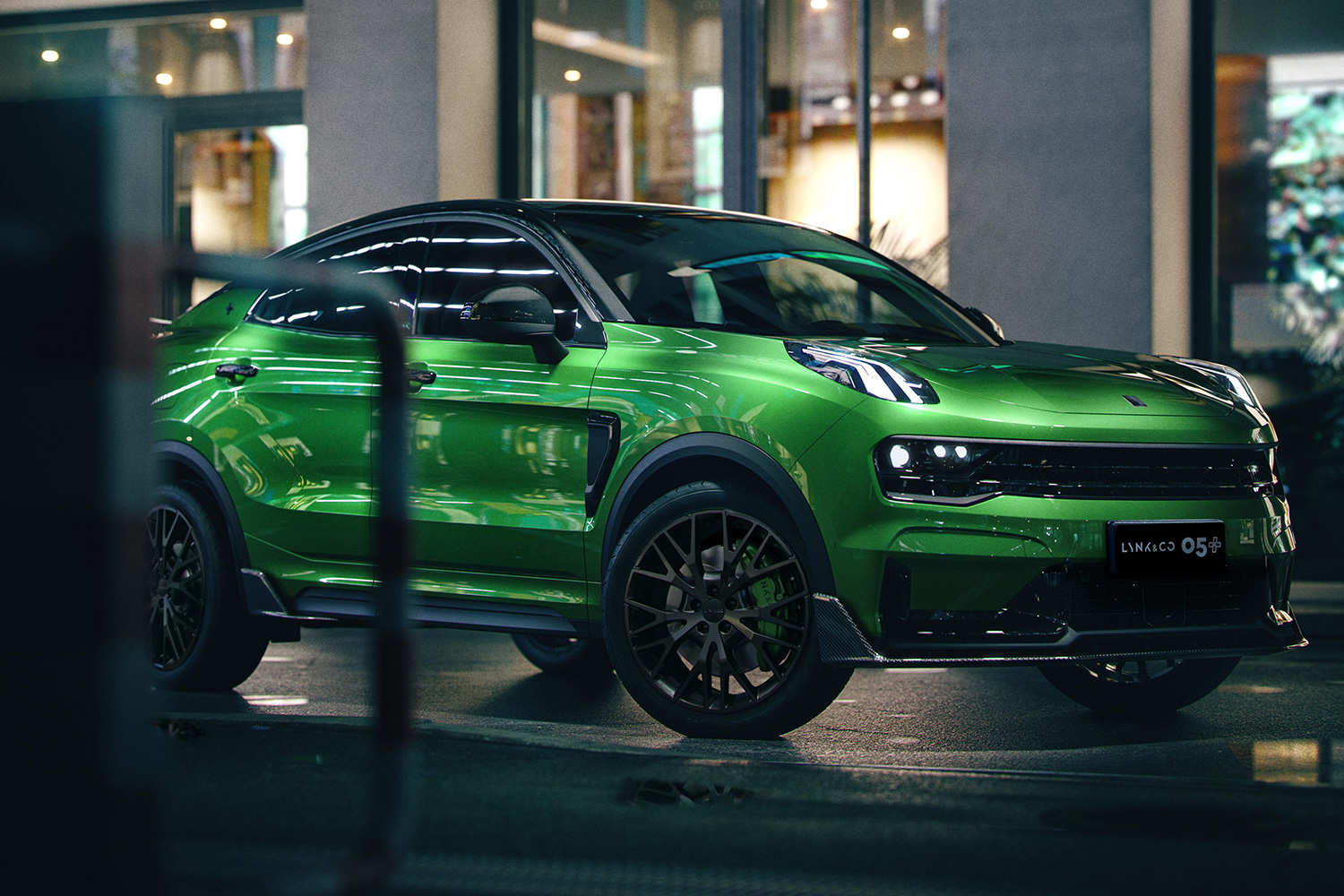
At a glance
- The 05 is a compact crossover SUV with 2.0TD diesel, 4WD/AWD and 1.5TD PHEV options in export listings.
- Two-wheel-drive and four-wheel-drive versions serve different fleet, road-condition and operating priorities.
- Halo, Shine, Power and Explorer labels require option-by-option comparison because export equipment can vary.
- New and used examples involve different proof, inspection and warranty checks, especially for PHEV batteries.
- Exact price, MOQ and availability are shown per unit in ChinaCarDirect's live Lynk & Co 05 inventory.
- Steering side, destination homologation and local after-sales support are essential sourcing checks.
Why the Lynk & Co 05 matters for export markets
The Lynk & Co 05 sits in the compact crossover SUV segment, where overseas buyers often want more space, visual presence and drivetrain flexibility than a conventional compact car without committing to a large SUV. Export listings show 2.0TD turbo-diesel versions, including two- and four-wheel-drive configurations, as well as a 1.5TD plug-in hybrid. That mix lets a dealer address diesel, AWD and partly electrified demand, subject to local rules. For fleet buyers, the more consequential question is not badge appeal alone, but whether fuel availability, charging access, service coverage and residual-value support make the model economical to operate in the intended market.
The 05 is attractive to export buyers because it combines a relatively new Chinese-brand image with segment conventions familiar in Europe and other developed markets: a raised body, practical five-door layout and a choice of front- or four-wheel drive. Two-wheel-drive variants may suit fleets focused on acquisition simplicity, while 4WD/AWD-labelled cars can make more sense where rain, snow, poor surfaces or towing duties influence the decision. These are use-case arguments, not guarantees of performance in a particular country. Buyers should still verify ground clearance, towing limits, equipment and homologated safety provisions on the exact vehicle they intend to purchase.
Demand for the 05 should be treated as market-specific rather than assumed from global compact-SUV trends. A diesel SUV may be logical where long-distance driving and diesel refuelling are established, while a PHEV can appeal to fleets seeking lower tailpipe emissions during electric operation. Conversely, a dealer in a market with petrol-only policy, weak PHEV incentives or limited high-voltage maintenance support may find the 05 less suitable. Export opportunity therefore comes from matching powertrain and equipment to local operating and regulatory conditions. A live unit-level listing helps narrow the shortlist before commercial and technical due diligence begins.
- 2.0TD diesel choices for urban and AWD-led use cases
- 1.5TD PHEV Halo for mixed-duty fleets
- Distinct 05 and 05+ labels require VIN-level confirmation
Model range, trims and powertrain variants: how the lineup is structured and how to choose
The lineup wording is more varied than a simple trim ladder, so buyers should organise it by powertrain, drivetrain and equipment rather than by badge alone. Available 2.0TD names include 2WD Shine Halo and Shine Plus, 4WD Halo Edition, Power Halo and Power Plus, plus AWD Halo and Explorer Edition entries. Some catalogue descriptions explicitly identify an automatic transmission. Because 4WD and AWD wording both appears, verify the actual system and equipment on the VIN rather than inferring equivalence. Trim names can also change between 05 and 05+/Model 05+ listings.
For a diesel buyer, 2WD is the simpler baseline for fleets prioritising fuel cost, tyre and servicing simplicity, while 4WD or AWD versions add hardware and should be justified by the operating environment. Halo, Shine, Power and Explorer labels may indicate market-specific equipment tiers, but the safest comparison is option by option. Ask whether the vehicle has the driver-assistance systems, infotainment, seating materials and lighting expected for your destination, then verify those items during pre-shipment inspection. Do not treat a higher trim label as proof of a longer equipment list in every export market.
The 1.5TD PHEV Halo is a separate decision path. It combines a 1.5TD engine with plug-in hybrid hardware, but the listing names do not establish battery capacity, electric-only range, charging protocol or fuel tank details for the export unit. Those figures must be taken from the live listing and, more importantly, the vehicle documents and homologation record for the destination. The 05+/Model 05+ labels should likewise be checked against body photos, production details and VIN records. For fleet economics, include charging availability and hybrid-system support in the total-cost comparison, not merely the catalogue badge.
- 2WD Shine variants prioritise operating simplicity
- 4WD and AWD trims suit traction-sensitive buyers
- Automatic status must be verified in each listing
New vs used Lynk & Co 05: how export inventory is structured and how buyers choose
Export stock can include new-condition vehicles and previously registered examples, but those condition labels answer only one part of the sourcing question. A new listing may represent a current or earlier production specification, while a used vehicle may be a lower-mileage 2.0TD diesel or a PHEV that has completed substantial service life. Buyers should therefore read model year, condition, mileage, ownership history and equipment as separate fields rather than treating “new” or “used” as a complete description. A model designation can also remain the same across production periods, with market-specific revisions.
For a dealer building a repeatable range, a new unit is attractive when consistency, low disclosed mileage and known presentation matter. However, “new” does not mean latest specification or immediate regulatory approval, so confirm model year, paint, factory options and whether the car has completed registration. Ask whether any warranty travels with the vehicle and whether the destination can service it. For fleet tenders, a written condition report and clear title documents can be more valuable than the condition label alone. Photographs and an inspection should confirm what the seller describes.
A used 05 can make sense when the buyer values a known specification, established depreciation or immediate availability more than a new-car condition report. For diesel vehicles, inspect mileage, service history, tyres, underbody condition and evidence of repair. A used PHEV requires additional checks on battery state of health, charging operation, hybrid warnings, cabin high-voltage precautions and accident history. Ask for diagnostic reports and an independent inspection rather than relying on a seller photograph or a single warning-light check. The VIN should match exactly every document and the unit inspected.
How export pricing works: the factors behind a live listing price, and how to read one
An export price is not a fixed market value for the name Lynk & Co 05. It is the result of several variables: model year, trim, 2WD versus 4WD/AWD, diesel versus PHEV, mileage and condition for a used vehicle, and the physical attributes of the unit. Seller margin and the destination's commercial terms also matter. When comparing quotes, hold these variables constant or use a written like-for-like specification; otherwise a cheaper headline figure may simply represent an older or less equipped car. Ex-works and delivered quotes are not directly comparable.
Freight can move a quote substantially because vehicle size, shipping method, origin and destination ports, route, fuel surcharges, insurance, handling and customs work all carry cost. Incoterms decide where the seller's responsibility and risk transfer, while exchange-rate movements can affect a quote negotiated in another currency. Distance alone does not determine the delivered cost: consolidation, port congestion and documentation can be just as influential. Ask for the charge basis and validity period, then model the landed total rather than comparing vehicle-only amounts. Local taxes and duties may sit outside either seller's scope.
On a ChinaCarDirect live listing, separate the vehicle description from the commercial terms. Confirm whether the displayed amount is an asking price, whether it includes export documentation, inland transport, insurance or ocean freight, and which Incoterm applies. Check the VIN, model-year notation, trim, drivetrain, transmission, mileage and condition against the photographs. Exact price, minimum quantity and availability are per-unit details that can change, so use the current live listing and the written pro forma invoice as the binding commercial reference. A seller should be able to explain every material difference between two quotes.
- Compare like-for-like trim, year, drivetrain and condition
- Separate vehicle cost from freight, insurance and duties
- Treat the live listing and written PI as binding
MOQ, ordering and payment: single units vs consolidating a container
One-unit purchasing is attractive to test a market, complete a small fleet batch or source a specification that is not common in local channels. The displayed MOQ on each ChinaCarDirect live listing must be read before ordering, but a one-unit order does not automatically mean the vehicle can move immediately as a private parcel. The buyer may need to use a vehicle-carrier service or a shared export container. The key questions are who arranges that transport, what the MOQ covers, and whether the quoted amount is the vehicle alone or includes consolidation and freight.
For a wholesale order, container consolidation can improve freight efficiency for a dealer ordering several 05s, but it adds specification and compliance management. Vehicles must share a destination, documentation standard and realistic delivery timetable; mixing temporary inventory with planned fleet orders can create storage and registration delays. A consolidated shipment also needs space allocated by vehicle dimensions and weight, which should be confirmed rather than estimated. For PHEV units, ask the forwarder how the vehicle is classified and what battery-related documents or carrier restrictions apply. Securing the freight slot before final payment can reduce avoidable delay.
Payment should follow a documented sales sequence: identify the exact unit, agree the specification and commercial terms, receive a pro forma invoice, verify the seller's identity and title documents, then pay through the agreed method against the stated milestone. Deposit and balance arrangements vary, so no universal percentage should be assumed. Before releasing final payment, link the VIN, inspection report, photographs and shipping documents to the invoice. Keep every change—trim, freight, Incoterm or delivery port—in a written amendment. A bank transfer should use beneficiary details verified through an independent contact channel.
Shipping, homologation and market compliance caveats: LHD/RHD and import rules by country
Shipping cost and transit time begin with the vehicle's dimensions and weight, the origin and destination ports, the selected Incoterm and the route. A vehicle-carrier service may suit a single unit; a full container or shared vehicle consolidation may suit dealers, while specialist transport can be required for unusual logistics. Freight quotations should be checked against the actual VIN and confirmed loading specification. Marine schedules, port congestion, customs inspection, inland haulage, insurance and terminal charges can all affect the final landed cost. Schedule buffers should cover inspection and documentation, not just sailing.
Steering configuration is a sourcing issue, not a cosmetic preference. The trim label alone does not prove whether a 05 is left-hand drive or right-hand drive, so buyers should state the required side in the RFQ and require it on the invoice and vehicle documents. Factory right-hand-drive production, where available, is normally simpler to justify than a later conversion; converted vehicles may require different parts, safety checks and approval evidence. Never assume that a Chinese-origin listing can be registered in the destination without resolving this point before contracting or paying.
Local homologation is the decisive compliance stage. China type approval, emissions rules and equipment specifications do not automatically satisfy a destination country's roadworthiness, emissions, safety, cybersecurity or vehicle-registration rules. Imported vehicles may require a conformity certificate, VIN verification, customs classification, taxes and duties, modifications, or a local emissions test. For the diesel 05, confirm the approved emissions category; for the PHEV, verify charging arrangements and any high-voltage documentation. A homologation specialist or local authority should review the exact model before shipment. A pre-shipment compliance review is cheaper than modifying a vehicle after arrival.
- Confirm steering side before contracting
- Verify destination type approval and emissions rules
- Budget for inspection, port handling and customs clearance
Who should buy the 05 — and who should pick a different vehicle
The 05 is a strong candidate for a dealer seeking a compact SUV with a distinctive marque and multiple diesel drivetrain choices. Two-wheel-drive versions can suit urban fleets and buyers focused on straightforward operating costs, while 4WD/AWD models can be more relevant in wet, snowy or rough-road regions. The plug-in hybrid Halo may suit organisations with dependable charging and a duty cycle that can use electric operation. The decision should start with infrastructure and resale support, not styling alone. Local parts access and technician familiarity should be checked before committing to volume.
For fleet buyers, the 05 can fit a mixed brief involving company cars, regional sales teams or vehicles that need stronger road presence than a saloon. A single fleet should compare total operating cost, tax treatment, fuel availability, maintenance intervals, insurance and expected residual values; a low acquisition price alone does not determine the best choice. The 05 also offers a useful test-and-learn route: a small first order can reveal demand, running costs and parts lead times before a larger container commitment. This staged approach reduces destination-market sourcing and homologation exposure.
Certain buyers should choose another vehicle. A market that prohibits or strongly penalises the relevant diesel emissions, or offers no realistic refuelling network, is a poor match. A pure electric fleet should not treat a PHEV as a zero-emissions substitute unless local rules and charging operations support that strategy. Buyers needing guaranteed right-hand drive, a specific tow rating, compact urban dimensions or mature nationwide parts support should confirm those requirements before ordering. If the 05 cannot satisfy them, a locally homologated rival may carry lower operational risk and lower compliance risk.
- Best for diesel-focused dealers and mixed-duty fleets
- Requires local diesel, PHEV or AWD support
- Not ideal for markets seeking EV-only compliance
Main rivals and how the 05 compares
The closest alternatives depend on the destination's homologated range, but the Mazda CX-5, Hyundai Tucson and Peugeot 3008 are credible segment rivals for a compact SUV buyer. The CX-5 is a familiar choice where AWD, established servicing and a strong used-market proposition are priorities. The Tucson competes through a broad family of petrol, hybrid and electrified choices across many markets. The 3008 appeals to design-conscious importers, with powertrain availability varying by country. The 05's counterargument is its diesel-led trim breadth and distinctive China-origin brand positioning, but it must overcome less familiar residual-value and service perceptions.
Compare rivals on the same basis rather than on headline equipment. For a diesel-led buyer, check engine and drivetrain approvals, fuel consumption data, towing limits and long-term parts availability. For a PHEV consideration, compare battery warranty, charging compatibility and local tax treatment. The 05 may offer a broader diesel and 4WD/AWD selection than a particular rival's local catalogue, yet the buyer should test that advantage against dealer familiarity, diagnostic capability, insurance costs and residual-value support. The best comparison is a landed, duty-paid operating model rather than a showroom-specification sheet.
A practical shortlist should record each vehicle's homologation status, steering side, exact powertrain, equipment, after-sales coverage and delivered cost for the same mission. If the 05 wins on diesel choice, compact-SUV presentation and AWD availability, its distinct brand can support importer differentiation. If it loses on local service confidence, charging support or resale expectations, a more established rival may be easier to move. The right choice is the vehicle that remains supportable in the destination after registration, not merely the most interesting Chinese import after warranty and depreciation are considered.
- Mazda CX-5: stronger dealer familiarity in many markets
- Hyundai Tucson: broad hybrid and AWD choice
- Peugeot 3008: design-led alternative with market-specific powertrains
Live Lynk & Co 05 export inventory
View all listings →Real units currently on ChinaCarDirect with per-unit asking prices and MOQ. Availability updates live from the catalogue.
Lynk & Co Lynk & Co 05 2022 Model 05+ 2.0TD Automatic Explorer Edition
How to buy a Lynk & Co 05 from China
-
1
Define the destination and duty cycle
Specify the destination country, steering side, annual mileage, charging access, cargo and towing needs, and non-negotiable equipment. Separate mandatory requirements from preferences before comparing vehicles.
-
2
Shortlist the live inventory
Review ChinaCarDirect's live Lynk & Co 05 listings and compare the VIN-specific trim, drivetrain, transmission, condition and equipment. Use each live unit page for its current price, MOQ and availability.
-
3
Request a written quotation
Send an RFQ stating the destination, quantity, preferred trims, Incoterm and required documents. Ask for a pro forma invoice that clearly separates the vehicle, inland transport, freight, insurance and handling.
-
4
Verify compliance and ownership
Check the VIN, title or registration documents, steering side, destination type-approval requirements, emissions rules and import eligibility. Obtain local specialist or authority confirmation before paying a non-refundable deposit.
-
5
Inspect and formalise the order
Use an independent inspection for the selected vehicle, with extra checks for a used PHEV's battery and hybrid systems. Match the VIN, condition report and agreed terms to the written invoice, then use verified payment instructions.
-
6
Book transport and release documents
Confirm loading dimensions, freight method, insurance, delivery port and schedule with the carrier or forwarder. Arrange pre-shipment photographs and release the original shipping and customs documents against the confirmed vehicle.
05 vs rivals
| Mazda CX-5 | A close conventional compact-SUV rival with established brand familiarity and AWD options in many markets. Choose it when service confidence and resale expectations outweigh the 05's diesel-led differentiation; choose the 05 for distinctive trim breadth and China-origin positioning. |
|---|---|
| Hyundai Tucson | A close rival whose market-specific lineup spans combustion, hybrid and electrified SUVs, often giving buyers more familiar after-sales options. It may be the safer fleet choice where broad local support and multiple powertrains matter; the 05 appeals when 2.0TD diesel breadth and 4WD/AWD choices are decisive. |
| Peugeot 3008 | A design-led compact SUV with market-dependent diesel and electrified versions. Consider it when styling and local brand recognition matter more; consider the 05 when diesel availability, AWD trim choice or importer differentiation justify a less familiar marque. |
Frequently asked questions
How is the export price determined, and where can I see the live price?
Export pricing is built from the exact unit's year, trim, powertrain, drivetrain, condition and mileage, then affected by currency, freight, insurance, handling, Incoterms, taxes and duties. Review ChinaCarDirect's live Lynk & Co 05 listings for the current unit price and request a written quote stating exactly what is included.
Which engines and drivetrains are available?
Export listings include 2.0TD turbo-diesel 2WD and 4WD/AWD-labelled versions, plus a 1.5TD PHEV Halo. Some 05+ Explorer listings state automatic transmission, while other entries do not, so confirm the transmission and drive system from the VIN-specific listing.
What battery, range and charging information should I verify for the PHEV?
Do not rely on the trim badge alone; confirm battery capacity, electric-only range, charging interface, charging rate and fuel configuration from the live listing and vehicle documents. Local charging access and incentives should also be included in the fleet operating-cost comparison.
Should I choose a new or used Lynk & Co 05?
New examples offer known condition and low disclosed mileage, but model year, registration status, warranty transfer and destination approval still need checking. Used diesel cars require mileage, service and underbody checks; used PHEVs need battery state-of-health, charging and hybrid diagnostic evidence.
How does MOQ work for single-unit and container orders?
MOQ is displayed for the selected live listing and may differ by seller or shipment arrangement. A one-unit purchase can use vehicle-carrier or shared-container services, while dealers consolidating several vehicles should confirm space, destination compatibility, documentation and freight before paying.
What determines shipping time and cost?
Shipping time and cost depend on vehicle dimensions and weight, origin and destination, route, vessel or carrier availability, port handling, insurance, customs clearance and inland delivery. Ask for freight under a stated Incoterm and build a schedule that includes inspection and documentation time.
How should I source spare parts for the 05?
Order parts using the VIN and a detailed part description, and confirm that the destination can support the selected powertrain. For the PHEV, battery and high-voltage components require specialist handling and safety procedures; for diesel models, confirm common service items and diagnostic access locally.
Is right-hand-drive availability guaranteed?
Do not infer steering side from the 05 badge or a Chinese-origin listing. State the required side in the RFQ and secure it in the invoice and vehicle documents; factory right-hand drive is generally easier to homologate than an unverified conversion.
How do I order a Lynk & Co 05 from China?
Start with the live listings, shortlist the exact unit and send an RFQ stating the destination, steering side, trim, drivetrain, quantity and required Incoterm. After document verification, inspection, a written pro forma invoice and agreed payment milestones, book freight and release shipping documents against the confirmed VIN.
Ready to source the Lynk & Co 05?
Send an RFQ with your destination, steering side, powertrain, trim and quantity to buy Lynk & Co 05 vehicles from China with a current unit-level quote.
Request a quote