
Mazda 3 Axela Export Buying Guide for Dealers
Buy Mazda 3 Axela from China with a clear view of trims, 1.5L and 2.0L petrol options, export pricing factors, MOQ, shipping and homologation.
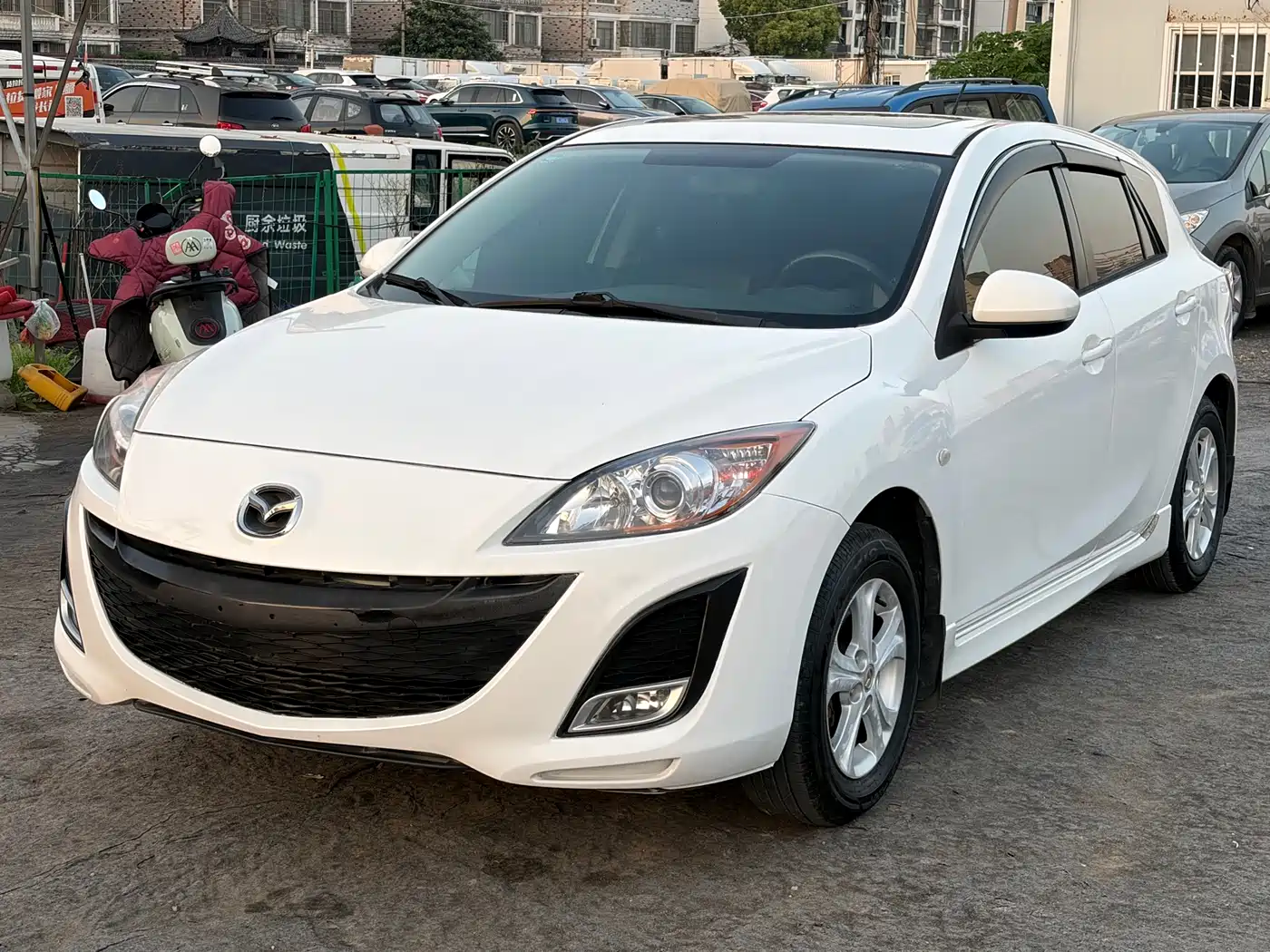
At a glance
- The China-market Axela spans sedan and hatchback forms, with 1.5L and 2.0L petrol families and a 1.6L hatchback designation.
- Automatic appears across the major trim families, while selected sedan versions specify a manual gearbox.
- China V and China VI identify domestic emissions generations, not automatic approval in an export market.
- Export pricing should be compared on a landed-cost basis, including freight, insurance, duties, taxes and local compliance.
- Confirm the exact unit, MOQ, steering side, homologation route and inspection evidence before paying a deposit.
Why the Mazda 3 Axela matters for export markets
The Mazda 3 Axela is the China-market version of Mazda’s compact 3 series, combining a manageable footprint, petrol efficiency and driver-focused sedan or hatchback packaging. For dealers, it sits between a transport car and a larger premium model, which makes equipment, running costs and resale support more relevant than sheer size. Axela is a regional name, so buyers should not map its trim names to another market without checking the VIN-linked specification. That check matters because equipment and emissions versions can differ even when the badge and grade wording look familiar.
Global demand for the 3 Axela is strongest where compact cars are practical and buyers want a marque without moving to a larger premium model. Its dimensions simplify parking, fleet administration and shipping, while the two body styles let a distributor serve sedan buyers and hatchback customers from a model family. That flexibility is valuable in markets with mixed retail and fleet demand. Mazda’s brand image also helps in comparisons with mainstream rivals, although the China-spec car should be judged on its equipment, service needs and local homologation rather than badge reputation alone.
Export buyers should distinguish global model familiarity from market-specific suitability. A China V or China VI designation, a translated trim grade and a China-origin warranty or service arrangement may not correspond to the destination country’s rules or residual-value expectations. The responsible way to evaluate a Mazda 3 Axela for export is to establish the exact vehicle, production specification and compliance route first, then compare landed cost with locally supported rivals. That sequence avoids mistaking a low headline quotation for a commercially complete vehicle before a shipment is contracted or payment released.
- Sedan and hatchback body choices
- 1.5L and 2.0L petrol families
- China V/VI is not export approval
Model range, trims and powertrain variants: how the lineup is structured and how to choose
The model range is organized around 1.5L and 2.0L petrol variants, with a 1.6L designation also appearing on selected hatchback trims. Automatic transmission is attached to most named grade families, while manual versions occur in the sedan line. Buyers comparing Mazda 3 Axela specs should therefore record body style, engine displacement, transmission and emissions generation together. A luxury or sport label alone is not a complete specification and can conceal differences in equipment, output or homologation. Check the VIN-linked build sheet before treating any trim name as equivalent to an overseas-market grade.
Within each body and engine family, the names suggest a hierarchy from Comfort-oriented cars through Luxury, Quality, Sport or flagship-type versions. China V and China VI versions can sit within otherwise similarly named grades, so one label may describe equipment while the other identifies the emissions generation. Dealers should request a photographed option list and the original Chinese specification sheet, not infer features from words such as Elite, Prestige or Flagship. Sedan and hatchback grades should also be separated when comparing availability, because cargo opening and body packaging differ materially.
The practical starting point is the intended customer and load. Choose the sedan when conventional three-box access and a separate boot suit the market; choose the hatchback when a larger tailgate opening and flexible load floor matter more. For fleet use, the 1.5L automatic family is the straightforward operating choice to investigate, while buyers focused on performance should inspect 2.0L variants and verify their real output. A manual may suit a differentiator seeking engagement and lower specification complexity, but it should be selected only after a clutch, gearbox and hill-start test.
- Match body style to cargo use
- Automatic and manual configurations
- Translate Chinese equipment labels carefully
New vs used Mazda 3 Axela: how export inventory is structured and how buyers choose
In new-vehicle sourcing, each live marketplace offer for the Axela clearly combines model year, body style, engine, transmission, trim and China emissions designation. That structure helps fleet standardization, but “new” does not by itself make the vehicle road-legal in the destination market. Buyers should ask whether the car is unused, whether factory warranty can continue overseas, and whether intended use requires an approved warranty, insurance or service plan. Local certification and inspection remain separate from the sales description, and evidence of delivery preparation should also be reviewed before payment is released.
Used Mazda 3 Axela procurement introduces a different evidence set. Mileage is only one part of the assessment: buyers should examine the VIN, title or ownership documents, service history, accident repair, paintwork, corrosion, cabin wear, engine and transmission behavior, and the completeness of tools and documents. Older China V vehicles may be mechanically straightforward, yet their age can affect insurance, parts availability, emissions eligibility and resale. Because condition varies vehicle by vehicle, a used purchase should be based on inspection and a repair-adjusted value rather than a generic model discount.
Neither new nor used is automatically the better commercial choice. New sourcing can simplify cosmetic condition and specification matching, but it may carry higher acquisition, preparation, compliance and carrying costs; it also offers less protection if rapid depreciation is a concern. A used unit can lower entry cost and make a familiar specification easier to source, yet it transfers more maintenance uncertainty to the importer. The best decision depends on the holding period, resale market, warranty requirements and the buyer’s ability to inspect and service the vehicle, not on age alone.
- New: clearer condition, higher carrying risk
- Used: lower entry cost, more uncertainty
- Inspect every used candidate
How export pricing works: the factors behind a live listing price, and how to read one
A Mazda 3 Axela export price guide must separate the vehicle’s listed asking price from the total cost of importing it. The listing value is normally shaped by model year, body style, engine and transmission, trim equipment, mileage or condition, new-versus-used status and the seller’s commercial terms. Market demand and the condition of a particular unit can also affect a quote. Currency movement, freight, marine insurance, handling, port charges, inspection, inland transport, duty and tax may sit outside the headline figure, depending on the agreed Incoterm and the quoted destination.
Reading the Incoterm is essential because EXW, FOB, CIF and delivered terms assign different costs and risks. A buyer may focus on the lowest vehicle price while unknowingly adding origin handling, export documentation, ocean freight, destination charges or taxes. Ask for a quotation that states the named place, whether the vehicle is secured and sealed, which documents are included, and the payment trigger for each leg. Then build a landed-cost worksheet using the assumptions across the Axela and its rivals; that comparison is more useful than comparing headline listings alone.
On each live page, confirm whether the displayed amount is the seller’s price for that specific unit and which costs it includes. Review model year, trim, engine, transmission, body, condition, mileage where relevant, steering side, and any stated preparation. ChinaCarDirect shows the current binding price, MOQ and availability on the live listing, so those fields should be checked at the time of quotation rather than inferred from an earlier message. Request a pro forma invoice that reconciles the unit price, freight method, Incoterm and payment schedule before funds are released.
- Compare landed cost, not headline price
- Read Incoterm cost and risk boundaries
- Verify current per-unit fields live
MOQ, ordering and payment: single units vs consolidating a container
MOQ is a seller and transaction rule, not a property of the Axela model. A live listing may allow a single vehicle, while another grade, color group or supplier batch may require several units; the field must be read on that specific listing. Buyers wanting one car should say so before reserving, because accepting a quantity by mistake can create cancellation and deposit issues. If a single-unit purchase is permitted, confirm whether the unit is held exclusively and whether the logistics method remains the same as for a consolidated load.
Consolidating a container can improve efficiency, but it increases specification and resale risk. Matching model year, body style, engine, trim, color and destination homologation makes the shipment easier to place and service; mixing different grades merely to fill space can fragment stock and slow individual sales. For Mazda 3 Axela wholesale planning, model the sale-through period for each specification, reserve an allocation, and ask the supplier for quotations for vehicle-only, port and delivered arrangements. A lower per-vehicle rate is valuable only if the inventory can be sold without prolonged storage.
The ordering sequence should be controlled rather than improvised. Confirm the live unit and its MOQ, request the pro forma invoice and supporting documents, inspect the vehicle, agree a refund or remedy clause, and then pay through the verified contractual channel. Larger transactions may use staged payments or documentary credit, while smaller orders still need clear deposit, balance, inspection and cancellation terms. The seller should identify the exporting entity, vehicle VIN, title or ownership documents, export declaration, shipping plan and party responsible for customs clearance. Keep every approval and promise in writing.
- MOQ belongs to the live transaction
- Match container loads by demand
- Use a written pro forma invoice
Shipping, homologation and market compliance caveats: LHD/RHD and import rules by country
Shipping method, route and timing should be settled before payment. Cars are commonly moved in containers or on roll-on/roll-off vessels, and the choice affects handling, exposure, loading requirements and the documents needed at origin and destination. The quotation should identify the named port or place, vessel or container plan, estimated sailing window, cargo insurance, inspection point and who arranges export and import clearance. Timing can move with vessel schedules, port congestion, weather, customs review and inland capacity, so a fixed transit promise should be treated as an estimate rather than a guarantee.
Steering configuration is a sourcing criterion, not a cosmetic preference. The China V and China VI labels identify domestic emissions generations, while many examples are left-hand drive; neither label proves that a vehicle is right-hand drive or approved for a particular market. Buyers requiring RHD should request written confirmation of the steering side and check current availability on the live listing before committing. Converting an LHD car can add cost, parts and insurance complications and may affect inspection, so factory configuration for the intended market is usually easier to assess than an assumed conversion.
Import rules are country-specific and can include age or emissions limits, type approval, VIN checks, customs valuation, duty, tax, quotas, local inspection and proof of roadworthiness. A China VI designation does not automatically satisfy an overseas emissions standard, and China V may face tighter restrictions in some markets. Before contracting, give the vehicle details to a customs broker or compliance specialist and establish whether approval, modification, or exclusion is more likely. The importer, not merely the exporter, remains responsible for accurate declarations, clearance and compliance with local registration and road-use requirements.
- Quote route, method and risk allocation
- Confirm RHD before placing funds
- Check destination type approval first
Who should buy the 3 Axela — and who should pick a different vehicle
The 3 Axela fits buyers who want Mazda’s compact-car character without committing to a larger, more expensive vehicle. It is particularly relevant to importers serving urban customers, small businesses and fleets that value a modest footprint, petrol operation and a choice of sedan or hatchback. A dealer can also use the 1.5L and 2.0L families to cover different customer priorities, provided the output and equipment of each selected unit are verified. For individual buyers, the model is most attractive when local homologation, parts support and resale prospects are already understood.
It is a weaker choice for buyers who need a commercial payload, seven-seat practicality, off-road ability or a premium status. A fleet operator focused on lowest operating cost should compare the Axela with an electrified alternative where charging, duty treatment and tax rules make that practical. Buyers needing a large SUV, pickup or van should not force a compact car into the role. Nor should an importer select the Axela for badge recognition if local service coverage, spare-parts lead times or certification make a rival easier and safer to support.
The buying decision should combine product fit with a complete commercial case. Compare the Axela against registered rivals on purchase price, expected holding period, fuel use, servicing, insurance, homologation and resale. Treat the live listing as the starting point, not the total decision. If the Axela wins on size, style and equipment after freight, duties and compliance are included, it is a strong compact-car candidate. If it loses on running costs, parts support or regulatory access, the better business decision may be a different model even if the badge appeals.
Main rivals and how the 3 Axela compares
The Toyota Corolla is a direct sedan benchmark for many Axela buyers because it is a mainstream compact with a broad appeal to private and fleet customers. Toyota’s scale can make parts, servicing and residual-value planning easier in markets with a strong dealer network. The Axela counters with distinctive styling and driver-oriented positioning, but a Chinese-spec trim cannot be declared the better choice on equipment. Compare engine performance, comfort, safety content, local certification and the total cost of each car; a familiar rival may still be commercially easier to support.
The Honda Civic is a rival for buyers who prioritize cabin space, a hatchback or sedan choice and a conventional high-volume compact-car proposition. Its model family and powertrain choices vary by market, so the exact local version must be checked rather than assuming parity with an imported Axela. The Mazda may offer an engaging driving character and distinctive design, while the Civic may benefit from more familiar service support or stronger demand in certain regions. For fleet buyers, real-world fuel use, insurance, warranty and resale evidence should decide the comparison.
The Volkswagen Golf is a hatchback alternative for buyers who value a refined cabin, mature platform and established European resale familiarity. It is a more specialized import than a mainstream Corolla or Civic, and local Golf variants can differ in engine, equipment and software. The Axela’s strengths are its Mazda styling, compact footprint and China-sourced trim flexibility; the Golf’s strength is its deeper market-specific familiarity. Choose between them with homologation, parts and service checked first, then use live pricing and freight terms to decide which specific vehicle makes commercial sense.
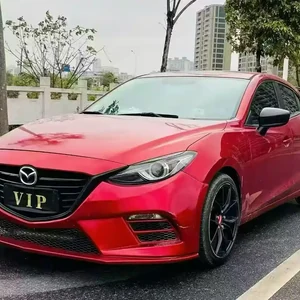
Live Mazda 3 Axela export inventory
View all listings →Real units currently on ChinaCarDirect with per-unit asking prices and MOQ. Availability updates live from the catalogue.
How to buy a Mazda 3 Axela from China
-
1
Define the destination and specification
Write down the destination country, required steering side, sedan or hatchback, engine and transmission preference, intended holding period and any local tax or compliance constraints before contacting sellers.
-
2
Review the live unit
Open the live Mazda 3 Axela listings and compare the current per-unit price, MOQ, model year, trim, photos, seller information and stated condition. Do not rely on a saved screenshot or earlier quote.
-
3
Request a complete pro forma invoice
Ask for the VIN, build sheet, China V/VI evidence, steering configuration, ownership or title documents, warranty terms, Incoterm, freight method and an all-in cost breakdown where available.
-
4
Verify the vehicle and compliance
Have an independent inspector check identity, condition, mileage if used, mechanical items and matching documents. Give the exact details to a customs broker or compliance specialist to confirm destination approval and likely import treatment.
-
5
Agree payment and loading terms
Set the deposit, balance trigger, inspection point, refund remedies, vessel or container plan, insurance party and document list in writing. Pay only through the verified contractual channel after the unit and terms are confirmed.
-
6
Complete export and import clearance
Recheck the VIN and vehicle condition at loading, secure seals and loading photographs, collect original or approved export documents, and coordinate customs clearance and destination registration with the appointed broker.
3 Axela vs rivals
| Toyota Corolla | The Toyota Corolla is a direct sedan benchmark for private and fleet buyers, with a broad service and resale base in many markets. The Axela offers more distinctive styling and driver-focused character, but choose the Corolla when local parts support, familiar homologation or easier resale outweigh those preferences. |
|---|---|
| Honda Civic | The Honda Civic competes directly for compact sedan and hatchback buyers who prioritize usable space and a conventional high-volume proposition. The Mazda may be more engaging and distinctive, while the Civic can be easier to support where its local dealer network and model-specific parts are stronger. |
| Volkswagen Golf | The Volkswagen Golf is the specialist hatchback alternative for buyers focused on cabin maturity and European residual-value familiarity. The Axela offers distinctive design and China-sourced trim flexibility, but the Golf may be the safer commercial choice where established local servicing and homologation dominate the decision. |
Frequently asked questions
How is the export price of a Mazda 3 Axela determined?
The live price reflects the specific unit’s year, trim, engine and transmission, condition and seller terms. Freight, insurance, port charges, duty, tax and compliance costs may sit outside that figure depending on the Incoterm, so request a written landed-cost quotation. ChinaCarDirect shows the current per-unit price, MOQ and availability on the live listing.
What engine and transmission choices are available?
China-spec Axela versions represented here are petrol models, with 1.5L and 2.0L families and a 1.6L designation on selected hatchback trims. Automatic appears across the major trim families, while selected sedan versions specify a manual. Because these are combustion vehicles, fuel use and verified engine output matter more than electric range.
Should I choose a new or used Mazda 3 Axela?
New vehicles provide clearer cosmetic condition and easier specification matching, but can carry more acquisition, compliance and depreciation exposure. Used Mazda 3 Axela vehicles may cost less initially, yet require stronger inspection of mileage, title, service history, repairs, corrosion and mechanical condition.
How does MOQ work for the Mazda 3 Axela?
MOQ is set by the seller and specific live transaction, not permanently by the model. Check the MOQ field on the listing you want and confirm in the pro forma invoice whether one unit can be purchased or whether several units are required.
What determines shipping time and cost?
Transit time and cost vary with route, vessel schedule, port congestion, season, cargo method, insurance, handling and inland movement. The quotation should name the Incoterm, ports, loading method, document set and estimate, while the actual schedule remains subject to logistics and customs.
Are spare parts readily available for China-spec Axela models?
Spare-parts fit can differ between China-spec trims and Mazda3 versions sold elsewhere, especially for electronics, trim pieces and model-year changes. Before buying, provide the VIN and exact trim to a Mazda dealer or parts supplier and verify catalogue interchange, lead time and the availability of maintenance items.
Is right-hand-drive Mazda 3 Axela availability confirmed?
RHD availability depends on the individual source and current live inventory; it should never be inferred from the Axela badge or China V/VI label. Confirm the steering side in the unit specification and RFQ, and check current availability on live listings. Any LHD-to-RHD conversion should be costed and assessed for homologation and insurance before purchase.
How do I buy Mazda 3 Axela from China?
Start with a live Mazda 3 Axela listing, then send an RFQ with the destination, steering side, body style, engine and quantity. Obtain a pro forma invoice, verify the vehicle and documents, agree inspection and payment terms, and proceed to loading and customs clearance only after those points are settled.
Ready to source the Mazda 3 Axela?
Request a current Mazda 3 Axela quotation with per-unit pricing, MOQ confirmation, compliance documents and a landed-cost shipping review.
Request a quote