
Mazda 6 Export Buying Guide for Dealers and Fleet Buyers
Plan a Mazda 6 purchase from China with practical guidance on trims, used units, live pricing, MOQ, shipping, compliance and alternatives for overseas buyers.
At a glance
- The Mazda 6 is a petrol-powered midsize sedan or wagon suited to family, rental and company-car programs.
- Core choices include 2.0L or 2.5L engines, manual or automatic transmission, and selected all-wheel-drive versions.
- A used Mazda 6 needs VIN, odometer, ownership, accident, corrosion and service-history checks.
- Export prices move with specification, condition, exchange rates, freight, insurance and the selected Incoterm.
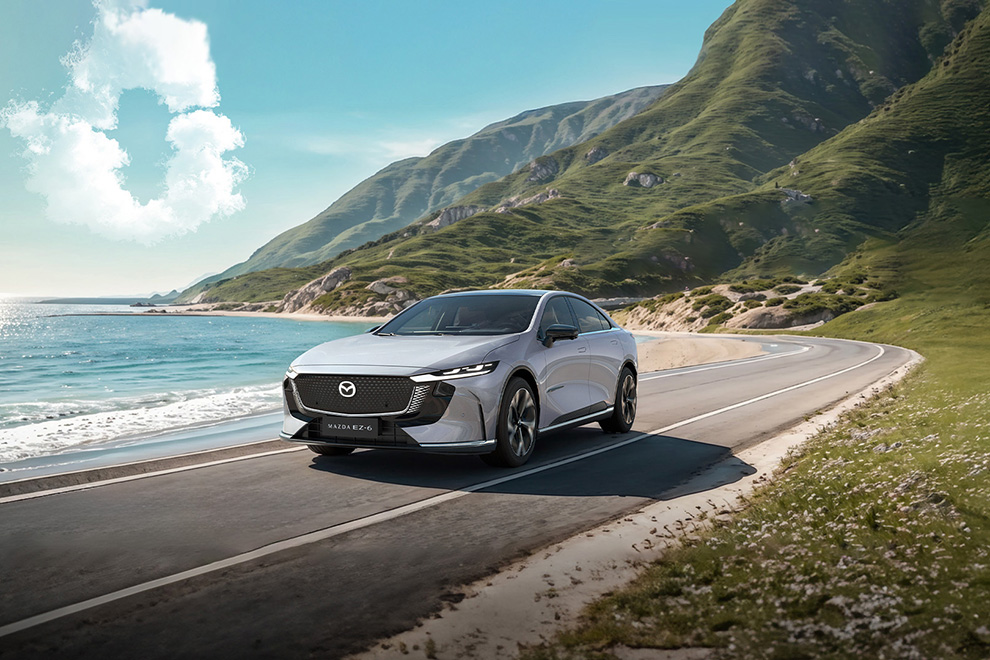
- Confirm steering side and destination homologation before ordering; the Mazda EZ-6 is a different model.
Why the Mazda 6 matters for export markets
The Mazda 6 has earned its place in export discussions because it combines a conventional midsize family-car layout with the handling-focused character associated with Mazda. Sedan and wagon versions give importers a familiar shape for private buyers, company fleets and rental operations. Rather than chasing premium badges, the model competes on cabin usability, visual appeal and a relatively straightforward ownership proposition. For overseas buyers, that makes it useful as an alternative to larger sedans and an occasional substitute for a compact SUV, especially where buyers want a lower-volume, road-oriented vehicle with established service familiarity.
Demand is not uniform across export markets. In economies where sedans remain strong in family and fleet channels, the 6 can attract practical buyers who value ride comfort and luggage capacity without needing SUV seating height. Wagon demand is more likely where estates are culturally familiar and cargo flexibility matters. Dealers should treat the model as a segment-specific proposition, not assume that a sedan successful in one country will convert equally well in another. Local fuel prices, taxation, road conditions and parking norms shape the final case for private buyers and procurement teams.
The 6 also gives an importer an opportunity to segment stock by body style, age and specification. A well-equipped sedan may suit chauffeur or executive fleets, while an older example can serve price-sensitive rental demand. A wagon can appeal to trade buyers carrying equipment. These are commercial hypotheses, not guaranteed sales outcomes: local preferences, registration rules and competing models still control demand. The strongest buying decision therefore starts with the destination market, not with a preferred trim name. Confirm model identity, steering position and road-legal configuration before committing capital or accepting an unclear vehicle history.
- Body styles: sedan or wagon.
- Core engines: 2.0L and 2.5L petrol.
- Confirm trim and VIN before contracting.
Model range, trims and powertrain variants: how the lineup is structured and how to choose
Mazda 6 specs vary by generation and destination, so trim names should be treated as market-specific labels rather than a universal equipment hierarchy. The core export-relevant choices visible across the model family are sedan or wagon body style, 2.0L or 2.5L petrol displacement, and manual or automatic transmission. Front-wheel drive is common, while all-wheel drive appears on selected 2.5L specifications. Always verify the exact badge, drivetrain and gearbox in the VIN-linked listing, because a visually similar car may be a different generation or carry another market-specific equipment set for that year.
Engine choice is usually a balance between operating economy and performance, but the buying decision must also reflect parts availability in the destination. A 2.0L unit may be easier to specify consistently for fleet use, while a 2.5L car can suit buyers who expect stronger performance or select AWD. Manual versions appeal where drivers are accustomed to them and may broaden availability in some price bands; automatics reduce driver workload and broaden driver appeal. None of these trade-offs overrides the need to confirm the vehicle’s actual specification before contracting or paying a deposit.
For mixed fleets, a practical shortlist is built around use case rather than the most expensive badge. Match sedan versus wagon to luggage and passenger needs, automatic versus manual to driver familiarity, and two-wheel drive versus AWD to road and market expectations. Equipment such as infotainment, safety assists, upholstery and climate controls can change materially between trims and model years. Request photographs of every option, the VIN, and an equipment list. Do not infer a trim from the seller’s title, because marketplace catalogues can combine badges from different model lines or marketing names.
- Mazda 3 Axela and Mazda EZ-6 are separate models.
- The 6 is petrol-powered; the EZ-6 is not.
- Transmission and AWD availability vary by market.
New vs used Mazda 6: how export inventory is structured and how buyers choose
New and used Mazda 6 vehicles serve different commercial roles. A new or nearly new car offers more predictable condition, standardized specification and potentially cleaner warranty or service arrangements, although the exact coverage must be confirmed in writing. A used vehicle can reduce acquisition cost and provide access to a wider spread of trims and body styles. The lower purchase outlay can be offset by repairs, tyre replacement, detailing, missing equipment or compliance work. Buyers should calculate total acquisition cost rather than treating the condition label as the only variable in the equation.
Condition assessment is especially important for a used 6 because age alone tells little about how the car was treated. Inspect body panels for repair quality, paint consistency and evidence of accident damage; then examine cabin wear, seat condition, dashboard function and the operation of every powered feature. Confirm the odometer against service records where possible, and investigate registration, title, import history and VIN discrepancies. Underbody inspection should cover corrosion, suspension condition, fluid leaks and tyre age. A pre-purchase inspection by an independent specialist is a sensible control before shipment or payment.
Export inventory structure also affects risk. Dealer stock may mix current-model vehicles, nearly new trade-ins and older cars sourced from used-car channels, so each unit requires its own document and condition file. A new vehicle should have traceable factory, registration and shipping documents; a used vehicle needs equally clear ownership and customs history. Buyers should clarify whether “new” means unregistered stock, a demonstrator or a previously registered vehicle, because those categories can carry different warranty, tax and compliance consequences in the destination. Avoid relying on a generic model-year description alone or a category label.
How export pricing works: the factors behind a live listing price, and how to read one
A Mazda 6 export price guide should explain that a quote is the output of several variables rather than one fixed wholesale rate. The vehicle’s year, generation, sedan or wagon body, engine, transmission, drivetrain and equipment level establish its base market value. Mileage, service history, paint condition, accident repair and completeness of documents then affect used-unit pricing. For a new vehicle, manufacturer timing, production specification and local supply conditions matter more. A live quote should always be read for the exact unit, because two cars carrying the same model name can sit at very different positions in the price structure.
Export cost is broader than the number displayed for the vehicle. Depending on the agreed Incoterm, the buyer may also need to budget inland collection, export documentation, insurance, terminal handling, ocean freight or roll-on/roll-off carriage, destination charges, customs duties, taxes and local registration. Exchange rates and fuel or shipping surcharges can move a landed budget even when the vehicle quote is unchanged. Compare offers on the same trade term and destination. A lower vehicle price can be more expensive if it excludes inspection, documentation, insurance or freight from the outset.
When a buyer plans to buy Mazda 6 from China, separate the asking price from the total procurement commitment. Check whether the page identifies the year, trim, engine, gearbox, mileage, condition, VIN and seller location. Review which documents and services are included, then request a written pro forma invoice showing the vehicle price, charges and the exact Incoterm. The live inventory is the authoritative source for current per-unit pricing; use the export enquiry channel for a binding quote once the specification is settled. Do not budget from old articles, generic model prices or the lowest asking amount in the category.
- Compare identical specifications, not just badges.
- Match every quote to one Incoterm and destination.
- Request a written charge breakdown.
MOQ, ordering and payment: single units vs consolidating a container
Minimum-order requirements are part of the transaction structure for Mazda 6 wholesale buyers, not a universal characteristic of the model. Some live vehicle offers can be bought individually, while container buyers may combine several units under one shipment; the applicable minimum and whether mixed trims are accepted must be confirmed in the quotation. A dealer testing demand may prefer one carefully selected car, whereas a distributor seeking stock efficiency may reserve a balanced container. Clarify whether the supplier requires payment for all units before loading, and whether deposits are refundable if inspection or shipping documentation does not meet the agreed standard.
Consolidation can improve freight planning, but it should not dictate unsuitable purchases. To minimize stranded capital, match body style, specification and expected retail segment across the container rather than filling space with unrelated units. A mixed load may be operationally sensible for a broad distributor, yet it can complicate insurance, allocation and eventual retail pricing. Ask for unit-level pricing and serial numbers even when the shipment is sold as one consignment. This creates a clear audit trail for reconciliation, claims and handover to the receiving warehouse, while also allowing the importer to identify which vehicle should be sold first.
Payment mechanics should be documented before the vehicle is committed. A typical sequence may include a booking deposit, balance after inspection or production verification, payment for freight and insurance, and settlement of destination charges under the selected Incoterm. The buyer should confirm the permitted payment route, who bears bank and exchange-rate fees, the invoice currency, and the cancellation or refund conditions. Protect the transaction with a VIN-level description, clear inspection rights and written release documents. Never rely on a chat message alone when the purchase order, invoice and shipping instructions disagree.
Shipping, homologation and market compliance caveats: LHD/RHD and import rules by country
Steering configuration is the first market-fit issue. Chinese-built Mazdas are commonly associated with left-hand-drive production, but the exact origin and steering side of each vehicle must be verified rather than assumed. Right-hand-drive demand may be served by locally converted or source-market variants, and such conversion can affect parts, warranty and buyer perception. A left-hand-drive car imported into a right-hand-traffic country is not automatically illegal, but local rules, insurance terms and fleet policy may make it commercially unsuitable. Identify the destination requirement before selecting inventory, not after booking at the outset.
Import compliance extends beyond customs clearance. The importer may need local type approval, emissions conformity, safety-equipment checks, a valid VIN or identification system, customs documentation, duties, taxes, emissions or road-use charges, and registration. Used vehicles can face additional age limits, inspection requirements or restrictions that do not apply to new cars. Rules vary by country and can distinguish local subsidies, low-emission zones and government fleet procurement. Build a destination compliance checklist with a licensed customs broker or local vehicle specialist, and retain original factory, registration and customs papers for the full vehicle life.
Transport choice depends on cargo volume, route and urgency. Roll-on/roll-off vessels are commonly used for finished vehicles, while other arrangements may apply to small consolidated loads or special destinations. Secure the car according to carrier procedures and avoid loading it with unchecked fluids or improperly secured loose equipment inside. Before dispatch, complete a pre-delivery inspection that records exterior panels, tyres, glass, interior condition, mileage, warning lights and option equipment. Photograph the VIN, odometer and loading position. These records support insurance claims, customs release and the resolution of damage before arrival.
- Verify steering side before selecting.
- Use destination-specific import and type-approval advice.
- Record VIN, odometer and condition before loading.
Who should buy the 6 — and who should pick a different vehicle
The Mazda 6 is a sound fit for overseas dealers serving buyers who prioritize driving feel, comfort and useful space over SUV image or the lowest possible purchase price. It can work for family-oriented rental programs, airport and executive fleets, company cars and drivers moving from an equivalent mid-size sedan. The wagon is especially relevant where estates are established and load-carrying flexibility has commercial value. For importers, the model can broaden a portfolio without introducing a highly complex powertrain platform, provided local demand for sedans remains sound before inventory scaling.
Different priorities point to different products. Buyers needing higher ground clearance, a raised seating position or all-weather visual appeal should consider a compact SUV such as the Mazda CX-5. Those focused on a smaller footprint and urban efficiency may prefer the Mazda3 family. A buyer whose core requirement is low operating cost in markets with stringent emissions policy should assess available hybrid alternatives rather than assuming a petrol 6 will fit. Very large executive transport, premium cabin expectation or heavy towing needs may require a larger or more specialized model for the intended market.
Used buyers should buy the 6 when they prioritize a specific body style or equipment set and can absorb maintenance risk. New or nearly new inventory is generally more suitable for fleet customers that need consistent specifications, predictable handover quality and lower administrative friction. Before switching models, test the commercial proposition: compare expected holding costs, finance and insurance, availability of common parts, resale time, and the ability to meet local safety or emissions rules. The right vehicle is the one whose total operating and compliance burden fits the target customer, not simply the one with the most attractive headline specification.
- Strong fit for sedan and estate demand.
- Useful for fleets needing a straightforward petrol model.
- Reconsider for premium, towing or emissions constraints.
Main rivals and how the 6 compares
The Toyota Camry is one of the closest global alternatives because it occupies the same broad mid-size sedan position and is widely understood by fleet buyers. Its major attraction in many markets is the availability of efficient hybrid versions, which can suit operators focused on fuel use rather than the Mazda’s road-focused character. The 6 may appeal more to drivers who value a distinctive interior, agile handling and a simpler choice of petrol configurations. Availability, local taxation and servicing should determine which has the stronger landed business case in that market.
The Honda Accord competes through a spacious family-sedan proposition and broad recognition in fleet channels. It is often a rational alternative for buyers focused on cabin room, conventional reliability and straightforward ownership, while the Mazda 6 differentiates more through steering response and visual design. Wagon availability is limited for the Accord in many export markets, which may give the Mazda wagon a practical advantage where estates sell well. As with the Camry, buyers should compare the exact imported specification, spare-parts network and local service cost rather than relying on badge reputation.
The Volkswagen Passat is a relevant rival for buyers who want a mid-size car with a more European-oriented cabin and, in wagon markets, strong cargo practicality. Its lineup and powertrain availability differ by destination, and some import routes can make parts or electronics support less straightforward than for the Mazda. The Mazda 6 usually competes through a more expressive design and a compact, driver-focused saloon format. There is no universal winner: the Passat suits buyers prioritizing estate utility and a particular European feel, whereas the 6 suits those wanting a distinctive, comfortable mid-size package.
- Camry: hybrid-led fleet alternative.
- Accord: space-focused sedan alternative.
- Passat: wagon and European-style alternative.
Live Mazda 6 export inventory
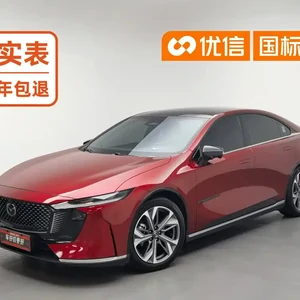
View all listings →Real units currently on ChinaCarDirect with per-unit asking prices and MOQ. Availability updates live from the catalogue.
How to buy a Mazda 6 from China
-
1
Define the destination and use case
Specify the destination country, sedan or wagon preference, engine, transmission, steering side, intended customer and required quantity before selecting inventory.
-
2
Search the live Mazda 6 inventory
Use the live vehicle listings and confirm that each result is an actual Mazda 6. Mazda 3 Axela and Mazda EZ-6 vehicles are separate models and should not be treated as equivalent trims.
-
3
Shortlist at VIN level
Compare year, trim, engine, gearbox, drivetrain, mileage, condition, location and included equipment. Request clear photographs and the VIN for each shortlisted unit.
-
4
Compare like-for-like quotations
Check current per-unit prices in the live listing, then obtain a written quotation using the same Incoterm and destination. Review vehicle charges, documentation, insurance, freight and destination expenses separately.
-
5
Verify condition and ownership documents
Review registration, title, import history, odometer and service records. For a used vehicle, commission an independent mechanical and body inspection before paying the balance.
-
6
Confirm MOQ and payment terms
Confirm the minimum quantity, whether mixed specifications are allowed, deposit requirements, balance timing, invoice currency and refund conditions in writing.
-
7
Complete compliance and shipping arrangements
Use a local customs broker to confirm type approval, taxes, registration and used-vehicle restrictions. Finalize transport, insurance, securement and a photographed pre-delivery inspection.
6 vs rivals
| Toyota Camry | The Camry competes directly in the mid-size sedan segment and often offers a hybrid option for buyers focused on operating efficiency. The Mazda 6 differentiates through agile handling, conventional petrol configurations and, where available, a wagon. |
|---|---|
| Honda Accord | The Accord is a close family-sedan rival with broad fleet recognition and a reputation for straightforward ownership. The Mazda 6 may be more attractive where wagon availability and a more expressive, driver-focused character matter. |
| Volkswagen Passat | The Passat is relevant in markets where the Volkswagen brand and estate format carry weight, offering a more European-oriented alternative. The Mazda 6 provides a distinct midsize saloon or wagon proposition, but parts support and local model availability should be checked. |
Frequently asked questions
How is Mazda 6 export pricing determined?
The live price reflects the exact vehicle’s year, trim, engine, transmission, body style, condition, mileage, history and availability. Exchange rates, freight, insurance, customs charges and the selected Incoterm can change the landed cost. Current binding per-unit figures should be checked in the ChinaCarDirect live inventory and confirmed in a written quotation.
What powertrain and range does the Mazda 6 have?
The Mazda 6 is a petrol-powered midsize car, with 2.0L and 2.5L engines appearing across the available model range and some 2.3L wagon versions. Manual and automatic transmissions are available depending on year and market. Battery capacity and electric range do not apply; the Mazda EZ-6 is a separate electrified model.
Is a used Mazda 6 better value than a new one?
A used vehicle can offer a lower acquisition cost and a broader choice of trims, but it may require repairs, tyre work, detailing or missing-equipment replacement. A new or nearly new vehicle generally provides more consistent condition and handover quality. Compare total acquisition and operating costs rather than relying on the condition label alone.
What is the MOQ for Mazda 6 orders?
The minimum depends on the seller, vehicle and shipment arrangement. Some live offers may be purchased individually, while container orders may combine units and potentially mix specifications. Confirm the applicable minimum, reservation rules and payment schedule in the live listing and written quotation.
What affects shipping time and cost for a Mazda 6?
The main factors are the shipping route, vessel schedule, port congestion, cargo volume, insurance, exchange rates, fuel surcharges, documentation and destination charges. A sedan or wagon may move as finished-vehicle cargo, but the method should be confirmed for the origin and destination. Obtain a landed-cost breakdown using the same Incoterm for every quotation.
Are spare parts available for exported Mazda 6 vehicles?
Parts availability depends on the vehicle’s generation, engine, market of origin and the destination service network. Use the VIN and manufacturer part number when ordering, and check whether original, remanufactured or aftermarket components are acceptable for the repair. Common parts are generally easier to source than market-specific trim and electronic components.
Can I buy a right-hand-drive Mazda 6 from China?
Availability depends on the source market and individual vehicle. Chinese-built examples are commonly left-hand-drive, so the steering side must be verified rather than assumed, and right-hand-drive conversions require separate assessment. Confirm local road, insurance and buyer requirements before ordering.
How do I order a Mazda 6 through ChinaCarDirect?
Browse the live Mazda 6 listings, shortlist units by VIN and specification, and request an export quotation for your destination. Before payment, confirm the condition report, ownership documents, MOQ, deposit, balance conditions, Incoterm and inspection rights. After approval, complete compliance checks and agree on transport, insurance and pre-delivery inspection.
Ready to source the Mazda 6?
Send your destination, body style, powertrain, budget and required quantity to ChinaCarDirect for a current unit-level quotation and export checklist.
Request a quote