
Mazda Atenza Export Buying Guide for Overseas Buyers
Buy a Mazda Atenza from China with practical guidance on trims, export pricing, MOQ, shipping, homologation, market fit and direct rivals for dealers.
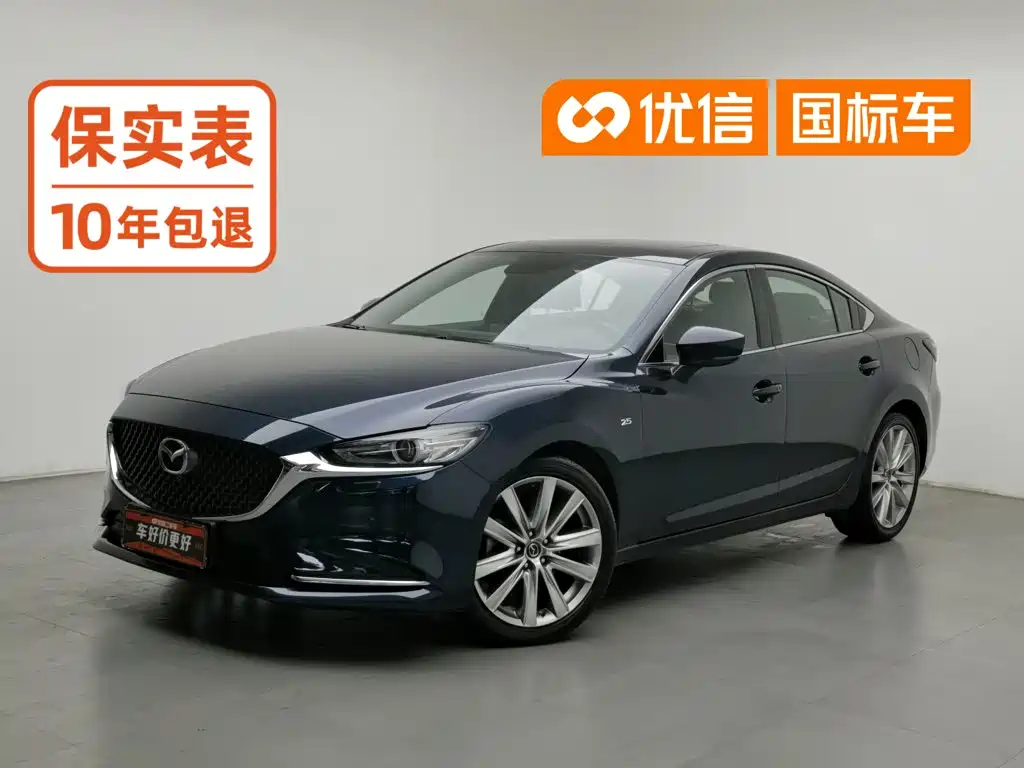
At a glance
- The Atenza is a gasoline-powered midsize sedan for buyers seeking a distinctive alternative to mainstream family saloons.
- The export-relevant range spans 2.0L and 2.5L Skyactiv engines, with Skyactiv-G mild-hybrid versions on selected trims.
- Trim labels span Luxury, Sport, Prestige, Exclusive and related editions, so equipment must be checked vehicle by vehicle.
- China V and China VI labels describe Chinese emissions generations and do not guarantee destination-market approval.
- Current price, MOQ and availability must be confirmed on each live ChinaCarDirect inventory listing before contracting.
Why the Mazda Atenza matters for export markets
The Mazda Atenza is a midsize sedan that gives overseas buyers an alternative to the practical, reputation-led choices that dominate many family-car markets. Its appeal combines distinctive styling, a driver-focused road position and a relatively straightforward gasoline powertrain, all of which can suit importers seeking a mid-size car that feels more distinctive than a mass-market fleet model. For dealers, the important point is that the Atenza competes on presentation and driving character as much as on capacity or utility. It is most relevant where sedans remain acceptable and buyers value lasting brand perception.
Demand for this model is not based on one universal global ranking. It is strongest in markets where buyers already understand midsize sedans, Japanese vehicle quality and Mazda’s established ownership reputation. Fleet and dealer customers may also consider it where passenger-car styling matters more than the very lowest acquisition cost or electrified powertrain availability. Buyers should therefore assess the Atenza against local alternatives, not assume that a Chinese-origin car has the same market acceptance as a domestically sourced model. Service coverage, spare-parts access and realistic residual values should be checked before any import commitment is made.
For an export buyer, the Atenza makes most sense when the brief is a well-equipped, comfortable sedan with a recognisable badge and engaging road manners. It can appeal to company-car specialists, premium distributors and fleet buyers seeking a model that looks less anonymous than an entry-level saloon. The less persuasive case is where regulations, taxes or customer demand strongly favour hybrids, compact cars or rugged utility vehicles. Local market research matters more than headline specification because import economics can change the segment’s apparent attractiveness, and because each destination has its own tariff structure.
- Distinctive mid-size sedan positioning.
- Driving character supports buyer appeal.
- Service access affects import viability.
Model range, trims and powertrain variants: how the lineup is structured and how to choose
The Chinese-market Atenza range is organised around 2.0-litre and 2.5-litre Skyactiv gasoline engines, with several equipment grades spanning Luxury, Sport, Prestige, Exclusive and related Blue Sky or Smart Tech designations. Some trim names explicitly include Skyactiv-G, identifying the brand’s electrified mild-hybrid technology, while others do not. Buyers should treat the full listing title as the starting point, then verify the actual powertrain, transmission and equipment rather than assuming every similar-looking car is mechanically identical. The distinction is especially important when comparing a Skyactiv-G trim against a conventional Skyactiv model with the same displacement.
The 2.0-litre option is the more efficiency-oriented side of the range and can suit buyers balancing fuel use, purchase cost and fleet operating expense. The 2.5-litre version offers a larger engine choice for buyers who prioritise effortless performance, refinement or a higher specification, particularly on Sport and Prestige-labelled cars. Engine size alone does not determine the vehicle’s character: axle configuration, gearbox, tyre fitment, suspension tune and standard equipment can matter as much to a driver. Request those details for the exact vehicle before selecting a trim, because export catalogues can mix model years and equipment packages.
For a dealer, trim choice should begin with the buyer most likely to use the car. A luxury-oriented fleet may prioritise cabin equipment and rear-seat comfort, while a driver or executive customer may value the Sport grade’s visual and dynamic appeal. Prestige and Exclusive names usually signal a richer equipment narrative, but only the vehicle’s specification sheet confirms individual features. Photograph, option list and maintenance record should be requested, especially where a listing combines a favourable model-year description with limited supporting images. A trim label should guide questions, not replace verification.
- 2.0L and 2.5L options.
- Selected Skyactiv-G trims.
- Verify every trim label.
New vs used Mazda Atenza: how export inventory is structured and how buyers choose
New and used vehicles serve different export strategies. A new Chinese-market Atenza generally offers the shortest age-related depreciation curve, clearer model-year positioning and, when documented correctly, the reassurance of an unbroken ownership history from first registration. It may also provide access to newer equipment and China VI versions that better suit emissions-conscious importers. However, “new” should be defined in the contract: parallel import status, first registration date, warranty validity and whether the vehicle was ever registered should all be confirmed rather than inferred from the listing headline. Inspection should establish that status physically.
A used Atenza can make more sense for a buyer focused on a lower acquisition budget, an established specification or immediate resale into a segment that already accepts the model. The trade-offs are greater mechanical uncertainty, unknown service history, possible paint or structure repair, and depreciation tied to age and condition. Mileage alone is not a quality score: a low reading does not reveal hard use, and a higher reading may reflect highway travel rather than severe duty. Inspections should cover fluids, leaks, tyres, brakes, suspension, accident evidence and the validity of maintenance records.
Export buyers should structure inventory around a clear customer and resale plan. New cars may suit dealers building a current range for warranty-conscious consumers, while carefully selected used examples can fill a lower-cost rental, refurbishment or regional resale niche. Neither category should be bought solely from age, discount or attractive photographs. Compare expected registration and taxation treatment, warranty transfer, parts support and the buyer’s willingness to accept a specific model year. Current examples, whether new or used, must be assessed from the live listings because availability changes continually. A purchase order should state the intended category explicitly.
- New cars suit current ranges.
- Used cars suit budget niches.
- Verify registration status.
How export pricing works: the factors behind a live listing price, and how to read one
An Atenza export price is not simply the manufacturer’s suggested price translated into another currency. The live figure is shaped by model year, trim, engine and mild-hybrid status, expected condition, registration history and the level of equipment visible in the listing. Market factors also matter: Chinese factory and wholesale conditions, supplier availability, exchange-rate movements and the particular seller’s stock position can all affect what is offered on a given day. For a used vehicle, mileage, service history and cosmetic condition become additional pricing variables. A responsible comparison holds these variables constant.
The Incoterm attached to a quotation determines which costs are included. Depending on the agreed term, one side may cover inland transport, export clearance, origin handling, ocean freight and basic insurance, while destination charges, import duty, value-added tax, port fees and delivery remain with the buyer. A low displayed vehicle price can therefore be less attractive after logistics are added, and a higher figure may offer better landed-cost visibility. Ask for a written breakdown showing the vehicle price, currency, freight basis, insurance, documentation charges and every destination cost excluded from the quote.
Buyers should read each live listing as a negotiable transaction document, not as a permanent market benchmark. Check whether the price applies to one identified vehicle or a starting figure for similar stock, and whether it excludes tax, registration, delivery or dealer margin. Confirm the quoted currency, validity period and conditions attached to payment. Comparing two vehicles fairly means matching model year, engine, trim, transmission, condition and mileage, then calculating the landed total under the same Incoterm. On ChinaCarDirect, the current price, MOQ and availability are shown per unit in the live inventory.
- Compare like for like.
- Incoterm sets included logistics.
- Check live unit figures.
MOQ, ordering and payment: single units vs consolidating a container
Minimum order quantity is a commercial term that should be read on each live vehicle listing and confirmed in the quotation. A marketplace may allow a dealer or fleet buyer to source one car, while a seller with a preferred shipment programme may set a different requirement. Neither the visible vehicle count nor a general assumption about Mazda supply should be treated as a universal MOQ. Ask the supplier what quantity triggers the quoted freight rate, whether mixed trims can share a shipment, and what happens if one vehicle in a group becomes unavailable before payment or loading.
Single-unit buying offers flexibility and lowers the cash committed before the vehicle is inspected, but it may leave the buyer exposed to inefficient freight and handling costs. Consolidating several Atenzas into one container can improve freight efficiency and simplify fleet deployment, provided the selected cars share compatible documentation, destination and delivery schedules. A mixed group of trims and model years can work commercially, yet buyers should budget separately for registration, insurance, local transport and eventual retail preparation. The right comparison is total landed cost per vehicle, not the vehicle line alone.
A sound wholesale order process begins with a written specification for each vehicle, followed by a seller-issued quotation and confirmation of the commercial terms. The parties should define the deposit and balance schedule, payment currency, refund conditions, inspection rights, document set, reservation period, loading deadline and vessel or port nomination. Payment should not be released solely because a vehicle appears in a gallery. Instead, tie it to the verified vehicle identity, agreed inspection outcome and correct invoice details. For container orders, use a final reconciliation that matches every selected unit with its VIN, trim and destination paperwork before shipment.
- Confirm MOQ in each quotation.
- Compare single and grouped buying.
- Match payment to vehicle identity.
Shipping, homologation and market compliance caveats: LHD/RHD and import rules by country
Steering configuration is the first practical check for an imported Chinese-market Atenza. The cars are commonly encountered in left-hand-drive form, so buyers in right-hand-drive markets should not assume local availability from a general import listing. An RHD example may have to be sourced from a right-hand-drive production market, ordered with the correct factory configuration, or professionally converted. Conversion adds cost, warranty questions, homologation work and uncertainty over parts consistency. Record the required side of road before selecting units to avoid paying for an unsuitable car. The VIN and build sheet should confirm what was delivered.
Chinese emissions labels such as China V and China VI appear in some Atenza trim descriptions, but they are not destination-market certificates. Import approval may require a local emissions type, safety conformity, VIN or identity checks, customs valuation and evidence that the vehicle meets local road and environmental standards. Rules can distinguish new and used imports, set minimum or maximum vehicle ages, or restrict which powertrains may enter. Taxes and exemptions vary as well. An importer should obtain a written compliance path from a customs broker or local authority before contracting, rather than treating the Chinese label as proof of homologation.
Shipping choice affects landed cost and vehicle risk. A fully enclosed container secures vehicles from handling and weather, while RoRo can be efficient for suitable sedans but exposes cars to intensive terminal handling. The route, vessel, port, insurance and delivery mode should appear in the final logistics plan. Freight quotations depend on origin and destination charges, container or vehicle-space requirements, fuel surcharges, customs documents and consignment size. Build a delivery buffer for inspection, customs clearance and inland transport rather than treating the sailing date as the vehicle’s final arrival date.
- Confirm steering side first.
- China labels are not homologation.
- Validate destination rules with brokers.
Who should buy the Atenza — and who should pick a different vehicle
The Atenza fits importers and dealers serving buyers who want a comfortable, distinctive midsize sedan without the ownership complexity of a plug-in hybrid or electric drivetrain. Its gasoline range, including Skyactiv-G mild-hybrid versions where offered, can suit company-car and fleet programmes needing a conventional engine while retaining electrified assistance. It is also a logical choice for distributors wanting to broaden a sedan portfolio with a recognisable Japanese marque. The business case improves when local demand supports the model, parts are obtainable reliably and the holding period is long enough to amortise shipping and launch costs.
Certain buyers should look elsewhere. Compact sedans can be easier to import and park, while SUVs or crossovers may command stronger resale in markets where road conditions and family preferences favour higher ground clearance. A buyer with firm hybrid priorities may prefer a full hybrid rather than a mild-hybrid-assisted Atenza, especially where real-world fuel savings justify the additional model complexity. Large fleets bound by low-emission rules may need zero-emission vehicles. Dealers in markets with weak Mazda service coverage or restrictive used-import rules should also test whether local sourcing would protect margin better than direct export.
The buying decision should compare expected total cost of ownership rather than vehicle price alone. Include registration, insurance, taxation, fuel, servicing, parts, warranty handling, depreciation and dealer preparation, then test sensitivity against longer holding periods or exchange-rate movement. For fleet use, assess rear-seat comfort, boot practicality, fuel-policy compatibility and resale channels. For private buyers, consider equipment, fuel economy, comfort and parts support. An Atenza is strongest where its design, driving appeal and gasoline simplicity match the customer; it is weaker where a buyer needs high ground clearance, plug-in capability or minimal whole-life running cost.
- Strong for sedan programmes.
- Weak for plug-in or off-road needs.
- Compare total ownership costs.
Main rivals and how the Atenza compares
The Toyota Camry is the most obvious global benchmark for the Atenza in the mid-size sedan class. It benefits from broad international recognition, extensive hybrid availability and a mature service network, which can reduce market-entry risk. The Atenza counters with more driver-focused styling and a Mazda-centric ownership proposition that may stand out in design-conscious markets. Camry is the safer choice where fleet acceptance, resale depth and hybrid choice dominate; the Atenza is more attractive where driving character and visual differentiation are central to the proposition. Neither brand removes the need for local homologation.
The Honda Accord occupies similar territory with a strong reputation for driving, packaging and fuel efficiency, plus full-hybrid choices in many established markets. Its electrified options can be important for tax and company-car policies, although availability and import treatment vary by country. Compared with the Atenza, Accord may offer a clearer route to hybrid products in markets where Japanese manufacturers have deep dealer support. Conversely, a China-exported Atenza can provide a more differentiated appearance and a simpler single-brand import case if Skyactiv-G mild-hybrid versions are sufficient for the target customer.
The Nissan Teana is a relevant rival in Asian and Middle Eastern sedan markets because it contests the same comfortable, mid-size family-car brief. Its local service footprint and name recognition can be decisive for fleet buyers, while the Atenza offers a more engaging image and Mazda’s engineering reputation. Teana availability and powertrain mix depend on the source market, as they do for the Atenza. The deciding questions are local: which rival has cheaper parts and financing, which satisfies emissions and tax rules, which holds residual value best, and which can be supported through the intended sales life.
- Camry leads on scale and hybrids.
- Accord balances driving and efficiency.
- Teana matters in Asian sedan markets.
Live Mazda Atenza export inventory
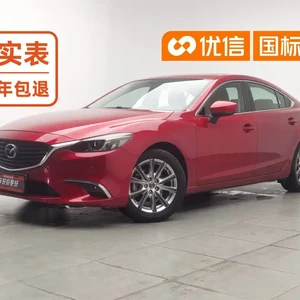
View all listings →Real units currently on ChinaCarDirect with per-unit asking prices and MOQ. Availability updates live from the catalogue.
How to buy a Mazda Atenza from China
-
1
Define the destination requirement
Identify the destination country, required steering side, intended customer and applicable fuel, tax and fleet policies before selecting a vehicle.
-
2
Shortlist comparable vehicles
Use the live inventory to compare model year, engine, trim, transmission and documented options. Avoid comparing vehicles that differ in condition, mileage or equipment.
-
3
Request vehicle-level evidence
Ask for the VIN, current photographs, option list, registration status, service history, dimensions and original documents. Treat the trim title as a description rather than complete evidence.
-
4
Obtain an itemized quotation
Request the vehicle price, currency, MOQ, Incoterm, payment schedule, quotation validity, freight basis and all excluded destination charges in writing.
-
5
Inspect before final payment
Use an appropriate inspection for the vehicle’s condition, checking mechanical condition, accident evidence, matching documents and the features listed in the quotation. Tie final payment to the inspected vehicle.
-
6
Validate compliance and logistics
Have a customs broker or local specialist confirm safety, emissions, age and import restrictions. Agree the container or RoRo method, insurance, port plan and inland delivery responsibility.
-
7
Contract and reconcile the order
Record the agreed terms in a purchase order, then match the final invoice and cargo documents to every VIN, trim and destination file before loading.
Atenza vs rivals
| Toyota Camry | The Camry is the lower-risk global benchmark because its hybrid range and broad service recognition support fleet acceptance and resale. The Atenza is the more design-led, driver-focused alternative, but it may be harder to support where Camry inventory and parts networks are deeper. |
|---|---|
| Honda Accord | The Accord combines an established reputation for driving and efficiency with full-hybrid options in many markets. The Atenza offers a more distinctive import proposition, but the Accord may better satisfy markets with strong hybrid demand and deep manufacturer support. |
| Nissan Teana | The Teana is the closest regional rival in many Asian and Middle Eastern sedan markets, with service familiarity and fleet acceptance often decisive. The Atenza leans more on styling and driving engagement, while the best choice depends on local parts, residual values and available powertrain alternatives. |
Frequently asked questions
How is the export price of a Mazda Atenza determined?
The live price reflects the selected vehicle’s year, trim, engine, equipment, condition, registration history and current market conditions. Freight, insurance, Incoterm, exchange rates, duties and destination charges affect the landed cost. On ChinaCarDirect, the current price, MOQ and availability are shown per unit in the live inventory.
Which engine and powertrain choices does the Atenza offer?
A live export listing may identify a 2.0L or 2.5L Skyactiv gasoline engine, and some trims carry the Skyactiv-G mild-hybrid designation. The Atenza is not a plug-in hybrid, and the exact engine, transmission and drivetrain should be confirmed for the selected vehicle.
Are new or used Mazda Atenza cars better for export?
New cars generally suit current-range, warranty and residual-value programmes, while used cars can suit budget-led fleet or refurbishment buyers. The better choice depends on condition, registration status, documentation, service history and local demand; current availability must be checked in live listings.
How is MOQ determined for a Mazda Atenza order?
MOQ is displayed or confirmed for the individual listing and must be stated in the supplier’s quotation; there is no safe universal assumption for this model. A buyer can ask whether one unit is acceptable, whether mixed trims can be consolidated, and what freight or payment conditions apply.
How long does shipping take, and what drives the cost?
No reliable delivery period can be stated without an origin, destination, vessel plan and customs route. Cost is affected by RoRo or container space, origin and destination charges, fuel and congestion surcharges, insurance, documentation, inspection and inland delivery, so request a landed quote tied to a named logistics plan.
Can spare parts be ordered for an imported Atenza?
Parts can often be sourced by model year, engine and trim, but availability depends on the seller’s stock and the destination’s Mazda service network. Before ordering, ask for VIN-based part identification, catalogue numbers, expected dispatch method and a local support plan for warranty repairs.
Can I buy a right-hand-drive Mazda Atenza from China?
Do not assume a Chinese-market car is right-hand drive. State the required side of the road before selecting a listing, then confirm whether the vehicle is factory RHD, locally converted or unsuitable; conversion can affect cost, warranty and homologation.
How do I order a Mazda Atenza from China?
Browse the live Atenza listings, select a vehicle by year, trim and specification, and request a written quote for one unit or a grouped shipment. Confirm the MOQ, Incoterm, payment milestones, inspection rights, document set, freight plan and destination compliance before releasing funds.
Ready to source the Mazda Atenza?
Send ChinaCarDirect your destination, required steering side, trim and quantity for a current Mazda Atenza export quotation.
Request a quote