
Mazda Cx-4 Export Guide for Overseas Dealers and Fleets
Planning to buy a Mazda Cx-4 from China? Compare trims, 2.0L and 2.5L powertrains, used options, export pricing, MOQ, shipping and compliance.
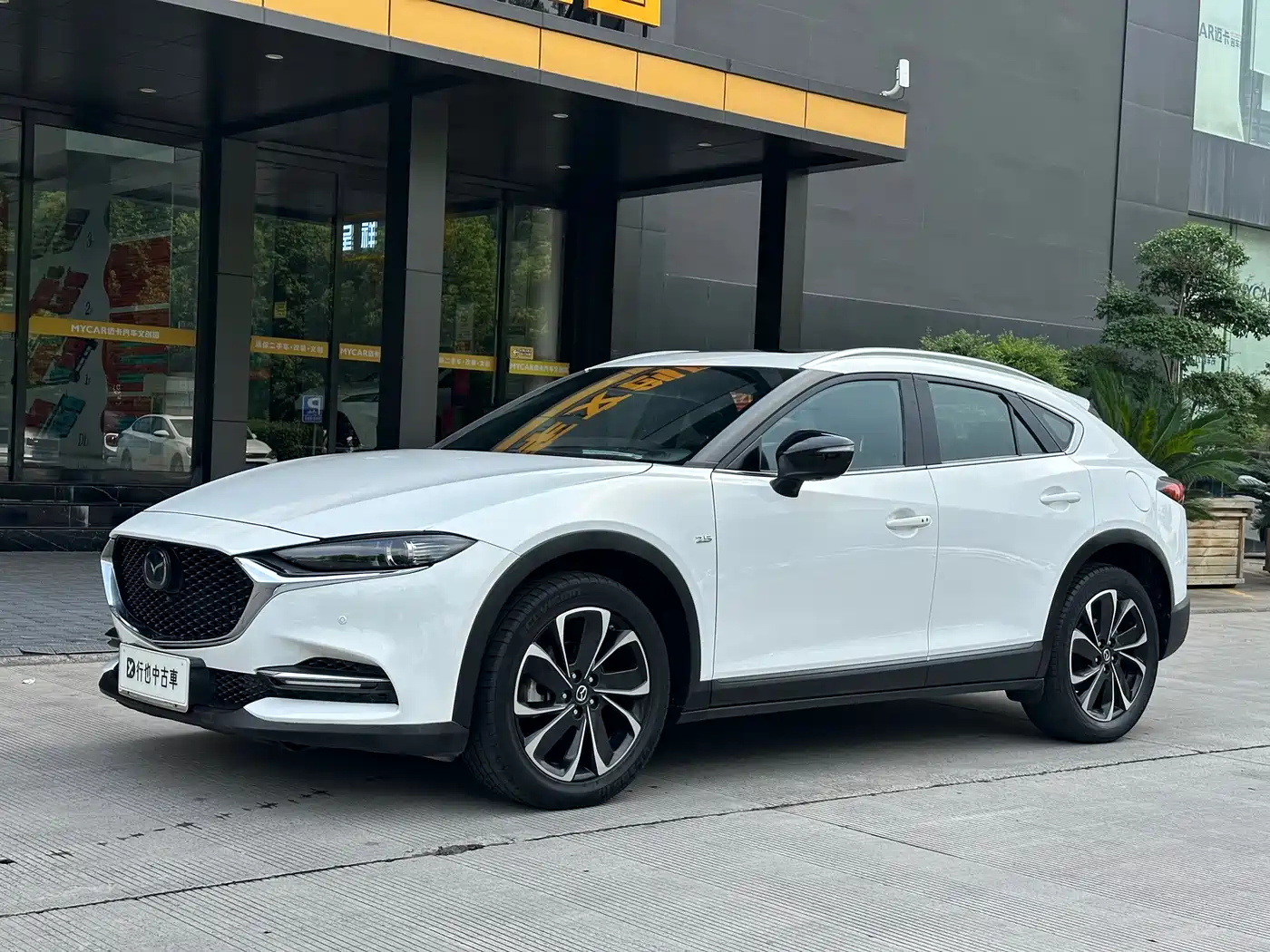
At a glance
- China-market Mazda Cx-4 examples span 2.0L and 2.5L engines, automatic transmissions, and front- or all-wheel-drive configurations.
- The coupe-style body suits buyers who prioritize design and road-focused character over the boxier profile of a traditional compact SUV.
- Both new and used Mazda Cx-4 options serve different priorities: easier condition assurance for new vehicles and lower entry cost with greater inspection risk for used vehicles.
- A Mazda Cx-4 export price guide must separate the vehicle price from freight, insurance, duty, taxes, port charges, and Incoterms.
- Before importing, verify steering configuration, homologation, VIN and ownership documents, parts support, and destination-market service arrangements.
Why the Mazda Cx-4 matters for export markets
The Mazda Cx-4 is a coupe-style compact crossover built around Mazda’s driver-focused positioning. Its export appeal comes from an expressive exterior, a practical five-door format, automatic transmissions, and a choice of front-wheel-drive or all-wheel-drive configurations. Unlike a boxier family SUV, it emphasizes styling and road manners while retaining the raised seating position and usable luggage area sought by crossover buyers. For overseas dealers, that combination can attract private buyers who want SUV presence without the visual bulk associated with larger models, while retaining the lower, more road-oriented appearance that defines the Cx-4.
Global demand for the CX-4 is most relevant in markets where buyers want a compact crossover with a more distinctive profile than a conventional small SUV. The China-market lineup gives importers a useful breadth of configurations: 2.0L front-drive editions, 2.5L four-wheel-drive editions, and multiple named grades such as Vitality, Explorer, Dynamic, Premium, Smart Tech, and Passion. This range supports different use cases, from value-conscious fleet procurement to higher-equipment retail orders, but it also means that a CX-4 label alone is not enough for a buyer to identify the right vehicle.
International buyers should assess the Cx-4 on three levels: design, mechanical configuration, and local operating fit. The first is largely settled by the model’s shape; the second requires attention to engine, transmission, drive, and edition; the third depends on roads, climate, fuel standards, and aftersales support. Because export examples come from China, equipment and version labels may not mirror vehicles sold under the Mazda name in the buyer’s home market. A sound sourcing process therefore treats the Cx-4 as a strong starting proposition, then validates the individual listing rather than assuming a global specification.
- Coupe-style compact crossover positioning.
- 2.0L and 2.5L lineup breadth.
- Local-equipment verification is essential.
Model range, trims and powertrain variants: how the lineup is structured and how to choose
The powertrain structure in the export listings makes the Mazda Cx-4 specs straightforward: 2.0L or 2.5L gasoline engines, automatic transmissions, and either two-wheel drive/front-wheel drive or four-wheel drive/all-wheel drive, depending on the trim. This is a combustion-powered crossover, not a battery-electric model, so range should be discussed through fuel consumption and tank range, not battery capacity or charging. Some names carry China V or China VI labels, which identify domestic standards but do not establish approval or vehicle registration for the destination market. Buyers should also confirm the VIN, transmission, and actual axle configuration before ordering.
For a buyer prioritizing simpler deployment and operating cost, the 2.0L automatic front-drive configuration is the logical starting point. It should be considered where paved-road use dominates, towing or severe-weather traction is not a central requirement, and the importer wants to avoid paying for four-wheel-drive hardware that will not be used. Edition choice then becomes a cost-and-equipment decision: lower trims may suit fleet or resale buyers, while higher trims may add comfort, infotainment, and visual features. Confirm the actual equipment list rather than inferring it from an aspirational edition name.
The 2.5L automatic four-wheel-drive version is the more logical candidate for buyers who regularly face wet, snowy, or uneven roads and value additional traction. It may also suit a dealer planning mixed inventory because it creates a different retail proposition from the 2.0L front-drive cars. However, drivetrain, engine, and edition must be read together: four-wheel drive does not automatically include every feature associated with another grade, and equipment can vary by production period. Before selecting a unit, request the VIN, emissions or version label, safety equipment, and a complete options sheet.
- 2.0L front-drive fleet simplicity.
- 2.5L four-wheel-drive traction focus.
- Verify powertrain beyond trim labels.
New vs used Mazda Cx-4: how export inventory is structured and how buyers choose
Export inventory for the Mazda Cx-4 can contain both new and used vehicles, and that distinction should be the starting point for condition analysis rather than the end of it. A new listing may represent an unregistered vehicle prepared for export, while a used example may have a lower purchase requirement but documented mileage, service history, and prior use. Model year, trim, drive system, and mileage can change an otherwise similar car’s value. Compare each unit against its own photographs, condition report, odometer reading, and title documents rather than applying one discount rule to every used Mazda Cx-4.
For a used Mazda Cx-4, lower acquisition cost can be offset by repair uncertainty, depreciation, and the difficulty of standardizing a mixed fleet. Before payment, request an independent inspection covering body structure, paint, panel alignment, tires, brakes, suspension, engine mounts, fluid condition, electrical functions, and evidence of accident repair. Verify the odometer against service records and ensure the vehicle starts cleanly in the season it will enter service. Also check for flood, heat, corrosion, or prolonged-storage damage; these risks are not reliably revealed by a trim badge or limited listing photographs.
New vehicles can simplify initial condition assurance and may carry a more coherent factory specification, warranty position, and newer emissions or version status. Those advantages do not automatically produce the lowest cost of ownership: depreciation begins at registration, while insurance, freight, taxation, and compliance work remain meaningful categories of expenditure. The best choice depends on the importer’s cash cycle and market. A high-turnover fleet operator may prefer the uniformity of new stock, while a dealer seeking model-year differentiation or a lower entry point can justify a carefully inspected used Mazda Cx-4.
- Compare unit-specific condition files.
- Inspect used vehicles independently.
- New does not mean lower landed cost.
How export pricing works: the factors behind a live listing price, and how to read one
A live CX-4 export quote is the result of interacting variables rather than a permanent model price. Model year and condition influence depreciation; engine displacement, transmission, drivetrain, edition, mileage, and equipment affect market position. External variables also matter, including the USD exchange rate, Chinese factory or dealer terms, shipping method, insurance, port charges, and the Incoterm selected. The same trim can therefore produce different totals depending on where responsibility for freight, customs, and delivery ends. Treat each quote as valid only for the specified unit, services, destination, and commercial terms stated with it.
When reading a live listing, first establish whether the displayed amount is the vehicle-only price or includes logistics. Check the named engine, gearbox, drive system, model year, condition, mileage, VIN, MOQ, and Incoterm, then look for photographs and the unit identifier that will appear on the pro forma invoice. Request a written quotation separating vehicle value, inland transport, export handling, freight, insurance, destination charges, taxes, and optional services. This prevents a lower vehicle figure from being mistaken for a lower landed cost and makes offers comparable on the same basis.
For a Mazda Cx-4 export price guide, the most reliable method is like-for-like comparison rather than chasing an unverified headline number. Group candidates by model year, new or used status, engine, automatic specification, drive layout, edition, and condition; only then compare quotes for the same destination and Incoterm. Ask sellers to explain material deductions, required accessories, or bundled charges in writing. Current per-unit prices and the terms attached to them should be taken from the live CX-4 inventory, because only those entries provide the binding numbers available at the time of enquiry.
- Compare like-for-like quotations.
- Separate vehicle and logistics costs.
- Use live per-unit pricing.
MOQ, ordering and payment: single units vs consolidating a container
MOQ means the minimum quantity a seller will transact under the stated terms. For a single-vehicle buyer, confirm whether the listing can be purchased alone or the seller will release a vehicle only as part of a batch. Some offers are structured for one-unit sales, while container programs may require several vehicles or a total-order threshold; neither pattern should be assumed across sellers. Read the MOQ displayed on the live unit and include it in the written quotation. A Mazda Cx-4 wholesale request should specify quantity, trim mix, destination, and target sailing.
For a consolidated container, combine vehicles that sell at similar landed values while meeting the importer’s capacity and budget. Separate 2.0L front-drive cars from 2.5L four-wheel-drive cars, group equivalent editions where possible, and avoid difficult-to-match versions merely to fill capacity. Consider loading access, securing, and the risk that one damaged car affects insurance or inspection of the shipment. A mixed container can diversify retail demand, but every unit needs its own VIN, condition file, listing identity, and agreed sale terms. If one trim is moving faster, confirm that the seller can allocate the required mix.
Ordering and payment mechanics should be defined before cargo is committed. The transaction record should identify each vehicle by VIN and listing reference, stating condition, price, MOQ, Incoterm, delivery point, inspection rights, deposit, balance trigger, and release documents. A deposit followed by payment against agreed milestones is common, but the sequence, methods, refund policy, and buyer protections must be confirmed rather than presumed. Use a traceable corporate payment channel, verify the seller and beneficiary, and ensure the contract matches the live listing. Do not release a balance solely on a shipping instruction; retain inspection and handover evidence.
- Confirm each listing’s MOQ.
- Match container mix to demand.
- Define payment and release triggers.
Shipping, homologation and market compliance caveats: LHD/RHD and import rules by country
Vehicle export logistics can use roll-on/roll-off vessels or containerized transport, depending on the carrier, port, cargo plan, and commercial priority. Cost and time are shaped by origin and destination ports, sailing frequency, vessel space, congestion, customs examination, cargo handling, insurance, and delivery term. Ro-Ro can suit complete vehicles, while containerization may suit buyers combining cars with other cargo or seeking a defined packing arrangement. Incoterms allocate responsibility: EXW gives the buyer more, while FOB, CIF, and delivered terms shift or consolidate tasks. Transit estimates remain conditional on the route and schedule confirmed at booking.
Import eligibility and homologation are separate from transport. A China V or China VI label on a Cx-4 trim does not automatically satisfy the destination country’s emissions, safety, type-approval, inspection, or registration rules. The importer should confirm the VIN, manufacturing and registration dates, emissions documentation, customs classification, tariff and tax treatment, age restrictions, and any local testing or Certificate of Conformity requirement with the relevant authority. Rules vary by country and can change, so a licensed customs broker or local compliance specialist should review the exact unit before contract and shipment. Registration readiness matters more than an attractive edition name.
Steering configuration is critical because engine and edition names do not prove whether a car is left-hand drive or right-hand drive. Do not assume RHD availability, and do not treat a conversion as an automatic solution: it can affect safety, warranty, parts matching, and registration. Request dashboard and steering-position photographs, the VIN, registration documents, and confirmation of the original configuration, then validate it with the destination importer. Local parts and service support should also be checked for the selected engine and edition. A mechanically suitable vehicle that is difficult to support after delivery may still be a poor export choice.
- Verify LHD or RHD.
- China V/VI is not local approval.
- Complete homologation before shipment.
Who should buy the Cx-4 — and who should pick a different vehicle
The Cx-4 best suits private buyers and dealers seeking a road-oriented compact crossover with a coupe-like profile, an automatic gearbox, and a meaningful choice between front- and four-wheel drive. It is attractive where style matters as much as everyday utility and where a vehicle must cover paved commuting roads with occasional poor-weather exposure. The 2.0L front-drive versions offer a simpler configuration for fleet use, while the 2.5L four-wheel-drive versions answer a clearer traction need. Match the choice to the actual duty cycle, local fuel availability, and aftersales network rather than trim appeal alone.
For professional fleet buyers, procurement should be judged on total operating cost rather than the purchase page alone. Automatic transmissions and a manageable compact-SUV format can simplify driver familiarity, while a common 2.0L specification can make training, resale, and parts planning more consistent. Operating cost still depends on fuel consumption, insurance, tires, service intervals, downtime, residual value, and local technician support. A four-wheel-drive model may reduce weather-related disruption but will not compensate for unsuitable tires or delayed maintenance. Build a per-vehicle case using verified specifications and the importer’s local operating data.
The Cx-4 is not the best answer for buyers who prioritize maximum cargo volume, a seven-seat layout, a van-like load bay, or zero-emission operation. It may also be a weak fit for a market requiring a confirmed right-hand-drive version, extensive dealer service, or a model with a known local parts catalogue. Electric buyers should not treat a gasoline Cx-4 as an EV alternative because battery capacity and charging do not apply. A very low total-cost mandate may also favor a smaller, more efficient vehicle. The strongest purchase aligns size, drivetrain, edition, compliance, and service with local needs.
- Front drive for simpler deployment.
- Four-wheel drive for traction needs.
- Avoid when cargo, seats, or EV access matter.
Main rivals and how the Cx-4 compares
The closest comparison depends on whether the buyer emphasizes coupe-style appearance, cabin usability, or conventional SUV practicality. Benchmark the Mazda Cx-4 against vehicles offered in the same destination and price tier, because powertrains, safety equipment, and availability vary across markets. A China-spec Cx-4 offers a characteristic 2.0L or 2.5L automatic choice with front- or four-wheel drive, but it does not provide the same standardized global equipment list as a model sold locally. Compare verified dimensions, cargo utility, fuel use, safety provisions, warranty, parts support, and landed cost rather than relying on badges.
The Toyota C-HR is the closest stylistic rival because it also uses a coupe-like crossover profile and competes for design-conscious compact-SUV buyers. Depending on the destination, local C-HR specifications and hybrid availability may be more familiar to consumers or better supported by fleet infrastructure. The Honda HR-V is a more practical alternative, with a more upright, space-efficient cabin orientation that can appeal to families and mixed-use fleets. The Hyundai Tucson sits in the broader compact-SUV set and offers a conventional shape; buyers prioritizing straightforward family-SUV utility may find its local equipment and service network more persuasive.
In practice, choose the Cx-4 when Mazda styling, a road-focused automatic crossover format, and access to front- or four-wheel-drive configurations matter most. Choose the C-HR where local hybrid familiarity or Toyota support dominates, the HR-V where interior packaging and versatility lead the brief, and the Tucson where conventional SUV space and mainstream fleet support are priorities. Include the destination’s homologation route, steering-side requirement, spare-parts access, and comparable Incoterm-based quotations in the final decision. That sequence prevents a visually similar rival from winning on familiarity while overlooking registration or lifecycle costs.
- C-HR: closest stylistic rival.
- HR-V: interior versatility emphasis.
- Tucson: conventional SUV alternative.
Live Mazda Cx-4 export inventory
View all listings →Real units currently on ChinaCarDirect with per-unit asking prices and MOQ. Availability updates live from the catalogue.
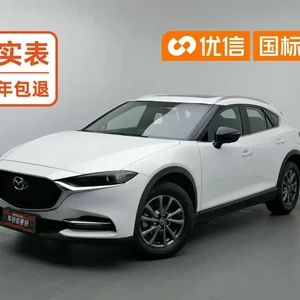
Mazda Mazda CX-4 2018 Model 2.5L Automatic 4WD Skyactiv Passion (China V)
How to buy a Mazda Cx-4 from China
-
1
Define the target configuration
Set the destination, new or used requirement, engine, drivetrain, edition, budget, and intended use before comparing vehicles. Include local fuel, road, climate, and aftersales conditions in the brief.
-
2
Review the live CX-4 inventory
Use the live inventory rather than a saved catalogue sheet when buying a Mazda Cx-4 from China. Check the current per-unit price, stated MOQ, availability, year, trim, drivetrain, condition, and unit identifier.
-
3
Request a formal quotation
Ask for a pro forma invoice identifying the VIN and listing, with engine, gearbox, drive system, condition, price, MOQ, and Incoterm. Request a separate breakdown of freight, insurance, export handling, taxes, duties, and destination charges.
-
4
Complete document and inspection checks
Verify ownership and registration documents, the VIN, production and registration dates, emissions or version label, odometer reading, and service history. Commission an independent physical inspection before paying the balance.
-
5
Reserve under written terms
State the deposit, balance trigger, inspection rights, refund conditions, release documents, and payment method in the contract. Ensure the beneficiary and seller entity match the agreed business records.
-
6
Plan consolidation and shipping
For a container, group vehicles by comparable trim, drivetrain, condition, and landed value. Select the Incoterm, carrier, sailing, insurance, loading plan, and destination freight responsibilities with the freight forwarder.
-
7
Clear compliance before arrival
Confirm steering configuration, homologation, customs classification, taxes, registration documents, and local inspection requirements before shipment. Arrange servicing, parts sourcing, insurance, and registration immediately after delivery.
Cx-4 vs rivals
| Toyota C-HR | The closest stylistic rival, with a similarly coupe-oriented profile. It may be more familiar where local hybrid availability or Toyota fleet support outweigh the Cx-4’s China-market 2.0L and 2.5L configuration. |
|---|---|
| Honda HR-V | A more practical alternative focused on upright packaging and interior versatility. It can suit buyers who prioritize usable passenger space and family utility over the Cx-4’s more road-focused presentation. |
| Hyundai Tucson | A conventional compact-SUV choice with a more upright and traditional layout. It may appeal to fleets prioritizing mainstream vehicle familiarity, straightforward utility, and established local support. |
Frequently asked questions
How is Mazda Cx-4 export pricing determined?
Export pricing is set per vehicle and changes with model year, trim, engine, drivetrain, condition, mileage, exchange rate, freight, insurance, and Incoterm. Check current per-unit prices in the live CX-4 inventory, then request a written pro forma invoice showing exactly what the quote includes.
What engine and powertrain options are available?
The listed China-market Cx-4 examples use 2.0L or 2.5L gasoline engines with automatic transmissions. Choices include front- or two-wheel drive and four- or all-wheel drive, depending on the edition. Because this is not an EV, battery capacity, charging, and electric range do not apply, while China V or VI labels do not guarantee destination-market approval.
Should an overseas buyer choose a new or used Mazda Cx-4?
New vehicles generally provide more consistent factory condition and specification, while used vehicles can offer a lower entry point but carry more inspection and history risk. Choose according to the importer’s cash cycle, required model year, expected resale value, and ability to inspect each vehicle independently.
How does MOQ work for a Mazda Cx-4 order?
MOQ is shown per listing and can differ by seller, vehicle, and commercial arrangement. For a single unit, confirm that the live listing and written quotation accept the required quantity; for a container, request a trim-by-trim allocation and written batch terms.
What determines shipping time and cost?
Shipping time and cost depend on the origin and destination ports, sailing schedule, vessel space, congestion, customs work, cargo handling, insurance, and Incoterm. Vehicle-only Ro-Ro, containerized transport, and different freight allocations can produce materially different landed costs.
Are spare parts available for an exported Mazda Cx-4?
Parts support cannot be inferred from the trim alone. Ask for the engine, drivetrain, VIN, and original trim code, then check whether a local Mazda dealer can source service items, electrical components, body panels, and model-specific parts before shipment.
Is a right-hand-drive Mazda Cx-4 available?
RHD availability cannot be inferred from the trim titles. Request a clear steering-wheel and dashboard photograph, the VIN, and registration documents, and have the destination importer confirm whether the configuration is acceptable. Do not assume a conversion will preserve registration, warranty, safety, or parts compatibility.
How do I order a Mazda Cx-4 from China?
To buy a Mazda Cx-4 from China, begin with the live inventory, select units by configuration and condition, and request a per-vehicle quotation and document pack. Complete inspection, agree payment and release terms, then arrange compliance, shipping, customs, and local registration.
Ready to source the Mazda Cx-4?
Send your preferred Mazda Cx-4 specification, destination, quantity, and Incoterm to request a current vehicle-by-vehicle quote and export plan.
Request a quote