
Mazda Cx-5 Export Buying Guide for Overseas Buyers
Mazda Cx-5 export guide for overseas dealers: compare trims, engines, new and used options, pricing logic, shipping, compliance and key rivals.
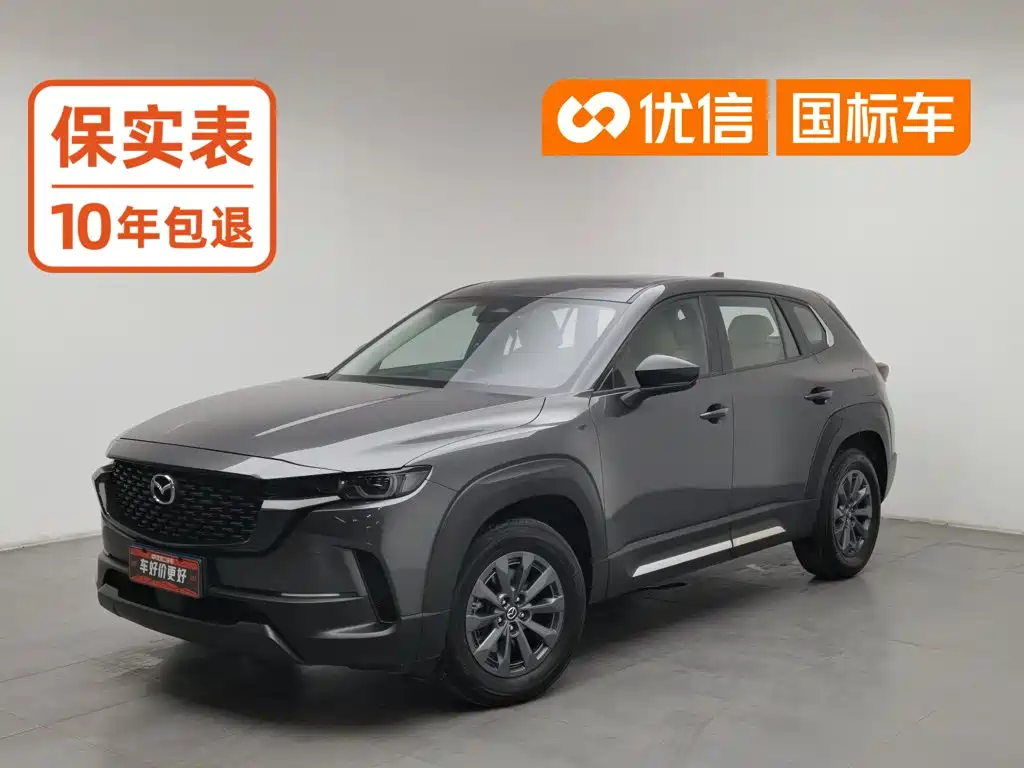
At a glance
- The Cx-5 is a compact crossover SUV suited to importers, dealers and fleets seeking petrol power with front- or four-wheel-drive options.
- China-export configurations span 2.0L and 2.5L engines, automatic transmissions and multiple equipment tiers under local trim names.
- New units suit buyers prioritizing newer production and warranty, while used units reward careful inspection and documented condition.
- Export cost varies with specification, condition, logistics, exchange rates, duties and Incoterms, so every live price needs context.
- Destination approval, steering configuration, parts planning and shipment structure should be settled before payment.
Why the Mazda Cx-5 matters for export markets
The Mazda Cx-5 sits in the compact crossover segment, a category that appeals to overseas buyers who want a raised, versatile body without moving into a large SUV. Its combination of a compact footprint, five-door practicality and conventional gasoline powertrains gives importers a product suited to private buyers, company fleets and rental operations. The model is also relevant to buyers searching for a used Mazda Cx-5: the name carries demand, while individual age, trim and condition create differences between vehicles rather than a single uniform export proposition in any market.
For buyers who want to buy Mazda Cx-5 from China, the appeal is not based on one ultra-low specification. Instead, the export-relevant choice runs from 2.0L and 2.5L petrol engines with an automatic transmission to front-wheel-drive and four-wheel-drive configurations, plus equipment tiers that range from practical to high-feature. That variety allows a dealer to build a targeted stock plan, but it also makes trim normalization essential: Chinese designations such as Smart, Urban, Premium, Luxury, Prestige and Flagship should be translated into actual equipment before being assumed to match another country’s model names.
Demand should still be treated as market-specific rather than assumed from global awareness. Fuel policy, import tariffs, road taxes, fuel availability, emissions policy and the popularity of rival crossovers all influence local demand. A buyer should compare the Cx-5 with the vehicles already appearing in the destination’s showrooms and used-car channels, then assess whether its petrol engine, driving character and equipment justify its landed position. The strongest export case is usually where the model fills a compact-SUV gap without relying on a promise about sales volume or unverified popularity rankings.
- Compact-SUV export positioning.
- 2.0L and 2.5L engines.
- Trim labels need equipment checks.
Model range, trims and powertrain variants: how the lineup is structured and how to choose
The export lineup is structured around two gasoline engine displacements: 2.0L and 2.5L, with automatic transmissions appearing across the trim combinations. The 2.0L option is the efficiency- and operating-cost-oriented choice for buyers prioritizing urban use, long highway transfers and fleet duty, while the 2.5L choice suits buyers who prioritize relaxed performance and higher-load capability. Since output, torque and consumption figures are not interchangeable across markets, compare the destination homologation data rather than choosing from displacement alone, and verify the engine label, gearbox type, emissions class and axle designation in the documentation.
Drivetrain is the second major decision. Listings can present front-wheel drive as 2WD or FWD and four-wheel drive as 4WD, 4x4 or AWD, depending on the source language and trim description. A front-drive Cx-5 can be easier to match with efficient urban use and may reduce mechanical complexity, while a four-wheel-drive version gives buyers additional traction confidence for wet roads, snow or rough access roads. Labels alone do not prove the axle system; ask the seller for the specification sheet and actual drive layout shown on the vehicle for that exact car.
Trim names provide a starting hierarchy, not a substitute for a specification sheet. Smart, Urban and Comfort-oriented versions generally sit below feature-rich Premium, Luxury, Prestige and Flagship descriptions in the China-market naming seen here, but equipment can change by current model year and special edition. A buyer should request a clear list of exterior and interior equipment, infotainment, climate control, driver-assistance functions, upholstery, wheels and service history. This prevents a prestige badge from being mistaken for the same content as a similarly named trim in Europe, North America or another export region.
- Automatic export configurations.
- Verify actual axle layout.
- Request trim specification.
New vs used Mazda Cx-5: how export inventory is structured and how buyers choose
New Mazda Cx-5 stock gives an importer access to newer vehicle design, factory warranty and generally less wear, although the exact production date and warranty transfer must be confirmed. A used Mazda Cx-5 can be a rational choice where the importer needs a lower acquisition commitment, a specific previous generation or an immediately dispatchable vehicle. The decisive question is not simply new versus used; it is whether the vehicle’s age, mileage, condition, documentation and remaining usable life match the buyer’s expected holding period and the expectations of local customers in that market.
Used-unit inspection should cover more than paint and mileage. Ask for a report, body-panel and glass condition, tire age and remaining tread, brake condition, underbody corrosion, leaks, cabin wear, available service records and evidence of accident repair. Confirm that the odometer reading is supported and that the VIN, engine number and registration documents correspond to the vehicle being offered. For a new vehicle, verify that it is factory-sealed or unregistered, that no dealer has used it as a display or courtesy car, and that factory warranty can be transferred where applicable.
The best choice depends on the importer’s business model. A dealer building a retail range may prefer newer cars for brand consistency and simpler customer warranties, while a used-car specialist can create value by grading condition and sourcing examples. Fleet buyers should focus on long-term operating suitability, service support and residual value rather than appearance alone. Whatever the route, compare the purchase and compliance cost of each candidate over the intended ownership period; a suitable vehicle is not a good export purchase if repair, parts or homologation work erodes the margin.
- New: warranty and status.
- Used: condition and documents.
- Match ownership to needs.
How export pricing works: the factors behind a live listing price, and how to read one
Export pricing is a calculation rather than a fixed property of the model. The live asking price for a particular Mazda Cx-5 normally reflects its model year, trim, 2.0L or 2.5L engine, front- or four-wheel-drive layout, new or used condition, mileage, visible condition and the seller’s commercial position. Market movements also matter. A buyer comparing quotations must keep the vehicle specification constant before deciding whether one offer is genuinely more competitive. Currency exchange can alter the apparent relationship between quotes, but it does not remove differences in what is included.
The headline figure on a vehicle listing should not automatically be treated as a delivered price. Establish whether it covers the vehicle only, and whether export documentation, inland transport, marine insurance, terminal charges, customs brokerage, duties, taxes and destination delivery are excluded. Also confirm the Incoterm and the point at which contractual responsibility and risk pass. Freight can move materially with destination port, route, container availability, season, fuel surcharges and the size and weight of the shipment, so two vehicle quotations are only comparable when these commercial boundaries align for the buyer.
The best way to read a live quote is to work from the unit record outward. Check the vehicle identity, production year, condition, engine, gearbox, drivetrain and equipment; then identify what the seller says is included in the asking price. Request a written pro forma invoice that separately shows the vehicle, export charges, freight basis and taxes that can be calculated at this stage. Current binding prices, MOQ and availability must be taken from each live listing on ChinaCarDirect; an old catalogue, previous email or remembered market range cannot confirm them.
- Compare equivalent specifications.
- Separate vehicle and landed costs.
- Use live listings and invoices.
MOQ, ordering and payment: single units vs consolidating a container
Minimum order quantity is a commercial term, not a characteristic of the Cx-5. Some sellers will release one vehicle to an individual buyer or small importer, while transactions may be tied to a seller’s stock policy, production batch or container plan. Therefore, read the MOQ field on the specific current live listing and include it in the offer. Do not assume that one marketplace’s buying pattern guarantees release for every seller, trim or destination. If a unit is unavailable, ask whether the seller can reserve a vehicle within the specified specification.
Single-unit sourcing offers flexibility: the buyer can select a year, trim, drivetrain and condition without tying up a shipment’s worth of capital. The trade-off is that each car may carry a logistics cost per unit, and the buyer may not receive the fixed terms of a consolidated order. For a used vehicle, one-unit purchasing makes the inspection and clear condition description important. Buyers should settle who owns the vehicle at each stage, how the deposit is protected, and what happens if the inspection, export document or shipping booking does not match expectations.
Consolidating compatible units into a container can improve freight economics, but it changes the risk profile. The buyer may need to appoint a freight forwarder or consolidation provider, coordinate inspections, and accept that mixed model years or specifications can complicate resale and customs classification. Settlement should identify the specific vehicle allocated to each buyer, the party responsible for export customs and terminal handling, the payment schedule and the documentary release sequence. Where a dealer plans repeat purchases, a purchasing and logistics framework may be more useful than negotiating each vehicle from scratch.
- Check each listing’s MOQ.
- Single units offer flexibility.
- Containers add coordination risk.
Shipping, homologation and market compliance caveats: LHD/RHD and import rules by country
Shipping method should follow the purchase scale and urgency. A single vehicle may travel as a break-bulk or consolidated shipment, while a larger allocation may justify a full container; the forwarder should confirm the available option rather than assume it. Export preparation can include vehicle cleaning, securing loose items, checking documentation and presenting the car for export inspection or customs procedure. The buyer should agree on origin, destination, Incoterm, booking party, insurance and the exact moment when delivery risk passes before funds are released against the final shipping-stage payment.
Steering configuration is a critical first compliance check. A vehicle sourced from China may be left-hand drive, while some markets require right-hand drive; RHD availability is not guaranteed for every listing and should be confirmed before payment. Import permission, customs valuation, age restrictions for used cars, emissions rules, safety approval, type approval, VIN requirements, road taxes and insurance all vary by country. A Chinese-market trim should therefore be treated as a starting point, not proof that it can be registered in the destination without relevant local verification, inspection and customs advice.
Compliance work can affect timing and cost, so it should be handled before the vehicle is committed. An importer or homologation specialist can assess whether the powertrain, emissions system, lighting, equipment and VIN records fit local rules. If modification is required, confirm whether it is permissible and who bears the associated cost and delay. Keep vehicle condition clear in the record: alterations should be disclosed and documented rather than concealed. For used imports, inspection after arrival can reveal transport damage, corrosion or condition issues that were not visible in remote photographs.
- Confirm LHD or RHD.
- Check import rules.
- Use local compliance advice.
Who should buy the Cx-5 — and who should pick a different vehicle
The Cx-5 is a strong candidate for an overseas dealer wanting a compact SUV with petrol power, an automatic transmission and a choice of front- or four-wheel-drive layouts. It is suitable for company-car, rental or staff-fleet programs where drivers value comfort, presence and manageable dimensions. A buyer seeking to establish a trim ladder can use the equipment hierarchy to match budget-conscious and higher-specification customers without building an unrelated range. The decision is stronger when the source vehicle’s condition and compliance position are fully documented before the shipment is formally booked.
A used Mazda Cx-5 can suit a budget-conscious importer with the capability to inspect and refurbish vehicles, provided corrosion, wear and service history are handled transparently. It may also make sense for a dealer seeking a specific generation, color or clear equipment mix that is not readily available in new stock. The model is less suitable for buyers who require seven seats, a commercial cargo platform, pure-electric operation, serious off-road capability or the lowest possible operating cost. Those specific needs point toward another body style or powertrain rather than a Cx-5.
Fit also depends on the destination’s customer expectations and after-sales support. A vehicle with common service items and a reliable parts route may be easier to support than a niche model, but spare-parts planning should begin before purchase. Ask for the VIN, engine and transmission identifiers, then use them to confirm parts availability for that generation and destination market. For a dealer, the ability to source consumables, diagnose faults and maintain a coherent specification record may matter more than choosing the most decorative badge on the vehicle in that market.
- Mainstream dealer fit.
- Useful for petrol fleets.
- Avoid for cargo or off-road needs.
Main rivals and how the Cx-5 compares
The Toyota RAV4 is a benchmark for buyers because it competes in the mainstream compact-SUV class and offers a powertrain family in markets, including hybrid choices not represented by the China-export Cx-5 line reviewed here. The RAV4 may appeal where fuel economy and hybrid availability are decisive, while the Cx-5’s strengths are its driver-focused character and styling. Local model years, equipment and import rules determine the fairest market-specific comparison. For an importer, compare landed cost, local tax treatment, parts support and exact powertrain before treating either model name as the winner.
The Honda CR-V is another direct competitor, particularly for buyers who put cabin space, family usability and hybrid efficiency high on the list. It can be a stronger fit for customers focused on practical space or seeking a locally familiar hybrid, whereas the Cx-5 typically appeals through its more engaging road manners and standard petrol choice in the export configurations described. That distinction is a preference, not a universal verdict: compare the current destination specification, fuel availability, tax bands, warranty support and the resale profile of the trim being imported there.
The Hyundai Tucson occupies a similar mainstream position and can be attractive where buyers want a more angular design, extensive equipment or a strong value proposition in the local market. The Mazda’s case rests on a more restrained, driver-oriented identity and a simpler selection of 2.0L and 2.5L petrol configurations for China export. Whichever rival is shortlisted, compare local vehicle documents, delivered cost, service requirements and target-market demand rather than brochure features alone; a model that is available in China may still be easier for an importer to support and sell.
- RAV4: hybrid benchmark.
- CR-V: space and practicality.
- Tucson: equipment and value.
Live Mazda Cx-5 export inventory
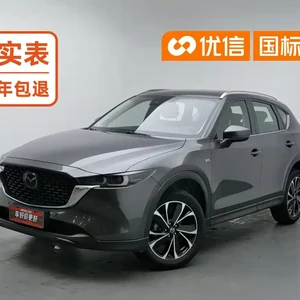
View all listings →Real units currently on ChinaCarDirect with per-unit asking prices and MOQ. Availability updates live from the catalogue.
How to buy a Mazda Cx-5 from China
-
1
Set the destination requirements
Define the destination, customer, powertrain, drivetrain and budget before choosing a vehicle. Record local import and type-approval constraints, especially steering configuration and any used-car age restrictions.
-
2
Filter the live inventory
Use the live Mazda Cx-5 inventory to identify candidate units, then verify the model badge and VIN because a search can include adjacent Mazda names. Treat the displayed price, MOQ and availability as current references and confirm them in writing.
-
3
Normalize the specifications
Compare each candidate by production year, engine, transmission, drivetrain, trim equipment, dimensions and condition. Compare equivalent vehicles rather than allowing a higher trim or four-wheel-drive version to obscure the underlying price difference.
-
4
Verify vehicle and documents
Request the VIN, production date, title or registration documents, export documents, service history and an independent condition inspection. For used cars, check corrosion, accident repair, odometer evidence, tires, brakes and underbody condition.
-
5
Request a landed quotation
Ask for a written pro forma invoice and landed-cost estimate with the Incoterm, freight basis, insurance, documentation, terminal charges, duties and taxes separated. Confirm which amounts are vehicle costs, which are estimates and what remains payable locally.
-
6
Lock compliance and payment terms
Have the destination broker or homologation specialist check import eligibility, emissions, safety and VIN requirements before payment. Agree on MOQ, refund or cancellation conditions, inspection remedies, ownership transfer and payment milestones in the contract.
-
7
Book shipping and inspection
Book the forwarder only after compliance and payment terms are approved, and document the vehicle’s condition before loading. Track export release, bill of lading, customs clearance, insurance, arrival inspection and delivery, keeping the full vehicle file for registration and future parts orders.
Cx-5 vs rivals
| Toyota RAV4 | The RAV4 is a direct compact-SUV rival and often the practical benchmark where hybrid availability, fuel economy and broad dealer familiarity matter. The China-export Cx-5 reviewed here offers 2.0L and 2.5L petrol power but no hybrid in its range, so the choice often comes down to local fuel economics, equipment and driving preference. |
|---|---|
| Honda CR-V | The CR-V competes directly for family and fleet buyers, with particular strength in practical space and hybrid options in many markets. The Cx-5 is the alternative for drivers who prefer its petrol-engine range, four-wheel-drive availability and more engaging road manners; exact equipment and taxation depend on the destination specification. |
| Hyundai Tucson | The Tucson offers a similarly mainstream alternative with a bolder design and a strong equipment-and-value proposition in many markets. The Cx-5 may be the better fit where understated styling, petrol powertrains and a driver-focused image matter, while Tucson availability, warranty and resale support should be checked locally. |
Frequently asked questions
How is Mazda Cx-5 export pricing determined, and where is the live price?
The live asking price reflects the specific vehicle’s year, trim, engine, drivetrain, condition, mileage and seller terms, with currency movements affecting how quotations compare. Freight, insurance, terminal charges, duties and taxes may sit outside the vehicle price, depending on the Incoterm. Check the price, MOQ and availability on each live ChinaCarDirect unit and ask for a written pro forma invoice before relying on it.
Which engine, transmission and drivetrain options are available?
The reviewed export configurations use 2.0L or 2.5L petrol engines, and automatic transmissions appear across multiple trim listings. Front-wheel drive is described as 2WD or FWD, while four-wheel-drive versions may be called 4WD, 4x4 or AWD. Because labels and specifications can vary by market and model year, confirm the exact engine, gearbox and axle layout in the vehicle documentation.
Should an overseas buyer choose a new or used Mazda Cx-5?
New vehicles suit buyers who prioritize newer production, warranty and low wear, subject to confirming production date and warranty transfer. Used vehicles can offer more model-year and equipment choice, but require proof of mileage, service history, condition and ownership. The better choice depends on holding period, repair capability, local customer expectations and total compliance cost.
What is the MOQ when buying a Mazda Cx-5 from China?
MOQ is set by the seller and the individual transaction rather than by the model itself. Read the MOQ on the live unit and confirm whether one car can be released individually or whether several units must share a shipment. If purchasing a container, document allocation, payment, inspection and customs responsibilities for each vehicle.
How long does export shipping take, and what determines the cost?
Transit time varies with origin and destination ports, sailing or consolidation schedule, customs clearance, terminal handling and the chosen Incoterm. Cost also responds to container availability, route, season, fuel surcharges, vehicle dimensions and weight, insurance and destination charges. A freight forwarder should provide a route-specific schedule and an itemized quotation.
Can spare parts for a used Mazda Cx-5 be ordered from China?
Parts should be matched using the VIN, engine and transmission identifiers, model generation, production year and destination-market configuration. Availability may differ for left-hand-drive and right-hand-drive vehicles or between trim-specific components, so confirm before purchasing. Include original photographs and part numbers in the request and allow for transport and customs time.
Is a right-hand-drive Mazda Cx-5 available for export?
RHD availability is not guaranteed for every China-sourced listing, and the steering configuration must be confirmed for the exact vehicle. Some destinations permit only left-hand-drive imports or impose age, emissions and approval conditions, while others require right-hand drive. Verify local rules and physical configuration before paying or booking freight.
How do I order a Mazda Cx-5 and request a binding quote?
Select and verify a candidate in the live inventory, then send the seller or export team the destination, quantity, preferred engine, drivetrain, trim, condition and Incoterm. Ask for unit identification, current price, MOQ, availability, documentation, freight options and a pro forma invoice. Pay only against agreed, documented milestones after seller verification and destination compliance checks.
Ready to source the Mazda Cx-5?
Send your destination, preferred engine, drivetrain, condition and quantity for a tailored Mazda Cx-5 export quote.
Request a quote