
Mazda Ez-60 Export Buying Guide for Overseas Dealers
Buy a Mazda Ez-60 from China with practical guidance on powertrains, live export pricing, MOQ, shipping, homologation, rivals, and importer checks.
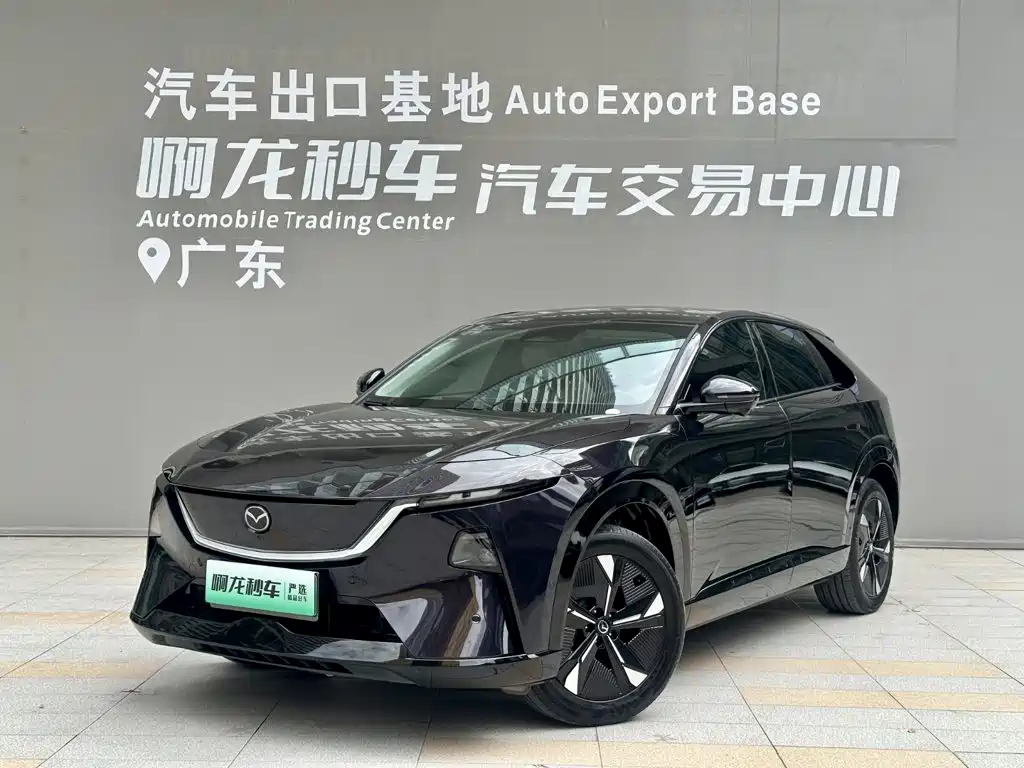
At a glance
- The Ez-60 is a China-market midsize crossover offered in pure-electric and range-extended forms.
- The right trim follows from charging access, route patterns, equipment needs, and destination-market range rules.
- New and used units require different checks, from ownership history and warranty to battery condition and repair records.
- Live export quotes move with year, trim, condition, equipment, exchange rates, freight, and Incoterms.
- Approval, steering configuration, charging standards, taxes, and aftersales support should be settled before contracting.
Why the Mazda Ez-60 matters for export markets
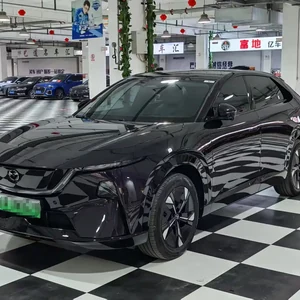
The Mazda Ez-60 is a China-market midsize crossover that gives overseas buyers two electrification paths: a pure-electric battery model and a range-extended version. That combination matters in export markets because buyers do not all have the same charging access, route length, or appetite for range-related uncertainty. The Mazda name adds brand familiarity, while the crossover format suits passenger-car importers and company fleets seeking a practical family vehicle rather than a niche model. Its importance should be judged on export suitability, especially where charging networks, service coverage, and type approval remain decisive.
For importers, the Ez-60 is interesting because it is not tied to a single operating assumption. A buyer with dependable charging can compare battery-electric versions for routine efficiency and a simpler energy supply. A buyer covering long distances or entering regions where public charging is uneven can examine the range-extended variant, which preserves electric driving while adding an onboard generator. Fleet managers can use this split to align vehicles with duty cycles instead of standardising one powertrain across every route and depot. This supports mixed fleets beyond one-powertrain range comparisons.
Export interest does not mean that a Chinese-market Ez-60 is automatically ready for registration elsewhere. Its relevance can be limited by charging connectors and voltage, steering-hand configuration, local safety approval, software, battery documentation, tax treatment, and aftersales support. For Mazda dealers, the model may work as a complementary product between conventional vehicles and full-EV imports. For first-time importers, the decisive questions are not badge appeal alone, but whether the exact vehicle can be homologated, serviced, and supported profitably in the destination market. Spare-parts planning must cover the intended service life.
- Match powertrain to operating reality.
- Confirm homologation before shipment.
- Include service support in total cost.
Model range, trims and powertrain variants: how the lineup is structured and how to choose
The export-facing line-up should be read through its trim names. Available designations include Range-Extended 200 Pro, Range-Extended 200 Max, Pure Electric Base Model, and Pure Electric 600 Pro; marketplace wording can vary slightly. “Range-Extended” denotes electric traction with a combustion engine available to generate electricity. “Pure Electric” denotes a battery-only vehicle. The 200 and 600 numerals are range-oriented identifiers, not universal guarantees of destination-market range, so buyers should check the stated test cycle and homologation record. Always verify each unit because Pro and Max equipment can differ by model year.
For range-extended buyers, the “200” versions offer a compromise: the vehicle can cover substantial daily travel electrically while the generator reduces dependence on a complete charging network. Pro versus Max should be evaluated through equipment, comfort, driver-assistance, and cost consequences listed on the specific vehicle. Buyers should also establish whether a quoted 200 km figure is battery-only or part of a combined cycle. The right candidate is a driver who values electric daily use but still wants a credible fallback for long trips, remote depots, or genuinely uncertain charging conditions.
For the pure-electric path, the Base Model can appeal to buyers who prioritise lower complexity and the operating economics of battery-only motoring, while the 600 Pro designation points to the longer-range side of the line-up. That designation should still be translated into real-world planning: destination homologation, route temperature, speed, load, and charging losses may change usable range. A dealer should select the BEV where charging is controlled and predictable, and the range-extender where operational flexibility outweighs extra packaging and mechanical complexity for the fleet's actual duty cycle and charging coverage.
- Verify range test and distance.
- Compare equipment on each unit.
- Select energy type by duty cycle.
New vs used Mazda Ez-60: how export inventory is structured and how buyers choose
Export listings can contain both new and previously registered Mazda Ez-60 vehicles, and the distinction should be treated as a condition-and-risk decision rather than a simple quality ranking. A new vehicle should offer the cleanest ownership history, current specification, and a clearer warranty pathway, subject to confirmation of first registration, production date, and local market designation. A used vehicle may be more attractive where a buyer wants an established in-service example, a particular configuration, or a lower acquisition commitment before scaling imports. Its ownership and export documents require careful scrutiny.
Used Ez-60 inventory carries a different risk profile because battery health, software history, prior repairs, and ownership quality may not be visible from the trim badge alone. Ask for battery state-of-health evidence where available, charging and fast-charge records if relevant, inspection documents, and photographs of bodywork, wheels, cabin, and underbody areas. Confirm whether the odometer and service history are complete and whether the vehicle remained a road vehicle rather than a demonstration unit. These checks are especially important for fleet purchases where downtime carries direct operating costs and warranty exposure.
The best choice depends on the importer's stage. A new vehicle is generally easier to standardise for fleet launch, resale warranty, and training, whereas a used example may better fit a small-market test or a price-sensitive resale channel. Neither condition automatically resolves import compliance: a used Chinese vehicle can carry different title and history questions, while a new one may have been built to Chinese-market standards from the start. The prudent sequence is to shortlist like-for-like configurations, inspect physical and documentary condition, then obtain a binding quote for that unit.
- New units simplify ownership history.
- Used units require battery checks.
- Quote the exact vehicle.
How export pricing works: the factors behind a live listing price, and how to read one
A Mazda Ez-60 export price results from several interacting variables, not a fixed catalogue figure. The vehicle year and trim set the starting point, while battery version, motor specification, equipment, mileage, exterior condition, and whether the unit is new or used can materially change the ask. Market conditions also move the result: supplier inventory, exchange-rate movements, and the refurbishment required for export presentation affect what a seller can offer. Comparing unrelated listings without controlling for those variables can be misleading to a buyer comparing several vehicles for one shipment program.
Logistics can move the final landed cost as much as the vehicle quote. Ocean freight, insurance, terminal handling, inspection, documentation, inland transport, and destination charges may sit inside or outside a listing depending on its Incoterm. Imported taxes, registration fees, and any local incentives are separate and cannot be inferred from the seller's quote. A buyer should ask whether the displayed figure is an FOB, CIF, or another delivery basis, and identify every charge required to move the vehicle from the Chinese supplier to the destination port or dealership premises.
To read a live listing, begin with the exact vehicle identifier, condition, model year, trim, and any disclosed damage or mileage. Then check the quotation validity, currency, payment milestones, and inclusions. Request a pro forma or quotation that itemises the vehicle price, freight, insurance, export paperwork, and destination charges, and ask how an exchange-rate change would be handled before payment. Current per-unit pricing and availability should always be confirmed through the live Mazda Ez-60 listings; the listing is the working offer, while the final contract is the binding commitment document.
- Compare like-for-like specifications.
- Confirm Incoterm and quote validity.
- Separate freight, tax, and destination charges.
MOQ, ordering and payment: single units vs consolidating a container
MOQ is not a universal property of the model; it is a commercial term set within a particular seller's offer and shipment method. A dealer can request a single-unit purchase, but acceptance depends on the listing, the supplier's export process, payment terms, and the cost of moving one vehicle. The buyer should rely on the MOQ shown against the selected live unit and obtain written confirmation in the quotation. That avoids treating a marketplace browsing experience as a binding commitment or assuming every seller has identical fulfilment and payment requirements.
Container consolidation can improve freight economics when several buyers combine compatible vehicles in one shipment. A dealer with larger annual demand may negotiate a dedicated batch, while a smaller importer may join a mixed consignment with shared delivery terms. The trade-off is that consolidation can reduce flexibility: different trims, colours, specifications, or condition grades may be split across containers, and one delayed unit can affect release of the whole consignment. The unit price may improve, but landed-cost savings must be measured after consolidation, handling, insurance, and delivery requirements are included.
Ordering mechanics should be documented before funds are committed. The purchase contract should identify the vehicle or agreed batch, condition, trim, options, VIN where available, price and currency, Incoterm, inspection standard, payment schedule, and cancellation or remedy process. Payment commonly follows a deposit and final-balance structure, but the exact sequence is seller-specific; independent payment methods or protected escrow should be evaluated by the buyer. Title, invoice, export declaration, and compliance records should match the ordered vehicle, especially when used units are involved, before vehicle loading or the final payment release.
- Confirm unit-level MOQ in writing.
- Compare dedicated and consolidated freight.
- Match contract and vehicle records.
Shipping, homologation and market compliance caveats: LHD/RHD and import rules by country
Shipping begins with choosing the appropriate transport method and confirming how the battery is classified and documented. Vehicles are commonly moved by enclosed car carrier or container, but battery-electric and range-extended vehicles can require additional dangerous-goods handling, packing records, and declarations. The forwarder should confirm carrier acceptance, battery documentation, securing requirements, and any restrictions applying to the shipment. Freight quotations should specify origin and destination ports, route, container or carrier type, insurance, and which party bears charges from pickup through delivery. The plan should also name inspection and release points.
Timing and cost vary with sailing or carrier schedules, port congestion, customs inspections, cargo handling, weather, documentation readiness, and the distance from the destination port to the buyer. Battery inspection or non-compliance can add delay, so the vehicle's homologation evidence should be assembled before loading rather than after arrival. A buyer should request an estimate that separates ocean or carrier transit from customs clearance and inland delivery, and should agree how demurrage, storage, examination, and delay costs are handled if the shipment is disrupted in the quotation and sale contract.
Steering-hand configuration and homologation are country-specific. A Chinese-market vehicle may be left-hand drive, and a right-hand-drive conversion is not automatically permissible, practical, or complete; confirm the supplier's configuration and obtain local written advice before ordering. Import rules may cover vehicle type approval, emissions, battery safety, charging equipment, cybersecurity and software, radio functions, safety systems, roadworthiness, liability insurance, customs duty, VAT or sales tax, and registration incentives. Local incentives can depend on price, range, battery, or emissions criteria, so never assume eligibility from the Chinese trim name or seller marketing descriptions.
- Confirm carrier and battery documents.
- Validate steering and type approval.
- Cost compliance and delivery separately.
Who should buy the Ez-60 — and who should pick a different vehicle
The Ez-60 best fits buyers who want a China-built Mazda crossover and can work with the model's market-specific approval and support structure. It is particularly relevant for fleet pilots, mobility operators, and dealers with dependable charging who need a battery-electric option, as well as importers of long-distance operations who want an electric-first range-extender. The appeal is strongest when operating routes are known, charging plans are credible, and the importer can service or partner for the powertrain. A controlled test fleet may reveal suitability before a larger order is fully authorised.
It is a weaker fit for buyers whose first priority is immediate delivery into a mature right-hand-drive market without conversion, or for operators who assume every Chinese EV already carries local certification. It may also be unsuitable where residual values depend on a long-established Mazda dealer network, where charging infrastructure is unreliable, or where battery risk cannot be assessed. Used-unit buyers should avoid the model if they cannot inspect battery condition or obtain service history. Procurement decisions should therefore start with duty cycle and regulatory fit, not appearance or branding.
Pick a different vehicle when operational simplicity, established after-sales support, or predictable local certification outweighs access to the Ez-60's powertrain choices. A conventional hybrid SUV may be simpler for organisations without charging or EV maintenance capability; a mainstream battery-electric crossover may be easier where its local homologation and dealer support are already proven; and a range-extended rival may offer a more established export service network. The right conclusion depends on route length, charger access, regulatory category, warranty expectations, and resale plan, with ownership costs assessed over the vehicle service life.
- Best for controlled routes and charging.
- Weak fit without local compliance support.
- Compare alternatives by lifecycle needs.
Main rivals and how the Ez-60 compares
The closest export alternatives should be judged by body size, powertrain choice, charging dependence, and local support—not by headline range alone. Deepal S07 is a direct structural comparison because it is also a China-derived midsize crossover offered with battery-electric and range-extended configurations. For an importer seeking the same operational choice in a more explicitly export-oriented product family, it may be easier to assess. The Ez-60's counterargument is Mazda's brand positioning and design identity, but that only matters if local service and residual-value assumptions hold in target markets over time.
BYD Sealion 7 is a relevant benchmark for buyers focused on a pure-electric crossover and BYD's broader market familiarity. It does not offer the same battery-versus-range-extender decision within the model, so the Ez-60 can be more flexible for mixed-route fleets. Conversely, a buyer with strong confidence in BYD's local product support may see less operational risk. The comparison should include charging compatibility, destination certification, spare-parts supply, software support, and landed cost rather than treating the badges as equivalent for the target country and check exact conditions in each local market.
Leapmotor C10 is another export-focused midsize crossover with electrified options, making it relevant to value-conscious dealers and fleet buyers. Its alternative can simplify comparison where a buyer already has better confidence in Leapmotor's parts and service arrangements. Against it, the Ez-60 offers a distinct Mazda-led proposition and the option to balance electric daily use with generator support. Final selection should use a weighted scorecard covering certification, service, charging, residual value, warranty, verified unit condition, and delivered cost rather than a brand-preference decision, with each factor weighted for the importer.
- Deepal S07: direct electrified crossover rival.
- BYD Sealion 7: pure-electric benchmark.
- Leapmotor C10: export-focused value alternative.
Live Mazda Ez-60 export inventory
View all listings →Real units currently on ChinaCarDirect with per-unit asking prices and MOQ. Availability updates live from the catalogue.
How to buy a Mazda Ez-60 from China
-
1
Define the market and duty cycle
Establish routes, charging access, steering-hand needs, local tax treatment, and applicable approval rules before choosing between BEV and range-extended versions.
-
2
Shortlist the live inventory
Review the live Mazda Ez-60 listings and compare matching year, trim, condition, mileage, and equipment. Save the exact unit reference for every vehicle considered.
-
3
Verify the vehicle and records
Request the VIN, production information, ownership and export documents, inspection records, and warranty terms. For used vehicles, obtain battery condition and repair-history evidence.
-
4
Request a written quotation
Ask for the vehicle price, currency, Incoterm, MOQ, payment milestones, freight, insurance, handling, documentation, and inland-delivery charges as separate items.
-
5
Check homologation before payment
Use a local customs broker or compliance adviser to confirm type approval, emissions, battery, software, charging, steering configuration, registration, and incentive eligibility.
-
6
Secure the contract and shipment
Match the contract with the VIN or agreed batch and specify inspection, payment, claims, carrier, battery-document, and release procedures before funds are committed.
-
7
Prepare for arrival and support
Arrange customs clearance, inland delivery, a pre-delivery inspection, charging or workshop setup, and a spare-parts plan for the intended operating period.
Ez-60 vs rivals
| Deepal S07 | A close China-derived midsize crossover alternative with pure-electric and range-extended choices, making it a direct operational comparison for mixed-route buyers. Choose it when its destination service and homologation evidence are stronger; choose the Ez-60 when Mazda branding and dealer positioning matter. |
|---|---|
| BYD Sealion 7 | A pure-electric midsize crossover benchmark with broadly established market recognition. It suits buyers committed to battery-only operation, while the Ez-60 offers more flexibility where a range-extender option is important. |
| Leapmotor C10 | An export-focused electrified midsize crossover that may appeal on value and powertrain choice. Compare parts support, certification, and resale confidence rather than assuming its export proposition is stronger. |
Frequently asked questions
How is the Mazda Ez-60 export price determined?
Export price is built from the unit's year, trim, energy version, equipment, mileage, condition, and the seller's export preparation. Freight, insurance, handling, inland delivery, taxes, and the chosen Incoterm can change landed cost, so compare written like-for-like quotations. Current binding figures are shown per unit in the live Mazda Ez-60 listings.
Which powertrain and range figures should I expect?
The line-up includes Range-Extended 200 Pro/Max and Pure Electric Base Model/600 Pro versions. The 200 and 600 numerals are range-oriented trim identifiers; confirm the test cycle, whether a figure is electric-only or combined, and the destination-homologated figure on the exact listing.
Should an overseas buyer choose a new or used Ez-60?
New units generally offer cleaner ownership history, current specification, and a clearer warranty path, while used units may suit smaller pilots or specific configurations with a lower acquisition commitment. A used vehicle requires battery state-of-health evidence, service and odometer checks, inspection records, and scrutiny of prior repairs or demonstration use.
Can I order one Mazda Ez-60 rather than a container?
A single-unit request may be possible, but MOQ is set by the individual seller and shipment arrangement rather than by the model. Check the unit-level MOQ on the live listing and obtain written confirmation together with the freight basis, payment schedule, and any single-vehicle handling charges.
How long does shipping take, and what determines the cost?
Transit time depends on carrier schedules, port congestion, customs inspections, documentation, cargo handling, weather, and inland delivery. Cost depends on the transport method, route, insurance, origin and destination charges, vehicle size, and the Incoterm; request separate estimates for international transport, clearance, and inland movement.
How are spare parts and aftersales handled?
Ask the supplier for parts-ordering channels, diagnostic-tool requirements, battery-related support, warranty terms, and lead-time expectations before ordering. Overseas support should also be checked with a local Mazda dealer or capable workshop because Chinese-market trim names and software may differ from destination-market versions.
Can the Ez-60 be supplied in right-hand drive, and how is availability checked?
Do not assume that a China-market left-hand-drive vehicle can be converted or homologated as right-hand drive; confirm the supplier's configuration and local rules before ordering. RHD availability, condition, trim, and exact unit details should be checked in the live Mazda Ez-60 listings and confirmed in writing.
How do I order a Mazda Ez-60 from China?
Choose a specific live listing, complete the destination and vehicle checks, request a written quotation with Incoterm and MOQ, and obtain an RFQ response from the supplier. Before paying, align the contract with the VIN or agreed batch, documents, inspection standard, payment milestones, freight booking, insurance, and aftersales plan.
Ready to source the Mazda Ez-60?
Request a unit-specific Mazda Ez-60 export quotation and compliance checklist through ChinaCarDirect.
Request a quote