
Mercedes-AMG GT Export Buying Guide for Overseas Buyers
Buy a Mercedes-AMG GT from China with clear guidance on trims, export pricing, MOQ, shipping, homologation, rivals and live inventory for overseas dealers.
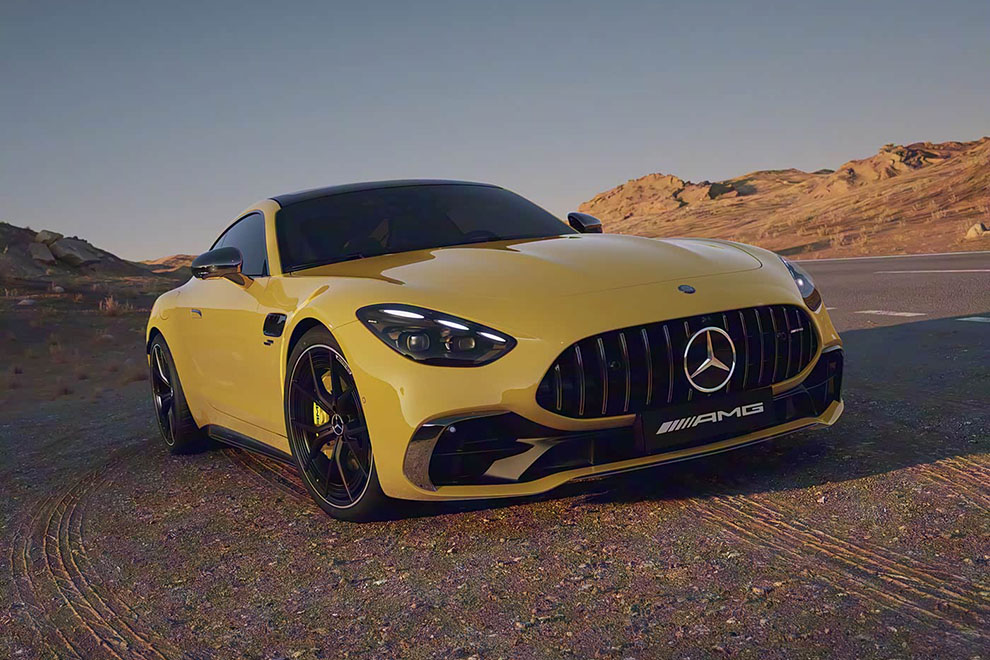
At a glance
- A front-mid-engine luxury GT with two-door, four-door and Roadster choices
- Turbocharged four-cylinder, inline-six and V8 applications span the range
- GT 50 and GT 53 prioritize four-door use, while GT S, GT C and GT R sharpen performance character
- GT 63 S E Performance adds plug-in-hybrid transport and charging considerations
- Live unit pages are the source for current price, MOQ and availability
Why the Mercedes-Benz Amg Gt matters for export markets
The Mercedes-AMG GT sits between a two-seat sports car and a luxury grand tourer. Its front-mid-engine proportions, long bonnet and performance-focused cabin make it recognizable, while four-door versions add practical access without turning it into a conventional family saloon. Chinese-market examples span the GT 50, GT 53, GT 63 S, GT S, GT C, GT R, GT R PRO and 63 S E Performance families, giving overseas buyers choices in body style and character. That breadth makes it attractive to premium dealers seeking a recognisable performance halo without leaving the Mercedes-Benz brand.
Demand for this model in export markets is driven less by fleet utility than by aspiration. Dealers can use a locally road-legal GT to anchor premium showroom campaigns, while affluent buyers gain a high-performance car with greater presence than an ordinary luxury sedan. The four-door GT 50 and GT 53 families are especially relevant where buyers want rear-seat access; the two-door GT S, GT C Roadster and GT R variants serve enthusiasts who prioritize steering response, open-air ability or track-oriented character. The model therefore supports both lifestyle inventory and a broader high-end Mercedes-Benz range.
For an overseas buyer, the AMG GT is strongest when product planning starts with the destination rather than the badge. A dealer in a country that accepts left-hand-drive imports may have more choice than one requiring right-hand drive, while a fixed power and body-style brief narrows the range decisively. Balance visual impact, usability, service support and compliance before focusing on appearance alone; a car that cannot be registered or maintained economically locally is not a sound export purchase. That makes early compliance screening more valuable than negotiating over cosmetic details.
- Front-mid-engine luxury GT positioning
- Two-door, four-door and Roadster choices
- Premium lifestyle demand, not fleet utility
Model range, trims and powertrain variants: how the lineup is structured and how to choose
The lineup is easiest to understand as a hierarchy of body style and powertrain. GT 50 denotes the four-door, turbocharged four-cylinder entry point, while GT 53 moves to a turbocharged inline-six with electrification support and 4MATIC+ availability. GT 63, GT 63 S and the 63 S E Performance represent the high-output V8 four-door family, with E Performance adding a plug-in hybrid layer. Two-door variants include GT S and GT C, with GT C also offered as a Roadster; GT R and GT R PRO sit at the range’s more extreme performance end.
Buyers should match the variant to the job rather than assume the highest-numbered model is automatically the best export choice. GT 50 is the pragmatic four-door option when packaging and purchase cost matter; GT 53 adds a different engine character and all-wheel-drive availability. GT 63 S E Performance suits buyers attracted by electrified performance, but it brings battery-related transport, charging and homologation questions. GT S and GT C emphasize two-door engagement, GT C Roadster adds weather-dependent appeal, and GT R or GT R PRO require a market prepared for high running costs and specialist ownership.
Mechanical character is equally important to the body-style decision. Current-generation AMG GT models use AMG’s nine-speed automatic, but rear-wheel-drive and 4MATIC+ configurations serve different buyers: the former often prioritizes traditional AMG response, while the latter adds traction and broad-market usability. Older first-generation cars in the used channel may have different transmissions, electronics and calibration, so model year and VIN must be checked. For every candidate, verify the engine, gearbox, drivetrain, option list and documentation rather than relying on an abbreviated trim badge or a sales photograph for confirmation before contracting.
- GT 50 four-cylinder four-door entry
- GT 53 electrified inline-six alternative
- GT S, C and R performance ladder
- Verify gearbox and drivetrain by VIN
New vs used Mercedes-Benz Amg Gt: how export inventory is structured and how buyers choose
Export inventory for the AMG GT should be separated into practical channels rather than treated as one homogeneous pool. New factory vehicles can be current-production cars or carry-over Chinese-market stock, often with domestic special editions and equipment for local preferences. Specialist importers may also offer low-mileage demonstration vehicles or used cars sourced elsewhere. A model year alone does not establish condition: an older vehicle can still be presented as new, while a nearly new chassis may carry a used label. Confirm the live listing’s condition wording, odometer, invoice trail and warranty status before reserving funds.
New inventory is generally cleaner for a dealer that wants a known origin, factory warranty terms and a straightforward condition narrative. It also makes it easier to compare consistent option packages before committing display and marketing assets. Used AMG GT cars can make sense for buyers comfortable with a known depreciation profile, but they demand stricter inspection of paint, tyres, brakes, suspension components, fluids, service history and modifications. A well-maintained used car may suit an informed buyer better than a new car with unwanted equipment. Ask for the original build sheet.
The practical decision is not simply new versus used; it is whether the vehicle fits the reseller’s route to ownership. A four-door, right-hand-drive requirement, low running-cost target or very specific trim may be easier through specialist used sourcing, while a buyer seeking current interfaces and consistent factory presentation usually has more control with a new car. Inspect first-generation and current-generation cars separately because styling, luggage arrangements, electronics and parts planning differ. Obtain the VIN, production date, registration history, service records and original build sheet before calculating ownership costs and reserve funds accordingly.
- Model year does not prove condition
- New vehicles offer origin clarity
- Used cars require wear inspection
- Separate AMG GT generations
How export pricing works: the factors behind a live listing price, and how to read one
An export listing price is not a universal market rate for the AMG GT, and it should not be treated as a landed cost without checking its terms. Vehicle-side factors include model year, body style, trim, engine and drivetrain, factory options, special-edition equipment, mileage, condition and seller inventory position. Transaction factors add exchange rates, supplier margin, payment timing and order volume. Because these inputs differ by unit, a wide spread between two listings can be rational rather than suspicious; compare like with like before drawing conclusions from the seller’s records.
Ask the seller to state what the displayed figure includes. Depending on the Incoterm, it may cover only the vehicle at the origin warehouse or may extend through port handling, ocean freight and insurance to a named destination. A meaningful export quote should separate the vehicle price, export documentation, inland transport, terminal charges, marine insurance, freight, destination handling, import duty, VAT or sales tax and any compliance or inspection work. Taxes are destination-specific and should be calculated by the importer’s broker rather than guessed. Compare the same delivery point and responsibility split for every quote.
Current, binding numbers belong on the live unit record and in a written quotation, not in a static market article. A seller may reprice after exchange-rate movement, allocation changes, option adjustments or negotiation, while a listing may be reserved quickly. Start with the live AMG GT inventory, select the closest trim and body style, then request a quote tied to the SKU and VIN. Recheck the price, deposit terms and shipping date immediately before payment, and compare matching configurations rather than treating every AMG GT as equivalent products in the range.
- Match year, trim and options
- Confirm the Incoterm coverage
- Separate vehicle and landed costs
- Use the written unit quote
MOQ, ordering and payment: single units vs consolidating a container
Minimum order quantity is a supplier term, not a fixed property of the AMG GT. It is shown against the live offer and may depend on model, trim, colour, production slot, payment method and destination. Some unit-level offers can be bought singly, while other sellers set a batch minimum or require several units of one specification for an order to proceed. Treat a single-unit condition as a feature of that particular listing rather than a universal catalogue rule, and have the seller confirm it in the quotation before placing a deposit in writing.
For an overseas dealer testing demand, a single-unit purchase can limit exposure to unsold stock, but it may not earn the same vehicle, freight or handling terms as a consolidated wholesale order. Container buyers normally gain control by grouping compatible specifications, colours and documentation, then allocating every vehicle before booking. Mixing trims solely to fill space can slow retail turnover and create a different proposition from the showroom plan. Agree allocation, payment schedules and loading responsibilities in writing rather than assuming the platform or freight provider will resolve them in advance.
A disciplined payment sequence reduces risk. Confirm the VIN or SKU, specification, colour, condition, options, export documents and final price in the pro forma invoice; then define the deposit, balance trigger, inspection period, refund conditions and treatment of shipping or registration delays. Use a payment route and business identity the supplier can verify, and avoid releasing the balance solely on a photograph when third-party inspection is available. For a container, align the purchase contract, inspection plan, freight booking and customs documents so no stage rests on an unconfirmed assumption from another.
- Confirm listing-level MOQ in writing
- Single units suit demand testing
- Consolidate compatible specifications
- Link release to inspection and documents
Shipping, homologation and market compliance caveats: LHD/RHD and import rules by country
Shipping method should match the vehicle, route and urgency. Enclosed carriers protect a valuable, low-slung performance car, while roll-on/roll-off transport can be efficient for standard wheeled vehicles where the operator accepts that format. Cost depends on route, vessel and trailer availability, port charges, cargo dimensions, insurance, fuel surcharges and the Incoterm. Because dimensions vary between variants, the exporter should use the unit’s verified measurements and loading plan rather than generic web data. Ask for the origin terminal, destination terminal, cutoff dates and excluded charges so the freight quote is comparable.
Handedness is an early filter because it determines whether a vehicle can be registered without major work. China-produced AMG GTs are predominantly left-hand drive, while some destinations require or strongly favor right-hand drive; live availability for a RHD car must be checked for each listing. Converting a LHD car is not simply moving the steering wheel: local requirements can affect pedals, displays, safety systems, wiring, documents and warranty support. Unless a buyer has prior importer approval and a qualified specialist, treat RHD compatibility as a sourcing condition, not a post-purchase adjustment.
Import rules are set by the destination, and approval in one country does not transfer to another. The importer should confirm VIN and model-year eligibility, emissions and noise requirements, safety equipment, customs classification, duty and tax treatment, registration documents, local dealer support, and any temporary-import or age restrictions. China Special Edition, Night Edition and other locally configured cars may include equipment or software assumptions that do not match another market. For E Performance, additionally verify battery documentation, transport requirements, charging compatibility and local plug-in rules. Obtain a broker’s written view before shipment.
- Confirm LHD or RHD before contracting
- Use verified loading dimensions
- Homologation is destination-specific
- Review hybrid battery documents
Who should buy the Amg Gt — and who should pick a different vehicle
The AMG GT is best suited to premium dealers building a performance-led showroom and to buyers who value design, driving character and prestige over minimum operating cost. The four-door versions make it more plausible for executive use because they provide an extra door and a more usable rear cabin than a pure two-seat sports car. They remain performance derivatives rather than family transporters, so buyers should consider rear-seat comfort, luggage space, ride harshness and fuel use in normal conditions. For a dealership, the model is a halo product, not a high-volume fleet model.
It is less suitable to operators whose business case depends on low total cost, minimal downtime, low consumable costs or a simple electric compliance profile. A specialist performance car may also be commercially awkward where local Mercedes-Benz service coverage is thin, imported parts lead times are uncertain, or premium insurance and tyre replacement are disproportionate to the use case. Dealers should not import into a market with no credible workshop, diagnostic capability or parts plan. A buyer needing a practical seven-seat vehicle, commercial van or low-cost daily commuter should look elsewhere.
A disciplined shortlist should test the actual proposition rather than rely on brochure appeal. Compare the intended body style, seating pattern, drivetrain, local homologation, expected fuel and service burden, and whether the destination has a credible Mercedes-Benz workshop. For a reseller, review parts support, technician familiarity, insurance classification, residual-demand signals and the ability to source a second unit in the same specification. The best choice is the car the buyer can use and support as intended; the most powerful or visually dramatic trim is not automatically the easiest one to place or maintain.
- Best for premium dealers and enthusiasts
- Four-door versions aid executive use
- Poor fit for budget fleet duties
- Service support shapes resale
Main rivals and how the Amg Gt compares
The AMG GT has no single direct substitute because the range mixes sports cars, four-door performance saloons and electrified V8 grand tourers. The closest comparison changes with the selected AMG GT: an Audi RS 5 Sportback competes more directly with the four-door GT 53 and GT 63, while a BMW M8 Competition Gran Coupe targets the same high-performance four-door audience. For the two-door GT S or GT C, a Porsche 911 Carrera S is the more intuitive benchmark. Comparing across these categories is useful only when body style, drivetrain, performance intent and local operating costs are considered together.
Against four-door alternatives, the Audi RS 5 Sportback and BMW M8 Competition Gran Coupe clarify the choice. The RS 5 is a more compact fastback with turbocharged performance and accessible hatchback packaging, suiting buyers who prioritize a four-door silhouette and cargo usability over the AMG GT’s more exotic proportions. The M8 Competition Gran Coupe is the closer conceptual rival to the GT 63 and 63 S, combining executive access with a rear-wheel-drive focus and different engine character. The AMG GT may still suit buyers seeking its design, 4MATIC+ versions or broader range, but local support and residual demand should be checked.
The Porsche 911 Carrera S is the sharper benchmark for a two-door AMG GT S or GT C. The 911 is built around a rear-engine sports-car layout and a particularly direct steering proposition, whereas the AMG GT’s front-mid-engine architecture gives it greater front-mid proportions and a more expansive grand-touring character. The 911 may be preferable for committed drivers focused on road feel, while the AMG GT can suit buyers who want the brand, four-seat-capable cabin and broader drivetrain choices. Neither is automatically cheaper to operate: tyres, insurance, servicing and depreciation can be substantial for both, so compare actual local ownership evidence.
- RS 5 Sportback: compact fastback rival
- M8 Gran Coupe: four-door rival
- 911 Carrera S: two-door benchmark
Live Mercedes-Benz Amg Gt export inventory
View all listings →Real units currently on ChinaCarDirect with per-unit asking prices and MOQ. Availability updates live from the catalogue.
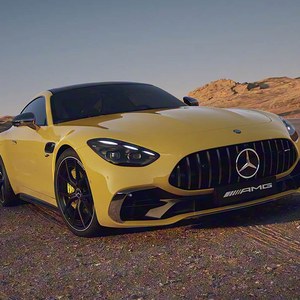
Mercedes-Benz AMG GT 2026 AMG GT 50 4-Door Coupe China Special Edition
Mercedes-Benz AMG GT 2026 AMG GT 50 4-Door Coupe China Special Edition
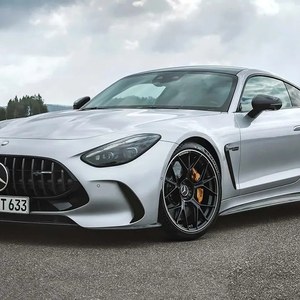
Mercedes-Benz AMG GT 2025 AMG GT 50 4-Door Coupe China Special Edition
How to buy a Mercedes-Benz Amg Gt from China
-
1
Set the body and use case
Decide between a two-door coupe, four-door fastback and Roadster, then rank rear-seat access, drivetrain, performance and running costs. Translate those priorities into a shortlist of relevant AMG GT trims.
-
2
Review the live inventory
Open the live Mercedes-AMG GT listings and compare matching model years, body styles, trims and options. Treat each unit page as the starting point rather than proof of final landed price or destination approval.
-
3
Verify the market configuration
Confirm LHD or RHD availability, powertrain, drivetrain, special-edition equipment and local homologation requirements. Obtain a destination-market broker’s view before committing funds.
-
4
Request an itemized quotation
Ask the seller to separate the vehicle, options, export documents, inland transport, freight, insurance, destination charges and taxes. Confirm the listing-level MOQ, payment conditions and applicable Incoterm in the quotation.
-
5
Inspect and verify identity
Match the VIN or SKU to the production date, build sheet, odometer, condition, paint, tyres and visible repairs. Use an independent inspection for a high-value export purchase.
-
6
Agree payment and ownership
Review the pro forma invoice, deposit, balance trigger, inspection period, refund terms and ownership documents. Keep payment release linked to the agreed inspection and documentation milestones.
-
7
Book shipping and customs
Confirm the carrier, loading method, insurance, port terminals, freight booking and export documents. Have the destination broker validate customs classification, duty, tax and registration requirements before loading.
Amg Gt vs rivals
| Audi RS 5 Sportback | The RS 5 Sportback is a compact four-door fastback with a more practical hatchback shape and a different engine character. It fits buyers prioritizing usability and a lower-key footprint; the AMG GT 4-door is stronger for those wanting its longer-bonnet design, AMG character and broader two-door and Roadster range. |
|---|---|
| BMW M8 Competition Gran Coupe | The M8 Competition Gran Coupe is the closest conceptual rival to the four-door AMG GT 63 and 63 S, matching executive access and supercar-level intent. It suits buyers who prefer BMW’s rear-drive-biased character; the AMG GT offers a different design, 4MATIC+ choices and a wider coupe and Roadster portfolio. |
| Porsche 911 Carrera S | The 911 Carrera S is a direct benchmark for the two-door AMG GT S and GT C, but its rear-engine layout and sports-car focus differ from the AMG’s front-mid-engine grand-touring character. Choose the 911 for a more traditional sports-car proposition, or the AMG GT for its design, broader drivetrain choices and GT-oriented usability. |
Frequently asked questions
How is Mercedes-AMG GT export pricing determined?
Export pricing is unit-specific and reflects model year, trim, body style, options, drivetrain, mileage or condition, currency exchange, seller terms, freight and the selected Incoterm. The live AMG GT listings show the current per-unit price, while a written quotation should state what is included and what remains payable on arrival. Import duty, VAT or sales tax is destination-specific and should be confirmed separately with a broker.
What powertrain and range options are available?
The range uses turbocharged petrol powertrains, while the GT 63 S E Performance adds a plug-in hybrid system to the V8 model family. Exact engine, battery capacity, electric range, output and charging equipment vary by trim, model year and market, so use the unit’s build sheet and live listing rather than transferring one version’s figures to another.
Should I buy a new or used Mercedes-AMG GT?
New inventory usually gives the clearest factory condition, option history and warranty route, while a used car can suit a buyer seeking a particular older configuration or lower entry cost. Used AMG GTs require closer inspection of mileage, paint, tyres, brakes, service records and modifications. Model year alone does not prove whether a vehicle is new or used.
What is the MOQ for an AMG GT export order?
MOQ is set by the listing and supplier, not by the AMG GT model itself. One listing may accept a unit order while another requires a batch of a specified configuration, so confirm the MOQ, colour mixing, deposit and production conditions in the pro forma invoice.
How long does shipping take and what does it cost?
Transit time and cost depend on route, sailing frequency, container or roll-on/roll-off availability, port handling, cargo size, insurance, fuel surcharges and Incoterms. Ask the exporter for an origin-to-destination quote, document cutoff dates and identify which terminal or destination charges are excluded.
Are spare parts available for exported AMG GTs?
Parts are normally ordered using the VIN and OEM part numbers, but availability, coding and lead times depend on the vehicle and destination. Before purchase, ask the seller to confirm common service items, diagnostic compatibility and access to Mercedes-Benz aftersales support in the target market.
Can I buy a right-hand-drive AMG GT from China?
China-produced AMG GTs are predominantly left-hand drive, and right-hand-drive supply is limited. Check the live listing and obtain local approval before contracting; converting an LHD vehicle is not simply moving the steering wheel and can affect registration, safety systems, software and warranty.
How do I order a Mercedes-AMG GT from China?
Start with the live Mercedes-AMG GT listings, choose the closest body style and trim, and send an RFQ stating the destination, RHD requirement, Incoterm and inspection expectations. The seller should then issue a specification-matched pro forma invoice and itemized quote. After identity and condition checks, agree deposit, balance and document release, complete export preparation, and hand the shipment to the agreed forwarder with customs clearance confirmed in the destination market.
Ready to source the Mercedes-Benz Amg Gt?
Review the live Mercedes-AMG GT listings and submit an RFQ with your destination, body style, drivetrain, RHD requirement and preferred Incoterm for an itemized export quote.
Request a quote