
Mercedes-Benz CLS Export Buying Guide for Overseas Buyers
Plan a Mercedes-Benz CLS export purchase with practical guidance on trims, engines, live pricing, MOQ, shipping, homologation, rivals and overseas sourcing.
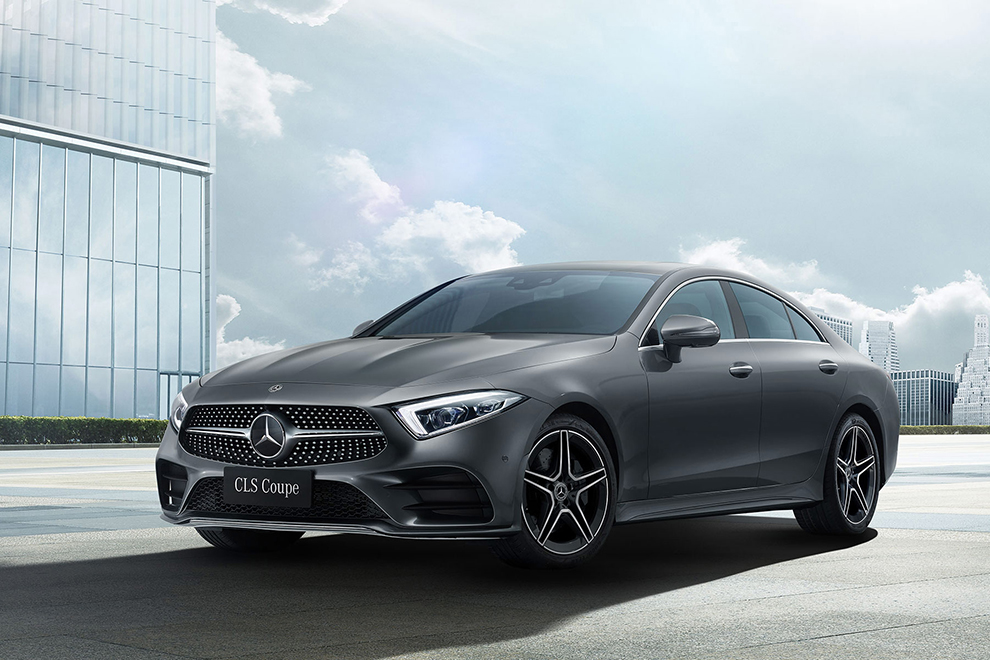
At a glance
- The CLS combines a four-door executive layout with a low, coupé-like roofline.
- CLS 260, 300, 320, 350 and 400 span mainstream applications; confirm the engine by market.
- AMG CLS 63 adds high performance and higher insurance, tyre and servicing costs.
- New units offer a cleaner ownership chain; used cars require independent inspection and title checks.
- Price and MOQ are unit-specific; use the live listing and a written landed quote.
- Confirm steering configuration, homologation, documents and local aftersales support before payment.
Why the Mercedes-Benz Cls matters for export markets
The Mercedes-Benz CLS occupies a distinctive place between a full-size saloon and a premium coupé. Its four doors make it practical for executive transport, while the sloping roofline and rear-biased styling give it visual presence that conventional luxury saloons cannot match. For overseas dealers, that combination creates a clear use case: a high-appeal passenger car for airport chauffeur services, corporate hospitality, premium rental, and customers who want flagship styling without a two-door model. It also suits mixed fleets where rear-seat access matters more than the lower luggage capacity of a conventional sports coupé.
Demand also benefits from the CLS nameplate's established position in Mercedes-Benz's global hierarchy. Buyers already understand the marque's emphasis on comfort, safety technology, prestige and rear-passenger refinement, even when they are unfamiliar with the exact Chinese-market trim designation. That familiarity reduces the education burden for importers, while the four-door coupé profile gives showrooms a more distinctive display vehicle than a standard executive saloon. Its strongest export appeal is both emotional and commercial: it can differentiate a luxury fleet while retaining the everyday usability expected of a large saloon for daily use.
That positioning does not make every CLS the right purchase. Rear headroom and cargo volume are more constrained than in an S-Class or E-Class, while performance versions can add higher acquisition, insurance, tyre and maintenance costs. Buyers should evaluate the actual use case rather than assume that a premium badge guarantees versatility. For chauffeur or corporate buyers, the CLS can be persuasive; for high-volume general fleet duty, a conventional saloon may deliver lower operating costs and easier passenger access. The relevant comparison is total operating suitability, not simply the highest trim offered.
- Premium chauffeur and corporate fleets.
- Four-door coupé; select Shooting Brake.
- Distinctive styling; less rear space.
Model range, trims and powertrain variants: how the lineup is structured and how to choose
Mercedes-Benz CLS lineups vary by generation and destination market, so trim names should be treated as identifiers rather than a single global specification sheet. Listings may use labels such as CLS 260, CLS 300, CLS 320, CLS 350, CLS 400 and AMG CLS 63. Mainstream versions are commonly associated with turbocharged 2.0- or 3.0-litre petrol engines, while the CLS 63 denotes the high-performance V8 branch. Exact displacement, output, transmission and emissions equipment must be confirmed from the unit's documents because the same badge can differ across model years and markets.
The practical range divides into three buyer profiles. Luxury and Elegance-oriented versions prioritise cabin comfort, rear-seat presentation and quieter travel; Dynamic or Sport-labelled cars may add a sharper chassis, larger wheels, sportier cabin details or revised exterior trim. The AMG CLS 63 is a different economic proposition, combining powerful acceleration, a performance-oriented chassis, often all-wheel drive, and higher insurance, fuel and servicing demands. The Shooting Brake body is available in selected generations and markets, adding estate-like luggage capacity for buyers who want the coupé silhouette but need more cargo flexibility in daily use.
When choosing, begin with the operating environment rather than the badge. A city chauffeur may prioritise rear legroom, air suspension, quietness and serviceability, whereas a private buyer may value acceleration, steering response and image. For fleet use, tyre wear, fuel consumption, insurance class and parts lead times often matter more than a cosmetic package. Review the live listing's engine designation, drivetrain, transmission, equipment list and document status, then request a written specification sheet for the exact chassis. That avoids paying for an attractive trim name while receiving a mechanically or legally unsuitable car.
- Mainstream 260/300/320/350/400 trims.
- AMG CLS 63: higher performance and costs.
- Confirm output by model year.
New vs used Mercedes-Benz Cls: how export inventory is structured and how buyers choose
Export inventory is organized by condition, model year and trim, and a Mercedes-Benz CLS listing can represent a new, unregistered vehicle, a dealer-new demonstrator, or a previously registered car entering the used-vehicle channel. These categories should not be treated as interchangeable. A genuinely new unit may offer the cleanest ownership chain, contemporary equipment for its model year and a clearer warranty path, but it may also be a less commonly ordered configuration. A used example can provide a more desirable specification or lower initial outlay, although its condition, service history and remaining manufacturer support require closer verification before shipment.
When reading a used listing, treat the model year as only the first filter. Check the odometer against the age and ask whether it is verified; inspect tyres, brake discs, suspension components, fluid dates, battery condition and evidence of previous accident repair. Dealer-maintained history is valuable, but service invoices alone should not replace an independent inspection. Also confirm whether the car has been repainted, whether original equipment is present and whether the seller can provide clean-title and import-eligible history. These checks protect the buyer from a low headline price becoming a larger repair and compliance expense.
For a commercial fleet, the best choice often depends on depreciation timing rather than a simple new-versus-used rule. A newer vehicle may reduce early reliability risk and simplify passenger positioning, while a carefully selected used CLS can meet a tighter acquisition budget without losing the marque's key appeal. Calculate landed cost, expected maintenance, insurance and residual value over the intended holding period. This is especially important for AMG cars, where specialist servicing and tyre costs can materially change the economics. Choose the vehicle that remains supportable after all ownership costs, not simply the newest or lowest-entry example.
- New: cleaner ownership and warranty path.
- Used: verify history, condition and title.
- Compare total holding-period cost.
How export pricing works: the factors behind a live listing price, and how to read one
A Mercedes-Benz CLS export price is built from the vehicle's own configuration first and the transaction structure second. Year, exact trim, engine, drivetrain, mileage and condition, options, paint, interior and whether the car is genuinely new or used all affect the asking price. Market-sensitive elements then include the supplier's source, exchange rate, freight, insurance, port charges, export documentation and the selected Incoterm. A displayed vehicle price is therefore only one layer. For a binding comparison, every quote should state currency, tax status, payment terms, delivery scope and the location from which costs are calculated.
To read a live listing correctly, open the individual record rather than relying on a category or search-result summary. Confirm the chassis identification, model year, trim, odometer, condition, equipment, seller, location and any duplicate-stock or reference identifiers. Ask whether the displayed amount is the vehicle price, a deposit, or an indicative starting point, and check whether shipping, export clearance, insurance and destination charges are included. The same vehicle can appear under more than one listing reference, so a request tied to a unique SKU and photographed VIN is preferable to a verbal description of the car.
The most useful export comparison is a landed-cost worksheet, not the lowest visible number. Start with the unit-specific price, add the agreed Incoterm-defined freight and insurance, then estimate destination taxes, duty, brokerage, port handling, inland transport, charging or conversion, and compliance work. Model the quote under a stated exchange-rate assumption and holding period. If two listings appear close, check whether one is LHD, has a different engine or omits an option. Check ChinaCarDirect's live listings for current price and availability, then request a pro forma invoice reconciling the vehicle, documents and total responsibilities.
- Match year, trim, engine and condition.
- Confirm currency, tax status and Incoterm.
- Request a unit-specific landed quote.
MOQ, ordering and payment: single units vs consolidating a container
Minimum order quantity for a CLS bought from China is a transaction condition, not a permanent property of the model. It can depend on the seller, source inventory, configuration and whether the vehicle is a single unit or part of a batch. Some live offers may accept one car; a wholesale request may instead require several units or a full-container commitment. Buyers should therefore read the MOQ field on each listing and include the requirement in the written RFQ. Do not infer a universal CLS MOQ from the model name or from a filtered search page, because terms can change with inventory and supplier policy.
For a one-unit importer, ask whether the seller can release a single vehicle, what security deposit is required, how the balance is tied to inspection and export documents, and what happens if the car does not match the agreed specification. A written pro forma invoice should identify the exact vehicle or VIN, price basis, Incoterm, payment milestones, production or dispatch deadline and cancellation terms. For higher-value vehicles, also establish how the deposit is protected and which party is the contractual seller. Never rely on an informal chat promise that a deposit alone reserves the correct car.
Container consolidation can improve freight efficiency, but it changes the risk profile. Several vehicles from different trims or model years may occupy the same container, requiring an allocation list and responsibility for damage, missing accessories and non-conforming units. Inspect each vehicle and photograph the VIN, odometer, body, wheels and interior before loading. Confirm whether the freight quote assumes a ready-to-load container and who handles origin customs. For a first-time buyer, one verified unit offers a simpler learning curve; for an established importer, a consolidated order can be economical if the same inspection and payment discipline is applied.
- Check MOQ on each listing.
- Agree PI, deposit and balance terms.
- Photograph each vehicle before loading.
Shipping, homologation and market compliance caveats: LHD/RHD and import rules by country
CLS cars are normally moved from China by RoRo vessel, container or flat rack, depending on body format, port handling and the seller's loading arrangements. Ocean freight is generally the economical choice for complete vehicles, while RoRo can simplify certain port operations; air freight is rarely suitable for a full luxury saloon. Shipping cost and transit time depend on origin and destination ports, vessel space, container or RoRo capacity, port congestion, insurance, customs clearance, inland haulage and the agreed Incoterm. These variables must be quoted for the actual route, not copied from another destination's estimate.
Steering configuration is a critical order check. Vehicles assembled for China are commonly left-hand drive, but an overseas importer should never assume that a particular listing is LHD or RHD; confirm from the VIN, build specification and photographs. An RHD-market conversion may involve substantial cost, parts lead time, warranty implications and local type-approval issues. Import duties, VAT or GST, emissions rules, safety requirements, registration, insurance and local dealer obligations vary by country. A Chinese-market CLS should not be treated as automatically road-legal simply because it carries a Mercedes-Benz badge in the destination country.
Before payment, request the vehicle identification documents, registration or customs paperwork, import-eligible title evidence, build plate, engine and emissions information, equipment list and any market-specific declarations. Your destination-country importer or compliance specialist should then check the homologation route, HS classification, duty calculation and modifications required for lighting, emissions, radio, software or regional standards. Also confirm where warranty service is available and whether European, British, Australian or other regional parts can be sourced locally. Compliance is a destination-specific process; the seller's statement that a vehicle is exportable is not a substitute for your regulator's acceptance.
- Confirm LHD or RHD from VIN.
- Check destination homologation first.
- Price route, port and customs variables.
Who should buy the Cls — and who should pick a different vehicle
The CLS is strongest for an overseas buyer who wants a prestige four-door coupé and can accept the packaging compromises that come with it. It suits premium chauffeur operators, corporate guest fleets, hotel and executive-hire businesses, and private customers who value brand presence, comfort and a coupé roofline over maximum luggage space. It can also make a convincing showroom flagship when the importer supports Mercedes-Benz aftersales and has customers who understand the marque. The decisive benefit is not merely luxury; it is the ability to deliver a visually distinctive executive car with usable rear-seat access.
A different vehicle is usually better when the mission prioritises maximum practicality. Choose an E-Class for a lower-cost, more spacious saloon with simpler fleet economics; an S-Class when rear-seat luxury and technology outrank styling; a two-door coupé or cabriolet when the rear seats are rarely needed and driving drama is the goal. For an SUV fleet, a conventional SUV will provide easier loading, higher seating and broader practical use. If zero-emission fleet policy or low running cost is non-negotiable, an available electric executive model may be more suitable than the petrol or diesel CLS, which has no battery-electric production version.
Before committing, model the business case. Compare acquisition, financing, insurance, fuel, tyre and service costs with realistic utilisation, downtime and residual values. Chauffeur buyers should test rear access, luggage capacity and ride comfort at the speeds and road conditions they actually encounter. Retail buyers should check the trim's fuel use, equipment value and likely resale support. The CLS makes most sense when its design and prestige create a measurable commercial or personal benefit; otherwise, the additional ownership burden of a premium coupé may not be justified for the intended holding period.
Main rivals and how the Cls compares
The Audi A7 is the most straightforward alternative for buyers who want the same sleek four-door format with a more rational luxury-saloon emphasis. It generally offers strong highway refinement, a practical luggage area and a broad range of mainstream and performance variants, making it easier to fit into a large fleet. The CLS counters with a more dramatic silhouette and Mercedes-specific rear-seat presence. Choose the A7 when efficiency, conventional usability and local model availability matter; choose the CLS when visual distinction, rear-seat presence and the flagship-coupé brief are central to the purchase.
The Porsche Panamera is the closest performance-minded rival because it combines a fastback profile with four seats, a driver-focused cabin and strong highway capability. It can be more engaging for a knowledgeable driver, while the CLS typically places greater emphasis on executive comfort and a formal four-door coupé image. Buyers must compare boot usability, rear-seat headroom, fuel or energy consumption, insurance and aftersales support. A Panamera can suit a performance-oriented executive fleet; a CLS can suit a chauffeur-led brand image where passenger presentation is more important than driving involvement in day-to-day service.
The BMW 8 Series Gran Coupe is a credible alternative where it is available in the destination market. Its four-door fastback shape competes directly for affluent business and executive buyers, but roof geometry and rear-seat comfort differ from the CLS, and local model availability may be more restricted. The CLS generally carries a clearer Mercedes luxury-car identity and offers Shooting Brake history in selected generations. For a buyer comparing all three, conduct back-to-back test drives, verify the exact imported specification and total cost of ownership rather than choosing from badge reputation or styling alone.
Live Mercedes-Benz Cls export inventory
View all listings →Real units currently on ChinaCarDirect with per-unit asking prices and MOQ. Availability updates live from the catalogue.
How to buy a Mercedes-Benz Cls from China
-
1
Define the operating requirement
Record the destination country, LHD or RHD requirement, passenger count, luggage needs, annual distance and service radius. This prevents a stylish but impractical CLS from entering the fleet.
-
2
Choose the body and trim
Shortlist a coupé or Shooting Brake, then compare the engine, drivetrain and equipment. Treat trim labels as market-specific and request a written specification for each shortlisted vehicle.
-
3
Inspect the live listing
Open the individual inventory record and verify the year, condition, odometer, seller, photographs, options and document availability. Use the unique SKU or reference when requesting a quote.
-
4
Request a landed RFQ
Ask for the unit price, currency, tax status, MOQ, Incoterm, freight, insurance, dispatch window and destination charges. Current binding price and availability should be confirmed on the live listing and in the RFQ.
-
5
Agree payment and inspection terms
Require a pro forma invoice, deposit terms, balance trigger, cancellation conditions and inspection standard. Tie every payment milestone to the exact vehicle and a satisfactory inspection.
-
6
Prepare the shipment
Confirm the loading method, export documents, insurance, destination port and inland delivery plan. Photograph the vehicle and VIN before loading; for container orders, approve the allocation list.
-
7
Complete destination compliance
Use a destination-country importer to confirm HS classification, duty, taxes, emissions, safety and steering-configuration requirements before arrival. Register and insure only after local compliance and a pre-delivery inspection.
Cls vs rivals
| Audi A7 | The Audi A7 is the closest rational alternative, combining a sleek four-door liftback, practical luggage area and broad mainstream range. It may suit fleet buyers prioritising efficiency and conventional usability, while the CLS offers a more formal silhouette and stronger executive-car presence. |
|---|---|
| Porsche Panamera | The Porsche Panamera is a closer rival for performance-oriented buyers because it pairs a fastback body with four seats and a driver-focused cabin. It can suit an enthusiast-led executive fleet, while the CLS generally prioritises rear-passenger comfort and chauffeur presentation. |
| BMW 8 Series Gran Coupe | The BMW 8 Series Gran Coupe competes directly for business and executive buyers where available. Its roof geometry and rear-seat packaging differ from the CLS, so a side-by-side test drive and verification of local parts support should guide the decision. |
Frequently asked questions
How is Mercedes-Benz CLS export pricing determined?
Export price is driven by year, trim, engine, drivetrain, condition, mileage, options, exchange rate, freight, insurance, port charges and Incoterm. ChinaCarDirect's live inventory shows the current per-unit asking price and availability, but a binding quote should be requested for the exact VIN. Compare the landed-cost worksheet rather than choosing the lowest visible vehicle amount.
What engine and powertrain options should I expect?
The mainstream CLS range is normally petrol-powered, with 2.0- or 3.0-litre turbo engines common across major trims, while AMG CLS 63 uses a V8. Some markets and Shooting Brake versions may include diesel. Confirm displacement, output, transmission, drivetrain and emissions on the unit's build sheet.
Should I buy a new or used Mercedes-Benz CLS?
A new car generally offers the cleanest ownership chain, contemporary equipment and clearer warranty prospects. A used CLS can provide a preferred specification at a lower initial outlay, but it needs mileage verification, independent inspection, title checks and a realistic maintenance plan.
What is the MOQ for a Mercedes-Benz CLS export order?
MOQ is seller and listing specific, not a model-wide rule. A live offer may release a single unit, while a wholesale or container request may require several vehicles. Check the listing and include the quantity condition in both the RFQ and pro forma invoice.
How long does shipping take and what affects the cost?
Transit time and cost depend on the origin and destination ports, vessel space, RoRo or container capacity, port congestion, insurance, customs clearance, inland haulage and Incoterm. These factors must be quoted for the actual route because conditions at another port do not provide a reliable estimate.
Are spare parts and warranty support available?
Parts and warranty support depend on the destination country, exact vehicle specification and local Mercedes-Benz service network. Confirm regional parts sourcing for electronic and engine components, warranty transfer, diagnostic capability and the nearest authorised service before importing.
Can I buy an RHD Mercedes-Benz CLS from China?
Do not assume steering configuration from the listing country; China-assembled vehicles are commonly left-hand drive. Confirm the VIN and build specification, and ask whether a destination-market RHD unit is available. Any conversion should be assessed for cost, parts, warranty and local type-approval implications.
How do I order a Mercedes-Benz CLS from China?
Shortlist vehicles in the live inventory, request an RFQ against the exact listing reference, and review the written pro forma invoice before paying a deposit. Agree inspection, balance and cancellation terms, complete the pre-shipment check, then coordinate export documents, freight, customs and destination registration.
Ready to source the Mercedes-Benz Cls?
Send your destination, preferred body and trim, and required quantity to request a unit-specific Mercedes-Benz CLS export quote.
Request a quote