
Mercedes-Benz E-Class AMG Export Guide for Global Buyers
Buy a Mercedes-Benz E-Class AMG from China with clear guidance on trims, 4MATIC drivetrains, pricing, MOQ, shipping, compliance and rival options.
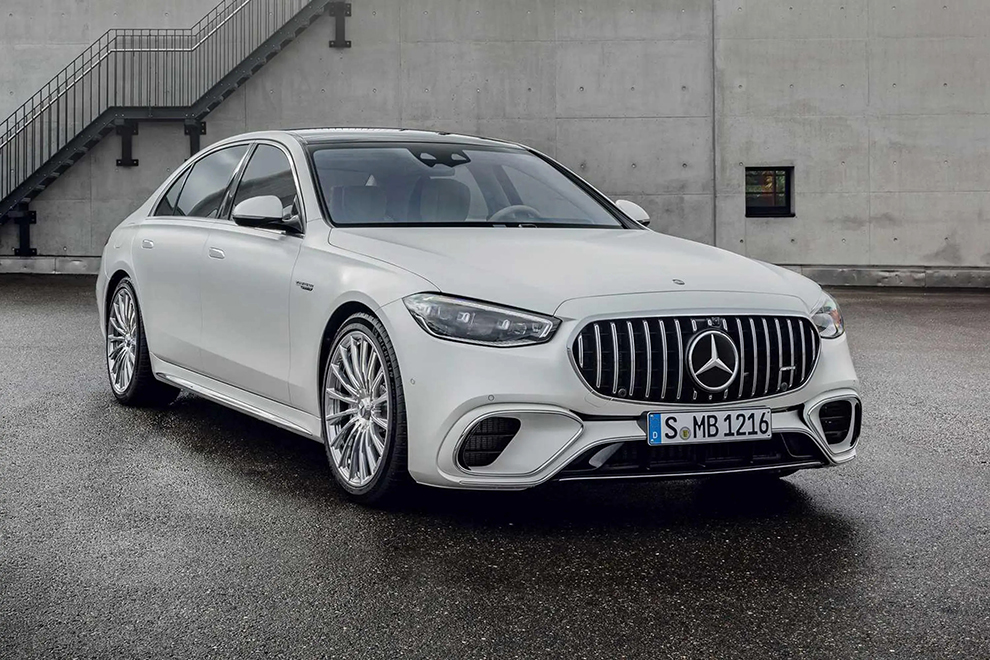
At a glance
- The E-Class AMG family combines executive-car comfort with AMG performance across E 43, E 53 and E 63 S grades.
- Sedan and coupe availability broadens its role for dealers, executive fleets and performance-focused private buyers.
- Trim selection should follow body style, engine character, 4MATIC specification and local operating costs.
- Export pricing is vehicle-specific, so buyers should compare the live listing and build a separate landed-cost estimate.
- Single-unit buying can suit smaller importers, but MOQ, deposits and payment milestones must be confirmed per listing.
- Chinese export stock is commonly LHD; RHD availability, homologation, taxes and parts support require destination-specific checks.
Why the Mercedes-Benz E-class Amg matters for export markets
The Mercedes-Benz E-Class AMG occupies a useful export position: it combines executive-car comfort, a refined cabin and everyday usability with performance hardware that is more focused than a standard luxury sedan. That combination appeals to importers serving executives, premium ride-hailing operators, event fleets and dealers seeking a high-credential model without moving to a sports-only nameplate. Its four-door and coupe formats broaden the commercial audience. Export buyers can therefore position it as a performance-led executive vehicle, but the market value comes from how well the selected trim, condition and documentation fit local demand rather than from the AMG badge alone.
Demand is strongest where buyers want recognisable prestige, strong road presence and a model that remains practical for longer journeys. The E-Class AMG can serve chauffeur or executive fleets as readily as performance-oriented private buyers, while the coupe broadens its appeal to show-car and lifestyle segments. For dealers, the important distinction is whether local customers value rear-seat usability, coupe styling or the more aggressive character of the top AMG grades. That makes market selection more important than ordering a generic high-performance version: body style, powertrain, steering position and running costs must align with the buyer base.
In global markets, the model carries both prestige and a degree of cultural visibility, but export success still depends on realistic operating economics. Fuel use, insurance, taxation, servicing and parts support can outweigh acceleration for a commercial buyer. Exporters should therefore assess the vehicle as a long-term asset: depreciation, residual demand, repair access and the availability of compatible service parts are more durable sources of return than a short-lived launch promotion. That discipline is particularly important when an importer must forecast residual values over several ownership cycles and market cycles.
- Three grades span entry to flagship.
- Sedan and coupe serve different missions.
- Running costs decide fleet suitability.
Model range, trims and powertrain variants: how the lineup is structured and how to choose
The lineup should first be understood by body style and AMG grade, not by one generic “E-Class AMG” label. Available export naming includes the E 43, E 53 4MATIC+, and E 63 S 4MATIC+, with coupe and sedan variants depending on generation; Special Edition labels identify particular equipment or paint packages rather than a separate fundamental platform. Confirm the exact designation, model year and original market on the VIN and vehicle documents before comparing quotes. Trim labels can also change across markets, making the VIN the safer basis for equipment, drivetrain and production-date verification.
The E 43 is positioned as the more approachable AMG entry, while the E 53 adds a higher-performance brief and the E 63 S is the range-topping V8 model. The E 53 generally pairs a turbocharged four-cylinder engine with 4MATIC+; the E 63 S uses an AMG V8 and 4MATIC+. The E 43’s exact engine treatment depends on generation. These are useful buying distinctions, but output figures should be checked against the specific year because calibration and market specifications can differ. Ask the seller to reconcile the trim badge, VIN and factory build sheet.
Choose the E 53 when the brief calls for strong everyday performance, coupe availability and a balance between character and operating cost. Choose the E 63 S when V8 sound, maximum-AMG intent and flagship presentation outweigh higher acquisition and running costs. The E 43 may suit buyers who want AMG chassis and styling at a lower entry tier. For any grade, assess seats, luggage capacity, local fuelling and equipment needs, and whether the destination fleet values comfort or outright performance. Also confirm that the listed equipment remains useful after local taxes and insurance.
- Match body style to buyer profile.
- Use VIN records to verify trim.
- Choose powertrain by use case.
- Check options against factory records.
New vs used Mercedes-Benz E-class Amg: how export inventory is structured and how buyers choose
Chinese export inventory for the E-Class AMG can include new vehicles, dealer-prepared cars and examples that have already been registered in another market. Each category has a different risk profile. A new example should offer the cleanest condition story and the least uncertainty about wear, but it does not automatically provide the lowest purchase price. A used or ex-fleet car can deliver better value for a buyer comfortable with condition assessment, yet its mechanical, cosmetic and service history must be verified rather than inferred from the listing title or photographs alone.
For a new vehicle, focus on whether it is genuinely unregistered, whether factory warranty documentation is valid for export, and whether tyres, paint, interior and service history are consistent with its stated condition. For a used vehicle, request VIN verification, maintenance invoices, diagnostic evidence, photographs of cold starts and underbody areas, and an independent inspection. Export buyers should also establish whether the odometer reading and prior registration history match the documents. These checks matter more than a generic “new” or “used” label. A mileage claim alone should never replace physical and documentary verification.
The right choice depends on the buyer’s commercial model. A newly exported car suits a dealer rebuilding a fresh showroom or a fleet wanting predictable presentation and a clearer warranty chain. A carefully sourced used example may suit budget-conscious importers, replacement demand or customers who understand depreciation. Local used-car rules, age restrictions and inspection regimes can change what is importable, so destination requirements should be checked before committing. A lower acquisition price can also be offset by repairs, higher finance or reduced resale value. Model the full ownership cost before selecting either route.
- New: generally cleaner condition history.
- Used: potential value, greater inspection burden.
- Documents outrank listing labels.
How export pricing works: the factors behind a live listing price, and how to read one
No reliable E-Class AMG export price can be inferred from the model name alone. A live unit price reflects the vehicle’s model year, exact AMG grade, body style, Special Edition status, mileage, condition, service history and any seller-specific factors. Equipment can also move value within the same trim. A coupe E 53, sedan E 53 and E 63 S are not interchangeable price references, even when their model-year labels are close. Always read the current price, MOQ and availability for the individual ChinaCarDirect listing rather than a historical average.
The distinction between vehicle price and landed cost is critical. Currency movements, freight, marine insurance, port handling, terminal charges, inland transport, taxes and import duties may sit outside the displayed listing price, depending on the agreed Incoterm. Ask for a written quotation that identifies what is included, when payment is due, which party arranges transport, and which charges remain the importer’s responsibility. Comparing two offers without aligning those terms can create a false price advantage and unexpected costs on arrival. Request the same destination, service level and inspection standard for each quotation.
Value assessment should be based on comparable vehicles, not headline discounts. Compare like-for-like model years, trims, drivetrain, body style, condition, mileage, options and service records, then add the expected destination charges to each vehicle’s live quote. Scrutinise finance terms, deposit structure, inspection rights, cancellation conditions and refund mechanics as carefully as the headline number. A lower asking price may reflect an older year, a different grade, a condition issue or a seller’s commercial term rather than a better-value E-Class AMG. Request a breakdown before deciding whether the apparent saving survives the transaction.
- Match grade, year, body and condition.
- Separate price from landed cost.
- Confirm Incoterm, charges and refund terms.
MOQ, ordering and payment: single units vs consolidating a container
MOQ is a listing-level commercial term, so the buyer should read it on the selected vehicle rather than assume a catalogue-wide rule. Vehicle export often accommodates a single-unit purchase, which makes the E-Class AMG practical for test units, boutique dealers and small fleets. Consolidation becomes relevant when buying several units: matching specifications can simplify spare-parts planning, while mixed trims may create a broader inventory mix. The correct quantity depends on cash flow, storage capacity, homologation workload and expected sell-through in the destination market. Ask the supplier to state the binding minimum clearly.
A typical ordering workflow begins with choosing a live unit, reviewing its specification and photographs, and requesting a written quote. The buyer should then confirm MOQ, deposit, balance timing, payment currency, assignment of the vehicle, inspection access and the document set. Payment milestones should correspond to identifiable events, such as order confirmation, inspection, release and transport. Avoid relying on chat messages alone: the model year, VIN, price, terms and amendment rights should appear in the sales contract and any inspection report. Any promised option or service should also be written into the final terms.
Container consolidation can improve freight efficiency per vehicle, but it introduces loading, weight-distribution, damage-protection and inventory-risk considerations. RoRo is often operationally simpler for complete vehicles, while container or rail options may suit particular routes and destinations. The importer should confirm which method the supplier actually uses, who books it, how vehicles are secured and what insurance applies. For a mixed consignment, agree on loading priorities and document every unit’s condition at handover so that damage claims are not delayed by unclear responsibility. Also confirm how keys, documents and loose accessories travel with each car.
- Check MOQ on each listing.
- Document deposit, inspection and release terms.
- Confirm loading method, insurance and damage liability.
Shipping, homologation and market compliance caveats: LHD/RHD and import rules by country
Chinese E-Class AMG exports are commonly configured for left-hand drive, so buyers requiring right-hand drive should not assume local availability. A genuine factory RHD example must be confirmed by its VIN, build specification and physical inspection; a later steering conversion may affect safety, warranty and homologation. Import rules differ by destination and can include VIN and customs checks, emissions requirements, roadworthiness testing, age limits for used vehicles, insurance registration and evidence of security or conformity. Obtain a written local compliance assessment before paying for transport and before any vehicle is released.
Shipping method affects cost, transit planning and vehicle protection. Complete cars may travel by RoRo, container or, on suitable routes, rail; the available mode depends on origin and destination ports, sailing schedules, vehicle dimensions and cargo conditions. Freight quotations should state the route, carrier, loading port, destination port, terminal charges, insurance and estimated departure window. Transit time is not the same as door-to-door delivery, because customs, port congestion, inland transport and document corrections can extend the schedule. Build a realistic buffer before promising vehicles to customers or committing fleet delivery dates.
Compliance is also an ownership issue, not a one-time customs event. Local rules may affect which parts, software features or emissions systems can be used, and factory warranty coverage may be limited outside the original market. Buyers should confirm service capability, diagnostic equipment and parts supply for the exact Chinese-market specification, especially where electrical, electronic or ADAS functions differ. Keep the VIN, maintenance records and import documents with the vehicle. If modification is proposed, establish in writing whether it is legal, who performs the work and whether the supplier warrants it.
- Confirm LHD or RHD through VIN records.
- Check local emissions and inspection rules.
- Verify parts, diagnostics and warranty support.
Who should buy the E-class Amg — and who should pick a different vehicle
The E-Class AMG makes the most sense for a buyer who wants one vehicle to cover executive comfort, credible performance and strong brand presence. It suits premium dealers seeking a halo model, chauffeur operators needing a discreet high-output sedan, and private customers who will use the car regularly enough to justify the performance hardware. The coupe can be especially persuasive where image and enthusiast appeal matter. What it does not promise is the lowest running cost, easiest city parking or most practical footprint in its segment for cost-focused buyers.
Buyers focused primarily on fuel economy, cargo versatility, low purchase cost or simple servicing should look elsewhere. A standard E-Class diesel, a smaller premium sedan or a lower-output performance model may deliver a better business case in markets with high fuel taxation or strict operating-cost limits. EV and plug-in hybrid buyers should compare charging access, range requirements and local incentives rather than forcing an AMG petrol car into an electrified fleet brief. For track-focused use, a dedicated sports model may provide more purpose-built capability and clearer performance communication in every case.
The decision should also account for whether the buyer values the specific AMG grade or simply needs a prestigious performance badge. The E 53 can make more sense for mixed use and broader fleet appeal; the E 63 S is strongest when its V8 character and flagship status are central. A dealer may carry one or both but should avoid overstocking a niche derivative without local demand data. Test the chosen vehicle against actual routes, parking limits, driver schedules and service intervals. A car that suits the operating brief is usually a better commercial purchase than the more dramatic listing.
- Strong credentials suit executive buyers.
- E 53 favors mixed use; E 63 S emphasizes V8.
- Alternatives fit when running cost dominates.
Main rivals and how the E-class Amg compares
The closest alternatives depend on which E-Class AMG is being considered. For the E 63 S sedan, the BMW M5 Competition is the clearest rival: both pair high performance with a four-door executive layout, although BMW emphasizes its own chassis balance and powertrain character. For the E 53 Coupe, the BMW M4 Competition offers a similar two-door enthusiast proposition and direct dealer alternatives. These are not exact equivalents across every year, so buyers should compare specifications and homologation rather than assume a badge-level match or any like-for-like landed cost.
The Audi RS 7 is another credible E 63 S alternative. Its fastback profile can offer more luggage flexibility and a distinct premium-performance identity, while the E-Class AMG benefits from Mercedes-Benz’s long-established luxury-car presence and rear-seat environment. The RS 7’s exact engine and equipment depend on generation, so the comparison must use the same model year. For sedan fleets, the BMW M5 generally remains the more obvious cross-brand benchmark, whereas buyers seeking a liftback-style body may prefer Audi’s format. Neither brand removes the need to check local parts support, taxes and approval.
Against these rivals, the E-Class AMG is strongest where comfort, understated executive presence and the choice of sedan or coupe matter alongside performance. The BMW alternatives may appeal to buyers prioritizing a more overtly driver-focused identity, while Audi’s RS 7 may win on body versatility. AMG ownership also carries the cost of preserving condition, selecting the right grade and confirming that the chosen specification is economically supportable in the destination market. The best rival is therefore the one that matches the buyer’s route, passenger and brand priorities—not simply the fastest brochure claim.
- BMW M5 Competition benchmarks the E 63 S sedan.
- BMW M4 Competition rivals the E 53 Coupe.
- Audi RS 7 adds liftback versatility.
Live Mercedes-Benz E-class Amg export inventory
View all listings →Real units currently on ChinaCarDirect with per-unit asking prices and MOQ. Availability updates live from the catalogue.
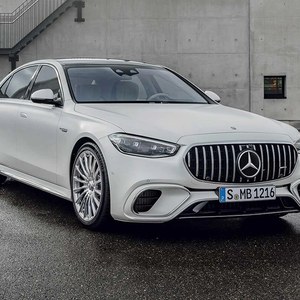
Mercedes-Benz Mercedes-Benz E-Class AMG 2018 AMG E 63 S 4MATIC+ Special Edition
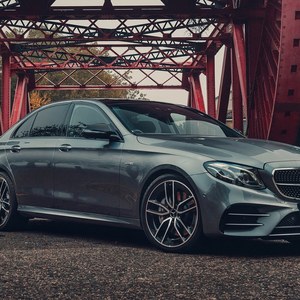
Mercedes-Benz Mercedes-Benz E-Class AMG 2019 AMG E 53 4MATIC+ Coupe
How to buy a Mercedes-Benz E-class Amg from China
-
1
Define the vehicle brief
Choose the required body style, AMG grade, passenger capacity, budget and destination. Include fuel, insurance, service and homologation constraints before shortlisting vehicles.
-
2
Search the live inventory
Use the current E-Class AMG listings and compare only vehicles with compatible model years, trims and specifications. Check the displayed price, MOQ and availability on each individual unit.
-
3
Verify identity and specification
Confirm the VIN, model year, body style, engine, drivetrain, options and original market against the listing and build information. Request maintenance records and the complete export document set.
-
4
Request an itemized quotation
Ask for a written quote stating the vehicle price, Incoterm, payment milestones and included or excluded freight and destination charges. This allows a true landed-cost comparison.
-
5
Agree MOQ and payment terms
Confirm the listing-specific minimum quantity, deposit, balance timing, currency, inspection rights and cancellation conditions. Put every commitment into the sales contract.
-
6
Authorize pre-shipment inspection
Use an independent inspector to review condition, mileage, fluids, tyres, warning lights, underbody areas and included accessories. Record any discrepancy before the balance payment and release.
-
7
Book transport and complete import steps
Confirm the shipping method, insurance, loading and discharge locations, then coordinate customs, destination registration and local compliance inspection. Keep all original documents with the vehicle.
E-class Amg vs rivals
| BMW M5 Competition | The closest cross-brand alternative to the E 63 S sedan, combining comparable executive utility with high-performance road manners. The decision should reflect local service access, taxation, chassis preferences and same-year specification rather than output claims alone. |
|---|---|
| BMW M4 Competition | A direct two-door rival for the E 53 Coupe, with a similarly enthusiast-focused position. Buyers who prioritise BMW’s driver-focused character can compare it with the E 53’s Mercedes-Benz luxury, rear-seat packaging and equipment, while checking that the model years and homologation are equivalent. |
| Audi RS 7 | A credible E 63 S alternative with a fastback body that prioritises luggage versatility and a distinct premium-performance identity. The E 63 S retains a traditional sedan layout, but the correct comparison requires checking the RS 7’s generation-specific powertrain and the destination-specific cost of parts, tax and approval. |
Frequently asked questions
How is Mercedes-Benz E-Class AMG export pricing determined?
The live price is vehicle-specific and reflects factors such as model year, AMG grade, body style, Special Edition status, mileage, condition, options and service history. Landed cost may additionally include exchange-rate effects, freight, insurance, handling, inland transport, taxes and duties. Current binding price, MOQ and availability should be checked on each live ChinaCarDirect listing and confirmed in a written quotation.
What engine and powertrain does the E-Class AMG use?
The E-Class AMG range uses petrol combustion engines rather than a battery-electric powertrain, so there is no electric driving range or charging cycle to assess. The E 53 generally uses a turbocharged four-cylinder architecture, while the E 63 S uses a V8; the E 43 depends on generation. Confirm displacement, output and transmission details against the exact listing and VIN.
Should an overseas buyer choose a new or used E-Class AMG?
A new vehicle generally offers a cleaner condition history and more predictable presentation, while a used vehicle can provide value if the buyer accepts greater inspection and repair risk. Compare VIN history, service invoices, condition, warranty terms and local used-car import rules before deciding. A lower acquisition cost does not necessarily produce a lower ownership cost.
How does the MOQ work for E-Class AMG orders?
MOQ is set on each individual live listing. A single-vehicle purchase may be possible when the selected listing permits it, while buyers seeking several units can ask about consolidation and loading. Confirm the binding minimum, deposit, balance schedule and cancellation terms in writing before placing an order.
What factors affect export shipping time and cost?
Shipping cost and transit time depend on the origin and destination, transport mode, carrier, sailing or rail schedule, vehicle dimensions, port charges, insurance and inland delivery. Customs clearance or document corrections can extend the schedule beyond the port-to-port transit estimate. Request a door-to-door or clearly defined port-based quotation with all included charges listed.
Are spare parts and warranty support available for exported E-Class AMG vehicles?
Parts availability depends on the VIN, model year, original market and local Mercedes-Benz service network. Chinese-market vehicles may require specific electrical, electronic or ADAS components, and factory warranty coverage may be regional. Obtain a written parts-support plan and confirm warranty validity with the destination dealer before shipment.
Is a right-hand-drive E-Class AMG available for export?
Chinese export vehicles are commonly left-hand drive, so right-hand-drive availability should not be assumed. A factory RHD car must be confirmed through its VIN, build records and physical inspection. A converted RHD vehicle may also require destination-specific safety, emissions and warranty approval.
How do I order a Mercedes-Benz E-Class AMG from China?
Choose a suitable live unit, verify its identity and specification, and request an itemized quotation with the destination and Incoterm stated. After agreeing MOQ, payment milestones, inspection and cancellation terms in the contract, complete the pre-shipment inspection and release process. Finally, arrange the agreed transport and complete destination customs, registration and compliance steps.
Ready to source the Mercedes-Benz E-class Amg?
Send your preferred grade, body style, destination, quantity and Incoterm through the ChinaCarDirect RFQ for a vehicle-specific export quotation.
Request a quote