
Mercedes-Benz Eqb Export Guide for Overseas Buyers
Plan a Mercedes-Benz Eqb export purchase with clear guidance on trims, range, new versus used vehicles, pricing, MOQ, shipping, homologation and key rivals.
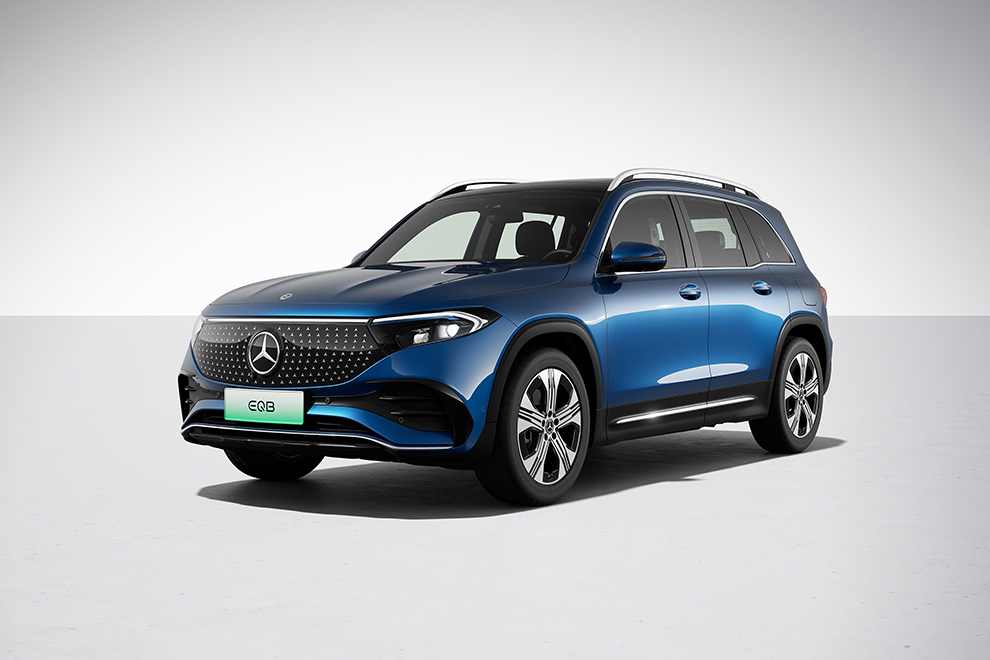
At a glance
- The Eqb combines Mercedes-Benz premium positioning with a compact electric SUV package.
- EQB 260 prioritizes single-motor rear-wheel-drive simplicity; EQB 350 4MATIC adds dual-motor all-wheel drive.
- Battery, homologated range, seating and equipment vary by market, so verify each VIN and build specification.
- New and used Eqb purchases require different evidence and inspection routines.
- Export quotes should separate the vehicle, freight, insurance, duties, taxes and terminal charges.
- Check current unit-level prices and availability in the live Eqb listings before requesting a binding RFQ.
Why the Mercedes-Benz Eqb matters for export markets
The Mercedes-Benz Eqb sits in the compact luxury electric SUV segment, a useful middle ground for overseas buyers who want a premium badge without moving to a full-size luxury EV. Its appeal combines a manageable footprint with a practical family-style cabin, high seating position and electric-only operation. That positioning gives it relevance to urban dealers, company-car programs and fleet operators seeking a quieter alternative to combustion SUVs. It also provides import businesses with a model that stands out against mainstream premium crossovers while retaining expected Mercedes-Benz cabin and visual distinction.
Demand is not simply a matter of EV enthusiasm. For a dealer, the Eqb can attract customers who want a premium badge but live or work within a city, have charging access, and prioritize comfort and ease of daily use. A seven-seat version, where offered in the source market, may also appeal to larger families and shuttle operators. Buyers should test whether the local charging network and parking rules support an electric vehicle before treating range as the decisive issue. Local service support also matters to business buyers in the destination market.
ChinaCarDirect export supply should be assessed as a sourcing channel, not as a substitute for local homologation. Chinese-market Eqb vehicles can carry equipment, software, charging interfaces and emissions settings intended for China, while an importing dealer may need a destination-market specification. The strongest business case therefore comes from matching a verified vehicle to a known demand profile in the destination country, including realistic charging, servicing and residual-value expectations. This is especially important when the same model is sold under different option codes, steering configurations or local approval requirements in the destination market.
- Premium compact electric SUV.
- Urban and fleet relevance.
- Market-specific homologation.
Model range, trims and powertrain variants: how the lineup is structured and how to choose
The Eqb line-up is best understood by separating the two drivetrain concepts visible in export naming: the EQB 260 and the EQB 350 4MATIC, including a Launch Special Edition designation in some listings. The 260 uses a single electric motor and rear-wheel drive, favoring efficiency and straightforward operation. The 350 4MATIC uses two motors and all-wheel drive, adding traction-focused capability and a heavier, more performance-oriented specification. Trim labels do not by themselves prove equipment level, so the build sheet and VIN remain the controlling documents for the purchase decision itself.
Range and battery selection cannot be reduced to one headline figure because capacity, homologation, trim and test cycles differ across production markets. A Chinese-market CLTC figure should not be compared directly with a European WLTP figure without understanding the underlying standard. Buyers should ask for the battery version, official range for the destination homologation, on-board AC charging capability and DC rapid-charging limits, then model charging around the longest journeys they actually expect to make. Real-world route planning is more useful than a maximum laboratory number when assessing fleet operational suitability.
The EQB 350 4MATIC is the logical choice when all-weather traction, stronger acceleration or a higher equipment level matters more than simplicity. The EQB 260 may be easier to manage where roads and charging are predictable and operating efficiency is the priority. Seating is another decisive variable: five- and seven-seat layouts exist in different markets, so families and shuttle buyers should verify seat count, seat-folding flexibility and luggage capacity rather than assuming the body shape guarantees the space they need. Launch-edition packages also deserve item-level review because their content is not uniform across countries.
- EQB 260: single motor, rear-wheel drive.
- EQB 350 4MATIC: dual motor, all-wheel drive.
- Market-specific battery and equipment.
New vs used Mercedes-Benz Eqb: how export inventory is structured and how buyers choose
Export inventory should be classified before it is compared. A factory-new vehicle, a dealer demonstrator, a parallel-imported vehicle and a used car can all appear in the same sales channel, but each carries a different evidence trail. For the Eqb, the useful first filter is whether the seller can provide the VIN, production or registration date, exact trim, declared condition and supporting ownership documents. A precise model name alone does not establish that a unit is genuinely new. It affects warranty, insurance, tax and eventual resale decisions in the destination market.
New Eqb examples generally offer the cleanest ownership history, current-equipment expectation and clearer warranty path, although they depreciate from the moment of delivery and may not match local stock. Used examples can reduce acquisition exposure and make a particular battery, color or seating configuration more affordable, but buyers must examine battery condition, mileage, accident history, tire wear, software state and service records. A lower entry price does not compensate for missing provenance or an unresolved fault. For a commercial buyer, repairability and warranty transfer should be weighted more heavily than cosmetic novelty.
New and used sourcing should therefore follow separate checklists. For new stock, verify production age, option code, factory warranty, tire date codes and whether the vehicle has been registered as a demonstrator. For used stock, add an independent condition inspection, battery-state assessment, charging test and verification that recalls and warranty work are complete. Whichever route is chosen, compare the VIN-level vehicle and obtain written representations before paying the balance. Live availability should always be confirmed at the time of quotation and reconfirmed against the seller's final allocation documents before payment.
- Classify condition and ownership.
- Verify VIN and warranty.
- Inspect used battery health.
How export pricing works: the factors behind a live listing price, and how to read one
An Eqb export price is the output of several layers rather than a fixed model-level rate. The vehicle itself is shaped by model year, trim, drivetrain, battery specification, options, color, production age, mileage and condition. The commercial layer then responds to exchange rates, supplier margin, inland transport, export documentation, insurance, freight, port handling and the selected Incoterm. Destination duties and taxes may sit outside the vehicle quote, so a buyer comparing two listings must confirm whether those costs are included. The same model can therefore show materially different commercial terms.
A useful quotation should separate the vehicle amount from logistics and market charges. Request a line-by-line statement showing the unit price, inland transport, export terminal or port charges, sea or vehicle freight, marine insurance, inspection, customs brokerage, duties, taxes and any commission. Also establish whether the seller is acting as exporter, dealer or freight agent, because responsibilities and invoice structures can differ. Incoterms define the handover point but do not remove the importer's obligation to comply with local law. A written scope prevents an apparently complete price from becoming expensive later.
To read a live Eqb listing correctly, match the reference number to the actual vehicle and check its condition, model year, trim, location, currency, displayed price and any stated minimum order. Then look for photographs of the VIN plate, nameplate, odometer, dashboard warning screens, tires and bodywork. Ask whether the displayed amount is an FOB, CIF or other basis, when it was last updated, and which documents support the quote. ChinaCarDirect's live listings provide the current binding unit-level figures for the same reference unit rather than a generic price range.
- Separate vehicle and landed costs.
- Confirm Incoterm and validity.
- Match quotes to a VIN.
MOQ, ordering and payment: single units vs consolidating a container
Minimum order quantities are commercial terms set by the seller and the individual listing, not an inherent feature of the Eqb. A unit may be offered on a one-vehicle basis, while a seller promoting container consolidation may require a larger batch. Fleet buyers should still request a one-unit quote if that is their intention rather than assuming either outcome. The written order confirmation should state the quantity, allocation method, deposit, balance trigger and what happens if the selected unit becomes unavailable. In mixed shipments, retain a VIN-level record for every vehicle.
The normal sequence begins with a detailed RFQ, followed by a vehicle-specific quotation and commercial terms. After the buyer approves the trim, condition, price basis and delivery terms, the seller may request a deposit, reserve the unit and begin the agreed preparation or inspection process. The balance should be linked to objective events such as document verification and a satisfactory pre-shipment inspection. Buyers should use traceable payment channels, verify the beneficiary and retain signed invoices, inspection reports and vehicle records until the vehicle is released for shipment under agreed terms.
Consolidating several Eqbs into one container can improve freight efficiency, but it creates coordination risk. Vehicles must have compatible destination specifications, sensible allocation of colors or trims, agreed charging and shipping preparation, and individual keys and documents matched to their VINs. Battery-equipped vehicles also require compliant transport packaging and declarations. If the commercial value of each unit is high, mixing an unfamiliar or unavailable trim into the container can outweigh the freight saving. One accountable coordinator and a unit-by-unit release list are essential for customs, delivery and dispute resolution abroad.
- Listing-specific MOQ.
- Written payment milestones.
- Unit-level container records.
Shipping, homologation and market compliance caveats: LHD/RHD and import rules by country
Vehicle shipping generally moves by container or roll-on/roll-off vessel, with the final method determined by carrier schedules, vehicle dimensions, loading rules and destination handling. Transit duration and cost depend on origin and destination ports, sailing frequency, seasonality, terminal charges, insurance and the Incoterm. Freight is only one part of the landed cost: import duty, value-added tax or equivalent, customs brokerage, port fees, registration and local delivery can materially change the total. Buyers should also confirm whether a vehicle is shipped under a used-vehicle, new-vehicle or general-merchandise category before contracting freight.
Steering configuration is a critical sourcing point. China-built examples are commonly left-hand drive, while right-hand-drive availability depends on the factory, trim and destination program. A left-hand-drive car can be physically imported into many markets, but local approval, safety equipment, lighting, software and insurance rules may complicate registration or resale. Do not infer RHD availability from a model badge: request the steering-side confirmation for the exact VIN and check it against destination requirements before committing funds to freight, registration or handover. This avoids discovering a mismatch after the vehicle has left its origin market.
Electric vehicles also require market-specific checks on battery safety documentation, charging equipment, software, cybersecurity, recalls, emissions declarations and warranty coverage. The Certificate of Conformity or equivalent document should match the variant and the importing market's requirements; importers should verify that with the local authority rather than assume Chinese approval transfers automatically. Dealer preparation, local inspection and charger standards may add cost and lead time, so these compliance tasks should be scheduled before a firm delivery date is promised. Insurance must also be tied to the vehicle's actual VIN and declared transport value.
- Confirm steering configuration.
- Match CoC and type approval.
- Include all landed charges.
Who should buy the Eqb — and who should pick a different vehicle
The Eqb is a strong candidate for buyers who want a premium badge, an electric powertrain and a practical compact SUV body in the same package. It fits urban company-car programs, hotels, executive transport and family buyers who can charge reliably at home or work. The available three-row option, where offered, can cover more family use cases than a small urban crossover. Dealer interest is strongest where the brand has an established service and resale network. For fleets, driver familiarity and charging policy are as important as the brochure specification.
A different vehicle is more sensible when charging access is unreliable, long-distance travel is routine, or local incentives and infrastructure do not support electric ownership. Commercial operators focused on maximum uptime should compare charging downtime, tire use, insurance, software support and parts lead times rather than assuming lower energy use automatically means lower cost per kilometer. Buyers with modest budgets or a need for a simple, mature service network may also prefer a combustion-powered competitor with lower acquisition complexity. The right decision is based on total operating cost and residual risk.
Before ordering, an Eqb buyer should build a one- or two-year operating model using realistic mileage, local electricity prices, charging subscriptions, insurance, maintenance, tires and expected downtime. Then compare it with the nearest alternatives on total cost rather than vehicle price alone. For fleet tenders, request a guaranteed handover process, warranty escalation path and replacement-parts plan. This discipline reveals whether the Eqb's comfort, branding and electric drive fit the business case or merely sound attractive in a showroom. It also reduces the risk of a poorly planned first purchase decision.
- Premium urban and fleet fit.
- Prove charging and service access.
- Compare total operating cost.
Main rivals and how the Eqb compares
The BMW iX1 is the closest conceptual rival: a premium-brand compact electric SUV aimed at a similar urban, design-conscious and business customer. The Eqb differentiates itself through a more upright family-cabin layout, a distinctive Mercedes-Benz interior and, in relevant markets, a three-row option. The iX1 may appeal to buyers who prioritize a more driver-focused impression or a different brand experience. Equipment, seating, charging and local service quality should be compared from current specification sheets, not brand stereotypes. A direct test drive and verified equipment list provide a more rational basis for buyers.
The Hyundai Ioniq 5 is a strong alternative for buyers who prioritize cabin space, distinctive electric-vehicle packaging and efficient charging architecture rather than a luxury badge. It generally competes from a different cost and ownership proposition, which can be attractive for fleet buyers seeking a high-utility electric crossover. Against the Ioniq 5, the Eqb offers a more formal premium environment and Mercedes-Benz positioning, while the Ioniq 5 may better serve cargo, lounge and rapid-charging priorities. Actual value depends on incentives, tax treatment and local resale conditions at the time of purchase.
The Tesla Model Y is a larger, high-volume electric crossover benchmark and a direct alternative for buyers who prioritize brand recognition, cabin simplicity and extensive production scale. It offers a different vehicle proposition from the Eqb, with the Model Y generally providing a more expansive passenger-and-cargo envelope while the Eqb offers a more conventional luxury-cabin presentation and an available three-row option in some markets. Compare charging access, software, service, insurance and resale locally; brand popularity alone does not establish the better business fit for the importing dealer or fleet buyer.
- BMW iX1: premium direct rival.
- Hyundai Ioniq 5: utility alternative.
- Tesla Model Y: volume benchmark.
Live Mercedes-Benz Eqb export inventory
View all listings →Real units currently on ChinaCarDirect with per-unit asking prices and MOQ. Availability updates live from the catalogue.
How to buy a Mercedes-Benz Eqb from China
-
1
Define the destination and operating requirement
Confirm the destination country, charging access, steering configuration, passenger capacity, route profile and local import rules. This establishes whether the Eqb is suitable before evaluating individual vehicles.
-
2
Review the live Eqb listings
Compare the trim, model year, condition, location, displayed unit price and stated MOQ on the current listings. Select vehicles that meet the required configuration rather than relying on the model name alone.
-
3
Request VIN-level build and compliance documents
Ask for the VIN, build sheet, Certificate of Conformity or equivalent, battery and range information, charging specification, warranty terms and evidence of condition. For used vehicles, also request service history and battery-health documentation.
-
4
Obtain a line-by-line landed-cost quotation
Request separate vehicle, inland transport, freight, insurance, inspection, brokerage, duty, tax and terminal charges. State the preferred Incoterm and destination port so the handover responsibility is unambiguous.
-
5
Inspect and reserve the selected vehicle
Review photographs and the inspection report, verify that the VIN and visible specification match the agreement, and confirm production date or mileage as applicable. Record every approved repair, accessory or condition point before payment.
-
6
Complete payment against written milestones
Use a traceable payment method, verify the beneficiary and link the deposit and balance to reservation, documentation and inspection milestones. Retain the signed contract, invoices and vehicle records.
-
7
Arrange shipping, customs and destination handover
Book the carrier, confirm insurance, prepare export documents and instruct the customs broker. After arrival, complete local inspection, registration and delivery checks against the vehicle and import documents.
Eqb vs rivals
| BMW iX1 | The iX1 is the closest premium-brand alternative, with a more driver-focused character and a different cabin and software ecosystem. Choose it over the Eqb when those brand and driving priorities outweigh the Eqb's upright family layout and available three-row flexibility. |
|---|---|
| Hyundai Ioniq 5 | The Ioniq 5 competes through space, distinctive EV packaging and rapid-charging capability rather than a luxury badge. It may fit fleet and high-utility buyers better, while the Eqb suits those prioritizing a formal Mercedes cabin and premium brand experience. |
| Tesla Model Y | The Model Y is a larger, high-volume EV crossover with a different charging, software and service proposition. It may appeal where scale and simplicity matter; the Eqb is more conventional and potentially more versatile, but its suitability still depends on local service and resale conditions. |
Frequently asked questions
How is the Mercedes-Benz Eqb export price determined?
The live price reflects the exact vehicle's model year, trim, options, battery version, condition and market availability, then may include supplier margin, inland transport, documentation, insurance and freight under the stated Incoterm. Duties and taxes may be separate, so request a line-by-line landed-cost quotation. Current binding per-unit prices are shown on ChinaCarDirect's live Eqb listings and should be reconfirmed in an RFQ.
What powertrain and range should I expect from the Eqb?
The EQB 260 uses a single electric motor with rear-wheel drive, while the EQB 350 4MATIC uses dual motors with all-wheel drive. Battery capacity, homologated range and charging rates vary by market and trim, so use the VIN-level build record and destination-market Certificate of Conformity rather than transferring a CLTC or WLTP figure between vehicles.
Is a new or used Mercedes-Benz Eqb more suitable for export?
New vehicles generally provide cleaner ownership records, clearer warranty terms and lower battery-condition risk, but they may not match the exact specification wanted by local customers. Used vehicles can offer a more accessible entry point but require stronger inspection of mileage, accident history, battery condition, charging performance and service records. The better choice depends on the buyer's risk tolerance and resale plan.
How does the minimum order quantity work for an Eqb purchase?
MOQ is a seller- and listing-specific commercial term rather than a fixed feature of the model. Some sellers may quote one vehicle, while others may require a batch or prioritize consolidated-container orders. State the required quantity in the RFQ and have the accepted quantity, allocation method and cancellation terms recorded in the order confirmation.
What determines Eqb shipping time and cost?
Shipping time and cost depend on the origin and destination ports, vessel schedule, container or roll-on/roll-off method, freight market, terminal charges, insurance and the selected Incoterm. Local duties, taxes, customs handling, registration and delivery may add further cost. Ask for a current shipment schedule and a complete landed-cost breakdown rather than relying on a generic freight estimate.
Can spare parts be supplied for a China-built Eqb?
Parts support depends on the exact vehicle specification, Mercedes-Benz service coverage in the destination market and the availability of compatible components. Before shipment, request the VIN, model-year details, warranty terms and a parts or service contact for the importing dealer. This is particularly important for body parts, electronics and charging components that may differ between source markets.
Is right-hand-drive Mercedes-Benz Eqb availability guaranteed?
China-built Eqb examples are commonly left-hand drive, and right-hand-drive availability depends on the source specification and factory program. Do not assume an RHD unit exists from the model name alone. Request steering-side confirmation for the exact VIN and verify local registration, safety, lighting, software and insurance requirements before paying.
How do I order a Mercedes-Benz Eqb from China?
Start with the live Eqb listings, select a vehicle that matches the required trim and condition, and submit a destination-specific RFQ. Review the vehicle, freight, duty, tax, Incoterm, inspection and payment terms in writing before paying a deposit. The balance should follow document verification and an accepted inspection, after which the seller can arrange export preparation, shipping and the required handover documents.
Ready to source the Mercedes-Benz Eqb?
Send ChinaCarDirect your destination, required trim and preferred Incoterm to request a current unit-level Eqb quotation and shipping plan.
Request a quote