
Mercedes-Benz Eqe Export Guide for Overseas Dealers
Buy Mercedes-Benz Eqe from China with practical guidance on trims, AWD variants, export pricing, MOQ, shipping, compliance and rival alternatives.
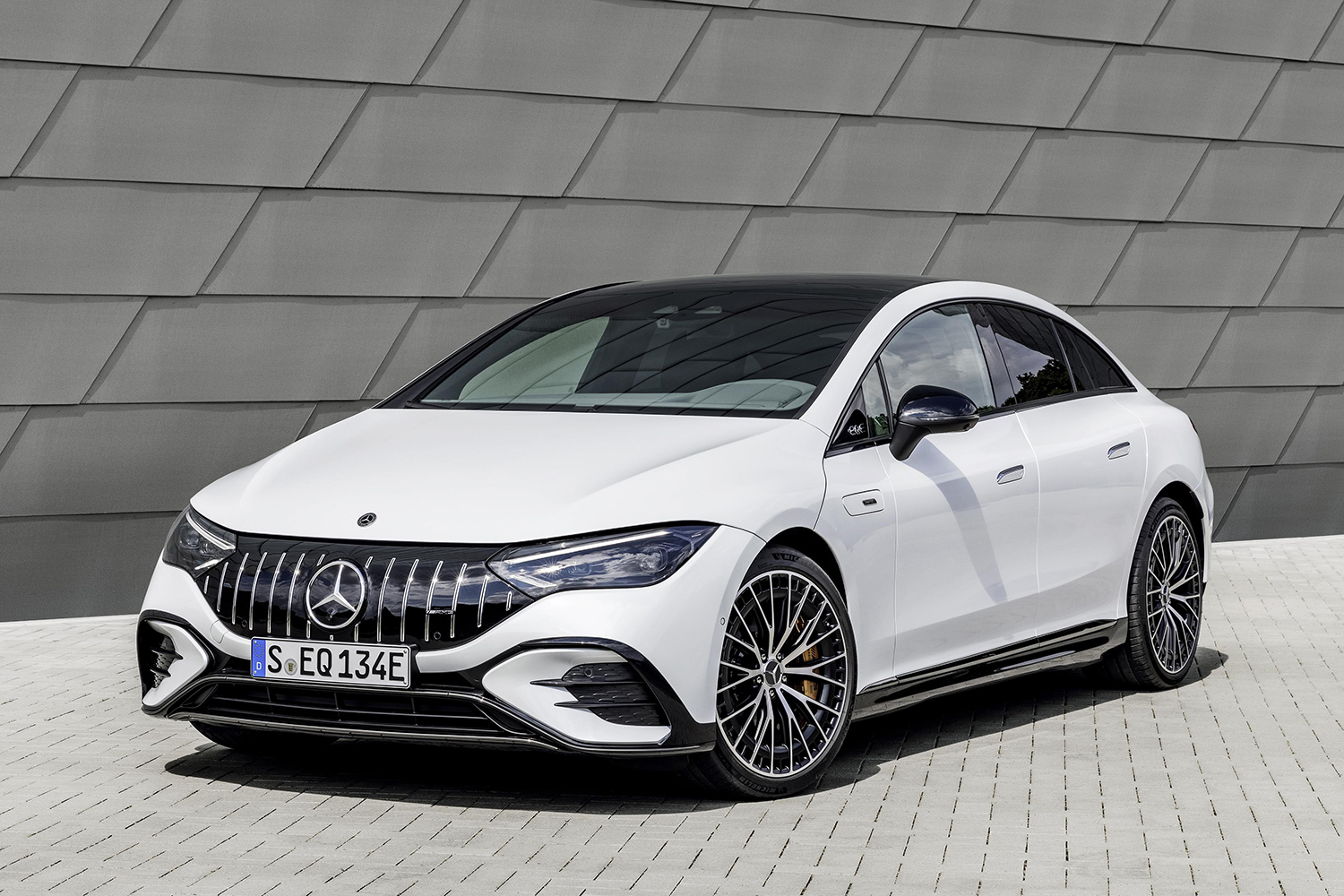
At a glance
- Wholesale buyers can source both the Eqe sedan and Eqe SUV for fleet and retail use.
- The 350 4MATIC, 500 4MATIC and AMG EQE 53 4MATIC+ define the principal powertrain tiers.
- Luxury, Pioneer, Special and Flagship editions primarily change equipment and appearance, not the core drivetrain.
- Battery, range, charging, price, MOQ and availability must be checked on the exact destination-ready unit.
- Factory RHD, homologation, charging compatibility and local service support should be confirmed before ordering.
Why the Mercedes-Benz Eqe matters for export markets
The Mercedes-Benz Eqe occupies the executive electric segment, combining the brand's established luxury positioning with a lower, more aerodynamic profile than larger luxury models. For overseas buyers, it serves as a premium BEV for chauffeur fleets, corporate car programs, hotels and executive transport. The export listings span the Eqe sedan and Eqe SUV, giving distributors a way to address both sedan and elevated-body buyers without changing model families. This matters in markets where buyers want a familiar badge and an electrified fleet strategy, even where local public charging remains uneven.
Demand is better understood as a set of use cases than as one global sales forecast. Eqe suits buyers with predictable routes, managed depots or home charging, where silent operation, strong ride comfort and a recognized manufacturer badge can outweigh the inconvenience of early-stage infrastructure. It can also work for high-mileage corporate fleets if the total-cost case is based on energy, maintenance and residual-value assumptions rather than the purchase price alone. Dealers should qualify each opportunity by charging access, route length, loading needs, procurement rules and approved local service before forecasting demand.
The Eqe also matters because it gives export distributors a credible bridge between combustion-powered luxury sedans and full-size premium EVs. Its technology focus is visible in the 4MATIC and AMG EQE 53 variants, while Luxury, Pioneer, Special and Flagship editions address different buyer priorities within the range. A successful importer therefore needs a clear proposition—executive comfort, technology, performance or SUV practicality—rather than treating every Eqe listing as interchangeable. Model-year differences, optional equipment, battery-market specification and the destination-country charging standard can materially change the proposition, so local-market verification belongs before any volume commitment.
- Sedan and SUV export configurations
- 350, 500 and AMG 53 tiers
- Confirm charging before fleet bidding
Model range, trims and powertrain variants: how the lineup is structured and how to choose
The Eqe range is structured around three clear powertrain identities: EQE 350 4MATIC, EQE 500 4MATIC and AMG EQE 53 4MATIC+. Export listings also include Luxury, Pioneer, Special and Flagship editions. Those edition names should be treated as equipment, comfort and appearance packages rather than separate drivetrains. Buyers should first decide between the sedan and the taller EQE SUV, then shortlist a powertrain tier within that body style. Because market specifications differ, confirm motor layout, battery, rated charging and equipment for the destination market in the live listing and supplier documents.
The 350 4MATIC is generally positioned as the more efficiency- and operating-cost-oriented choice, while 500 4MATIC adds a higher-output configuration for buyers prioritizing effortless acceleration and sustained performance. The AMG EQE 53 4MATIC+ sits at the performance end, with more aggressive chassis and styling cues. None of those positions automatically guarantees the same usable range: wheel size, body, battery, speed, climate load and test cycle can move the outcome. For fleet duty cycles, compare towing needs, city and motorway energy use, thermal management and passenger comfort rather than selecting by badge or acceleration alone.
Range and battery comparisons should be made from the same unit, not from a generic model page. A listing should be checked for gross battery capacity, usable capacity, rated AC and DC charging, drive unit, wheel specification and the test-cycle range shown for its export market. Convert CLTC figures cautiously: they are useful for comparing like-for-like Chinese specifications, but they are not automatically equivalent to WLTP or destination-market figures. A comparison sheet should record payload, cargo volume, climate load, route temperature and charging access, then apply a realistic utilization factor to each range.
- Match tier to duty cycle
- Treat editions as equipment packages
- Check battery data in live listing
New vs used Mercedes-Benz Eqe: how export inventory is structured and how buyers choose
Export inventory should be understood as a set of individually specified vehicles, not a uniform batch. Each record may distinguish body style, model year, trim, edition, drivetrain, production market, condition, mileage where applicable and options. Sellers can also describe parallel imports, ex-demonstration cars or used units differently, so the condition label and supporting photographs must be read on every record. The useful comparison is between complete configurations, not merely similar model names. Availability, pricing and MOQ can change when units are reserved, so check binding figures on each live listing.
New vehicles generally offer a coherent factory warranty, current model-year technology and a clearer delivery path, although they also carry the greatest exposure to price changes and depreciation after registration. Used Eqe examples can reduce acquisition cost or provide a higher-grade configuration, but buyers must examine battery health, charging faults, accident repair, software history, tire condition and remaining manufacturer coverage. A low purchase price is not a substitute for a documented condition report. For lower-mileage use, request available diagnostic reports, battery-health evidence and service invoices, plus an independent inspection before a binding order.
A buyer choosing between new and used should build a total-cost model. Include import duty and taxes, insurance, charging installation, maintenance, downtime, financing and expected residual value rather than comparing only the vehicle amount. For corporate procurement, a new unit may simplify fleet standardization, while a used vehicle can suit a controlled replacement cycle. The final decision depends on the mission, not on a market-wide mix of new and used stock. For controlled charging, residual assumptions and uptime may matter more than the latest software; newer equipment can simplify training and support.
- Read each listing's condition label
- Check battery and service history
- Model total cost, not entry price
How export pricing works: the factors behind a live listing price, and how to read one
A live Eqe export price is the sum of commercial variables, not a fixed market value. At the vehicle level, model year, body style, powertrain trim, edition, equipment, mileage, condition and production specification affect the starting point. At the transaction level, exchange-rate movement, Chinese taxes or export procedures, inland transport, freight, insurance, port charges and the selected Incoterm can change the amount a buyer pays. Read the listing wording: a vehicle quote may stop before destination charges, while a delivered quote may bundle transport and customs. Ask for exclusions in writing.
To compare two listings, first make them the same vehicle in the same commercial terms. Align model year, sedan or SUV body, 350, 500 or AMG powertrain, edition, options, condition, destination, documentation, warranty and Incoterm. Separate the vehicle amount from freight, insurance, duty, taxes, port handling and inland delivery. Freight can be a major share of a high-value vehicle's landed cost, especially for a small order. A lower vehicle-line price may still be dearer once export documentation, another battery-market specification or delivery to a non-port city and inland depot is added.
Use the live listing as the starting reference, then request a quotation for the exact unit. Check the stated price-validity period, whether the seller will hold the vehicle, what deposit and balance conditions apply, and which costs are fixed or provisional. Currency and freight assumptions should be recorded. Any negotiation should target identifiable items—equipment, documentation or logistics—not an unsupported discount from a marketplace headline. Request an option list, production month, VIN or chassis details and photographs before comparing quotes. Confirm whether the amount is retail, dealer trade or negotiable export pricing.
- Use one Incoterm for comparisons
- Separate vehicle and logistics costs
- Check quote validity and exclusions
MOQ, ordering and payment: single units vs consolidating a container
Minimum order quantity is a seller transaction term, not a permanent feature of the Eqe. Some vehicles may be available to buy without a commitment, while project sales, mixed consignments or containerized offers may impose a quantity. The MOQ displayed for one listing should therefore be checked on that listing, then confirmed in the RFQ and pro forma invoice. Wholesale buyers should not infer a fleet MOQ from a single retail unit or from an earlier enquiry. Clarify whether quantity means identical vehicles, a mixed shipment or full container, and define the payment basis.
A single-unit order is useful for testing market demand, validating a specification and securing a reference vehicle before committing to a rollout. It offers less freight leverage than a consolidated shipment and may leave the buyer exposed to per-vehicle fixed logistics charges. Consolidation can improve unit economics, but it raises configuration risk: different editions, steering sides, software markets or charging standards should not be grouped merely because they share the Eqe name. Before accepting a container proposal, reconcile each VIN with trim and market, and assign ownership for units the dealer will resell.
A disciplined order process starts with a unit-specific RFQ, followed by a pro forma invoice that identifies the vehicle, price basis, quantity, Incoterm, payment milestones, delivery estimate, warranty and required documents. The buyer should verify the contracting entity and payment beneficiary, inspect the vehicle before final payment, and agree the release mechanism for balance settlement. These controls protect both parties and create an audit trail for multi-vehicle shipments. Bank charges, tax refunds and inspection disputes are easier to manage when the invoice states who bears each cost and what evidence closes the transaction.
- Confirm the listing-specific MOQ
- Group only destination-compatible vehicles
- Use a written pro forma invoice
Shipping, homologation and market compliance caveats: LHD/RHD and import rules by country
Steering configuration is the first export check. A left-hand-drive car cannot be assumed acceptable in a right-hand-drive market, and a conversion can affect registration, safety, warranty and resale. Factory-produced RHD examples are normally the cleaner route, but availability must be verified per listing rather than inferred from the model name. Confirm charging connector, voltage, software language, regional equipment, VIN documentation and market-specific options before payment. The sourcing brief should specify destination, steering side, charging standard, body, trim and options so the supplier quotes a registrable configuration, not a generic domestic car.
Homologation is jurisdiction-specific. Depending on the destination, an importer may need evidence of vehicle type approval, emissions conformity, electrical and battery safety, software and cybersecurity compliance, or a local certificate of conformity. Tariff classification and any electric-vehicle incentives must also be checked; they may depend on the powertrain and vehicle category. A customs broker and the destination authority should confirm the rule set before the vehicle is shipped. European, British, Gulf and Asia-Pacific markets do not share an approval process, and subregional rules can matter. Record the destination and use the VIN in every enquiry.
EV transport planning must address the battery as a regulated cargo, not just a heavy component. The carrier should confirm the dangerous-goods declaration, packaging or approval, stowage, lashing, moisture protection and inspection. Freight cost and transit time depend on route, schedule, port handling, roll-on/roll-off capacity, insurance and destination congestion. Incoterms determine where risk transfers, so select delivery, port or vessel terms only after understanding unloading and clearance responsibilities. On arrival, complete customs release, conformity checks and local registration before customer use. Retain shipping, insurance and compliance documents in the vehicle file for warranty and resale.
- Verify factory RHD before purchase
- Seek destination-specific homologation advice
- Confirm charging, voltage and connector
Who should buy the Eqe — and who should pick a different vehicle
The Eqe fits buyers who need a premium, zero-tailpipe-emission passenger vehicle and can control charging. It is compelling for executive transport, hotel and chauffeur fleets, company car schemes with sustainability targets, and customers who value a luxury cabin, road presence and the option of sedan or SUV packaging. It also suits a dealer building a BEV range alongside internal-combustion models, if local sales can be supported by trained technicians, spare-parts logistics and warranty work. The strongest case combines controlled routes with a total-cost calculation, instead of assuming immediate EV savings in every market.
It is a weaker choice where charging is unpredictable, vehicles travel long distances between reliable stops, or uptime matters more than comfort and image. Budget buyers focused on low purchase cost may find a smaller premium EV more appropriate. Carriers needing payload, rugged tyres, seating for many people or durability should consider a van, pickup or SUV designed for those loads. Buyers requiring proven local service and spare parts should check coverage before committing. A used Eqe can suit a controlled replacement, but avoid uncertain battery condition or incomplete records simply to meet a target.
Before ordering, test the Eqe against the duty cycle. Compare usable range with climate and speed margins, rear-seat space, luggage capacity, ride comfort, parking footprint and local charging times. Then model residual value using service and depreciation assumptions. For a dealer, the decision is strongest when the customer profile, financing plan, charging partner and after-sales promise are aligned; otherwise a broader EV portfolio may produce better conversion. An approval sheet can score candidates on energy availability, landed cost, compliance, residual risk and service capability, turning a persuasive premium car into a defensible procurement choice.
- Best for managed charging and premium fleets
- Weak fit without dependable charging
- Compare full operating-cost profile
Main rivals and how the Eqe compares
The BMW i5 is the closest rival for an executive BEV sedan buyer, offering polished luxury, separate driving-character options and an SUV counterpart in some markets. Compare the i5 against the Eqe on rear space, ride behavior, infotainment, charging strategy, service reach and local homologation rather than on badge alone. For an Eqe SUV buyer, the BMW iX5 may be the more relevant benchmark because body style and use case align more closely. BMW dealer coverage may influence the choice, but neither brand's approvals transfer automatically to an imported Chinese-market vehicle.
The Mercedes-Benz EQS is an internal alternative because it is larger and more focused on passenger space and range-oriented luxury, but it normally costs more to acquire and operate. A buyer choosing between it and the Eqe is deciding whether extra size is worth the budget, parking and efficiency trade-offs. The Tesla Model S is a different benchmark: an electric sedan with a simpler software-led cabin and a charging-network proposition where Tesla infrastructure is available. Neither comparison proves that an imported car can be registered, serviced or charged economically in the destination market.
A fair comparison table should place every candidate on the same basis: body and use case, destination approval, powertrain, battery and stated range, charging, equipment, landed cost, aftersales access, expected residual and stock support. Do not compare Chinese CLTC range against another market's approval-cycle figure, and do not treat a polished screen as a substitute for service capability. The Eqe is most competitive where its design, driving character and Mercedes identity meet a defined fleet or retail need. Use a scored shortlist: charging certainty, homologation and resale support often separate viable from unsellable imports.
- BMW i5: closest sedan benchmark
- Mercedes-Benz EQS: larger sibling
- Tesla Model S: software-led alternative
Live Mercedes-Benz Eqe export inventory
View all listings →Real units currently on ChinaCarDirect with per-unit asking prices and MOQ. Availability updates live from the catalogue.
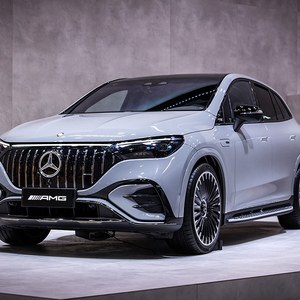
Mercedes-Benz Mercedes-Benz EQE SUV 2023 350 4MATIC Pioneer Edition
How to buy a Mercedes-Benz Eqe from China
-
1
Set the sourcing brief
Specify the destination, sedan or SUV body, steering side, charging standard, passenger or load requirements and aftersales expectations. These criteria should determine which export specification is genuinely suitable.
-
2
Compare the live inventory
Use the live Eqe listings to compare model year, trim, edition, drivetrain, options and seller information. Current per-unit price, MOQ and availability are shown on each live record.
-
3
Request a unit-specific quotation
Ask for a pro forma invoice identifying the exact vehicle, price basis, MOQ, ownership, warranty, documentation and Incoterm. Confirm whether quantity means one unit, a mixed group or a full container.
-
4
Verify condition and history
For a new vehicle, confirm factory delivery, warranty commencement and production-market details. For a used vehicle, review diagnostics, battery-health information, charging faults, accident repair, service records and an independent inspection.
-
5
Clear destination compliance
Have a local customs broker verify homologation, VIN documentation, customs classification, duty, taxes, EV incentives, charging compatibility, insurance and registration requirements.
-
6
Control payment and inspection
Record deposit and balance milestones in the pro forma invoice and verify the contracting entity and beneficiary independently. Inspect the exact vehicle and agree the balance-release process before final payment.
-
7
Book shipping and retain records
Use a carrier experienced with EV vehicles and battery-compliance documentation, with the Incoterm and insurance clearly defined. Retain the invoice, bill of lading, inspection and compliance files for registration, warranty and resale.
Eqe vs rivals
| BMW i5 | The i5 is the closest direct sedan competitor, with comparable executive packaging and different rear-drive or dual-motor configurations depending on market. Buyers should compare confirmed charging, rear-seat comfort, local service and landed cost; the iX5 may be the closer benchmark for an Eqe SUV. |
|---|---|
| Mercedes-Benz EQS | The EQS is the larger same-brand alternative, typically chosen for more space and a range-focused brief. It normally requires a higher acquisition budget, so the Eqe may offer better fleet value when maximum dimensions are unnecessary. |
| Tesla Model S | The Model S is a premium electric sedan alternative with a simpler cabin and access to Tesla charging infrastructure where compatible and available. It may appeal to buyers focused on software simplicity, while the Eqe emphasizes traditional luxury and Mercedes-Benz service. |
Frequently asked questions
How is Mercedes-Benz Eqe export pricing determined?
An Eqe export quote combines the vehicle's year, body, trim, battery version, equipment, mileage or condition with exchange-rate, freight, insurance, duty, tax and Incoterm effects. The same model can therefore carry different landed costs by destination and shipment size. Current binding price, MOQ and availability are shown per unit on the live Eqe listings, and a written RFQ should confirm the quote scope.
Which powertrain and range variants should I compare?
The export-oriented naming shown here includes EQE 350 4MATIC, EQE 500 4MATIC and AMG EQE 53 4MATIC+, with sedan and SUV body options. Battery capacity and range vary by market specification, body, wheels and test cycle, so CLTC figures should only be compared like-for-like. Check the live unit's battery, usable range, drive unit and charging data before calculating operating range.
Is a new or used Mercedes-Benz Eqe better for export?
New vehicles generally provide the clearest factory history, current technology and warranty pathway; used vehicles can suit buyers focused on acquisition cost or a specific configuration. A used Eqe requires more scrutiny of battery health, charging faults, accident repair, software and service history, ideally supported by diagnostics and an independent inspection. Choose from the complete vehicle condition and warranty evidence, not from the age label alone.
How does MOQ work for Eqe orders?
MOQ is set by the seller and offer, not permanently by the model. A retail unit may be offered singly, while project or container offers can require a group or full-container commitment. Read the MOQ on each live listing, repeat it in the RFQ, and have the final quantity and payment basis written into the pro forma invoice.
How long does Mercedes-Benz Eqe shipping take, and what drives cost?
There is no universal transit time or freight amount. Route availability, vessel and port schedules, roll-on/roll-off handling, battery-compliance documentation, insurance, destination charges and customs clearance all affect the schedule and landed cost. Ask the carrier or freight forwarder for a door-to-door or port-to-port quotation using the selected Incoterm.
How are spare parts supplied after export?
Parts support depends on the production market and the Mercedes-Benz service network available in the destination. Provide the VIN or chassis number and exact part number when requesting a quote, and confirm source, lead time, freight, customs and warranty treatment before listing the vehicle. For a used car, unresolved repairs can also affect insurance and resale value.
Can I buy a right-hand-drive Eqe for export?
Factory RHD availability is unit-specific and cannot be inferred from the Eqe model name. State the required steering side in the RFQ and verify it, along with charging connector, voltage, software and market equipment, on the exact vehicle. If only LHD inventory is available, obtain local approval advice before accepting any conversion.
How do I order a Mercedes-Benz Eqe from China?
Start with the live Eqe inventory, select a candidate and send an RFQ for a unit-specific pro forma quotation. The order sequence should cover MOQ, ownership, deposit and balance milestones, document and battery data, inspection, warranty, Incoterm and release of the vehicle. Pay only through the verified contracting and beneficiary details stated in the final invoice.
Ready to source the Mercedes-Benz Eqe?
Review the live Eqe listings and send an RFQ for the current unit-specific price, MOQ, document set, compliance file and shipping options.
Request a quote