
Mercedes-Benz Eqe Suv Export Buying Guide
Export buying guide for Mercedes-Benz Eqe Suv from China, covering trims, pricing methods, MOQ, shipping, compliance and rivals for overseas dealers.
At a glance
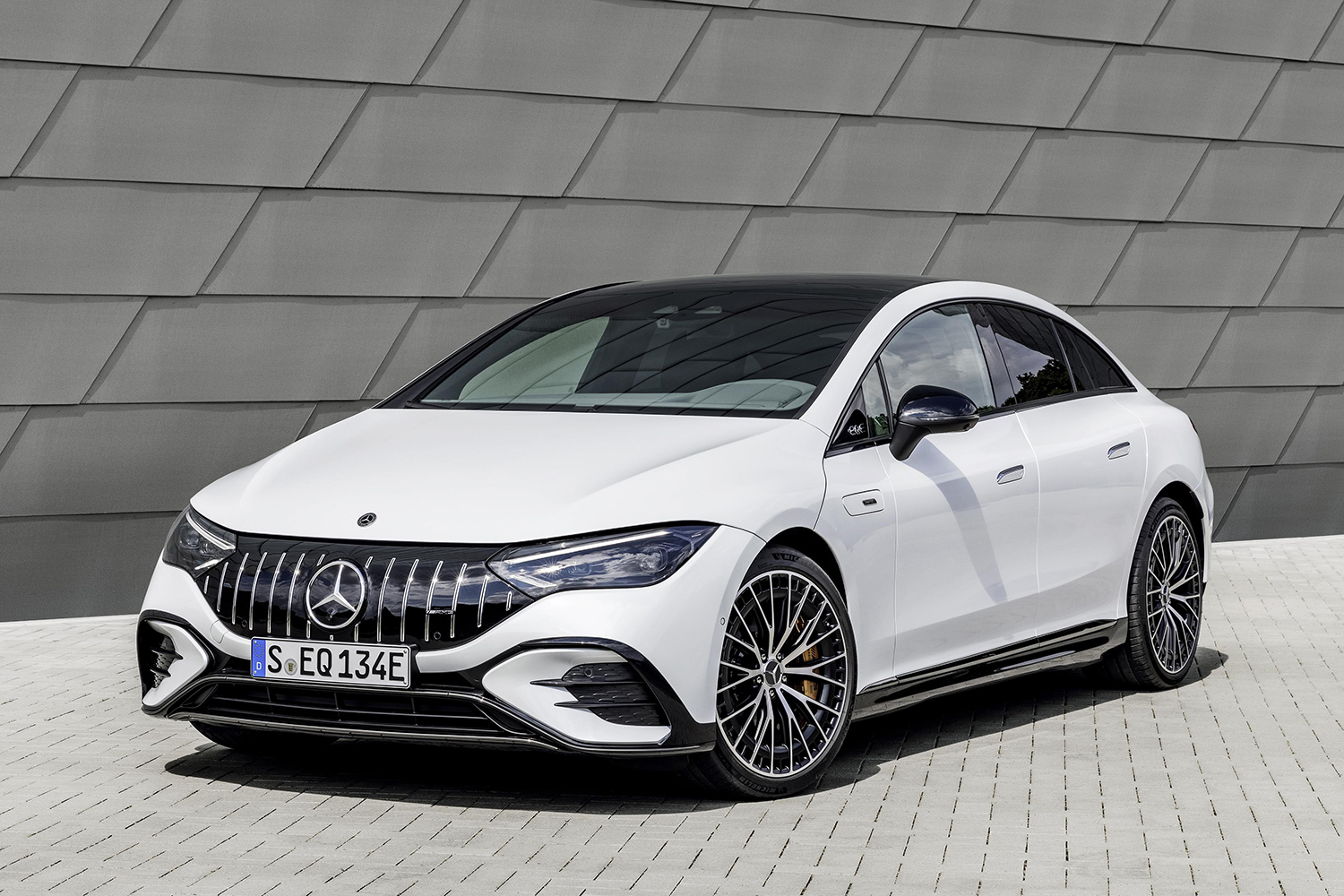
- The Eqe Suv is a five-door, battery-electric premium SUV combining SUV practicality with Mercedes-Benz comfort and brand recognition.
- The 350, 500 and EQE 53 4MATIC+ versions cover buyers with different output, performance and equipment priorities.
- Luxury, Pioneer, Special and Flagship editions primarily change equipment and presentation rather than the underlying electric powertrain.
- Export pricing must be evaluated from the individual vehicle price through freight, duties, taxes, insurance and the chosen Incoterm.
- Single-unit ordering may be possible, but MOQ, payment conditions and container consolidation must be confirmed for each seller and configuration.
Why the Mercedes-Benz Eqe Suv matters for export markets
The Eqe Suv sits in the premium electric midsize-SUV segment, combining the lower seating and cargo versatility expected of an SUV with the refinement of a Mercedes sedan. Its export relevance comes from a recognizable luxury badge, a dedicated battery-electric platform, and a 4MATIC-oriented range that gives overseas dealers an alternative to combustion-powered premium SUVs. Multiple equipment editions let buyers compare comfort, technology and visual positioning without changing vehicle families. That combination matters where fleet and company-car buyers are moving toward electrified transport but still want a prestigious, road-oriented model.
For an importer, the Eqe Suv is best treated as a premium-model volume play rather than a basic fleet tool. It can suit a dealer balancing private customers, executive fleets and ride-hailing operators who value quietness, ride quality and a high-grade cabin, yet those qualities may not justify its cost in a price-led rental program. Range and charging access matter more than traditional SUV assumptions: assess route coverage, charging reliability and duty cycle before committing. In markets with developed charging networks and strong emissions policy, the proposition is clearer; elsewhere, local infrastructure can reduce its practical advantage.
Export buyers should distinguish market appeal from regulatory ease. The Eqe Suv carries a global Mercedes identity, but a Chinese-market vehicle may not be configured for the destination's steering side, electrical standards, software language or homologation rules. Specification checking is therefore central to the purchase, not a final administrative detail. The strongest opportunities are likely where the brand is established, EV buyers understand the model, and distributors can support servicing, software and high-voltage maintenance. In less mature markets, the same vehicle may need a smaller order and a more conservative sales forecast.
- Premium electric SUV alternative.
- Multiple 4MATIC output levels.
- Charging and homologation determine fit.
Model range, trims and powertrain variants: how the lineup is structured and how to choose
The core lineup is organized around three designations: 350 4MATIC, 500 4MATIC and the performance-oriented EQE 53 4MATIC+. The first two are practical for most fleet and dealer buyers, while the 53 targets customers who prioritize acceleration and performance image over purchase efficiency. All are battery-electric 4MATIC variants, so the decision is not simply between two- and four-wheel drive. It is a choice among power outputs, chassis expectations, equipment packages and cost profiles. Match equipment names carefully to the model year and market, because a similar SUV may not carry the same standard features.
Among mainstream choices, the 350 4MATIC is the lower-output 4MATIC option, while the 500 4MATIC places more emphasis on performance. That distinction matters to operators because a higher-output model may require higher energy use, different insurance assumptions and a higher acquisition budget. It does not tell you which vehicle has the better range: usable range also depends on battery capacity, wheel size, weather, speed, load and the rating used in the source market. Compare the battery and CLTC range attached to the exact 350 or 500 unit rather than transferring a headline figure from another variant.
The trims add another layer. Luxury, Pioneer, Special and Flagship editions are primarily equipment and presentation packages, not separate electric powertrains. Their value to an exporter depends on local customer expectations: some markets respond strongly to rear entertainment, premium seating and convenience technology, while others prioritize simpler specification, lower operating complexity or fleet standardization. The EQE 53 4MATIC+ is the clearest performance-led exception. Before ordering, request a side-by-side equipment sheet for the proposed editions and check whether any feature is market-specific, optional or unavailable after local registration approval in that market.
- 350: lower output; 500: more performance.
- Edition names indicate equipment.
- Check market-year equipment.
New vs used Mercedes-Benz Eqe Suv: how export inventory is structured and how buyers choose
Export inventory for the Eqe Suv is a set of individual vehicles, not a fixed annual production allocation. Each live record may differ in model year, edition, origin market, battery specification, finish and commercial terms. This structure favors buyers who can specify a target configuration and compare like with like. It also means the catalogue is not a guarantee: a vehicle can be reserved, sold or reconfigured. Availability and binding terms must therefore be reconfirmed in writing with the supplier before a deposit or final shipping plan is approved.
New and used Eqe Suv purchases serve different needs. A new vehicle generally offers the clearest model-year alignment, factory warranty route and known delivery condition, although allocation timing and specification matching still require confirmation. A used example can give a dealer an immediate showroom asset, but the buyer must examine battery state of health, warranty transferability, accident history, tire age, software status and odometer evidence. High-voltage components make an independent inspection more important than a conventional used-car walk-around. Service records and a charging test should support those checks, and unresolved warning signs should stop the transaction.
The right route follows the operating plan. A company fleet with strict residual-value and warranty requirements will usually weight a documented new unit more heavily, whereas a test-market dealer may accept used risk if it can inspect the vehicle. For either route, do not infer that used Eqe Suv stock is available because the model is listed, or that every new listing is identical. Use the condition, mileage, ownership and warranty fields, request supporting documents, and arrange inspection before payment. This prevents a low headline price from masking an expensive battery or compliance issue.
- New: verify timing and warranty.
- Used: inspect battery and repairs.
- Check VIN and ownership documents.
How export pricing works: the factors behind a live listing price, and how to read one
A live Eqe Suv export price is the starting point for a specific vehicle and transaction, not a permanent category price. The amount can move with production year, trim, battery version, mileage and condition, as well as supplier terms, currency exchange, destination freight, insurance and the selected Incoterm. Electric versions with different battery specifications are not directly comparable on price alone. An exporter should ask what the quoted amount covers and which party bears each cost from vehicle origin through customs clearance and final delivery. The same vehicle can therefore produce different buyer totals.
When reading a listing, separate the vehicle price from the landed-cost calculation. Check the stated currency, whether origin-market taxes have been paid, the pick-up location, the Incoterm, and whether the listing includes standard charging equipment, documents, registration files or export preparation. Confirm whether the displayed price is negotiable, and obtain a written pro forma invoice for the exact unit. Treat the display as time-sensitive even when the description has not changed, because exchange rates, supplier allocations and freight contracts can alter the final quotation before any overseas deposit is sent.
The most reliable export-price comparison uses identical assumptions for every candidate: the same Incoterm, destination, currency, tax treatment, delivery timing and included accessories. From that baseline, add destination import duty, VAT or GST, customs and port charges, inland transport, insurance, inspection and compliance work. Model a sensitivity range rather than one fictional exchange rate, especially for a high-value vehicle where percentage movements affect the budget. A reseller can negotiate the vehicle line, freight and payment terms separately, allowing the buyer to see whether an apparent discount survives the full landed-cost calculation.
- Compare like-for-like vehicles.
- Confirm currency, taxes and Incoterm.
- Calculate full landed cost.
MOQ, ordering and payment: single units vs consolidating a container
MOQ is a rule attached to a seller and vehicle, so it should be checked on the live record or confirmed in the quotation. One-unit purchases are often possible for individual vehicles, but a supplier may impose a model-specific minimum, a mixed-model minimum or a preference for several units of the same configuration. Do not assume that a marketplace order automatically equals one vehicle, nor that a large container is required. If the listing supports single-unit ordering, verify the unit reserved, the inspection period, the payment milestones and any cancellation or restocking terms before committing.
Container consolidation changes the economics but not the need for precision. A buyer may reserve several Eqe Suv units with matching paint, interiors and equipment to simplify merchandising, or combine different vehicles to reach a shipment size. Mixed loads improve utilization, yet they create more VIN, battery, document and customs data to reconcile. Damaged vehicles, missing chargers or incorrect configurations affect a different buyer in a shared load. An export coordinator should define allocation rules, inspection photographs, charge levels, keys, accessories and responsibility for damage before final consolidation and loading.
Payment and release mechanics should mirror each stage's risk. A typical process may involve a deposit to reserve the unit, inspection or production confirmation, balance payment, and release of shipping documents against cleared funds; exact terms vary. Buyers should establish the contracting party, invoice currency, payment method, refund conditions and documents required for title, export and customs clearance. For a single unit, its identity should remain linked to the invoice, VIN and production documents from reservation onward. That chain prevents a paid deposit from attaching to the wrong vehicle unit.
- Confirm listing-specific MOQ.
- Link reservation, VIN and invoice.
- Use staged payment controls.
Shipping, homologation and market compliance caveats: LHD/RHD and import rules by country
Steering configuration is an early technical gate. A Chinese-market Eqe Suv may be left-hand drive, while some destinations require right-hand drive or have specific approval rules for either configuration. Never infer the steering side from photographs or a trim name; ask for the VIN, steering-wheel position and any conversion record. A conversion adds cost, lead time and inspection points, and may affect warranty, software or insurance. Local type approval must cover the exact powertrain, battery, lighting, emissions equipment and safety systems rather than only the Mercedes-Benz model name on record.
Import compliance is destination-specific and cannot be reduced to a universal certificate. The importer may need a certificate of conformity, customs release, VIN verification, tax registration, charging-equipment checks and roadworthiness proof; requirements differ across the EU, UK, Gulf, Asia-Pacific, Africa and the Americas. Electric incentives can be separate from vehicle approval, and local rules may cover battery warranty disclosure, charging connectors or data systems. Obtain written advice from a customs broker or destination authority before dispatch, and identify the importer of record responsible for duties, taxes and registration. Local deadlines and document originals may also affect shipment planning timing.
Freight planning must account for the vehicle as a high-value, battery-equipped export. The choice between roll-on/roll-off shipping, container carriage and specialist transport affects cost, damage exposure and handling. Lithium-battery declarations, charging state, securing points, loose equipment and spare keys must follow carrier rules. Transit time depends on origin port, vessel or roll-on/roll-off availability, destination congestion, customs clearance and inland delivery, while cost responds to route, season, fuel surcharges, insurance and handling. Confirm whether charging adapters, documents and registration plates travel with each vehicle. Secure packing and a final pre-loading inspection reduce damage and missing-equipment disputes.
- Verify steering configuration.
- Check destination type approval.
- Plan secure EV transport.
Who should buy the Eqe Suv — and who should pick a different vehicle
The Eqe Suv fits buyers who want a premium SUV body, a high-quality electric cabin and Mercedes-Benz service recognition, but also need a sensible business case for the powertrain. Company-car managers, executive fleet buyers and premium dealers can justify it where charging infrastructure is dependable, routes are planned and residual values are supported by the local market. The 350 and 500 4MATIC versions cover most commercial needs, while the EQE 53 4MATIC+ serves a narrower performance audience. For these buyers, quiet operation, ride comfort and all-weather traction may matter more than maximum cargo volume.
It is a weaker choice for budget-led fleet operators, buyers without reliable charging, or fleets that need high towing limits, commercial-duty durability or the lowest purchase cost. The premium body may be inappropriate where frequent kerb use, rough roads or high payload duties dominate. Used EV economics can also be harder because battery condition and warranty transfer affect resale. Right-hand-drive markets may face narrower unit availability. Operators should compare total cost of ownership rather than treating electrification as automatically cheaper: energy, charging subscriptions, insurance, tyres, software servicing and depreciation can change the result.
A practical decision starts with a route-and-charging audit, followed by a transparent total-cost model. Include acquisition, finance, energy, charging access, insurance, maintenance, tyres, registration, taxation and expected resale; use conservative range assumptions rather than the most favorable test-cycle headline. Then test whether the selected edition's equipment is useful to the actual driver. A streamlined 350 or 500 can be easier to rationalize than a heavily optioned or performance derivative. The Eqe Suv makes sense when its premium qualities solve a business need, not simply because it carries a luxury badge or an electric powertrain.
- Strong for premium and executive fleets.
- Needs dependable charging.
- Weak for budget or heavy-duty use.
Main rivals and how the Eqe Suv compares
The BMW iX5 xDrive40 is one of the closest conceptual rivals: a premium electric midsize SUV with all-wheel drive, aimed at executive buyers and dealers seeking a comparable five-door format. The choice often comes down to brand familiarity, aftersales reach, software, finance terms and exact equipment. BMW buyers may prefer its model positioning, while Eqe Suv shoppers may value Mercedes comfort and presentation. Use a test drive and total-cost comparison, not badge prestige, after checking local warranty, charging access and support. For import programs, the strength and accessibility of each brand's parts and service channel also deserves equal weight.
The Audi Q6 e-tron quattro is another serious alternative for buyers who place charging architecture, digital interfaces and a more technical driving character high on the list. Its quattro designation signals the all-wheel-drive concept, while exact battery, range and equipment depend on market specification. Against the Eqe Suv, compare rear-seat space, standard equipment, software support and service network before committing. Audi may appeal where its charging proposition is strong; Mercedes may have the advantage for customers already familiar with its luxury positioning and dealer relationships. The final choice should reflect real charging routes and passenger needs.
The Volvo EC40 AWD is a smaller electric SUV rival with a different cost and usability proposition. It can appeal to buyers seeking a simpler premium badge, manageable urban dimensions and lower fleet entry points, but it generally offers less rear and cargo space than the Eqe Suv. That makes it more suitable for executive use, smaller fleets and efficiency-focused routes rather than maximum passenger or luggage capacity. The final comparison should test real passengers, charging plans, baggage, software needs and aftersales support. The Eqe Suv is stronger when space, comfort and flagship presence outweigh compactness.
- BMW iX5: closest direct rival.
- Audi Q6 e-tron: charging-led comparison.
- Volvo EC40: smaller alternative.
Live Mercedes-Benz Eqe Suv export inventory
View all listings →Real units currently on ChinaCarDirect with per-unit asking prices and MOQ. Availability updates live from the catalogue.
Mercedes-Benz Mercedes-Benz EQE SUV 2023 350 4MATIC Pioneer Edition
Mercedes-Benz Mercedes-Benz EQE SUV 2023 350 4MATIC Pioneer Edition
Mercedes-Benz Mercedes-Benz EQE SUV 2024 500 4MATIC Pioneer Edition
Mercedes-Benz Mercedes-Benz EQE SUV 2023 350 4MATIC Luxury Edition
How to buy a Mercedes-Benz Eqe Suv from China
-
1
Set the destination and use case
Define the destination country, required steering side, charging connector, buyer type and acceptable range test. This prevents technically incompatible vehicles from entering the shortlist.
-
2
Compare exact live listings
Review the live Eqe Suv listings and compare the 350, 500 or EQE 53 4MATIC+ using the same battery, edition, condition and commercial terms. Reconfirm availability before relying on any record.
-
3
Request the vehicle document pack
Ask the seller for the VIN, production details, ownership or title documents, warranty information, equipment list and export paperwork. Verify that the documents correspond to the exact reserved vehicle.
-
4
Build a written landed-cost quote
Request a unit-specific quotation stating currency, Incoterm, included accessories, freight assumptions, quote validity and destination charges. Use the same assumptions for every candidate vehicle.
-
5
Confirm MOQ and payment controls
Confirm the listing-specific MOQ, contracting entity, deposit, balance-payment milestone and refund conditions. If consolidating vehicles, document allocation, inspection and responsibility for damage in writing.
-
6
Inspect before final release
Use detailed photographs, a live video call or a third-party inspection to verify condition, mileage, battery information, warning lights, accessories and VIN. Do not release the balance while material discrepancies remain unresolved.
-
7
Arrange compliant shipping
Engage the destination customs broker, confirm homologation and LHD/RHD requirements, and agree the carrier, insurance and battery-document process. Track the vehicle through loading, customs clearance and inland delivery.
Eqe Suv vs rivals
| BMW iX5 xDrive40 | The BMW iX5 xDrive40 is a premium electric midsize SUV with all-wheel drive and is a direct fit for buyers prioritizing the BMW badge and its market positioning. The Eqe Suv may appeal more to those valuing Mercedes cabin comfort and dealer familiarity, with the final choice shaped by local support and landed cost. |
|---|---|
| Audi Q6 e-tron quattro | The Audi Q6 e-tron quattro is a close technical alternative for buyers focused on charging architecture, digital interfaces and all-wheel-drive performance. It may win where charging provision is strongest, while Eqe Suv buyers may prefer Mercedes luxury identity; compare exact battery, rear space, software and aftersales locally. |
| Volvo EC40 AWD | The Volvo EC40 AWD is smaller and positioned at a lower fleet entry point, making it more practical for urban executive use and smaller fleets. The Eqe Suv offers more space and a larger flagship presence, so buyers needing passenger or luggage capacity will lean that way, while compact buyers may prefer the EC40. |
Frequently asked questions
How is the Mercedes-Benz Eqe Suv export price determined?
The live price is tied to one unit's production year, trim, battery version, condition, mileage and seller terms. Exchange rates, freight, insurance, Incoterm, import duty, VAT or GST and port charges affect the landed cost even when the listing shows only part of it. Check the live Eqe Suv listings for the current unit price, then request a written quotation and landed-cost estimate.
What powertrain and range information should I request?
The Eqe Suv is a battery-electric vehicle, with 350 4MATIC, 500 4MATIC and EQE 53 4MATIC+ versions using dual-motor all-wheel-drive systems. Exact battery capacity, motor output, rated range and charging rates vary by market and battery version. Use CLTC only for like-for-like China-market comparisons, and treat the individual build sheet as authoritative.
Should an overseas buyer choose a new or used Eqe Suv?
A new unit generally offers clearer model-year alignment, factory warranty support and known delivery condition. A used vehicle may provide immediate showroom availability but adds battery-health, accident-history, software and warranty-transfer risks. Choose based on the buyer's residual-value requirements and inspection standard, not on the model name alone.
How does MOQ work for a Mercedes-Benz Eqe Suv order?
MOQ is set by the seller and vehicle configuration, so the live listing or written quotation is the controlling source. Some individual vehicles may be available without a multi-unit minimum, while other sellers may require matching sets or mixed-model quantities. Confirm the MOQ, allocation method and any container-consolidation conditions before paying a deposit.
What determines shipping time and cost from China?
Origin port, carrier availability, sailing or roll-on/roll-off schedule, destination congestion, customs clearance and inland delivery all affect transit time. Cost responds to route, season, fuel surcharges, insurance, handling, battery requirements and the selected Incoterm. Ask the freight coordinator for a current schedule and all charges rather than estimating them from the vehicle price.
How should buyers assess spare-parts support for the Eqe Suv?
Confirm that the destination has Mercedes-Benz service coverage capable of supporting the model's electronic and high-voltage systems. Trim-specific body parts, software functions and electronic modules may take longer to source than general service items, especially when the local dealer network is limited. For a used vehicle, also verify battery warranty transfer, diagnostic records and known repairs.
Is right-hand-drive Eqe Suv availability assured?
Do not assume a Chinese-origin vehicle is right-hand drive; many configurations are left-hand drive unless the seller states otherwise. Right-hand-drive availability depends on the live vehicle and destination approval requirements. Request the VIN and steering configuration, and price any conversion separately because it can affect cost, lead time, warranty and insurance.
How do I order a Mercedes-Benz Eqe Suv from China?
Select a suitable vehicle from the live listings, request its document pack and a written landed-cost quotation, then confirm MOQ, payment milestones and the Incoterm. Inspect the exact unit before final release and coordinate homologation, freight, customs and delivery with the destination broker. The RFQ team can then prepare a unit-specific export proposal.
Ready to source the Mercedes-Benz Eqe Suv?
Send ChinaCarDirect your destination, preferred trim, quantity and document requirements for a unit-specific Mercedes-Benz Eqe Suv export quotation.
Request a quote