
Mercedes-Benz EQS Export Buying Guide for Global Dealers
Plan a Mercedes-Benz EQS export purchase with clear guidance on trims, range, pricing, MOQ, shipping, homologation and importer due diligence for global buyers.
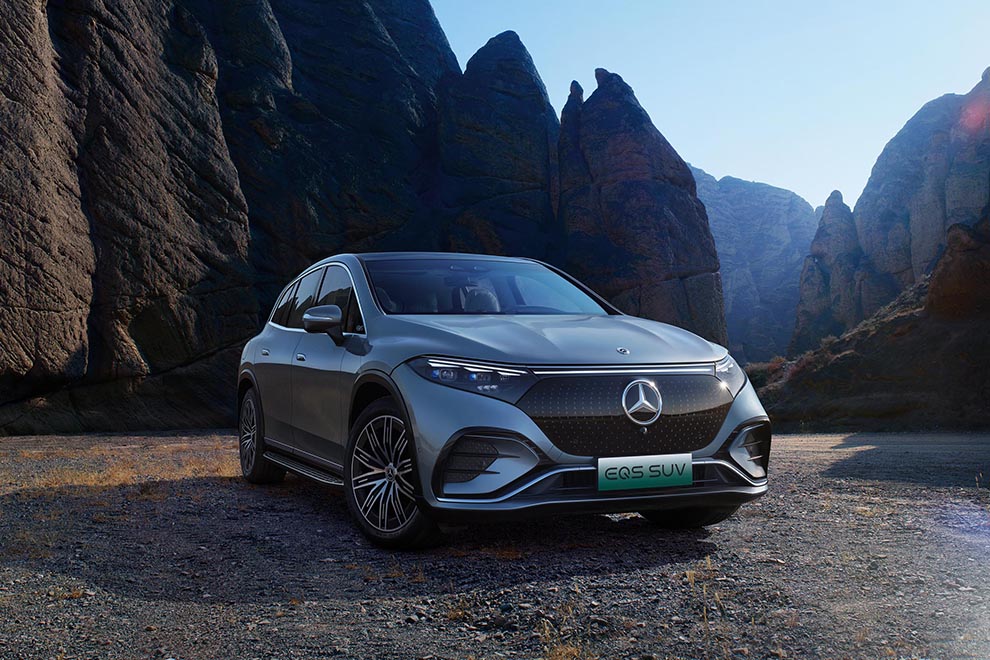
At a glance
- The EQS is a full-size luxury BEV positioned for executive transport, premium fleets and chauffeur operations.
- The 450+ favors rear-drive efficiency, while applicable 4MATIC derivatives prioritize all-wheel-drive traction.
- Battery pack, motors, body style and published range differ by derivative and model year, so buyers should compare the exact listing.
- New units can offer a cleaner history, whereas used Mercedes-Benz EQS purchases depend heavily on battery and high-voltage evidence.
- A Mercedes-Benz EQS export price guide should separate the vehicle amount from total landed cost.
Why the Mercedes-Benz Eqs matters for export markets
The Mercedes-Benz EQS occupies the premium full-size electric segment, combining executive-car proportions with a low-drag liftback shape and technology-led cabin. Its appeal to overseas buyers is less about minimum cost than vehicle quality, passenger experience, branding and the ability to combine executive transport with electrified fleet operations. For dealers and importers, it sits between conventional luxury sedans and more dynamically styled electric flagships. The model can address corporate directors, executive shuttles, hotel fleets and premium retail buyers where local charging and import rules support it credibly as a premium alternative.
The EQS's strongest export argument is a combination of serene powertrain behavior, a spacious cabin and factory technology rather than maximum range alone. Executive-style seating, rear legroom and the wide Hyperscreen display environment give fleet managers a product suited to passenger expectations, while the aerodynamic body and electric drive unit support longer-distance deployment for professional fleets. This makes the car relevant to airport transfers, hotel shuttles and corporate fleets, provided operators can charge reliably. It is less suitable for buyers prioritizing a small footprint, low operating cost or capital outlay.
Global interest in the EQS is therefore uneven rather than universal. A premium electric sedan can be attractive where electricity is reliable, parking standards favor larger vehicles and company policy rewards lower tailpipe emissions. It can be a weak export proposition where charging coverage is sparse, duties are punitive, fleet buyers prioritize uncomplicated maintenance or imported vehicles face tight type-approval rules. Dealers should qualify routes, charging habits and policy before forecasting demand, then match the vehicle to the market rather than assume flagship status guarantees demand or repeat sales for the model.
- Full-size luxury BEV with executive space.
- Premium fleets need dependable charging.
- Verify SUV, Maybach and AMG badges.
Model range, trims and powertrain variants: how the lineup is structured and how to choose
Mercedes-Benz EQS specs and labels cover a sedan-led family, but an export search can mix body styles and sub-brands. The standard EQS is a four-door liftback sedan; the related EQS SUV has different packaging and should not be treated as a sedan trim. Listings may carry Mercedes-Benz EQS 450+, 450 4MATIC, 580 4MATIC or Model 500 4MATIC designations. The Maybach EQS 680 is a Maybach product, while AMG EQS 53 4MATIC+ is an AMG performance derivative. Confirm the exact badge, body and VIN, and verify specifications before comparing vehicles beyond model year.
Within the Mercedes-Benz range, 450+ normally denotes the rear-drive, efficiency-led sedan, while 4MATIC versions add a second motor and all-wheel-drive traction. The 580 4MATIC and Model 500 4MATIC occupy different performance and market-year positions, so labels alone do not create a universal ranking. AMG EQS 53 prioritizes acceleration, output and chassis response over quiet-car efficiency. The 680 prioritizes rear-seat luxury. Because battery capacity, motors and published range can change between early and facelift applications, use the exact listing rather than comparing only the numerical badge or the model's marketing label.
Choose by operating scenario, not badge alone. A rear-drive 450+ generally suits routes with dependable charging and organizations prioritizing efficiency. An all-wheel-drive derivative is more defensible for year-round fleets, variable road conditions or drivers wanting stronger launch performance. The AMG is relevant mainly where performance is a buying requirement, while the Maybach 680 targets chauffeured or executive use. For ordinary premium transport, compare wheel sizes, rear-seat comfort, luggage capacity, local charging provision and the remaining warranty before deciding. A short test drive can reveal whether the display environment and ride quality suit the actual drivers.
- Confirm body style and sub-brand.
- 450+ favors rear-drive efficiency.
- Compare battery, warranty and fleet use.
New vs used Mercedes-Benz Eqs: how export inventory is structured and how buyers choose
Export inventory for the EQS is structured around dealer stock, parallel imports and vehicles sourced from different Chinese model years. New cars may be factory stock or parallel-import vehicles prepared for another market. Used cars may come from the same channels with mileage or prior registration recorded. The badge can look familiar while equipment, charging specification, software and warranty treatment differ. Therefore, classify every vehicle by exact trim, production context and condition instead of assuming that all EQS units are interchangeable exports. Carefully inspect the current live marketplace listing details.
A new EQS can be the safer choice when a buyer wants the latest visible design, current software and a straightforward history from delivery onward. Its advantages include known battery condition, complete factory accessories and the clearest route for warranty claims. However, new does not necessarily mean recent production: parallel imports may be older cars held in stock or configured for a different country. Check manufacturing date, tire date, delivery status, option list and whether the vehicle has been registered or displayed. Those checks matter more than the simple new label.
A used EQS can make sense when the acquisition price leaves more budget for charging infrastructure, insurance or local homologation. The decisive issue is battery health and evidence of care, not odometer reading alone. Request a battery state-of-health report, charging history where available, service records, recall completion, accident and flood checks, and confirmation that high-voltage components remain within warranty. Also compare expected residual value and repair risk. A lower vehicle price can be offset by battery uncertainty, shorter warranty coverage or expensive replacement parts if the seller cannot document condition.
- Classify trim, production context and status.
- New does not guarantee recent production.
- Used EQS purchases need battery evidence.
How export pricing works: the factors behind a live listing price, and how to read one
A useful Mercedes-Benz EQS export price guide treats pricing as a structured calculation rather than a single universal figure. The displayed vehicle amount reflects some combination of model year, body style, trim, motor or battery version, factory options, mileage, condition, ownership history and the seller's current cost base. Currency conversion can also move the quoted number before a vehicle is loaded. Most importantly, a vehicle price is not automatically a landed price. The quotation must state whether it covers export documentation, inland transport, marine insurance, freight, destination charges and customs work.
Two EQS units with similar badges can differ because a later production car, a different drive system, a fuller factory option list or a cleaner title command different values. Parts cars, ex-demonstrators and high-mileage units should be valued separately from unused stock. For fleet buyers, standardizing on one trim can simplify parts, charging planning and staff training, yet it may remove useful options from the comparison. The method is to compare like with like: same body, year, drivetrain, condition and market equipment. Use live terms for unit price and availability.
To calculate total acquisition cost, add the vehicle amount to inland transport, export documentation, marine insurance, freight, destination terminal or handling charges, taxes, duties, compliance work and local delivery. Exchange-rate assumptions and the validity period of the quotation also matter. Ask for an itemized quotation under a stated Incoterm, such as EXW, FOB, CIF or DDP where offered, and clarify what the seller handles versus what the importer must arrange. Compare landed totals at the destination rather than headline prices. Check ChinaCarDirect's live EQS listings for the binding per-unit price and availability.
- Separate vehicle price from landed cost.
- Compare equivalent year, trim and condition.
- Request an itemized Incoterm quotation.
MOQ, ordering and payment: single units vs consolidating a container
MOQ is a term set by the seller, not an automatic property of the EQS model. Some unit listings may be available to a single buyer, while factory allocations, mixed-container plans or special promotions can impose different conditions. The minimum order quantity displayed for each live unit must be checked before budgeting, and any deviation should be confirmed in the quotation. One-unit purchasing lowers cash committed at the start and gives a dealer a chance to test demand, but it may offer less freight efficiency than buying several vehicles together.
For Mercedes-Benz EQS wholesale orders, consolidating compatible units into one shipment can reduce the transport cost per vehicle and simplify customs planning when the trim mix is disciplined. Buyers gain better freight utilization, but they also accept more capital exposure, longer inventory planning and greater disruption if one unit is damaged or unavailable. Mixed trims can complicate allocation, spare-parts planning and private sale channels. Before consolidating, define the required body style, drive system, specification, condition and destination market for every unit, then confirm that the loading plan and documents will match the sales plan.
Payment should follow the risk milestones. A typical sequence begins with a written specification and pro forma invoice, then an agreed deposit, pre-shipment inspection, balance payment against agreed evidence, and release against original shipping documents. The buyer should define inspection rights, title-transfer timing, refund conditions for failed inspection and which party bears banking charges. For multiple units, use an acceptance sheet so one vehicle does not obscure the others' status. Put all commercial commitments in writing before funds are transferred, rather than relying on informal chat promises or verbal assurances.
- Check unit-specific MOQ before budgeting.
- Test demand singly; consolidate for freight efficiency.
- Link payments to inspection and documents.
Shipping, homologation and market compliance caveats: LHD/RHD and import rules by country
Electric-vehicle shipping needs to be planned around traction-battery rules as well as normal vehicle logistics. EQS units may travel as finished vehicles by enclosed carrier or roll-on/roll-off service, while smaller purchases can use shared-container or other consolidator arrangements where permitted. Carriers can treat lithium batteries as regulated cargo, requiring correct declarations, packaging, documentation and safe handling. Route, sailing frequency, port handling, battery state, insurance terms and cargo space all affect cost and timing. A quoted departure date is not a delivery promise; customs clearance and inland delivery add separate stages.
Steering configuration is an early check. China-sourced vehicles are commonly left-hand drive, but buyers must not assume every EQS is LHD or that conversion is acceptable. Confirm the VIN, steering side, build market and equipment in the exact listing. An RHD requirement may constrain availability, while aftermarket conversion can affect certification, warranty, parts consistency and type approval. Import rules vary by destination: tariffs, VAT or sales tax, emissions rules, charging connectors, radio approvals, data governance and recognition of the vehicle's type approval can ultimately significantly shape the final import decision.
Before contracting, the importer should obtain a written local compliance assessment covering the exact VIN and configuration. Check whether the market accepts the original type approval or requires individual approval, a Certificate of Conformity, local emissions and cybersecurity testing, software or connected-service configuration, and a compliant charging interface. Also compare quoted CLTC-based range with the destination's homologation cycle and real route conditions. Local approval, dealer support, spare-parts access and battery warranty should be evaluated before loading. These checks reduce the risk of a technically compliant car becoming commercially stranded overall.
- Confirm steering side and VIN.
- Verify local type approval and taxes.
- Treat CLTC range as a reference.
Who should buy the Eqs — and who should pick a different vehicle
The EQS is a strong fit for organizations that need a quiet, prestigious full-size vehicle and have controlled charging at the depot or on the operating route. It suits executive transport, corporate reception, hotel and airport fleets, and premium chauffeur operations where passenger comfort, rear space and a recognizable marque matter. Long routes are more credible when the organization can plan around charging and has backup power or a second vehicle. The purchase also makes sense for private buyers who value ride quality and technology enough to accept luxury-EV ownership costs.
It is a weaker fit for budget-driven fleet buyers, operators without dependable charging, or drivers needing high ground clearance, rugged utility and minimal electronic complexity. The EQS is large, costly to insure and service, and its purchase price does not remove the need for infrastructure or residual-value planning. Extreme temperatures and heavy highway use can make published range less useful. Where charging is uncertain, a smaller EV or hybrid may offer better operational certainty. Where an SUV body is essential, assess the EQS SUV rather than forcing a liftback sedan into the role.
A sound EQS decision should be based on operating and ownership economics, not only purchase price. Map daily mileage, charging dwell time, energy tariffs, insurance, maintenance, expected residual value and the cost of backup transport. Pilot the intended configuration with actual drivers and passengers, because rear-seat comfort, visibility and software workflow can matter more on every trip than acceleration figures. Dealers should secure local service and parts support before promoting the model. If those conditions are met, the EQS offers a distinctive premium proposition; otherwise, a pragmatic vehicle may protect fleet uptime.
- Strong for executive and chauffeur fleets.
- Charging reliability is essential.
- Consider pragmatic alternatives for utility duty.
Main rivals and how the Eqs compares
The BMW i7 is the closest conceptual rival: a full-size luxury electric sedan for the same executive-car buyer. It offers comparable space, strong performance and rear- or all-wheel-drive configurations, so compare the exact derivative rather than the model name alone. The i7 may appeal to drivers who prefer a conventional driving position and a different interpretation of luxury. The EQS differentiates through its liftback form, comfort-oriented cabin and MBUX interface. Availability, local service, charging provision and delivered operating cost should carry as much weight as badges in the destination market.
The Lucid Air competes on efficiency, range potential and cabin space, appealing to buyers who place long-distance capability ahead of conventional brand familiarity. It can attract fleets where local Lucid support is established and the selected version's charging and range fit their routes. By contrast, the EQS offers a more mature Mercedes-Benz dealer and service proposition in many established markets, plus a comfort-focused presentation. The deciding issue is local support: an attractive Air purchase can be weaker for a fleet if parts, diagnostics or software support are difficult to access.
The Audi e-tron GT is a more performance-led rival, with a low profile and strong charging-oriented engineering. It may suit buyers who prioritize driving response and sportiness over the EQS's limousine-like calm and rear-passenger focus. The EQS generally offers a more overtly executive environment, a larger family-car footprint and a hatchback-style body, although cargo volume must be checked for the exact variant. e-tron GT buyers should confirm luggage capacity, road comfort and software support as well as performance. For all three rivals, a test drive and landed-cost comparison matter more than headline specifications.
- BMW i7: closest full-size luxury rival.
- Lucid Air: efficiency and range focus.
- Audi e-tron GT: performance-led alternative.
Live Mercedes-Benz Eqs export inventory
View all listings →Real units currently on ChinaCarDirect with per-unit asking prices and MOQ. Availability updates live from the catalogue.
How to buy a Mercedes-Benz Eqs from China
-
1
Define the vehicle brief
Separate the EQS sedan from the EQS SUV, and Mercedes-Benz EQS from Maybach EQS 680 and AMG EQS 53. Record the required drive system, seating, route and charging plan.
-
2
Shortlist live inventory
Buyers seeking to buy a Mercedes-Benz EQS from China should use live EQS listings to match body, trim and model year. Compare photos, descriptions, options and seller details rather than the badge alone.
-
3
Verify the configuration
Request the VIN, production date, battery version, applicable range figure, charging connector, odometer, condition and ownership documents. Have the importer validate the exact specification.
-
4
Request a landed quotation
Ask for an itemized quotation and named Incoterm, with vehicle cost, freight, insurance, documentation, duties and taxes separated. Confirm the quotation validity and exclusions.
-
5
Agree MOQ and payment terms
Confirm the unit-specific MOQ, deposit, balance trigger, inspection rights, title transfer and refund conditions in writing. For consolidated orders, approve a unit-by-unit allocation sheet.
-
6
Inspect and document the vehicles
Complete a pre-shipment inspection covering the exterior, interior, tires, charging system, high-voltage warnings and VIN. Match accepted vehicles to the signed invoice and packing documents.
-
7
Ship, clear and register
Book a compliant carrier, provide the required battery documents, track port and customs milestones, and complete destination-market homologation. Clear and register each vehicle before customer handover.
Eqs vs rivals
| BMW i7 | The i7 is the closest full-size luxury-electric alternative, with comparable executive space and several rear- or all-wheel-drive derivatives. The EQS stands out for its liftback shape, comfort-oriented presentation and MBUX environment, while local service and charging access should influence the decision. |
|---|---|
| Lucid Air | The Lucid Air emphasizes efficiency, range potential and a spacious cabin for buyers focused on long-distance capability. The EQS may offer a more established dealer and service proposition, but local Lucid support must be confirmed before choosing the Air for fleet use. |
| Audi e-tron GT | The Audi e-tron GT is the more performance-led alternative, emphasizing driving response and sports styling. The EQS provides a calmer executive environment and greater family-car practicality, although exact luggage capacity and road comfort should be checked for the selected variant. |
Frequently asked questions
How is Mercedes-Benz EQS export pricing determined?
The amount attached to a live unit reflects factors such as model year, trim, body style, battery or motor version, options, mileage, condition, ownership history and currency movement. It may cover only the vehicle unless the quotation states otherwise. Open the live EQS listings for the current per-unit price and request an itemized landed quotation under a named Incoterm for the binding budget.
What powertrain and range should I expect?
The EQS is battery electric. The 450+ is normally the single-motor, rear-drive derivative, while applicable 450, 500 and 580 4MATIC versions add all-wheel drive; Maybach EQS 680 and AMG EQS 53 are separate derivatives. Battery capacity, motor output and published CLTC range vary by model year, body style and trim, so check the exact listing and VIN rather than inferring them from the badge.
Is a used Mercedes-Benz EQS better value than a new one?
A used EQS can leave more budget for infrastructure, insurance or homologation, but its value depends on documented battery health, service history and high-voltage condition. A new unit generally provides a clearer history and more straightforward warranty route, yet may not be recent production. Compare the complete landed and ownership costs rather than using the new or used label alone.
What is the MOQ for an EQS order?
MOQ is set by the seller and the supply route rather than by the model name. Some live units may be open to single-buyer purchases, while allocations or consolidation plans can have different terms. Check the unit-specific MOQ in the current listing and have it repeated in the written quotation.
What determines EQS shipping time and cost?
Shipping time and cost depend on the carrier and route, sailing schedule, port congestion, cargo space, battery documentation, insurance, customs clearance and inland delivery. A quoted departure date is not a delivery promise, and each stage should be tracked separately. The quotation should state the Incoterm, charge inclusions and which party controls each logistics step.
How are Mercedes-Benz EQS spare parts handled?
Confirm that the local service network can support the exact VIN, software version and high-voltage system before purchase. Some components may need to be sourced from China, potentially increasing downtime and freight cost. For fleet operations, ask about warranty coverage, diagnostic access and critical replacement-part recommendations before shipment.
Is right-hand-drive EQS availability a problem?
Many China-origin vehicles are left-hand drive, but the steering configuration of every EQS must be checked from the exact listing and VIN. RHD availability depends on the body style, source market and supplier. Do not assume a conversion is acceptable, because it can affect certification, warranty, parts consistency and local import approval.
How do I order a Mercedes-Benz EQS from China?
Start by defining the body style, trim, drive system and destination, then review the matching live inventory. Request a unit-level specification, itemized quotation and written MOQ and payment terms before placing a deposit. Complete inspection, document review, freight booking, customs clearance and destination registration before releasing the vehicles for sale.
Ready to source the Mercedes-Benz Eqs?
Send ChinaCarDirect your preferred EQS body style, trim, destination and quantity for a current unit-level export quotation.
Request a quote