
Mercedes-Benz GLB Export Guide for Overseas Buyers
Compare Mercedes-Benz GLB trims, export pricing, ordering, shipping and homologation, then source the right unit through live China inventory.
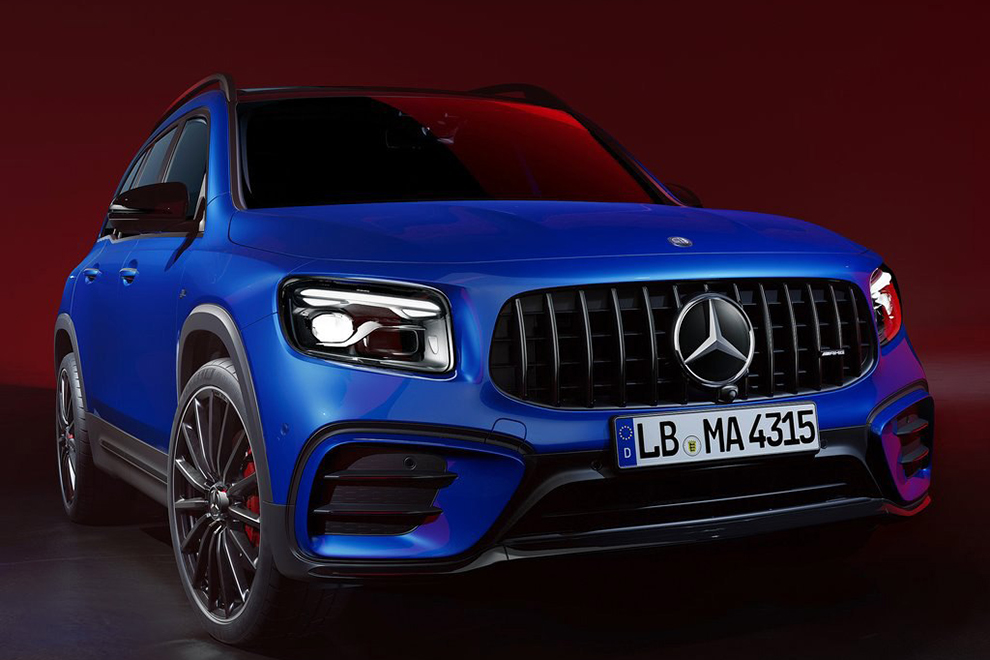
At a glance
- The Glb pairs a premium Mercedes badge with an upright, city-friendly compact-SUV format.
- The 180, 200 and 220 trims cover mainstream needs, while AMG GLB 35 4MATIC targets performance buyers.
- Engine output, drivetrain, equipment and emissions vary by model year and destination, so verify each VIN.
- New units favour specification consistency; used units demand fuller inspection and history checks.
- Export price and landed cost depend on trim, condition, exchange rate, freight, taxes and Incoterm.
- Confirm steering configuration, homologation, parts support, MOQ and payment terms before ordering.
Why the Mercedes-Benz Glb matters for export markets
The Mercedes-Benz Glb sits in the compact luxury SUV segment, combining a premium marque with a relatively upright, space-efficient body. That positioning makes it commercially useful in export markets where buyers want more presence and everyday versatility than a hatchback but do not need the size or operating cost of a larger premium crossover. Its squared-off profile also supports a practical cabin and useful luggage capacity, advantages for family, corporate and dealer-led retail programmes. For importers, the key proposition is not simply badge appeal; it is the ability to position one model against several compact-SUV price bands while retaining the design and technology expected of a Mercedes.
The Glb is particularly relevant to distributors serving cities where narrow streets, parking spaces and fuel costs make a large SUV less convenient. Its upright seating position and flexible rear area can appeal to buyers who still need a premium family vehicle, while dealer groups can use it to fill the gap between smaller premium crossovers and established family SUVs. The model also travels well in the export conversation because the badge is already widely recognised, reducing the education effort required when a dealer launches it against mainstream Asian and European alternatives.
Demand should still be treated as market-specific rather than assumed from the model’s global reputation. Local fuel taxation, road rules, import tariffs, household credit conditions and the availability of competing hybrid or electric models can materially affect demand. A disciplined importer should compare the Glb with locally popular compact SUVs on size, fuel use, after-sales support and total ownership cost. It is strongest where that comparison supports a meaningful premium without making finance, insurance or servicing impractical. Buyer feedback should also be collected by body style and powertrain rather than pooled under the GLB name.
- Premium SUV, compact footprint
- Urban-family market fit
- Validate demand by market
Model range, trims and powertrain variants: how the lineup is structured and how to choose
Mercedes-Benz uses numeric designations to signal hierarchy, but export buyers should not treat the badge as a complete specification. Across the Glb nameplate, GLB 180 Dynamic, GLB 200 Dynamic and GLB 220 Dynamic cover mainstream positions; GLB 200 Fashion, GLB 220 Fashion Style and GLB 220 Sport Style add appearance and equipment combinations. The AMG GLB 35 4MATIC is the performance-oriented branch. Exact engines, output and equipment can change with model year and destination market, so trim names are a starting point rather than a substitute for the VIN-specific specification sheet.
For a fleet or dealer order, the first selection task is not to identify the highest trim; it is to match powertrain and running costs to the duty cycle. Use actual mileage and route data. The 180 and 200 grades are generally the mainstream choices, while the 220 provides more performance-oriented positioning and may carry equipment associated with that step up. The AMG GLB 35 4MATIC suits buyers who value acceleration, all-wheel-drive capability and visual distinction, but its performance character should be weighed against purchase cost, tyres, insurance and fuel use in the destination market.
Because production years and export destinations overlap, do not assume every GLB 200 has the same engine, transmission calibration or standard equipment. Chinese-market vehicles may differ from European editions in output, emissions equipment and option content. Ask the seller for the VIN, engine code, transmission type, driven axle, fuel type, tyre specification and complete equipment list. Also confirm whether the listed model is a China-market specification and whether its emissions-control and safety equipment suits the intended registration. A model-year update can also change software, infotainment functions and driver-assistance calibration without changing the sales designation.
- 180/200: mainstream hierarchy
- 220: upper-mainstream position
- AMG GLB 35 4MATIC: performance and AWD
New vs used Mercedes-Benz Glb: how export inventory is structured and how buyers choose
New and used Glb units serve different commercial routes. A new vehicle is generally easier to position as current-model stock, align warranty expectations and standardise specification across a dealer group; it may also arrive with stronger brand-new condition and established accessory programmes. A used example can make sense for a dealer seeking a lower entry point or for a fleet buyer accepting prior wear. The critical distinction is not simply age, but whether the unit has a clear service history, verified mileage, known accident or repaint history and documented ownership records. Live export inventory should be filtered by condition, model year, trim, VIN and seller rather than treated as one undifferentiated pool.
Used export buying raises more due diligence than new sourcing because condition is less standardised. Request a VIN, registration documents, import or export history where relevant, service invoices, maintenance records, original spare keys and a recent independent inspection. Examine tyres, brake condition, suspension, windscreen, underbody, engine, cooling system, transmission and exhaust. Compare the inspection with photographs and ask how cosmetic defects, missing equipment and outstanding repairs will be treated in the final sale terms. For higher-value AMG examples, pay particular attention to brake wear, wheel condition and any evidence of hard performance use.
Model age also affects the buyer proposition. A newer Glb may offer updated cabin technology, driver-assistance functions, emissions architecture and styling, while an older example may have a simpler specification or discontinued option. These changes do not automatically determine value: a well-maintained older unit can suit a price-sensitive customer, whereas a newer vehicle can still carry a meaningful gap in purchase cost, insurance and depreciation. Make the decision around target retail segment and total ownership needs, then inspect each live unit rather than relying on age or trim labels alone.
- New: specification consistency
- Used: VIN-level due diligence
- Choose by total ownership need
How export pricing works: the factors behind a live listing price, and how to read one
A live Glb export price is not a universal factory value. It is the outcome of several variables that a buyer should separate: model year, exact trim, engine and drivetrain, production specification, mileage and condition for used units, visible cosmetic condition, options, supplier margin, domestic Chinese charges and the exchange rate used when the quote is displayed. Two vehicles carrying similar trim names can therefore differ materially. The first control is to compare like with like: same year band, powertrain, equipment level, condition, expected paperwork and service history where applicable.
Geography and delivery terms can move the landed cost as much as the vehicle comparison. Ocean freight, port charges, insurance, inland haulage, export documentation, inspection and destination taxes may sit outside the displayed asking price. Confirm the Incoterm and what the seller includes; “export-ready” is not a substitute for a written breakdown. If a quotation is valid only for a limited period, record its expiry and the currency, because exchange-rate movement and container or slot allocation can affect the final payable amount. Dealer margins should also be modelled separately, clearly.
To read a live listing responsibly, verify the VIN and stock reference, then check whether the displayed amount is a vehicle-only asking price or a delivered quotation. Ask for the complete price components, payment stages, validity period, warranty scope and documents included. For a business buyer, build a worksheet that converts the live quote into landed cost and expected retail margin under an explicit exchange-rate and freight assumption. Exact price, MOQ and availability are shown per unit in the live ChinaCarDirect inventory; use those current figures, and treat only an accepted unit-specific quotation as binding.
- Compare like-for-like specifications
- Separate vehicle and landed costs
- Check quote currency and validity
MOQ, ordering and payment: single units vs consolidating a container
Minimum order quantity is a commercial field, not a model attribute. For vehicle exports, a live listing may allow a single-unit purchase, while a supplier or shipment may impose its own minimum for discounted terms, container loading or release of production units. Always read the MOQ shown on the specific listing and confirm it in the pro forma invoice; a general platform rule should not be assumed to apply to every seller or destination. This distinction matters for test orders, dealer groups and buyers comparing one-unit retail purchase with a full-container programme.
Buying one unit gives the buyer flexibility to test colour, trim and condition before scaling, but it spreads freight and compliance costs over fewer vehicles. Consolidating several compatible units can improve the economics of a shipment, yet it increases exposure to differences in specification, paperwork quality and delivery timing. A mixed container also requires a clear loading plan, insurance value for each vehicle, inspection sign-off and agreed responsibility for damage at the port. Before confirming several units, ask how the seller selects and sequences them and reconciles them against the order.
Payment should follow the risk profile of the transaction. Common structures include a deposit followed by balance against shipping or inspection documents, but the exact sequence depends on the seller, vehicle value, destination and payment method. International buyers may use an irrevocable documentary credit or another protected transfer mechanism where appropriate. Obtain a pro forma invoice stating the vehicle, price, currency, Incoterm, MOQ, deposit, balance trigger, refund conditions, production or stock status and validity. Do not release funds against only a listing title or informal message without written confirmation first.
- Confirm unit-specific MOQ
- Test before scaling
- Link payment to document triggers
Shipping, homologation and market compliance caveats: LHD/RHD and import rules by country
Vehicles are normally moved by roll-on/roll-off, flat-rack or suitable container logistics, but the route is dictated by origin port, destination port, vessel capacity and vehicle dimensions. Containerisation protects against weather and handling better than an open flat rack but reduces the number of vehicles that can be loaded. RoRo handling is efficient for standard driveable vehicles. Freight cost therefore depends on mode, route, insurance, terminal charges, port congestion and shipment size, plus fuel, security and congestion surcharges where applicable at either end; it should be quoted separately from the vehicle price.
Steering configuration is a sourcing issue, not a last-minute detail. A China-origin vehicle may be left-hand drive, while some destination markets require or strongly favour right-hand drive. Factory-produced RHD examples are easier to homologate and support than a converted vehicle, but availability varies by model, trim and source market. For any conversion, confirm local recognition, engineering changes, safety-system compatibility, warranty position and insurer acceptance. Never assume a converted GLB carries the same approvals as a factory RHD model. Likewise, check whether local inspection agencies distinguish a converted vehicle in registration and insurance records.
Import requirements are determined country by country and can include customs valuation, tariff and tax treatment, vehicle-age restrictions, emissions conformity, safety equipment, VIN checks, roadworthiness tests, local-language documents, insurance and registration. European, Gulf, African and Latin American destinations do not share one rule set. Obtain the vehicle’s identification, export and conformity documents from the seller, then have a licensed customs broker or local compliance specialist confirm admissibility before committing. “Euro emissions” wording alone is not a substitute for destination-market approval. This check is especially important for modified or newly registered examples.
- Choose steering configuration first
- Verify destination type approval
- Gate payment on conformity documents
Who should buy the Glb — and who should pick a different vehicle
The Glb is a strong fit for an overseas dealer building a premium compact-SUV category rather than a full-size range. It appeals to urban professional households that want a Mercedes badge, a practical upright cabin and manageable road footprint, and to company-car or executive-fleet buyers who prefer a branded SUV over an anonymous saloon. For fleets, the proposition improves when the buyer can support premium servicing, insurance and residual-value expectations. The model’s recognizable design also helps showroom marketing without requiring extensive model education. Clear explanations of standard and optional equipment also reduce handover disputes.
It is less suitable for buyers whose first priority is seven-seat capacity, minimal operating cost or serious off-road use. The square Glb body is more useful than a conventional low crossover, but it does not replace a dedicated large-family SUV or rugged utility vehicle. Drivers focused on low-emission urban travel should also compare the Glb with available hybrid and electric alternatives, including the plug-in versions offered in some markets, rather than assuming petrol operation best fits their market. A fleet with tight total-cost limits may be better served by a mainstream hybrid crossover.
Choose the Glb when the import plan can cover homologation, parts stocking, technician training and realistic warranty handling. It is particularly compelling for a dealer testing a premium niche, a chauffeur or executive fleet seeking presence, and a family balancing urban size with premium comfort. Pick another model when seven seats, minimum freight cost, low fuel consumption, high ground clearance or the lowest purchase price is the decisive requirement. The best vehicle is the one whose running and compliance profile remains acceptable after the vehicle leaves the port in the destination market.
- Best for premium compact-SUV retail
- Strong for urban executive use
- Weak for seven-seat or ultra-low-cost duty
Main rivals and how the Glb compares
The closest alternatives are not determined by badge alone; they are vehicles competing for the same compact premium-SUV customer and comparable export budgets. The BMW X1 is the most direct rival in format and brand positioning, the Volvo XC40 competes with a cleaner, more efficiency-led image, and the Audi Q3 targets buyers who prioritise cabin technology and the option of quattro all-wheel drive. Toyota, Hyundai and other mainstream brands can also pressure the Glb on price, but they usually occupy a different brand and ownership-cost proposition in the same showroom.
Against the BMW X1, the Glb’s defining attributes are its boxier, more upright profile and strong emphasis on cabin practicality; the X1 generally offers a more road-focused, driver-oriented feel. Against the Volvo XC40, the Mercedes has greater premium-brand recognition in many export markets, while Volvo may appeal to buyers prioritising restraint, efficient packaging and distinctive safety-led branding. Against the Audi Q3, the comparison comes down to brand preference, equipment, interior atmosphere and the availability of all-wheel drive on the selected derivative. Availability also varies by country, so compare the exact shortlisted derivative rather than a brand average.
Powertrain choice can outweigh trim styling. A buyer seeking an efficient petrol or electrified compact SUV may find more flexibility among some rivals, while the AMG GLB 35 4MATIC offers a performance-focused alternative within the Mercedes range but should be compared on total ownership cost. Compare verified dimensions, boot space, seating, safety equipment, warranty, parts support and landed cost for every shortlisted vehicle. The Glb is strongest when its premium identity and practical shape outweigh a modest difference in efficiency or a rival’s lower acquisition threshold at the point of purchase.
- BMW X1: closest direct rival
- Volvo XC40: efficiency-led alternative
- Audi Q3: technology-focused option
Live Mercedes-Benz Glb export inventory
View all listings →Real units currently on ChinaCarDirect with per-unit asking prices and MOQ. Availability updates live from the catalogue.
How to buy a Mercedes-Benz Glb from China
-
1
Define the destination specification
Start with the destination’s steering-side requirement, seating needs, emissions rules, fuel preferences and local homologation pathway. This prevents a technically attractive vehicle from becoming an unsellable import.
-
2
Compare matching GLB trims
Review the live inventory by model year, trim, engine, drivetrain and equipment rather than comparing trim names alone. Request the VIN-specific specification for every shortlisted vehicle.
-
3
Verify identity and condition
Obtain service history, ownership documents, original keys and an independent inspection, particularly for used units. Record cosmetic defects, mileage, repairs and missing equipment in the purchase documents.
-
4
Build a compliant landed-cost quotation
Ask for a written breakdown covering the vehicle, freight, insurance, port charges, inland transport, documentation, destination taxes and Incoterm. Confirm the quotation currency and validity period.
-
5
Confirm MOQ and payment mechanics
Check the MOQ attached to the specific listing and reflect it in the pro forma invoice. Agree the deposit, balance trigger, refund conditions and accepted protected payment method before transferring funds.
-
6
Book transport and insurance
Compare roll-on/roll-off, flat-rack and container options against route, handling risk and shipment size. Confirm insurance coverage, terminal arrangements, export-document responsibilities and loading coordination.
-
7
Release payment and complete handover
Release the balance only against the agreed documentary trigger, then track inspection, customs clearance, registration and PDI. Keep the final vehicle file for warranty, parts and resale support.
Glb vs rivals
| BMW X1 | The X1 is the closest direct rival in compact premium-SUV format and generally leans toward a more road-focused, driver-oriented feel. Choose it for a sportier setup; choose the Glb for a boxier profile, practical cabin and distinctive upright SUV presentation. |
|---|---|
| Volvo XC40 | The XC40 competes through efficient packaging, restrained design and a strong safety image, with electrified options that may appeal to lower-emission buyers. Choose it for efficiency-led simplicity; choose the Glb for Mercedes badge recognition and a more upright, luxury-focused format. |
| Audi Q3 | The Q3 competes with a technology-rich cabin and quattro all-wheel drive on selected derivatives. Choose it for a more overtly digital cockpit; choose the Glb for its squarer profile, practical interior and distinct showroom identity. |
Frequently asked questions
How is Mercedes-Benz GLB export pricing determined?
A live price reflects model year, trim, engine, drivetrain, equipment, condition and supplier terms. Freight, insurance, port charges, inland transport, exchange rate, destination taxes and Incoterm can change the landed cost. Check the current unit-specific quote in ChinaCarDirect’s live GLB inventory and request a written breakdown before treating it as binding.
What engine and powertrain options should I expect?
The GLB 180, 200, 220 and AMG GLB 35 4MATIC export trims referenced here are combustion-powered petrol derivatives rather than battery-electric models. Engine displacement, output, transmission calibration, driven axle and emissions equipment can vary by year and market. Verify the engine code, fuel type, gearbox and emissions details against the VIN and live listing.
Is a new or used Mercedes-Benz Glb better for export?
A new unit is usually easier to standardise for dealer resale and align with current-model expectations. A used unit can suit a price-sensitive segment but requires stronger inspection, mileage, service-history and accident checks. Choose according to target retail segment, warranty expectations and total ownership cost rather than age alone.
How does the MOQ work for a GLB order?
MOQ is set by the individual listing or seller and may permit a single vehicle or require a larger shipment for special commercial terms. Read the MOQ on the specific live listing and repeat it in the pro forma invoice. Consolidation can improve freight economics but increases specification, documentation and loading coordination risk.
What determines shipping time and cost from China?
Transit time and freight depend on origin and destination ports, sailing frequency, vessel space, handling method, insurance, terminal charges, congestion and customs clearance. Quotation validity also matters because freight and exchange rates can move before payment. Obtain a destination-specific quote using the selected vehicles, route and Incoterm.
How are Mercedes-Benz Glb spare parts sourced?
Confirm that parts and diagnostic support are available for the exact China-market trim before ordering. Some components may need to be sourced from China, adding lead time and cross-border shipping requirements. Plan fast-moving service items, coding access and warranty procedures before building a local parts inventory.
Is right-hand-drive Mercedes-Benz Glb available?
China-origin vehicles are commonly left-hand drive, while factory right-hand-drive availability varies by trim and source market. Check the live listing before selecting a unit and prefer factory RHD where possible. A conversion can affect local recognition, safety-system compatibility, warranty coverage and insurance acceptance.
How do I order a Mercedes-Benz Glb from China?
Choose a unit from the live GLB inventory, verify its VIN and specification, and request a pro forma invoice with the price, MOQ, Incoterm, documents and payment stages. Complete inspection and compliance checks before paying the balance against the agreed trigger. Use the RFQ channel when the destination specification or shipment needs custom clarification.
Ready to source the Mercedes-Benz Glb?
Request a unit-specific RFQ for your target market, including trim, LHD/RHD requirement, Incoterm, documentation, freight and payment terms.
Request a quote