
Mercedes-Benz GLS Export Buying Guide
Export buying guide for Mercedes-Benz GLS buyers: compare trims, pricing logic, MOQ, shipping, compliance, rivals and live inventory for importers.

At a glance
- The GLS is a full-size, three-row luxury SUV built around rear-seat space, road presence and 4MATIC all-wheel drive.
- The model family includes diesel, gasoline, plug-in-hybrid, high-comfort and AMG performance roles, depending on model year and market.
- New and used vehicles require different checks for delivery status, depreciation, mileage, service history and condition.
- Export price should be read as a unit-specific starting point, with freight, insurance, duties and taxes separated from the vehicle amount.
- MOQ, steering configuration, homologation and aftersales support must be confirmed for the destination before commitment.
Why the Mercedes-Benz Gls matters for export markets
The Mercedes-Benz GLS sits at the top of Mercedes-Benz’s SUV hierarchy, combining a full-size body, three-row packaging and the 4MATIC all-wheel-drive system associated with most GLS trims. For overseas dealers, it is not simply a large SUV; it is a high-ticket passenger product for affluent families, executive transport operators, hotels and chauffeur services. Its strongest export proposition is the combination of cabin space, visual prestige and a model family that covers diesel, gasoline, electrified and performance applications. That breadth lets distributors match local fuel, charging and road conditions with confidence.
Demand tends to be strongest where buyers value rear-seat comfort, road presence and all-weather confidence more than packaging efficiency. Families may prioritize third-row access and luggage capacity, while executive buyers focus on quietness, finish and Chauffeur-grade seating. The GLS can also suit premium hospitality and fleet use, provided the operator confirms cargo needs, tax treatment and local service capability. Export demand is therefore shaped as much by infrastructure and buyer use cases as by the vehicle itself. A popular model in one country may be poorly suited to another market.
For a buyer sourcing from China, the GLS offers access to different model years, cosmetic updates and equipment grades under one model family. That makes disciplined comparison essential: a facelift label, AMG specification or luxury package can change the vehicle’s appeal and value materially. The correct question is not which GLS is simply most expensive, but which configuration has the lowest likely ownership friction after taxes, shipping, homologation, servicing and resale are considered. A live, unit-specific inspection is more useful than a generic catalogue assumption for the intended destination market.
- Confirm 4MATIC by trim.
- Match space to priority.
- Check fuel and charging.
Model range, trims and powertrain variants: how the lineup is structured and how to choose
The GLS range is organized by model function rather than a single specification. The GLS 350d 4MATIC represents the diesel-oriented end of the range, while GLS 320, 400 and 450 4MATIC variants cover entry and mainstream gasoline luxury. The GLS 480 4MATIC is the plug-in-hybrid route, and the GLS 600 4MATIC targets the highest comfort and Chauffeur-led brief. AMG GLS 63 and 63+ derivatives sit at the performance extreme. Exact engine details depend on model year and market, so the trim label should guide initial screening rather than replace the VIN-specific specification.
Within each model, the hierarchy is commonly expressed through equipment tiers such as Dynamic, Fashion and Luxury, with some export titles adding Luxury Edition, Fashion Edition, Ritual Edition or a facelift designation. These suffixes are not merely cosmetic: they can alter standard equipment, grille treatment, cabin technology, wheel design and market package. Buyers should compare the equipment list and build sheet, because the same base model can look different across model years. An AMG plus designation should also be checked carefully against its full drivetrain and chassis specification before ordering.
Selection should begin with operating conditions. A diesel buyer may prioritize fuel availability and long-distance efficiency, while a gasoline customer may prefer broader refuelling access and simpler charging assumptions. The plug-in hybrid can suit markets with dependable charging and favorable tax treatment, but it demands checks on charging standards, battery condition and local incentives. A Chauffeur-focused GLS 600 favors rear-seat appointments over sporty presentation, whereas an AMG buyer accepts higher running costs for acceleration and sharper dynamics. Test each intended role instead of treating trim level as a status shortcut.
- 350d: diesel brief.
- Compare 400, 450 and 480.
- 600: comfort; AMG: performance.
New vs used Mercedes-Benz Gls: how export inventory is structured and how buyers choose
Wholesale buyers should evaluate export inventory as a collection of individual vehicles, not as one uniform GLS product. Search results may bring together different model years, pre- and post-facelift cars, trim grades and option packages. Titles can also look similar when the same chassis description is reused across separate units. Use the unit reference, VIN, photographs and specification sheet to distinguish them. A genuine new car should have documented delivery status and factory condition; a used car requires a different ownership, mileage and condition assessment before freight or payment is committed.
New GLS vehicles generally appeal to buyers who want the latest factory design, driver technology and equipment, and who can establish local warranty and service arrangements. Their disadvantages are greater depreciation exposure and a higher purchase commitment, although neither should be assumed from a model-year label alone. A used GLS can reduce acquisition cost and may make a specific imported-market specification easier to source. The trade-off is that wear, deferred maintenance, accident history and remaining factory support become central. Inspect the actual unit rather than extrapolating condition from its age.
Condition classification alone is not enough for either route. Request VIN-level photographs, odometer evidence, service records and a statement of title, ownership and export eligibility. Check whether the vehicle has been repainted, repaired or modified, and whether the seller can document roadworthiness for the intended destination. For a new vehicle, also reconcile the production date, invoice, factory status and delivery documents. For a used vehicle, add a pre-shipment inspection and a repair budget. These checks protect the buyer more effectively than assuming a clean listing title equals a clean vehicle.
- Distinguish units by VIN.
- Verify ownership documents.
- Inspect before payment.
How export pricing works: the factors behind a live listing price, and how to read one
An export listing price is the starting point for a transaction, not automatically the landed cost of importing a GLS. The main vehicle-side variables are model year, trim, engine or hybrid version, facelift status, mileage, condition, paint, options and the seller’s commercial terms. For the same basic vehicle, a newer, lower-mileage, highly equipped or performance derivative can command a different outcome from an older diesel or a used example. Exchange-rate movements and the settlement currency also affect the amount ultimately payable, especially when quote and invoice currencies differ.
Shipping can move the comparison just as much as the vehicle specification. The Incoterm defines where responsibility passes between seller and buyer, while freight type, route, insurance, port charges, customs handling and destination taxes remain separate cost categories. A buyer comparing two quotes should ensure both use the same named place, currency, vehicle condition and documentation package. Otherwise, the apparently lower amount may simply exclude expenses that the other quote includes. Request an itemized written quotation so each commercial assumption can be challenged before a deposit is paid in full.
To read a live listing, separate vehicle price, payment terms and import cost into three columns. Check whether the displayed amount is negotiable, whether it includes domestic transport or export preparation, and which documents accompany the unit. Confirm whether mileage is stated, whether taxes in the destination market are included and who is responsible for customs clearance. The amount, terms and availability for each unit should be taken from the current live GLS inventory, not from an enquiry or catalogue entry. A quote request should specify destination, Incoterm and currency.
- Compare year, trim and condition.
- Keep currency and Incoterm consistent.
- Add freight, duties and taxes.
MOQ, ordering and payment: single units vs consolidating a container
Minimum order quantity is a seller and listing term, not a permanent property of the GLS. Some export offers are structured for one vehicle, while others require several units or a full container. Read the MOQ shown on each live record and confirm it in writing before reserving stock. A dealer serving a small market may find single-unit purchasing practical, but freight consolidation can improve cost efficiency when several compatible vehicles move to the same destination. Savings must be weighed against warehousing, documentation complexity and risk of a damaged unit.
Container consolidation is not automatically cheaper. Vehicles must be compatible in specification and destination, available within the same dispatch window, and accepted by the freight provider. A consolidator or forwarder may combine loads from different sellers, but title transfer, payment routing and responsibility for each vehicle must remain clear. Confirm how inspection failures, damage claims, storage and customs discrepancies are handled. For a first-time importer, one well-documented vehicle may be easier to control than an untested multi-supplier shipment, despite a less attractive per-unit freight calculation over the same shipping lane.
The ordering sequence should be controlled by milestones. After specification and commercial terms are accepted, request a sales contract or pro forma invoice defining the vehicle, price, MOQ, deposit, balance trigger, Incoterm and document list. Pay only through the stated seller or payment channel, retain receipts and avoid transfers based solely on informal messages. Independent inspection is important before final payment, while a shipping release should follow inspection and agreed documentary steps. Exact payment rules are seller-specific, so they must be confirmed in the listing and quotation rather than assumed.
- Confirm listing-specific MOQ.
- Define milestone payments.
- Consolidate with clear liability.
Shipping, homologation and market compliance caveats: LHD/RHD and import rules by country
Shipping a GLS requires more than booking a vessel slot. The vehicle is large, so the forwarder should confirm container or roll-on/roll-off suitability, securing method, height and weight limits, and the handling arrangements at origin and destination. Insurance should cover the agreed Incoterm and the physical risks of transit. Bookings also need lead time for export clearance, pre-shipment inspection, loading, ocean transit, discharge and inland delivery. Any of these stages can alter cost or timing, so a freight estimate should state its assumptions rather than offer one unqualified figure alone.
Steering configuration is a critical compatibility point. Chinese-market GLS vehicles are commonly encountered with left-hand drive, but a buyer should never infer the configuration from the country of sale alone; RHD examples may exist in export channels, and some destinations accept either layout while others restrict it. Confirm steering position, pedal arrangement, instrument and infotainment functionality, lighting, emissions equipment and local-language support for the exact unit. A vehicle that is attractive but difficult to register can lose much of its apparent value, so destination-market approval should precede any final payment.
Local rules can determine whether the vehicle is importable and how it must be presented at registration. Depending on the country, checks may cover VIN and documentation, emissions, roadworthiness, customs valuation, duties, taxes, insurance, modifications and age limits. Imported used vehicles can face stricter emissions or conformity requirements than newer cars. A local customs broker should confirm the classification and entry route, while a qualified inspection company should assess roadworthiness. Never assume Chinese compliance equals destination approval; the responsible importer must verify current national and municipal rules before any shipment.
- Confirm steering side.
- Check emissions and age rules.
- Use broker and inspection.
Who should buy the Gls — and who should pick a different vehicle
The GLS best fits buyers who need a premium, three-row vehicle with a strong road presence and generous passenger accommodation. Large families can benefit from flexible seating and luggage arrangements, while executive and chauffeur operators can prioritize the rear cabin. Premium hotel, VIP transfer and hospitality fleets may also find the vehicle suitable when brand image, ride comfort and standardized passenger presentation matter. The 4MATIC system adds confidence for wet or variable road conditions, although it does not turn the GLS into a specialist off-road vehicle or commercial workhorse instead.
The case weakens when environments reward efficiency and compactness rather than size and prestige. In cities, a GLS may be difficult to park, consume more fuel than a smaller SUV and impose higher insurance, tyre and maintenance costs. Buyers who need two rows, carry luggage or travel light should compare efficient alternatives. It is a poor substitute for a commercial van when payload, modular cargo fittings or low operating cost are primary. Payload, towing and braking limits must be checked for the exact configuration rather than inferred from SUV status.
Before committing, test the use case rather than the badge. Sit in the third row on the actual route, inspect headroom and step-in height, and load luggage with the seats in the intended configuration. Check child-seat provision, visibility, parking sensors and driver-assistance functions on the exact trim. For fleet use, model maintenance intervals, tire availability and expected downtime at the destination. A GLS is most rational when its spacious, comfortable and prestigious character solves a business or family requirement that a smaller or more commercial vehicle would not handle well.
- Choose for space and prestige.
- Reject for urban costs.
- Test seats, cargo and support.
Main rivals and how the Gls compares
The BMW X7 is the closest conceptual rival: a full-size luxury SUV with three-row seating, all-wheel drive and a similar executive-car brief. The GLS generally emphasizes rear-seat appointment and a more imposing road presence, while the X7 may appeal to buyers seeking a different cabin and chassis character. Availability, equipment, tax treatment and local servicing can outweigh stylistic differences. Compare the exact derivative and destination-market running costs, not simply model names. A test drive and equipment audit show whether the difference matters to the buyer or merely to the badge.
The Audi Q8 offers a sharper, coupe-like alternative with all-wheel drive and premium-brand credentials, but it places less emphasis on an upright, family-friendly third row and maximum rear headroom. It can suit buyers who value style and road handling more than the GLS’s spacious, formal SUV character. A Cadillac Escalade is another direct-size alternative, with an upright cabin and strong road presence that may suit markets where its badge is familiar. The decisive issues are third-row usability, fuel and insurance cost, homologation, aftersales reach and expected resale in that market.
Rivals become more persuasive when the GLS is mismatched to the mission. BMW is a benchmark for buyers focused on a driver-led luxury SUV; Audi may suit design-led, lower-occupancy use; Cadillac may appeal where an upright cabin dominates. The Mercedes advantage is strongest for buyers prioritizing rear passenger space, comfort and prestige. Base the decision on a test route, verified equipment, realistic operating costs and local dealer support. A GLS sourced through a weak service channel can be a worse commercial choice than a rival with stronger aftersales coverage locally.
- BMW X7: closest direct benchmark.
- Audi Q8: sleeker, less row-focused.
- Cadillac Escalade: upright full-size rival.
Live Mercedes-Benz Gls export inventory
View all listings →Real units currently on ChinaCarDirect with per-unit asking prices and MOQ. Availability updates live from the catalogue.

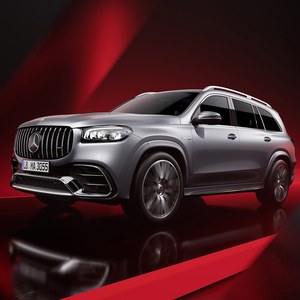
Mercedes-Benz Mercedes-Benz GLS 2022 Second Facelift GLS 450 4MATIC Fashion
How to buy a Mercedes-Benz Gls from China
-
1
Define the destination and use case
Name the destination, import route, passenger or load requirements and preferred steering side. This turns the trim search into a compliant shortlist.
-
2
Shortlist the right powertrain
Compare diesel, gasoline, plug-in hybrid, luxury and AMG roles against local fuel, charging and road conditions. Confirm the exact engine and equipment in the live listing.
-
3
Review unit-level listings
Open the live Mercedes-Benz GLS inventory and compare VIN, model year, facelift, trim, condition, mileage, options and documents. Treat every vehicle as a separate unit.
-
4
Request an itemized export quote
State the destination, Incoterm, currency and required quantity. Ask the seller for vehicle and transport components, and the broker or forwarder for applicable duties, taxes and destination charges.
-
5
Verify title and compliance
Confirm ownership, export eligibility, VIN, steering side, roadworthiness and local approval requirements with the relevant broker. Check insurance and registration conditions before final commitment.
-
6
Inspect before final settlement
Commission an independent pre-shipment inspection and reconcile condition, mileage, options and accessories. Hold the balance against a satisfactory report and the agreed documentary steps.
-
7
Book freight and release
Confirm loading method, securing, insurance, route, Incoterm and delivery plan. Pay only through the stated account after approval and retain the contract, invoice and payment evidence.
Gls vs rivals
| BMW X7 | The X7 is the closest like-for-like full-size luxury SUV, with comparable three-row and all-wheel-drive positioning. It is a strong benchmark when cabin style, handling preference or local BMW support outweigh the GLS’s stronger rear-seat and Chauffeur focus. |
|---|---|
| Audi Q8 | The Q8 has a sleeker, more style- and driver-focused SUV shape, but its lower roof and less upright rear area make it less suitable for buyers prioritizing maximum third-row space and family cargo flexibility. It can suit lower-occupancy executive use. |
| Cadillac Escalade | The Escalade is a direct full-size alternative with an upright cabin, strong road presence and substantial passenger space. Consider it where its badge, dealer familiarity or market economics work better, while separately evaluating parts, fuel use and destination support. |
Frequently asked questions
How is Mercedes-Benz GLS export pricing determined?
The live amount reflects unit-specific factors such as year, trim, powertrain, condition, mileage, options and seller terms. Exchange rates, freight, insurance, port charges, duties, taxes and Incoterms can change the landed cost. Compare the live GLS listings for the current vehicle amount, then request an itemized quote for your destination and terms.
Does the GLS have an electric range or battery?
Most GLS variants are combustion-powered; the GLS 480 is a plug-in hybrid, so battery capacity, electric range and charging details depend on the exact year and specification. Non-plug-in versions do not have a battery-driven range. Verify the engine, battery and certified range in the live unit listing before comparing efficiency or charging needs.
Should I buy a new or used Mercedes-Benz GLS?
New vehicles suit buyers prioritizing current design, equipment and documented delivery status, while used vehicles can offer lower acquisition cost but greater wear and service-history risk. Compare the actual unit, not just the model year. For used cars, request records, condition evidence and a pre-shipment inspection; for new cars, reconcile production and factory documents.
What is the MOQ for a GLS export order?
MOQ is set by the seller and listing, so check the live record and written quotation. Some offers accept one vehicle, while others require several units or a container. Consolidation may reduce freight but adds coordination, title and damage risks.
What determines shipping time and cost?
Origin clearance, inspection, loading method, route, transshipment, congestion, customs, destination charges and inland delivery all affect the quote and schedule. The GLS may travel by container or roll-on/roll-off, subject to provider acceptance and vehicle dimensions. Ask the forwarder for a written estimate with assumptions and a realistic schedule.
How are spare parts handled for an imported GLS?
Confirm before purchase that the seller or forwarder can supply genuine Mercedes-Benz parts or clearly identify aftermarket alternatives and lead times. Availability varies by market, especially for electronic, trim-specific or older components. Include service support, parts channels and warranty validity in destination-country due diligence.
Is a right-hand-drive Mercedes-Benz GLS available for export?
RHD examples may exist, but availability varies and the country of sale does not prove steering configuration. Confirm the VIN-level steering side and ask the broker whether the destination accepts that layout. Also check lighting, emissions, language, registration and insurance rules before ordering.
How do I order a Mercedes-Benz GLS from China?
Shortlist a live listing, request an itemized quotation with destination, Incoterm, currency and MOQ, then obtain a written contract or pro forma invoice. Verify the unit, ownership, export eligibility and destination compliance, and inspect before final balance payment. Use the stated payment channel, complete the shipping documentation and request a quote through ChinaCarDirect.
Ready to source the Mercedes-Benz Gls?
Send your destination, trim preference and required quantity to ChinaCarDirect for a unit-specific GLS export quote.
Request a quote