
Mercedes-Benz M-Class Export Buying Guide for Overseas Buyers
Buy a Mercedes-Benz M-Class from China with practical guidance on trims, diesel and petrol options, export pricing, MOQ, shipping, compliance and rivals.

At a glance
- The M-class is a premium midsize SUV, with many vehicles still carrying ML trim badges.
- ML 350, ML 320, ML 400 and AMG ML 63 variants cover comfort, 4MATIC and performance positions.
- Three-litre diesel examples exist, but every unit needs engine and fuel verification.
- Used buying decisions should center on the VIN, history, condition and total ownership cost.
- Live listings carry the current per-unit price, MOQ and availability.
Why the Mercedes-Benz M-class matters for export markets
The Mercedes-Benz M-class is a premium midsize SUV that combines the elevated seating position and road presence expected of an SUV with the ride, refinement and brand positioning normally associated with a luxury passenger car. Across export markets, it appeals to dealers and importers seeking a recognizable nameplate rather than a niche off-road product. Many M-class vehicles carry “ML” trim badges, so buyers should search both names and compare the VIN-level specification. This distinction matters because badge names alone do not reliably confirm engine, drivetrain, equipment, or market of origin.
Demand for the model in export markets is driven by practical as well as emotional considerations. A buyer can compare luxury styling, a five-seat cabin, cargo capacity and the availability of four-wheel-drive versions with specialized off-road products. Petrol and diesel choices also matter: the M-class has served markets with different fuel economics, tax policies and driving habits, so a vehicle that suits one destination may be inefficient in another. Fleet buyers should also examine parts availability and serviceability before assuming a premium badge will remain economical over the vehicle's intended operating life.
The M-class's export relevance is strongest where buyers want a full-size-feeling luxury SUV that still fits established passenger-car logistics. It is less compelling where narrow streets, tight parking, high fuel costs or restrictive urban emissions rules dominate. Because the model spans family transport, executive use and performance derivatives, the right commercial question is not whether the M-class is prestigious, but whether a particular powertrain, steering configuration and equipment package can be registered, serviced and operated economically in the intended market, with local ownership, taxation and expected resale prospects factored into the decision.
- Recognizable premium SUV for cross-market buyers.
- Verify ML badges against VIN-level specifications.
- Match fuel and serviceability to destination.
Model range, trims and powertrain variants: how the lineup is structured and how to choose
The export-relevant lineup includes several distinct trim identities: ML 350 Dynamic, ML 350 4MATIC Luxury, ML 320 4MATIC, ML 400 4MATIC Luxury and AMG ML 63. These labels communicate a mixture of equipment level and drivetrain, but they should not be treated as a complete global specification. A buyer should confirm engine, transmission, steering position, factory options and whether the badge matches the vehicle's registration and build documentation. The Mercedes-Benz brand hub is useful for discovery, but the vehicle record is the controlling source for the exact configuration being considered.
Power choices center on petrol and diesel engines. Some export-listed ML 350 vehicles are described as 3.0-litre diesel engines with five seats, while ML 320, petrol ML 350 and ML 400 variants use petrol powertrains in the model family. The AMG ML 63 is the performance flagship. Rather than infer output from the badge, buyers should check the live listing and ask for the engine designation, gearbox type, fuel requirement and any market-specific emissions equipment. Exact power figures and equipment should not be assumed from an export listing or its badge alone.
Choose the powertrain by operating environment rather than by prestige alone. Diesel may suit markets with favorable diesel availability and fuel economics, while petrol can be simpler where diesel servicing or emissions compliance is uncertain. Four-wheel drive can add traction and appeal in wet, snowy or mixed-road use, but it does not make the M-class a dedicated off-roader. The AMG variant prioritizes performance and may carry higher fuel, insurance, tyre and maintenance burdens. For a dealer order, select engine and drivetrain first, then carefully compare condition, equipment and landed cost.
- Confirm engine, fuel, gearbox, and 4MATIC status.
- Trim names are not complete specifications.
- Match diesel support to local demand.
New vs used Mercedes-Benz M-class: how export inventory is structured and how buyers choose
Mercedes-Benz M-class export inventory comes through different channels, so condition and legal status must be checked before comparing vehicles. Dealer-stock vehicles may be described as new, while used examples can come from auction, fleet or parallel-import channels. A parallel-import designation may appear in a listing title, so the seller's description and relevant supporting documents and dealer records matter. “New” is not proof of factory production; age, registration history and first-registration dates need verification. For business buyers, the provenance of the VIN is part of the product, not paperwork added later.
A used M-class should be evaluated as a vehicle with a history rather than merely a discount against a new one. Ask for the VIN, registration documents, service records, accident and repair history, tire condition, underbody inspection and photographs of the cabin and luggage area. A premium SUV can hide wear at the suspension, bushings, cooling system and electrical electronics. A pre-purchase inspection is especially valuable because trim names reveal little about an individual vehicle's condition. The inspection should also confirm that the engine, drivetrain and seating configuration match the vehicle.
New or new-old-stock vehicles can reduce uncertainty about wear and repair needs, yet they do not automatically lower total cost. Buyers should compare purchase price, depreciation, financing, insurance, fuel, service coverage, shipping and eventual resale. Used vehicles may offer value, but each unit needs more due diligence. The most defensible choice is the vehicle whose documented condition, running costs and compliance route fit the buyer's business plan. For fleet use, uptime and parts support may outweigh lower acquisition cost; for resale, condition and trim appeal usually matter more to buyers.
- Verify what “new” actually means.
- Inspect used vehicles for wear and repair history.
- Compare total ownership cost, not purchase price alone.
How export pricing works: the factors behind a live listing price, and how to read one
A Mercedes-Benz M-class export price is built from several variables rather than one fixed model-year price. The trim, engine, drivetrain, production period, mileage, condition, options and documentation all affect the vehicle's value. External costs then enter the calculation: the exchange rate, domestic transport, export handling, ocean or roll-on/roll-off freight, insurance, financing and the selected Incoterm. The same trim can therefore produce different totals depending on destination and shipping method. Age-related restrictions or compliance work can also change the final cost of importing an otherwise attractive vehicle in the destination market.
To read a live listing properly, separate the vehicle's asking terms from your landed cost. Start with model year, trim, engine description, gearbox, 4MATIC or other drivetrain designation, mileage, condition, VIN, seller location and photographs or reports supplied. Check whether the displayed price includes domestic transport, export documentation or freight, and identify the Incoterm and named place. Availability can change, so a quote should remain subject to unit inspection and written confirmation rather than inferred from an enquiry. Current, binding price and availability figures for each unit appear on ChinaCarDirect's live M-class listings.
An export-price comparison uses the same assumptions for every candidate. Convert each quote into one currency, state whether tax and duty are included, add transport and handling, and retain a contingency for exchange-rate movement or repairs discovered during inspection. Distinguish vehicle price, freight, insurance, customs value, taxes and the distributor's margin. This prevents a lower asking price from appearing attractive when the associated shipping terms or compliance costs are different. For a wholesaler, a transparent quotation with photographs, documents and validity dates is more useful than an irreproducible headline figure.
- Trim, engine, age, condition, and options set value.
- Freight, FX, tax, and Incoterms change the total.
- Use live figures and written quotations.
MOQ, ordering and payment: single units vs consolidating a container
The minimum order quantity is a commercial term set by the seller or listing, not a permanent characteristic of the M-class. ChinaCarDirect's live listings state the requirement for the unit being considered, and buyers should confirm it before placing funds. A single-unit purchase may suit a specialist importer or test vehicle, but it does not automatically secure the most economical freight rate. Conversely, a larger consolidation can improve unit economics while increasing capital exposure, inspection workload and the time needed to assemble compatible vehicles. Confirm all terms in writing first.
Container consolidation requires more than placing M-class units on one shipment. The vehicles should share a destination, importer, documentation route and compliance status; steering position, fuel type, age and specification must all be considered. Each unit needs a VIN check and condition report, and the buyer should decide whether mixed trims will complicate parts planning, resale timing or retailer preparation. Consolidating many unverified vehicles can turn a freight saving into a larger inspection and demurrage risk. A mixed but inspected group can still work when the commercial plan accepts mixed inventory.
A clear ordering sequence protects dealer and importer. Request an RFQ against a listing or VIN, ask for a written pro forma invoice, confirm the MOQ, deposit, balance trigger, payment method, inspection standard, refund terms and shipment deadline, then reserve the unit only after those terms are clear. Payment milestones should follow document delivery and satisfactory inspection rather than a promise. For a container order, use a unit schedule listing each VIN, trim, condition and agreed selling or allocation terms. Keep every amendment and serial-number change in the final contract.
- Confirm listing-specific MOQ before ordering.
- Use a VIN schedule for consolidation.
- Tie final payment to inspection and documents.
Shipping, homologation and market compliance caveats: LHD/RHD and import rules by country
Steering configuration is the first import check. M-class vehicles may be left-hand drive or right-hand drive, and a seller must confirm the actual configuration rather than infer it. A steering conversion can improve usability but does not by itself satisfy type approval, lighting, safety or registration rules in the destination. Buyers who require a right-hand-drive vehicle should place that requirement in the RFQ and reject a shipment that does not meet the written specification. That prevents avoidable rejection at the border or during registration and avoids transport commitments for a non-compliant vehicle.
Import rules are determined by the destination country, not by the vehicle's ability to arrive. Regulators may apply age limits, emissions standards, safety and equipment requirements, customs valuation, VAT, duty, documentation checks and restrictions on modified vehicles. Used-vehicle age policies can exclude exportable stock. Obtain a written import and homologation assessment from a customs broker or vehicle-compliance specialist before committing funds, and confirm whether inspection, emissions certification, securing or conformity work is required. The same vehicle can be straightforward in one market and costly or prohibited in another market entirely.
Logistics planning should begin after compliance is understood. Depending on the vehicle and carrier, an SUV may travel in a standard container or on a roll-on/roll-off vessel, with cost and availability varying by port, sailing schedule, securing requirements and handling. Ask the freight forwarder for the route, loading method, insurance, inspection point and space-use implications. Before loading, verify the VIN against the shipping document, photograph exterior and interior, inspect for transit damage and retain all export documents. Do not release final payment until the pre-shipment condition has been accepted in writing.
- Specify LHD or RHD before selection.
- Check destination age, emissions, safety, and tax rules.
- Verify VIN and condition before final payment.
Who should buy the M-class — and who should pick a different vehicle
The M-class fits buyers who want a premium SUV with a cabin, high seating position and a choice of luxury or performance trims. It appeals to importers serving customers who value Mercedes-Benz recognition, four-wheel-drive availability and a long-distance road presence. The 4MATIC variants can suit fleets needing all-weather confidence, while the AMG ML 63 serves a narrower performance market. Buyers should select the derivative from demand in their country rather than assume the highest trim will resell fastest. That is especially true for imported used stock offered in export markets.
It is a weaker choice for budget buyers, high-mileage work fleets, operators in congested cities and markets with punishing fuel or emissions costs. Premium insurance, servicing, tyres and parts can outweigh the benefits of the badge, especially if the intended use involves daily mileage. Buyers who need passenger capacity should verify seating rather than assume it: some export ML 350 examples are five-seat vehicles. A commercial van or compact SUV may deliver lower operating cost with less administrative and compliance exposure. Dealers should model the cost of keeping variants in stock.
The sensible purchase is often a compromise among condition, drivetrain and specification. A dealer may choose a used ML 350 Dynamic for broad family-market appeal, an ML 400 4MATIC Luxury for equipment and all-wheel drive, or a diesel ML 350 where local demand supports it. An ML 63 belongs in a different sales plan because its insurance, fuel and maintenance profile can narrow the buyer pool. Test the chosen vehicle against customer orders and local tax rules before committing inventory. A clear use case prevents badges from becoming purchasing errors.
- Best for premium SUV, 4MATIC, and AMG niches.
- Less suitable for strict-budget, high-mileage use.
- Match seating and parts support to local demand.
Main rivals and how the M-class compares
The BMW X5 is the closest like-for-like rival because it pairs a premium midsize SUV format with luxury, diesel and four-wheel-drive choices across the relevant era. Buyers can compare the M-class's 4MATIC models with the X5's xDrive variants and should compare diesel servicing, boot usability, equipment and parts support rather than badges. For AMG ML 63 customers, the BMW X5 M is the more direct performance comparison, with both offering high power at running costs that need business planning. Availability should be assessed separately for each market before any purchase.
The Audi Q7 is a direct alternative for buyers prioritizing a premium cabin, four-wheel drive and a family SUV. Its quattro system provides a comparable traction proposition to 4MATIC, while equipment, infotainment, diesel availability and dealer support can differ by country. The Volvo XC90 is a more family-focused alternative, particularly where seven-seat configurations are important and a distinctive safety-led image helps resale. Neither badge automatically proves better economics; compare the engine, condition and destination-specific running costs. A live quote and import assessment are needed before importers carefully choose between them.
Procurement teams should compare rivals with the worksheet used for the M-class: vehicle price, condition, powertrain, drivetrain, freight, tax, compliance work and expected resale. The X5 may be preferable where BMW planning and parts availability are stronger; the Q7 where its equipment package suits the market; and the XC90 where larger family seating is the priority. The M-class remains compelling when Mercedes-Benz design, its 4MATIC or AMG positioning, and the unit's condition align with the importer's customer base. That makes the final decision evidence-led rather than purely badge-led and more defensible.
- BMW X5: closest direct luxury-SUV comparison.
- Audi Q7: quattro-focused premium alternative.
- Volvo XC90: stronger seven-seat family focus.
Live Mercedes-Benz M-class export inventory
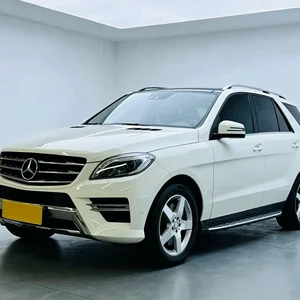
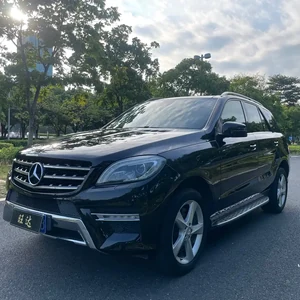
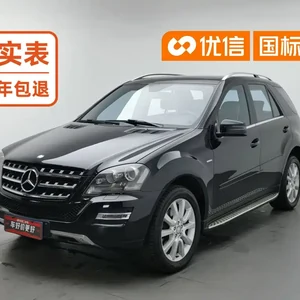
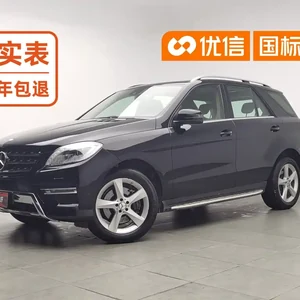
View all listings →Real units currently on ChinaCarDirect with per-unit asking prices and MOQ. Availability updates live from the catalogue.
How to buy a Mercedes-Benz M-class from China
-
1
Define the destination and required specification
Specify the destination country, fuel, LHD or RHD layout, seating, drivetrain, trim and intended use. Separate mandatory local requirements from commercial preferences before shortlisting vehicles.
-
2
Review the live M-class inventory
Compare the exact unit, VIN, model year, trim, engine, condition, seller information and current price shown on each live listing. Confirm the listing-specific MOQ and availability rather than relying on an earlier enquiry.
-
3
Request records and a condition report
Ask for registration and export documents, service history, repair disclosure, photographs and an inspection covering the engine, underbody, suspension, tyres and electrical systems. Verify that the stated configuration matches the VIN.
-
4
Request a landed quotation and written terms
Ask the seller to state the vehicle price, Incoterm, freight scope, insurance, payment milestones, refund conditions and quote validity. Clarify which customs duties, taxes and compliance charges are excluded.
-
5
Complete a destination compliance review
Give the VIN and vehicle description to a local customs broker or compliance specialist. Confirm age, emissions, safety, steering, registration, VAT or duty and any required conformity work before shipping.
-
6
Inspect and approve the final unit
Use an independent pre-purchase or pre-shipment inspection and reconcile all findings with the signed contract. Do not release the balance until the vehicle, documents and agreed inspection standard have been accepted.
-
7
Arrange shipment and retain the export file
Book the agreed container or carrier route through a freight forwarder, verify loading and securing, and photograph the vehicle before departure. Keep the VIN-matched invoice, inspection report, export declaration and transport documents in one file.
M-class vs rivals
| BMW X5 | The X5 is the closest general rival in size, luxury positioning and available diesel or xDrive choices. Compare the exact engine, cargo usability, condition, local parts support and landed cost; the X5 M is the more direct alternative for AMG ML 63 buyers. |
|---|---|
| Audi Q7 | The Q7 offers a comparable premium family-SUV proposition, with quattro providing a direct alternative to 4MATIC. Equipment, diesel availability, infotainment and dealer support may vary by country, so the better choice depends on local demand and compliance. |
| Volvo XC90 | The XC90 is a practical alternative for buyers who prioritize larger family accommodation and, where available, seven-seat configurations. It may broaden family-market appeal, but engine mix, fuel economy, condition and landed cost should be compared directly with the M-class. |
Frequently asked questions
How is the Mercedes-Benz M-class export price determined?
The price reflects the vehicle's year, trim, engine, drivetrain, mileage, condition, options and documentation, plus freight, insurance, exchange-rate effects, taxes and the selected Incoterm. Compare the vehicle price and landed cost separately. Current, binding per-unit prices and availability are shown on ChinaCarDirect's live M-class listings.
What engine and range should an M-class buyer expect?
The M-class vehicles covered here are combustion-powered, so battery capacity and electric range are not applicable. Some ML 350 examples use a 3.0-litre diesel, while ML 320, ML 350 and ML 400 variants can use petrol engines. Confirm the exact engine, fuel and gearbox on the individual live listing.
Should an importer choose a new or used Mercedes-Benz M-class?
A new or new-old-stock vehicle may reduce uncertainty about wear, but it does not guarantee lower total ownership cost. A used M-class can offer better value if its VIN, service history, repairs and mechanical condition are properly verified. Base the decision on depreciation, operating costs, compliance and expected resale rather than on condition labels alone.
How does the M-class minimum order quantity work?
MOQ is a seller or listing term rather than a permanent feature of the model. A single-unit request may be possible for some offers, while container suppliers may work to grouped requirements. Read the MOQ on the specific live listing and reconfirm it in the RFQ and pro forma invoice before paying a deposit.
What determines shipping time and cost for an M-class?
Shipping time and cost depend on the origin and destination ports, vessel schedule, carrier space, loading method, securing, insurance, port handling and customs clearance. Vehicle dimensions, compliance work and shipment consolidation can also affect the result. Ask the freight forwarder for a route-specific quote rather than relying on a generic delivery estimate.
Are spare parts readily available for imported M-class vehicles?
Parts availability depends on the destination, model year, engine and whether dealers stock genuine Mercedes-Benz parts or quality-compatible alternatives. Provide the VIN and exact part number when requesting quotations, and compare the landed cost and lead time. If a component must be imported, freight and customs can materially increase its price.
Is right-hand-drive Mercedes-Benz M-class availability limited?
Right-hand-drive availability depends on the individual vehicle, trim and market; it should never be inferred from photographs or a badge alone. State the steering requirement in the RFQ and confirm it against the VIN and viewing. A conversion does not automatically satisfy local type-approval and registration requirements.
How do I order a Mercedes-Benz M-class from China?
Select a unit from the live M-class inventory, request an RFQ and verify the VIN, specification, documents and condition. Review a written pro forma invoice covering MOQ, payment, inspection, Incoterm and delivery terms. Complete destination compliance, approve the vehicle inspection, release payment against the agreed milestones and retain the VIN-matched export file.
Ready to source the Mercedes-Benz M-class?
Send ChinaCarDirect your destination, trim, engine, steering layout, quantity and compliance needs for a current Mercedes-Benz M-class quotation.
Request a quote