
Mercedes-Benz S-class Export Buying Guide for Dealers
Plan a Mercedes-Benz S-class export purchase with guidance on trims, powertrains, pricing, MOQ, shipping, compliance and key rivals to compare.
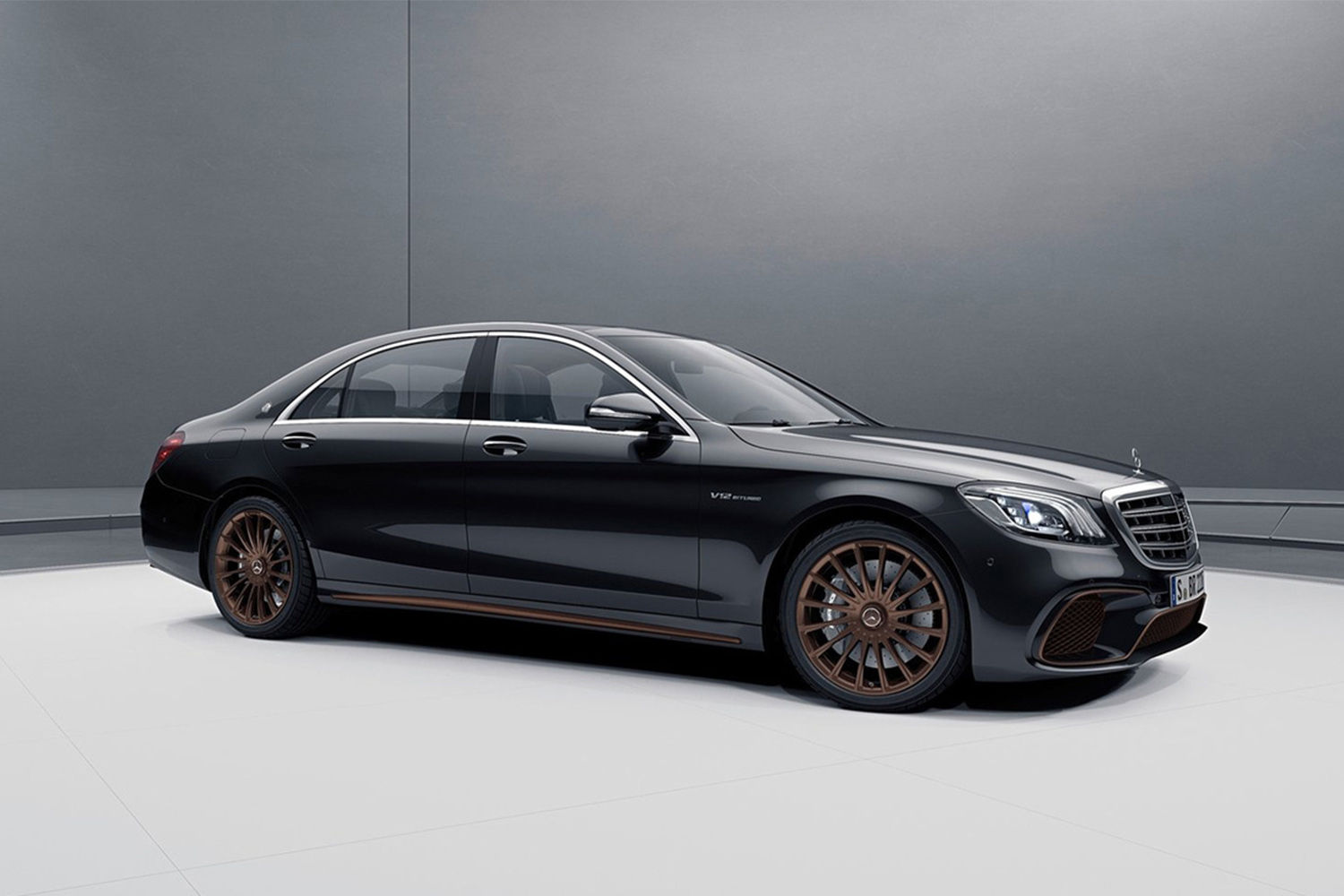
At a glance
- The S-class is Mercedes-Benz’s flagship full-size luxury sedan, with emphasis on rear-seat comfort, quietness and technology.
- Long-wheelbase sedans, 4MATIC variants and an AMG S 63 Coupe cover executive, fleet and performance use cases.
- Engine output, transmission, hybrid equipment and dimensions vary by trim and model year, so the VIN-specific build sheet matters.
- New, nearly new and used cars serve different capital, warranty and condition priorities.
- Buyers should compare a complete landed cost rather than the vehicle-only listing amount.
- RHD configuration, local homologation, title documents and spare-parts support must be checked before an order.
Why the Mercedes-Benz S-class matters for export markets
The Mercedes-Benz S-class is the brand’s flagship full-size luxury sedan, combining rear-seat space, ride isolation, technology and executive presence. That positioning gives it clear appeal to chauffeur services, premium corporate fleets, luxury hotels and dealers serving affluent private buyers. For overseas purchasers, the model offers a recognizable badge and a broad selection of long-wheelbase sedans, 4MATIC variants and AMG derivatives rather than a single configuration. The choice, however, depends heavily on destination-market rules, trim specification and whether the vehicle is configured for left- or right-hand-drive use with local homologation.
Global demand is strongest where comfort, status and a formal rear cabin matter more than minimal operating cost. Airport transfers, diplomatic and executive transport, luxury rental programs and high-end hospitality can all justify the S-class, while company-car buyers may prefer it for image and passenger isolation. Dealers should compare those use cases with fleet policies on residual values, fuel consumption, maintenance and downtime; a prestigious model is not automatically the cheapest long-term operating asset. A buyer should therefore model utilization, carrying capacity and service support before committing to a large fleet order.
The export case also changes by region. European and Middle Eastern buyers may prioritize rear accommodation and options, while Chinese-market long-wheelbase versions are particularly relevant to chauffeur and executive use. In markets with developed premium-car networks, parts and workshop familiarity can support ownership; elsewhere, that support may be thinner. The correct export choice is therefore not simply the most luxurious badge, but the variant whose equipment, service requirements and legal configuration suit the destination and operating plan. This is especially important for RHD destinations, where a left-hand-drive conversion cannot be treated as a routine trim choice.
- Long-wheelbase models prioritize rear space.
- 4MATIC supports all-weather fleet use.
- AMG S 63 targets performance buyers.
Model range, trims and powertrain variants: how the lineup is structured and how to choose
Chinese-market S-class naming can look complicated because the same model family appears with different displacement-related badges, wheelbase treatments and equipment tiers. The export selection includes designations such as S 320 L Business, S 400 L Luxury, S 450 L 4MATIC, S 480 4MATIC and S 500 L 4MATIC, plus the AMG S 63 4MATIC+ Coupe. For procurement, the badge is only the start: identify the exact model year, body style, drivetrain, engine and factory options on the individual vehicle. Treat descriptive trim names as commercial labels, not a substitute for the build sheet or VIN record.
For non-AMG sedans, the practical choice usually starts with the S 320 L or S 400 L for buyers seeking the lower part of the range, the S 450 L or S 480 for a more powerful 4MATIC-oriented proposition, and the S 500 L for a higher-output V8-led configuration. Engine architecture, output and gearbox details vary by generation, so buyers should not infer them from a trim photograph. Request the VIN-specific engine code, output, transmission, fuel type and any hybrid equipment before calculating tax, insurance or performance or charging requirements where fitted.
The AMG S 63 4MATIC+ Coupe is a separate buying decision. Its coupe body, high-performance drivetrain and AMG-specific equipment prioritize acceleration, visual differentiation and brand image over the S-Class sedan’s natural strength in rear-seat business travel. The wider S-class range also includes regular sedans, AWD variants, and potentially hybrid/electrified versions depending on year and market. Because powertrain labels do not disclose usable electric range or charging provisions on their own, any electrified car requires a specification sheet and real-world operating check before it enters any long-term fleet procurement plan. That diligence is non-negotiable.
- S 320 L/S 400 L suit business fleets.
- S 450 L/S 480/S 500 L add hierarchy.
- AMG S 63 is a separate performance choice.
New vs used Mercedes-Benz S-class: how export inventory is structured and how buyers choose
New, nearly new and used S-class vehicles should be evaluated as separate procurement channels. New cars can offer clearer ownership history, current model-year specification and manufacturer warranty, although an older production year may still be classified as new. Nearly new or demonstrator vehicles can reduce initial depreciation while retaining much of that reassurance. Used imports add age and mileage choices, but condition, service history and remaining factory warranty become more important. The live ChinaCarDirect listings are the source for each vehicle’s current condition rather than broad category labels shown in promotional copy.
For a dealer or fleet buyer, new inventory can suit customers who prioritize delivery timing, standardized specification and a straightforward handover process. A used unit may make more sense where capital preservation, a specific factory option or a lower purchase commitment matters. Compare the same trim across conditions only after checking VIN, registration status, odometer disclosure, accident history, paint condition, cabin wear, tyre age and service records. A low purchase figure can be offset by repairs, missing equipment, software work or a shorter warranty that was never fully transferred locally.
The most useful comparison is total operating exposure over the intended holding period, not the condition badge alone. For a high-utilization chauffeur or rental fleet, reliability, downtime, fuel use and parts lead time may outweigh factory warranty. For an executive buyer, cabin condition, quietness, rear comfort and immediate delivery may dominate. Ask each seller for a signed vehicle description, title or ownership documents, maintenance record and photographs of the VIN plate, then have an independent inspector verify the physical car before payment, especially when the vehicle is moving between distant ports and buyers.
- New: warranty and clean history.
- Used: verify condition and mileage.
- Nearly new: assess depreciation.
How export pricing works: the factors behind a live listing price, and how to read one
An S-class export listing price is a quotation for a specific vehicle, not a universal model price. The principal drivers are model year, trim, body style, engine and drivetrain, factory options, mileage and condition for used units, ownership history, and whether the seller is offering a vehicle-only or logistics-inclusive arrangement. Currency movements can also alter what a buyer pays. Two cars carrying similar badges can therefore occupy very different positions in the market, so the comparison must be made at VIN and specification level before discussing a deposit or freight booking.
When reading a live listing, establish what the displayed amount includes. It may reflect only the vehicle, while freight, marine insurance, export handling, inland transport, destination charges, VAT or duty, registration, inspection and dealer margin can sit elsewhere. Check the Incoterm, named place, payment currency and validity period. A buyer comparing wholesalers should then build a landed-cost worksheet that keeps the vehicle, logistics, taxes and compliance costs in separate columns. This prevents a cheaper vehicle quotation from becoming more expensive after port arrival, and makes negotiation with different suppliers easier to compare.
Wholesale buying should also account for the cost of uncertainty. An unclear VIN, non-transferable registration, missing export documents or a vehicle presented under a generic trim description can force costly rebooking. Conversely, a transparent listing with photographs, option sheets, service records and a firm quote can reduce friction even when its amount is not the lowest. Use the live S-class inventory to compare relevant examples and confirm the current, unit-specific price, MOQ and availability; then ask the seller for a written, unit-specific quotation with all exclusions and validity stated. The same discipline applies to deposits, balances and claims once the vehicle has left the origin port.
- Compare VIN-specific listings.
- Separate landed-cost components.
- Request written quote exclusions.
MOQ, ordering and payment: single units vs consolidating a container
MOQ is a transaction term, not an inherent property of the S-class, and it must be checked on the live listing or confirmed in the supplier quotation. Some export sellers accept one vehicle; others set minimum quantities for a mixed-model container or offer different pricing at fleet volume. Do not infer a universal MOQ from the model’s market positioning. The quantity, trim mix, destination and payment terms should be stated together so the buyer can compare the real commercial offer. A sample-unit request does not guarantee container allocation at dispatch.
A single-unit purchase suits dealers testing demand, corporate buyers needing a small number of vehicles and customers with highly specific trim requirements. It offers lower inventory exposure and simpler initial cash planning, but each unit must still be quoted, inspected and documented. If the seller requires a larger quantity, request a written consolidation plan showing how units will be allocated, whether all must share one specification, and who bears losses if one vehicle becomes unavailable before final payment. Clarity at this stage prevents delays at inspection, payment release and vessel loading.
Payment structure should reflect control over the vehicle and the shipment. The buyer and supplier should agree on the currency, deposit, balance trigger, documentary conditions, refund terms and the point at which risk passes. Independent inspection and clear title documents are particularly important before releasing the balance. For a consolidated order, separate serial numbers, trim allocations and condition records must appear on the final invoice and packing list; otherwise the receiving warehouse may not be able to reconcile the cargo and resolve discrepancies before container release at the destination port.
- Verify listing-specific MOQ.
- Single units reduce inventory exposure.
- Container orders need allocations and serials.
Shipping, homologation and market compliance caveats: LHD/RHD and import rules by country
Steering configuration is a critical export variable. Vehicles prepared for the Chinese market are commonly left-hand drive, while some destination markets require or strongly favor right-hand drive. A conversion can involve far more than moving the steering wheel: instrument clusters, infotainment, lighting, controls, safety systems and regional software may need attention. Some S-class configurations are not offered directly in the required form, so buyers should ask whether the unit is factory-configured or converted and require documentary confirmation before paying. Local roadworthiness and resale value depend on doing this correctly from the outset.
Import permission is not universal. Destination authorities may regulate emissions, safety, cybersecurity, radio equipment, vehicle identification, insurance, taxation and modification, and they may require a certificate of conformity, technical inspection or registration evidence. Rules can also depend on engine type, model year, emissions standard and whether the car is new or used. Buyers should obtain a written import assessment from a local customs broker or compliance specialist before placing a non-refundable order. The assessment should identify permits, port procedures, age restrictions, duty and tax treatment, and any modifications requiring approval.
Shipping cost and timing depend on the chosen method, origin and destination ports, vessel space, cargo volume, documentation, insurance, fuel surcharges and handling requirements. A specialist vehicle carrier or Ro-Ro service may be appropriate for finished cars, while containerization can require careful securing and load planning. Confirm the loading method, estimated sailing and transit windows, insurance coverage and demurrage responsibility in writing. Because schedules and charges change, treat any estimate as a planning range rather than a fixed promise. At destination, budget for terminal charges, customs clearance, inland delivery and registration.
- Confirm steering configuration.
- Secure import approval.
- Price all logistics and duties.
Who should buy the S-class — and who should pick a different vehicle
The S-class is a strong fit for executive chauffeur operations, premium hotels, VIP transport, luxury rental programs, diplomatic or corporate fleets where passenger presentation matters, and dealer customers seeking a flagship luxury sedan. The long-wheelbase versions can be especially practical for rear-seat passengers and airport transfers, while 4MATIC may appeal where wet-weather confidence or broader road coverage is important. The decision should begin with the required use case rather than the prestige badge. Buyers should compare usable rear space, luggage capacity, duty cycles, fuel or energy consumption, service intervals and residual performance.
It is a weaker choice for budget fleets, high-mileage commercial operations and buyers whose main priorities are low operating cost, compact dimensions or easy maintenance. Premium sedans can carry higher insurance, fuel, tyre and parts costs, and complex driver-assistance or comfort systems may increase downtime if local workshop support is limited. A plug-in or hybrid version may improve energy efficiency, but only if charging access, range methodology and local incentives make it suitable. Otherwise, a lower-tier luxury model may deliver a better ownership case for the buyer’s actual mileage profile.
Before buying, define the passenger profile, annual mileage, load, route conditions, charging or fuelling arrangements, service radius and expected holding period. Test the rear seats and trunk in person if possible, review ride and noise expectations, and confirm that the chosen steering configuration and infotainment language suit the market. A vehicle that suits an individual executive may be inappropriate for a large fleet because comfort features add bulk, while an AMG derivative should be reserved for buyers who value performance and image enough to accept the associated costs and trade-offs.
- Strong fit for executive and VIP use.
- Weak fit for budget-intensive fleets.
- AMG suits performance priorities.
Main rivals and how the S-class compares
The BMW 7 Series is the most direct rival because it combines a flagship luxury-sedan format, long-wheelbase executive versions, strong technology and comparable dealer or fleet use cases. The S-class generally emphasizes a more isolated ride, rear-passenger calm and Mercedes presentation, while the 7 Series offers its own balance of handling, comfort and powertrain choice. Actual value depends on specification, condition and landed cost; badges alone do not determine the better business case. Buyers should compare rear-room measurements, luggage volume, service intervals, parts access and total ownership assumptions for the exact vehicle.
The Audi A8 competes through a more understated design, a spacious four-door format and supercharged or electrified powertrain options in relevant markets. It can suit buyers who want flagship presence without the S-class’s strongest visual identity, and its quattro drivetrain provides a familiar all-wheel-drive alternative. The Mercedes may still be preferable for executive comfort, cabin refinement and brand recognition, but the A8 deserves direct comparison on fuel use, technology, ride quality and the cost of parts and servicing. Availability in the buyer’s destination market can be just as important as the specification sheet.
The Lexus LS is another credible alternative for buyers who place reliability, low-key styling and long-term ownership consistency above the S-class’s badge impact. Its hybrid-focused range can appeal to organizations with firm emissions and fuel policies, although local model availability and parts support may be narrower than for Mercedes-Benz in some export markets. The S-class is usually the stronger emotional and executive-status proposition; the Lexus can be the more rational operational choice where utilization is high and discretion matters more than presence. Compare all three on landed cost and local support.
- BMW 7 Series: direct sedan rival.
- Audi A8: understated quattro option.
- Lexus LS: reliability-led alternative.
Live Mercedes-Benz S-class export inventory
View all listings →Real units currently on ChinaCarDirect with per-unit asking prices and MOQ. Availability updates live from the catalogue.
Mercedes-Benz Mercedes-Benz S-Class 2019 S 350 L Luxury Ultimate Edition
Mercedes-Benz Mercedes-Benz S-Class AMG 2018 AMG S 63 4MATIC+ Coupe
How to buy a Mercedes-Benz S-class from China
-
1
Define the use case and destination
Specify body style, seating, passenger profile, annual mileage, route conditions, steering configuration and local charging or fuelling arrangements before selecting a trim.
-
2
Build a VIN-specific shortlist
Review the live S-class inventory and compare vehicles by model year, trim, drivetrain, body style and factory options rather than relying on badge names alone.
-
3
Request the build sheet and documents
Ask for the VIN, equipment list, ownership documents, export documents, maintenance records and photographs tied to the individual vehicle.
-
4
Inspect the vehicle independently
For a used car, verify the odometer, accident history, paint, cabin wear, tyres and service records. For a new car, confirm that the factory condition and promised delivery specification match the contract.
-
5
Build a landed-cost quotation
Separate the vehicle cost from freight, insurance, export handling, destination charges, duty, taxes, registration and inspection. Record the currency, Incoterm, named place and quote validity.
-
6
Confirm compliance and commercial terms
Check local import approval, emissions and safety requirements, RHD suitability, MOQ, payment milestones and any restrictions on mixed-model container allocations.
-
7
Pay, release and ship
Use agreed documentary and inspection conditions for payment release, then confirm serial numbers, packing lists, loading method, insurance and shipment tracking before the vehicle leaves its origin port.
S-class vs rivals
| BMW 7 Series | The 7 Series is the closest full-size luxury-sedan competitor, with comparable long-wheelbase executive use cases and a different balance of handling, comfort and technology. The S-class generally prioritizes rear-passenger calm and executive presence, but the better fleet decision depends on the exact specification and landed cost. |
|---|---|
| Audi A8 | The A8 offers a more understated flagship alternative with quattro all-wheel-drive and relevant supercharged or electrified powertrains. It may suit buyers seeking flagship capability without the S-class’s strongest visual identity, while Mercedes-Benz may retain an advantage in executive comfort and brand recognition. |
| Lexus LS | The Lexus LS competes through reliability, restrained styling and hybrid-focused ownership, making it a rational option for high-utilization organizations. The S-class remains stronger for executive status and passenger presence, but local LS availability and parts support should be checked before selection. |
Frequently asked questions
How is Mercedes-Benz S-class export pricing determined?
Pricing is set per vehicle and reflects model year, trim, powertrain, options, condition, exchange rates, freight and the selected Incoterm. Confirm the current amount, inclusions, validity, MOQ and availability on the live ChinaCarDirect listing, then request a written quotation for the VIN you intend to purchase.
Which engine and powertrain options can buyers expect?
The range includes petrol sedans such as S 320 L, S 400 L, S 450 L, S 480 and S 500 L, plus AMG derivatives, with rear-wheel drive or 4MATIC depending on trim. Engine displacement, output, transmission and hybrid equipment vary, so buyers should use the VIN-specific build sheet rather than assuming a range or charging specification.
Are new or used Mercedes-Benz S-class vehicles better for export?
New cars generally offer the cleanest ownership history and warranty position; nearly new cars can balance depreciation with low wear; used cars add mileage and condition choices but require more diligence. Compare the same trim on total operating exposure, service support, documentation and repair risk.
What is MOQ, and can I buy a single Mercedes-Benz S-class?
MOQ is set by the seller, listing and transaction rather than by the S-class model itself. Some offers may accept a single unit, while others may expect a container quantity; the current requirement appears on the live listing and must be confirmed in the quotation before payment.
How long does shipping take, and what affects the cost?
Shipping time and cost depend on origin and destination ports, vessel space, cargo volume, loading method, documentation, insurance, fuel surcharges, customs clearance and inland delivery. Treat estimates as planning ranges, confirm the Incoterm and risk-transfer point, and budget destination charges rather than assuming a fixed transit time.
Are spare parts available for an exported S-class?
Spare-parts support is usually strongest where Mercedes-Benz has an established dealer network, but availability still depends on the exact vehicle, VIN, market and software generation. Before ordering, ask for a parts and maintenance checklist, confirm electronic software support and check local workshop capability for both pre- and post-delivery service.
Can I buy a right-hand-drive Mercedes-Benz S-class from China?
Chinese-market S-class vehicles are commonly left-hand drive, while factory right-hand-drive availability depends on the model and market. A conversion may affect controls, safety systems, software, documentation and approval, so require proof of configuration and local homologation before ordering for an RHD destination.
How do I order a Mercedes-Benz S-class export?
Start with the live S-class listings, select a VIN, request the build sheet and documents, obtain a landed quote and complete destination compliance checks. Then agree the MOQ, payment milestones, inspection, serial-number allocation, Incoterm and shipping plan, releasing the balance only against the agreed documentary and inspection conditions.
Ready to source the Mercedes-Benz S-class?
Send an RFQ for a VIN-specific Mercedes-Benz S-class export quotation and destination compliance review.
Request a quote