
Mercedes-Benz V-Class Export Guide for Overseas Buyers
Compare Mercedes-Benz V-Class trims, powertrains, export pricing, MOQ, shipping and compliance, then compare live listings for overseas purchasing.
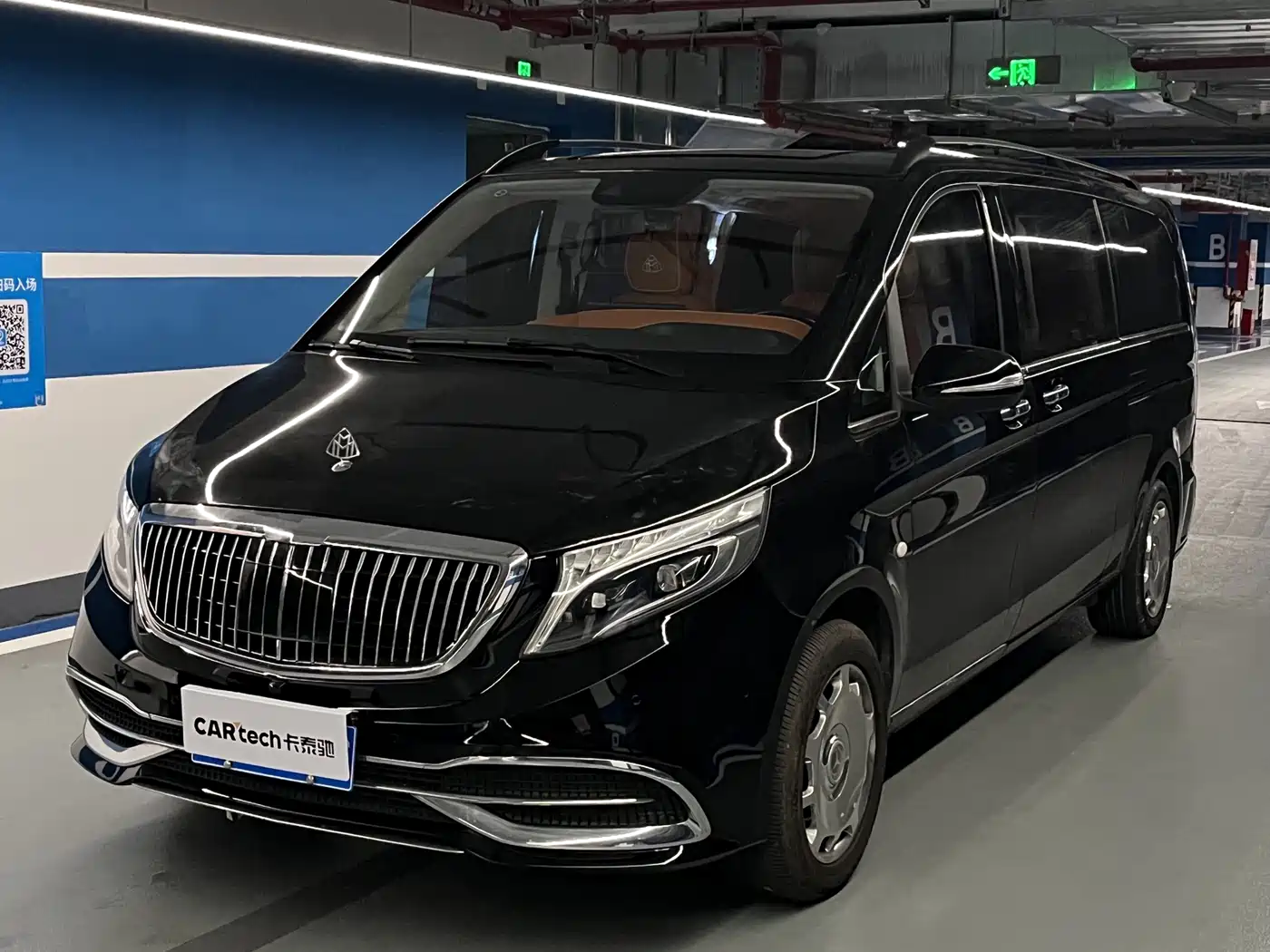
At a glance
- The export-relevant range centers on V 260 and V 300 gasoline versions in standard- and long-wheelbase forms.
- Luxury, Premium, Prestige, Navigator, Pilot and Night Edition labels vary by model year, so confirm equipment against the VIN.
- New vehicles offer cleaner provenance; used vehicles demand mileage, title, repair and export-history checks.
- Wholesale comparisons should use the live per-unit quote and an equal landed-cost structure rather than a fixed badge-level amount.
- LHD/RHD, homologation, service access and small-order terms can decide suitability before trim preferences.
Why the Mercedes-Benz V-class matters for export markets
The Mercedes-Benz V-class sits between a luxury passenger car and a commercial van, giving overseas buyers a vehicle that can serve chauffeured transport, hotel shuttles, executive fleets and family mobility without looking like a light commercial vehicle. Its appeal comes from a tall, flexible cabin, easy third-row access and the ability to switch between passenger and luggage-carrying roles. That combination makes it especially relevant to markets where road access or airport transfers reward usable space. It also gives distributors a premium, recognisable model with a broad appeal across hospitality, corporate mobility and executive transfer businesses.
Global demand for large MPVs and premium vans is strongest where buyers need more room than a sedan but prefer the comfort and image of a passenger vehicle. For fleet operators, the V-class can consolidate luggage and passengers into one vehicle while reducing the need for two separate cars. For private buyers, its sliding doors, flexible seating and enclosed cabin are useful in narrow streets, hot climates and markets with frequent stop-start traffic. These benefits explain why the model appears in export discussions even when a lower-cost van is available.
For export planning, however, V-class is not one universally identical specification. A China-market vehicle may carry a different steering position, equipment list, emissions designation and model-year detail from a European or Middle Eastern derivative. Dealers should therefore treat model-year, wheelbase, trim and VIN as separate comparison fields rather than assuming that the badge guarantees a standard global specification. The Mercedes-Benz brand hub and live inventory are useful starting points, but the exact vehicle file must support the buying decision. This is especially important for fleet purchases where several vehicles must share one configuration.
- Premium passenger space.
- Hotel and executive demand.
- Destination-spec checks.
Model range, trims and powertrain variants: how the lineup is structured and how to choose
The lineup in the available China-market naming structure is built around the V 260 and V 300, both gasoline-powered branches. The V 260 is the volume-oriented designation, while V 300 normally signals the higher-output branch. Buyers should not convert either badge into a power or tax figure without checking the model year and specification sheet, because calibrations, emissions equipment and market equipment can change. For a fleet, the practical choice is usually the lowest derivative that still meets luggage, towing and performance requirements for the intended operating environment and duty cycle.
Wheelbase choice is at least as important as engine designation. L versions in the range indicate a long-wheelbase configuration intended to improve third-row room and luggage flexibility, while standard-wheelbase cars can be easier to manoeuvre and less costly to transport. Buyers should compare usable interior dimensions, door openings, seat-fold arrangements and cargo volume rather than exterior length alone. The right choice for an executive hotel fleet may differ from that of an airport shuttle carrying bags and equipment. A site visit with a realistic luggage load is more informative than brochure seating diagrams.
Equipment grades add another decision layer. Names such as Luxury, Premium, Prestige, Navigator, Pilot and Night Edition appear across the range, but they are not a substitute for a VIN-level equipment list. Compare upholstery, infotainment, climate control, driver-assistance functions, audio, privacy glass and service intervals against the operation being purchased. For business customers, software support and the availability of spare parts in the destination country may matter more than a cosmetic package. Request photographs and a written fit-out confirmation before paying a balance or releasing the vehicle from a supplier.
- V 260 core branch.
- V 300 higher output.
- Long-wheelbase third-row space.
- VIN equipment verification.
New vs used Mercedes-Benz V-class: how export inventory is structured and how buyers choose
New and used V-class vehicles should be evaluated as separate procurement channels. A new China-spec example generally offers a clearer condition history and more predictable warranty arrangements, but it may include equipment or emissions systems that do not match the destination market. A used or parallel-import vehicle can provide a lower entry point and established depreciation, yet buyers must investigate mileage, service records, prior ownership, accident repair and export history. The condition field in each live listing should be read as a starting point, not a substitute for onsite inspection.
The inventory structure matters because export buyers may be sourcing a single demonstrator, a dealer-owned used unit or a new vehicle held for parallel export. These channels can have different title documents, inspection standards, warranty coverage and release procedures. For a new vehicle, verify whether it has been registered or used as a display car, and confirm production dates and delivery mileage. For a used vehicle, request the vehicle log, maintenance invoices, a physical inspection and clear photographs of the underbody, tyres and accident-prone areas before agreeing terms in writing.
A practical selection process starts with the commercial use case. A new vehicle is usually easier to standardise across a fleet and may reduce early maintenance uncertainty. A carefully documented used unit can be rational where utilisation is predictable, the buyer can inspect it and local homologation is straightforward. Avoid purchasing on year or odometer reading alone: ask whether the mileage is verified, whether the engine and automatic transmission have been serviced appropriately, and whether the VIN appears in any finance, salvage or export-restriction record available to the exporting party.
- Cleaner new-unit provenance.
- Used-unit document checks.
- Parallel-import eligibility.
How export pricing works: the factors behind a live listing price, and how to read one
Export pricing should be read as a vehicle-specific commercial calculation, not a fixed market rate for the V-class badge. The starting amount usually reflects model year, V 260 or V 300 branch, wheelbase, equipment grade, mileage, condition and whether the unit is new or previously owned. Market conditions also matter: the seller’s acquisition cost, currency movements, local taxes, export procedures, insurance and the buyer’s required specification can all change the quoted amount. Consequently, two listings carrying similar trim names may not be economically equivalent once freight is included in the quote.
To understand a live listing, identify the quote basis and what it includes. Some sellers present the vehicle price alone, while a complete export quotation may add inland handling, documentation, marine or road transport, insurance and destination charges. Currency, quote validity, payment schedule, inspection rights and release conditions should be equally important. Ask for a pro forma invoice or quotation that separates vehicle cost from freight and any local charges, then model the landed cost under the chosen Incoterm. This prevents a low headline amount from being compared with a fully delivered offer.
The export price guide should therefore be used as a checklist, not as a number to memorise. Review each live unit’s age, exact trim, wheelbase, condition, delivery mileage, options and seller location, then confirm the quote in writing. Currency movements mean an amount shown today can change before payment, while freight depends on the route, container or roll-on/roll-off method, destination and scheduling. Buyers who compare the same specification and cost structure can make a defensible decision without relying on an obsolete catalogue figure or an assumed discount from another source. Confirm the current per-unit price, MOQ and availability on each ChinaCarDirect live listing before payment.
- Comparable vehicle specifications.
- Separated freight costs.
- Valid written quotes.
MOQ, ordering and payment: single units vs consolidating a container
MOQ means the smallest quantity a seller or shipment organiser will accept for a given arrangement; it is not automatically the same for every vehicle or every destination. Buyers should ask directly whether a single-unit purchase is possible, whether deposits are refundable before inspection, and whether the unit can be consolidated with other orders. A one-vehicle purchase is useful for testing a model-year or trim, but it normally offers less freight leverage than a coordinated container. Any claim about one-unit handling must be confirmed in the quotation rather than inferred from a marketplace category.
Container consolidation can improve freight efficiency, but it introduces allocation and counterparty questions. Several buyers may share space while retaining separate vehicle orders, yet the organiser must define how cars are allocated, inspected and insured, who pays if a unit is damaged, and when the balance becomes payable. Different model years, trims and colours may be placed in one container without being sold as a homogeneous batch. Buyers should require a vehicle-allocation list linked to each VIN and should avoid treating a group rate as an unconditional vehicle price in advance.
A sound order sequence is specification, due diligence, written terms, inspection and payment against release. Ask the supplier for the VIN or production identity, a pro forma invoice, ownership documents, export-eligibility information and realistic photographs. Use a milestone structure in which the balance follows an independent inspection, and specify what happens if the vehicle is not as described. Dealers buying several units should define a delivery tolerance and a claim window in the contract. ChinaCarDirect’s request-for-quote channel is the appropriate place to submit the required configuration and destination details first.
- Single-unit confirmation.
- VIN-level allocation.
- Inspection before balance.
Shipping, homologation and market compliance caveats: LHD/RHD and import rules by country
China-produced V-class vehicles are commonly associated with left-hand drive, while right-hand-drive availability depends on the source market and exact production specification. Overseas buyers should not assume that a China listing can be registered in a right-hand-drive market without the required configuration, approvals and documentation. Nor should a steering conversion be treated as a routine fix: lighting, instruments, safety systems and type approval may also be affected. State LHD or RHD in the request, and ask the supplier to provide the VIN, steering position and homologation evidence before deposit payment is made.
Import rules are destination-specific and can include age restrictions, emissions standards, customs valuation, duties, taxes, safety requirements and registration categories. China VI labels appearing in a trim description do not automatically establish compliance in Europe, the Gulf, Africa, Asia or Latin America. The importer should obtain a written local regulatory assessment using the VIN and intended use, and confirm whether the vehicle is classified as a passenger car or commercial van. Commercial treatment can affect licensing, insurance and the ability to carry paying passengers, so classification should be settled before contracting.
Shipping method should follow the order size, urgency and cargo protection requirements. Ro-ro is commonly relevant to larger vehicles, while a container may suit smaller consolidated orders if dimensional and securing rules are met. The exporter, carrier and destination broker should agree on loading, lashing, moisture protection, inspection points, insurance and delivery responsibility. Delays can arise from port congestion, documentation, customs holds, damage claims and inland transport. Freight cost is therefore route- and schedule-dependent, and a faster service may reduce transit time while increasing the quote for the same destination.
- LHD/RHD confirmation.
- Local type approval.
- Written freight duties.
Who should buy the V-class — and who should pick a different vehicle
The V-class is strongest for buyers who value a premium badge, a comfortable cabin, flexible seating and the ability to manage passengers plus substantial luggage in one vehicle. It fits executive transport, VIP transfers, hotel services, airport and event shuttles, premium ride-hailing and family use where large-door access and rear space matter. Commercial operators can also standardise a fleet around a known model family. The decisive question is whether those benefits create enough demand or utility to offset the vehicle’s premium operating and acquisition burden in the target market being served.
A different vehicle is usually better when the priority is the lowest purchase cost, maximum payload, commercial-duty durability or a smaller footprint. A panel van or dedicated cargo derivative can reduce interior-finishing cost and remove unused seating. A compact MPV may be easier to park and operate where roads are narrow or fuel costs dominate. For mixed passenger-and-cargo work, a factory van configuration may be more durable and taxable appropriately, while buyers seeking a lower-cost shuttle may accept a mainstream people carrier. The V-class should win on the customer experience, not simply on the badge.
Before choosing, build a total-cost comparison over the intended holding period. Include acquisition, registration, financing, fuel, insurance, maintenance, downtime, residual value and compliance work. Fleet buyers should also test loading times, luggage security, driver visibility, passenger comfort and the availability of technicians in each operating city. If a business case depends on a narrow list of premium features, request a written equipment matrix for every VIN. If it depends mainly on uptime and cargo efficiency, select the drivetrain and body configuration that can be supported locally by a qualified workshop.
- Premium passenger fit.
- Weak low-cost fit.
- Local service support.
Main rivals and how the V-class compares
The Volkswagen Multivan is the most direct global alternative for buyers prioritising packaging efficiency, flexible cargo conversion and a broad commercial base. It can offer strong load-floor versatility and practical sliding-door access, but the exact trim, powertrain and finish may not match the V-class’s premium presentation. Choose the Multivan when operational flexibility and ownership economics outweigh badge-led demand. For chauffeur or VIP use, compare the actual rear-seat, luggage and technology packages rather than selecting on the vehicle category alone. A side-by-side landed-cost and specification review is essential before a fleet award.
The Hyundai Staria is a credible premium-MPV rival with distinctive styling and a strong focus on passenger space and comfort. Depending on the source market, equipment, drivetrain and steering position can differ, so overseas buyers must examine the exact derivative rather than rely on brochure images. It may suit buyers seeking a modern alternative to the established V-class identity. It is less directly comparable when the requirement is a broad European van-derived service network or a particular V-Class trim and executive configuration available through the chosen importing channel at origin.
The Peugeot Traveller is closer to the practical fleet-buyer alternative, combining a van-derived platform with configurable passenger and luggage capacity. It may deliver a lower acquisition burden than a premium V-class in markets where the Peugeot is well supported, but brand perception, resale positioning and equipment levels differ. For airport transfers or group travel, the Traveller can be compelling when basic comfort and efficient space management matter. For an operator whose customers associate Mercedes with prestige, the V-class may support better commercial positioning despite higher operating costs in that segment over time.
- Operational Multivan alternative.
- Modern Staria alternative.
- Practical Traveller alternative.
Live Mercedes-Benz V-class export inventory
View all listings →Real units currently on ChinaCarDirect with per-unit asking prices and MOQ. Availability updates live from the catalogue.
Mercedes-Benz Mercedes-Benz V-Class (Import) 2018 Model Night Edition
Mercedes-Benz Mercedes-Benz V-Class 2018 V 260 L Premium Long Version China V
Mercedes-Benz Mercedes-Benz V-Class 2018 V 260 L Premium Long Version China V
Mercedes-Benz Mercedes-Benz V-Class 2024 V 300 L Long Wheelbase Premium
How to buy a Mercedes-Benz V-class from China
-
1
Define the specification
Record model year, V 260 or V 300 branch, standard or long wheelbase, target trim, seating, LHD/RHD requirement and must-have equipment. This prevents a supplier from substituting a visually similar car with a different commercial or compliance profile.
-
2
Shortlist live units
Use the live Mercedes-Benz V-class inventory to compare matching units by age, trim, condition, mileage and seller location. Treat each listing as a specific vehicle and request VIN-level details before relying on its photographs or title.
-
3
Check destination eligibility
Ask a qualified local importer or customs adviser to assess emissions, type approval, registration category, duty and tax treatment using the VIN. Do not infer compliance from the China VI trim label alone.
-
4
Request a landed quotation
Ask for vehicle cost, inland handling, freight, insurance, documentation and destination charges separately, with currency, Incoterm, validity and payment milestones stated. Current per-unit figures and availability must be confirmed on the live ChinaCarDirect listing and in the quotation.
-
5
Verify identity and condition
Request the VIN, ownership and export-eligibility documents, production details, service history where applicable, and a high-resolution inspection. For used units, check prior registration, accident repair, odometer evidence and title consistency.
-
6
Agree order and payment protection
Confirm the listing-specific MOQ, whether single-unit orders are accepted, consolidation rules and who controls allocation. Use a written pro forma invoice and milestone payment, with the balance conditional on documentary and physical verification.
-
7
Book shipping and clearance
Select the carrier and Incoterm, define loading, lashing, insurance, inspection and delivery responsibilities, then appoint a destination broker for customs and registration. Track documents and claims deadlines through delivery.
V-class vs rivals
| Volkswagen Multivan | The Volkswagen Multivan is the closest global alternative for buyers prioritizing flexible cargo conversion, sliding-door access and commercial efficiency. It may fit airport and group-transport work better, while the V-class is the stronger choice where premium presentation and Mercedes-Benz identity support the customer proposition. |
|---|---|
| Hyundai Staria | The Hyundai Staria is a credible premium-MPV rival with distinctive styling and a passenger-comfort focus. Choose it for a more modern visual identity, but compare the exact derivative, drivetrain, steering position and service support because these vary by source market. |
| Peugeot Traveller | The Peugeot Traveller offers van-derived space efficiency and configurable passenger layouts for cost-sensitive fleet work. It can suit transfers and group travel, while the V-class may better serve operators whose customers place a premium on Mercedes-Benz prestige. |
Frequently asked questions
How is Mercedes-Benz V-class export pricing determined?
Mercedes-Benz V-class export pricing is set for the individual unit after model year, V 260 or V 300 branch, wheelbase, trim, mileage, condition and market costs are considered. Freight, insurance, exchange rates, taxes and the selected Incoterm can move the final landed amount. Check the current per-unit price, MOQ and availability on the live ChinaCarDirect listing, then confirm them in a written quote.
What engine and powertrain does the China-market V-class use?
The relevant China-market versions are gasoline-powered V 260 and V 300 variants with an automatic transmission; four-wheel-drive availability depends on the exact configuration. These are not battery-electric versions, so battery capacity and electric range are not applicable. Do not infer displacement, output, emissions class or tax band from the badge or listing title alone; obtain the VIN-specific specification sheet.
Is a used Mercedes-Benz V-class better value for an overseas buyer?
A new vehicle generally provides cleaner provenance, easier fleet standardisation and more predictable initial condition. A used vehicle can reduce the acquisition burden, but the buyer must verify mileage, service history, title, accident repair, registration history and export eligibility. The best choice depends on the buyer’s inspection access, local homologation work and required fleet specification.
How does MOQ work when ordering from China?
MOQ is set by the seller and shipment arrangement, not by the model name alone. Ask whether a single-unit purchase is accepted, whether several orders can be consolidated, and how vehicle allocation and damage claims are handled. The applicable quantity should be restated in the written quotation and changed only by agreement.
What affects V-class shipping time and cost?
Shipping time and cost depend on the origin and destination, transport method, route, container or roll-on/roll-off availability, insurance, port handling and customs clearance. Documentation problems, port congestion, customs holds or damage claims can extend the schedule. The exporter, carrier and destination broker should define responsibilities and delivery points before loading.
Can spare parts be ordered for an exported Mercedes-Benz V-class?
Parts are normally matched through the VIN, model year and option code, but availability and lead times differ by market and trim. Before purchase, request a parts list for must-have service items and confirm local Mercedes-Benz or specialist support for the China-specific vehicle. This is particularly important where software, electronics or uncommon interior components are involved.
Is a right-hand-drive Mercedes-Benz V-class available for export?
China-produced examples are commonly left-hand drive, while right-hand-drive availability depends on the source market and production specification. Do not assume that a China listing can be registered as right-hand drive without the required approvals, or that a simple conversion is sufficient. Provide the destination and steering requirement in the RFQ, then obtain VIN and homologation evidence before payment.
How do I order a Mercedes-Benz V-class from China?
Submit the model year, V 260 or V 300 branch, wheelbase, trim, equipment, quantity, destination and required Incoterm through the ChinaCarDirect RFQ channel. Compare suitable live units, request a written pro forma invoice and approve payment only after identity, document and condition checks. For consolidated orders, agree the VIN allocation and shipment responsibility before the balance becomes payable.
Ready to source the Mercedes-Benz V-class?
To buy a Mercedes-Benz V-class from China, send ChinaCarDirect your exact trim, wheelbase, destination, quantity and required Incoterm for a current RFQ.
Request a quote