
MG HS Export Buying Guide for Overseas Buyers
Compare MG HS trims and powertrains, understand live export pricing and MOQ, and check shipping and compliance before ordering from China with confidence.
At a glance
- The MG HS is a compact crossover with petrol and plug-in-hybrid options for importers, dealers and fleet buyers.
- The 30T petrol versions use a 1.5-litre turbo engine, an automatic transmission, and 2WD or AWD depending on trim.
- The eHS 1.5T e-Pro adds an electric motor, but battery capacity, charging and electric range must be confirmed on the exact listing.
- Export pricing is unit-specific and should be assessed alongside freight, exchange-rate effects, destination charges and the agreed Incoterm.
- MOQ, availability and vehicle documentation must be reconfirmed before payment and shipment.
Why the MG Hs matters for export markets
The MG HS occupies the compact crossover segment, where importers need a vehicle more versatile than a hatchback but not as costly to ship, insure and operate as a large SUV. Its Chinese-market lineup offers petrol and plug-in-hybrid choices, making it relevant to urban retail, company-car and fleet programs. Buyers should assess packaging and running requirements rather than focus on one headline feature. That makes model-year, trim and drivetrain discipline essential for buyers serving markets where fuel economy, import rules and after-sales support matter as much as styling at export.
Demand for the HS in export markets is driven by the value equation: buyers can source a Chinese-brand crossover with petrol or plug-in-hybrid options while retaining manageable size for shipping and registration. The model’s petrol versions address fleet demand, while the eHS offers an electrified option for buyers considering low-emission zones or urban/highway use. Dealer interest also depends on parts support, model-year consistency and ability to match a vehicle to each customer rather than one specification. A disciplined importer can therefore treat the HS as a programmable range rather than a single SKU.
The model is not positioned as an off-road specialist, a luxury flagship or a commercial van, so its strongest export case is the mainstream compact-SUV buyer. It can suit private importers, small dealer groups and fleet managers seeking a recognizable MG product with a practical balance of road presence and everyday usability. The deciding question is whether the destination market values those attributes enough to absorb the vehicle’s specification and ownership costs. Buyers who require larger cargo volume, seven seats, class-leading refinement or confirmed low-emission approval should explore alternatives instead.
- Mainstream importers and compact-SUV fleets
- Petrol and plug-in-hybrid sourcing options
- Destination rules and after-sales support
Model range, trims and powertrain variants: how the lineup is structured and how to choose
The ICE HS range is identified in the available nomenclature by the 30T engine designation, an automatic transmission and either two-wheel drive or all-wheel drive. In practical terms, 30T corresponds to the model’s 1.5-litre turbo petrol powertrain, while drivetrain is the decisive operational choice. Two-wheel-drive units can suit importers prioritizing a particular market configuration; all-wheel-drive units can be more relevant where traction, load carrying or bad-weather confidence matters. Exact output, equipment and axle details should be read from the specific listing rather than inferred from a translated trim banner or description.
The eHS 1.5T e-Pro represents the electrified branch, combining the 1.5T petrol engine with an electric motor in a plug-in-hybrid architecture. That gives buyers a different operating proposition from a conventional petrol SUV, particularly where charging fits daily work routes. Listing labels do not replace model-level verification: battery capacity, electric-only range, charging connection, fuel consumption and standard equipment can differ by version and homologation status. Export buyers should request the technical sheet and ask whether quoted range figures use the Chinese test cycle rather than a destination-cycle estimate or seller publication.
Translated special-edition names, including Trophy-based 30T descriptions, can make two vehicles look more different than they are, or hide meaningful equipment differences. The sensible selection process starts with powertrain, then drivetrain, then the features required by the target customer, and only then considers cosmetic trim branding. For fleet use, prioritize serviceability, insurance categories, driver comfort and parts commonality; for retail use, consider equipment, warranty handling and customer expectations. Ask for a photograph-based condition report, an equipment list and the exact model code so the chosen HS can be matched to a homologation and documentation plan.
- 1.5T petrol, automatic, 2WD or AWD
- eHS 1.5T e-Pro plug-in hybrid
- Choose powertrain before trim branding
New vs used MG Hs: how export inventory is structured and how buyers choose
New and used HS inventory should be read as two different procurement channels, not simply as cheaper and more expensive versions of the same car. A new unit may be factory-new, dealer-prepared or demonstrator stock, so buyers should confirm registration status, production date and prior use. That matters because some markets tax or restrict vehicles differently depending on first registration and documentary history. A new purchase can reduce wear and uncertainty, but it does not remove the need to inspect paint, tyres, interior condition and final delivery preparation before export.
A used HS can make sense where the buyer values a predictable purchase outlay, a specific model year or near-term inventory availability more than factory-new condition. The comparison must include mileage, service history, accident repair, paint condition, tyre age, the high-voltage system on eHS vehicles, and the remaining regulatory life allowed for used imports. A lower acquisition price can be offset by near-term tyres, fluids, brakes, warranty limitations or parts complexity. The most defensible used purchase is one whose inspection report and documents align with the asking description and photographs.
Because export inventory changes continually, buyers should use a repeatable screening method rather than rely on a remembered market snapshot. Filter by the required model year, powertrain, drivetrain, steering side, condition and equipment, then compare the photographs and documentation of every shortlisted unit. Confirm whether “new” means unregistered, demonstrator or dealer-prepared, and whether “used” means a single-owner vehicle with verifiable history. This structure keeps the decision focused on the actual unit in front of the buyer and prevents attractive headline trim names from hiding mismatched specifications or unresolved compliance questions.
- Check registration, production date and prior use
- Inspect repairs, tyres and high-voltage equipment
- Match documents to the exact vehicle
How export pricing works: the factors behind a live listing price, and how to read one
MG HS export pricing is not a fixed model-level rate. The live figure starts with the vehicle’s model year, trim, powertrain, drivetrain, battery specification where applicable, mileage and condition. Seller margin and commercial terms also matter, especially when a listing is positioned for an overseas buyer rather than a domestic transaction. The practical result is that two vehicles carrying similar “30T” wording can occupy different price positions for legitimate reasons. Buyers should therefore compare the full specification, condition and documentation rather than rank vehicles by the headline trim name alone.
Export price also interacts with external and logistical variables. Exchange-rate movement can alter the apparent value of a China-based quotation, while freight, marine insurance, port handling, inland delivery and destination charges can move the landed total independently of the vehicle. The Incoterm defines where responsibility transfers, so EXW, FOB and CIF-style quotations are not directly equivalent. A buyer comparing two vehicles must confirm whether each figure includes the same transport scope and excludes or includes the same taxes, duties and destination charges. Otherwise, the cheaper listing may simply carry a different cost boundary.
How to read a live MG Hs listing is to treat it as the start of a quotation, not the final landed-cost statement. Check model code, year, trim, drivetrain, energy type, condition, mileage, seller location and stated Incoterm. Then request a written quotation that repeats those details and lists payment milestones, validity, documentation, freight assumptions and buyer responsibilities. Current per-unit prices and MOQ are shown on the live MG Hs listings in ChinaCarDirect and remain the binding numbers for that offer. Treat any marketplace estimate as provisional until the seller reconfirms it in writing.
- Year, trim, battery version and condition drive price
- Freight, exchange rate and Incoterm affect totals
- Use a written, unit-specific quotation
MOQ, ordering and payment: single units vs consolidating a container
MOQ on an MG HS purchase is a seller and listing term, not a permanent model property. Some offers may be structured around an individual vehicle, while others may require a batch, model mix or full-container commitment. If the objective is a test vehicle, state that clearly and ask for the MOQ and available allocation in writing rather than assuming from the marketplace interface. Before ordering, confirm whether the quantity applies to one SKU or the combined shipment, and whether adding units changes the unit price or merely freight terms.
Consolidating several compatible HS units into one container can reduce duplicated fixed freight and handling costs per vehicle, but it should not be treated as a guaranteed discount. Mixed model years, trim specifications, colours or destinations can complicate customs documentation, insurance, parts planning and retail delivery. Container economics also depend on the loading plan, securing method, route, sailing frequency and how quickly each dealer can sell the units. Before committing, compare the delivered unit cost of a consolidated order with separate shipments, and include the risk of holding slower-moving stock for longer.
A sound ordering process separates vehicle selection from payment and shipment. Once the exact unit or agreed allocation is confirmed, review the pro forma invoice, model codes, serial numbers, options, export documents and the exact meaning of each stated price. A typical payment structure is a deposit followed by a balance linked to inspection or shipment milestones; the sequence and refund protection should be agreed in writing. Use the seller’s legal entity and verifiable payment instructions, and retain every contract, receipt, serial-number record and transport document through customs clearance and delivery.
- Confirm listing MOQ and available allocation
- Calculate container delivery and stock exposure
- Tie payments to inspection and shipment
Shipping, homologation and market compliance caveats: LHD/RHD and import rules by country
The shipping check for an MG HS sourced in China is steering configuration. Do not assume a Chinese-market vehicle is suitable for left- or right-hand traffic; confirm the hand, driver controls, display functions and local legality for that unit. Converting steering and controls may be prohibited, but it adds cost, can affect safety systems and warranty, and must be disclosed to the importer and insurer. Some buyers prefer to source an RHD example directly. That preference should be made before payment, not after the vehicle is committed to a route.
Homologation is separate from shipment clearance. A vehicle can physically arrive yet fail local type approval because its lighting, emissions system, crash protection, noise, software, fuel labelling or safety equipment does not match the destination rule set. China V and China VI labels appearing in a trim name describe origin-market emissions versions; they are not automatic approval for another country. Used vehicles can also face age limits, inspection requirements or restricted emissions eligibility. Buyers should obtain a destination-specific compliance checklist from the relevant authority or an experienced customs broker before paying for freight.
Shipping cost and lead time should be quoted as a route-specific package, not as a generic guarantee. Origin and destination ports, container type, cargo weight, vessel schedule, port congestion, insurance, fuel surcharges, customs clearance and inland haulage all influence the result, while a wrong document can stop progress regardless of the sailing date. Pre-shipment inspection should verify the vehicle, VIN, keys, tools, visible condition, fluid levels and export paperwork before sealing. Book freight only after the unit, documents, Incoterm and release timing are sufficiently firm, and receiving arrangements are confirmed.
- Confirm steering side before payment
- Check destination-specific type approval
- Quote route, insurance, surcharges and customs
Who should buy the Hs — and who should pick a different vehicle
The HS is strongest for buyers who can serve a mainstream compact-SUV demand and value MG’s China-sourced product proposition without expecting a feature list by default. It suits importers and dealers that understand Chinese specifications, can support a consistent parts plan and have a route to sell petrol and hybrid variants into defined customer groups. For company cars and fleets, the question is whether space, fuel type, automatic operation and service support fit the duty cycle. A sample can expose noise, comfort and software issues before a larger rollout program.
It is a weaker choice for buyers whose brief depends on seven seats, a large towing rating, off-road capability, premium cabin isolation or a battery-electric zero-emissions strategy. The eHS is a plug-in hybrid, not a battery-only EV, so it does not by itself satisfy every low-emission or zero-tailpipe requirement. Very large or unusually heavy fleets may prefer a model with a simpler homologation path, broader local service coverage or established residual-value data. Buyers focused on the badge rather than total operating suitability should also compare warranty support and parts availability before committing.
A pilot purchase is the most disciplined way to test the HS in a new export market. Select one or more configurations that match likely demand, arrange independent inspection, document parts lead times and measure real fuel use, charging availability where relevant, downtime and customer feedback. Compare those results with the total cost of a rival rather than comparing purchase price alone. Scale only after resolving issues involving registration, warranty handling, residual values and technician training. This staged approach protects cash flow and prevents attractive sourcing terms from masking weak sell-through.
- Strong fit for mainstream compact-SUV demand
- Weak fit for seven-seat, heavy-tow or BEV briefs
- Pilot first, then scale
Main rivals and how the Hs compares
The Kia Sportage is one of the closest global alternatives because it occupies the same broad family-car crossover class and is commonly considered by importers seeking a mainstream nameplate. The HS can be attractive where China-sourced supply, the available 30T automatic range or an eHS option creates a more practical acquisition route. The Sportage may be easier for some buyers to support where Kia has deeper local service familiarity or the required configuration is already homologated. That local advantage matters more than badge preference once parts, warranty repairs and resale timing are included.
The Hyundai Tucson offers a useful benchmark for design, driver technology and powertrain breadth, with availability differing by market. It can be the better choice when a buyer values established local homologation, model familiarity or a particular engine and hybrid mix that is easier to service. The MG HS differentiates through its China-origin sourcing proposition, compact-SUV format and the combination of 2WD and AWD petrol trims plus an eHS listing. However, Chinese specification labels can make equipment comparison uneven, so the decision should rest on a verified option list rather than trim-name prestige.
The Mitsubishi Eclipse Cross is often the closest size-and-market-position benchmark for a compact crossover, with hybrid availability depending on country. It may appeal where a Mitsubishi product is already familiar to fleet customers or local mechanics. The HS gives importers additional choice in Chinese-market petrol, all-wheel-drive and plug-in-hybrid configurations, but the eHS is not a direct battery-electric substitute for markets targeting zero-tailpipe fleets. For all three rivals, compare landed cost, warranty work, parts lead time, compliance and expected resale on the same basis rather than relying on badge familiarity or brochure positioning.
- Sportage: local-service and homologation benchmark
- Tucson: technology and powertrain benchmark
- Eclipse Cross: close size-and-market benchmark
Live MG Hs export inventory
View all listings →Real units currently on ChinaCarDirect with per-unit asking prices and MOQ. Availability updates live from the catalogue.
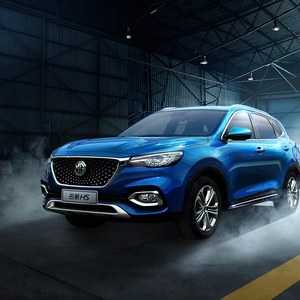
MG MG HS 2018 30T Automatic AWD Trophy Hormone Super Burning Edition China V
MG MG HS 2019 30T Automatic 2WD Trophy Super Burn Edition China VI
MG MG HS 2018 30T Automatic 2WD Trophy Hormone Super Burn Edition China V
How to buy a MG Hs from China
-
1
Define the market and duty cycle
Record the destination country, steering side, fuel route, passenger or cargo needs and expected annual volume. Separate mandatory compliance from preferred trim features so equivalent units can be compared.
-
2
Search and shortlist live units
Use the MG Hs listings page to check the current year, trim, powertrain, drivetrain, condition and seller location. Save the listing or SKU and compare photographs and descriptions rather than relying on the trim banner alone.
-
3
Request documents and technical confirmation
Ask for the model code, VIN or serial details, registration and production status, equipment list, battery and range data for an eHS, and the export-document package. Flag China V or China VI origin labels for local compliance review.
-
4
Build a like-for-like landed-cost quote
State the destination, Incoterm and quantity, then request freight, insurance, port or inland charges and payment milestones. Confirm exchange-rate validity and which taxes or duties are excluded.
-
5
Confirm MOQ and commercial terms
Verify the MOQ for the selected listing, allocation, unit price, deposit, balance trigger, refund protection and legal contracting entity. Do not infer single-unit availability or a container rate from an indicative listing.
-
6
Inspect before final payment
Use an independent pre-shipment inspection to verify the VIN, keys, tools, body, tyres, interior, warning lights, fluids and included documents. For eHS units, require appropriate high-voltage inspection checks.
-
7
Book freight and clear customs
Release the vehicle and documents in the agreed sequence, use a compliant forwarder, and track loading, arrival, customs and delivery. Keep the inspection, contract, serial-number, payment and transport records for the full ownership and warranty cycle.
Hs vs rivals
| Kia Sportage | The Sportage is a close global benchmark and may have deeper local service familiarity in some markets. The HS can win where Chinese-source availability or configuration choice is stronger, while the Sportage may be easier for buyers prioritizing established homologation and residual-value knowledge. |
|---|---|
| Hyundai Tucson | The Tucson is a strong benchmark for design, technology and market-specific powertrain breadth. The HS offers a China-origin sourcing route and different 2WD, AWD and eHS choices, but buyers should compare verified equipment rather than assume equivalent trim labels. |
| Mitsubishi Eclipse Cross | The Eclipse Cross is often the closest size-and-market-position rival. The HS adds Chinese-market petrol, AWD and plug-in-hybrid options, but the eHS is not a battery-only substitute for buyers requiring zero-tailpipe operation. |
Frequently asked questions
How is the MG HS export price determined?
The live export price reflects the specific unit’s model year, trim, powertrain, battery version where relevant, mileage, condition and seller terms. Exchange rates, freight, insurance, destination charges and the selected Incoterm can change the landed total. Current per-unit prices and MOQ are shown on the live MG Hs listings, and a written seller quotation should reconfirm the figures.
What engine and powertrain options are available?
Petrol HS versions use the 30T designation for a 1.5-litre turbo engine with an automatic transmission, offered in 2WD or AWD forms depending on trim. The eHS 1.5T e-Pro is a plug-in hybrid combining the engine with an electric motor. Confirm battery capacity, electric-only range, charging and equipment in the exact listing because these details are not safely inferred from a translated trim name.
Should an overseas buyer choose a new or used MG HS?
New HS units can reduce wear and uncertainty, but confirm registration status, production date, demonstrator use and delivery condition. A used unit may offer a predictable outlay or a specific year, but buyers should inspect mileage, repairs, tyres, service evidence and the eHS high-voltage system where applicable. Compare landed cost and compliance rather than acquisition price alone.
What is the MOQ for an MG HS order?
MOQ is set by the seller and may apply to a specific SKU, model mix or shipment. Confirm the requirement and available allocation in the live listing and in a written quote before paying; a single-unit request is not automatically guaranteed. For container buying, include slower-moving units and stock-holding time in the delivered-cost calculation.
What affects MG HS shipping time and cost?
Shipping time and cost depend on origin and destination ports, container and vessel availability, cargo handling, route, port conditions, insurance, fuel surcharges, customs work and inland delivery. Correct documents and prompt release matter as much as the sailing schedule. Obtain a route-specific freight quote and confirm whether the Incoterm includes only port-to-port transport or additional services.
How should overseas buyers plan MG HS spare parts?
Ask the seller for parts support, expected lead times and the exact model or part numbers before committing. China V and China VI petrol variants and eHS high-voltage components may not be interchangeable with vehicles sold under different market codes. Local inventory, electronic diagnostics and technician training can determine repair time as much as the nominal parts price.
Is an RHD MG HS available for export?
Availability depends on the exact Chinese-market configuration, drivetrain, trim and steering side in live stock. Do not assume LHD or RHD suitability; request confirmation before payment. A steering conversion may add cost, affect warranty and create approval issues, so sourcing a natively configured unit is usually the cleaner route.
How do I order an MG HS from China?
To buy MG Hs from China, start with the live MG Hs inventory, shortlist units by destination and specification, then send the RFQ with quantity, Incoterm and required documents. Confirm the seller’s identity, unit, MOQ, payment milestones, inspection rights, refund protection and serial numbers in writing. Release the balance only after the agreed inspection and shipment conditions are satisfied, then coordinate freight and customs clearance.
Ready to source the MG Hs?
Send your destination, quantity, powertrain and preferred Incoterm through the RFQ form for a current, unit-specific MG HS quotation.
Request a quote