
MG 7 Export Buying Guide for Dealers and Fleet Buyers
Buy MG 7 from China with practical guidance on trims, engine choices, pricing, MOQ, shipping, homologation and aftersales for overseas dealers and fleet buyers.
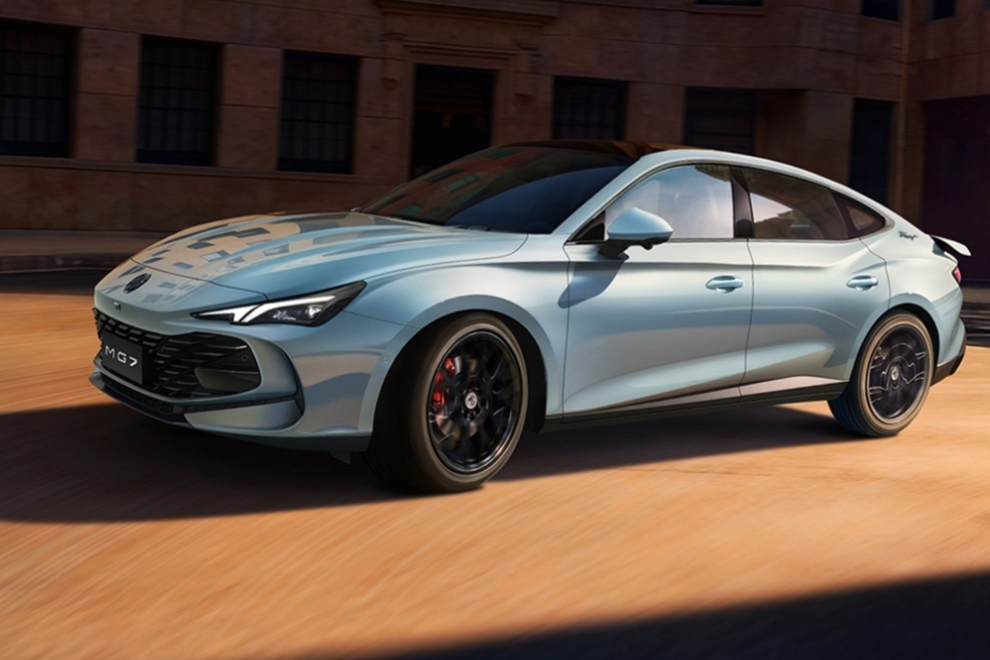
At a glance
- The MG 7 is a China-built, front-wheel-drive midsize petrol sedan.
- The lineup spans a 1.5T 300 DCT and more performance-oriented 2.0T automatic variants.
- Trim names and equipment vary by market, so VIN-level verification is essential.
- New and used sourcing should be judged by documents, condition and lifecycle economics.
- For MG 7 export planning, check live unit pricing and add freight, duties and homologation costs.
Why the MG 7 matters for export markets
The MG 7 occupies an unusual export position: a China-built, front-wheel-drive midsize sedan with a premium-cabin and sporty-design brief, but without the battery proposition of an electric car. It appeals to distributors filling the gap between compact sedans and larger family saloons. Overseas interest is strongest where buyers want contemporary Chinese styling, a well-equipped petrol vehicle and a competitive acquisition point. The result is a useful bridge between fleet utility and aspirational styling. It also gives company-car programs a five-door saloon format familiar to drivers moving up from compact models.
For distributors, the appeal is not novelty alone. Chinese manufacturing provides access to modern exterior design, broad equipment choices and established export supply chains, while the MG badge offers a recognizable identity in markets where buyers are becoming more comfortable with Chinese-origin vehicles. Demand still depends on local taxation, fuel prices, road patterns and the strength of the importer’s servicing network. Initial interest may be strong, but repeat registrations depend on reliable ownership support. That makes local aftersales planning and parts access commercial prerequisites, not optional extras for this model.
The MG 7 is therefore most credible in markets where petrol vehicles remain mainstream, imported sedans face meaningful duty or tax barriers, and dealers need a product with a stronger visual and technological appeal than a fleet-basic compact. It is less persuasive where charging infrastructure is mature and fuel use dominates operating cost, or where buyers place exceptional weight on established residual values. The right question is not whether the MG 7 is globally popular, but whether your local sales channel can support its positioning and long-term service economics clearly.
- Front-wheel-drive midsize sedan.
- Petrol range suits non-EV markets.
- Local service readiness drives repeat demand.
Model range, trims and powertrain variants: how the lineup is structured and how to choose
The lineup is built around two turbocharged petrol engines: a 1.5T paired in the listings with 300 DCT, and a 2.0T offered with automatic transmissions. Chinese-market grade names such as Elegant, Ultimate, Luxury, Hunting Beauty and Trophy+ indicate hierarchy, but they do not always translate directly into an overseas-market name or equipment list. A buyer should therefore compare mechanical variant, model year, standard equipment and local homologation together, rather than relying on a translated badge alone. The live MG 7 inventory should be read as a set of separate configurations, not one interchangeable model.
The 1.5T and 300 DCT combination is the logical efficiency-and-ease option for company cars, ride-hailing fleets and dealer customers who prioritize operating cost, smooth urban traffic and a smaller engine. The 2.0T automatic variants are the more performance-oriented choice, usually better suited to buyers who value stronger acceleration, highway confidence and a higher-grade cabin. These are functional priorities, not guarantees: tax bands, insurance classes, fuel availability and local road conditions can reverse the apparent choice. Ask the supplier to confirm the exact engine, gearbox, cooling and emissions specification before placing a bulk order.
Before signing, compare the VIN-linked specification, not just the listing title. Confirm engine displacement, transmission type, drive layout, tyre sizes, fuel grade, emissions equipment, infotainment functions and driver-assistance hardware. Chinese-market cars may include equipment or software that differs from an export-market MG 7, and some functions may not be enabled outside their original market. If the destination is RHD, that confirmation must include steering position and market compatibility rather than an assumption based on the body design. A document mismatch can delay clearance even when the physical vehicle looks identical.
- Turbocharged petrol engines anchor the range.
- 1.5T uses the 300 DCT.
- 2.0T automatic versions suit performance buyers.
- Verify market-specific equipment.
New vs used MG 7: how export inventory is structured and how buyers choose
MG 7 export inventory can contain current-model vehicles, earlier new cars held as dealer stock and used examples imported for resale. New units generally offer the cleanest title trail, latest specification and warranty pathway, while used units can suit buyers seeking a known depreciation profile or a lower acquisition budget. The important point is that new and used are not complete descriptions: age, mileage, condition and history may vary, so each listing and vehicle needs a document-level review. That is particularly important when the units are mixed into one container.
For a used MG 7, prioritize the VIN report, service history, engine and transmission condition, bodywork, paint, interior wear, tyre age and evidence of accident repair. A low odometer reading is not a substitute for inspection, especially on an export vehicle that may have changed use patterns. For a new vehicle, verify production date, warranty start, delivery documents, optional equipment and whether the car is road-registered. Unregistered dealer stock can be attractive, but registration status can affect tax and insurance treatment in the destination market. Confirm those details before freight is booked.
The best route depends on the commercial objective. A dealer launching a model line may prefer newer cars for launch consistency and easier customer comparison; a fleet buyer may accept a used example if the residual-value assumption is conservative and maintenance is fully documented. Yet another importer may buy mixed model years to serve different price points without creating one specification matrix. The deciding evidence is the actual vehicle, its papers and a verified condition report—not the age label alone. That discipline protects both resale margin and customer satisfaction.
- New cars simplify model comparison.
- Used cars require VIN and condition checks.
- Mixed model years serve different tiers.
How export pricing works: the factors behind a live listing price, and how to read one
An MG 7 export price is not a fixed factory figure. It begins with the vehicle’s market value in China and is adjusted for model year, trim, engine and transmission, mileage, condition, ownership history and optional equipment. Currency movements can also alter the quote. The seller then determines the commercial terms: whether the amount covers export documentation, inland transport, port handling, insurance, ocean freight and delivery, or stops at a named port under an Incoterm. Buyers who compare totals without checking these inclusions can mistake a vehicle-only number for a landed cost.
The current per-unit quote should be read alongside year, trim and condition, but also with the commercial scope. Look for the currency, exchange-rate date if stated, Incoterm, named place, payment terms, estimated shipping date, validity period and what happens if the exchange rate or freight rate moves before loading. Documentation, inspection, registration preparation, warranty and optional accessories may be separate charges. Ask for a written quotation showing the vehicle price and each logistics component before transferring funds. A binding final invoice should reconcile any changes made during production or transport.
Exact pricing, MOQ and availability must be confirmed in the live MG 7 listings on ChinaCarDirect, because the relevant configuration can change as stock is sold or replenished. When a quote looks unusually favorable, verify whether it is an ex-works vehicle price, whether inspection is included and whether the seller is authorized to export that exact version. Hidden costs most often arise from incomplete documentation, destination charges or features that cannot be used locally. A transparent quotation and vehicle-level photos are more useful than relying on a general price trend or advertisement.
- Separate vehicle value from landed scope.
- Confirm currency, Incoterm and validity.
- Check live listings for current pricing.
MOQ, ordering and payment: single units vs consolidating a container
Minimum order quantity is a seller-specific wholesale rule, not an inherent feature of the MG 7. Some vehicle offers can be purchased individually, while a container program may require several units; other lots may impose a model-year or trim quantity. Because the applicable condition can differ by listing and negotiation, confirm it on the quotation and in the pro forma invoice. Treat any displayed MOQ as one field in a complete unit-level offer, not a blanket promise about every MG 7 available. Confirm again before arranging payment for the order.
Buying one unit offers a lower commitment and allows the importer to test demand, but it may not deliver the best freight economics or supplier priority. Consolidating several MG 7 units across acceptable trims and model years can improve shipment utilization and simplify one customs entry, although it increases capital exposure and requires careful matching of specifications. A mixed container should not conceal differences that affect registration, insurance or customer positioning. Agree the allocation and final buyer of each vehicle in writing before release. Any balance payment should follow inspection.
The normal sequence is specification confirmation, quotation, identity and title-document review, payment, export preparation, pre-shipment inspection, booking and loading, then documentary release and arrival clearance. Payment methods, deposits, milestones and refund terms depend on the seller, transaction value and shipping terms; no universal sequence should be assumed. Use a verified business account, preserve invoices and correspondence, and make every payment reference the VIN and contract. Release documents or balances only after the inspection and shipping documents meet the agreed criteria. Include contingency time for customs queries and corrections at destination.
- MOQ depends on the seller offer.
- Single-unit orders limit initial exposure.
- Match container specifications carefully.
Shipping, homologation and market compliance caveats: LHD/RHD and import rules by country
Shipping method depends on vessel, port and vehicle dimensions. Enclosed carriers give greater protection and can handle loose vehicles; roll-on/roll-off vessels may offer a lower handling burden for suitable cargo. The route, sailing frequency, port congestion, terminal charges and booking availability all influence cost and transit. Use a forwarder familiar with finished vehicles, specify loading and discharge ports clearly, and confirm lashing, moisture protection and insurance. Transit time should be treated as an estimate because customs and terminal handling can extend it. Do not infer arrival date from vessel name alone.
Left- and right-hand-drive availability must be established before contracting. The MG 7 is offered in different market configurations, but a left-hand-drive vehicle cannot simply be assumed suitable for a right-hand-drive destination, and an RHD example may carry different equipment, documentation or parts requirements. Local rules can cover VIN, emissions, noise, safety, cybersecurity, software updates, lighting, fuel labeling and type approval. Used-car age restrictions may also apply. The destination importer or homologation specialist should confirm requirements rather than relying on a general export description. Compliance should precede the final vehicle selection.
Before loading, complete a pre-shipment inspection covering exterior panels, glass, tyres, underbody, fluids, warning lamps, test drive, emissions equipment and VIN consistency. The inspection should also check that the vehicle matches the signed specification and that serviceable access is available for destination maintenance. Keep original keys, manuals where supplied, tools and emergency equipment as applicable and a document folder with invoices, export declaration, bill of lading and insurance. Used vehicles deserve particular attention to corrosion, previous flood exposure and repair quality. Do not release the unit before the inspector’s report is resolved.
- Confirm steering configuration before ordering.
- Inspect every vehicle before loading.
- Local homologation governs registration.
Who should buy the 7 — and who should pick a different vehicle
The MG 7 suits importers and dealers seeking a stylish, well-equipped petrol midsize sedan with a different brand proposition from mainstream European and Japanese saloons. It can work for company-car programs, executive fleets and retail buyers who want a long, fastback-style body without committing to battery-electric infrastructure. Fleet managers should test rear-seat comfort, boot usability, fuel consumption under local duty cycles and expected resale assumptions. Style can open a showroom conversation, but total operating cost must support the business case. Local tax bands may also change the preferred engine substantially.
It is a weaker choice for EV-first fleets, budget operators who need the lowest possible fuel consumption, or buyers requiring a mature, model-specific parts and residual-value network in the destination. Off-road users and commercial-duty operators should also look elsewhere because the MG 7 is a road-focused passenger sedan. If charging access is reliable and operating emissions matter more than styling, a hybrid or battery-electric rival may be simpler to run. If cargo volume, payload or heavy-duty robustness dominate, select a utility vehicle instead. Do not force the MG 7 into unsuitable duty cycles.
The decisive diligence is local rather than promotional. Confirm that the importer can service the selected engine and transmission, source wear parts and body panels, obtain the correct software or electronic components and explain warranty coverage to customers. Test a representative vehicle on local roads, compare real fuel receipts and check registration costs. If those services are not ready, a simpler mainstream model with deeper dealer support may produce a better lifetime result despite a less distinctive design. The MG 7 should earn its place through total economics, not visual appeal alone.
- Suits style-conscious petrol fleets.
- Weak fit for EV-first or heavy-duty use.
- Parts support shapes ownership quality.
Main rivals and how the 7 compares
Hyundai Sonata is a close global benchmark in the midsize-sedan class. It may have the advantage of broader historical recognition and more familiar servicing in some destinations, particularly where hybrid options are established. The MG 7 differentiates through its turbocharged petrol range, fastback-like styling and equipment-led positioning, which can appeal where buyers want visual distinction and a competitive acquisition point. The trade-off is that resale expectations should be conservative until the model proves itself locally. Its ownership proposition should be compared on fuel, service and insurance rather than badge familiarity alone.
Volkswagen Passat is another relevant rival, especially in European markets, with a more conventional saloon format and a brand image built around engineering, driving and long-established residual values. The MG 7 can counter with a more dramatic profile and a rich equipment proposition, often at a different acquisition tier. However, buyers should compare local service coverage, spare-part lead times, financing and insurance because those factors may outweigh the initial vehicle price for company-car customers. Availability of the MG 7 in the required steering configuration should also be checked before switching from a familiar nameplate.
Toyota Camry completes the practical comparison. It is larger, widely known and often backed by established hybrid choices and broad service recognition, making it a conservative choice for high-utilization fleets. The MG 7 offers a sportier visual identity and a front-drive turbo-led proposition that can be easier to market as a distinctive alternative. Neither automatically wins: compare the exact destination specification, real-world consumption, duty cycles, homologation, warranty and expected resale. Use the live MG 7 offer only after those checks. A side-by-side landed-cost worksheet often exposes the better option clearly.
- Compare service depth with equipment value.
- Check hybrids for efficiency-led fleets.
- Resale expectations remain local.
Live MG 7 export inventory
View all listings →Real units currently on ChinaCarDirect with per-unit asking prices and MOQ. Availability updates live from the catalogue.
How to buy a MG 7 from China
-
1
Define the destination and operating use
Identify the importing country, required steering configuration, taxation rules, fuel availability, annual mileage and passenger or cargo priorities. This establishes which MG 7 variants can be sold and used legally and economically.
-
2
Choose the engine and transmission
Compare the 1.5T 300 DCT for efficiency-led use with the 2.0T automatic for performance-led requirements. Confirm the exact mechanical and equipment specification linked to the VIN.
-
3
Review individual live listings
Use the MG 7 inventory to compare model year, trim, condition, mileage, equipment and the stated MOQ for each unit. Treat the listing as the starting point for an itemized quotation rather than a final landed price.
-
4
Request an itemized export quote
Ask the seller to state the currency, vehicle price, Incoterm, named place, freight method, documentation, inspection, insurance, payment milestones and quote-validity period. Clarify which destination charges remain outside the quoted amount.
-
5
Complete the compliance review
Have the destination importer or homologation specialist check local type-approval, emissions, safety, software, cybersecurity, lighting, VIN and used-vehicle age requirements. Confirm LHD or RHD suitability before payment.
-
6
Verify the vehicle and payment terms
Review the VIN, ownership documents, service history and condition report, then authorize payment through a verified business channel. Reference the VIN and contract in every payment, and make the balance conditional on inspection.
-
7
Book freight and prepare for arrival
Use a finished-vehicle forwarder, complete pre-shipment inspection, record loading condition and retain the full document set. Track customs clearance and arrange local registration and service preparation before customer delivery.
7 vs rivals
| Hyundai Sonata | The Sonata generally benefits from greater historical recognition and established servicing in many export markets, including a stronger hybrid presence where available. The MG 7 offers a more distinctive turbo-petrol and fastback-style proposition, but buyers should use conservative residual-value assumptions and confirm local aftersales support. |
|---|---|
| Volkswagen Passat | The Passat is a conventional European midsize saloon with established brand recognition, driving credentials and residual-value expectations. The MG 7 competes through styling and equipment, making it attractive to importers seeking a different image, provided they can support parts, insurance and service requirements locally. |
| Toyota Camry | The Camry is a larger, widely recognized sedan that is often a conservative fleet choice, particularly where hybrid availability and broad service familiarity are priorities. The MG 7 provides a sportier visual identity and front-drive turbo positioning, but real-world consumption, registration cost and expected resale should determine the final choice. |
Frequently asked questions
How is MG 7 export pricing determined?
Export pricing starts with vehicle-specific factors such as model year, trim, engine, transmission, mileage, condition and optional equipment, then accounts for currency, freight, insurance, port charges, documentation and the selected Incoterm. A listing price may not represent landed cost, so request an itemized written quote stating the currency, named place and validity period. Current unit-level prices and availability are shown in the live MG 7 listings on ChinaCarDirect.
Is the MG 7 petrol, hybrid or electric, and what range does it offer?
The MG 7 configurations represented here are turbocharged petrol: a 1.5T paired with the 300 DCT and a 2.0T offered with an automatic transmission. Battery capacity and electric driving range therefore do not apply to this internal-combustion lineup. Confirm the engine, gearbox, fuel grade, emissions equipment and drive layout in the VIN-linked listing.
Should an overseas buyer choose a new or used MG 7?
A new vehicle generally provides the latest specification, cleaner ownership records and a clearer warranty pathway. A used MG 7 can reduce acquisition exposure, but its value depends on verified VIN history, service records, mileage, accident repair, mechanical condition and realistic resale assumptions rather than the age label alone.
How does MOQ work when buying an MG 7 from China?
MOQ is transaction-specific rather than a fixed feature of the model. Some vehicle offers may be sold individually, while container-oriented lots may require multiple units or a particular trim mix. Check the current MOQ field on the live listing and have the applicable quantity repeated in the quotation and pro forma invoice.
What determines MG 7 shipping time and cost?
Shipping cost and transit depend on the carrier, route, loading and discharge ports, vessel availability, port congestion, terminal handling, insurance and customs clearance. Freight type and the chosen Incoterm determine which charges are included. Treat departure and arrival estimates as planning ranges rather than guaranteed dates.
How should buyers plan for MG 7 spare parts?
Confirm that the local MG network or importer can service the selected engine and transmission and can identify parts using the original Chinese trim and VIN references. Before a larger shipment, price common wear items and establish lead times for body, electronic and model-specific components. Territorial warranty coverage should also be confirmed in writing.
Is right-hand-drive MG 7 availability guaranteed?
No. Steering configuration depends on the individual source vehicle and its market specification, so it must be checked rather than inferred from the model name. Confirm the steering position, VIN, equipment and local approval for each unit before payment, especially when a destination requires a right-hand-drive configuration.
How do I order an MG 7 from China?
Select a suitable unit in the live listings, request a specification-specific RFQ and agree the Incoterm, documentation, payment milestones, inspection process and freight plan in writing. Pay against the agreed contract and VIN, release the balance after inspection, then complete shipping, customs clearance and destination registration. Current binding prices, MOQ and availability should always come from the live unit offer.
Ready to source the MG 7?
Send an MG 7 RFQ with your destination, preferred engine, steering configuration and required quantity for a current unit-level quote.
Request a quote