
MG Mg4 Export Guide for Overseas Buyers
Buy MG Mg4 from China with a clear view of trims, range, export pricing, MOQ, shipping and compliance. Compare live offers and plan a safer import.
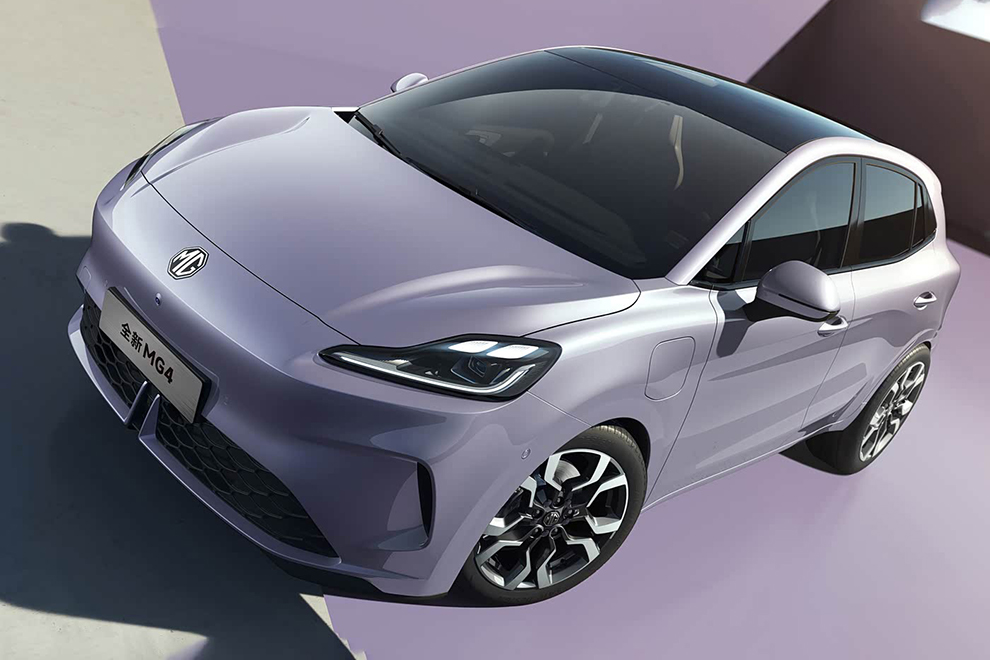
At a glance
- The MG Mg4 is a compact five-door battery-electric hatchback suited to urban and light-fleet use.
- The referenced trim ladder spans efficiency-oriented, luxury and AWD performance versions.
- Range labels must be compared by test cycle, usable capacity and real operating conditions.
- New cars offer predictable condition, while used MG Mg4 purchases require battery and history due diligence.
- Live listings control the exact price, MOQ and availability for each offer.
- Charging access, homologation, parts support and resale demand decide the export case.
Why the MG Mg4 matters for export markets
The MG Mg4 matters in export markets because it combines a compact five-door hatchback body with a pure battery-electric drivetrain, giving importers a more specialized alternative to conventional family cars. Its appeal is not simply headline equipment: the model can combine usable passenger space, competitive running costs and a manageable export footprint with different range and drivetrain choices. For overseas dealers, the MG4 therefore works as a value-oriented EV product for urban markets, company-car programs and private buyers who want practicality without moving into a larger, heavier SUV or premium crossover.
Interest is naturally strongest where compact cars are popular, charging infrastructure is expanding and import rules do not undermine the vehicle’s cost advantage. That includes many European and other developed markets, while selected emerging markets can also suit the model where demand for affordable EVs is emerging. Market conditions still matter: tariffs, local incentives, electricity prices, charger access and the availability of MG support can change the business case. A buyer should therefore assess the Mg4 against local alternatives over several years, not against China’s factory price or temporary incentives in isolation.
In practical terms, the case for an MG Mg4 for export should connect trim choice and vehicle condition to a credible local use case, then confirm every commercial and regulatory variable before committing. Dealers should compare landed cost, likely resale positioning, parts support and the cost of keeping the model in stock against expected demand. Fleet buyers should also examine charging plans, duty-cycle suitability and residual-value assumptions. This approach prevents a headline export figure from obscuring the operating and compliance realities that determine whether the model can succeed in the destination market.
- Compact five-door electric hatchback format
- Trim choices span efficiency and AWD
- Charging access determines real-world fit
Model range, trims and powertrain variants: how the lineup is structured and how to choose
The referenced export lineup is organized around three clear descriptors: the 415 km Overseas Champion Executive Edition, the 425 km Luxury Edition and the 460 km AWD Performance Edition. Those names should be treated as starting points rather than complete specifications, because equipment, software and market adaptation can differ. For a buyer seeking to buy MG Mg4 from China, compare the stated range label, motor layout, standard equipment and battery-related data for each exact vehicle. A trim name alone is not enough to establish suitability for a particular import market.
The most important mechanical split is between the lighter, single-motor configurations and the dual-motor AWD Performance version. The former should appeal to buyers prioritizing efficiency, simplicity and lower mechanical complexity; the latter adds all-wheel-drive traction and performance-oriented positioning for markets where rapid acceleration, wet-weather confidence or a higher-grade model matters. Output, battery capacity, curb weight and charging rate differ across versions, so buyers should not infer them from the range badge. Any performance claims should be checked against the exact listing and road-homologation documentation for the destination market.
Range selection should be treated as a real-use calculation. The quoted 415 km, 425 km and 460 km figures are useful for identifying the market version, but the test cycle, usable capacity and standard equipment may alter what they mean. Highway speed, ambient temperature, roof load, tyre choice, elevation and repeated air-conditioning can all reduce observed distance. Fleet operators should test their duty cycle against a conservative target, while private buyers should compare charging access and local route patterns. Ask for the applicable range standard, battery warranty and expected charging specification before ordering.
- Compare three named export trims
- Match motor layout to duty cycle
- Confirm range-test cycle and battery
New vs used MG Mg4: how export inventory is structured and how buyers choose
Export inventory can be understood in two broad structures: new vehicles sourced from factory channels, and used vehicles entering the export chain from earlier ownership. New examples are easier to describe by trim, mileage and delivery condition, which helps dealers create a retail offer. Used MG4 units can be attractive where a buyer wants a known model at a lower initial outlay, but the vehicle history becomes part of the product. In both structures, the exact year, production configuration and condition should be verified for each unit rather than inferred from the model name.
Used-example due diligence should extend beyond mileage and exterior condition. Request the battery state-of-health report, remaining battery warranty terms, DC fast-charging history, service records, recall completion and evidence of accident or flood repair. Inspect tyres for age and wear, brake discs, suspension components, cabin condition and the completeness of both exterior and interior trim. Diagnostic reports should also reveal active faults rather than only confirming that the dashboard is clear. For an overseas buyer, a recent third-party inspection is often more valuable than a seller’s generic excellent-condition statement or photographs alone.
New vehicles suit dealers who want predictable presentation, clearly documented model-year information and a clearer route to warranty support. They may carry a higher acquisition commitment and can depreciate quickly if stock turns slowly, so slow-moving trims should not be ordered simply because they appear attractive. Used vehicles can fit value-led importers or fleet pilots, provided the buyer prices in battery uncertainty, maintenance risk and possible warranty transfer limits. The best choice follows the sales channel: direct retail, demonstration fleet or short-term hire requires different condition standards from a long-term resale program.
- New units prioritize presentation and warranty
- Used units require battery-health evidence
- Inspect history, condition and title
How export pricing works: the factors behind a live listing price, and how to read one
An MG Mg4 export price guide should explain the price rather than publish a fixed figure that will soon become outdated. The live amount for a particular unit is shaped by model year, trim, range and battery version, motor configuration, mileage, condition, ownership history and optional equipment. Seller margin, currency movements, port charges, insurance, freight, documentation and the chosen Incoterm also affect the final commercial position. Consequently, two vehicles carrying the same MG4 name can have materially different values. Buyers should compare like-for-like specifications and condition before drawing any conclusion about the market.
The Incoterm is central to quote comparison. An EXW arrangement leaves more transport and export responsibilities with the buyer, while FOB typically places them at the named origin port; CIF extends the seller’s obligation to carriage and minimum insurance, and DDP may include import clearance and delivery, subject to local law. These labels do not guarantee the same landed outcome because insurance levels, terminal charges, taxes and local surcharges can vary. Ask whether the listing price is vehicle-only, an export-departure amount or an all-inclusive destination quote, and obtain a written schedule for every additional charge.
Read a live MG4 listing as a commercial record, not just photographs. Confirm the exact trim and range label, drivetrain, model year, battery version, charging connector, steering position, condition, mileage, included documents, Incoterm and stated minimum order quantity. Compare the quotation with the same information in your pro forma invoice and sale contract. If wording is incomplete, request clarification in writing before paying a deposit. Exact price, availability and MOQ must be reconfirmed in writing and matched to the agreed specification; check those fields at purchase. If no suitable unit is shown, request sourcing through the RFQ page.
- Compare like-for-like vehicle specifications
- Separate Incoterm from landed cost
- Use the live listing as binding reference
MOQ, ordering and payment: single units vs consolidating a container
MOQ is a commercial term, not a fixed characteristic of the MG4. A live listing may release one vehicle, accept mixed units or require a batch purchase, so the applicable minimum must be confirmed for that offer. For a wholesale program, define the mix of trim, range, condition and model year in the RFQ before discussing consolidation. A single-unit order can suit a test-car importer or small dealer, while a larger requirement may justify negotiated pricing, but the right choice depends on sell-through rather than on an arbitrary catalogue or platform assumption.
Container consolidation can reduce per-vehicle freight and handling exposure, but it ties cash and working capital to a larger inventory. Mixed trim levels may improve retail coverage while making it harder to standardise equipment and warranty handling. Full-container arrangements should be tested against expected local demand, storage financing, insurance, port handling and the risk of one slow-moving specification occupying space. A mixed shipment can still be sensible if every unit has a clear customer; buying a full container merely for a lower freight rate is not a sound inventory strategy.
The ordering sequence should create a traceable chain from requirement to release. Submit an RFQ with destination, quantity, trim, range label, LHD or RHD requirement, budget framework and preferred Incoterm; request a written quotation and pro forma invoice. Before paying, verify the seller and beneficiary details, deposit percentage, balance trigger, refund terms, title transfer, insurance and inspection rights. Keep payment inside a verified business channel and make release conditional on the agreed inspection and documents. No deposit should be sent when the vehicle description, price basis or minimum quantity remains materially unclear.
- Confirm MOQ for each seller
- Match shipment size to sell-through
- Condition deposits on inspection and documents
Shipping, homologation and market compliance caveats: LHD/RHD and import rules by country
Shipping cost and lead time are not properties of the vehicle; they depend on origin and destination ports, vessel space, route, seasonality, terminal handling, fuel surcharges, insurance, documentation and the Incoterm. Battery-electric vehicles can also attract special handling requirements because of battery safety declarations and carrier restrictions during carriage. Confirm whether the shipment is Ro-Ro or containerized, which charger or adapter is included, and how the vehicle is secured. Request an all-inclusive freight quotation with a clear cut-off between seller and buyer responsibilities rather than relying on a generic freight estimate.
Steering configuration is a sourcing requirement that must be fixed before inspection. The MG4 has been produced for left- and right-hand-drive markets, but an export listing’s origin does not automatically prove the correct configuration for the buyer’s country. LHD vehicles suit many markets, while RHD is essential for the UK and several other jurisdictions; the steering position, pedals, instrument display and local equipment should be checked. If no suitable LHD or RHD unit is listed, ask the supplier to source the required configuration and specify in the contract what will be delivered.
Homologation is separate from factory production, and importing is not automatically the same as registering. Each destination may impose its own type approval, safety, emissions, cybersecurity, data, charging, language, lighting, insurance and local-recall requirements, with rules that can change. Buyers should confirm HS classification, customs value, duty, VAT or sales tax, incentives and emission-zone eligibility with a local specialist before shipment. The vehicle may also need a certificate of conformity, battery documents and modifications such as a local connector. Treat the importer as responsible for destination-market compliance unless the contract assigns otherwise.
- Specify LHD or RHD before deposit
- Verify destination-country homologation requirements
- Price battery-safe freight and handling
Who should buy the Mg4 — and who should pick a different vehicle
The Mg4 fits overseas buyers who need a compact EV with dependable charging access, useful five-door practicality and enough specification choice for different budgets. It is particularly relevant to urban dealers, company-car specialists, ride-share or light fleet operators, and private customers moving from a combustion hatchback. The single-motor versions are generally easier to justify where efficiency and operating simplicity dominate. The AWD Performance edition can make sense where buyers value traction and performance more than fleet consistency. For these users, charging access and residual demand matter as much as the vehicle itself.
It is a weaker choice when dependable charging is unavailable, routes regularly exceed the usable range, or a loaded vehicle must travel where charging infrastructure is unreliable. It may disappoint buyers who require a large boot, a high-riding body, substantial towing ability, seven seats or a proven local service network. Fleets should test battery degradation and charging turnaround against harsh temperatures, daily mileage and replacement schedules. An acquisition price cannot compensate for vehicles that spend time off-road or unavailable. If those constraints dominate, a hybrid, combustion-engine hatchback or a larger EV may be more rational.
Before buying MG Mg4 for export, build a simple scorecard around five areas: landed cost, charging and duty-cycle fit, equipment, after-sales support and likely resale. Dealers should ask whether the trim can be supported locally and whether the expected buyer understands the vehicle’s range standard. Private importers should include charging installation, insurance classification and battery warranty in the total budget. The right decision is not the most specification-heavy Mg4; it is the version whose running and ownership costs remain acceptable after local taxes, labour, energy and residual-value assumptions are applied.
- Strong fit for urban and light fleets
- Weak fit without dependable charging
- Check service, parts and residual-value support
Main rivals and how the Mg4 compares
The closest alternatives depend on body format and buyer priorities, but three direct competitors are the Volkswagen ID.3, BYD Dolphin and Renault Megane E-Tech Electric. The ID.3 is a direct European-style compact EV hatchback with a strong driver-focused positioning; the Dolphin competes on equipment value and charging-oriented ownership; the Megane E-Tech is another family hatchback with European packaging. These are more meaningful comparisons for the Mg4 than larger premium crossovers. Exact equipment, software, range standards and local support still require verification for each import market and model year.
Against the Volkswagen ID.3, the Mg4 may offer a more value-oriented specification set, but the ID.3 can benefit from established brand familiarity and a broad local service ecosystem in some markets. Against the BYD Dolphin, the comparison is closer: both target compact electric hatchback buyers, so equipment, battery warranty, software and verified range should be compared on equal terms. The Renault Megane E-Tech brings a practical family-hatchback alternative, yet local parts availability and importer support may vary more by destination. None wins automatically; the stronger choice is the one with the lower supported operating risk.
A useful dealer comparison starts with the customer, not the badge. Match base versus AWD versions against the same routes, compare verified usable range rather than headline figures, and price charging access, servicing, insurance and residual risk separately. A test-drive and charge test can expose differences in ride, visibility, software and cabin usability that specifications do not reveal. If the Mg4 offers required equipment at a supportable landed cost and the dealer can source parts, it remains a credible wholesale choice. If support or compliance is weak, a rival with a clearer local pathway may be more profitable.
- Compare verified range, not headline badges
- Include support and residual risk
- Test charging and ownership practicality
Live MG Mg4 export inventory
View all listings →Real units currently on ChinaCarDirect with per-unit asking prices and MOQ. Availability updates live from the catalogue.
How to buy a MG Mg4 from China
-
1
Define the target specification
Set the destination country, required LHD or RHD configuration, preferred trim, range requirement, vehicle condition, quantity and Incoterm. Distinguish an initial test-car purchase from an ongoing dealer-stock program.
-
2
Search and shortlist live units
Review the live MG Mg4 listings for the closest specification, condition, connector and steering configuration. Check the per-unit price, stated MOQ, photographs, seller information and availability directly on each listing.
-
3
Request a written RFQ quotation
Submit a sourcing RFQ when no suitable unit is shown, or when a mixed batch is required. Ask for a pro forma invoice, Incoterm, freight quotation, documents and a clearly stated payment schedule.
-
4
Verify the vehicle and seller
Confirm the VIN, model year, trim, motor layout, battery version, range standard, charging equipment, condition, mileage and title documents. For used vehicles, require battery-health information, service history and an independent inspection.
-
5
Agree MOQ, payment and release terms
Put the unit specification, price basis, quantity, deposit, balance trigger, inspection rights, refund terms and title transfer into the pro forma invoice and sale contract. Verify beneficiary details and use a trusted business payment channel.
-
6
Inspect, ship and complete import
Complete the agreed inspection before final payment, then release the vehicle against verified documents. Coordinate freight, battery paperwork, customs clearance, local conformity checks, registration and charging installation before delivery to the customer.
Mg4 vs rivals
| Volkswagen ID.3 | The ID.3 is a direct compact EV hatchback often positioned around driver refinement and a mature European brand image. The Mg4 may deliver more equipment-oriented value, while the ID.3 can have stronger familiarity and service reach in markets with established Volkswagen support. |
|---|---|
| BYD Dolphin | The Dolphin is a close value-led hatchback rival for importers and urban EV buyers. Compare battery version, usable range, charging, warranty, software and local support on equal terms because headline range figures may use different test cycles. |
| Renault Megane E-Tech Electric | The Megane E-Tech is a practical family-hatchback alternative, especially where Renault and RHD support are established. The decision often turns on destination-market parts coverage, charging compatibility, warranty handling and the availability of suitable imported units. |
Frequently asked questions
How is the MG Mg4 export price determined?
The live price reflects model year, trim, range and battery version, motor configuration, condition, mileage, equipment, freight, insurance, exchange-rate movements and the selected Incoterm. Exact price, MOQ and availability are shown per unit in the live MG Mg4 listings and must be reconfirmed before payment. A written pro forma invoice should state which costs are included and which remain the buyer’s responsibility.
What powertrain and range should I expect?
The Mg4 is a battery-electric hatchback with single-speed drive, rear-wheel-drive versions and a dual-motor AWD Performance edition. Referenced trims carry 415 km, 425 km and 460 km labels, but the applicable test cycle, usable capacity and real-world range can differ. Confirm the battery, motor output and charging specification in the live listing.
Is a used MG Mg4 better value than a new one?
A used MG4 can reduce the initial acquisition commitment, but it also introduces battery degradation, accident-history, maintenance and warranty-transfer risks. A new vehicle is generally easier to standardize and present for resale, although it may depreciate more quickly. Used buyers should obtain a battery-health report, service history, recall evidence and an independent inspection.
Does buying an MG Mg4 require a container or a minimum order?
There is no blanket MOQ for the model; the minimum depends on the seller and the specific live offer. A listing may permit a single vehicle, while a batch or consolidated shipment may carry its own requirement. Confirm the applicable MOQ, mixed-unit rules and per-unit price before issuing a purchase order or deposit.
How long does shipping take, and what drives the cost?
Transit time and freight cost vary with origin and destination ports, vessel routing, port congestion, seasonality, documentation, terminal handling, insurance and the Incoterm. EV shipments also require confirmation of battery declarations, securing arrangements, included chargers and carrier restrictions. Request an all-inclusive freight quotation with a clear allocation of responsibilities.
Can I obtain spare parts for an imported MG Mg4?
Parts availability depends on the model year, market of origin and MG’s support network in the destination country. Before purchase, request quotes for common service items, tyres, brakes, suspension parts and charging accessories, and confirm whether part references match China-market or destination-market vehicles. Local equivalents, import lead times and servicing capability should also be evaluated.
Is a right-hand-drive MG Mg4 available for export?
The MG4 has been produced for both LHD and RHD markets, but a China-origin listing is not automatically configured for RHD. State the destination and steering requirement in the RFQ, then confirm the steering position, pedals, instruments, lighting and charging equipment for the exact vehicle. If no suitable unit appears in the live listings, request sourcing for the required configuration.
How do I buy MG Mg4 from China?
Start with the live MG Mg4 listings and compare the exact vehicle specification, condition, price basis and stated MOQ. If no suitable vehicle is shown, submit an RFQ with your destination, quantity, trim and Incoterm so a supplier can quote or source it. Finalize inspection, payment, title, document and freight terms in writing before releasing the vehicle.
Ready to source the MG Mg4?
Request an MG Mg4 quote with your destination, trim, quantity and Incoterm, or choose a suitable unit from the live listings when one becomes available.
Request a quote