
MINI 2016 1.2t One Pioneer Export Buying Guide
Buy a MINI 2016 1.2t One Pioneer from China with clear guidance on trims, pricing, MOQ, shipping, compliance and the current live marketplace inventory.
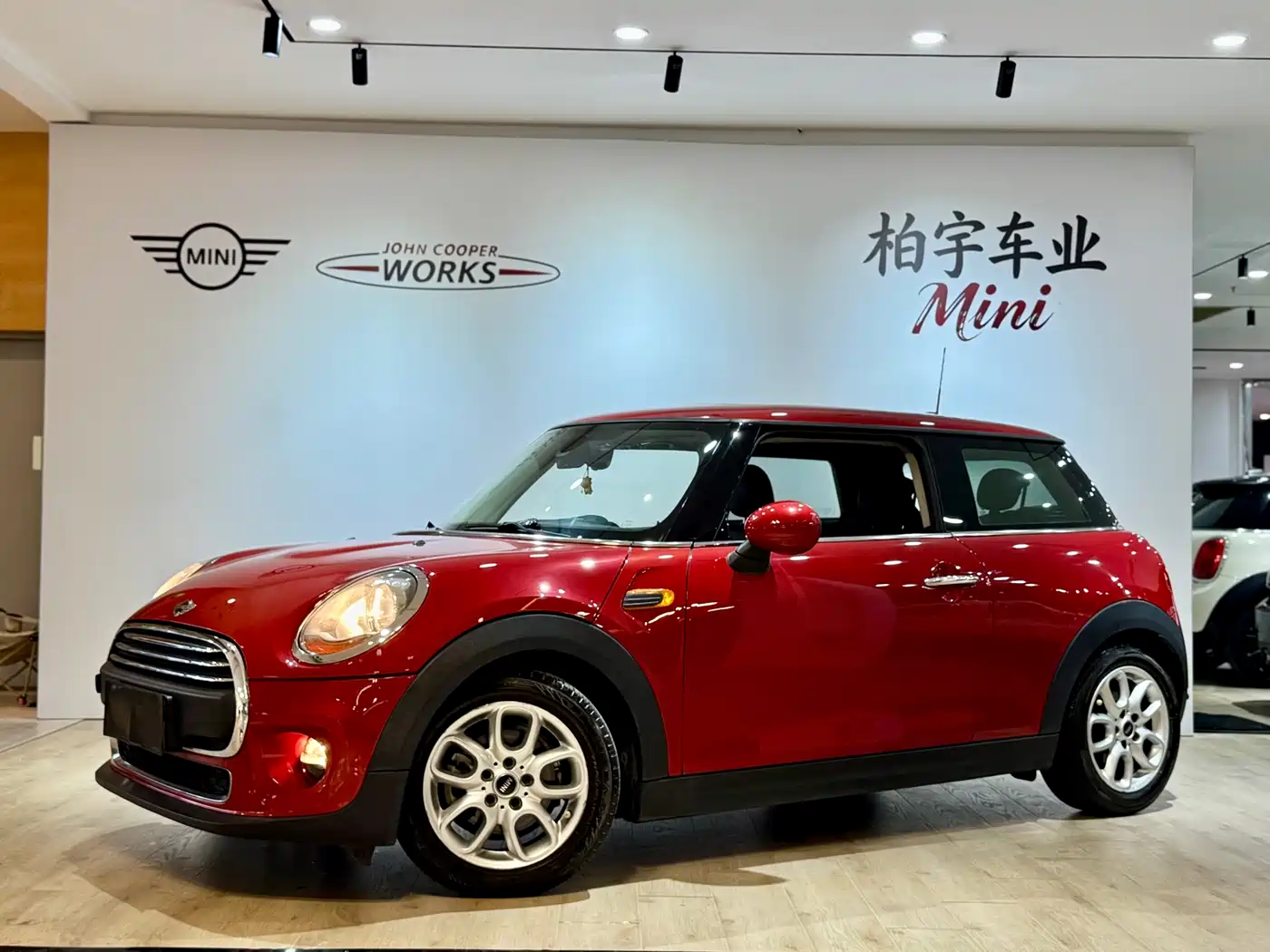
At a glance
- The MINI 2016 1.2t One Pioneer is a compact premium petrol hatchback offered in three-door and five-door forms.
- The 1.2T label identifies turbocharged petrol, but output, transmission, emissions and drivetrain should be confirmed for each unit.
- For a 2016 model, new condition does not imply recent production, a recent model year or current factory warranty coverage.
- Compare vehicle price, freight, insurance, duties, taxes and local preparation to calculate the true landed cost.
- Confirm the listing-specific MOQ, LHD/RHD configuration, documents and destination-country import eligibility.
- The strongest fit is an urban or boutique buyer; buyers prioritizing latest technology, lowest running costs or extensive cargo space should consider alternatives.
Why the MINI 2016 1.2t One Pioneer matters for export markets
The MINI 2016 1.2t One Pioneer occupies a useful position for overseas buyers: a compact, premium-branded petrol hatchback with a distinctive design and two body choices. The export range includes the short three-door One Pioneer and a five-door version, allowing the same model to serve style-focused city dealers as well as buyers needing an extra door for access. Its appeal is not extreme capacity; it is the combination of MINI presentation, a relatively small footprint and an established compact-car platform. That makes model-year age, equipment consistency and import compliance more important than headline features.
Demand in this segment comes from several practical sources. Urban dealers can use the MINI badge to give a mainstream fleet a more premium identity, while private buyers may prioritise visual appeal and compact manoeuvrability over maximum cargo volume. The five-door version is the more logical choice for mixed passenger and luggage duties; the three-door version generally serves buyers focused on style and frequent two- or three-person use. Neither body style should be selected until the importer checks local registration rules, equipment availability and service expectations for the intended market and customer profile. Local conditions should decide the configuration.
The model should also be judged as an older premium vehicle rather than a current-generation MINI. A 2016 designation brings established design appeal, but it also raises questions about age-related import restrictions, electronic compatibility, parts support and residual values. Buyers who can source local servicing and accept a period-appropriate specification will find the proposition more straightforward. Those who need the latest active-safety systems, electrified powertrains or a longer factory warranty should widen the search before committing to this generation. A pre-purchase inspection is therefore part of the valuation, not an optional extra.
- Three-door and five-door variants serve different needs.
- The 2016 model year raises age-compliance questions.
- Local service access supports ownership economics.
Model range, trims and powertrain variants: how the lineup is structured and how to choose
The lineup is straightforward but easy to misread. The One Pioneer is the principal designation, while the market also includes a five-door One Pioneer; the model year is 2016. Some listings may use different punctuation or capitalisation, so buyers should search by the complete vehicle name and then confirm the body shown in the photographs and title. Trim naming alone does not prove equipment level. Options, paint, wheels, cabin specification and factory-market origin should be checked unit by unit against the listing and supporting documents before placing a deposit or relying on an assumed configuration.
The 1.2T designation points to a 1.2-litre turbocharged petrol powertrain, matching MINI’s compact, downsized-engine approach for this model. The designation alone does not establish a verified output curve, gearbox type, emissions standard or drivetrain for each unit, so no such figure should be inferred from the trim name. Before ordering, request the vehicle specification sheet or original catalogue record and confirm engine displacement, transmission, steering side, fuel type, manufacturing market and any disclosed accident or modification history. The same verification matters when comparing quoted duty bands or insurance classes locally before shipment.
Body choice is the first practical decision. The three-door body gives the model a more focused style-led character, while the five-door version adds access and may suit families, hotel shuttles or mixed fleets where rear-seat use is frequent. Because equipment can vary between examples, compare the actual option list rather than assuming every One Pioneer includes the same infotainment, comfort and safety systems. Also assess whether the buyer’s market values the extra door more than the visual distinction and perceived prestige of the shorter car at point of sale for the intended market.
- Confirm three-door or five-door body.
- Obtain the unit-specific factory record.
- Verify transmission, emissions and steering side.
New vs used MINI 2016 1.2t One Pioneer: how export inventory is structured and how buyers choose
New and used must be interpreted carefully for a 2016 vehicle. In export terminology, new usually describes an original, unregistered vehicle held as stock; it does not mean a recent model year or a vehicle still covered by a new-car factory warranty. That distinction is especially important here because the model year is fixed. Export inventory is organized by individual unit, so condition, body and documentation should be assessed from the live entry rather than inferred for the model. Ask the seller for the age statement, registration history, VIN, odometer reading, production date and any explanation of long-term storage.
A new-condition example can offer a cleaner ownership history, low recorded mileage and a more coherent original specification, but those benefits must be balanced against the vehicle’s age. Long storage can affect tyres, seals, fluids, batteries and other age-sensitive items even when paint and interior appear excellent. Confirm whether the car has been started, moved and inspected periodically, and request dated photographs, tyre information and a service or storage record. Any remaining manufacturer coverage should be confirmed in writing rather than assumed from the word new shown in the listing alone.
A used example may cost less to acquire and can provide evidence of real-world use, but it transfers more uncertainty about wear, repairs and configuration. Review service invoices, inspect cold starts and underbody areas, verify that mileage is plausible, and ask for a scan of the dashboard when photos are taken. Import rules can be stricter for used vehicles, particularly where age or emissions limits apply, so suitability must be checked before price negotiation. The soundest decision is a total-cost comparison that includes likely reconditioning, compliance work and unsupported resale risk.
- New condition is not a recent model year.
- Verify mileage, storage, tyres and service evidence.
- Check destination-country age and emissions rules.
How export pricing works: the factors behind a live listing price, and how to read one
A live vehicle price is only one layer of the acquisition cost. The amount asked for a particular MINI 2016 1.2t One Pioneer can change with model year, body style, trim consistency, mileage, condition, paint, options, production market and the seller’s commercial terms. Currency movements also affect the quoted amount, while freight, marine insurance, port charges, customs duties, taxes, registration and inspection can add substantial sums. Because the model year is already 2016, condition and specification evidence generally matter more than simply repeating the name in the quoted online listing.
When reading a live listing, separate the vehicle price from the landed cost and the commercial offer. First check the model year, body style, condition, mileage, VIN or stock reference, photographs and current MOQ. Then ask what is included: export documentation, inspection, inland transport, marine insurance, loading and the Incoterm. Request a written quotation with validity, payment milestones, delivery scope and exclusions. If a displayed amount appears unusually favourable, verify the seller’s identity, the vehicle’s title status and every line that would otherwise be added later before committing any funds or making a reservation.
A practical comparison should use identical assumptions on both sides. For example, compare a three-door car with a five-door car only after adjusting for body preference, and compare EXW, FOB and delivered terms only after listing what each includes. Build one worksheet for vehicle price, inland movement, freight, insurance, duty, tax, port and inspection, then add expected local preparation. Exchange rates and sailing schedules can change before approval, so ask the seller to refresh the quotation and its validity period. Exact current prices, MOQs and availability are shown on each ChinaCarDirect live inventory entry.
- Separate vehicle price from landed cost.
- Define Incoterm inclusions and exclusions.
- Check current price and MOQ in live listings.
MOQ, ordering and payment: single units vs consolidating a container
MOQ is a commercial condition attached to a particular listing or negotiated quotation, so it should not be assumed from the model name. Some offers can be bought as one vehicle, while others are structured for dealer quantities or mixed-container purchasing; the live entry should state the current requirement. Buyers seeking a single unit should obtain written confirmation that one is permitted for the chosen specification and destination. For a larger wholesale purchase, ask whether the requirement is by identical model, by mixed units or by total units, because each definition changes the negotiation.
Ordering should move from selection to a documented commercial commitment. Use the live listing to identify the exact unit or define a sourcing brief, then send an RFQ covering body style, condition, steering side, destination, delivery term and inspection requirements. Confirm the registered seller, invoice entity, payment beneficiary, deposit and balance milestones, cancellation terms and refund conditions. Payment terms should match the inspection and shipping sequence; deposits should not be sent without matching the vehicle identity and receiving party. Keep every quotation, invoice and inspection record together for the complete transaction file.
Container consolidation can improve freight planning, but it introduces selection and allocation risk. Agree whether every vehicle must match on trim, paint, wheel design, steering side and interior, or whether substitutions are acceptable within defined limits. Require VIN-level allocation before loading, along with matching photographs and a discrepancy procedure for damage or specification mismatch. The importer should also specify how accessories, documents and keys are packed and inventoried. If the economics depend on volume but the priority is a precise retail car, a smaller or mixed consolidation may offer better control than filling every position with an identical-looking unit.
- Confirm single-unit eligibility before ordering.
- Agree MOQ, payment milestones and refund terms.
- Allocate container units by VIN before loading.
Shipping, homologation and market compliance caveats: LHD/RHD and import rules by country
Steering configuration is a critical first check. The 1.2t One Pioneer designation does not itself state whether an example is left-hand drive or right-hand drive, and the relevant market version may also differ in equipment. Ask for clear photographs of the steering wheel, dashboard, lights and VIN plate, and require the configuration to appear on the invoice and shipping documents. Importing the wrong steering arrangement can make a vehicle difficult to register or serve locally, while market-specific electronics or lighting may require work beyond a simple change of steering wheel while also complicating homologation.
Each destination country applies its own import, type-approval, emissions, safety, taxation and registration framework, so compliance cannot be inferred from the car’s Chinese export description. The importer should confirm whether a 2016 vehicle is admissible as used or older stock, what emissions or roadworthiness evidence is required, and whether a Certificate of Conformity, factory build sheet or other ownership document is acceptable. Originality matters: converted or grey-import histories can complicate licensing and resale. Local legal advice or a specialist customs broker is justified where the route is unfamiliar, especially before paying a non-refundable balance.
Shipping cost and timing depend on the transport method, route, port pair, vehicle dimensions and weight, sailing frequency, congestion, insurance and the agreed Incoterm. Cars may move by roll-on/roll-off service or container carrier, but the carrier should confirm which option suits the available unit and loading equipment. Complete a pre-shipment inspection covering bodywork, tyres, glass, interior, fluids and VIN, and photograph the vehicle at loading. Check that the bill of lading, export declaration, keys and document set match the purchase. Delivery dates remain estimates because customs clearance and inland delivery sit outside the sailing schedule.
- Confirm LHD or RHD in VIN-level evidence.
- Check country-specific age, emissions and tax rules.
- Inspect and photograph the car before loading.
Who should buy the 2016 1.2t One Pioneer — and who should pick a different vehicle
The 2016 1.2t One Pioneer fits buyers who want a recognisable MINI at a manageable compact-car size and can accept period technology. It is particularly relevant to urban dealers, premium city-car retailers, corporate hospitality fleets and private buyers prioritising design, compact manoeuvrability and the three-door image. The five-door variant broadens the case where regular rear-seat access or carrying passengers and luggage matters. For these users, a properly documented, well-maintained car can deliver a more distinctive proposition than an anonymous mainstream hatchback without requiring a large vehicle footprint for daily use in dense cities.
It is a weaker choice for buyers whose priorities are latest driver assistance, current infotainment, electrified efficiency, low running cost, maximum cargo volume or a long factory warranty. Those needs point toward a newer model or a different powertrain. Large fleets may also hesitate if MINI service coverage is limited in the destination market, because downtime and parts lead times can outweigh the badge’s appeal. The 2016 age also makes insurance classification, residual-value forecasting and age-based import rules more important. A test drive and independent inspection should therefore carry more weight than brochure imagery.
A sensible buying decision compares total operating cost rather than purchase price alone. Obtain local insurance quotes, investigate parts and workshop access, and estimate fuel, tax, servicing and likely depreciation under local conditions. For fleet use, ask the supplier for fleet documentation, warranty transferability, accessory support and a clear handover process. For retail use, verify that replacement parts can be sourced for the exact body and market version, and that software or electronic functions will remain supportable. If these checks are weak, a mainstream rival with better parts coverage may be the more rational export purchase.
- Best for urban, style-led and boutique buyers.
- Weak fit for buyers prioritizing latest technology.
- Evaluate local service, insurance and residual support.
Main rivals and how the 2016 1.2t One Pioneer compares
The Volkswagen Golf is a strong mainstream benchmark because it offers a similar compact-hatch format with a reputation for practical space and broad service familiarity in many export markets. The MINI is the more design-led and premium-badged choice, while the Golf can appeal where low-cost parts, established fleet servicing and straightforward logistics dominate. Rear-seat and luggage usability may favour the Golf, so the comparison should include the five-door MINI rather than assuming the three-door model offers equivalent utility. Exact equipment, engines and values vary by country and should be checked on a like-for-like basis.
The Audi A3 is the closest premium-positioning rival, with a compact hatchback format and an established badge that many MINI shoppers already cross-shop. Audi may be the better fit for buyers prioritising a more restrained cabin presentation or a particular powertrain available in their market, while MINI retains stronger visual individuality. Do not assume equivalent equipment or service economics merely because both are premium marques: compare the exact engine, transmission, safety specification, insurance class, parts lead time and landed cost. A locally supported A3 may be easier to operate even where the MINI feels more distinctive.
The Ford Focus hatchback is a useful value-oriented alternative for fleets and private buyers who prioritise running costs, mainstream familiarity and available parts over premium image. It can provide a more rational total-cost case in markets with strong Focus support, particularly when a suitable local example is straightforward to service. However, vehicle age, specification and condition can vary widely, so a low purchase price alone is not a reliable comparison. For the MINI, the deciding argument is the combination of styling, badge and compact character; for a cost-led buyer, a better-supported rival may deliver more value over the ownership period.
- Golf prioritizes mainstream practicality and parts familiarity.
- A3 competes directly in premium compact-hatch positioning.
- Focus is the cost-led option with stronger local support.
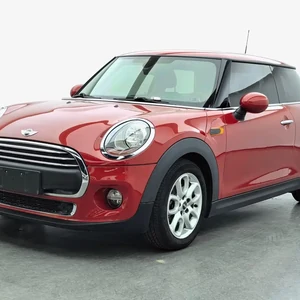
Live MINI 2016 1.2t One Pioneer export inventory
View all listings →Real units currently on ChinaCarDirect with per-unit asking prices and MOQ. Availability updates live from the catalogue.
How to buy a MINI 2016 1.2t One Pioneer from China
-
1
Search the exact model
Use the live inventory search for the MINI 2016 1.2t One Pioneer and compare the three-door and five-door entries. Check the body, condition, mileage, photographs and unit reference before requesting detailed documents.
-
2
Verify the individual vehicle
Ask for the VIN, production date, registration status, title documents, odometer evidence and a full condition report. For an older vehicle, request dated photographs and an explanation of storage and service history.
-
3
Obtain the factory record
Confirm engine details, transmission, drivetrain, emissions standard, steering side, market version and fitted equipment from the unit-specific specification sheet rather than the trim name alone.
-
4
Request a landed quotation
Specify the destination, delivery term and required services. Ask for vehicle price, inland movement, freight, insurance, port charges, duty, taxes, registration and exclusions in one written offer.
-
5
Confirm MOQ and payment terms
Check the current MOQ on the selected listing and obtain written confirmation for a single-unit or wholesale order. Agree the invoice entity, payment beneficiary, deposit, balance, cancellation and refund conditions before transferring funds.
-
6
Approve pre-shipment inspection
Use an agreed or independent inspection to check VIN, bodywork, tyres, glass, interior, fluids, accessories and documentation. Record any damage and establish the discrepancy procedure before loading.
-
7
Arrange compliant shipping
Confirm LHD/RHD suitability, destination import rules and customs requirements with a specialist broker or importer. Align insurance, shipping documents, loading responsibilities, port handling and inland delivery with the purchase agreement.
2016 1.2t One Pioneer vs rivals
| Volkswagen Golf | The Golf is the mainstream practicality benchmark, with strong fleet familiarity and often more usable rear-seat and luggage space. The MINI offers stronger premium design appeal and a more distinctive character, particularly in three-door form, but may be less rational where parts cost and total ownership expense dominate. |
|---|---|
| Audi A3 | The A3 is the closest direct premium-compact rival and may suit buyers wanting a restrained cabin or a particular locally available engine. MINI distinguishes itself through visual individuality, while the better-supported A3 version may be easier for an importer to operate. |
| Ford Focus | The Focus hatchback is a cost-led alternative for fleets and buyers prioritising mainstream servicing and running costs over premium image. MINI is the stronger choice for style and brand differentiation, but a Focus with better local support may deliver a more sustainable ownership case. |
Frequently asked questions
How is the export price determined, and where can I see the live price?
The live amount reflects the unit’s year, body style, trim, mileage, condition, options and commercial terms. Freight, insurance, port charges, duties, taxes, registration and local preparation may be separate, while exchange rates and sailing costs can change. Current per-unit prices, MOQs and availability are shown in ChinaCarDirect’s live listings; request a written, time-bound quote for the landed total.
What engine and powertrain does the MINI 2016 1.2t One Pioneer have?
The 1.2T designation identifies a 1.2-litre turbocharged petrol engine. It does not confirm output, transmission, drivetrain, emissions standard or market version for every unit, so use the unit-specific factory record. This is not an electric powertrain, so battery capacity and driving range do not apply.
Is a new MINI 2016 1.2t One Pioneer preferable to a used example?
For this 2016 model, new describes condition rather than a recent model year. Compare storage and service evidence, mileage, tyre age, accident history and any remaining warranty against likely reconditioning. Check used and older-vehicle import rules before selecting a used example.
How does MOQ work for this model?
MOQ is set on the live listing or negotiated offer and may refer to identical or mixed units. Do not infer it from the model; review the current field and obtain written confirmation for a single-unit or wholesale purchase.
What determines shipping time and cost from China?
Cost and timing depend on route, ports, carrier, sailing frequency, congestion, insurance, Incoterm and vehicle size. Freight is only one part of the journey; customs clearance and inland delivery can extend the schedule. Agree a pre-shipment inspection and the responsible parties for loading and claims.
How should buyers handle spare parts for an exported MINI?
Parts fit depends on body style, market version and the destination service network. Use the VIN to source compatible service parts, check electronic functions and local rules for aftermarket or remanufactured items, and obtain current lead times before advertising the vehicle for sale.
Is a right-hand-drive MINI 2016 1.2t One Pioneer available?
The 1.2t One Pioneer name does not guarantee left-hand drive or right-hand drive. Ask for VIN-level photographs and written confirmation of steering side, production market and equipment before ordering. Current body and steering configurations, plus unit availability, must be checked in the live listings.
How do I order a MINI 2016 1.2t One Pioneer from China?
Search the live inventory, choose a unit, then submit an RFQ stating body style, condition, steering side, destination, Incoterm and inspection requirements. Confirm the specification sheet, quotation, MOQ, payment milestones, refund terms and shipping documents before paying a deposit. Release the balance only after the agreed inspection and shipment checks are satisfactory.
Ready to source the MINI 2016 1.2t One Pioneer?
Send a MINI 2016 1.2t One Pioneer RFQ for a unit-specific specification sheet, live price, MOQ and landed shipping quote.
Request a quote