
MINI 2016 1.5t Cooper Export Buying Guide
Compare MINI 2016 1.5t Cooper trims, engine details, export pricing, MOQ and shipping factors before ordering from China with confidence and clarity.
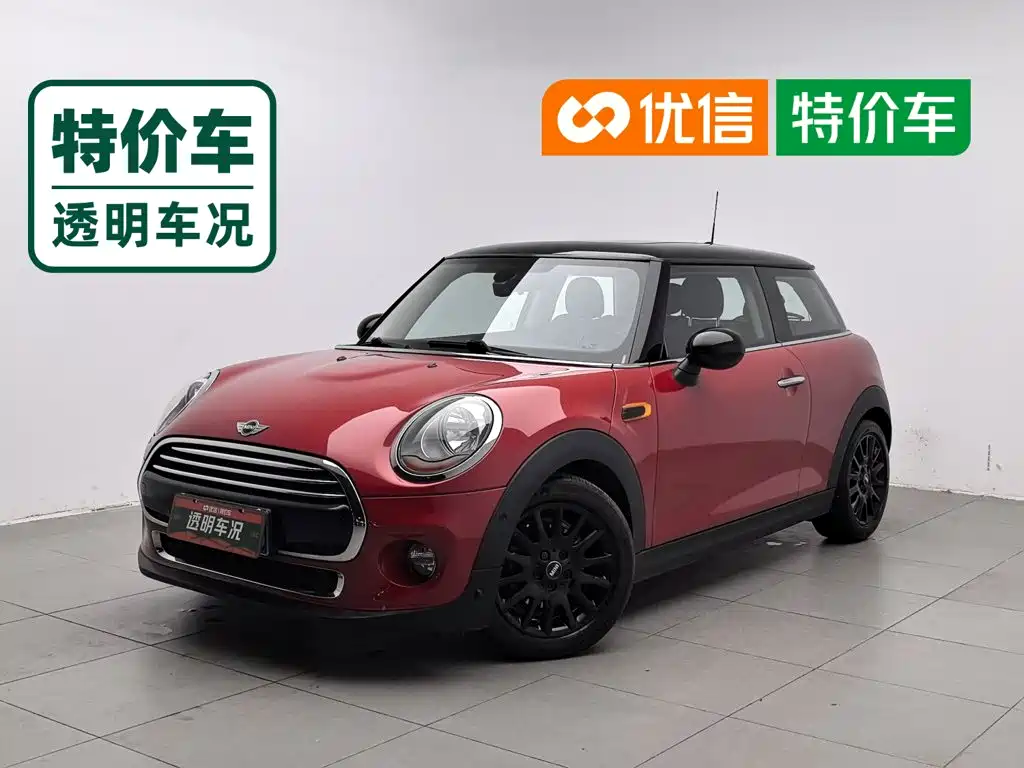
At a glance
- The 1.5T designation identifies a turbocharged 1.5-litre petrol engine, not the vehicle’s weight.
- The Cooper range includes three-door, five-door, Pioneer and Cabrio configurations for different buyer priorities.
- The MINI balances compact urban dimensions and premium identity against limited cargo space and modest outright performance.
- New and used vehicles require different evidence, condition checks and destination-import planning.
- Live inventory and unit-specific quotations remain the source for current pricing, availability and MOQ terms.
Why the MINI 2016 1.5t Cooper matters for export markets
The MINI 2016 1.5t Cooper occupies a place in the export market: a premium compact hatchback that combines a short footprint, distinctive styling and a turbocharged petrol powertrain. It suits buyers who want a premium badge and nimble urban proportions without moving into a larger family car. For dealers, the model can broaden a city-car range at the affordable end of the premium-compact segment. Its appeal is strongest where narrow streets, dense traffic and limited parking make dimensions important, while import rules still permit the configuration shown in the live listing.
Demand is not identical across markets. In Europe, the United Kingdom and other right-hand-drive markets, the Cooper’s compact proportions, dealer familiarity and parts ecosystem can support importer interest. In left-hand-drive markets, it competes against locally developed small cars with more practical cabins and broader model ranges. Exporters should therefore treat global desirability as conditional on body style, steering side, local taxation, fuel costs and homologation. Buyers should ask whether the exact Cooper configuration has a comparable local audience before committing to shipment. A recognizable name does not remove the need for local research.
For a buyer, the model is less about maximum cargo capacity and more about character, relative efficiency, and a recognizable premium identity. It can work for urban dealers, company-car programs, hospitality fleets and owners replacing a small hatchback. Buyers should compare the body, steering configuration, equipment and carrying needs against local alternatives; the badge alone does not guarantee the best fit for every fleet. The decisive question is whether its design appeal and compact footprint create demand to offset operating and compliance costs in the destination market. That makes local sales evidence more useful than brand recognition.
Model range, trims and powertrain variants: how the lineup is structured and how to choose
The 2016 1.5T Cooper range is structured around several buyer-use cases rather than a single specification. The core Cooper is the entry point, while Cooper 5-Door adds a more practical hatchback layout. Pioneer appears as an equipment-led version, including a five-door derivative, and the Cabrio Caribbean Blue Limited Edition represents an open-top, character-focused offering. Availability and exact equipment should be confirmed on the live unit page. Because trim labels do not guarantee identical equipment across markets, compare the standard-equipment list, options, body style and VIN before treating two similarly named cars as interchangeable.
The “1.5T” designation identifies a turbocharged 1.5-litre petrol engine and should not be read as a kerb-weight figure. In this generation, the Cooper is associated with a three-cylinder layout, front-wheel drive and a seven-speed dual-clutch sports automatic. That combination places more emphasis on urban response, refinement and efficiency than outright performance. Exact output figures are best taken from the vehicle’s own specification or build record rather than inferred from the trim badge. For fleet calculations, buyers should also confirm fuel type, consumption data, service intervals and emissions information applicable to their destination market.
Choose the body style before comparing equipment. The three-door Cooper emphasizes visual simplicity and driver appeal, the five-door version serves buyers needing easier rear access and more versatile luggage use, and the Cabrio trades a fixed roof for open-air appeal and different weather, security and storage considerations. Within each body, check whether the listed options, safety equipment, infotainment and trim details match the intended resale market. A stronger specification can improve customer appeal, but it also changes the vehicle’s purchase and landed-cost calculation. Equipment should be judged against expected buyer utility, not option count alone.
- Three-door Cooper baseline.
- Five-door practicality focus.
- Pioneer equipment verification.
- Cabrio lifestyle trade-offs.
New vs used MINI 2016 1.5t Cooper: how export inventory is structured and how buyers choose
Export inventory for this model should be understood in two categories: vehicles presented as new and vehicles presented as used. Because a 2016 car is an older design, condition and registration history can differ even when the model year is identical. A new-status listing normally implies a different sourcing and inspection profile from a previously registered car. Buyers must check the live listing for condition, mileage, prior-registration fields, warranty wording and available photographs rather than infer status from the model year alone. They should request a consistent written description across every quote.
A used MINI 2016 1.5t Cooper can suit buyers seeking the same body design and powertrain at a lower acquisition cost, but the saving must be evaluated against remediation work. Review wear on tyres, brakes, suspension components, wheels, paint and cabin trim; ask for service records and a scan for dashboard warnings. Also check accident history, outstanding recalls, key count and evidence of servicing. A lower purchase quote is not automatically economical if the car needs attention or lacks documentation in the destination market. Import age restrictions can also change the feasible route.
The new-status route may be more attractive to dealers wanting a standardized vehicle, presentation and a cleaner handover process. It also removes uncertainty associated with prior use, but it does not remove the need for a pre-delivery inspection, document verification or destination-market checks. Confirm production timing, mileage reading, tyre condition, option list, VIN consistency and the warranty in the proforma invoice. For fleet purchases, standardizing trim and equipment usually matters more than a headline condition label. A new vehicle still deserves the same evidence-based buying discipline as a used one.
- Condition and prior use.
- Records and VIN review.
- Warranty confirmation required.
How export pricing works: the factors behind a live listing price, and how to read one
An export listing price is the starting point for a transaction, not necessarily the total cost of ownership in the destination country. The vehicle amount can move with model year, trim, body style, options, production timing, condition, mileage and the seller’s terms. Currency movements also affect the displayed figure, while freight, insurance, port handling, inland transport and destination charges sit outside it in many Incoterms. Tax and duty may be added by the importing country, so the quote scope must be clear. Buyers should compare like-for-like quotes rather than headline figures alone.
To read a live listing correctly, identify the exact unit and distinguish the vehicle price from discounts, taxes, shipping and seller charges. Check the stated currency, whether the seller or buyer bears export handling, the Incoterm, quote validity, payment schedule and what documents are included. Treat a binding proforma invoice as more useful than a general listing description. If two Cooper units appear similar, compare their VIN, body, trim, options, mileage, condition and delivery terms before treating their displayed amounts as comparable. Ask the seller to correct omissions in writing before ordering.
A sound landed-cost comparison works like a checklist: vehicle quote, inland transport to the export point, export documentation and handling, international freight, insurance, destination port or terminal charges, customs duty or tax, delivery, and a contingency for inspection or minor correction. The same formula should be used for each candidate, with Incoterms kept separate until the final comparison. Exact current vehicle amounts, availability and unit-level terms are shown in the live inventory; use the [current MINI 2016 1.5t Cooper listings](https://chinacardirect.com/products?q=2016%201.5t%20Cooper&brands%5B%5D=936) and request a written quote for the selected car before funds are committed.
- Compare equivalent configurations.
- Separate vehicle and landed costs.
- Use live unit quotes.
MOQ, ordering and payment: single units vs consolidating a container
MOQ is a commercial condition, so it must be confirmed for the selected seller, vehicle and destination rather than assumed from a marketplace category. Some offers may be structured for single-unit buyers, while others require a batch or a mixed-model allocation. A buyer wanting one Cooper should ask directly whether the unit can be released individually and whether the quoted price and payment schedule change. The same inquiry should define the permitted trim, production period, inspection standard, documentation and delivery point. Any exception should appear in the written quotation or invoice.
The ordering sequence should move from requirement definition to a binding document. Select a candidate in the live inventory, send a structured RFQ, verify the seller’s response, and ask for a proforma invoice that identifies the unit and all agreed charges. After technical and commercial clarification, confirm the deposit, balance milestone, cancellation terms, inspection rights, release conditions and permitted documentary corrections. Payment should be made only after the contracting entity, beneficiary details and invoice have been checked against the agreed instructions. Keep the final signed records with the vehicle file.
Consolidating several compatible vehicles can improve freight planning, but it changes the purchase and release risk. Confirm that every unit is sold, funded and cleared before container loading, and define who pays if a vehicle is missing, damaged or fails inspection. Mixed configurations can complicate customs paperwork, insurance declarations and destination resale planning if steering side or equipment differs. A consolidated order should therefore use a unit schedule, serial photographs, an inspection protocol and release authority rather than relying on verbal assurances. For mixed buyers, nominate one document owner and one escalation contact.
- Confirm MOQ per seller.
- Use unit-specific proformas.
- Control payment and release.
Shipping, homologation and market compliance caveats: LHD/RHD and import rules by country
Steering configuration is an important technical check. Cooper examples may be left-hand-drive or right-hand-drive depending on how they were built, and the market’s expected configuration can affect buyer interest and residual value. Europe generally uses left-hand drive, while the United Kingdom, Australia and New Zealand use right-hand drive; individual markets have their own rules. Do not assume that a listing can be converted locally at low cost. Confirm the steering side, pedal arrangement, instrument presentation and market-specific equipment in the VIN-level documentation. A conversion can also alter safety, warranty and compliance issues.
Import rules are destination-specific, and a vehicle that is road legal in China is not automatically road legal elsewhere. The importing authority may assess emissions, safety, type approval, VIN, roadworthiness, customs value, duty, tax and registration eligibility. Used vehicles can face additional age or roadworthiness limits, while local rules may determine whether a particular engine and modification is acceptable. Buyers should obtain a written import assessment from a customs broker or local specialist before paying a balance. That review should cover the exact VIN, configuration and intended use, not just the model name.
Shipping should be planned around condition, route choice and the importer’s handling capability. Ro-ro or container transport is commonly considered for finished vehicles, while air freight can reduce transit time at a much higher cost. Transit depends on ports, sailing or flight schedules, congestion, customs clearance and inland delivery arrangements; no fixed duration should be assumed. Photograph the Cooper before loading, retain shipping documents, arrange suitable insurance, and confirm whether the quoted rate includes origin handling, destination terminal charges and delivery to the dealer. The receiving party should be ready for inspection on arrival.
- Verify steering configuration.
- Check destination import rules.
- Document pre-shipment condition.
Who should buy the 2016 1.5t Cooper — and who should pick a different vehicle
The 2016 1.5t Cooper is a sensible fit for urban dealers, premium lifestyle buyers and small fleets that value design, a compact footprint and a premium badge. It can attract customers who want the MINI look without a larger premium body, while three-door, five-door and Cabrio choices allow the range to address different tastes. Hospitality, rental and company-car operators may also like the model’s maneuverability and recognizable image. The strongest case is where demand for distinctive compact cars is proven. A local sales history is stronger evidence than brand recognition.
A different vehicle is usually better when maximum luggage capacity, family seating, low purchase cost or minimum operating cost matters more than styling. The Cooper’s small rear compartment and limited cargo volume may not suit bulky trade goods or frequent family transport. Buyers subject to emissions targets or seeking an electrified powertrain should evaluate a current hybrid or battery-electric alternative instead. Performance buyers should also recognize that the standard 1.5T Cooper is a comfort-and-image model, not a substitute for a high-output performance hatchback. Its character should not be confused with outright performance.
Before committing, test the purchase against the business case rather than the badge. Sit in the rear, load the cargo area, drive the route used by customers, and review visibility, ride comfort and infotainment usability. Then compare fuel consumption, service needs, insurance, local taxes, spare-part lead times and remarketing demand. Because residual values depend on local supply, condition and brand perception, model a downside scenario rather than relying on a resale price. The Cooper wins when its driving character and image outweigh the practical compromises. A short, documented trial helps prevent an emotional purchase.
Main rivals and how the 2016 1.5t Cooper compares
The Volkswagen Golf is a mainstream alternative for buyers who prioritize cabin usability, carrying capacity, engine choice and ownership familiarity over a premium badge. It is easier to place with customers who view a compact hatchback as a practical purchase, and parts and servicing familiarity can be valuable. The MINI is the more image-led choice, with a shorter footprint, distinctive design and appeal among buyers seeking character. Which wins depends on local dealer positioning, fuel costs and the precise equipment and condition being compared. Neither should be judged from a generic brochure specification.
The Audi A3 sits in a premium-compact bracket and may appeal to fleet buyers who place more weight on a restrained interior, refined road manners and a technology presentation. It can offer a conventional luxury-car proposition, although the exact variant and equipment determine the result. The MINI counters with stronger visual identity, a more playful cabin atmosphere and compact urban appeal. For an importer, the commercial choice depends on which badge generates better residual demand and which service network can support the cars economically. Compare landed and running costs as well as showroom appeal.
The BMW 1 Series is another credible premium compact competitor, especially for drivers who prioritize a sportier driving character and a premium-brand ownership experience. It may appeal to buyers seeking a more conventional sport-sedan or hatchback format, while the Cooper offers a shorter footprint and more conspicuous design. The BMW’s availability, steering configuration and service economics can vary by market, so a live local comparison is essential. Against all three alternatives, the MINI’s strongest case is emotional appeal and space efficiency; its weaker case is usually maximum practicality, choice or outright performance.
- Golf favors practicality.
- A3 favors premium comfort.
- BMW favors sporty character.
- MINI favors design identity.
Live MINI 2016 1.5t Cooper export inventory
View all listings →Real units currently on ChinaCarDirect with per-unit asking prices and MOQ. Availability updates live from the catalogue.
How to buy a MINI 2016 1.5t Cooper from China
-
1
Define the destination requirement
Specify the destination, steering side, body style, intended use and budget for the complete landed cost. Local taxation, registration rules and age restrictions should be considered before choosing a vehicle.
-
2
Shortlist live inventory
Compare the available Cooper units by trim, body, options, condition and seller. Use each live listing for the current vehicle amount, availability and unit-specific terms.
-
3
Request supporting evidence
Ask for the VIN, build or specification sheet, current photographs, mileage reading and relevant history. Confirm that the listed equipment is actually fitted to the offered vehicle.
-
4
Build a landed-cost quote
Request separate figures for the vehicle, export handling, freight, insurance, destination charges, duty or tax and inland delivery. Record the currency, Incoterm and quote validity.
-
5
Confirm MOQ and payment terms
Ask whether the selected Cooper can be ordered individually and obtain the seller’s written MOQ, deposit and balance conditions. Verify the contracting entity and payment instructions before transferring funds.
-
6
Approve inspection and release
Arrange an inspection covering condition, VIN, options, mileage, tyre wear and export documents. Tie final payment and shipment release to the agreed inspection and documentary corrections.
-
7
Ship and complete clearance
Book suitable transport, secure cargo insurance and retain the shipping file. Work with a destination customs broker to clear the vehicle and complete registration or roadworthiness steps.
2016 1.5t Cooper vs rivals
| Volkswagen Golf | The Golf is the more practical and familiar mainstream choice for buyers prioritizing cabin utility, cargo capacity and easy ownership. The MINI is the stronger choice when distinctive styling, a short footprint and premium image are central to the sale. |
|---|---|
| Audi A3 | The A3 offers a more conventional premium-car presentation and may suit restrained fleet buyers. The MINI differentiates itself through stronger visual identity, a more playful cabin and compact urban appeal. |
| BMW 1 Series | The BMW 1 Series is a credible alternative for buyers who prioritize sportier handling and a conventional premium format. The MINI generally makes its strongest impression through design character and efficient use of space rather than outright performance. |
Frequently asked questions
How is MINI 2016 1.5t Cooper export pricing determined?
The live amount reflects the specific vehicle and seller terms, while final cost also depends on freight, insurance, Incoterm, exchange rates, destination charges, duty and tax. Compare identical configurations and request a unit-specific landed quotation. Current binding vehicle amounts are shown in the [live MINI 2016 1.5t Cooper listings](https://chinacardirect.com/products?q=2016%201.5t%20Cooper&brands%5B%5D=936).
What engine and transmission does the MINI 2016 1.5t Cooper use?
The 1.5T designation refers to a turbocharged 1.5-litre inline-three petrol engine, not the vehicle’s weight. The Cooper is associated with front-wheel drive and a seven-speed dual-clutch sports automatic. Confirm the exact build specification on the selected unit before ordering.
Should an importer choose a new or used MINI 2016 1.5t Cooper?
A new-status vehicle offers standardized presentation and less uncertainty about prior use, while a used car may reduce acquisition cost but adds condition and documentation risk. Compare wear, service history, recalls, warranty and import eligibility. The live listing and a written condition report should determine which route is suitable.
Can I order one vehicle, and how does MOQ work?
MOQ depends on the seller, selected vehicle and destination transaction, so it should be confirmed for the exact quotation rather than assumed from the model category. Some offers may permit individual release, while others may require a batch or mixed allocation. Ask for the requirement, exceptions and any price or payment impact in writing.
How long does shipping take, and what determines the freight cost?
Transit time and cost depend on the transport mode, origin and destination ports, schedules, congestion, customs clearance and inland delivery. Ro-ro or container shipping is generally considered for finished vehicles, while air freight offers speed at a higher cost. Ask whether the freight quote includes origin handling, terminal charges and final delivery.
Are spare parts available for the MINI 2016 1.5t Cooper?
Parts availability depends on the body, trim, production date and the service network in the destination country. Use the VIN and original equipment list when requesting parts, and confirm compatibility before ordering from the seller or a local specialist. Dealer, aftermarket and salvaged parts may have different lead times and warranty conditions.
Is a right-hand-drive MINI 2016 1.5t Cooper available for export?
Availability varies by seller, origin and the individual vehicle’s factory configuration. Check the steering side and VIN-level photographs rather than assuming a listing is RHD, and confirm the expected configuration for the destination market. A steering conversion can add cost and create safety, warranty and compliance complications.
How do I buy a MINI 2016 1.5t Cooper from China?
Shortlist a unit in the live inventory, request supporting documents and a detailed quotation, then confirm MOQ, payment milestones, inspection and Incoterm. After the vehicle and seller have been verified, complete the agreed payment and export process. Shipping, customs clearance and destination registration should be planned before the vehicle is released.
Ready to source the MINI 2016 1.5t Cooper?
Request a unit-specific RFQ for a MINI 2016 1.5t Cooper, with configuration, MOQ and landed-cost terms confirmed in writing.
Request a quote